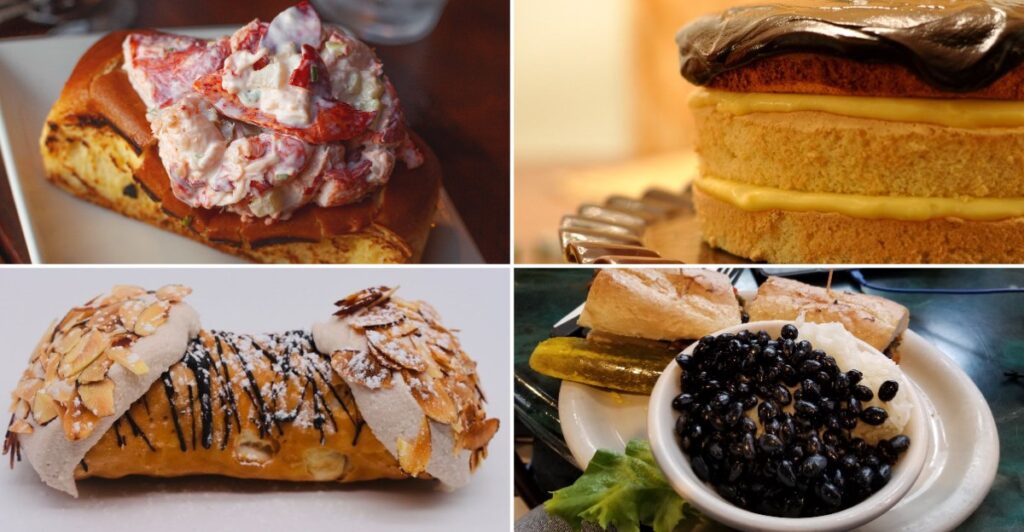
Boston is the kind of city where one good meal can easily turn into a full-day food crawl. From creamy chowder and buttery lobster rolls to North End cannoli and other local favorites, the choices can pile up faster than your appetite can keep pace. A food bingo card makes the hunt more fun, giving you a reason to mix famous Boston classics with a few dishes worth chasing beyond the city center.
Share a couple of orders, save room for dessert, and see how many squares you can cross off. For anyone ready to taste their way through the area, these eats make a delicious place to start.
1. Lobster Rolls: Pick Your Butter or Mayo Team
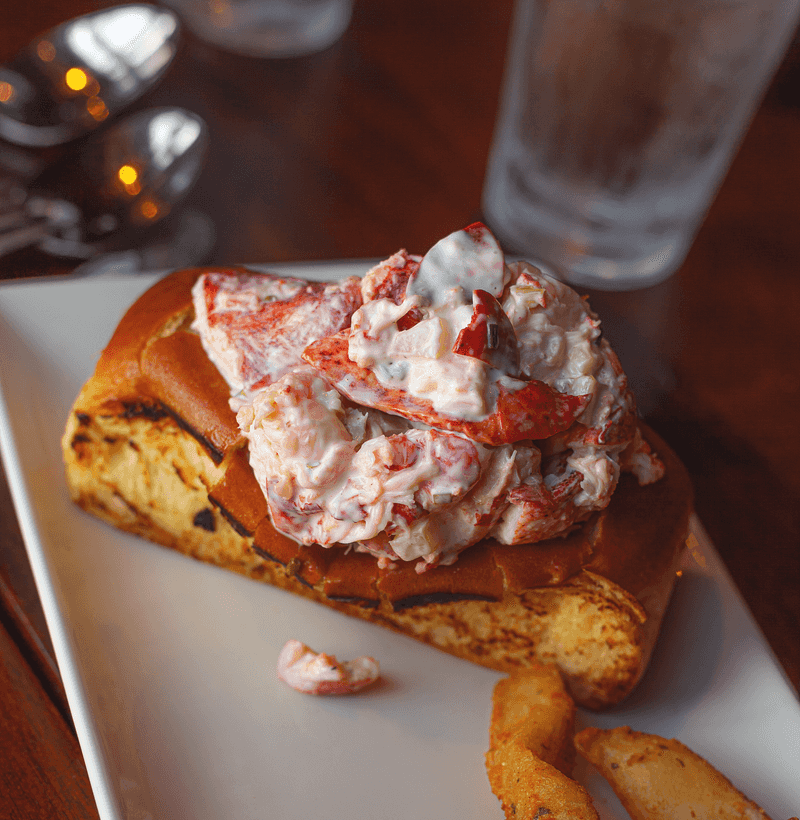
Your first big decision comes before the first bite: chilled lobster with a little mayo, or warm lobster dressed with butter? Both versions appear around Boston, so read the menu rather than assuming every roll follows the same recipe. The best choice depends on whether you want cool and creamy or warm and rich.
A good roll lets the lobster lead. Look for recognizable pieces of meat tucked into a toasted bun, with dressing that supports the seafood instead of covering it. A split-top bun brings soft bread inside and browned sides outside, giving each bite a useful mix of textures.
Prices can vary widely, and lobster rolls are often among the pricier casual meals on a menu. Check whether the listed price includes fries, chips, or another side. When comparing two spots, portion size matters as much as the number printed beside the dish.
For a first tasting, keep extra sauces on the side. Lemon can brighten the meat, but squeeze lightly so you do not drown out its sweet flavor. Take a bite from the middle before reaching for seasonings, where the balance of bread and filling is usually easier to judge.
A waterfront table makes a pleasant setting, but it is not a quality guarantee. Pay attention to how the roll is described and whether it arrives freshly assembled. Long waits can happen during busy meal times, so an early lunch may give you a calmer stop.
Sharing one roll is a smart move when your bingo card still has several open squares. Cut it carefully, since loose lobster pieces love escaping onto the tray. Pair it with a simple drink, skip the oversized side order, and save enough appetite to compare another seafood dish later that day.
2. Boston Cream Pie: The Cake With a Misleading Name
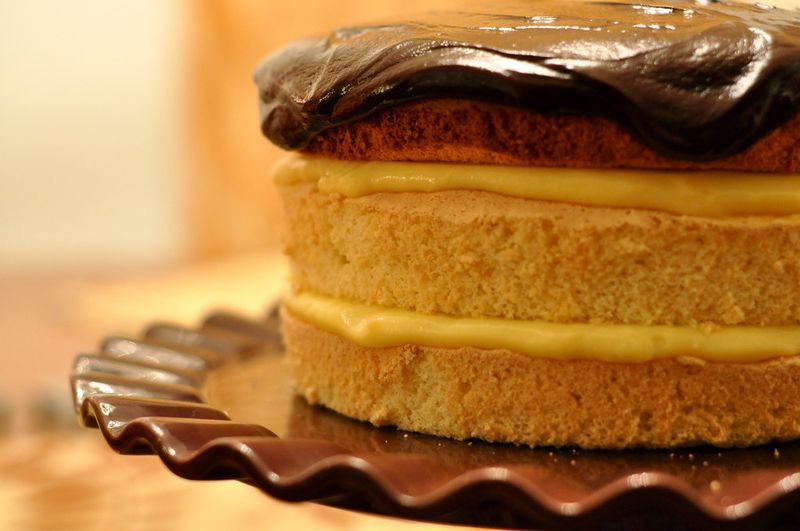
Ignore the word pie for a moment. The dessert on your plate is a cake, usually built from tender sponge layers, pastry cream, and a chocolate topping. That little naming surprise makes Boston cream pie an easy conversation starter before anyone picks up a fork.
The pleasure comes from getting all three parts in one bite. Soft cake gives the filling somewhere to land, the cream adds a cool richness, and chocolate brings a slightly deeper flavor. A slice with balanced layers works better than one buried beneath a thick chocolate blanket.
Boston cream pie is closely tied to the Parker House, now the Omni Parker House, in downtown Boston. You can make that connection part of your food route without treating one dining room as your only option. Bakeries and restaurants may offer their own versions, with differences in size and texture.
Before ordering, check whether the menu means the classic layered dessert or a playful variation. Boston cream doughnuts are enjoyable, but they are a different square on the pastry map. For this bingo card, choose a slice or individual cake that keeps the cake, cream, and chocolate structure.
After a seafood lunch, splitting a portion can be the practical move. Ask for a second fork and take turns cutting bites through every layer. Coffee or plain tea makes a useful partner, especially when you would rather not add another sweet drink to the table.
If you are carrying dessert back to your hotel, ask the bakery how it should be stored and how soon to eat it. Cream filling needs more care than a dry cookie, and chocolate can soften in warm weather. Keep the box upright, avoid a long sunny walk, and choose a proper chilled storage option when advised by the bakery staff.
3. Fenway Franks: Give the Ballpark Bite Its Own Square

The game can wait for one bite. A Fenway Frank belongs to the ballpark side of Boston eating, where a soft bun, a hot dog, and a squeeze of mustard fit neatly between pitches. It is a simple order with a very specific setting.
You do not need a mountain of toppings to understand the appeal. Start with the frank and bun, then add mustard or relish according to your taste. Keeping the toppings light also makes lunch easier to manage when your table is basically your lap.
A Fenway visit takes more planning than walking into a bakery. Check the game schedule, ticket details, and current stadium rules before building your day around it. Concession offerings and prices can change, so use the current menu rather than an old photo or travel post.
Once inside, glance at nearby concession signs before joining the first line you see. Busy periods can mean longer waits, especially when many fans leave their seats together. Buying food before the action starts may help, although crowd patterns vary from one game to another.
Carry napkins, keep your drink secure, and unwrap the food carefully. Mustard on your shirt is not a required part of the experience. If you are attending with friends, let one person handle the food while another keeps track of seats and bags, without blocking the aisle.
For anyone skipping a game, remember that a random hot dog elsewhere does not offer the same Fenway connection. Check whether an available stadium tour includes food rather than assuming it does. When baseball fits your schedule, make the frank part of the visit and spend the rest of your appetite wisely; ballpark snacks can quickly turn a small meal into a large bill before you have noticed what you already ordered that afternoon.
4. North End Cannoli: Chase the Crunch, Not Just the Line
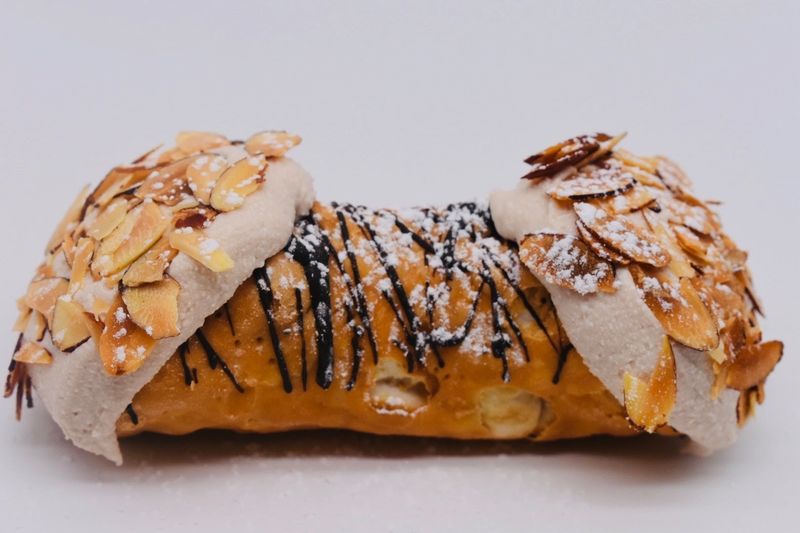
One bite should tell you why the shell matters. A cannolo pairs a crisp pastry tube with a creamy filling, and that contrast disappears when the shell turns soft. In Boston’s North End, the pastry case may tempt you with enough choices to stall an entire afternoon.
Start with a classic ricotta filling if you want a clear baseline. Chocolate chips, pistachios, and other additions can change the flavor, but the shell and filling should still be easy to taste. Ask what is available rather than assuming every bakery follows the same menu.
Freshly filled shells can offer a better chance of crunch, so it is reasonable to ask when the cannoli are assembled. That question is more useful than picking a bakery only because its line looks impressive. A long queue tells you a place is busy, not how your particular pastry will taste.
The neighborhood is well suited to a small comparison walk. Buy one cannolo at a time, share it, and notice the shell thickness, sweetness, and filling texture. There is no need to declare a citywide winner after two bites; your own preferences are enough to guide the next order.
Powdered sugar has excellent aim, especially when you are wearing dark clothes. Open the bag over a plate or napkin, and avoid squeezing the pastry in the middle. Biting from an end gives the filling somewhere to move without immediately spilling across your fingers.
For takeaway, ask about refrigeration and the best time to eat your purchase. Carry the box level and avoid stacking heavier items on top. If you have dinner planned nearby, buying dessert afterward often makes more sense than carrying filled pastries around for hours while you explore streets, browse shops, and wait for your reservation to begin that evening with your hungry companions.
5. Boston Baked Beans: Meet the Slow-Cooked Side
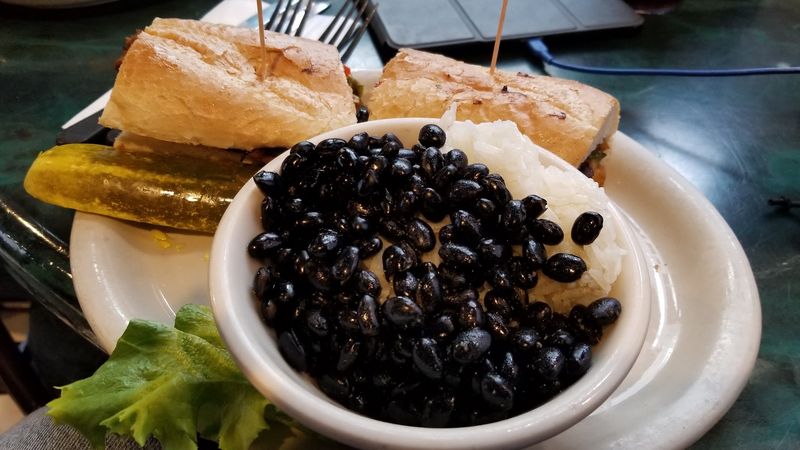
A little crock of beans can carry more flavor than its quiet appearance suggests. Boston baked beans are known for a sweet, savory profile built around slow cooking and molasses. Recipes often include salt pork, though ingredients vary, so the name alone does not tell you everything inside.
Expect a deeper sweetness than you get from plain boiled beans. Molasses brings a dark flavor, while the cooking liquid thickens around the beans. The goal is tender beans that still have some shape, not a watery bowl or a smooth paste.
This is a useful bingo square when you need a break from seafood. Look for it as a side dish or part of a traditional meal rather than assuming every Boston restaurant serves it. Menus change, and a quick check before walking over can save an unnecessary detour.
If you avoid pork or follow a vegetarian diet, ask directly about the recipe. Meat may be cooked into the dish even when no pieces are visible on top. You can also ask about portion size, since a rich bowl of beans may be more filling than it first appears.
Brown bread is a fitting companion when it is offered. Its dense texture and mild sweetness work well beside the saucy beans, especially if you take a small piece between spoonfuls. Keep other sides simple so the meal does not become a contest between several heavy flavors.
There is no need to rush this stop into a snack between activities. Sit down, give the beans a moment to cool, and notice how the sweetness and savory notes work together. When planning your route, place this dish on a cooler day or at a relaxed lunch, rather than immediately before a large dinner reservation that leaves little room for another hearty serving later in the same busy afternoon.
6. Fried Clams: Know Your Bellies From Your Strips
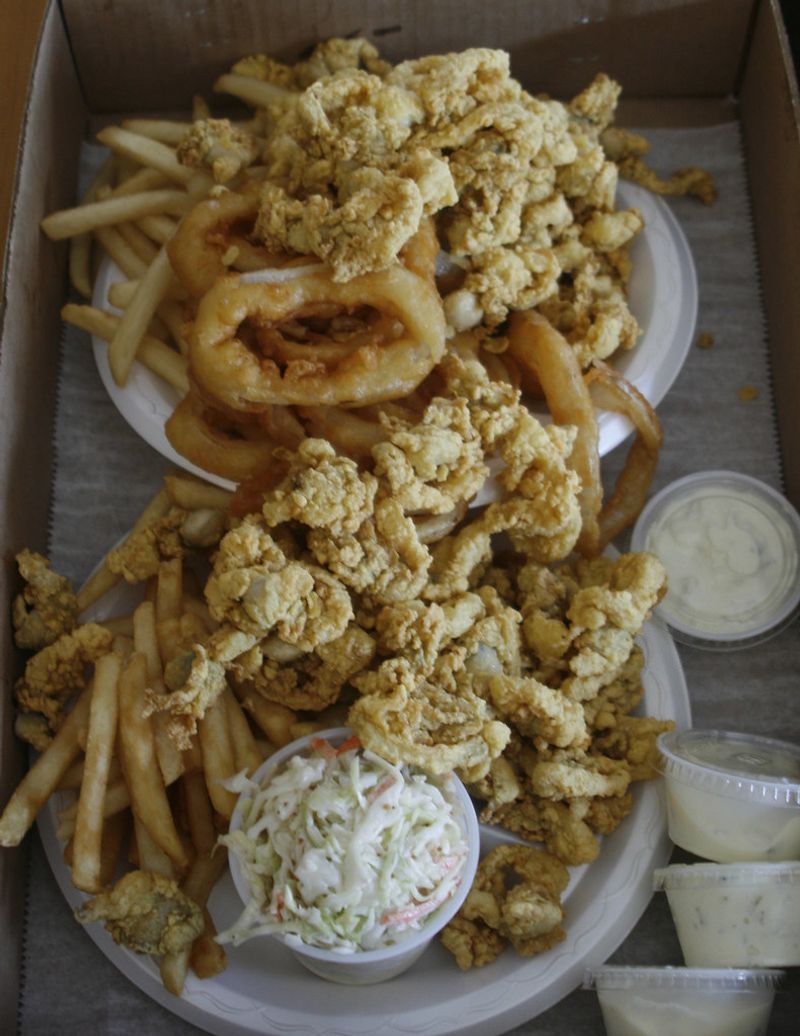
Here is the menu detail that can change your whole order: whole-belly clams and clam strips are not the same thing. Whole-belly clams include the softer belly, while strips offer a narrower piece of clam meat. Both can be fried, but the eating experience differs.
Whole-belly clams tend to bring a stronger seafood flavor and a mix of crisp coating and tender centers. Strips usually give you a firmer, more even chew. For a classic coastal Massachusetts tasting, consider the whole-belly version, then decide whether that richer bite suits your taste.
A good basket should reach you hot, with a coating that holds its crunch without hiding the clam. Eat a plain piece before adding tartar sauce. Lemon helps cut through the fried richness, but too much juice can quickly soften the crust you came for.
Boston seafood menus may offer fried clams, and nearby coastal towns give you more places to look. Check the description carefully before ordering, especially when the menu simply says clams. Ask whether the price is for a sandwich, a basket, or a full plate with sides.
Sharing is especially helpful here. A large serving with fries and coleslaw can fill you up before you have crossed off much else. Order a smaller portion when available, or split a plate and keep the sauces separate so everyone can try a few bites their own way.
Plan to eat fried clams where you buy them whenever possible. Steam trapped inside a closed takeaway box can soften the coating during a long ride. If you must carry them, ask the restaurant about the best packaging, then head straight to your eating spot instead of adding another errand between the counter and your first bite of that carefully chosen hot seafood order before it cools and loses its crisp edges.
7. New England Clam Chowder: Order the Bowl, Check the Balance
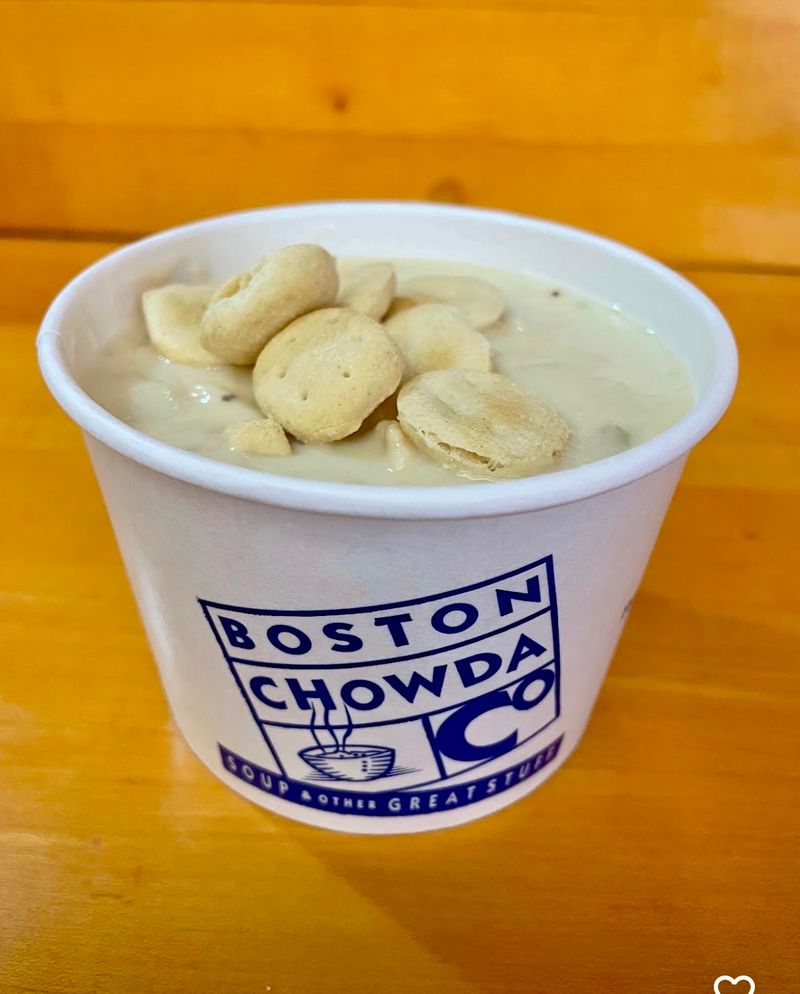
On a chilly Boston afternoon, a bowl of chowder makes a sensible first move. The New England version is generally creamy, with clams and potatoes sharing the spoon. It is different from tomato-based Manhattan chowder, so check the style if a menu uses only the broad name.
Thickness is not the only sign of a good bowl. You want clam flavor, tender potatoes, and enough balance that the cream does not take over. Some versions are quite thick, while others are looser; neither approach automatically tells you how carefully the soup was made.
Start with a spoonful before adding crackers or pepper. That gives you a chance to taste the broth on its own and see whether it needs anything. Oyster crackers add crunch, but a whole packet dumped in at once can turn your soup into a much heavier meal.
A cup is often the right size for a food crawl. It lets you try the chowder without using up the space you saved for a lobster roll or another seafood dish. Ask about the difference between cup and bowl portions if the menu does not make it clear.
Recipes may include bacon or salt pork, even though seafood gets top billing. Anyone avoiding pork should ask before ordering, and dairy is another key concern. Staff can explain ingredients more reliably than a photo, which shows texture but cannot reveal everything used in the kitchen.
For takeaway, keep the container upright and eat it while it is still at a comfortable serving temperature. Bread can be useful on the side, though a bread bowl adds a substantial extra portion. Choose that option when chowder is your main meal, not simply because the presentation looks impressive beside the other dishes you are still planning to sample during a long afternoon around the city.
8. North Shore-Style Roast Beef Sandwiches: Learn the Three-Way
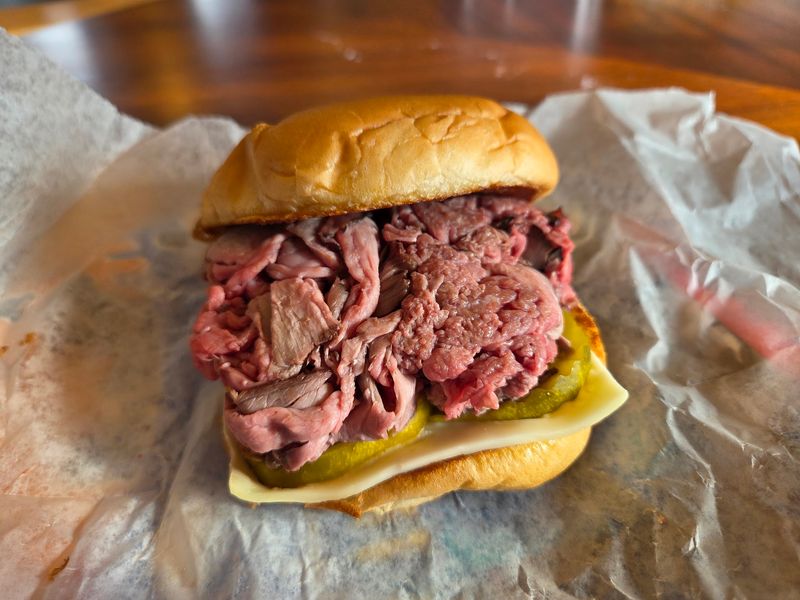
Bring extra napkins, because this square is built to drip. North Shore-style roast beef sandwiches stack thinly sliced beef on a roll, often with enough filling to make a tidy first bite unlikely. Their regional home is north of Boston, so this pick may take you beyond downtown.
One term helps you read the menu: three-way. In this sandwich tradition, it commonly means barbecue sauce, mayonnaise, and cheese. Shops can differ in their details, so confirm the toppings rather than assuming the phrase guarantees the exact combination you have pictured.
The beef is usually the central attraction, sliced thin and often served pink. If you prefer meat cooked further, ask what the shop can offer before paying. A photo may show a generous stack, but it cannot tell you serving temperature or whether your preferred preparation is available.
Roll choices and size names vary between shops. An onion roll is a familiar option, especially for larger sandwiches, but do not let the size label make the decision for you. Ask how big the serving is, particularly when you still have other bingo squares to tackle.
For your first order, the classic topping combination gives you a useful starting point. Sauce adds sweetness and tang, mayo brings richness, and cheese helps tie the stack together. You can request less sauce or toppings on the side if you want a clearer taste of the beef.
Eat over the wrapper and keep the sandwich close to the table. Once sauce reaches the bottom of the roll, waiting rarely makes the structure stronger. Build this stop into your travel route before heading north, check opening hours, and leave time to sit down rather than attempting to handle an overflowing sandwich while walking back toward a train platform with bags in both hands and sauce already on your fingers.
9. Fresh Oysters: Let the Briny Bite Speak First
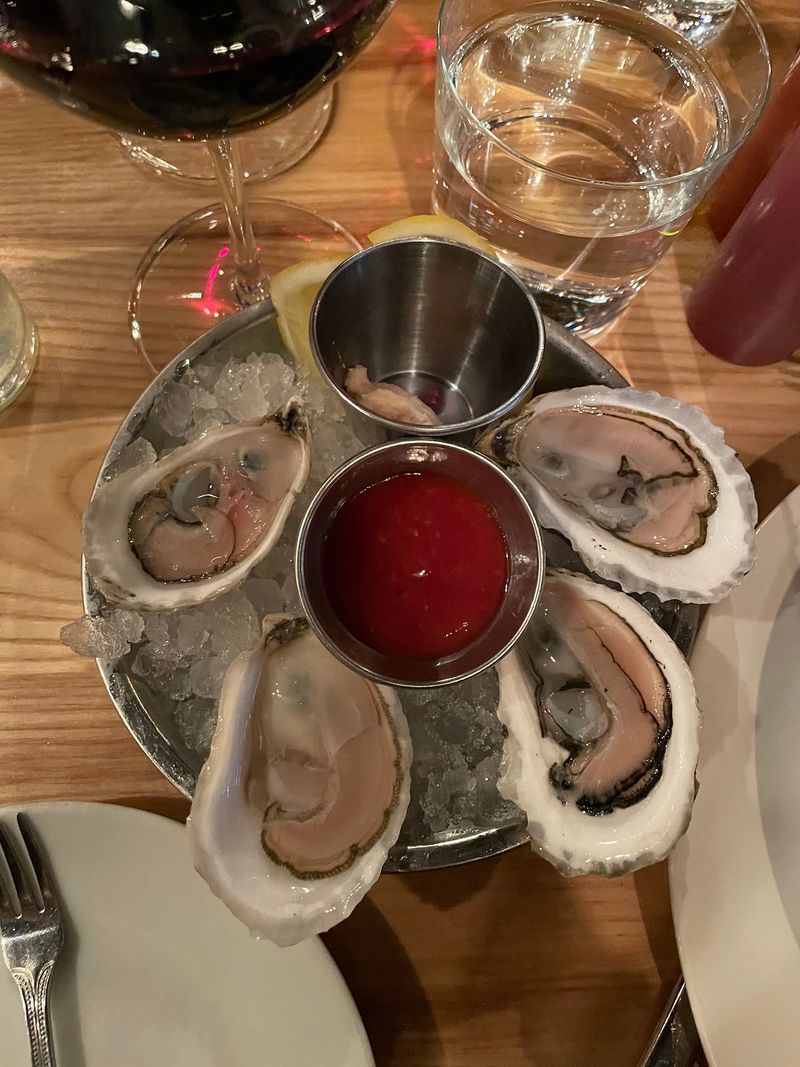
Small order, big range of flavors. Fresh oysters can taste salty, mild, mineral, or slightly sweet, depending on their variety and where they were grown. At a Boston raw bar, ordering a few different kinds gives you more to notice than choosing a dozen without asking questions.
Ask staff which oysters are available and how their flavors compare. A simple request for a milder choice and a brinier choice is enough to start. You do not need special vocabulary, and the current selection matters more than memorizing a list before your trip.
Try the first oyster plain so you can taste its natural liquid. Then experiment with a little lemon or mignonette, a sharp sauce often made with vinegar and shallots. Heavy cocktail sauce can cover delicate flavors, so add it sparingly when comparison is your goal.
The shell should be presented on a stable surface, commonly over ice. Use the small fork to loosen the oyster if needed, then tip it carefully toward your mouth. Chewing lets you notice more texture and flavor than swallowing immediately, despite what dramatic movie scenes might suggest.
Raw oysters carry a food safety risk, even when they look and smell normal. If you are pregnant, have a weakened immune system, or have certain health conditions, choose fully cooked oysters instead and follow medical guidance. A reputable restaurant reduces avoidable handling problems but cannot remove every risk of raw shellfish.
Check whether oysters are priced individually or by the half dozen, and confirm any advertised specials before ordering. A modest tasting keeps both your budget and appetite under control. Pair it with water or another simple drink, compare the shells using the menu names, and make a quick note of your favorite before the server clears the tray and the next course arrives at your table that evening.
10. Broiled Boston Scrod: Finish With the Fish, Not the Fryer
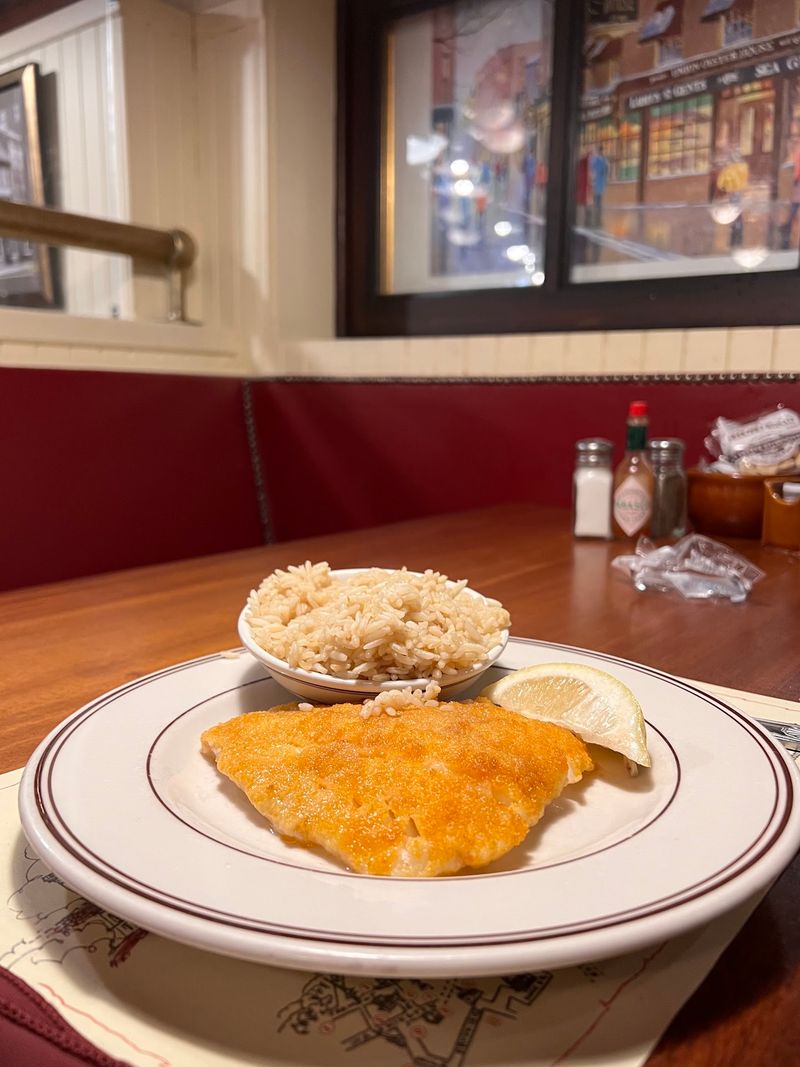
After several rich snacks, a broiled fish dinner changes the pace. Boston scrod usually refers to a preparation using young white fish, commonly cod or haddock, rather than one distinct species. That makes the menu description useful, especially when you care which fish is on your plate.
Ask what the kitchen is serving that day. Cod and haddock both offer mild flavor and flaky flesh, but the exact fish and preparation can vary. The word scrod alone does not promise a particular catch, source, or recipe, so a quick question clears up the mystery.
Broiling cooks the fish with strong heat from above. Butter and breadcrumbs are common partners, though some kitchens use a simpler finish. Look for moist flakes beneath a lightly browned surface, with seasoning that supports the fish instead of turning the whole plate into a salty crust.
A lemon wedge gives you control over the final flavor. Taste the fish first, then add a little juice where you want brightness. If the plate comes with extra butter or sauce, use a small amount before deciding whether the mild fish needs any more richness.
Side dishes can make this a lighter meal or a substantial dinner. Vegetables and a modest potato portion leave room for dessert, while large portions of fries shift the balance. Ask whether sides can be changed, but do not assume every kitchen can make substitutions during a busy service.
This square works well as a sit-down stop after a day of eating from trays and pastry bags. Order according to your appetite, and ask about the portion before adding a starter. When the plate arrives, separate a small piece with your fork and check the texture; properly cooked fish should flake readily, making a knife mostly unnecessary for the tender center of your warm broiled seafood dinner.