Some of Massachusetts’ most memorable history is served with dinner. Across the state, centuries-old taverns, country inns, and grand city restaurants let you sit down for a meal in places where the past still shapes the atmosphere.
Famous names get plenty of attention, but smaller historic dining rooms can be just as rewarding when you know where to look. The appeal comes from mixing a good meal with old architecture, local stories, and settings that feel far removed from an ordinary night out.
For anyone who likes a little history with their reservation, these Massachusetts restaurants are worth keeping on the list.
1. Salem Cross Inn – Country Dining in West Brookfield
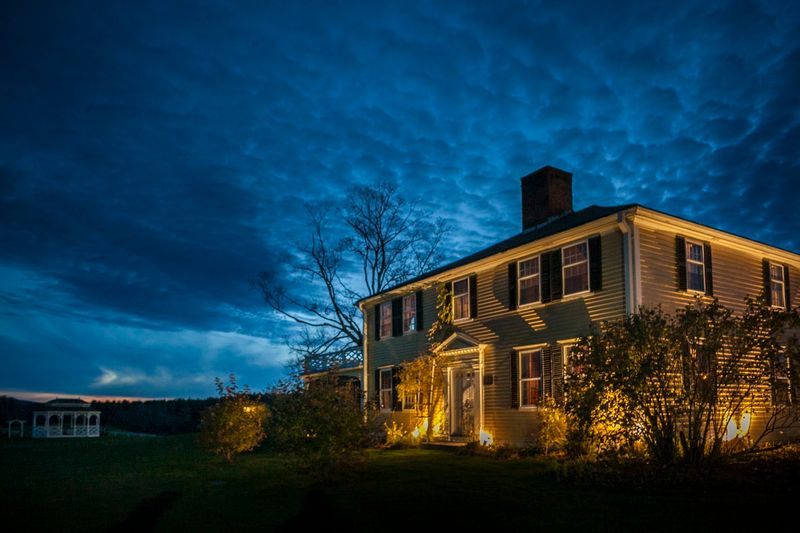
A country road, an old farmhouse, and a proper sit down meal make a strong case for leaving the highway. Salem Cross Inn brings those pieces together in West Brookfield, where the setting matters almost as much as what arrives on your plate.
The restaurant occupies a historic farmhouse on a large rural property. Wooden beams, fireplaces, and traditional rooms give you plenty to notice without turning dinner into a formal history lesson.
Take a moment to look around before settling into the menu.
One of its best known offerings is the Fireplace Feast, a special dining event tied to cooking at the hearth. That experience is separate from an ordinary restaurant reservation, so check the official calendar carefully.
Dates, menus, prices, and availability can change, and advance booking is the sensible move.
For a regular visit, expect a country inn approach rather than a quick roadside stop. Review the current menu for roast meats, seafood, and other hearty choices instead of counting on a particular dish.
Ask about dietary needs when reserving, especially if you are considering a fixed menu event.
West Brookfield makes a pleasant base for a slower afternoon in central Massachusetts. You can explore the town common and nearby streets before dinner, then arrive with enough daylight to appreciate the grounds.
Comfortable shoes help if you plan to spend time outside, though paths and conditions may vary.
Bring companions who enjoy conversation over a longer meal, and leave breathing room in your schedule. Special events may follow their own timetable, while regular service can be busy on popular weekends.
Before driving out, confirm which dining experience you booked, whether the room meets your access needs, and when you should arrive. A little planning keeps the evening focused on the hearth, the food, and the countryside.
2. Warren Tavern – A Revolutionary Stop in Charlestown
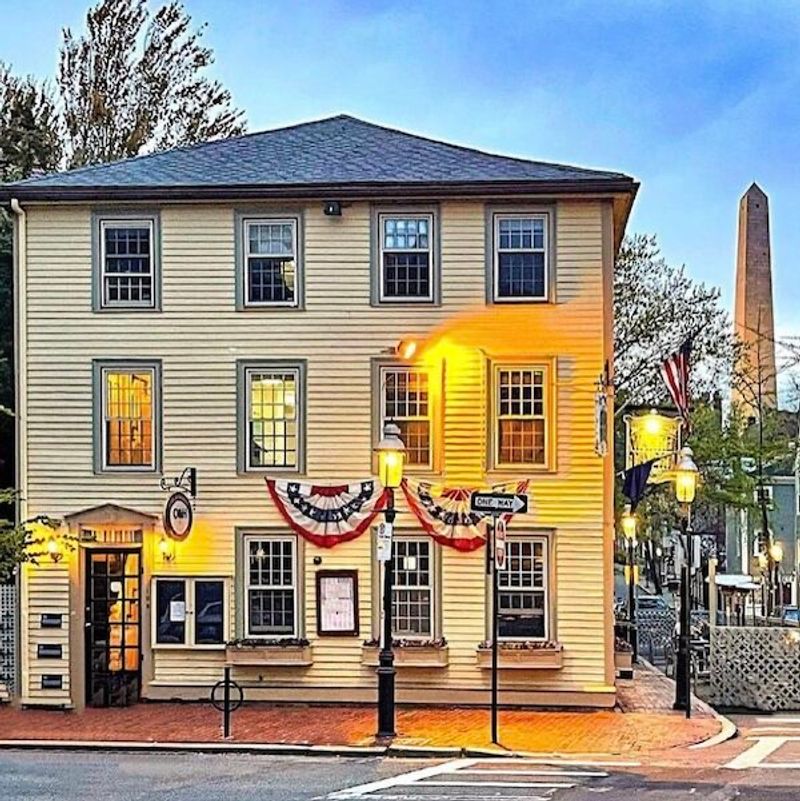
Freedom Trail feet deserve a break, and Charlestown has a tavern with a serious head start on most neighborhood bars. Warren Tavern dates to 1780, placing its beginnings just after the Revolutionary War battles that reshaped this part of Boston.
Its name honors Dr. Joseph Warren, who died at the Battle of Bunker Hill. The tavern is also associated with visits by major figures from the Revolutionary era, including Paul Revere and George Washington.
Those connections give a casual lunch more historical weight than the average sandwich stop.
Inside, the scale is closer to a neighborhood gathering place than a grand dining hall. Low ceilings and old wood support that impression, but remember that a working restaurant changes over time.
You are entering a living business, not an untouched room preserved exactly as it stood centuries ago.
Build your visit around Charlestown rather than rushing across town just to tick off a name. The Bunker Hill Monument and nearby historic streets make natural companions to a meal.
Check monument access separately, and allow extra time for hills, uneven sidewalks, and the walk between stops.
The menu follows a tavern direction, with familiar pub dishes and drinks rather than a staged colonial dinner. Browse current offerings before promising anyone a specific favorite.
For a quieter conversation, consider an earlier meal and ask about seating, since a compact neighborhood spot can get lively during busy hours.
Getting here without a car can save you a parking hunt. Compare current transit routes or plan a walk from another Charlestown stop, keeping weather and mobility needs in mind.
Reservations and seating policies should be checked directly. Once seated, let the place be what it is: a historic tavern where lunch still belongs to the neighborhood, not only to the tourists passing through Boston.
3. Old Yarmouth Inn – Cape Cod Beyond the Beach
Trade the beach cooler for a table along Route 6A. Old Yarmouth Inn offers a different side of Cape Cod, one shaped by village roads, old buildings, and meals that invite you to stay seated a little longer.
The inn traces its roots to 1696, making its history a major part of the appeal. Its Yarmouth Port location places you on the Cape’s historic northern route rather than among the busier commercial strips farther south.
That distinction matters when choosing the mood of your day.
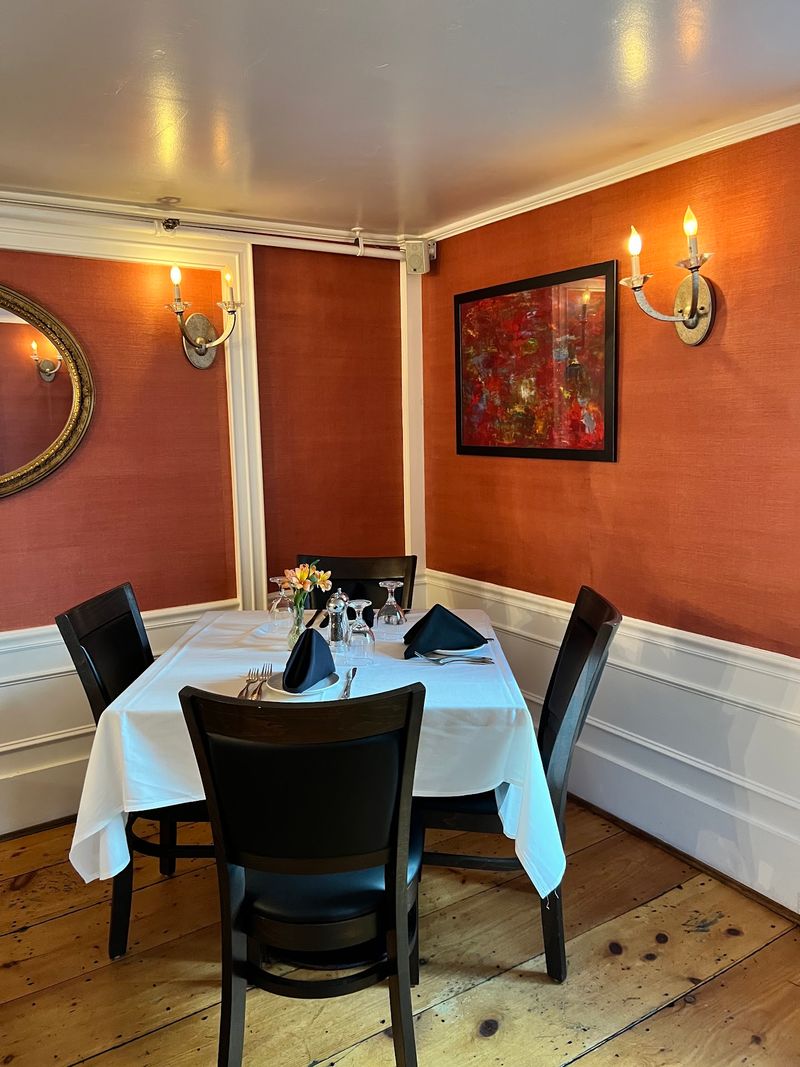
Expect an established restaurant setting, not a recreation of seventeenth century dining. Historic buildings are adapted, repaired, and updated over generations, and the experience here belongs to the present as well as the past.
Notice the traditional rooms and details without assuming every feature dates to the inn’s beginnings.
A meal here can anchor an afternoon exploring Yarmouth Port. Nearby village sights include historic houses and cultural stops, though each has its own opening schedule.
Pick one or two activities rather than packing in a whole checklist, especially during summer traffic or shorter winter daylight hours.
Seafood is a natural place to start when reviewing a Cape restaurant menu, but look at the current choices before deciding. Seasonal dishes, service hours, and special menus may shift.
Mention allergies when booking, and ask about preparation rather than relying only on a short menu description.
Reserve ahead for busy weekends and holiday periods, then give yourself a generous travel cushion. Route 6A rewards patience, not a race against the clock.
If stairs, seating, or noise are concerns, explain what you need when calling. Dress for the meal you want, bring an appetite, and leave the sandy beach gear for another outing.
This stop works best when dinner becomes the main event, rather than a hurried detour between errands.
4. The Red Lion Inn – Stockbridge’s Front Porch Landmark
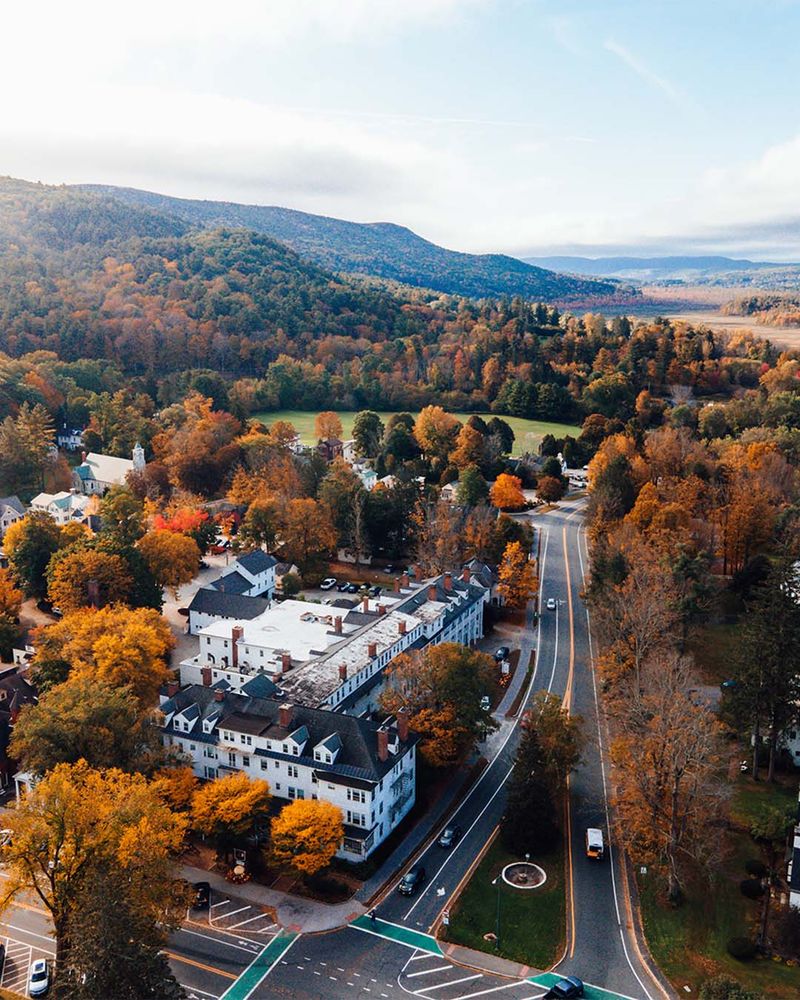
That broad front porch is hard to ignore. The Red Lion Inn stands at the center of Stockbridge village, giving a Berkshire meal a clear sense of place before you even glance at the menu.
The inn’s roots reach back to 1773, although the property has changed through rebuilding and later work. Its long history is not a claim that every wall is original.
Instead, the appeal comes from generations of hospitality tied to one of Massachusetts’ most recognizable small town streets.
Inside, traditional furnishings and collected objects give the public spaces plenty of character. Keep your eyes open as you move toward your table, but respect that this is also a working hotel.
Guest areas are not automatically open for sightseeing, and staff can explain where casual visitors may explore.
Dining options and schedules can vary, so confirm which restaurant or service you are booking. A formal meal and a casual bite are different experiences, even at the same property.
Look over the latest menu, ask about dress expectations if needed, and make reservations around your actual travel plans.
Stockbridge is compact enough to pair lunch with a village walk. The Norman Rockwell Museum is another popular nearby stop, but it requires its own time and travel planning rather than being treated as part of the inn.
Book museum tickets separately when required, and check seasonal opening hours.
For the easiest visit, avoid squeezing dinner between a long drive and a tightly timed performance elsewhere in the Berkshires. Summer arts events and fall foliage weekends can fill local roads and tables.
Ask about parking and accessible entrances before arrival. If porch seating is part of your plan, confirm whether it is available that day instead of assuming.
The landmark view is dependable; the exact dining setup deserves a quick call first.
5. Union Oyster House – Boston History at the Raw Bar
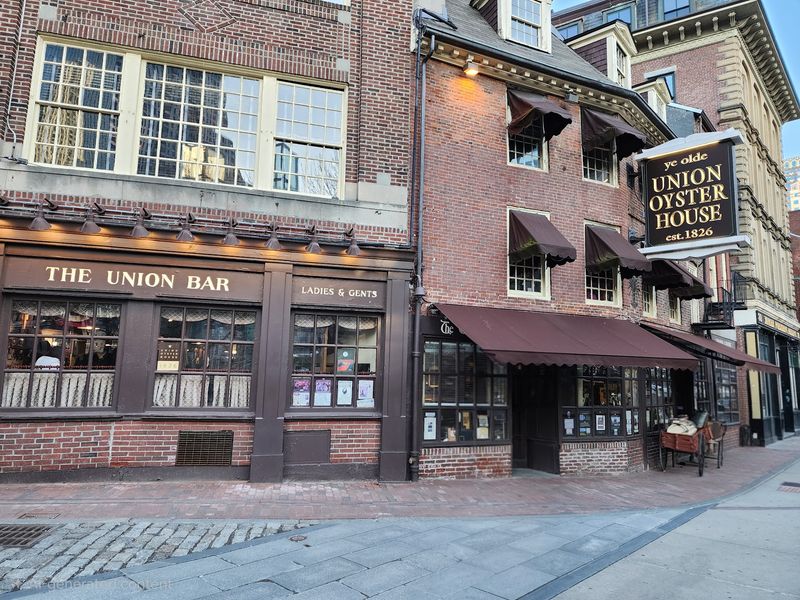
Oysters and American history share the bill on Union Street. Union Oyster House opened as a restaurant in 1826 and is widely recognized as the country’s oldest continuously operating restaurant, a distinction that makes it much more than another seafood address.
The building itself predates the restaurant, adding another layer to the story. Inside, the oyster bar is among the best known features, while other dining areas offer a different pace.
Ask about seating options when you book rather than assuming every reservation includes a place at the counter.
For your meal, begin with the current seafood offerings and work from there. Raw oysters are an obvious draw, but they are not the right choice for everyone.
Anyone with health concerns should follow medical guidance about raw shellfish, and allergies deserve a clear conversation with the staff.
Location is a major advantage. You are close to Faneuil Hall and several downtown history stops, making lunch easy to fold into a walking day.
Still, leave enough time to eat properly instead of trying to finish chowder while watching the clock for your next tour.
Expect a well known destination, not a secret locals have kept under wraps. Busy periods can bring crowds, and the historic setting is part of what you are paying to experience.
Check menu prices before arriving so your group can choose comfortably, especially when ordering market priced seafood.
Use public transit when practical, since nearby driving and parking can be awkward. Ask ahead about step free access and table placement if those details matter to your visit.
A reservation helps, but you should also confirm arrival rules and current hours. Save a few minutes to examine the exterior from the street afterward.
The building’s shape and surrounding lanes place your dinner firmly within old Boston’s tight urban footprint, beyond the plate itself.
6. 1640 Hart House – Old Timber and Dinner in Ipswich
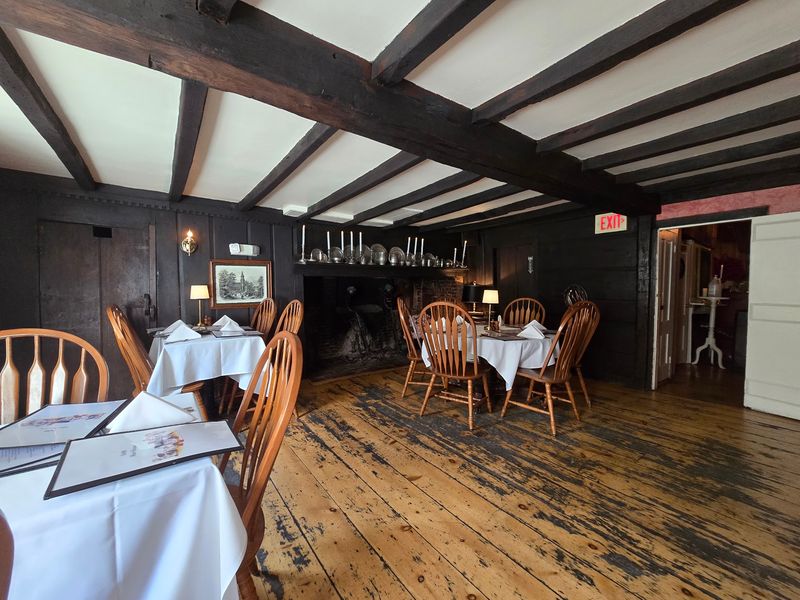
Few dinner reservations put you inside a house with roots in the seventeenth century. At 1640 Hart House in Ipswich, the building is a central part of the outing, not simply a backdrop for a menu photograph.
Ipswich is known for its surviving early houses, so this restaurant fits into a much larger local story. The property has served different purposes over its long life, and its dining spaces reflect that passage of time.
Avoid treating the date in the name as proof that every visible detail is original.
Look for the old wood and intimate room layout while respecting diners around you. A historic house can offer smaller spaces and different seating arrangements than a modern restaurant.
When making a reservation, ask which room suits your group, especially if you want easier conversation or need extra space.
The food gives you a reason to sit down after exploring town, but use the current menu as your guide. Offerings and prices can change with the season.
Tell the restaurant about allergies in advance, and confirm whether a special event or private booking affects the dining service you want.
Make Ipswich part of the plan instead of treating it as a highway exit. You can pair a meal with a walk through the town’s historic areas or a separately scheduled museum visit.
Coastal outings are another option, though beach access, parking rules, and weather call for their own homework.
Evening reservations work best with a little daylight left for finding the entrance and checking the grounds. Ask directly about parking, steps, and accessible seating rather than judging from exterior photos.
For a celebration, confirm cake policies and group arrangements before inviting everyone. The reward here is a meal within the fabric of an old Massachusetts town, with enough architectural detail to keep your eyes busy between courses without leaving your chair.
7. Publick House Historic Inn – Sturbridge’s Hearty History Stop
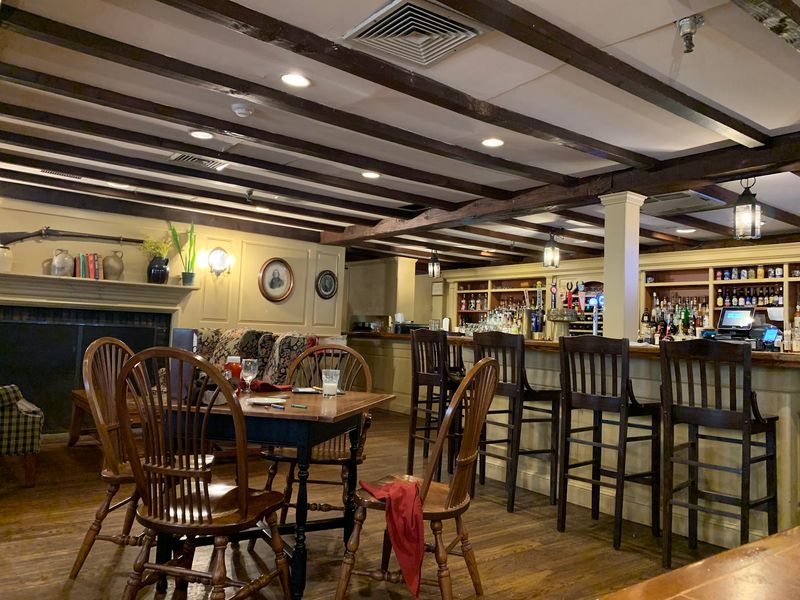
History touring can build a very modern appetite. Publick House Historic Inn in Sturbridge answers that problem with an old inn setting and the kind of substantial dining that suits a day spent walking rather than sitting in the car.
Established in 1771, the property has a long connection to travelers passing through central Massachusetts. Today, it combines lodging, dining, and events, so your experience depends partly on which space you visit.
Confirm the dining room or tavern you want when arranging a table.
The Bake Shoppe is another reason to pay attention to the property. It offers a different stop from a full restaurant meal, useful when you want baked goods without committing to a long lunch.
Check its current hours and selection separately, because one part of an inn may keep a different schedule.
Old Sturbridge Village is nearby, but the museum and the inn are separate destinations. Pairing them makes sense if you leave room for both admission plans and dinner reservations.
Museum programs, walking distances, and seasonal hours can shape the day more than the mileage between the two places.
Before ordering, scan the menu for traditional comfort dishes and any seasonal choices that catch your eye. Do not assume an old inn serves only old fashioned food or that a dish mentioned online is still available.
Staff can explain portions, ingredients, and options for children or dietary restrictions.
Weekends, weddings, and holiday gatherings can make this a busy property. Ask about parking, the easiest entrance, and whether your table requires stairs.
If you are staying overnight, confirm room details independently of the restaurant booking. For a day trip, leave time after lunch to browse the village area rather than rushing back onto the highway.
Sturbridge works well at a measured pace, particularly when a bakery purchase needs a safe ride home afterward.
8. Amrheins Restaurant – South Boston’s Neighborhood Chapter
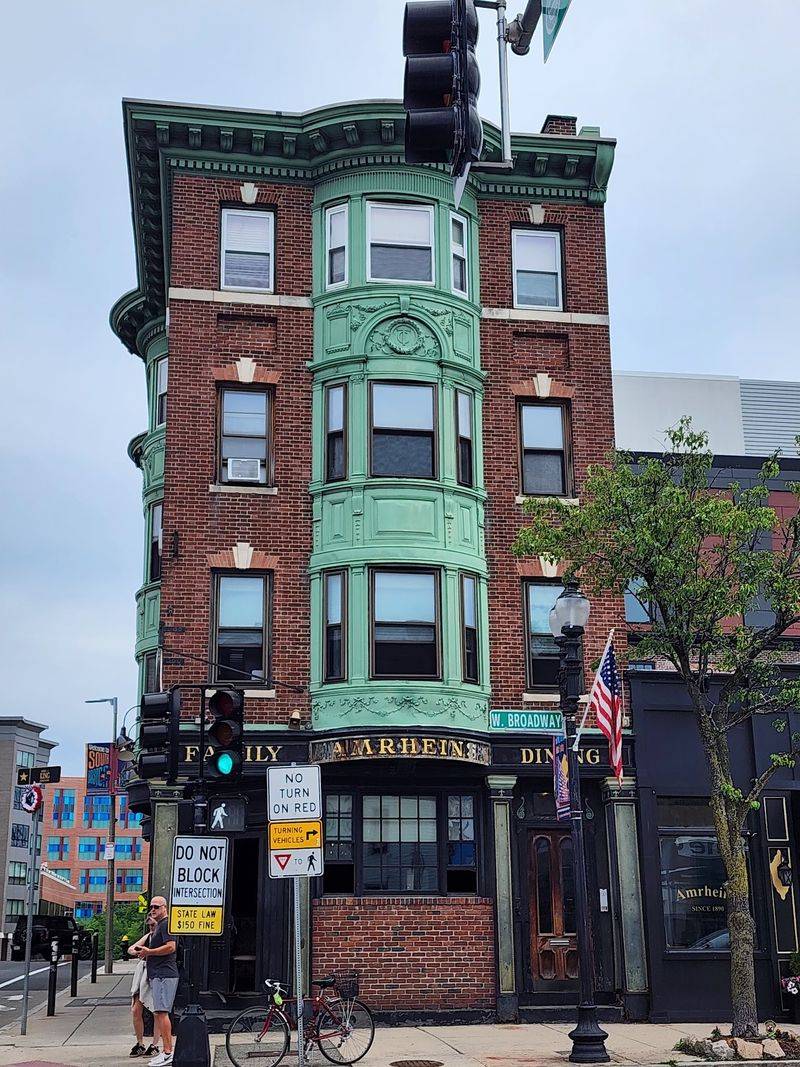
South Boston’s history is not limited to waterfront views and parade routes. Amrheins belongs to the neighborhood’s restaurant story, with roots dating to 1890 and a name tied to generations of local meals, drinks, and gatherings.
That history deserves a careful approach because restaurant operations and property plans can change. Before building an outing around Amrheins, verify whether the restaurant is currently serving, what name it operates under, and whether reservations are available.
Older reviews and map listings are not enough to settle those questions.
If dining service is available, look at the latest menu rather than expecting dishes from an earlier visit or an old article. Neighborhood institutions often adjust with new ownership, changing kitchens, or updated dining spaces.
The historic name can remain familiar even when the experience has moved into a different chapter.
The South Boston location gives you a useful chance to explore beyond the city’s most crowded sightseeing lanes. Plan a neighborhood walk that matches your interests and energy, keeping traffic and street crossings in mind.
Other nearby businesses can provide a backup meal if your first choice is unavailable.
For anyone interested in restaurant history, separate documented facts from repeated bar stories. Ask which interior features remain and whether staff can point out details connected to the building’s past.
Do not assume a famous fixture, room arrangement, or decorative element is still present without checking recent information.
Transportation planning matters here, too. Compare transit with parking options, and avoid leaving a car search until your reservation time.
Call about access needs, group seating, and current service hours before setting out. If the restaurant is not operating, view the building respectfully from public space and choose another confirmed dining stop.
That keeps the visit useful without pretending a historic reputation guarantees an open kitchen today, or that yesterday’s listing describes the property now for every traveler.
9. Concord’s Colonial Inn – Supper Beside the Town’s Story
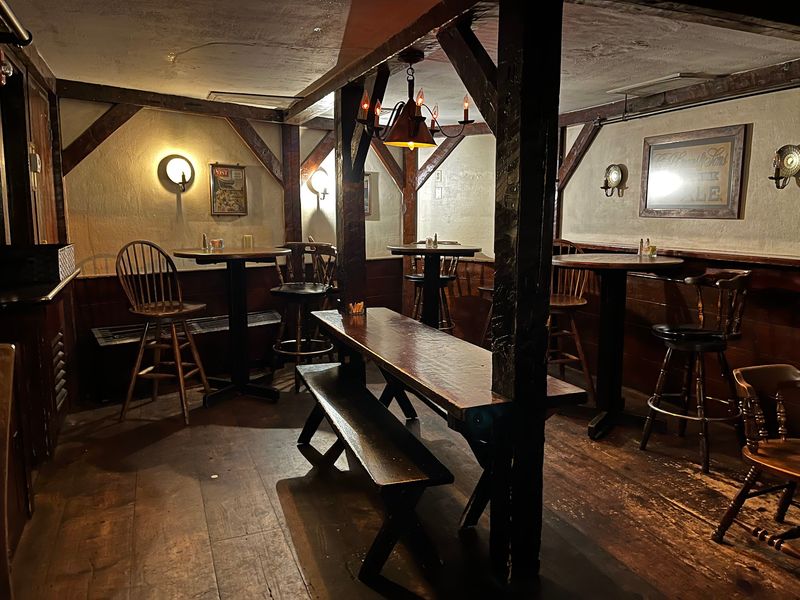
Concord asks you to walk through a lot of history, so dinner should not require leaving the story behind. Concord’s Colonial Inn stands on Monument Square, putting a meal close to the town’s familiar historic streets and landmarks.
Parts of the inn date to 1716, though the property developed over time rather than appearing all at once. Its connections to Concord’s past make it an appealing stop after exploring the area.
Keep building history separate from colorful legends, especially when a tale sounds designed for a ghost tour.
Several dining spaces have been associated with the inn, and current arrangements should guide your reservation. Ask where your meal will be served, what menu applies, and whether music or an event is scheduled.
Those details can make the difference between a quiet dinner and a livelier evening.
The town center is convenient for a short walk before eating. A trip to the North Bridge or other historic sites needs additional time, and individual sites may have different hours or visitor rules.
Wear shoes suited to walking, then leave enough room in the schedule to arrive without rushing.
Look for New England influenced dishes on the current menu, while allowing the kitchen’s actual offerings to lead your choice. A historic inn is not required to serve a museum style meal.
Ask about ingredients and portion sizes if your group is balancing a late lunch against an evening reservation.
Parking around a popular town center can take patience, particularly during busy travel periods. Confirm the inn’s parking guidance and accessible entrance before arrival, and reserve ahead for weekend meals.
Overnight guests should book lodging separately and check the room layout they need. For a day visit, a relaxed meal here helps connect Concord’s outdoor landmarks with its everyday village life, without turning the whole afternoon into another lecture on dates, names, and battles.
10. Bull Run Restaurant – Shirley’s Dinner and Show Detour
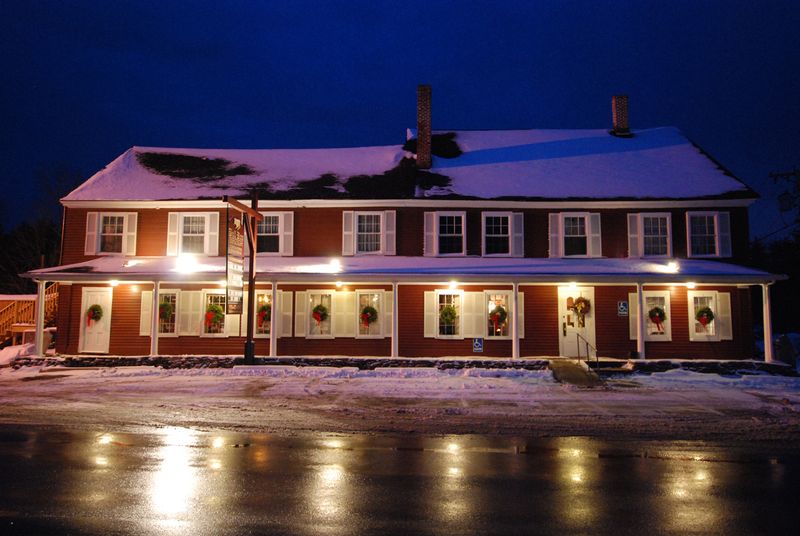
A concert ticket can turn an old tavern visit into a full evening out. Bull Run Restaurant in Shirley combines historic surroundings with dining and live entertainment, making it a different kind of stop from a quiet country inn.
The building’s history reaches back to the eighteenth century, and the venue draws on that long tavern tradition. At the same time, its entertainment program is firmly present day.
Check the official schedule rather than assuming music happens every night or that a restaurant reservation includes admission.
Start by deciding which experience you want. An ordinary dinner, a ticketed show, and an event meal may have different booking rules, seating plans, or arrival times.
Read the details for your specific date, especially if everyone in your group needs to sit together.
When a performance is involved, timing matters more than usual. Ask when doors open, when food service begins, and whether there are ordering limits once the show starts.
You will enjoy the evening more if your meal and the performance are planned as one outing rather than two competing appointments.
For a restaurant visit without a show, review the current menu and ask which dining areas are available. Old buildings can have varied room sizes and access routes, so explain mobility needs before arrival.
Families should also check age policies for individual events instead of assuming all entertainment welcomes children.
Shirley is a drive for many Boston area travelers, making a designated driver or overnight plan useful when drinks are part of the evening. Confirm parking instructions, allow time for unfamiliar roads, and keep the return trip realistic.
Tickets, menus, and schedules can change independently, so check each one. The strongest reason to choose Bull Run is the chance to combine a historic setting with a specific performer you want to see, not simply to collect another old building.
11. The 1761 Old Mill – Waterside Dining in Westminster
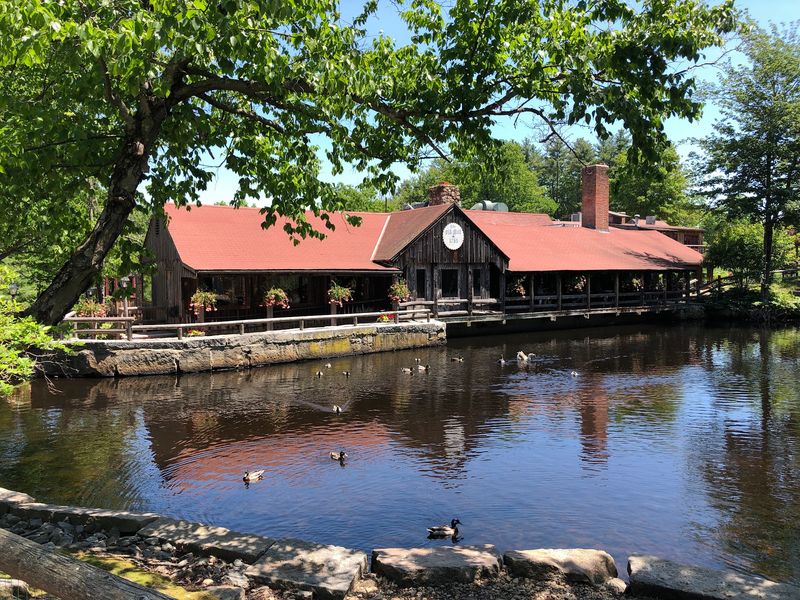
The water gets your attention before the menu does. The 1761 Old Mill in Westminster occupies a former mill setting, where the pond and surrounding grounds give a restaurant visit a clear connection to the landscape outside.
Its history is rooted in milling rather than an original tavern business. That distinction adds variety to a tour of Massachusetts dining landmarks: not every old restaurant began by serving travelers.
Buildings can gain a new purpose while still showing why they were placed beside moving water.
Allow a few minutes to look at the exterior before your meal, especially while daylight lasts. The grounds are part of the appeal, but wet surfaces, winter conditions, and uneven areas deserve care.
Stay on permitted routes and supervise children near water rather than treating the setting as an open playground.
Inside, expect a restaurant experience shaped by the old building rather than a working mill demonstration. Ask about the dining room when booking if a view matters to you.
A waterside location does not mean every table faces the pond, and specific seating requests may depend on availability.
Check the current menu for hearty meals and traditional favorites, including whether familiar accompaniments are being served that day. Longtime customers may mention particular breads or fritters, but recipes and service details can change.
Confirm ingredients directly if allergies or dietary restrictions affect what you can safely order.
Westminster makes this a practical stop during a central Massachusetts drive, provided you build the meal into your route. Verify hours before leaving, reserve for busy dates, and ask about parking and accessible entry.
Outdoor photographs are easier before dinner than after dark, so arrive with a little cushion. Once inside, put the camera away long enough to eat while the food is hot.
The pond will still be there when the plates are cleared from your table afterward.
12. Longfellow’s Wayside Inn – Sudbury’s Literary Lunch Stop
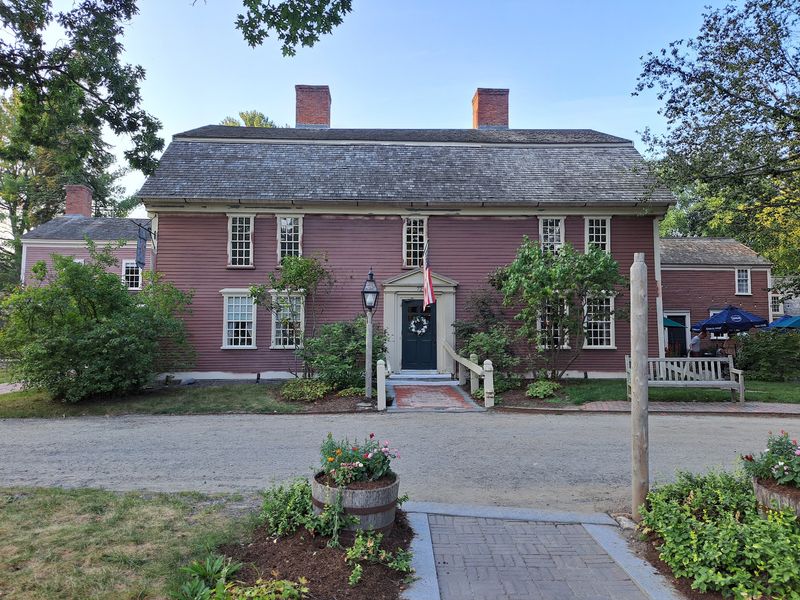
A poet helped make this roadside inn famous, but you do not need a literature degree to enjoy lunch here. Longfellow’s Wayside Inn in Sudbury connects an old tavern tradition with one of New England’s best known literary landmarks.
The inn traces its beginnings to 1716 and is associated with Henry Wadsworth Longfellow’s Tales of a Wayside Inn. That connection gives the place a useful story to carry into your visit.
The building and property also have histories beyond the poem, so leave room for more than one famous name.
The grounds include additional historic attractions, with the nearby grist mill among the most recognizable. Access, demonstrations, and opening times can vary, so check the current schedule before promising a full tour.
A restaurant booking does not automatically provide entry to every building or activity on the property.
Plan your meal and your exploring in the right order for the season. In winter, earlier daylight may favor a walk before lunch; in warmer months, you may have more room afterward.
Choose sturdy shoes for outdoor areas, and ask about accessible routes if uneven ground presents a challenge.
Dining here is best approached as a traditional inn meal rather than a reenactment. Browse the latest menu, ask about daily offerings, and mention dietary needs when reserving.
Rooms and service arrangements may differ, particularly during special events, so confirm where your group will be seated and what to expect.
Reservations are sensible for popular weekends and holiday meals. Build in time to find the correct entrance, park, and look around without delaying your table.
Be considerate when photographing the building, since other guests are dining or staying overnight. A short reading about Longfellow before the trip can add context, but the practical essentials are simpler: confirmed hours, suitable shoes, and enough time for both the grounds and a relaxed meal.
13. Bostonia Public House – Downtown History with a Modern Menu
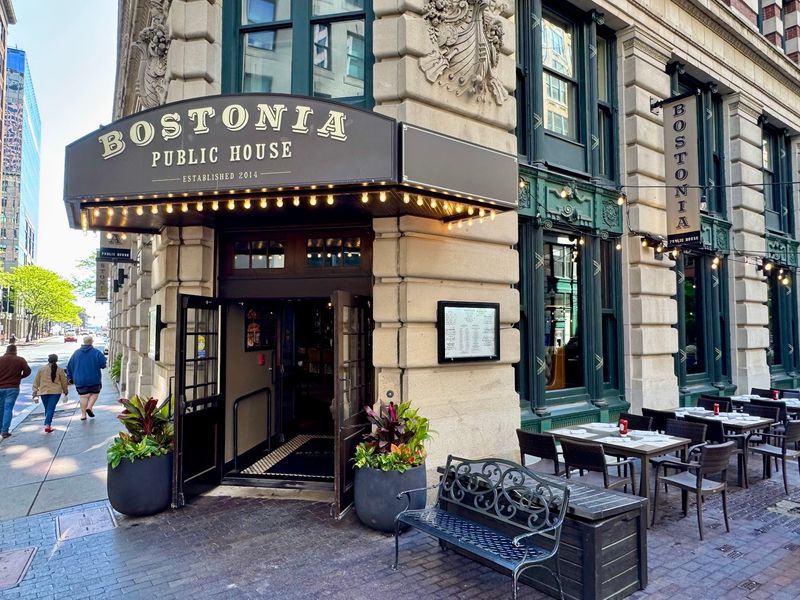
Not every historic dining stop needs colonial beams or a fireplace. Bostonia Public House brings the list into downtown Boston’s larger commercial buildings, pairing a modern restaurant with a setting rooted in the city’s business history.
The restaurant occupies space in the historic Board of Trade building on State Street. That is the key distinction: the building carries the older story, while Bostonia is a much newer dining business.
Calling it an ancient tavern would blur two very different timelines.
Expect a more polished city restaurant experience than the country inns elsewhere on this list. The menu and drinks belong to modern Boston, and the room can be lively.
Look at current menus and service schedules before choosing between lunch, dinner, or any available weekend offerings.
Its location makes it easy to combine a meal with downtown sightseeing. The waterfront, Faneuil Hall area, and nearby historic streets provide several directions for a walk.
Choose a route that fits your timing, then keep the reservation separate from museum entries, boat departures, or guided tours.
For conversation, ask about table placement and the sound level at your planned hour. Large city dining rooms can change character as the evening fills up, and special events may affect seating.
If your group includes children or someone with access needs, discuss those details directly rather than relying on photographs.
Public transit often simplifies arrival, while garage costs can change the budget for drivers. Check transportation options, reserve ahead when possible, and read cancellation terms for a large party.
Before stepping inside, take a look upward at the building itself; its scale tells a different Massachusetts story than a small rural tavern. Finish your historic dining tour here if you want architecture from an older city chapter without expecting the kitchen to pretend the present has not arrived on State Street.
Share this story