A state-run ferry along the Texas coast is free, runs around the clock, and dolphins sometimes swim beside the boat. I still can’t get over that. A free boat ride with marine mammals feels like a prize, not a commute.
Once I started digging, I found more surprises like it. There’s a row of old cars you’re allowed to spray paint. There’s a giant granite dome that reportedly creaks at night as it cools.
None of these trips require a fancy hotel or a fat wallet. Some stops are completely free, while others charge modest entrance fees. With a little planning, you can still enjoy some of Texas’ most spectacular scenery without spending a fortune.
I love that the best views in this huge state often cost the least. So which one gets the first spot on your calendar? Fair warning, picking just one might be the hardest part of the whole adventure.
1. Galveston-Port Bolivar Ferry

Free boat rides with a chance of dolphins sound like a scam, but the Texas Department of Transportation makes it real. The ferry between Galveston and Port Bolivar costs you zero dollars.
Boats run 24 hours a day, every day of the year. That means you can catch a sunrise crossing, a lunch crossing, or a late night one under the stars.
The trip covers about 2.7 miles across Galveston Bay. It takes around 18 minutes, which is just long enough to grab a few photos without getting bored.
Keep your eyes on the water the whole way. Bottlenose dolphins often swim in the bay, and they sometimes surf the waves the ferry makes.
Seagulls love to follow the boats too. They hover so close you might feel like the star of a nature show.
You can drive your car right on board. Then you’re free to step out, walk to the rail, and feel the salty breeze.
Busy summer weekends and holidays can mean long lines at the landing. Going early in the morning or on a weekday usually makes the wait shorter.
On the Bolivar side, the beaches are quieter than the busy Galveston seawall. It’s a nice spot to stretch your legs and hunt for seashells.
Pack a cooler with sandwiches and cold drinks before you leave. That way the whole day stays cheap from start to finish.
Bird lovers should bring binoculars along. The Bolivar Peninsula sits on a major migration path, and spring brings plenty of feathered visitors.
Want a bonus ride? Turn around and ride the ferry right back to Galveston, because the return trip is free too.
Address: 123 TX-87, Port Bolivar, TX 77650
2. Big Bend National Park
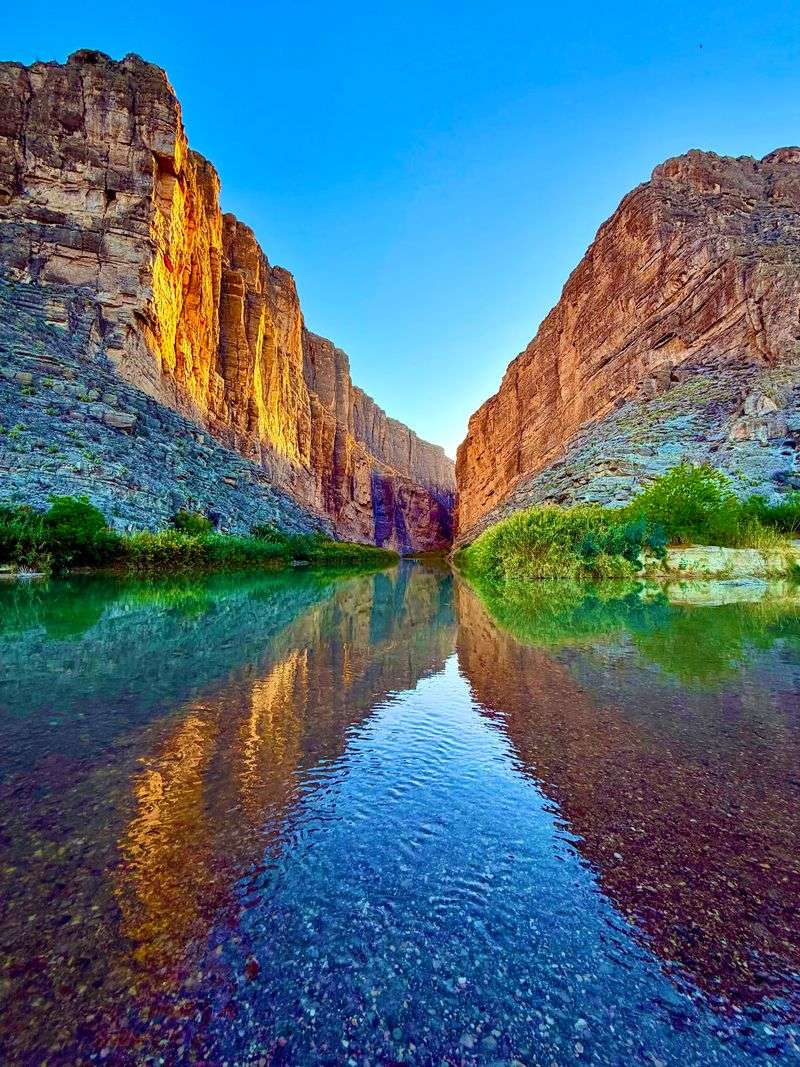
Some parks have a view, but Big Bend has a whole country across the river. The Rio Grande marks the southern edge of the park, with Mexico on the other side.
It’s one of the largest national parks in the lower 48 states. You get desert, mountains, and river canyons all inside one park boundary.
Santa Elena Canyon is the showstopper for many visitors. Its cliffs rise about 1,500 feet straight up from the river.
A short trail leads you into the mouth of the canyon. You’ll cross Terlingua Creek first, so check conditions because it can be muddy or flooded.
The Chisos Mountains rise right in the middle of the desert. That gives you cooler air and great hiking, like the popular Window Trail.
Bring more water than you think you’ll need. The desert heat is no joke, especially from late spring into summer.
Night here is something special. Big Bend is an International Dark Sky Park, so the stars show up by the thousands.
Lie back on your car hood and look for the Milky Way. On a clear night, it stretches across the sky like spilled sugar.
The Ross Maxwell Scenic Drive is a must if you love pretty roads. It winds about 30 miles past old ranch sites and big desert overlooks.
Fill up your gas tank before you arrive. Stations inside and near the park are few and far apart.
Camping keeps costs low, and the park has several developed campgrounds. Reserve early, since spring break and winter holidays fill up fast.
Wildlife fans should watch for roadrunners and javelinas. You might even spot a black bear in the mountains, so store food properly.
Address: 1 Panther Junction, Big Bend National Park, TX 79834
3. Palo Duro Canyon State Park
Flat Panhandle farmland suddenly drops away, and a giant red canyon opens at your feet. Palo Duro Canyon catches plenty of first-time visitors totally off guard.
It’s known as the second largest canyon in the United States. The canyon runs about 120 miles long and reaches around 800 feet deep.
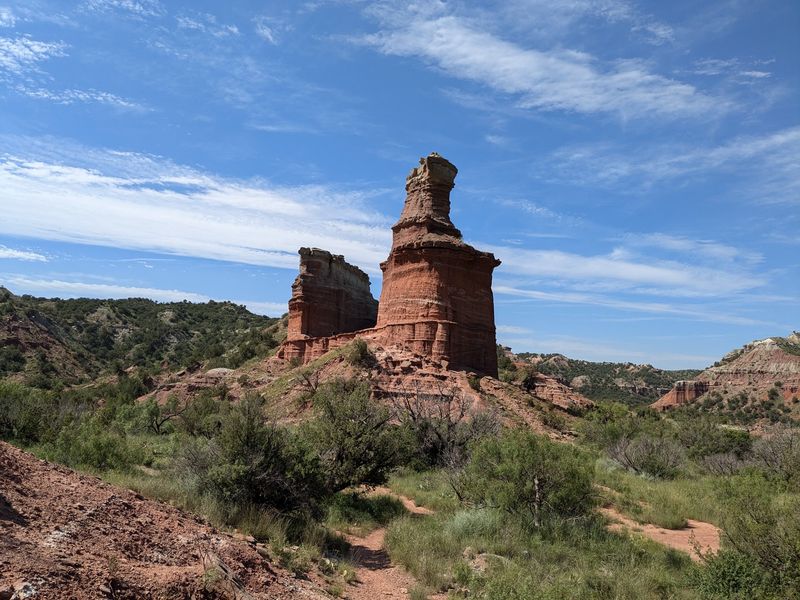
The colors are the real treat here. Layers of red, orange, white, and purple rock stack up like a giant slice of cake.
The Lighthouse Trail is the most famous hike in the park. It leads you to a tall rock tower that really does look like a lighthouse.
The round trip is roughly six miles, and shade is limited. Start early in the morning, and carry plenty of water and sunscreen.
Not a big hiker? The park road winds down to the canyon floor, so you can enjoy huge views right from your car window.
Keep an eye out for the official Texas State Longhorn herd. A small group of these horned cattle lives in the park.
Summer evenings bring a big treat to the canyon. TEXAS, an outdoor musical, plays in an amphitheater set against the canyon walls.
Camping is a great way to stretch your budget. Sites range from simple spots to ones with water and electricity.
Cabins on the canyon rim offer amazing sunset views too. They were built by the Civilian Conservation Corps back in the 1930s.
Horseback riding and mountain biking are also popular. With miles of trails, you can pick the pace that suits your crew.
Visit in fall or spring for milder weather. Summer heat on the canyon floor can climb fast by midday.
Address: 11450 Park Road 5, Canyon, TX 79015
4. Cadillac Ranch
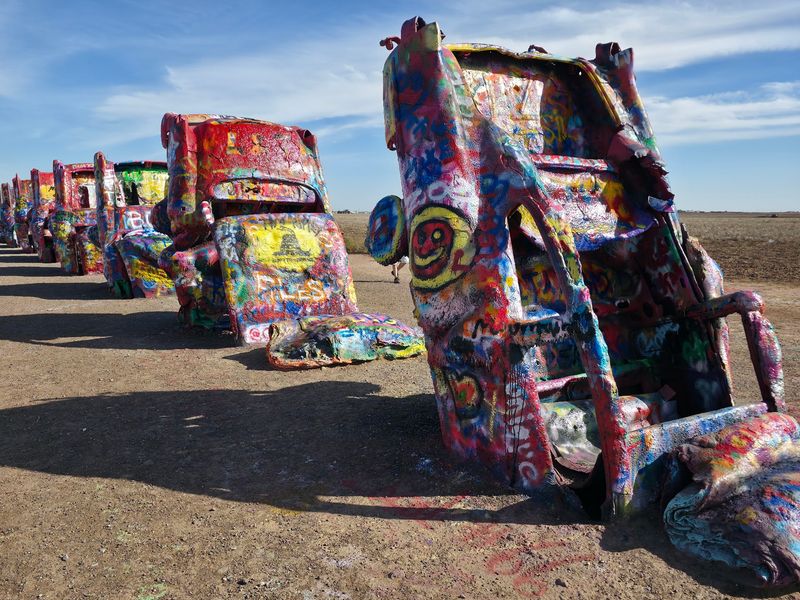
Ten old Cadillacs stuck nose-first in the dirt sounds like a weird dream. Out on the Texas plains west of Amarillo, it’s a famous roadside stop.
Cadillac Ranch was created in 1974 by an art group called Ant Farm. Local businessman Stanley Marsh 3 backed the project.
The cars line up in a row along the old Route 66 corridor. They’re buried at the same angle, tail fins pointing toward the sky.
Here’s the fun part. Visitors are allowed to spray paint the cars, so the colors change constantly.
Grab a few cans of spray paint before you go. Pick bright colors so your masterpiece pops in photos.
Paint layers have built up thick over the years. Some folks say the cars look more like rainbow rocks than vehicles now.
Getting there is easy from Interstate 40. You’ll park along the frontage road and walk a short path through the field.
Wear old shoes you don’t mind messing up. The ground can get muddy after rain, and paint drips are everywhere.
Entry costs nothing at all. That makes it one of the cheapest bucket list stops in the country.
Please take your empty cans with you when you leave. Keeping the field clean helps the site stay open for the next road tripper.
Sunset is a great time to visit. The low light makes the colors glow against the huge Panhandle sky.
Combine this stop with Palo Duro Canyon for a full Panhandle day. The two places sit less than an hour apart.
Address: 13651 I-40 Frontage Rd, Amarillo, TX 79124
5. Enchanted Rock State Natural Area
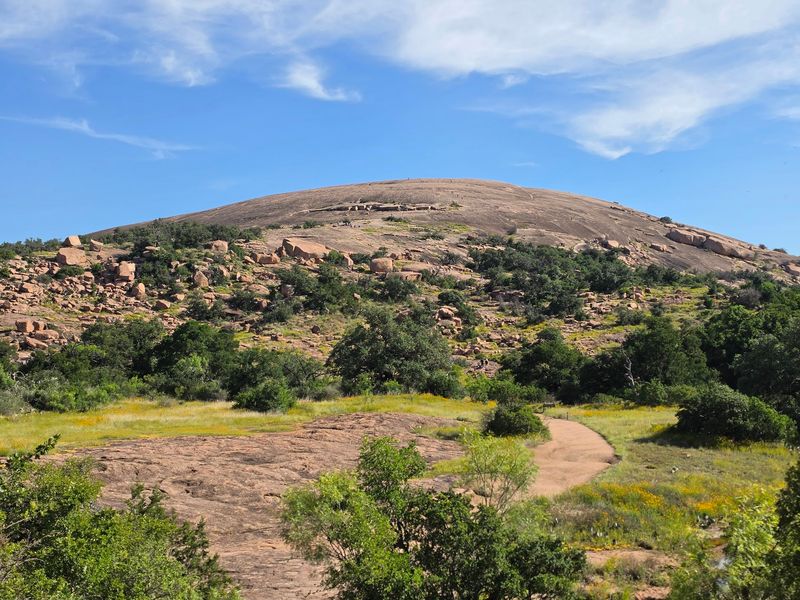
A mountain that creaks at night? According to Texas Parks and Wildlife, Enchanted Rock makes groaning sounds as its granite cools after hot days.
Early Native Americans told stories about the noises and the strange lights on the rock. That’s part of how the dome earned its magical name.
The giant pink granite dome rises about 425 feet above the land around it. Its top sits roughly 1,825 feet above sea level.
The Summit Trail is short but steep. It’s only about a mile up, yet your legs will remind you of it tomorrow.
Wear shoes with good grip for the climb. The smooth granite gets slippery when it’s wet.
Up top, the Hill Country spreads out in every direction you look. Rolling hills and oak trees stretch toward the horizon.
Look closely at the rock surface along the way. Small pools called vernal pools form in dips and hold tiny plants and creatures.
The park is also an International Dark Sky Park, making it a wonderful place for stargazing. Just remember that the Summit Trail closes at sunset, while the Loop Trail remains open after dark.
Plan ahead before you head out. Day passes often sell out on weekends and holidays, so reserve online.
Rock climbers love the boulders and cliffs here. Beginners can stick to the many walking trails around the base.
Camping is available if you want to stay overnight. The sunrise from the summit is worth setting an alarm for.
Fredericksburg sits about 17 miles south of the park. It’s an easy drive, so you can pair the hike with a stroll down Main Street.
Address: 16710 Ranch Road 965, Fredericksburg, TX 78624
6. Padre Island National Seashore
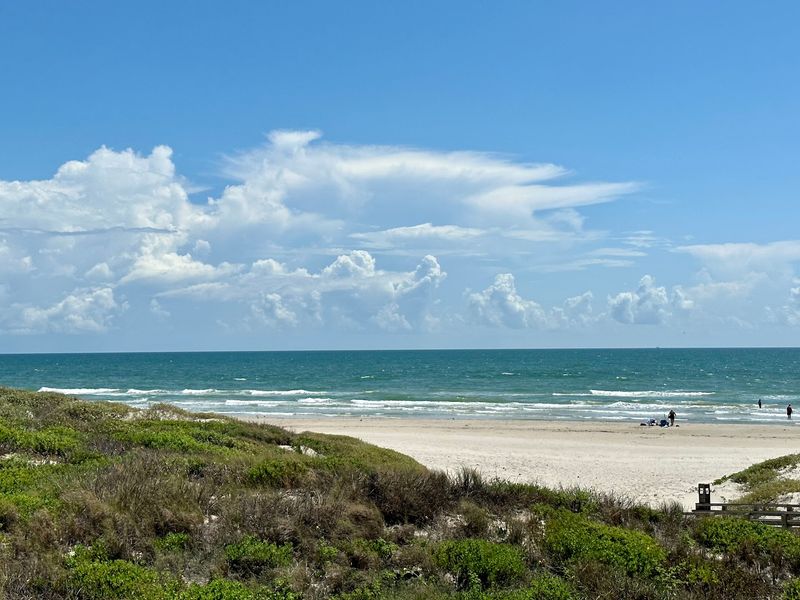
Endless beach with barely a building in sight is rare on any coast. Padre Island National Seashore protects the longest undeveloped barrier island in the world.
The park covers more than 60 miles of shoreline. Dunes, grasslands, and a shallow lagoon all share the space.
Malaquite Beach is the easiest place to start. It has a visitor center and an easy path to the sand.
Want more solitude? Four-wheel-drive vehicles can drive south along the beach for miles past the main area.
Regular cars should stay on the first few miles of beach. The sand gets soft quickly, and getting stuck is a quick way to ruin a day.
The big highlight here comes with tiny flippers. The park works to protect the Kemp’s ridley sea turtle, one of the rarest sea turtles on Earth.
During summer, the park holds public hatchling releases on some mornings. Watching baby turtles scramble toward the waves is unforgettable.
Follow the park’s hatchling hotline or social media for release updates. Dates depend on when nests hatch, so timing takes a little luck.
Bird Island Basin on the Laguna Madre side is great for windsurfing. Kayakers and bird watchers enjoy it too.
Camping right on the beach is allowed in certain areas. Falling asleep to crashing waves beats any fancy hotel.
Bring shade, because trees are basically nonexistent here. A pop-up canopy and lots of water will keep your crew happy.
Shell hunting is part of the fun. After storms, the tide often leaves new treasures along the shore.
Address: 20420 Park Road 22, Corpus Christi, TX 78418
7. Caddo Lake State Park
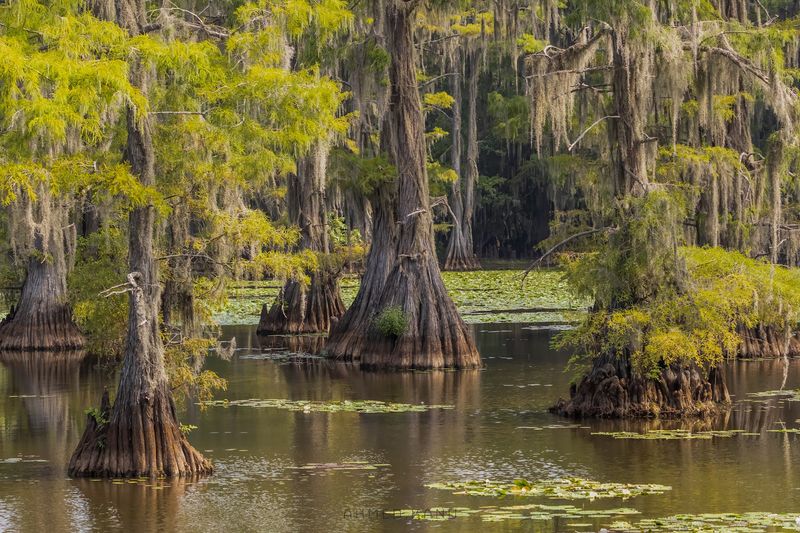
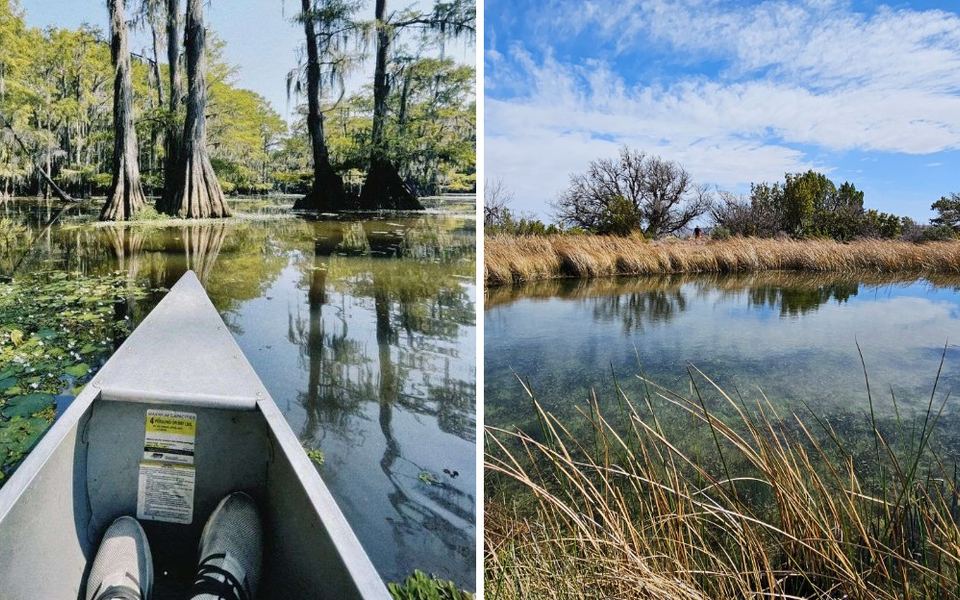
Spooky in the best way, Caddo Lake looks like it floated in from a fairy tale. Bald cypress trees rise from the water, draped in long gray Spanish moss.
The lake sits right on the Texas and Louisiana border. Its maze of bayous and sloughs makes it a paddler’s playground.
Caddo Lake holds one of the largest flooded cypress forests in the world. Some of the trees are believed to be hundreds of years old.
The best way to explore is from a canoe or kayak. The park rents canoes, so you don’t need to haul your own.
Marked paddling trails help you find your way. Trust those signs, because the waterways all start to look alike fast.
Bring a camera and keep an eye out for wildlife. Herons, turtles, and even alligators call this area home.
Give gators plenty of room if you see one. They’re usually shy, but they’re still wild animals.
Back on land, a few short trails wind through piney woods. They’re perfect for an easy walk after paddling.
The park has history too. The Civilian Conservation Corps built many of its log cabins and structures in the 1930s.
Those cabins are available to rent if you want a rustic stay. Campsites and screened shelters are cheaper options for budget trips.
Fishing is popular all year long. Bass, crappie, and catfish are some of the common catches here.
Spring and fall bring the most comfortable weather. Summer can get hot and sticky, and the mosquitoes come ready for dinner.
Pack bug spray no matter when you go. You’ll thank yourself by sunset.
Address: 245 Park Road 2, Karnack, TX 75661
8. Guadalupe Mountains National Park
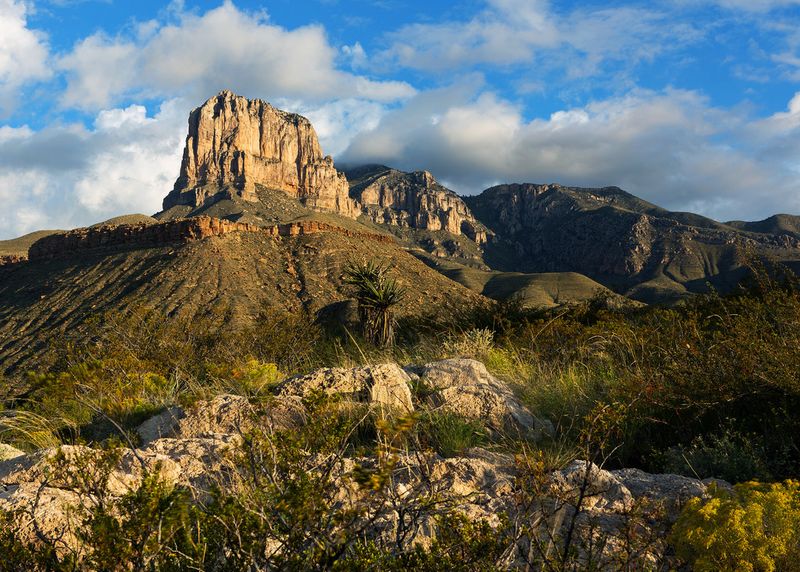
Standing on the highest point in Texas takes some sweat, but the payoff is huge. Guadalupe Peak rises to 8,751 feet inside this quiet West Texas park.
Here’s a wild twist about those mountains. They’re part of an ancient fossil reef that formed underwater about 265 million years ago.
Scientists call it the Capitan Reef. It’s considered one of the best preserved fossil reefs on the planet.
El Capitan is the cliff you’ll see on most postcards. It towers above the desert and grabs your attention from miles away.
The Guadalupe Peak Trail is a tough all-day hike. Expect about 8.5 miles round trip with roughly 3,000 feet of climbing.
Start early and pack lots of water. Wind on the upper trail can be powerful, so check the forecast first.
Not up for a mountain climb? McKittrick Canyon offers a gentler walk with a creek and shady trees.
Fall is McKittrick’s big moment. Maples and other trees turn red, orange, and gold, which feels shocking in the desert.
The park sees far fewer visitors than many other national parks. That often means quieter trails and more room to breathe.
Services here are limited, so plan carefully. There are no gas stations or restaurants inside the park.
Fill your tank and grab groceries before you arrive. Towns are a long drive away in either direction.
Camping at Pine Springs keeps your trip affordable. Tent sites sit near trailheads, so you can start hiking at dawn.
Address: 400 Pine Canyon Rd, Salt Flat, TX 79847
9. Marfa Lights Viewing Area
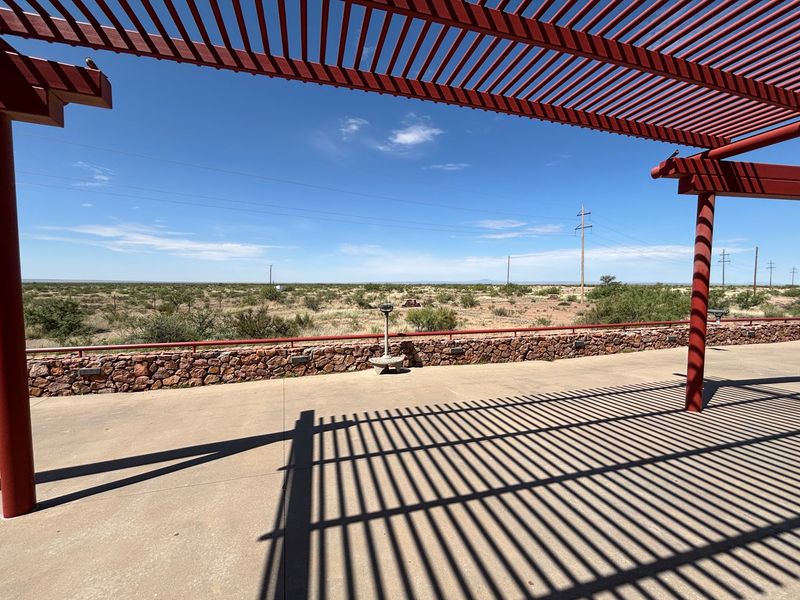
Mystery lights dancing over the desert make this the most curious free show in West Texas. Nobody has fully explained the Marfa Lights, and that’s half the fun.
Stories about the lights go back to the 1800s. One famous account comes from a cowboy named Robert Ellison in 1883.
People describe glowing orbs that appear, split, and fade away. Some say they look reddish, while others report white or blue lights.
Scientists have offered ideas, like car headlights or unusual air layers. Still, many visitors enjoy keeping a little room for mystery.
The official viewing area sits about nine miles east of Marfa along U.S. Highway 90. It has a viewing platform, restrooms, and info signs.
Arrive just before sunset for the full experience. The sky over the Chihuahuan Desert turns pink and purple before the stars appear.
Look southeast toward the Chinati Mountains. That’s the general direction where people usually report seeing the lights.
Bring a jacket, even in warmer months. Desert nights cool off quickly once the sun goes down.
Patience matters here. The lights don’t show up on a schedule, and some nights stay dark.
That’s okay, because the stargazing alone is worth the drive. This region has some of the darkest skies in the state.
A pair of binoculars can help you scan the horizon. Folding chairs and snacks make the wait way more pleasant.
Pair this stop with a Big Bend trip for a big West Texas loop. The park and the viewing area are a few hours apart.
Address: US-90, Marfa, TX 79843
10. Willow City Loop
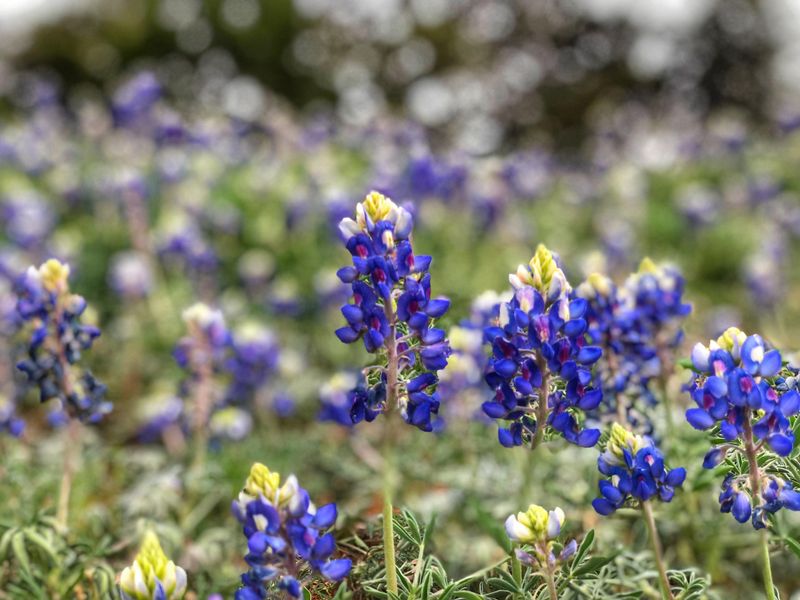
Bluebonnet season turns one skinny country road into a moving postcard. Willow City Loop is one of the most famous wildflower drives in Texas.
The loop runs about 13 miles through the Hill Country near Fredericksburg. It winds past rolling hills, granite outcrops, and creek crossings.
Spring is the star season here. Bluebonnets usually peak around late March and early April, depending on rain and weather.
Other wildflowers join the party too. You might see Indian paintbrush, Mexican hats, and yellow blooms mixed into the blue.
One important rule makes this drive different. Nearly the entire loop runs through private ranch land.
Stay on the road and off the fences. Ranchers ask visitors not to climb, cross, or park on private property.
Drive slowly and take photos from the roadside. Cattle often wander near the road, so be ready to brake.
Weekends in peak bloom can get crowded. A weekday morning gives you calmer roads and softer light for pictures.
The road is narrow with tight curves and low water crossings. Leave the big trailers at home, and skip it after heavy rain.
Restrooms and stores are not found along the loop. Plan your stops in Fredericksburg before you head out.
Bring a picnic to enjoy back in town or at a public park. That keeps the day cheap and stress free.
Out of bloom season, the drive is still pretty and peaceful. Fall brings cooler air and a quieter ride through the hills.
Want a full day? Enchanted Rock sits nearby, so you can hike in the morning and chase flowers after lunch.
Address: Willow City Loop, Fredericksburg, TX 78624
Share this story