Texas is home to some of the most diverse and stunning landscapes in the country, from desert mountains to limestone canyons and crystal-clear rivers. Whether you’re pitching a tent under a blanket of stars or parking your RV near a scenic overlook, the Lone Star State offers year-round camping adventures that never disappoint. These parks showcase the very best of what Texas has to offer, with trails to hike, waters to explore, and wildlife to observe no matter the season.
1. Palo Duro Canyon State Park (Canyon)
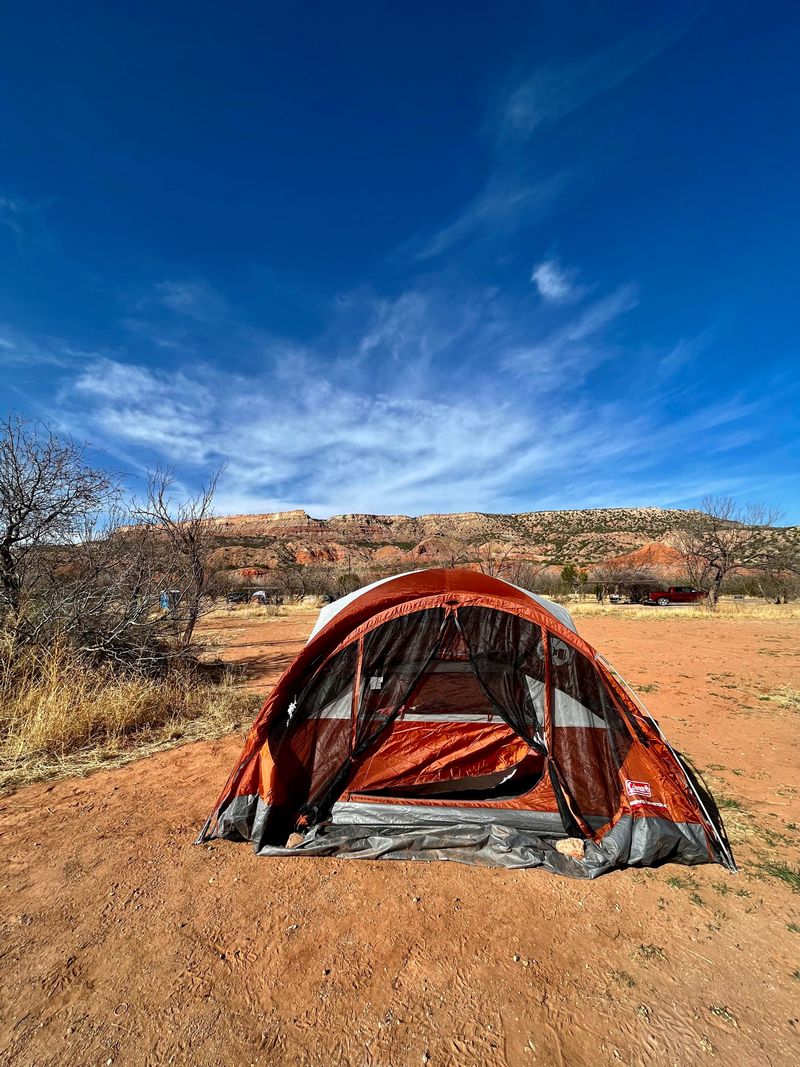
Standing at the edge of Palo Duro Canyon feels like stepping into another world entirely. The second-largest canyon system in the United States stretches 120 miles long and plunges 800 feet deep, revealing layers of red, orange, and yellow rock that have been sculpting themselves for millions of years. Camping here means waking up to sunrise painting those canyon walls in shades you didn’t know existed.
The park offers over 30 miles of trails ranging from easy strolls to challenging scrambles. Lighthouse Trail, the most popular route, leads you to a distinctive rock formation that’s become the park’s signature landmark. If you visit during summer evenings, catch the outdoor musical drama that’s been performed in the canyon amphitheater since 1966.
Winter camping brings cooler temperatures perfect for daytime exploration without the scorching heat. Spring wildflowers carpet the canyon floor in bluebonnets and Indian paintbrush. Fall colors transform the cottonwoods and mesquite trees into golden galleries.
Campsites range from primitive backcountry spots to full hookup RV sites with water and electricity. The equestrian campground welcomes horses, and several trails allow horseback riding through the canyon’s most scenic sections. Mountain bikers also find plenty of challenging terrain to explore.
Wildlife sightings include roadrunners darting across paths, wild turkeys foraging near campsites, and occasional glimpses of mule deer or aoudad sheep on rocky ledges. The official Texas State Bison Herd roams a dedicated pasture within the park, offering visitors a chance to see these majestic animals up close.
Stargazing reaches peak magnificence here thanks to minimal light pollution. The canyon walls create a natural amphitheater for viewing constellations, meteor showers, and the Milky Way stretching overhead. Bring your telescope or simply lie back on a blanket and let the universe put on its nightly show above one of Texas’s most magnificent natural wonders.
2. Garner State Park (Concan)
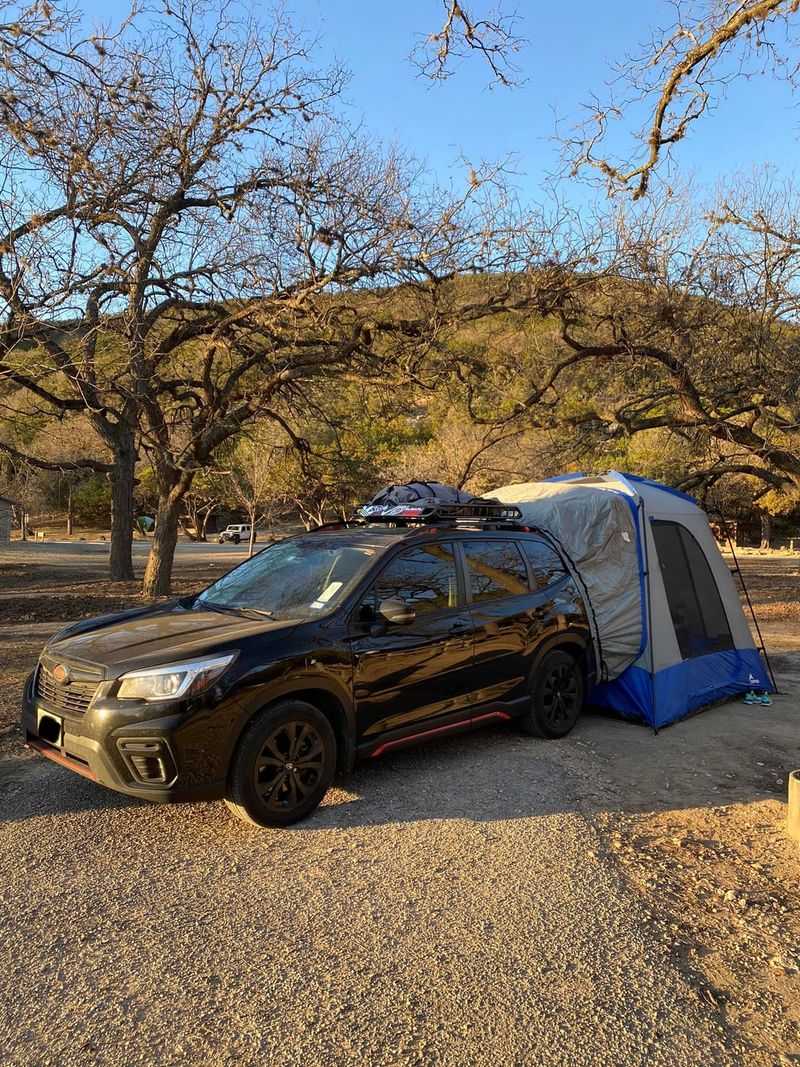
The Frio River runs cold and clear through the heart of Garner State Park, creating a natural playground that’s been drawing families for generations. Crystal-clear water stays refreshingly cool even during the hottest August days, making this one of the most popular summer destinations in the entire state park system. But don’t let that fool you into thinking it’s only a warm-weather spot.
Fall brings some of the most spectacular camping experiences as the summer crowds thin out and the cypress trees turn brilliant shades of rust and gold. The river still flows beautifully, and the temperatures make hiking up Old Baldy absolutely perfect. This challenging climb rewards you with panoramic views of the surrounding Hill Country that’ll make your Instagram followers seriously jealous.
Winter camping offers solitude and peace that summer visitors never experience. The park stays open year-round, and those chilly mornings wrapped in a blanket with coffee by the campfire create memories that last forever. Spring wildflower season transforms the landscape into a botanical wonderland with bluebonnets, Indian paintbrush, and Mexican hat flowers covering every hillside.
Campsites book up fast, especially during peak season, so plan ahead. The park offers screened shelters, cabins, and traditional campsites, plus a mini-golf course and paddleboat rentals for family fun. The famous summer dances at the pavilion have been a tradition since the 1940s, bringing together campers for old-fashioned entertainment under the stars.
Tubing the Frio remains the quintessential Garner experience. Rent tubes at the park store, float downstream for a couple hours, then catch the shuttle back to your starting point. The water stays shallow enough for kids but deep enough in spots for swimming and diving.
Wildlife abounds throughout the park with white-tailed deer wandering through campsites, armadillos shuffling along trails, and countless bird species filling the trees with song. Keep your food secured because raccoons have learned every trick in the book for raiding coolers and tents.
3. Bentsen-Rio Grande Valley State Park (Mission)
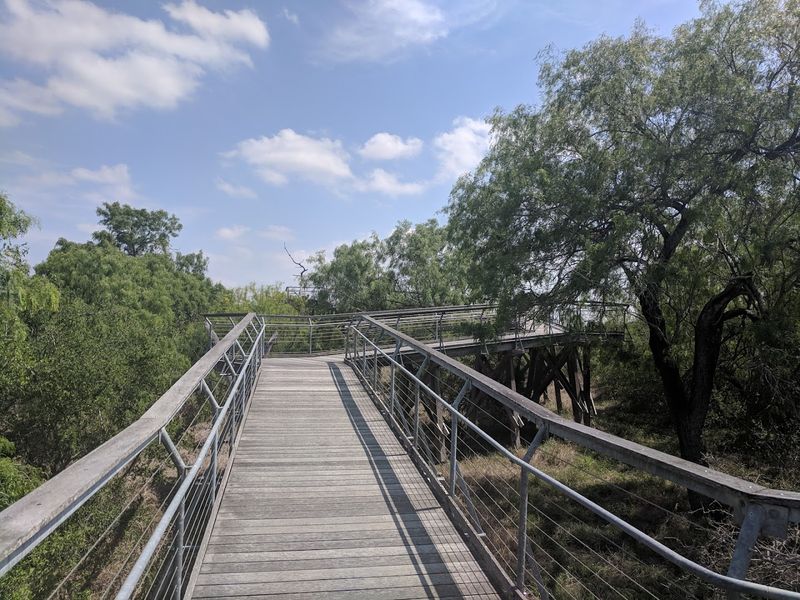
Birders from around the world make pilgrimages to Bentsen-Rio Grande Valley State Park, and once you arrive, you’ll understand why immediately. Located in the southernmost tip of Texas, this subtropical paradise sits along the Rio Grande and hosts species found nowhere else in the United States. Green jays flash their brilliant plumage through the thornscrub, plain chachalacas call from the treetops, and if you’re incredibly lucky, you might spot a rare clay-colored thrush.
The park forms part of the World Birding Center network, with observation decks, butterfly gardens, and miles of trails designed specifically for wildlife viewing. More than 500 bird species have been documented here, making it one of the premier birding destinations in North America. Bring your binoculars and field guide because you’ll want to record every sighting.
Winter brings the best birding opportunities as migratory species arrive from Central and South America. The mild temperatures also make camping exceptionally comfortable when much of Texas shivers under cold fronts. Summer heat can be intense, but early morning and evening wildlife activity makes it worthwhile for dedicated nature enthusiasts.
The park’s unique ecosystem includes native plants like Texas ebony, anacua, and various palm species that create a landscape unlike anywhere else in the state. Hiking trails wind through dense thornscrub forest where you might encounter Texas tortoises, lizards, and even bobcats if you’re observant and quiet.
Camping facilities include RV sites with full hookups and screened shelters that protect against mosquitoes while allowing you to sleep surrounded by nature sounds. The park store offers limited supplies, but nearby Mission provides everything else you might need.
Night walks reveal a completely different world as owls hoot overhead and nightjars swoop through the darkness. The park offers guided night hikes during certain seasons, led by knowledgeable rangers who can identify creatures by sound alone. Photography enthusiasts find endless subjects from sunrise to sunset, with golden light filtering through palm fronds and colorful birds posing cooperatively on branches throughout the day.
4. Davis Mountains State Park (Fort Davis)
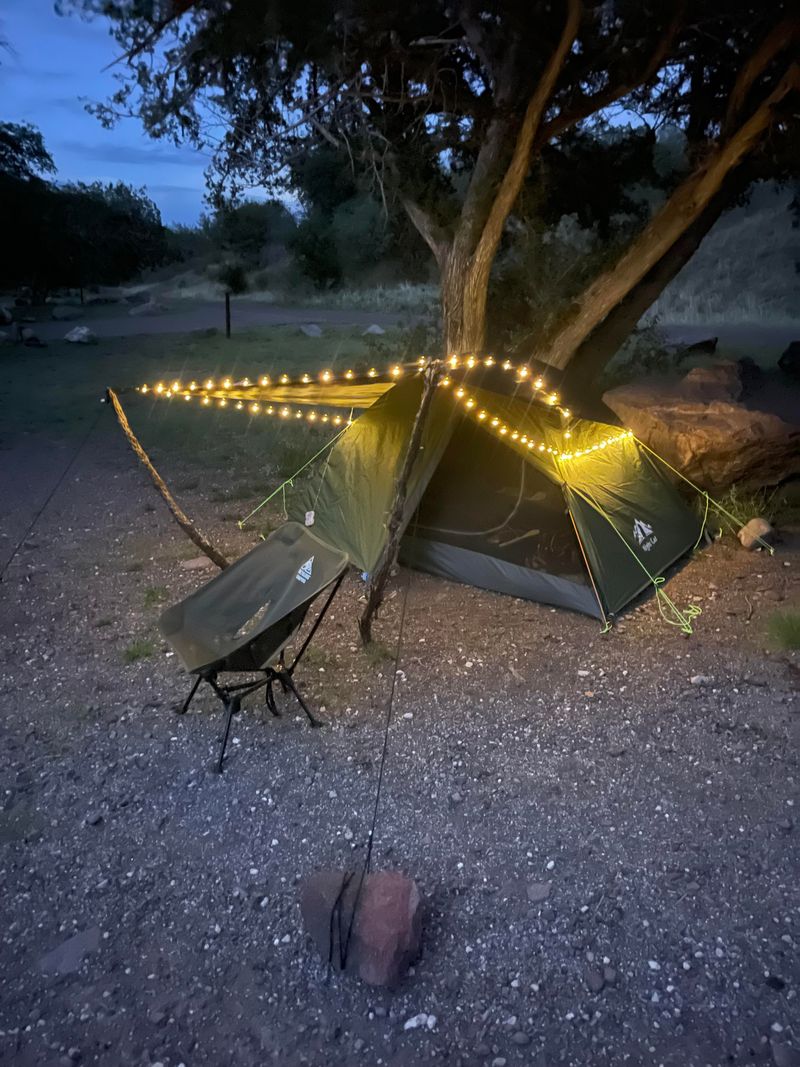
Elevation changes everything at Davis Mountains State Park, where camping at 5,000 feet means cooler temperatures and clearer skies than almost anywhere else in Texas. The park sits in the heart of West Texas’s most impressive mountain range, offering a dramatic contrast to the surrounding Chihuahuan Desert. Ponderosa pines and junipers dot the landscape, creating an almost alpine atmosphere that feels worlds away from typical Texas terrain.
The Indian Lodge, a pueblo-style hotel built by the Civilian Conservation Corps in the 1930s, serves as the park’s centerpiece. But campers get the better deal with sites nestled among the rocks and trees, offering privacy and spectacular views. Primitive camping options allow backpackers to venture deeper into the mountains for true solitude.
Hiking trails range from easy nature walks to challenging climbs up Keesey Canyon. The Skyline Drive trail system connects multiple peaks and valleys, giving hikers opportunities to spot mule deer, javelinas, and various raptors soaring on thermal currents. Mountain bikers also find excellent terrain throughout the park’s 2,700 acres.
Stargazing reaches world-class levels here thanks to extremely dark skies and high elevation. The nearby McDonald Observatory, one of the world’s leading astronomical research facilities, offers public star parties several nights per week. Even without a telescope, the Milky Way appears so bright you can read by its light on moonless nights.
Winter camping brings occasional snow to the higher elevations, transforming the landscape into a magical winter wonderland rarely seen in Texas. Spring wildflowers include desert marigolds, prickly pear blooms, and century plants sending up their once-in-a-lifetime flower stalks. Summer monsoon season brings afternoon thunderstorms that cool things down and create dramatic cloud formations over the peaks.
The park’s proximity to Fort Davis National Historic Site and the historic town of Fort Davis adds cultural exploration to your camping adventure. Stock up on supplies in town, then return to your campsite for evenings around the fire under some of the darkest, starriest skies the Lone Star State has to offer.
5. Pedernales Falls State Park (Johnson City)
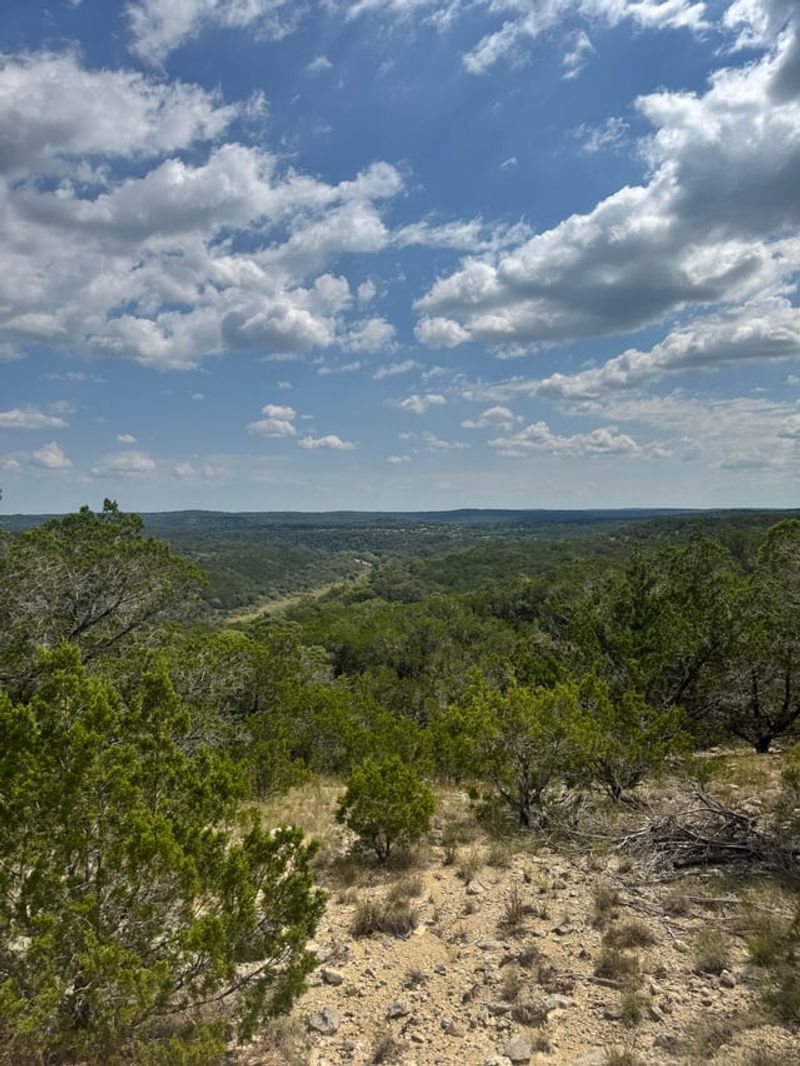
Water tumbles over massive limestone slabs at Pedernales Falls, creating one of the most photogenic scenes in the entire Hill Country. The Pedernales River carved these stepped cascades over thousands of years, and today they serve as the centerpiece for a park that offers exceptional camping opportunities every season. When water levels run high after spring rains, the falls transform into a thundering spectacle that can be heard from campsites hundreds of yards away.
The park protects over 5,200 acres of classic Hill Country terrain with steep canyons, rocky outcrops, and dense stands of oak and juniper. More than 20 miles of trails wind through this landscape, ranging from easy riverside walks to challenging backcountry routes. The Wolf Mountain Trail offers a strenuous hike with rewarding views, while the Pedernales Falls Overlook provides spectacular vistas with minimal effort.
Camping options include developed sites with water and electricity, primitive walk-in sites for those seeking more solitude, and equestrian camping areas complete with horse pens. The park’s size means you can find quiet corners even during busy weekends. Reservations are strongly recommended, especially during spring and fall when the weather hits its sweet spot.
Swimming in the river provides relief during hot summer months, though you must stay downstream from the falls in designated areas. The current can be deceptive, and flash flooding poses a real danger during rainy periods. Always check weather forecasts and water levels before entering the river.
Wildlife viewing includes white-tailed deer that become remarkably bold around campsites, armadillos rooting through leaf litter, and wild turkeys strutting through the underbrush. Bird species range from golden-cheeked warblers in the spring to various hawks and vultures riding thermals overhead year-round.
Fall foliage transforms the landscape as cypress trees turn copper and oak leaves shift to russet. Winter camping brings occasional cold snaps, but sunny days remain pleasant for hiking and exploring. The park’s location near Johnson City and Fredericksburg means you can combine camping with visits to local wineries, historic sites, and charming small-town shops before returning to your campfire under the stars.
6. Caprock Canyons State Park (Quitaque)
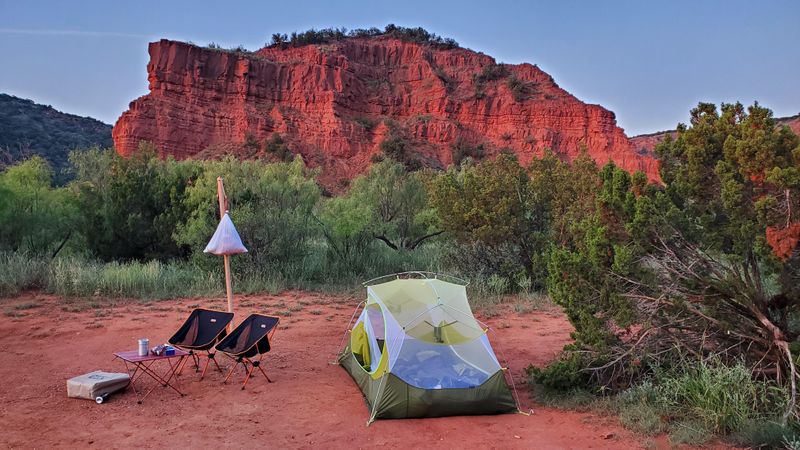
Red rock spires rise dramatically from the rolling plains at Caprock Canyons, creating a landscape that feels more like Utah than Texas. The park sits where the flat High Plains suddenly drop away into the rugged breaks of the Caprock Escarpment, revealing 90 million years of geological history in colorful layers. Camping here means experiencing one of Texas’s most underrated natural treasures without the crowds that pack more famous destinations.
The official Texas State Bison Herd roams freely throughout the park, descendants of the Southern Plains bison that once numbered in the millions. Seeing these massive animals against the backdrop of red canyons and golden grasslands connects you to Texas history in a profound way. Keep a respectful distance because these are wild animals that can weigh over 2,000 pounds and run faster than horses.
The Trailway, a 64-mile rails-to-trails conversion, runs through the park and beyond, offering hikers, bikers, and equestrians a unique way to explore the Caprock region. You can tackle short sections or plan multi-day adventures camping at primitive sites along the route. The relatively flat grade makes it accessible for most fitness levels while still providing stunning scenery.
Campsites range from basic tent spots to equestrian sites with corrals and water for horses. The park’s remote location means dark skies perfect for stargazing, and the lack of humidity creates crystal-clear views of the Milky Way. Bring all your supplies because the nearest town of Quitaque is small and services are limited.
Spring brings wildflowers including bluebonnets, Indian blanket, and prickly pear blooms that transform the canyon floors into colorful gardens. Summer heat can be intense, but the canyons provide shade and occasional breezes. Fall offers ideal temperatures for hiking and exploring, while winter can bring dramatic weather changes including occasional snow that dusts the red rocks in white.
Wildlife beyond the bison includes pronghorn antelope, mule deer, wild turkeys, and numerous prairie dog towns that provide endless entertainment. Golden eagles and prairie falcons hunt overhead, while roadrunners and scaled quail scurry through the underbrush around campsites.
7. Enchanted Rock State Natural Area (Fredericksburg)
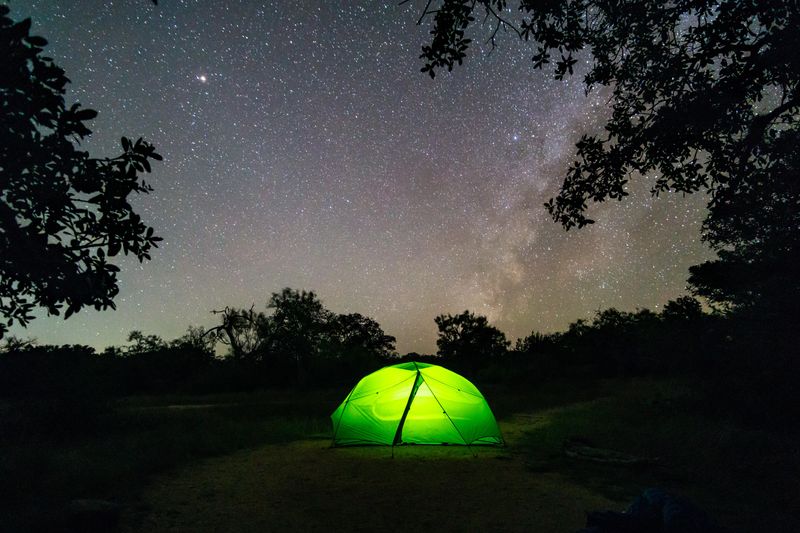
A massive pink granite dome rises 425 feet above the surrounding Hill Country, drawing rock climbers, hikers, and campers to one of Texas’s most iconic natural landmarks. Enchanted Rock has attracted humans for thousands of years, from Native Americans who considered it sacred to modern adventurers seeking the challenge of summiting its smooth granite slopes. The rock actually consists of multiple domes, caves, and formations that create a unique geological wonderland.
Climbing to the summit requires about an hour of steady hiking up the main trail, which gets steep and slippery in sections. Wear proper footwear because the granite can be treacherous when wet. The views from the top stretch for miles across the Hill Country, making every bit of effort worthwhile.
Sunrise and sunset paint the rock in shades of pink and orange that seem almost supernatural.
The park’s name comes from the creaking and groaning sounds the rock makes as it expands and contracts with temperature changes. Native American legends spoke of ghost fires and spiritual activity on the rock, adding to its mystique. Modern geology explains these phenomena, but the sense of wonder remains unchanged.
Camping stays limited to preserve the natural environment, and sites book up months in advance for weekends and holidays. Walk-in primitive sites require carrying your gear about a quarter-mile from the parking area, but the reduced crowds and closer proximity to the rock make it worthwhile. No hookups or facilities exist at the primitive sites, so come prepared for true backcountry camping.
Rock climbing routes range from beginner-friendly slabs to advanced technical climbs. The granite provides excellent friction, and the park allows climbing throughout most areas with proper permits. Bouldering problems around the base keep climbers busy for hours without ever leaving the ground.
Spring wildflower season transforms the area around the rock into a botanical showcase with bluebonnets, Indian paintbrush, and numerous other species. Summer heat makes the granite surface too hot to touch during midday, so plan hikes for early morning or evening. Fall and winter offer the most comfortable temperatures for exploration, though occasional ice can make the summit dangerous after winter storms.
8. Franklin Mountains State Park (El Paso)
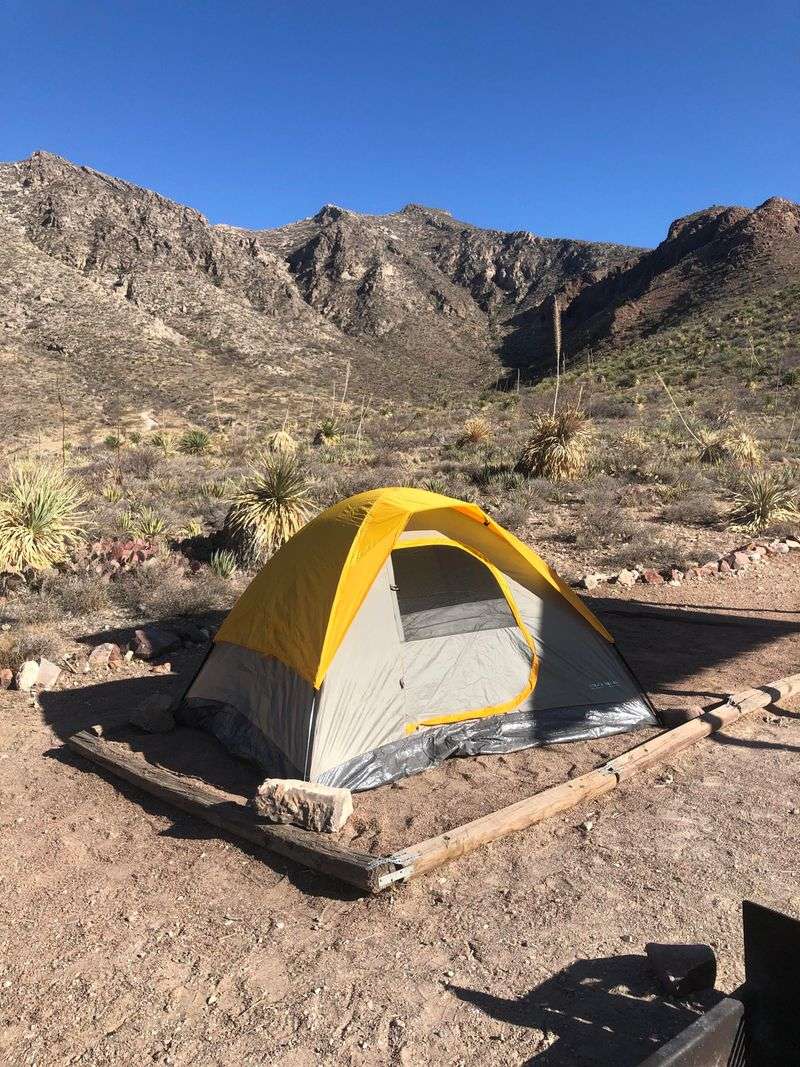
Urban wilderness takes on new meaning at Franklin Mountains State Park, the largest urban park in the United States. These rugged desert mountains rise directly from El Paso’s city limits, creating a dramatic backdrop that dominates the entire region. Camping here means sleeping under stars while city lights twinkle in the valley below, a unique combination of wilderness and civilization.
The park encompasses over 24,000 acres of Chihuahuan Desert ecosystem, with elevations ranging from 4,000 to nearly 7,200 feet at the summit of North Franklin Peak. This elevation change creates distinct climate zones and diverse plant and animal communities. Desert vegetation includes ocotillo, lechuguilla, sotol, and various cacti that bloom spectacularly after spring rains.
Hiking trails challenge even experienced adventurers with steep, rocky terrain and significant elevation gain. The Ron Coleman Trail climbs relentlessly to the highest point accessible by foot, rewarding summit-seekers with 360-degree views spanning three states and two countries. More moderate trails like the Cottonwood Springs Trail offer desert beauty without the extreme difficulty.
Camping facilities remain primitive with no water, electricity, or developed amenities. This keeps crowds minimal and preserves the wild character of the landscape. Campers must be completely self-sufficient, packing in all water and supplies.
The nearest services in El Paso are just minutes away, making it easy to stock up before heading into the backcountry.
Rock climbing opportunities abound on the park’s limestone and igneous formations. Popular areas like McKelligon Canyon attract climbers from across the region. Mountain biking trails wind through the desert, offering technical challenges and stunning scenery.
The park’s proximity to the city makes it perfect for after-work adventures and weekend escapes.
Desert wildlife includes mule deer, coyotes, roadrunners, and numerous lizard species. Golden eagles and red-tailed hawks soar overhead hunting for prey. Rattlesnakes inhabit the rocky areas, so watch where you step and keep tents zipped.
Spring and fall provide ideal camping weather, while summer heat can be extreme and winter nights drop below freezing at higher elevations. The park’s unique position allows you to experience true desert wilderness while remaining connected to urban conveniences.
9. Colorado Bend State Park (Bend)
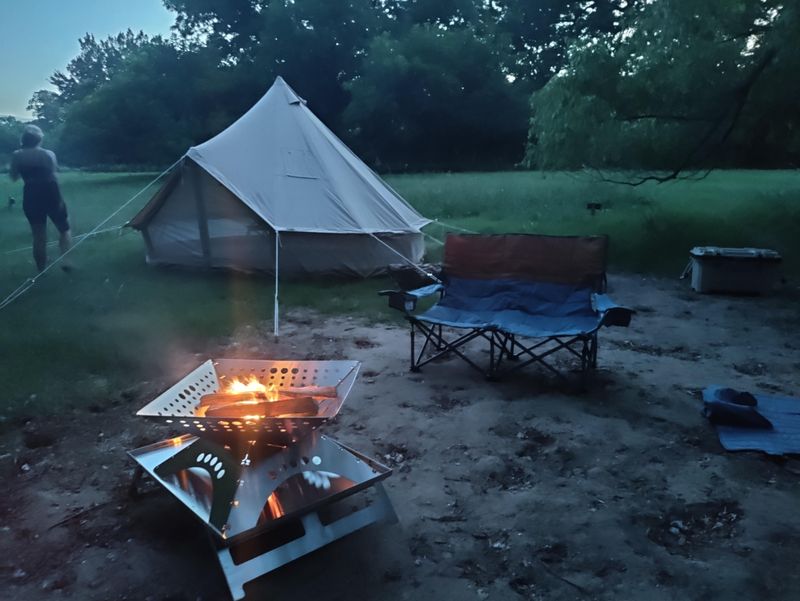
Remote and rugged perfectly describe Colorado Bend State Park, where the Colorado River carves through some of the Hill Country’s most dramatic terrain. Getting here requires driving several miles on unpaved roads, which keeps the crowds thin and the wilderness experience authentic. The reward for this effort includes camping beside a beautiful river, exploring spectacular caves, and witnessing one of Texas’s most stunning waterfalls.
Gorman Falls cascades 70 feet over a limestone cliff covered in lush vegetation, creating a scene that seems impossible in the Texas landscape. The travertine formation stays perpetually wet from spring water, supporting ferns, mosses, and other plants normally found in much wetter climates. Reaching the falls requires a moderately challenging 1.5-mile hike each way, but the sight stops everyone in their tracks.
The park protects over 5,300 acres of undeveloped Hill Country, with more than 30 miles of trails for hiking, mountain biking, and exploring. Gorman Cave and several other caverns dot the landscape, though most require guided tours for safety reasons. The cave systems feature beautiful formations and host populations of Mexican free-tailed bats.
Camping stays primitive with no hookups or developed facilities. Sites scatter throughout the park along the river and in the backcountry, offering solitude and immersion in nature. River camping puts you right beside the Colorado, where you can swim, fish, and kayak.
The river runs clear most of the year, though it can flood dramatically after heavy rains upstream.
Wildlife sightings include white-tailed deer, wild turkeys, armadillos, and numerous bird species. The river attracts great blue herons, kingfishers, and various waterfowl. Spring brings migrating songbirds that fill the trees with color and music.
Wildflowers carpet the meadows and hillsides with bluebonnets, Indian paintbrush, and countless other species.
The park’s remote location means limited cell service and no nearby stores or restaurants. Come completely prepared with all supplies, food, and water. This isolation creates an authentic wilderness experience increasingly rare in modern Texas.
Fall and spring offer the best camping weather, while summer heat makes river activities essential for staying cool. Winter camping brings solitude and crisp clear days perfect for hiking without the crowds.
10. Inks Lake State Park (Burnet)
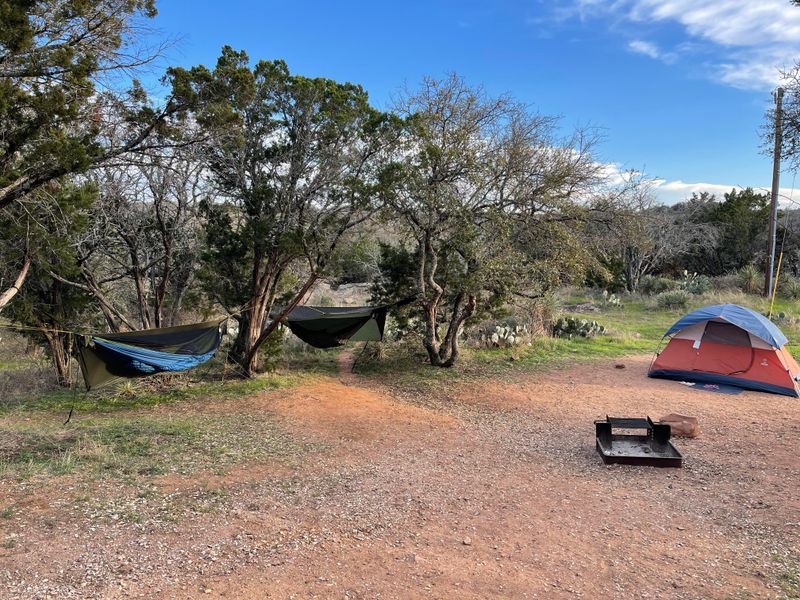
Pink granite boulders line the shores of Inks Lake, creating a landscape that looks more like a postcard than reality. This Highland Lakes gem offers something increasingly rare in Texas state parks: a lake that maintains consistent water levels year-round thanks to its position between two dams. That reliability makes it perfect for camping any season without worrying whether the lake will be full or empty when you arrive.
The park sprawls across 1,200 acres of Hill Country terrain where massive granite formations meet clear blue water. Devil’s Waterhole, a popular swimming spot, features deep water surrounded by cliffs perfect for jumping and diving. The lake stays warm enough for swimming from spring through fall, and kayaking or paddleboarding remains pleasant even during winter months.
Camping options range from primitive backpacking sites to full-hookup RV spots with all amenities. Waterfront sites put you steps from the lake, perfect for launching kayaks or fishing from shore. The park also offers screened shelters and cabins for those who want a roof over their heads.
Reservations book up quickly during peak season, especially for waterfront locations.
The nine-mile Pecan Flats Trail loops through diverse terrain including granite outcrops, oak woodlands, and lakeside meadows. Shorter trails connect various park areas, and all routes offer opportunities for spotting wildlife and enjoying Hill Country scenery. Mountain bikers share most trails with hikers, and the relatively gentle terrain accommodates most skill levels.
Fishing produces largemouth bass, catfish, and various sunfish species. The consistent water levels create stable fish habitat that supports healthy populations. A fishing pier provides accessible opportunities for anglers of all abilities.
Boat ramps accommodate larger watercraft, though the lake’s relatively small size makes it ideal for kayaks and canoes.
Bird watching brings sightings of painted buntings during breeding season, along with numerous waterbirds, raptors, and songbirds throughout the year. White-tailed deer wander through campsites, and armadillos root around looking for insects after dark. The park’s location near Burnet and Marble Falls means easy access to supplies, restaurants, and Hill Country attractions while maintaining a peaceful natural setting perfect for camping under the stars.
Share this story