Indiana has a way of making an ordinary road trip unexpectedly difficult to rush. One city might tempt you to linger beside the river, while another draws you into a historic downtown filled with local restaurants, independent shops, and architecture worth slowing down to admire.
Festivals, waterfront paths, leafy neighborhoods, and hometown traditions add personality that cannot be measured by population alone. The real charm often appears in the small details discovered after parking the car and wandering for a while. These 10 Indiana cities have enough character, history, and easygoing fun to make visitors feel welcome remarkably fast.
1. Huntingburg
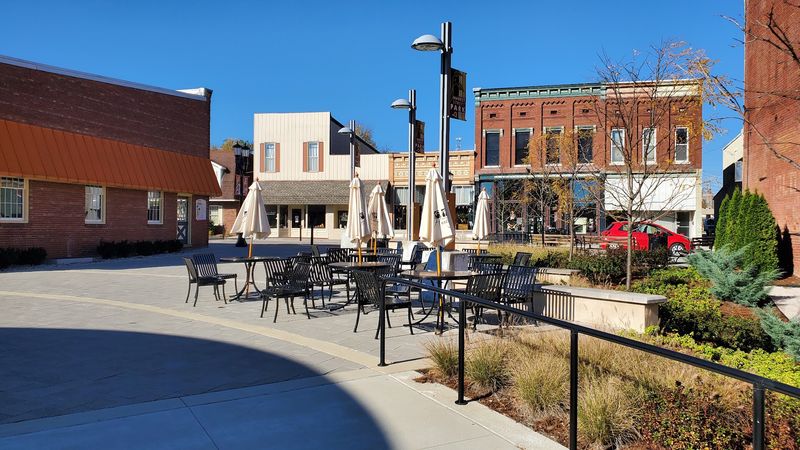
Baseball fans usually notice Huntingburg first, but the city gives plenty of reasons to stay longer than a quick photo stop. Downtown has a refreshed look that still respects its older buildings, so the streets feel lively without losing their roots.
That balance gives the city a welcoming rhythm that works for a short afternoon or a full weekend. League Stadium is one of the biggest conversation starters here.
Even visitors who are not serious sports buffs can enjoy seeing a ballpark tied to A League of Their Own, especially because it adds a playful movie connection to the trip. It is the kind of place that makes a regular day of sightseeing feel a little more memorable.
Back in the center of town, locally owned businesses give Huntingburg its personality. Small shops, casual places to eat, and well-kept storefronts invite slow browsing instead of rushed errands.
Walking a few blocks at an easy pace is the best move, because details such as painted signs, window displays, and historic touches are easy to miss from a car.
Year-round events add even more life to the downtown area. Depending on the season, visitors may find festivals, markets, or holiday decorations that turn ordinary streets into gathering spaces.
Checking the local calendar before arriving can help shape a better visit, especially for travelers who like a little extra energy around town.
The surrounding Dubois County landscape rounds everything out. Scenic drives, nearby countryside, and the slower pace of southern Indiana pair nicely with the city center.
Huntingburg works best for travelers who enjoy places that are polished but not fussy, active but not crowded, and full of local character without trying too hard to impress.
2. Aurora
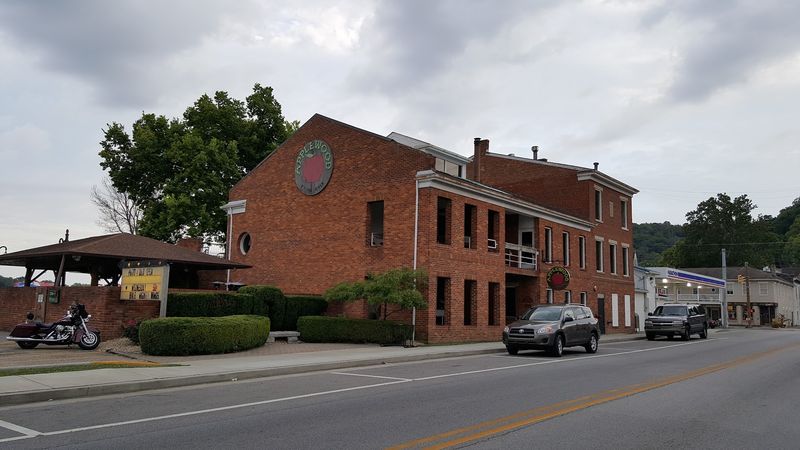
Right along the Ohio River, Aurora knows how to make a first impression. Water views bring immediate appeal, but the city earns attention through its preserved buildings, inviting streets, and easy pace.
A visit here works well for travelers who like to mix a little architecture, a little shopping, and a lot of walking. The riverfront sets the tone. Watching boats pass or simply taking in the view adds a calm backdrop to the rest of the city, and it gives downtown an open, breezy feel.
Even a simple stroll becomes more enjoyable when the river keeps appearing between streets and buildings. Aurora’s historic district is packed with visual interest.
Older commercial blocks, decorative details, and homes with character make it a strong place for slow exploration, especially for anyone who enjoys looking closely at doors, cornices, porches, and brickwork. Bringing comfortable shoes is smart because this is a city best experienced block by block.
Hillforest Mansion adds another layer to the visit. Its presence gives Aurora a clear architectural anchor and offers a chance to connect the citys streetscape with a larger story about design, history, and river communities.
Pairing the mansion with downtown makes the day feel more complete than choosing just one stop. Local shops and restaurants help keep the experience grounded in the present.
Instead of treating the city like an outdoor museum, visitors can browse, eat, and take breaks in places that serve the community now. That mix keeps Aurora engaging for families, couples, and solo travelers alike.
A good plan is to start near the river, wander into the historic core, and leave room for an unhurried meal. Aurora does not need loud attractions to stand out. Its charm comes through in the view, the buildings, and the way everything connects so naturally.
3. Madison
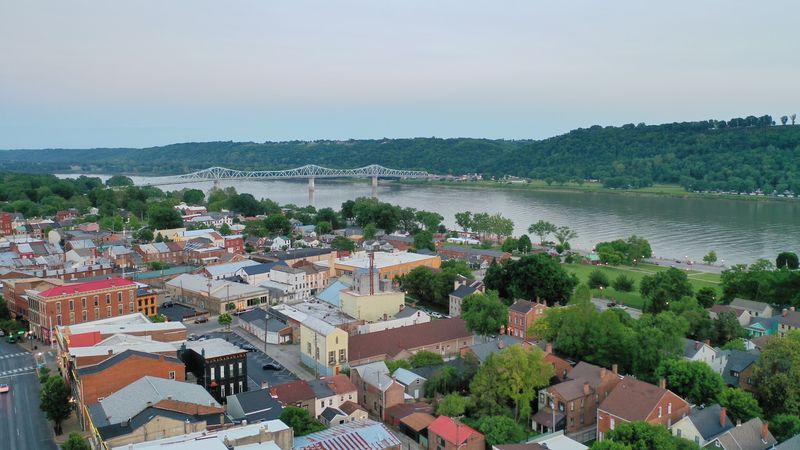
Madison makes it very easy to fill a day. One part of the city invites you to wander through a remarkably preserved downtown, while another points straight toward river views and nearby trails.
Few Indiana destinations blend built history and outdoor scenery with such little effort from the visitor. Downtown is the main draw for many people, and it earns that attention quickly.
Blocks of historic buildings create a strong sense of place, while locally owned shops, restaurants, museums, and galleries keep the area active and varied.
You can spend an hour browsing or turn it into a long, stop-and-go walk with snacks, shopping, and a museum visit built in.
The Ohio River gives Madison extra visual pull. Looking out over the water changes the pace of the trip, especially after time spent on busy sidewalks or inside stores.
River towns often have a different mood than inland places, and Madison uses that setting well without letting it overshadow the downtown core.
Then there is Clifty Falls State Park, sitting right beside the city. That close connection is a huge advantage because it lets visitors pair brick streets and storefronts with waterfalls, ravines, and wooded paths in the same outing.
Families and casual travelers can choose shorter walks, while more active visitors can spend extra time on the trails.
The smartest way to enjoy Madison is to avoid rushing. Start downtown, step into a few shops that catch your eye, and leave space for lunch before heading toward the river or the park. That sequence shows off the city at its best.
Madison appeals to different kinds of travelers for the same reason: variety without confusion. History, scenery, and local business all sit close together, so planning stays simple. Instead of choosing between a charming small city and time outdoors, visitors here can comfortably have both.
4. Angola
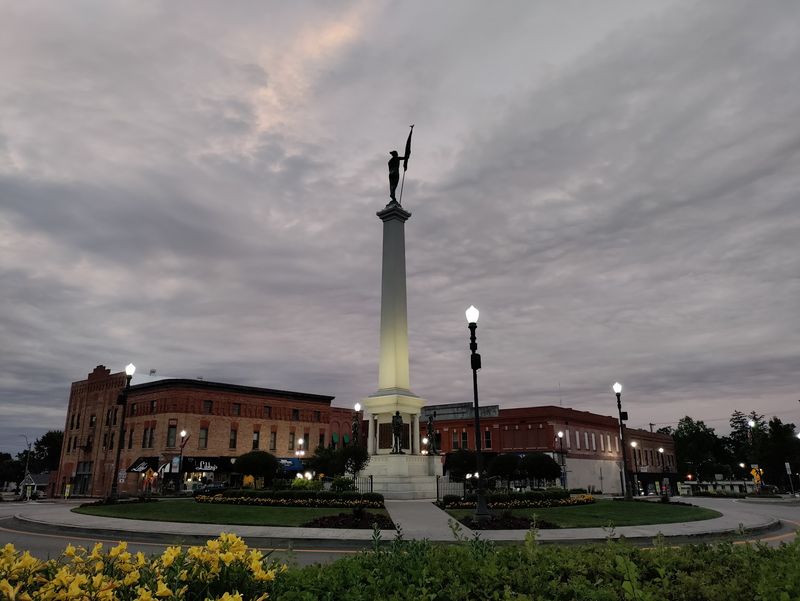
Angola has a little extra spark because it balances town life with lake-country adventure. One hour can be spent around a historic downtown square, and the next can shift toward woods, water, or a state park trail.
That range gives the city a practical kind of charm that works for many travel styles. The downtown center is anchored by its distinctive Civil War monument, which gives the area a memorable focal point.
Streets around it feel organized and easy to explore, so first-time visitors can park once and cover a lot on foot. Shops, cafés, and everyday businesses keep the district active instead of staged.
Trine University adds another layer that changes the citys energy. College towns often have more movement, more places to gather, and a stronger sense that things are happening year-round.
In Angola, that influence helps the downtown area feel current while still sitting comfortably within its historic setting.
Then the outdoor side takes over. Nearby Pokagon State Park is one of the regions strongest assets, offering trails, seasonal beauty, and space to stretch out after time in town.
Steuben Countys many lakes add even more reasons to linger, whether the plan is boating, shoreline views, or simply enjoying a slower afternoon near the water.
Angola works especially well for travelers who do not want to choose one type of trip. You can sightsee in town, grab a meal, and still fit in a nature stop without long drives between places. That convenience matters more than people sometimes realize.
A good visit here has a relaxed but active flow. Start by circling downtown, notice the monument and older buildings, then head toward the parks or lakes for a change of scenery.
Angola succeeds because its pieces fit together smoothly, giving visitors structure, variety, and plenty of room to shape the day.
5. Monticello
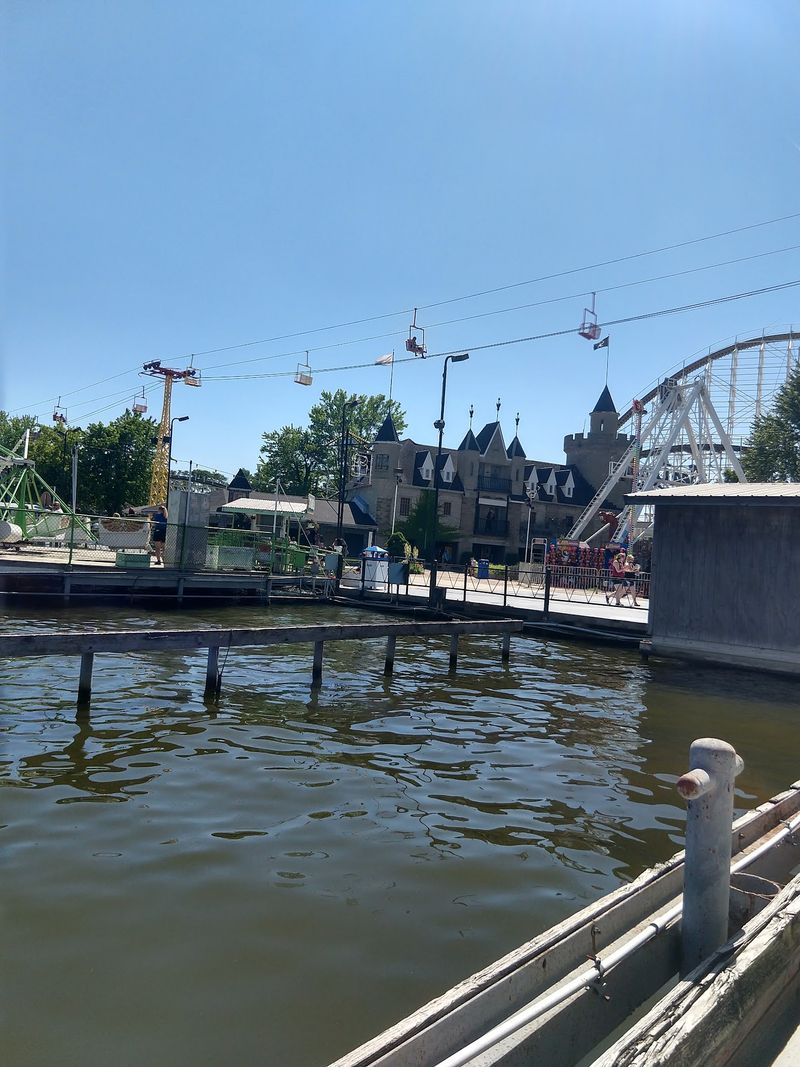
Monticello has the kind of setup that makes a getaway easy to understand. Water is always part of the picture, and that changes how the whole city moves. Between Lake Shafer and Lake Freeman, daily life and visitor fun blend into one relaxed lake-town rhythm.
Being surrounded by two well-known lakes gives Monticello its main appeal. Even people who do not plan to boat can enjoy the simple benefits, such as open views, breezes off the water, and more chances to sit outside.
For travelers who do want action, boating and waterfront activities provide plenty of ways to stay busy without needing a packed schedule.
Indiana Beach adds a very different kind of energy. The old-fashioned amusement park atmosphere brings nostalgia, color, and a playful edge that helps Monticello stand apart from other small Indiana cities.
Rides, lakeside scenery, and the parks long-running personality create a setting that can appeal to both kids and adults.
The city itself works best when explored at an easy pace. This is not a place that demands a strict itinerary, and that is part of its strength.
A morning on the water, an afternoon around town, and some evening time near the lake can fill the day without making it feel crowded.
Visitors who stay longer often get the most out of Monticello. The lakes invite repeated views at different times of day, and a sunset by the shoreline can be just as satisfying as any larger attraction.
Simple choices tend to work well here. Planning tip: leave room for flexibility. Weather, water conditions, and your own energy level may shape the best version of the day more than any checklist will.
Monticello wins people over by being easygoing, scenic, and fun in a straightforward way, with just enough classic amusement-park flavor to keep the trip lively.
6. Nappanee
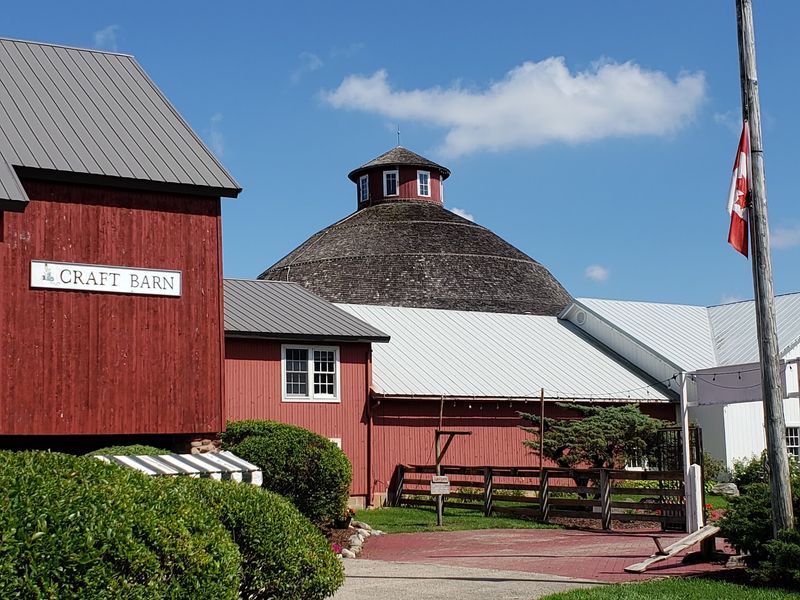
Nappanee offers a nice mix of polished downtown fun and regional heritage. One block might lead to boutiques and public art, while the next points toward deeper Amish Country connections. That combination gives the city both everyday energy and a strong sense of place.
The downtown area is easy to navigate on foot, which matters because many of its best details are close together. Historic buildings give the streets shape, and local shops and restaurants make it easy to turn a quick stop into a longer outing.
Window shopping works well here, but so does settling in for a meal and watching the downtown flow around you. Public art adds personality without overwhelming the older setting.
Small visual surprises break up the walk and make the city center feel cared for and current. Nappanee does a good job of letting newer touches sit beside history instead of competing with it.
Coppes Commons is another stop that helps tell the citys story. It ties shopping and dining to local legacy, which gives the experience more texture than a standard retail district.
Nearby, The Barns at Nappanee continues the spirit connected to the former Amish Acres attraction through historic experiences, shops, food, and the Round Barn Theatre.
That theatre element adds extra appeal because it turns a day trip into something that can stretch into evening plans. Families, couples, and group travelers can all build different kinds of visits without much effort.
Some may focus on heritage and architecture, while others will lean toward shopping or a performance. Nappanee is best enjoyed by staying curious and unhurried. Walk downtown first, pay attention to design details, and then branch out toward the larger historic experiences.
The city stands out because it links culture, commerce, and regional identity in a way that is easy to understand and pleasant to explore.
7. Huntington
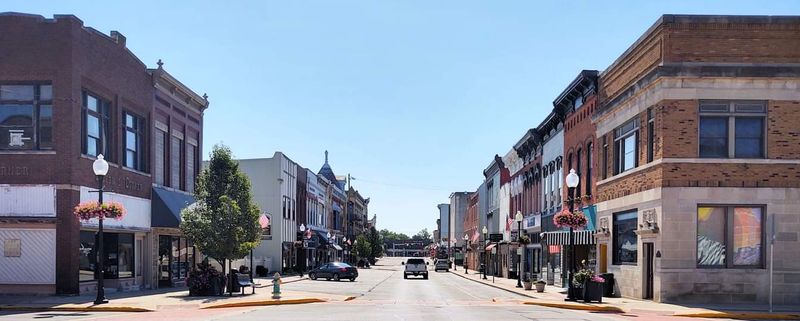
Huntington has a steady, comfortable style that grows on visitors as the day goes on. Historic architecture gives the downtown area its backbone, while nearby rivers and parkland add fresh air and a change of pace.
For travelers who enjoy small cities with both structure and scenery, it is an easy place to appreciate. Downtown is the natural starting point.
Local restaurants and shops give the area daily life, and the older buildings provide enough visual texture to make even a short walk interesting.
This is a good city for wandering without a strict plan, especially if the goal is to notice storefront details and find a lunch spot that looks inviting rather than preselected.
The Wabash and Little rivers help shape Huntingtons setting in a way that feels grounded and practical. Water nearby often softens the edges of a city visit, and that is true here too.
A downtown stroll followed by time near the river creates a nice contrast without requiring much travel. Forks of the Wabash Historic Park adds another strong reason to stop.
Trails and historic buildings allow visitors to shift from shopping and dining into history and outdoor scenery with very little effort. It is a useful option for families or road trippers trying to please people with different interests in one place.
Because the city is approachable, Huntington works well for a half-day or full-day visit. You can move from coffee to sightseeing to a short walk in nature without feeling rushed.
The transitions are smooth, which often makes a destination more enjoyable than one with bigger but scattered attractions.
A smart visit focuses on layers. See the downtown core first, then head toward the rivers or the historic park once you have taken in the street life.
Huntington may not shout for attention, but its mix of local business, river setting, and history creates a rewarding experience with real variety.
8. Batesville
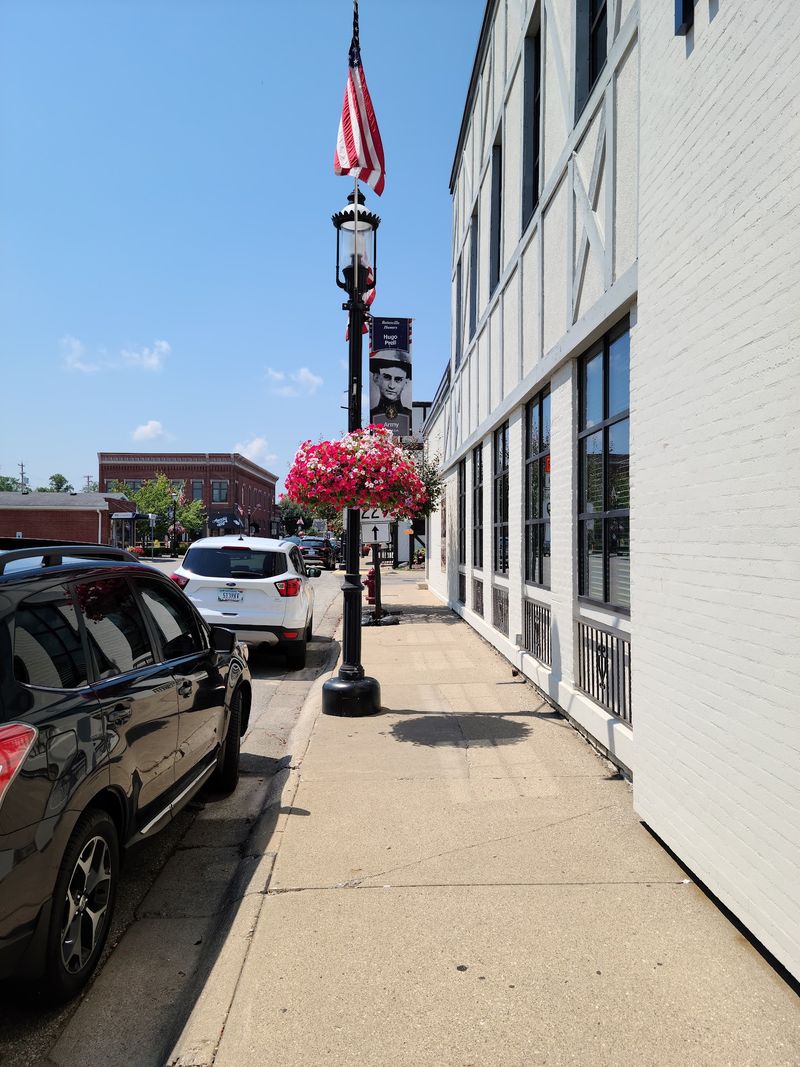
Batesville has the kind of Main Street that encourages a slower pace almost without trying. Shops, restaurants, and community spaces sit close together, and the city carries itself with a clear sense of identity.
That makes it appealing for visitors who like places that are active but still easy to read. The downtown district is the anchor. A lively center matters in a smaller city because it gives people a natural place to gather, browse, and spend time without overplanning.
In Batesville, that energy shows up through local business activity, walkable blocks, and streets that feel connected rather than scattered.
Food and shopping help shape the visit, but parks and trails widen the experience. Travelers who want a break from storefronts can shift into green space without losing the thread of the day.
That balance is useful for families, mixed-age groups, or anyone who simply likes alternating between movement and downtime.
Location adds another advantage. The rolling landscapes of southeastern Indiana give Batesville a pleasant wider setting, and they reward visitors who decide to look beyond downtown.
A short drive around the surrounding area can add scenic views and a better sense of how the city fits into the region.
Community pride is one of the more noticeable parts of a visit here. It shows up in the care given to public spaces, the local businesses, and the overall organization of the city center.
Even first-time visitors can usually tell when a place invests in itself, and Batesville sends that message clearly. The best approach is to leave room for both walking and wandering. Spend time on Main Street first, then branch outward toward parks or the surrounding roads if the weather is good.
Batesville succeeds through cohesion. Everything works together well, from its downtown activity to its outdoor options and regional scenery.
9. Attica
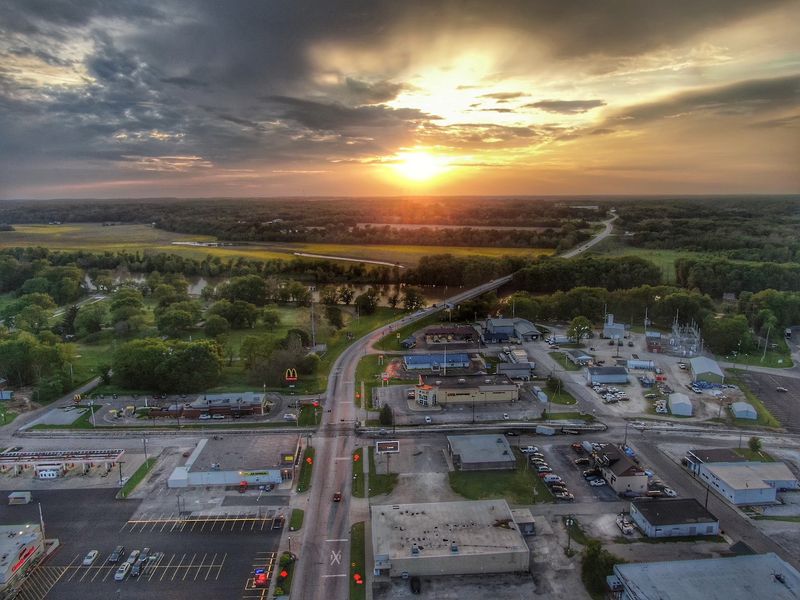
Attica stands out through architecture more than spectacle, and that is exactly why many travelers enjoy it. The city rewards people who like to look closely at streets, cornices, brickwork, and building fronts rather than rushing from one major attraction to the next.
It is a strong pick for an unhurried visit. Set on the Wabash River, Attica carries the visual character of an older river city. Its downtown includes dozens of buildings from the 19th and early 20th centuries, which gives the area a rich built landscape even before you step inside a single shop or café.
Simply walking the streets can feel like the main activity, and that is not a weakness here. Multiple historic districts add depth to the experience.
Instead of one short block of preserved structures, the city offers a broader sense of continuity, with older architecture appearing across different sections. That makes exploration more satisfying because the interesting details do not stop after a few minutes.
The pace in Attica suits travelers who prefer noticing over checking boxes. Bring a camera or just take your time looking upward and outward, because decorative features and older design choices often reveal themselves slowly. Streets lined with varied historic buildings give the city a distinct visual rhythm.
The river setting helps too, even when the architecture is the main focus. Water nearby adds context and softens the visit, giving Attica a setting that supports its historic identity without taking attention away from the built environment.
The combination feels coherent and easy to appreciate. Attica works best when expectations are set correctly. This is not a place built around nonstop entertainment.
Instead, it offers strong visual interest, a quiet sense of history, and the pleasure of seeing a small western Indiana city where the streets themselves provide much of the appeal. Sometimes that kind of simplicity is the whole point.
10. Wabash
Wabash packs a surprising amount into a compact downtown, and that is part of its charm. Historic buildings, arts venues, museums, and river scenery all sit close enough together to make the city easy to explore on foot.
For visitors, that means less time figuring out logistics and more time actually enjoying the place. The downtown district has a strong visual mix. Historic architecture gives the streets weight and personality, while boutiques and public art keep the area lively and current.
It is the kind of center where a short walk can include a shop window, a mural, and a building facade that deserves a second look.
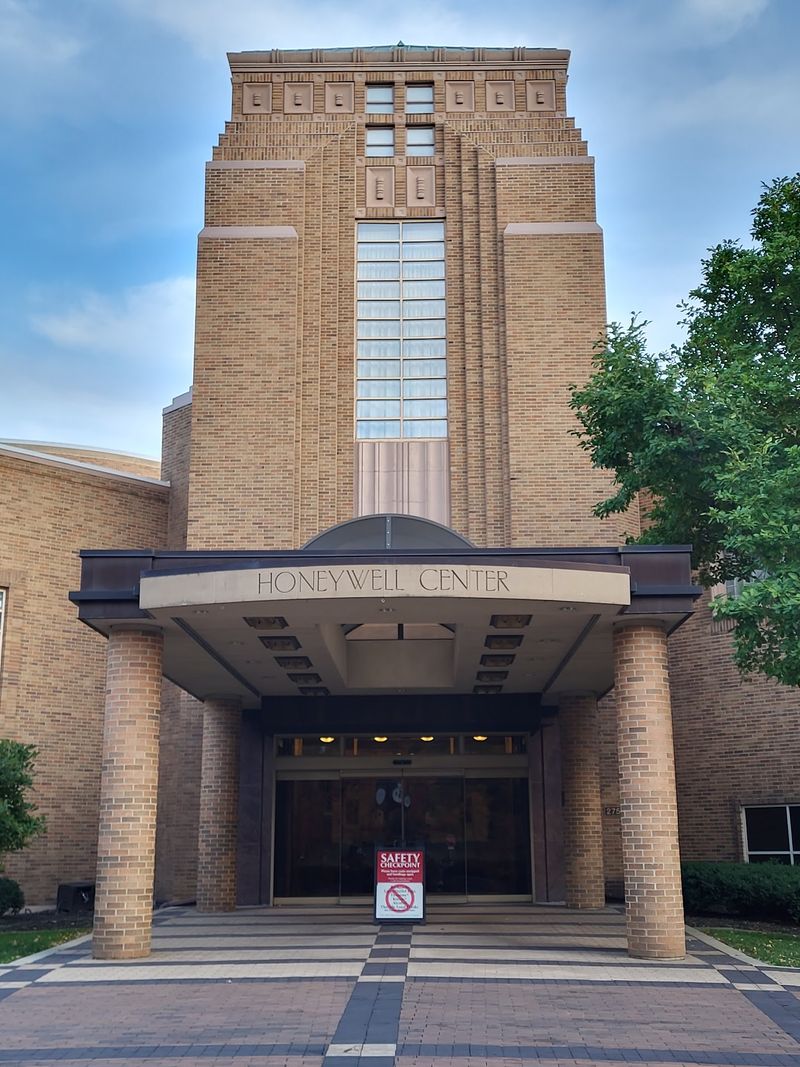
Cultural attractions raise the citys profile even more. The Honeywell Center and Eagles Theatre add performance and event energy, turning downtown into more than a daytime browsing zone.
Visitors who plan ahead may be able to pair shopping and sightseeing with a show, which makes the experience feel fuller.
History gets solid representation too. The Wabash County Museum offers a focused way to understand local context, and Paradise Spring Historical Park adds another dimension by linking heritage to place.
Together, they help visitors connect the citys present-day walkability with the stories behind it. The Wabash River ties everything together visually.
Even when it is not the only attraction on your list, the river adds a scenic edge and reminds you that the city is shaped by more than its buildings. That nearby natural feature helps break up a day of indoor stops and downtown wandering.
Wabash is a smart choice for travelers who like destinations with range. Arts, history, shopping, and scenery all show up in a relatively small area, which keeps the day manageable.
Start downtown, follow what interests you most, and leave room for at least one cultural stop. The city makes that variety easy to enjoy without feeling scattered.
Share this story