Texas is huge, and exploring it doesn’t have to drain your bank account. From stunning canyons to peaceful lakes, the Lone Star State offers incredible destinations where entrance fees are minimal and the memories are priceless. Pack your cooler, fill up the tank, and get ready to discover some of the most beautiful spots in Texas without spending a fortune.
1. Palo Duro Canyon State Park (Canyon)
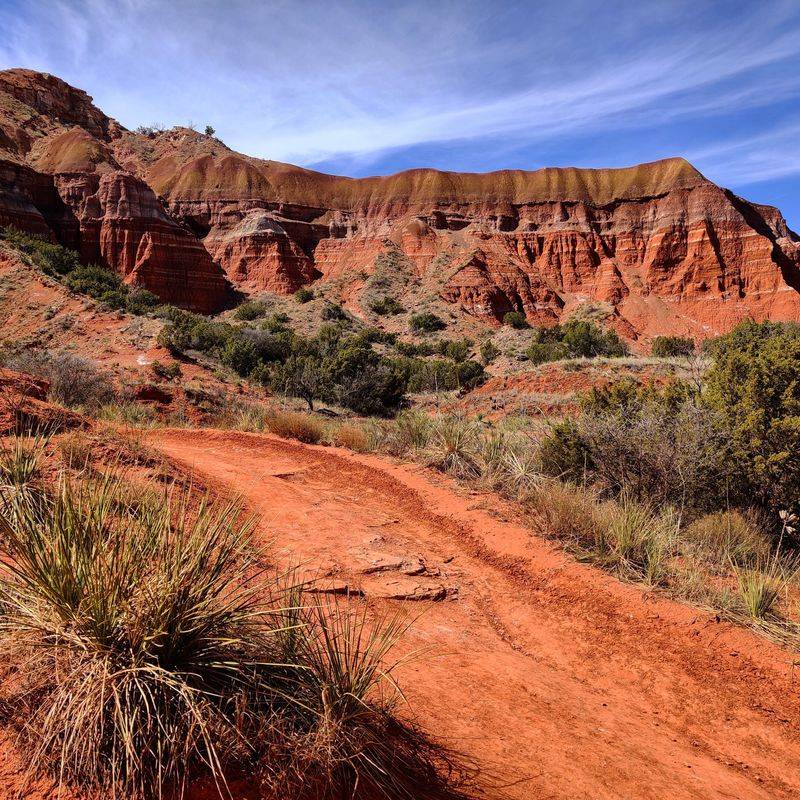
Picture the Grand Canyon’s little sibling living in the Texas Panhandle. Palo Duro Canyon stretches 120 miles long and plunges 800 feet deep, making it the second-largest canyon system in the United States. The park entrance costs about eight bucks per person, which is basically the price of a fancy coffee drink.
Once you’re inside, the real adventure begins without costing you another dime. Miles of hiking trails wind through the canyon floor, past towering rock formations striped with rust, orange, and cream colors. The Lighthouse Trail is the most popular route, leading to a distinctive rock pillar that looks exactly like its name suggests.
Camping here runs around twenty dollars per night, making it one of the best bargains in Texas. You can pitch a tent under a sky so dark that the Milky Way looks like someone spilled glitter across black velvet. Morning light transforms the canyon walls into a painter’s palette.
Mountain biking is another free activity once you’re through the gate. The canyon offers over fifteen miles of bike trails that range from easy cruises to challenging climbs. Bring your own bike to avoid rental fees.
Wildlife watching costs absolutely nothing except your attention. Roadrunners dart across paths, deer graze near campsites, and if you’re lucky, you might spot a Texas horned lizard. Early morning and late afternoon are prime times for animal sightings.
The park also hosts an outdoor musical drama called “Texas” during summer months. While this does cost extra, everything else about Palo Duro delivers maximum beauty for minimum cash. Pack plenty of water, sunscreen, and snacks from home.
The nearest town is Canyon, about thirty minutes away, so coming prepared saves money and hassle.
This destination proves that some of Texas’s most spectacular scenery comes with a tiny price tag attached.
2. San Antonio River Walk (San Antonio)
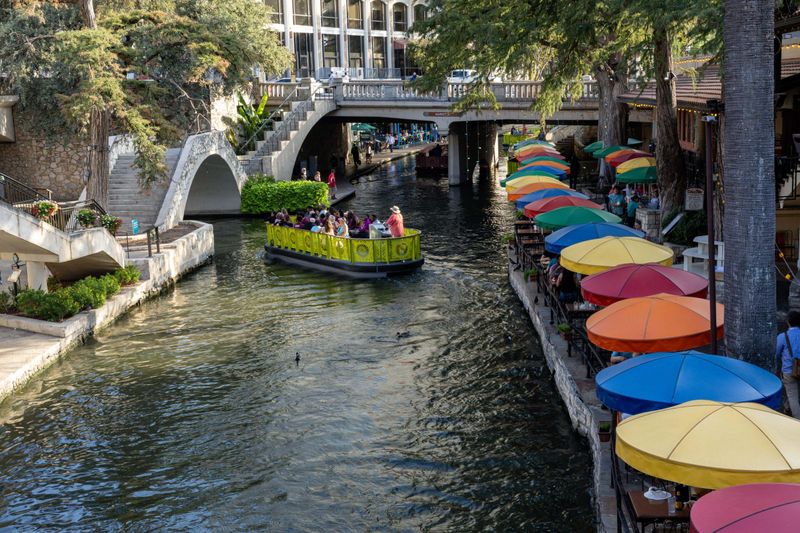
Walking along the San Antonio River Walk won’t cost you a single penny, yet it feels like you’re strolling through a postcard. This network of stone pathways winds below street level, following the curves of the San Antonio River for fifteen miles through the heart of downtown. Cypress trees drape over the water while colorful umbrellas mark restaurant patios on both banks.
The best part about the River Walk is that simply being there is free. You can spend hours wandering past historic buildings, crossing arched bridges, and watching ducks paddle by. Street performers often set up along the paths, adding live music to your afternoon without charging admission.
If you pack sandwiches and snacks from a grocery store, you can picnic on benches along the water. This beats paying restaurant prices while still soaking up the atmosphere. The River Walk connects to several free attractions, including the Alamo, which sits just a few blocks away.
Boat tours do cost money, but watching them glide past is entertaining enough. The river barges carry tourists under low bridges where guides share stories about San Antonio’s history. You get the highlights just by listening as they pass.
Different sections of the River Walk offer distinct vibes. The Museum Reach area features modern art installations and green spaces perfect for relaxing. The Mission Reach stretches south toward historic Spanish missions, offering a quieter, more natural experience.
Both extensions are less crowded than the downtown section.
Visiting during the holidays transforms the River Walk into a sparkling wonderland. Thousands of lights decorate the trees and bridges, creating a magical scene that’s completely free to enjoy. Early morning walks let you experience the River Walk before crowds arrive, when the only sounds are birds singing and water flowing.
Parking can be pricey downtown, so look for free street parking a few blocks away or visit on weekends when some meters don’t run.
The River Walk proves that San Antonio’s crown jewel doesn’t require a fat wallet to appreciate.
3. Mount Bonnell (Austin)
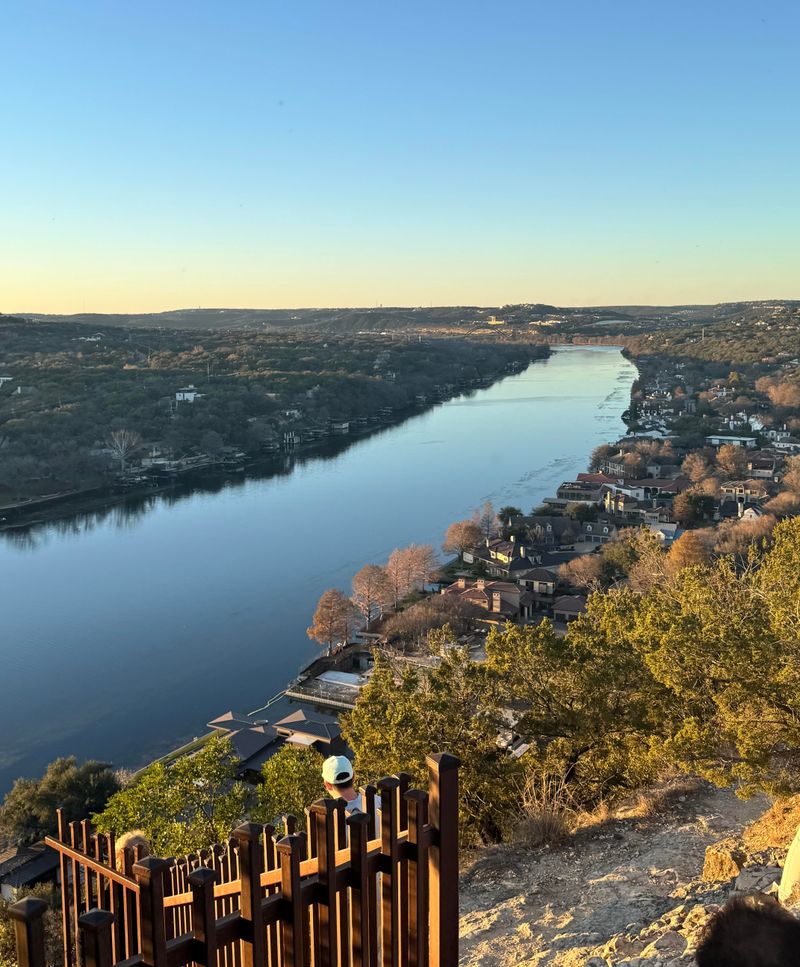
Climbing 102 stone steps might sound like work, but the view from Mount Bonnell makes every step worth it. This Austin landmark sits 775 feet above sea level, offering sweeping views of Lake Austin, the Hill Country, and downtown’s skyline. Best of all, there’s no entrance fee, just free parking and a short hike up.
The stairs themselves have history carved into them. Couples have been climbing to the summit since the 1850s, making it one of Austin’s oldest tourist attractions. Local legend says that couples who climb together will fall in love, though the real magic is the vista waiting at the top.
Lake Austin snakes through the hills below, reflecting whatever mood the sky is in. Sailboats look like tiny toys from this height. Expensive homes dot the shoreline, giving you a peek at how the other half lives without spending a dime.
Sunset draws the biggest crowds, and for good reason. The western sky explodes in orange and pink while the city lights begin twinkling to the east. Bring a blanket and some snacks to claim your spot on the limestone ledges.
This turns a free activity into a memorable date or family outing.
Early morning visits offer a different reward: fewer people and cooler temperatures. The climb feels easier when you’re not dodging crowds on the narrow staircase. Plus, morning light gives the lake a glassy, peaceful quality that’s perfect for photos.
The surrounding neighborhood, Tarrytown, is worth a quick drive-through. Massive oak trees arch over quiet streets lined with charming homes. It costs nothing to admire the architecture and imagine living there.
Mount Bonnell’s small parking lot fills up fast on weekends and holidays. Street parking is available but limited. Some visitors bike or walk from nearby neighborhoods, turning the trip into a longer workout.
The stairs can be challenging for anyone with mobility issues, but the effort-to-reward ratio is unbeatable.
This little peak delivers million-dollar views without charging a cent, making it one of Austin’s best free attractions.
4. Big Bend National Park (Far West Texas)
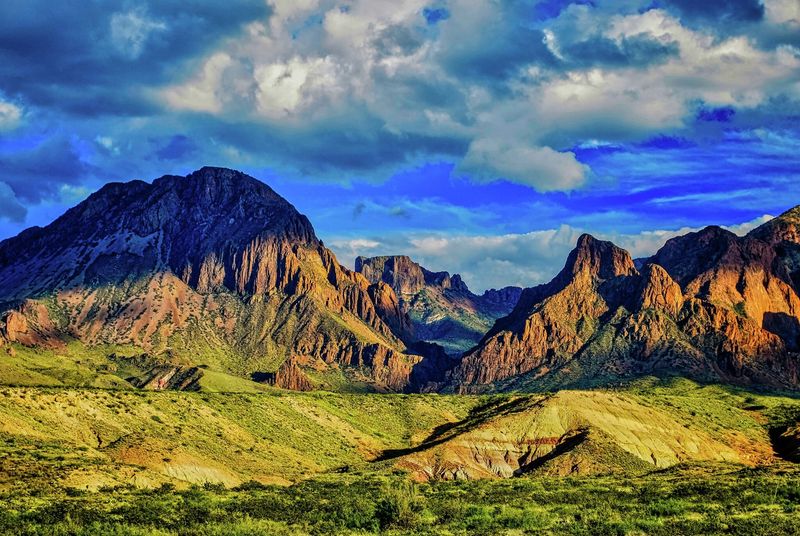
Big Bend sits so far from everything that it feels like another planet. This massive national park sprawls across 801,000 acres where the Rio Grande curves around the bottom of Texas. The entrance fee is thirty dollars per vehicle for seven days, which breaks down to about four bucks per day if you stay the whole week.
That single fee unlocks hundreds of miles of hiking trails, scenic drives, and backcountry camping. The Chisos Mountains rise from the desert floor like a mirage, offering cooler temperatures and pine forests. Down in the lowlands, the desert stretches endlessly, dotted with cacti and carved by ancient rivers.
Camping is where the real savings happen. Primitive backcountry sites are free with a permit, and developed campgrounds cost around sixteen dollars per night. Compare that to hotel prices in the nearest town, which is over an hour away, and you’ll see why camping makes sense here.
The Santa Elena Canyon trail leads into a narrow gorge where limestone walls tower 1,500 feet overhead. The Rio Grande flows through the bottom, marking the border with Mexico. This hike costs nothing beyond the park entrance and delivers scenery that belongs on a movie screen.
Hot springs bubble up along the river, creating natural bathtubs that are completely free to soak in. The water temperature hovers around 105 degrees year-round. Reaching them requires a short hike, but sliding into that warm water after a dusty trail is pure magic.
Wildlife viewing is exceptional and free. Roadrunners zip across highways, javelinas root around campsites, and black bears occasionally wander through the Chisos Basin. Bring binoculars for spotting birds; over 450 species have been recorded in the park.
The Ross Maxwell Scenic Drive winds through thirty miles of desert and mountain scenery without costing extra. Pull-offs let you explore short trails and take photos. Stock up on groceries and gas before entering Big Bend because the nearest services are far away and expensive.
Cell service is nonexistent, which somehow makes the experience even better.
Big Bend rewards visitors who embrace the remote, rugged beauty without needing fancy amenities.
5. Willow City Loop (Fredericksburg)
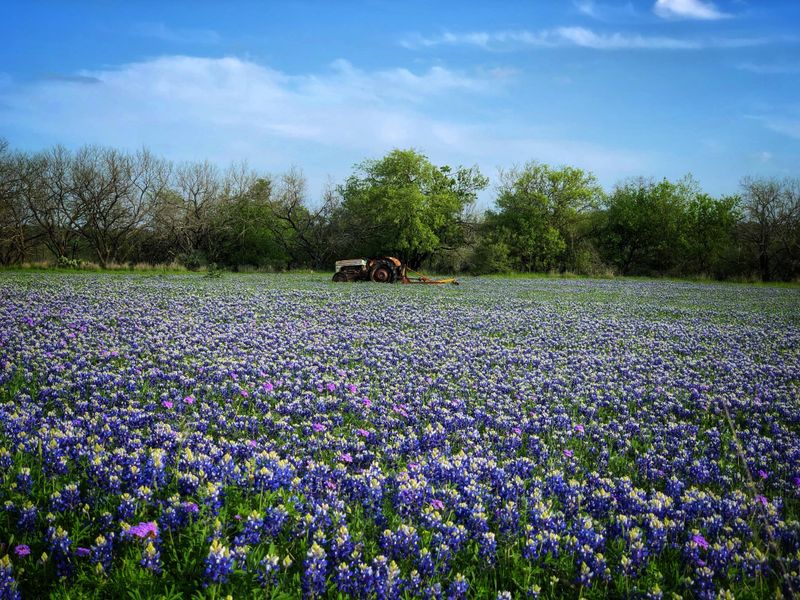
Every spring, a quiet country road outside Fredericksburg transforms into Texas’s most beautiful drive. Willow City Loop is a thirteen-mile stretch of pavement that winds through ranch land absolutely carpeted with wildflowers. There’s no entrance fee, no parking charge, just you and millions of bluebonnets painting the hills purple-blue.
The loop typically peaks between late March and mid-April, depending on winter rains. Indian paintbrush adds splashes of orange-red among the bluebonnets, creating a color combination that looks almost too vibrant to be real. Photography here is free and easy; every curve reveals another postcard-worthy scene.
This isn’t a manicured garden or maintained park. You’re driving through working ranches where cattle graze among the flowers. Respect private property by staying on the road or pulling into designated areas.
Most landowners are generous about letting visitors enjoy the view from the roadside.
The entire loop takes about thirty minutes to drive without stops, but plan for at least two hours. You’ll want to pull over repeatedly to gawk, snap photos, and just stand there soaking it in. Weekday mornings are less crowded than weekend afternoons.
Pack a picnic lunch and find a spot along the road to eat. Several areas have wide shoulders where you can safely park and spread a blanket. Watching the flowers sway in the breeze while munching sandwiches beats any restaurant view.
Fredericksburg itself is worth exploring before or after the loop. The town square features German architecture, quirky shops, and several free museums. Window shopping costs nothing and gives your legs a break from driving.
Wildflower season draws crowds, so expect some traffic on weekends. The narrow road doesn’t have much shoulder in places, making passing tricky. Drive slowly, be patient, and remember that everyone’s there for the same reason.
Bring plenty of water because there are no services along the loop. Your gas tank should be full before starting, and your camera battery charged. Willow City Loop proves that nature’s best shows are often completely free.
The flowers don’t charge admission, and the memories last long after the blooms fade.
6. Hamilton Pool Preserve (Dripping Springs)
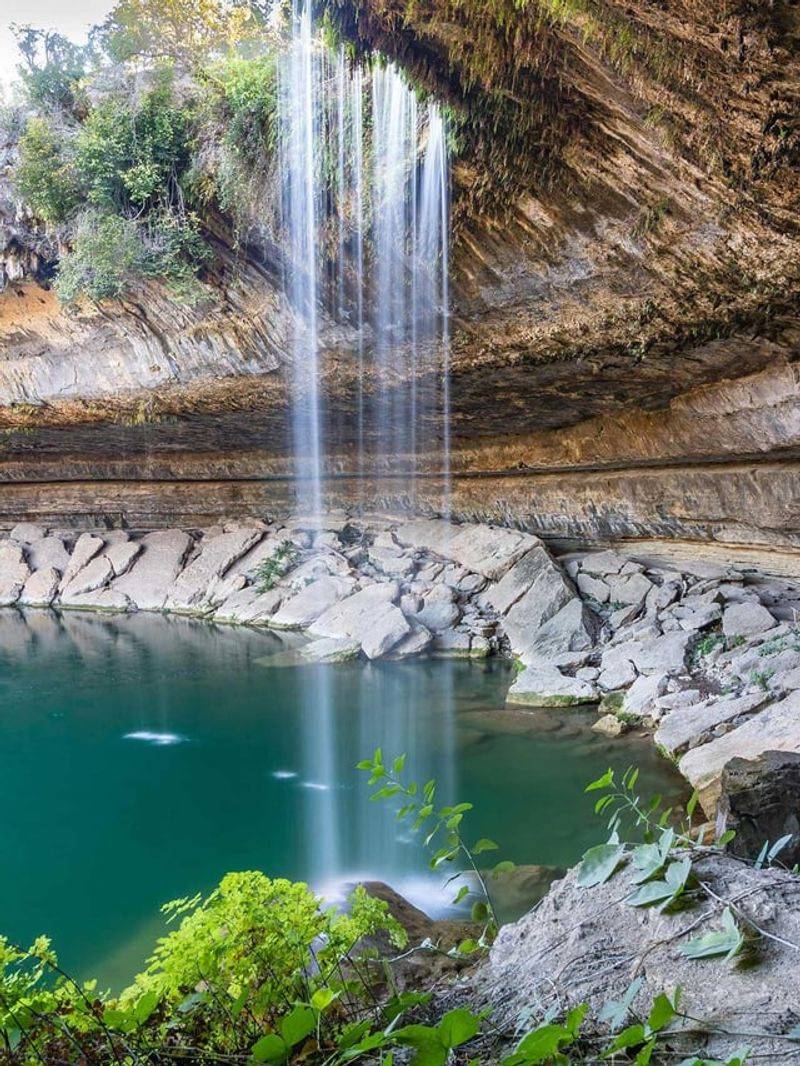
A waterfall spills over a limestone overhang into a jade-green pool fifty feet below. That’s Hamilton Pool, a natural grotto that looks like it belongs in a fantasy novel. The preserve charges a reservation fee of fifteen dollars per vehicle, which seems steep until you realize this place could easily charge triple.
Reservations are required year-round and book up fast, especially in summer. Planning ahead saves you from driving out there only to be turned away. The system exists to protect this fragile ecosystem from being loved to death by too many visitors.
The quarter-mile trail down to the pool is steep and rocky but manageable for most people. Tree roots create natural steps in places. The path opens suddenly onto the pool, and the view stops you in your tracks.
Limestone walls curve overhead, dripping with ferns and moss.
Swimming is allowed when bacteria levels are safe, which is most of the time. The water stays cool year-round, offering relief from Texas heat. Wading in the shallows is free entertainment for kids who aren’t ready for the deeper sections.
Cliff swallows nest in the grotto during summer, swooping and diving over the water.
The preserve includes additional trails beyond the main pool. These paths wind through Hill Country habitat where you might spot armadillos, deer, or colorful butterflies. Taking time to explore these trails spreads out the crowds and gives you more bang for your fifteen bucks.
Photographers love Hamilton Pool because the lighting changes throughout the day. Morning sun filters through the opening above, creating shafts of light in the mist. Afternoon shadows emphasize the grotto’s dramatic curves.
Every angle offers a new perspective.
Facilities are basic: restrooms and a small parking area. There’s no food service, so pack snacks and plenty of water. The preserve is about forty-five minutes from Austin, making it an easy day trip.
Arrive early because the parking lot fills up even with reservations. Wear sturdy shoes with good grip for the rocky trail. Hamilton Pool delivers a unique natural wonder that’s worth every penny of that small entrance fee.
It’s proof that Texas hides geological treasures in unexpected places.
7. Guadalupe River (New Braunfels)
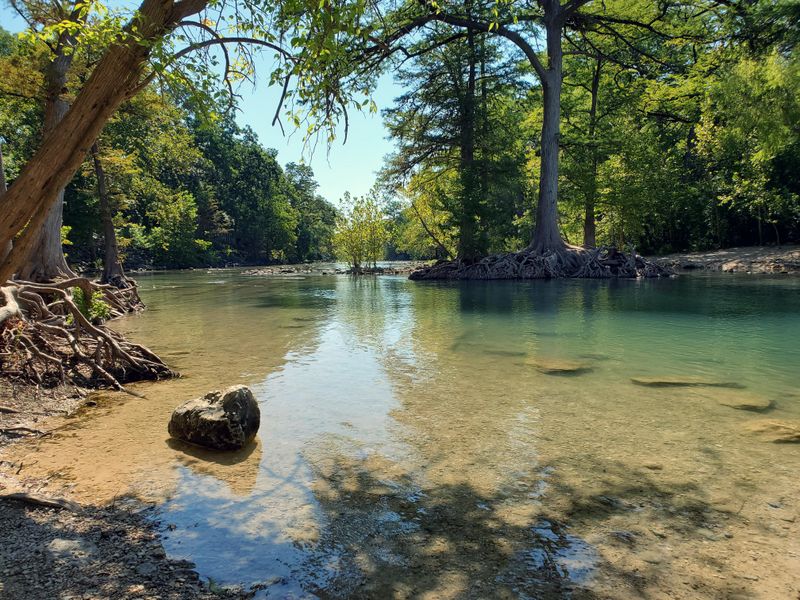
Cool, clear water flows over limestone bedrock, creating the perfect natural lazy river. The Guadalupe River near New Braunfels is where Texans go to beat the heat without breaking the bank. You can access the river at several free public spots, though most people pay a small fee for tube rentals and shuttle services.
Tubing the Guadalupe has become a Texas tradition. Rental outfitters charge around twenty to thirty dollars per person, which includes the tube and a shuttle ride back to your car. That’s a full day of entertainment for less than a movie ticket and popcorn.
The river’s gentle current does all the work while you float along soaking up sunshine.
If you own tubes or inflatable rafts, you can access the river at public spots like Whitewater Amphitheater or various road crossings. This turns the experience into a nearly free activity. Just factor in parking fees and shuttle logistics if you’re doing a long float.
The river’s temperature stays around 70 degrees year-round thanks to spring-fed sources. This feels refreshing in summer but might be chilly in winter. Shallow sections let you walk or wade when you need a break from floating.
Deeper pools are perfect for swimming and cooling off completely.
Cypress trees line much of the river, providing shade and creating a scenic backdrop. Their roots grip the banks, and their branches reach over the water. Wildlife is abundant: turtles sun themselves on logs, herons fish in the shallows, and dragonflies buzz past your tube.
New Braunfels itself offers free activities beyond the river. The historic downtown features German architecture and interesting shops. Landa Park provides free access to spring-fed Landa Lake, where you can swim, picnic, or feed the ducks.
The park also has playgrounds and walking trails.
Weekends during summer turn the river into a floating party. If you prefer a calmer experience, visit on weekdays or during shoulder seasons. Early summer and late fall offer pleasant weather with smaller crowds.
Bring a cooler with drinks and snacks, but remember that glass containers are prohibited on the river. Waterproof bags protect phones and keys.
The Guadalupe proves that Texas’s best summer fun flows naturally and affordably through the Hill Country.
8. Padre Island National Seashore (Corpus Christi)
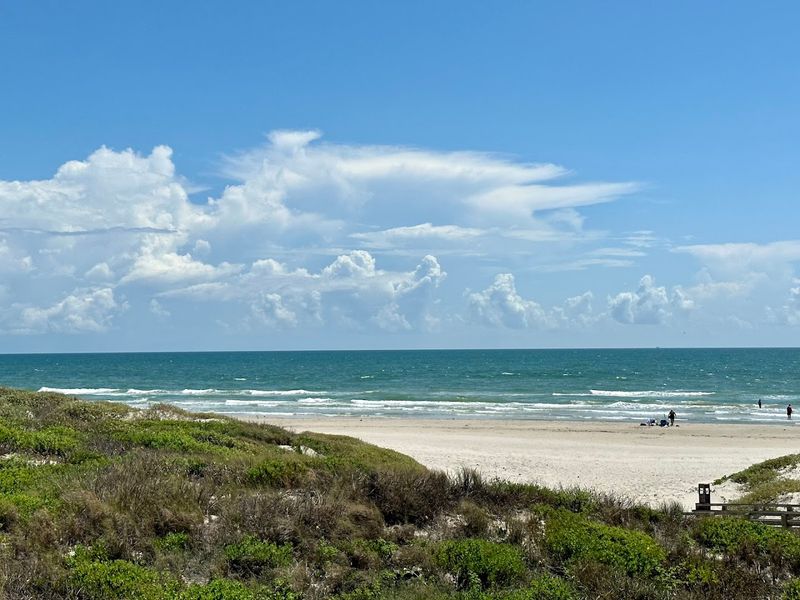
Sixty miles of undeveloped beach stretch along the Gulf of Mexico, and most of it is yours to explore. Padre Island National Seashore charges twenty dollars per vehicle for a seven-day pass. That works out to less than three bucks per day for access to one of the longest stretches of primitive beach in the United States.
The northern section near the visitor center features paved roads and easy beach access. Families with regular cars can reach the sand without any trouble. This area has restrooms, showers, and covered picnic tables.
The beach itself is wide and wild, with waves rolling in and seabirds wheeling overhead.
Four-wheel-drive vehicles can continue south on the beach for miles. This requires a permit and proper equipment, but it opens up vast stretches of completely empty coastline. Camping on the beach is allowed in designated areas for just eight dollars per night.
Falling asleep to the sound of waves is priceless.
Beachcombing here is excellent and free. Shells wash up constantly, including lightning whelks, sand dollars, and colorful coquinas. After storms, you might find unusual treasures from distant waters.
Early morning walks yield the best finds before other beachcombers arrive.
The park protects important sea turtle nesting habitat. During summer, rangers lead free turtle releases where visitors can watch baby Kemp’s ridley sea turtles scurry toward the ocean. These events are first-come, first-served and incredibly moving to witness.
Check the park’s website for release schedules.
Bird Island Basin on the Laguna Madre side offers calmer waters perfect for kayaking and windsurfing. The shallow lagoon stays warmer than the Gulf and attracts different wildlife. You can launch your own watercraft for free or rent equipment from nearby outfitters.
Fishing is popular and productive year-round. Surf fishing requires only a Texas fishing license, and the beach yields redfish, speckled trout, and flounder. Pier fishing is available near the visitor center.
Pack plenty of water, sunscreen, and food because services are limited within the park. The nearest town is Corpus Christi, about thirty minutes away.
Padre Island National Seashore delivers a raw, authentic coastal experience where nature still runs the show.
9. Enchanted Rock State Natural Area (Fredericksburg)
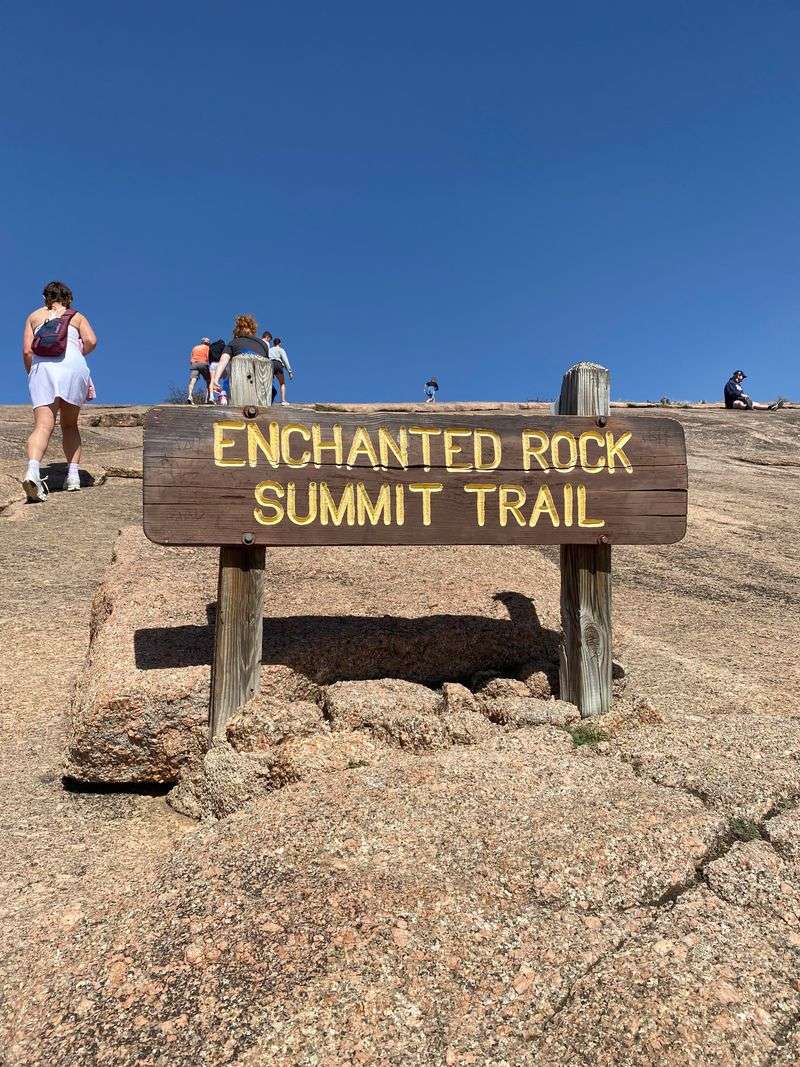
A massive pink granite dome rises 425 feet above the Hill Country like a giant’s bald head. Enchanted Rock is Texas’s most famous rock formation, and climbing it costs just eight dollars per person. The summit rewards your effort with 360-degree views that stretch for miles across rolling hills and distant ridges.
The main trail to the top is steep but straightforward. No technical climbing skills are needed, just decent shoes and determination. The granite surface can be slippery when wet, so watch your footing.
Most people reach the summit in thirty to forty-five minutes, depending on fitness level and how often they stop to catch their breath.
Standing on top feels like being on an island in a sea of trees. Wind usually blows across the exposed rock, providing relief from the climb. Hikers spread out across the dome, finding spots to sit and soak in the view.
Some people bring lunch and make an event of it.
The rock itself is fascinating beyond just the climb. Granite weathers in unique ways, creating shallow pools called vernal pools that support tiny ecosystems. Rare plants grow in cracks and crevices.
The rock even makes creaking and groaning sounds as it expands and contracts with temperature changes, which explains its
10. Caddo Lake State Park (Karnack)
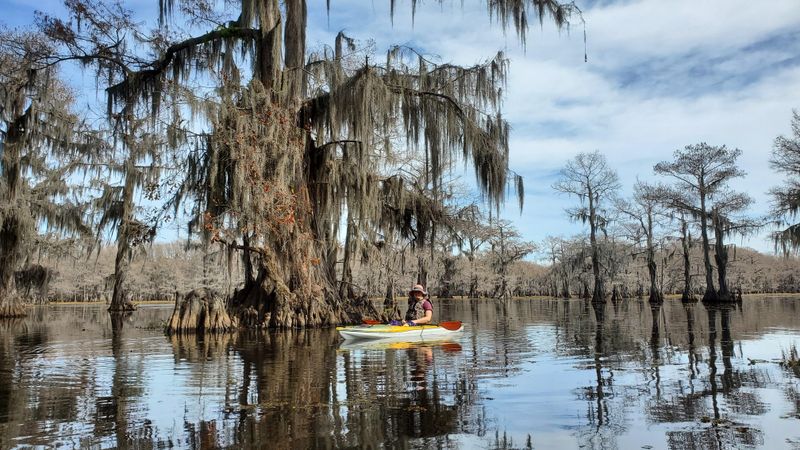
Spanish moss drapes from ancient cypress trees standing in dark, mirror-still water. Caddo Lake looks nothing like the rest of Texas. This mysterious wetland on the Louisiana border feels more like the Deep South, all swampy and atmospheric.
The state park entrance costs eight dollars per person, granting access to one of Texas’s most unusual ecosystems.
The lake itself is a maze of bayous, sloughs, and channels winding between cypress trees. Some of these trees are over 400 years old, their trunks flared at the base and their roots visible above the waterline. Paddling through this landscape feels like entering another world, especially when morning fog hangs low over the water.
Kayak and canoe rentals are available at reasonable rates, or bring your own boat to save money. Paddling is the best way to explore Caddo Lake. The quiet channels let you get close to wildlife: herons stalking fish, alligators sunning on logs, and turtles plopping into the water as you approach.
Yes, there are alligators here, but they’re generally shy and avoid people. Rangers provide safety information and guidelines for sharing the water with these ancient reptiles. Following common-sense rules keeps everyone safe while adding a thrill to your adventure.
Fishing is excellent year-round. The lake holds largemouth bass, catfish, crappie, and chain pickerel. Anglers can fish from boats, the bank, or the park’s fishing pier.
The tangled underwater structure created by cypress roots provides perfect fish habitat. A Texas fishing license is required but costs less than thirty dollars annually.
The park offers camping starting around twenty dollars per night. Screened shelters provide protection from mosquitoes, which can be fierce during warmer months. Waking up to bird songs echoing across the lake makes the early wake-up call worthwhile.
Several hiking trails wind through bottomland hardwood forest.
These paths stay relatively flat and easy, perfect for families or anyone wanting to explore on foot. Interpretive signs explain the unique ecology of this wetland ecosystem. Caddo Lake’s beauty is subtle and moody rather than dramatic.
Photographers love the atmospheric quality, especially during golden hour when light filters through the trees.
This is Texas’s most unexpected landscape, proving the state’s geography is far more diverse than most people realize.
Share this story