Pennsylvania hides more than rolling ridges, old steel towns, and postcard farms – it also shelters abandoned places where silence feels almost staged, as if the past stepped out only moments ago and never fully left. If you are drawn to ruined streets, vanished industries, and stories that still raise questions on cold mornings, these ghost towns offer that rare mix of history and unease that sticks with you long after the drive home.
Some were emptied by fire, some by economic collapse, and some by decisions that still feel abrupt and unresolved, leaving behind roads, foundations, and fragments that seem to wait for an explanation. Travel through these corners of the Commonwealth and you will find that Pennsylvania’s forgotten communities are not just relics on a map – they are lingering mysteries, each one carrying a different kind of chill.
1. Frick’s Lock
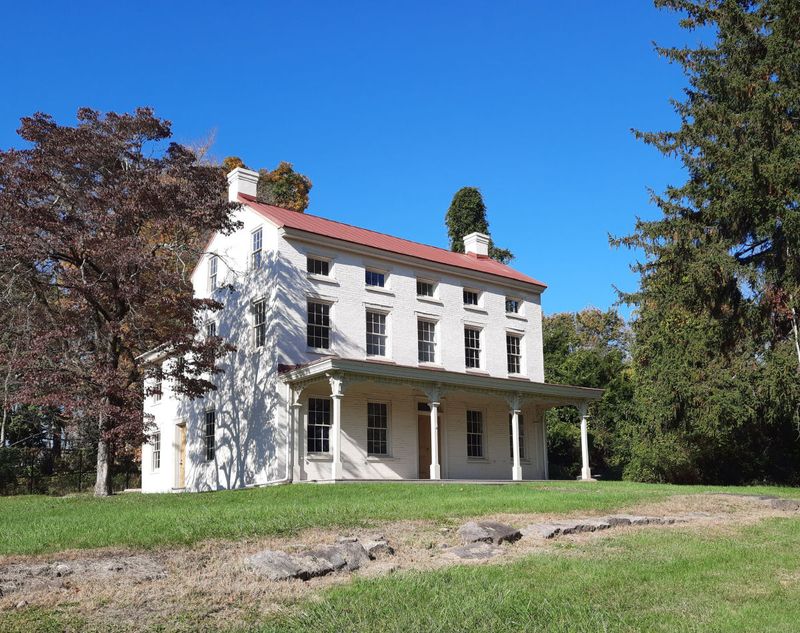
Tucked beside the old Schuylkill Canal, this abandoned settlement feels like the kind of place that should be loud with workers, boats, and conversation, yet everything now sits under a strange hush.
You can almost sense how life once clustered around the locks, mills, and narrow lanes before modern industry and changing transport routes pushed the town toward irrelevance.
What remains at Frick’s Lock looks ordinary at first glance, but the stillness quickly turns heavy.
Part of its cold mystery comes from how suddenly the community seemed to lose its purpose, then its people, while nearby development plans kept reshaping the region.
Demolition, neglect, and rumors of hauntings added another layer, making the surviving structures feel less like ruins and more like witnesses.
When you look at the weathered stone and broken windows, it is easy to wonder whether the town was abandoned by choice, pressure, or simple exhaustion.
The canal itself deepens the mood because waterways often preserve memory in a strange way, carrying reflections of places that no longer function but never fully disappear.
Trees crowd around old foundations, and the landscape seems determined to fold the settlement back into the earth without erasing it completely.
That unfinished feeling is what makes Frick’s Lock so compelling, because it suggests a story that stopped mid-sentence.
If you are fascinated by Pennsylvania places where history and rumor overlap, this one lingers in your mind for all the right reasons.
It is not just the empty buildings that unsettle you, but the sense that the town remains paused instead of gone.
Frick’s Lock still carries a chill because it feels preserved inside a question nobody has fully answered.
2. Scotia
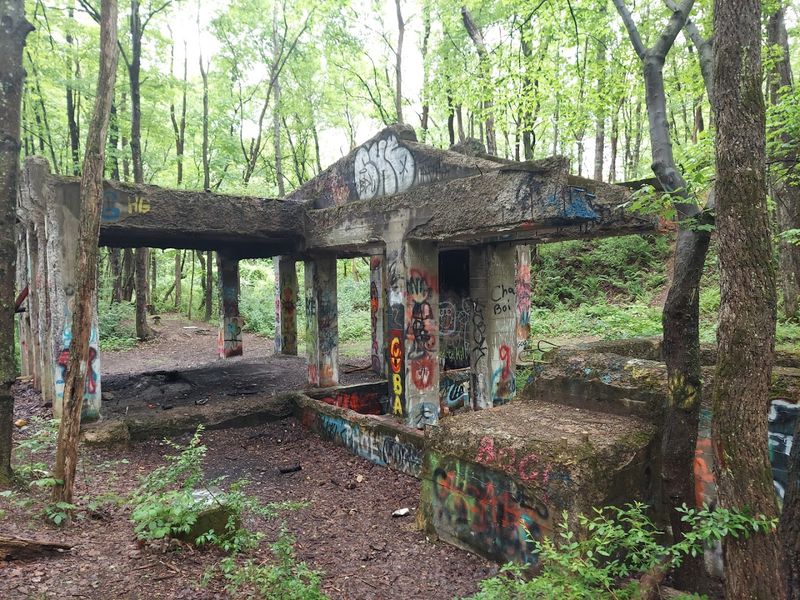
Hidden in the forests of central Pennsylvania, this former company town leaves behind an uneasy contrast between natural beauty and industrial memory.
Birds and wind have replaced the sounds of furnaces, carts, and families who once depended on iron production for daily survival.
In Scotia, the woods do not simply surround history – they seem to be swallowing it a little more each season.
That quiet takeover makes the place feel mysterious because the town once had structure, purpose, and a rhythm tied directly to ore, charcoal, and labor.
When the iron industry declined, the community lost its reason to exist, and the population thinned until the settlement faded into a scattering of traces.
You are left imagining what it felt like for residents to watch a whole town become unnecessary almost overnight.
Very little remains in a dramatic sense, which somehow makes Scotia more haunting rather than less.
Instead of standing ruins that explain themselves, you find fragments, depressions in the ground, and subtle signs that require you to picture the rest.
That absence creates its own kind of chill, because a place can feel more ghostly when the evidence is incomplete and the landscape asks you to reconstruct the lives erased from it.
Pennsylvania is full of communities built around one economic engine, and Scotia is a stark reminder of how fragile that arrangement could be.
Once the industry failed, families moved on while the forest patiently reclaimed the grid of their former world.
Scotia still carries a cold mystery because it leaves you standing in beautiful silence, wondering how an entire town could disappear so thoroughly and yet still feel present.
3. Eckley Miners’ Village
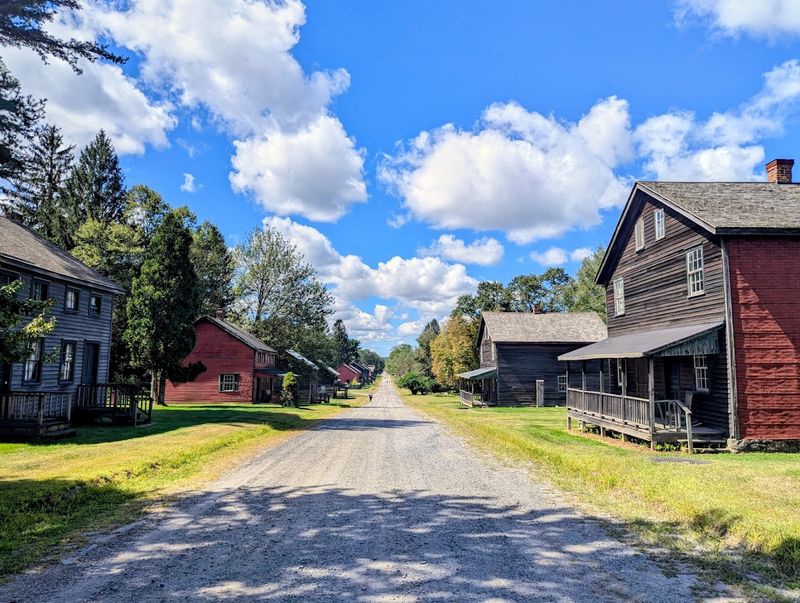
Set in Pennsylvania’s coal country, this preserved mining village feels different from many ghost towns because it has not vanished completely.
Rows of company houses, outbuildings, and narrow roads still suggest the shape of everyday life, yet an unmistakable emptiness hangs over the place.
At Eckley Miners’ Village, the surviving structures make the past feel uncomfortably close, as though the workers simply stepped away at the end of a long shift.
The mystery here is less about disappearance and more about what those buildings continue to hold in their silence.
Coal patch towns were tightly controlled environments where work, housing, and survival were bound together, often under harsh conditions that shaped every hour of family life.
When you walk through a place like this, you can feel how much labor, tension, and uncertainty were built into the landscape itself.
Even though Eckley is known as a historic site, that does not remove the chill.
Preservation can sharpen the mood because the village appears almost intact enough to function, but not alive enough to feel settled.
Empty porches, weathered facades, and the orderly layout create an atmosphere that is both educational and deeply uncanny, reminding you that hardship can linger in architecture long after the people are gone.
What makes this Pennsylvania location so memorable is the way it balances documented history with emotional mystery.
You know what industry built it, yet the quiet spaces between the homes still invite questions about the individual lives spent there, and what became of their hopes when coal declined.
Eckley Miners’ Village carries a cold weight because it preserves not just buildings, but the shadow of a hard, tightly managed existence.
4. Yellow Dog Village
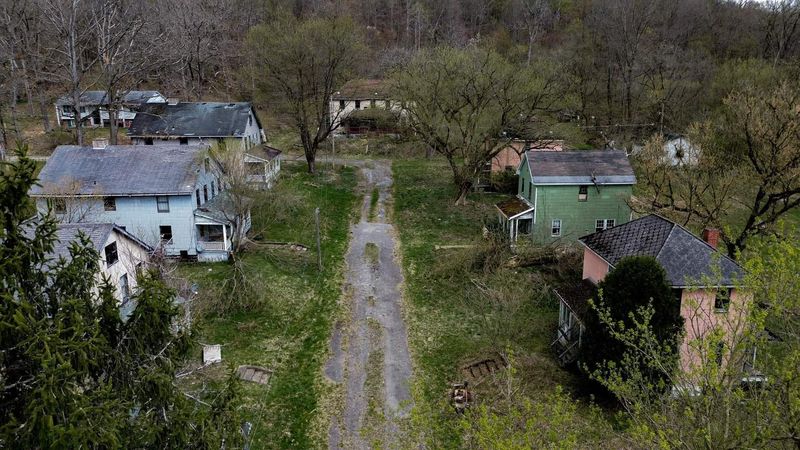
Few abandoned places in Pennsylvania feel as immediately unsettling as this forgotten company town tucked into the hills.
Empty buildings stand with the kind of silence that makes you lower your voice without thinking, while overgrowth pushes in from every side.
At Yellow Dog Village, decay is not hidden – it is the main character, and it gives the entire site a tense, watchful mood.
The community was tied to industrial life, and when that purpose faded, the town was left exposed to time, weather, and rumor.
Houses, social buildings, and utility remnants now sit in varying states of collapse, creating the impression of a place interrupted rather than neatly concluded.
That incomplete feeling is what often stays with you, because abandonment rarely explains itself in a satisfying way.
What gives the village its cold mystery is the mix of ordinary domestic space and sudden emptiness.
You can picture meals, conversations, workdays, and school routines once unfolding here, which makes the present quiet feel unnaturally sharp.
In places where family life once centered the landscape, even a crumbling porch or vacant doorway can seem charged with more emotion than a grand ruin ever could.
Yellow Dog Village also attracts attention because its visual decay is so dramatic, feeding stories about hauntings and strange encounters.
Whether you believe those tales or not, the atmosphere does not need embellishment to feel eerie.
This Pennsylvania ghost town lingers in your imagination because it shows how quickly a working community can become a shell, and how powerfully abandoned buildings can hold onto the shape of vanished lives.
5. Centralia
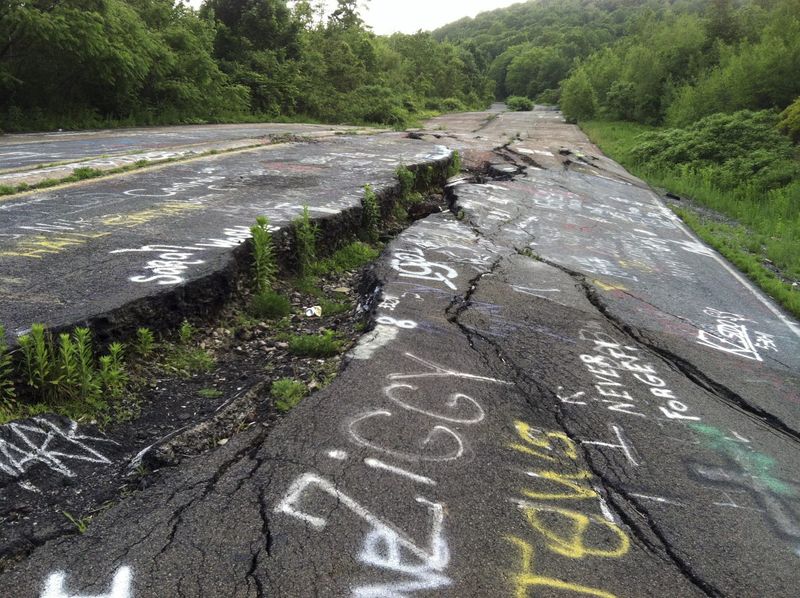
Few places in Pennsylvania have become as legendary, or as unsettling, as this nearly erased mining town.
The ground fire burning beneath the area transformed an ordinary community into a symbol of slow disaster, forcing families to leave while the land itself became unpredictable.
In Centralia, the mystery is not whether something terrible happened – it is how long the consequences have continued and how strangely the place still endures.
What makes the town so haunting is the clash between invisible danger and visible emptiness.
Roads lead into spaces where neighborhoods once stood, and patches of open land hint at homes, churches, and routines that were dismantled or abandoned under extraordinary pressure.
You are left looking at an absence shaped by heat, smoke, and a crisis that could not be neatly contained.
The underground fire has fueled endless fascination because it is both a scientific fact and an almost mythic image.
A town abandoned from below feels different from one emptied by economics alone, and that difference gives Centralia a colder edge.
Even when little remains above ground, the idea of something still burning out of sight keeps the place from feeling finished, as if the disaster is continuing in slow motion beneath every step.
Centralia also carries emotional weight because the loss was public, controversial, and deeply personal for the people displaced.
Some residents resisted leaving, others accepted that the town’s future had been consumed, and the result was a fractured ending rather than a clean conclusion.
That is why this ghost town still grips you – Centralia is not just abandoned Pennsylvania history, but a living reminder that some places are never truly left behind.
6. Pithole
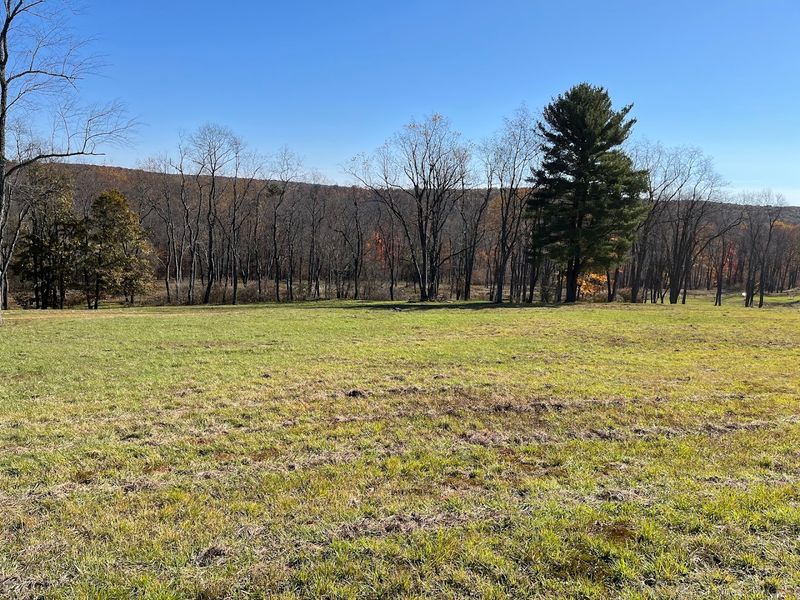
Born from Pennsylvania’s oil fever, this vanished boomtown rose with astonishing speed and collapsed almost as quickly, which gives it a uniquely eerie place in state history.
One moment it was crowded, profitable, and bursting with ambition, and the next it was sliding toward obscurity as fortunes shifted.
In Pithole, the mystery lies in the breathtaking scale of its rise and the equally dramatic silence that followed.
Boomtowns always carry a built-in instability, but this one feels especially cold because so much expectation was packed into such a short life.
Investors, workers, merchants, and opportunists poured in, convinced the future had arrived, only to watch excitement drain away when the oil rush cooled.
You can almost feel the whiplash of a community built on urgency discovering that urgency would not last.
Today the landscape offers interpretation more than intact ruins, yet that absence works in the town’s favor as a ghostly experience.
Knowing that theaters, hotels, businesses, and homes once stood where quiet ground now stretches makes the imagination do the heaviest lifting.
The place feels haunted not by one building, but by the idea of an entire city-sized dream evaporating before it could mature into something stable.
Pennsylvania has many industrial stories, but Pithole stands out because its collapse was not slow enough to normalize.
It exposed how speculation and resource extraction could create a town almost overnight and then leave it stranded just as fast.
That lingering sense of sudden reversal is why Pithole still carries a chill – it reminds you that prosperity can vanish so quickly that all it leaves behind is disbelief and a name on the map.
7. Byrnesville
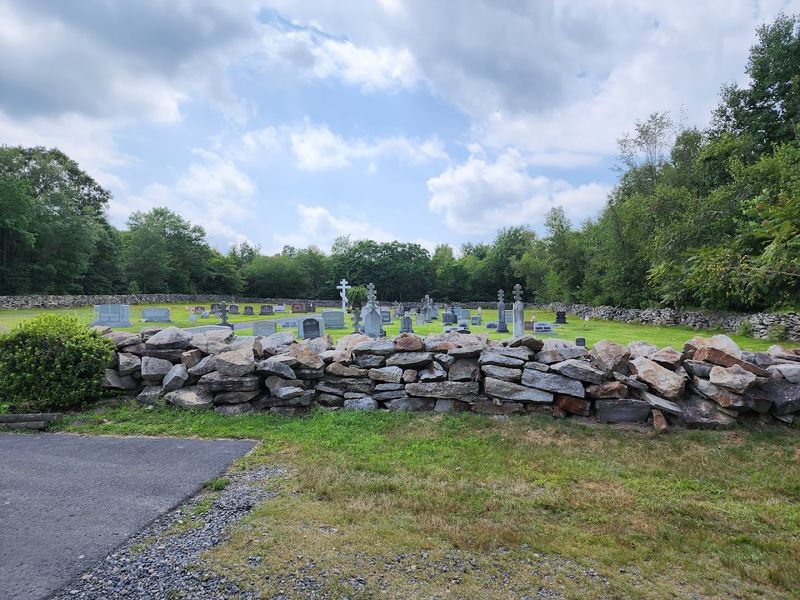
Not far from the better-known tragedy of Centralia, this small community carries a quieter kind of loss that can be even more haunting.
It did not become famous in the same way, yet its erasure remains tied to the same unsettling regional upheaval caused by the mine fire and the uncertainty surrounding it.
In Byrnesville, what chills you most is how easily a lived-in place can slip from recognition when a larger disaster dominates the story.
The village once held the normal markers of community life – homes, roads, routines, and neighborhood familiarity that gave residents a sense of place.
As conditions worsened in the region, relocation and abandonment followed, leaving Byrnesville with little chance to preserve its identity.
That kind of disappearance feels especially cold because it happened in the shadow of another town’s notoriety, almost as if history looked past it while it faded.
What remains is more emotional than architectural, and that can be harder to process.
You are not overwhelmed by dramatic ruins so much as confronted by the knowledge that a genuine community was peeled away until the setting became nearly anonymous.
When a place loses both its population and its visibility, the mystery deepens, because the silence begins to erase memory as thoroughly as demolition ever could.
Byrnesville deserves attention precisely because it shows the wider human cost of Pennsylvania’s underground fire disaster.
It reminds you that abandoned places are not always famous landmarks with obvious ruins, but sometimes nearly forgotten neighborhoods swallowed by a regional crisis.
The town still carries a cold mystery because it lingers on the edge of public memory, asking how many places can vanish before anyone realizes what has been lost.
8. Rausch Gap
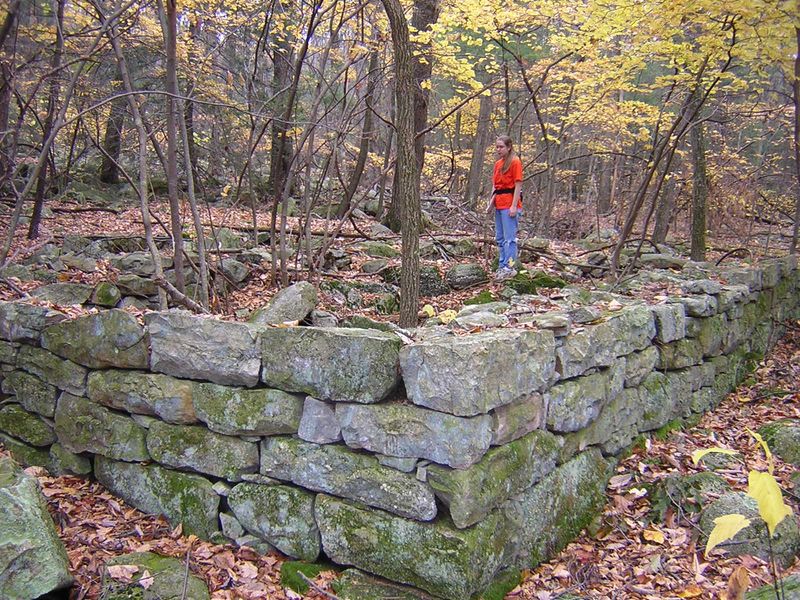
Deep in the woods of eastern Pennsylvania, this old mining settlement survives mostly as foundations, traces, and a feeling that the mountain remembers more than it shows.
Hikers passing through might first notice only stone remains and uneven ground, but the mood changes quickly once you realize a full community once struggled here.
At Rausch Gap, the forest does not just hide history – it turns it into something almost whispered.
The town grew around coal and transportation, both of which gave remote settlements a reason to exist in otherwise difficult terrain.
When those systems changed and opportunity faded, residents moved on, leaving the mountain to reclaim roads, homes, and work sites with remarkable efficiency.
That process creates a special kind of mystery because the landscape looks peaceful now, even though it once carried hard labor, smoke, and loss.
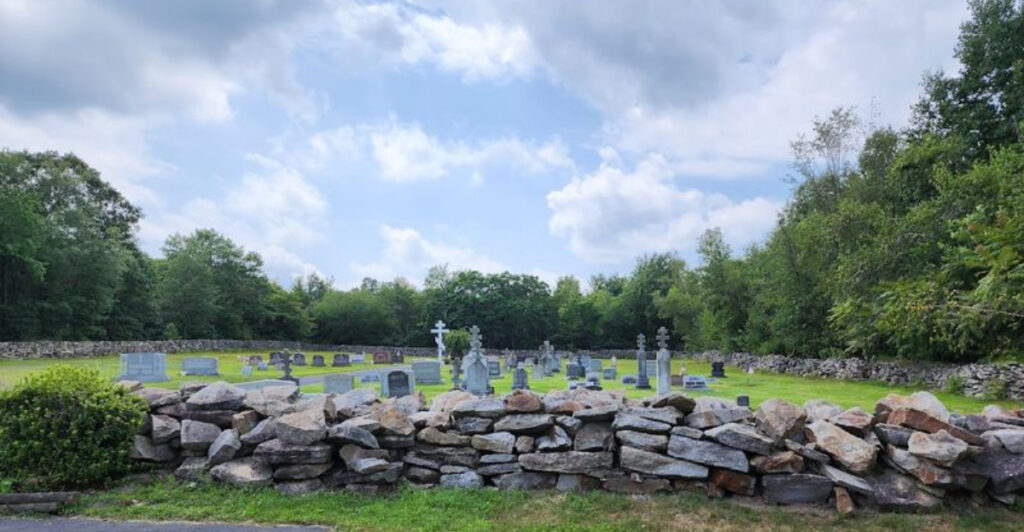
One of the most affecting details connected to Rausch Gap is its cemetery, a reminder that these were not temporary workers alone but families who built lives in an unforgiving place.
Graves and ruins together make the site feel intimate rather than merely abandoned.
You are not just looking at industrial leftovers – you are standing among the remains of a community that loved, suffered, and disappeared into the trees.
That blend of natural beauty and historical sorrow is what gives this Pennsylvania ghost town its cold hold on the imagination.
Nothing about the site shouts for attention, yet the subtle evidence of vanished life can be more powerful than dramatic decay.
Rausch Gap stays with you because it proves that sometimes the quietest ruins are the ones that make the deepest, most mysterious impression.
9. Wehrum
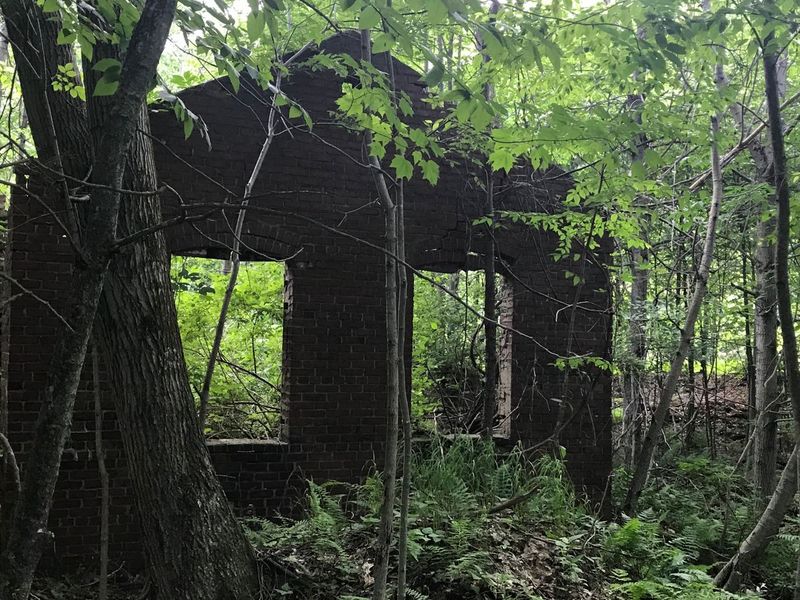
In the hills of western Pennsylvania, this former coal company town has mostly slipped back into the landscape, leaving behind a quiet that feels heavier the longer you think about it.
Once built to serve industry and the workers who fueled it, the settlement followed the familiar but still haunting pattern of growth, dependence, and decline.
At Wehrum, the mystery comes from how completely a structured community can fade when its economic center collapses.
Company towns often promised stability while tying every aspect of life to one employer, and that arrangement could unravel with brutal speed.
When coal demand shifted and operations closed, families had little reason or ability to remain, turning homes and streets into relics almost immediately.
You can sense that fragility in the town’s remnants, because they suggest lives organized around work that suddenly no longer existed.
What makes Wehrum especially eerie is that so much of it now has to be imagined rather than observed directly.
Scattered traces do not tell the whole story, so your mind fills in houses, children, church gatherings, and exhausted miners coming home through weather and dust.
That act of reconstruction creates its own chill, because it reminds you how ordinary life can vanish from a place without leaving enough behind to explain itself fully.
Pennsylvania’s ghost towns often reveal the human cost of resource economies, and Wehrum is a striking example.
It is quiet, largely absorbed by nature, and easy to overlook, yet its silence feels loaded with the memory of labor and uncertainty.
Wehrum still carries a cold mystery because it shows how communities built for a single purpose can disappear so thoroughly that only atmosphere remains to speak for them.
10. Alvira
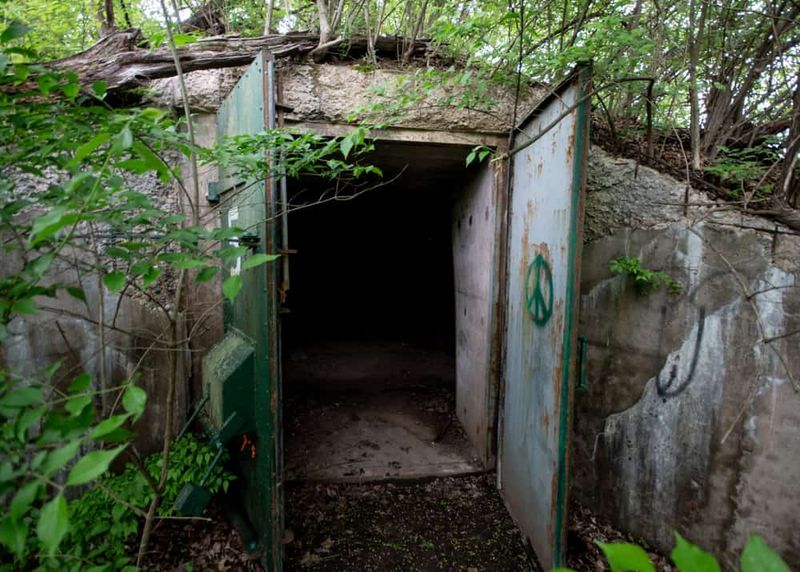
Some Pennsylvania ghost towns were emptied by economic decline, but this one carries a different and more unsettling story.
The village was taken over during World War II when the federal government acquired the land for an ordnance plant, displacing residents and ending the community in a way that feels both official and deeply personal.
In Alvira, the cold mystery comes from how an ordinary rural place was abruptly transformed by national priorities beyond its control.
That history gives the town an unusual emotional texture.
Instead of a slow fading caused by failing industry, families here faced a forced break with their homes, farms, and familiar roads, leaving behind a landscape charged with interruption.
When you think about daily life being halted by wartime necessity, the quiet fields and surviving traces start to feel less empty and more unresolved.
The area is also remembered for its bunkers and military legacy, which adds another layer to the atmosphere.
Those stark remnants clash with the softer idea of the village that stood before them, creating a tension between domestic memory and strategic purpose.
You are left wondering what it felt like for former residents to return, if they did at all, and see their community overwritten by something built for war.
Alvira remains haunting because its disappearance was not accidental, and that changes the way you read the landscape.
The town asks you to think about sacrifice, power, and what happens when local history is displaced by larger national demands.
Among Pennsylvania’s forgotten places, Alvira stands apart for the way it combines vanished homes, government action, and lingering silence into a mystery that still feels unusually sharp.
Share this story