A waterfall crashes down a mossy cliff in Sussex County, a lighthouse watches monarchs drift over Cape May, and a few miles from Manhattan, boulders the size of small rooms sit under sheer riverside cliffs.
That is New Jersey when you get off the highway and stop treating the state like a shortcut between somewhere else and somewhere better.
The Garden State has a funny way of hiding its wildest places in plain sight. One minute you are passing diners, gas stations, and exits you have memorized since childhood; the next, you are standing in a cedar swamp, paddling through tea-colored water, or watching the Atlantic roll against an undeveloped barrier island.
These ten places show the full range: waterfalls, mountains, river gorges, beaches, birding meccas, and pine forests that feel almost otherworldly. Bring decent shoes, a charged phone, and a little Jersey pride.
1. Buttermilk Falls
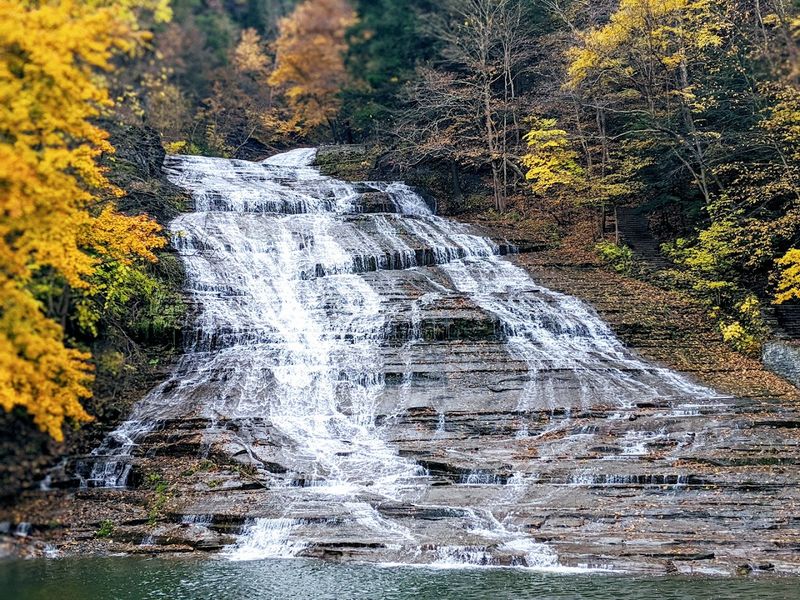
A gravel road, a wooden staircase, and then suddenly there it is: water sliding down a long, green, rock face like New Jersey decided to borrow a scene from the Catskills. Buttermilk Falls is widely known as one of the tallest waterfalls in the state, and part of its charm is how quickly the drama appears.
You do not have to hike miles before seeing it. The main cascade is right near the road, which makes it a satisfying stop for people who want the payoff without turning the whole day into a test of character.
That said, hikers can absolutely earn their bragging rights here. The trail climbs steeply along the falls and continues toward the ridge, connecting with longer routes and the Appalachian Trail.
Expect roots, rocks, and a real thigh-burn if you keep going past the viewing area. After heavy rain, the falls can roar; in dry stretches, it may look more delicate than dramatic.
Either way, the setting near Walpack Center feels wonderfully removed from the usual New Jersey noise. The road access can be seasonal and rough, so this is not the spot for a casual winter drive in a tiny low-clearance car.
Go prepared, take your time, and do not skip the stairs just because they look innocent from the bottom.
2. Paterson Great Falls National Historical Park
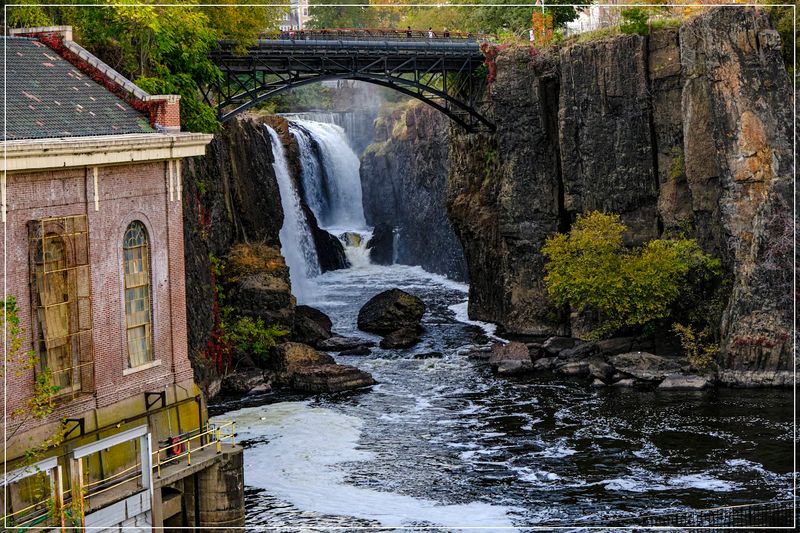
You hear the falls before you fully see them, which is exactly how a waterfall in the middle of a city should introduce itself. Paterson Great Falls is not a quiet woodland secret.
It is loud, muscular, and wrapped in brick, bridges, old mills, and the kind of industrial history that makes the whole scene feel bigger than a pretty view. The Passaic River drops with real force here, and the overlook gives you that rare New Jersey moment where nature and machinery seem to be arguing in the best possible way.
This place helped power Paterson’s rise as one of America’s early industrial centers, and that backstory matters. You are not just looking at water.
You are looking at the engine room of a city that once made silk, locomotives, paper rolls, and more. The park is compact enough for a short visit, which makes it great for a half-day outing or a history-heavy detour.
Walk the viewing areas, read the signs, and give yourself time to notice the old raceways and mill buildings around the falls. Parking and access are more urban than wilderness-style, so do not show up expecting a remote forest escape.
The payoff is different: raw waterpower, fascinating history, and a reminder that New Jersey’s beauty is not always polite, quiet, or tucked behind trees.
3. High Point State Park / Appalachian Trail
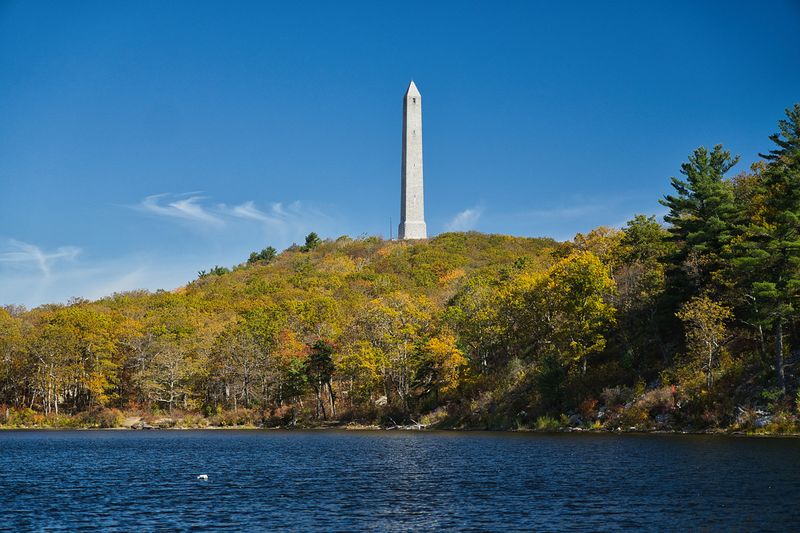
At 1,803 feet, New Jersey’s highest point has a bit of a personality. It knows it is the tallest thing around, and it is not shy about making you look in three directions at once.
From the monument area, the views stretch toward the Poconos, the Catskills, and the Wallkill River Valley, giving the northern tip of the state a big-sky feeling that catches first-time visitors off guard.
High Point State Park is also one of the best places in New Jersey to sample the Appalachian Trail without committing to a multi-state identity crisis.
The A.T. cuts through the park along rocky Kittatinny Mountain terrain, so even shorter walks can feel rugged in a satisfying way. The monument is the obvious photo stop, but the park is more than a summit marker.
Trails run through forests, wetlands, ridges, and the unusual Dryden Kuser Natural Area, where an Atlantic white cedar bog sits at a surprisingly high elevation. Lake Marcia adds a softer, picnic-friendly side when the season cooperates.
Wear shoes with traction if you plan to hike beyond the paved areas, because the rocks do not care how cute your sneakers are. High Point works well as a scenic drive, a serious hike, or a crisp fall day trip when the whole ridge seems to glow.
4. Giant Stairs at Palisades Interstate Park
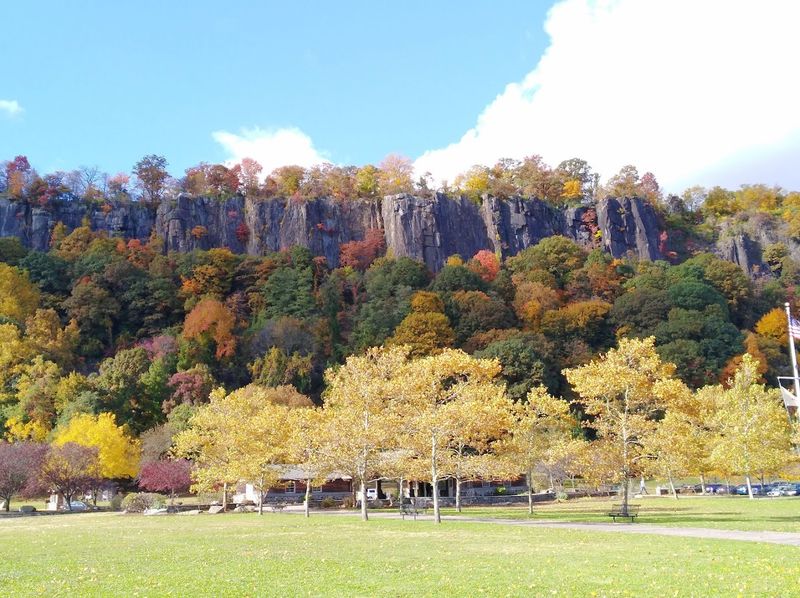
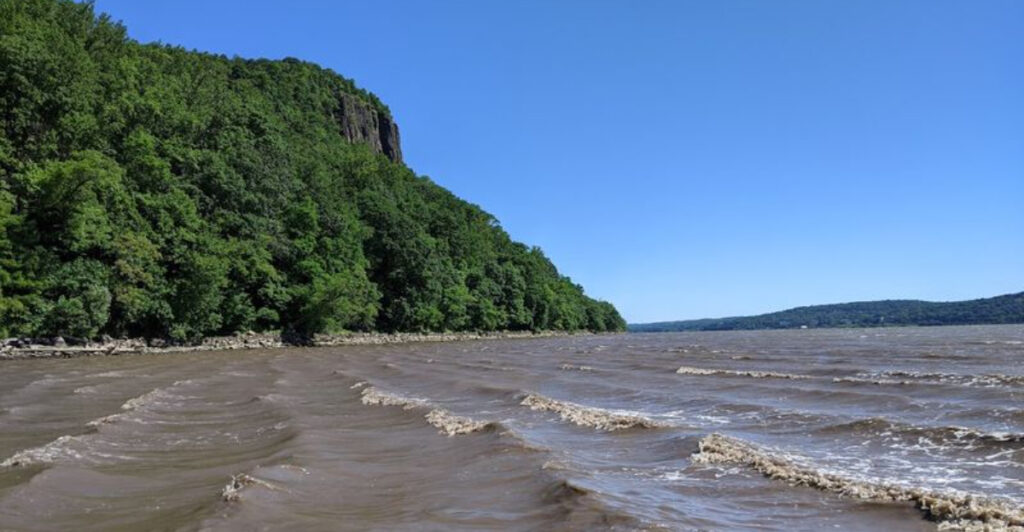
Some hikes politely ask for your attention; the Giant Stairs demand it. This stretch of Palisades Interstate Park is famous for a boulder scramble below the cliffs, where huge fallen rocks create a route that feels more like problem-solving than walking.
On one side, the Hudson River moves below the tree line. On the other, the Palisades rise in dark, vertical bands that make it easy to forget how close you are to traffic, apartment towers, and the general buzz of North Jersey.
When the Giant Stairs route is open, it is not a casual stroll. It is a hands-and-feet kind of outing, best saved for dry weather, steady knees, and people who understand that “short” does not always mean “easy.” The reward is a rare mix of cliffside drama, river views, and physical fun that feels almost absurdly close to New York City.
Current trail status matters here, because rockfall hazards have led to closures and assessment in the area. Do not treat that as fine print.
Check conditions before planning your day, and use other Palisades trails if the scramble is closed. State Line Lookout, riverfront paths, and cliff-top viewpoints still deliver the park’s signature mood: wild rock, big water, and skyline-adjacent surprise.
5. Lake Hopatcong
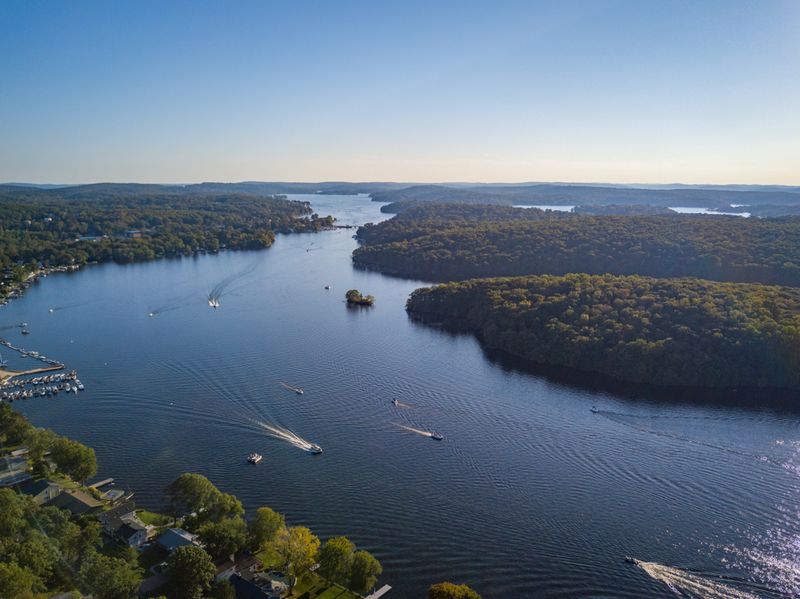
The first surprise is the scale. Lake Hopatcong is not a little pond with a fancy name; it is New Jersey’s largest lake, stretching for miles across the northern highlands with coves, marinas, lake houses, wooded shorelines, and enough boats to make summer weekends feel like a floating block party.
The second surprise is how many different versions of a lake day you can have here. At Hopatcong State Park, visitors can swim in season when lifeguards are on duty, picnic on the hill, fish, launch a boat, or use the lake as a jumping-off point for kayaking and canoeing.
Around the wider lake, private marinas and waterfront restaurants give it a more social, vacation-town feel than many of New Jersey’s quieter natural spots. That is part of the fun.
Lake Hopatcong is not pretending to be untouched wilderness. It is a working, playing, memory-making lake with deep roots in the Morris Canal era and a long history as a summer escape.
If you want solitude, go early or visit outside peak summer weekends. If you want the classic version, bring sunscreen, patience for parking, and a plan for lunch near the water.
The lake earns its spot because it shows New Jersey nature with a little noise, a little nostalgia, and plenty of room to play.
6. Delaware Water Gap National Recreation Area
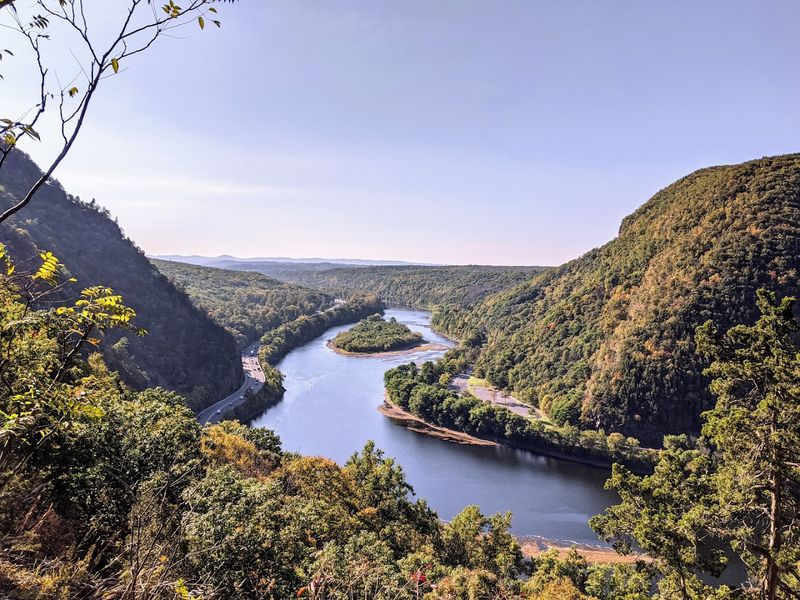
The Delaware River does the showing off here, cutting between forested ridges and making the northwest corner of New Jersey feel far larger than it looks on a map. Delaware Water Gap National Recreation Area is one of those places where the day can become whatever you brought energy for.
Paddle a quiet stretch of river, hike to a viewpoint, chase a waterfall, fish from the bank, or wander through historic areas that remind you people have been living, farming, crossing, and arguing over this landscape for a very long time.
The New Jersey side gives visitors access to rugged trails, river beaches, old roads, and some of the prettiest wooded driving in the state.
It also rewards people who plan instead of winging it. The park is big, cell service can be spotty, and closures sometimes affect roads, waterfall areas, or trailheads.
Pick one or two targets for the day rather than trying to “do the Gap” all at once. A good outing might pair a river stop with a moderate hike, or a picnic with a scenic drive through the northern reaches of the park.
What makes it special is the combination: moving water, steep land, quiet forests, and a sense of space that feels almost luxurious this close to the country’s most crowded metro areas.
7. New Jersey Pinelands National Reserve
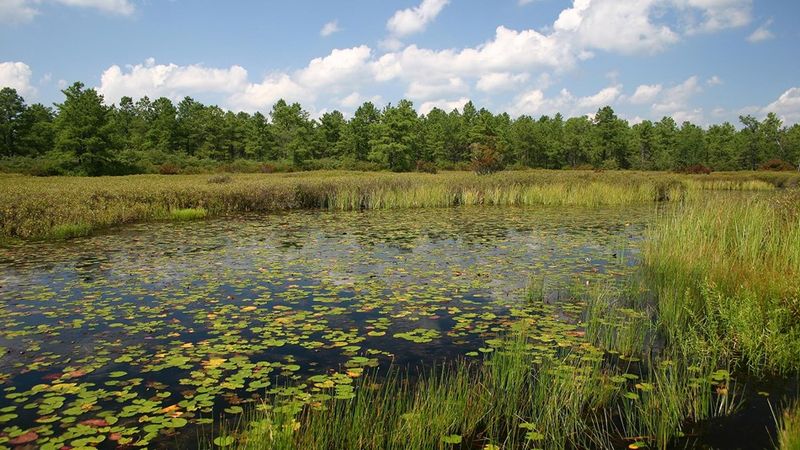
South Jersey changes character fast in the Pinelands. The soil turns sandy, the roads run straighter, the trees crowd closer, and the water in the streams takes on that dark, tea-colored tint that makes every canoe trip feel slightly enchanted.
The New Jersey Pinelands National Reserve covers more than a million acres across southern New Jersey, but its magic is not about one grand overlook. It is about atmosphere.
Pitch pine, cedar swamps, cranberry bogs, sandy trails, rare plants, and slow-moving rivers create a landscape unlike anything else in the state. This is the place to go when you want quiet that feels deep rather than empty.
Canoeing and kayaking are classic ways to experience it, especially on gentle rivers where the banks are lined with cedar and the current does most of the work. Hikers can find sandy paths through state forests and preserves, while drivers can piece together a day of small towns, old ruins, bog views, and forest roads.
The Pinelands also carry folklore, ecology, and preservation history in equal measure, which gives the region its slightly mysterious reputation. Do not expect dramatic cliffs or postcard mountain scenery.
The beauty here is lower, stranger, and more patient. Let your eyes adjust, and the place starts revealing itself.
8. Columbia Trail and Ken Lockwood Gorge
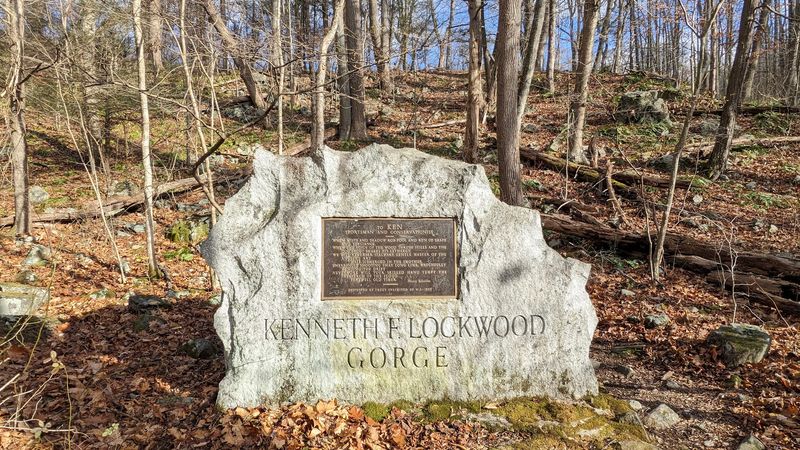
Follow the old rail bed out of High Bridge and the Columbia Trail quickly settles into an easy rhythm: crushed surface underfoot, trees overhead, the South Branch of the Raritan River nearby, and just enough history to make the miles feel layered.
This is one of the best “bring almost anyone” nature outings in New Jersey because the grade is gentle, the scenery is steady, and you can turn around whenever you have had enough.
The trail follows a former Central Railroad of New Jersey line, and that railroad past becomes especially interesting near Ken Lockwood Gorge, where the route crosses high above the river on a bridge tied to the old rail corridor’s story. The gorge itself is the star.
Water runs over rocks below, hemlocks shade the banks, and anglers, cyclists, walkers, and photographers all seem to find their own pace. Start in High Bridge if you want convenient parking and a town stop before or after.
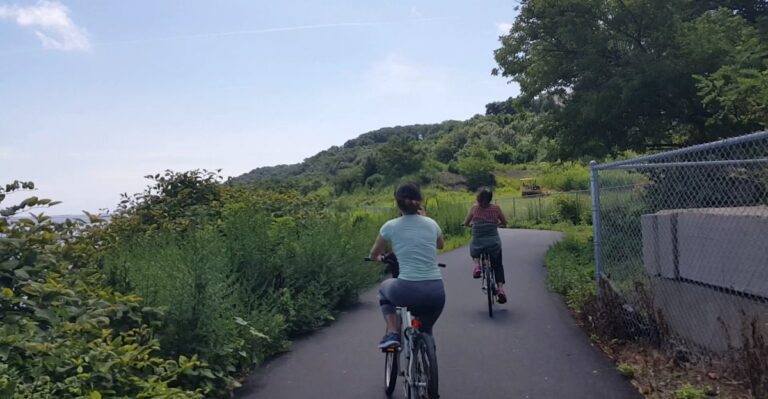
Bring a bike for a longer ride, or keep it simple with a walk toward the gorge and back. It is not a mountain-conquering adventure, and that is exactly the point.
Columbia Trail is approachable without being boring, scenic without being fussy, and quietly one of the most satisfying ways to spend a few hours outdoors in Hunterdon County.
9. Cape May Point State Park
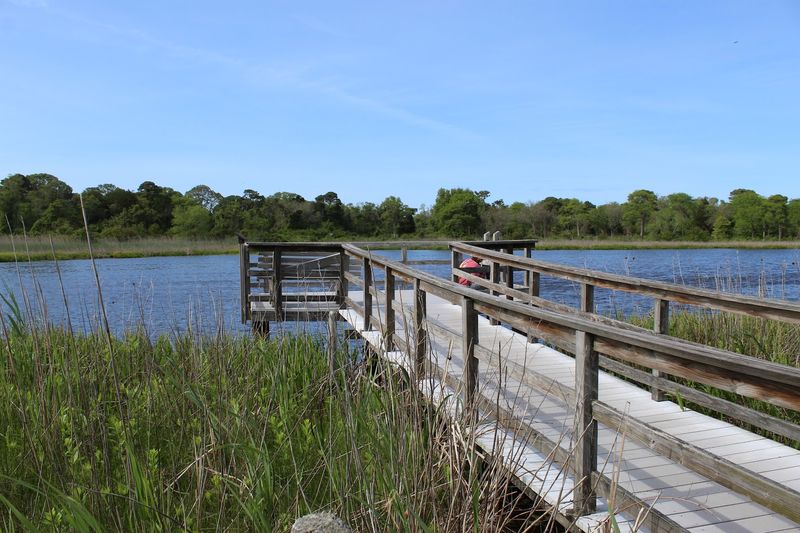
Near the very bottom of the state, Cape May Point State Park feels like New Jersey exhaling into the Atlantic. The lighthouse is the landmark everyone notices first, and fair enough: it is tall, handsome, and hard to ignore.
But the real reason this park belongs on the list is the mix of habitats packed into a relatively small place. Freshwater ponds, dunes, beach, forest, meadows, and marshy edges all sit close together, which is why birders treat Cape May Point like a front-row seat to migration.
In fall, hawks move overhead, monarch butterflies drift through, and people with binoculars suddenly seem to outnumber people without them. Even if you cannot tell a warbler from a house sparrow, the trails make the park easy to enjoy.
The short Red Trail is accessible and leads to pond viewing areas, while longer routes pass through dunes and wetland scenery. Battery 223, the World War II bunker near the beach, adds a strange, weathered bit of history to the shoreline.
This is a good stop before or after time in Cape May proper, especially if you want nature without committing to a rugged hike. Come early for softer light, fewer people, and the satisfying feeling that you reached the state’s edge and found it still full of life.
10. Island Beach State Park
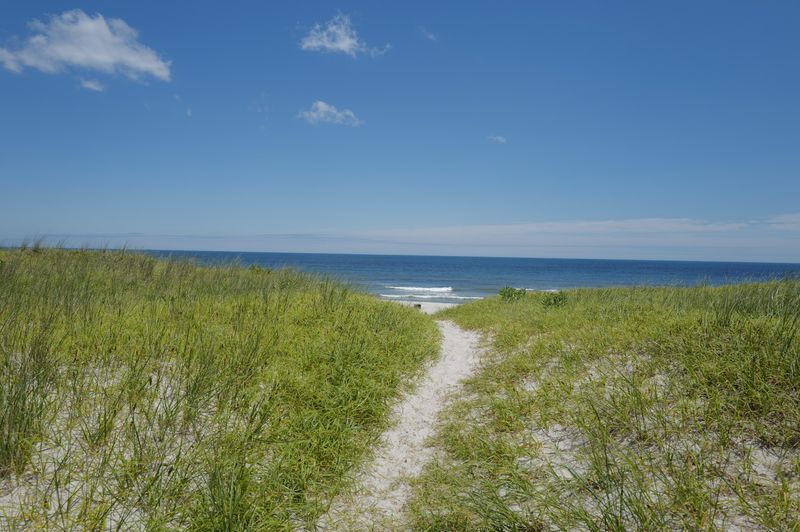
Past the snack shops and beach rentals of the developed Shore, Island Beach State Park feels like the coastline slipped out the back door and refused to be bothered.
This narrow barrier island stretches between the Atlantic Ocean and Barnegat Bay, preserving dunes, maritime forest, tidal marshes, thickets, and long runs of sand that feel wilder than most people expect from the Jersey Shore.
Yes, you can come for a beach day, and plenty of people do. In season, a designated swimming area has lifeguards, bathhouse facilities, and the usual summer rhythm of umbrellas, coolers, and sandy feet.
But the better move is to see beyond the towel zone. Walk one of the nature trails, look for ospreys, watch the grasses bend in the wind, or head toward the bay side for a different, quieter view of the island.
Surf fishing is a major draw, and birders have plenty to keep them busy. The park can fill on summer weekends, so early arrival is not just a suggestion; it is a stress-reduction strategy.
What makes Island Beach special is not that it is empty or undiscovered. It is that, in a state famous for boardwalks and beach towns, this stretch still shows what the Shore looked like before neon, arcades, and beachfront real estate took over.
Share this story