A quiet street in New Jersey can fool you. One minute you are grabbing coffee, parallel parking badly, or debating whether you need one more antique chair, and the next you are standing near a Revolutionary War battlefield, a Victorian mansion, a colonial tavern, or a courthouse tied to a trial that once gripped the country.
That is the fun of New Jersey history: it is rarely sealed off behind velvet ropes. It sits beside bakeries, boutiques, college quads, river walks, and old brick sidewalks that still look perfectly comfortable handling modern foot traffic.
These small towns are not just pretty places with a plaque or two. They are layered, lived-in communities where the past still shapes the streets, the buildings, and the way a day trip unfolds.
Bring comfortable shoes, leave a little room in the schedule, and don’t be surprised when a simple stroll turns into a history lesson.
1. Princeton
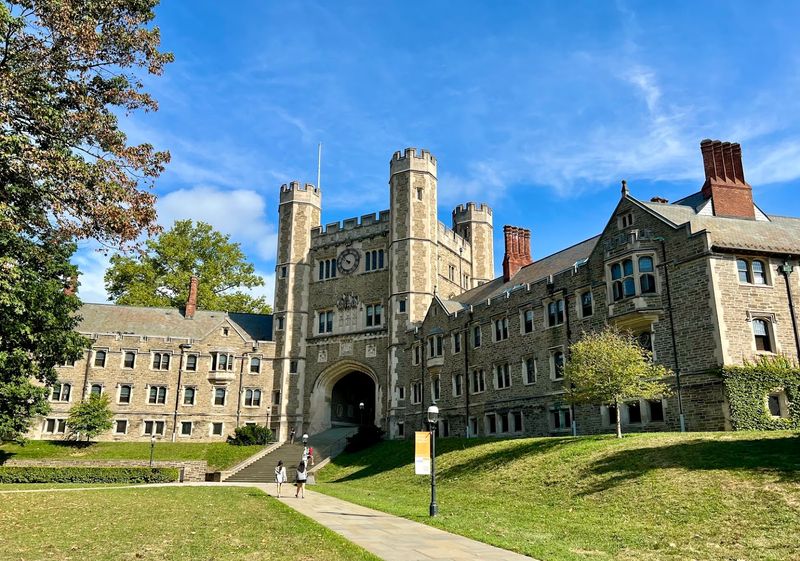
Start near Nassau Street and you immediately understand why Princeton refuses to be just one thing. It is polished college town, Revolutionary War landmark, bookish weekend escape, and leafy architectural showcase all at once.
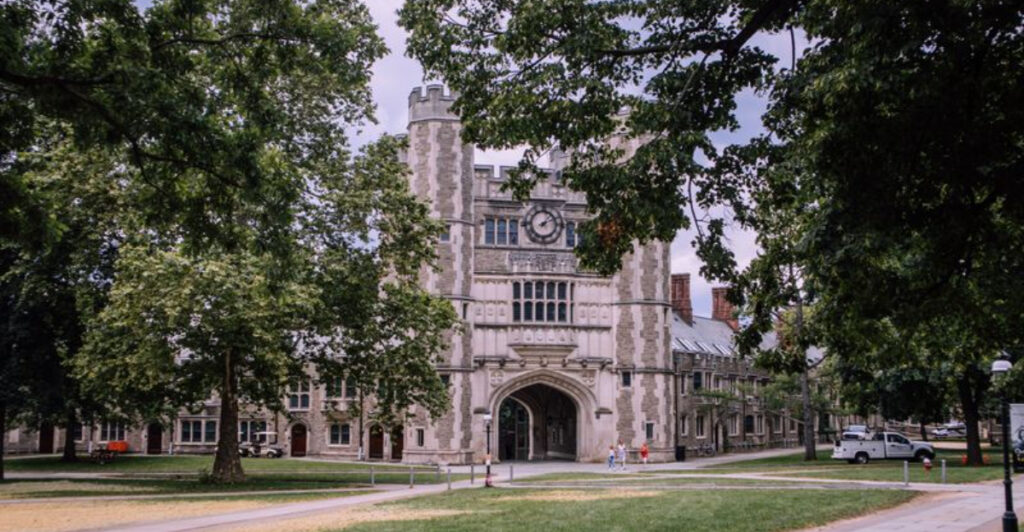
The university gives the town its grand stone drama, with Gothic arches, courtyards, and walkways that make even a quick wander feel like you accidentally joined a very attractive campus tour.
But the deeper historical pull sits just beyond the shops and restaurants at Princeton Battlefield State Park, where George Washington’s troops fought one of the most important battles of the Revolutionary War in January 1777.
The field is calm now, which makes the contrast sharper. You can walk the grounds, look for the Mercer Oak marker, and pause at the Clarke House, which served as a witness to the battle’s aftermath.
Back in town, Nassau Hall adds another layer; it briefly served as the U.S. Capitol after the Revolution.
Princeton works best when you give yourself time to drift. Browse an independent bookstore, grab lunch around Palmer Square, then head out to the battlefield before sunset.
Parking is easiest in one of the downtown garages, especially on weekends when street spots vanish quickly.
2. Morristown
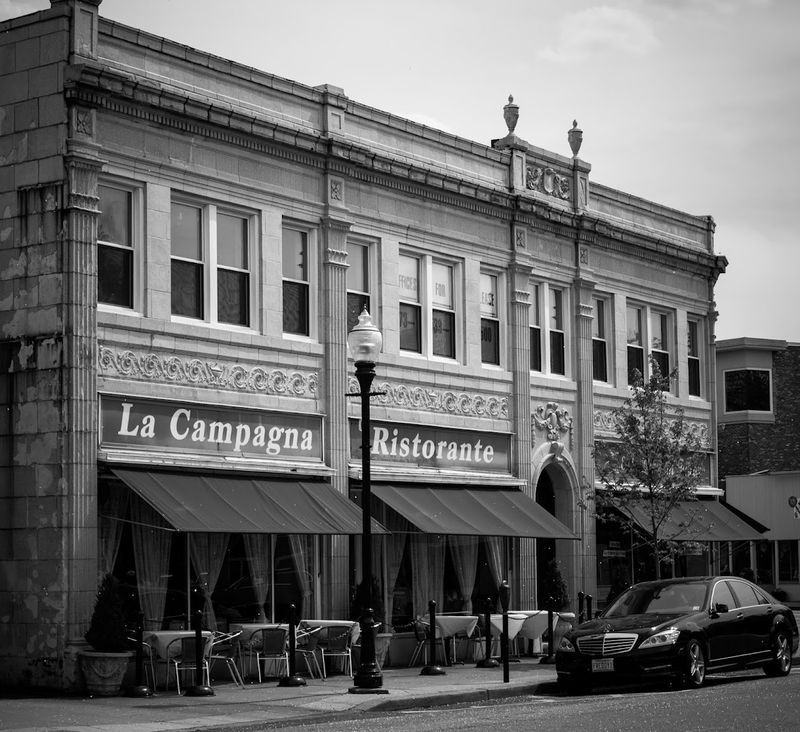
The Green in downtown Morristown looks like the kind of place made for ice cream cones, lunch breaks, and people waiting for friends who are always five minutes late. Then you remember that this town was once central to the survival of the American Revolution.
Morristown’s historic weight comes from George Washington and the Continental Army, especially the brutal winter encampment of 1779 to 1780, when soldiers endured miserable cold and severe shortages.
The must-do stop is Morristown National Historical Park, which connects several key sites, including Washington’s Headquarters at Ford Mansion and the recreated soldier huts at Jockey Hollow.
The mansion gives the story a human scale: officers, servants, maps, strategy, and daily tension under one roof. Jockey Hollow does something different.
It makes you picture hundreds of soldiers trying to outlast winter in rough huts, far from the heroic paintings and polished statues. After that, downtown Morristown is a welcome shift back to the present, with restaurants, bars, coffee shops, and the Mayo Performing Arts Center close by.
It is one of the easiest historic towns in New Jersey to turn into a full day out. Go for the history first, then reward yourself with dinner within walking distance of the Green.
3. Cape May
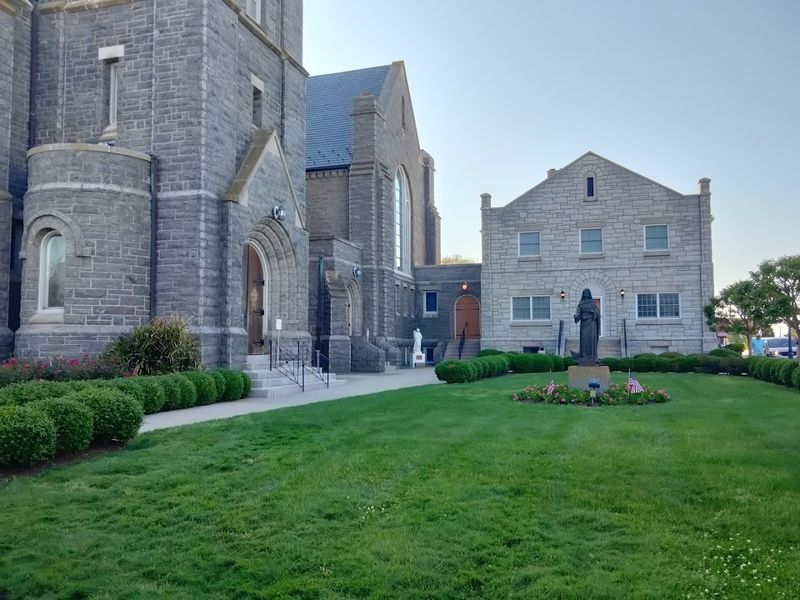
Painted trim, wraparound porches, pointed rooflines, and lace-like woodwork are not little decorative extras in Cape May; they are practically the town’s calling card.
This seaside community has one of the most recognizable historic districts in New Jersey, packed with preserved Victorian buildings that make a normal walk feel unusually theatrical.
The best way to experience it is slowly, preferably with no strict route. Wander past the colorful inns, stroll along Washington Street Mall, and make time for the Emlen Physick Estate if you want a closer look at Cape May’s Victorian-era story.
The town’s history is tied to its long run as a seaside resort, but it never feels like a museum piece. People are carrying beach bags past mansions, lining up for fudge, booking dinner, and arguing cheerfully over where to get breakfast.
That mix is exactly the appeal. You can spend the morning admiring architecture, the afternoon on the sand, and the evening watching horse-drawn carriages clip-clop past old homes like the 21st century is simply being tolerated.
Summer is busy and parking can test your patience, so shoulder seasons are especially good for history-focused trips. Cape May in spring or fall gives you the details without quite as much crowd choreography.
4. Haddonfield
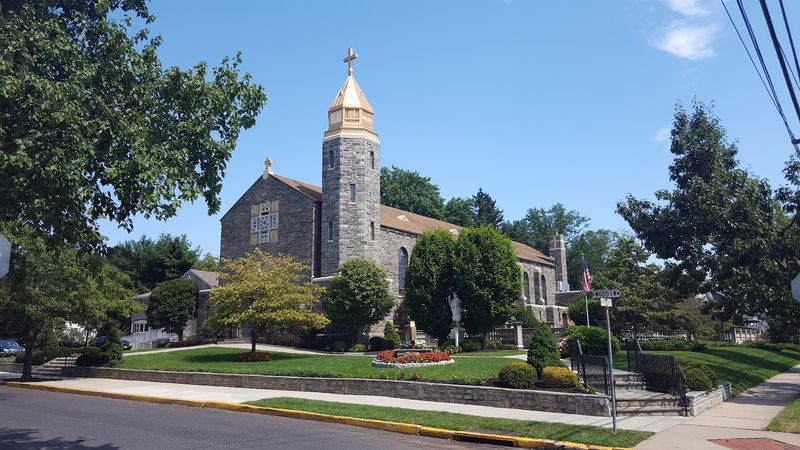
A dinosaur, a colonial tavern, and a downtown full of tidy storefronts sounds like a strange combination until you spend a day in Haddonfield. This Camden County town carries its history with a wink.
It is famous for Hadrosaurus foulkii, the dinosaur whose discovery helped put the area on the scientific map, and there is even a dinosaur sculpture downtown because Haddonfield knows a good local legend when it has one.
The older story sits along Kings Highway at the Indian King Tavern, a colonial building where New Jersey’s legislature met during the Revolutionary War era and took important steps in shaping the state government.
That gives the town a sharper historical edge than its polished shopping district first suggests. The fun is in the contrast.
You can browse boutiques, stop for coffee, pop into a bakery, and still be only a short walk from a site tied to New Jersey’s early statehood. Haddonfield is also one of the more walkable towns on this list, with PATCO access making it easy for visitors coming from Philadelphia or nearby South Jersey suburbs.
Come for a relaxed afternoon rather than a rushed checklist. The town rewards the kind of wandering that includes side streets, old houses, and at least one completely unnecessary dessert.
5. Burlington
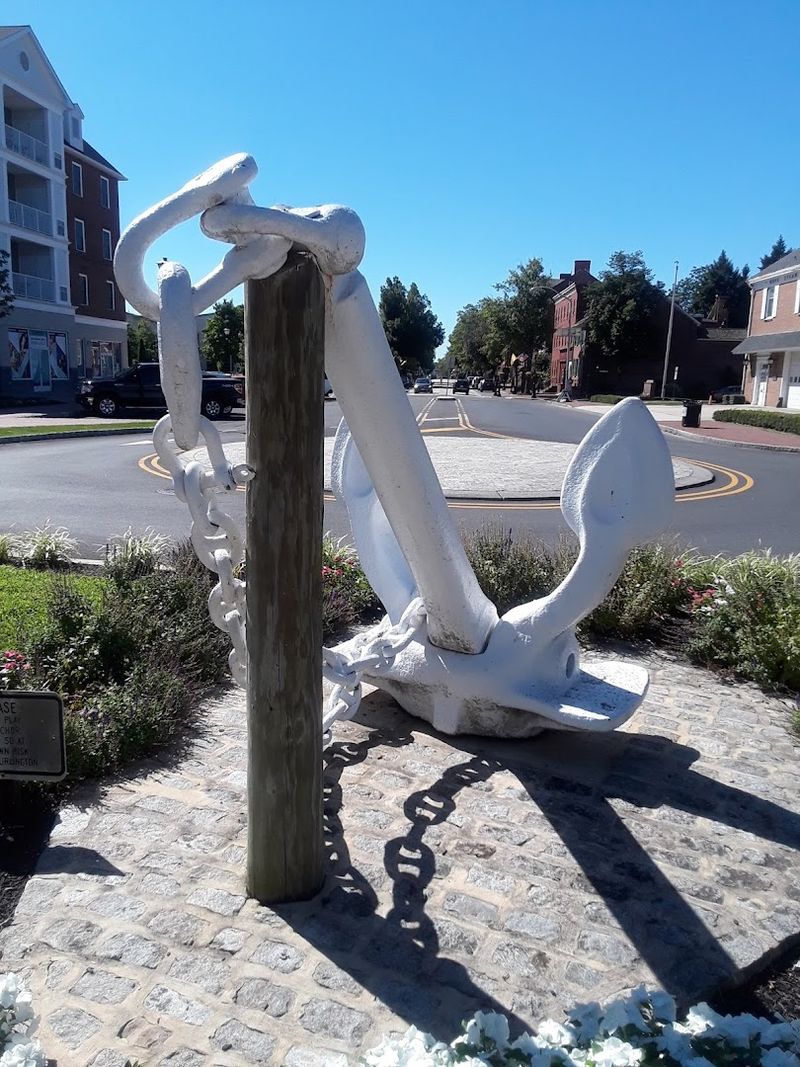
The Delaware River gives Burlington a handsome backdrop, but the town’s real power is in how old it feels without making a big production of itself.
Founded in the 17th century and once the capital of West Jersey, Burlington has the kind of layered colonial history that sneaks up on you between brick buildings, churchyards, and riverfront views.
A walk through the historic district brings you near some of the oldest surviving structures in the region, including the Revell House, often associated with Benjamin Franklin’s early days, and St. Mary’s Episcopal Church, whose long history reaches back to the colonial era.
High Street gives the visit a practical center, with shops and places to eat close enough that you can mix history with a casual lunch.
The riverfront promenade is the part you should not skip. It adds breathing room to the trip and helps explain why this spot mattered: transportation, trade, settlement, and politics all made more sense along the Delaware.
Burlington is quieter than some of New Jersey’s better-known day-trip towns, which works in its favor. You are not elbowing through crowds to appreciate a doorway, a steeple, or a weathered stretch of sidewalk.
It feels like a place where history is still part of the daily route to the post office.
6. Lambertville
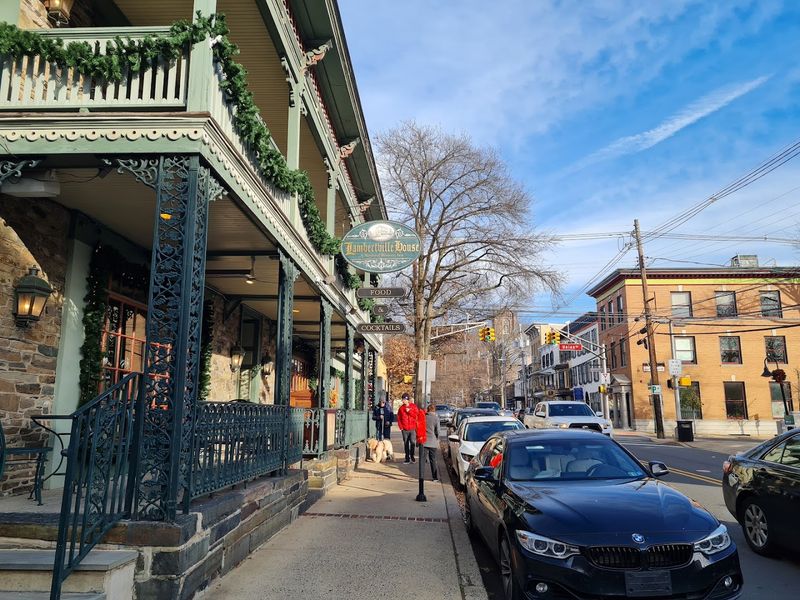
The first thing you notice in Lambertville may be the river, the antique shops, or the way the old buildings climb gently from the Delaware like they are trying to get a better view. This Hunterdon County town made its name through ferries, canals, railroads, manufacturing, and river commerce, and those pieces still shape its look.
The Delaware and Raritan Canal towpath is one of the best ways to feel that history underfoot. It is flat, scenic, and easy to pair with a walk through town, where 19th-century homes and former industrial buildings now hold galleries, restaurants, and shops filled with things you suddenly believe your house needs.
Lambertville is also nicely linked to New Hope, Pennsylvania, just across the bridge, but do not rush away too quickly. The New Jersey side has plenty of its own personality: narrow streets, old brick, art spaces, and a downtown that feels energetic without losing its river-town ease.
History here is less about one single monument and more about the whole pattern of the place. You can see how water, trade, and transportation built the town, then reward your curiosity with dinner in a restored building or an afternoon of antique hunting.
Wear comfortable shoes; Lambertville makes “just one more block” happen repeatedly.
7. Bordentown
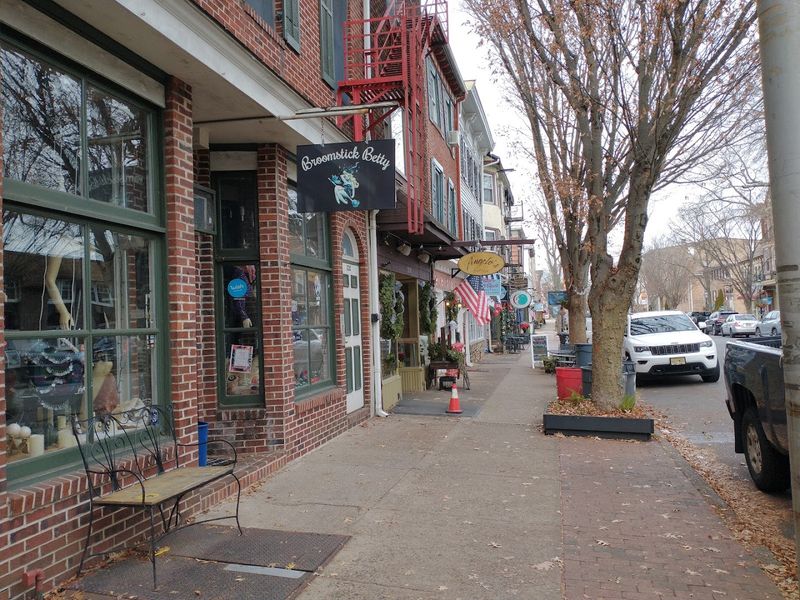
There are small towns with famous former residents, and then there is Bordentown, which seems to have collected them with unusual confidence. Joseph Bonaparte, the older brother of Napoleon, lived here after leaving Europe, and that fact alone gives the town a deliciously unexpected twist.
Add in connections to Thomas Paine, Francis Hopkinson, Clara Barton, and other major figures, and Bordentown starts to feel like a history book with better restaurants. The city’s historic district is compact enough to explore on foot, with old homes, churches, and civic buildings giving the streets a lived-in texture.
The Bordentown Historical Society is a smart first stop if you want context before wandering, especially because the town’s stories stretch from colonial America to European exile to early education and reform. Downtown has a friendly, slightly artsy feel, with restaurants and shops clustered closely enough to make the visit easy.
It is also a good pick for people who like history but do not want the day to feel too formal. You can move from a serious old building to a casual lunch in minutes.
Bordentown’s appeal is that its past is both important and a little surprising. It has the confidence of a town that knows the best stories are not always the loudest ones.
8. Cranbury
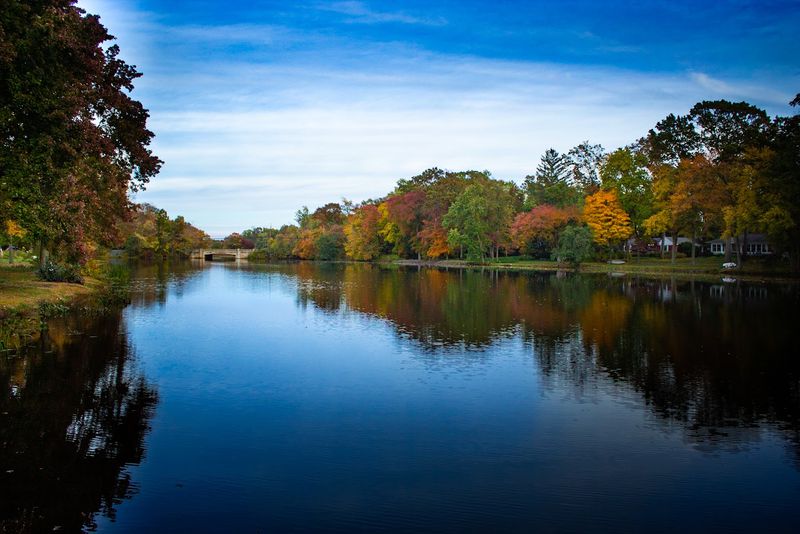
A walk down Main Street in Cranbury feels carefully edited, but not fake. The old homes, broad sidewalks, and village scale give it a composed, almost storybook look, while the traffic of everyday life keeps it from feeling frozen.
This is one of New Jersey’s best-preserved historic village centers, with much of the town listed on the state and national registers. Its history stretches back more than 300 years, and its location made it part of the movement of people, goods, and armies through central New Jersey.
George Washington passed through the area during the Revolutionary War period, adding another thread to a town already rich with colonial and 19th-century character.
The Cranbury Museum is a good anchor for visitors who want more than a pretty walk, and the Cranbury Inn adds another dose of old-town atmosphere right in the center.
What makes Cranbury special is its restraint. It does not overwhelm you with attractions stacked on every corner.
Instead, it gives you a beautifully preserved main street, historic homes worth slowing down for, and a quiet sense of continuity. This is the town to visit when you want a gentler history day, the kind where you notice shutters, porch details, cemetery stones, and the way a small village can hold onto its shape for centuries.
9. Salem
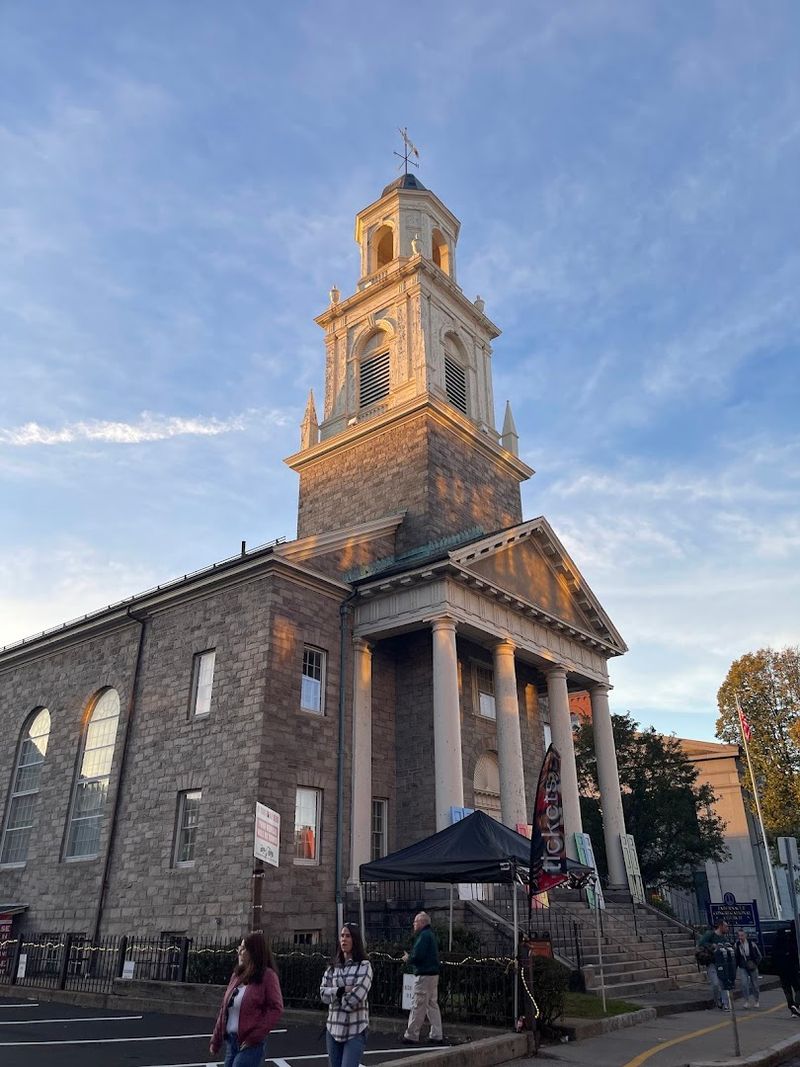
The word “old” gets tossed around a lot in New Jersey, but Salem earns it. Founded in the 1670s by Quaker John Fenwick, this South Jersey city has roots that reach deep into the colonial period.
Its Market Street Historic District is the main draw, with architecture and civic buildings that tell the story of trade, religion, government, and everyday life over several centuries.
The Old Salem County Courthouse is especially worth seeking out; it is one of those buildings that seems to carry the weight of every argument, verdict, meeting, and public matter that ever passed through it.
The Salem County Historical Society gives visitors another strong reason to linger, with historic buildings and collections that help connect the town to the wider county story. Salem is not as polished as Cape May or as busy as Princeton, and that is part of the point.
Its history feels more rugged, more local, and less arranged for quick consumption. Walk Market Street, look up at the architecture, and give yourself time to notice the details.
This is a place for curious travelers rather than box-checkers. It also pairs well with a broader Salem County outing, especially if you like old cemeteries, quiet roads, and historic sites that have not been smoothed into sameness.
10. Flemington
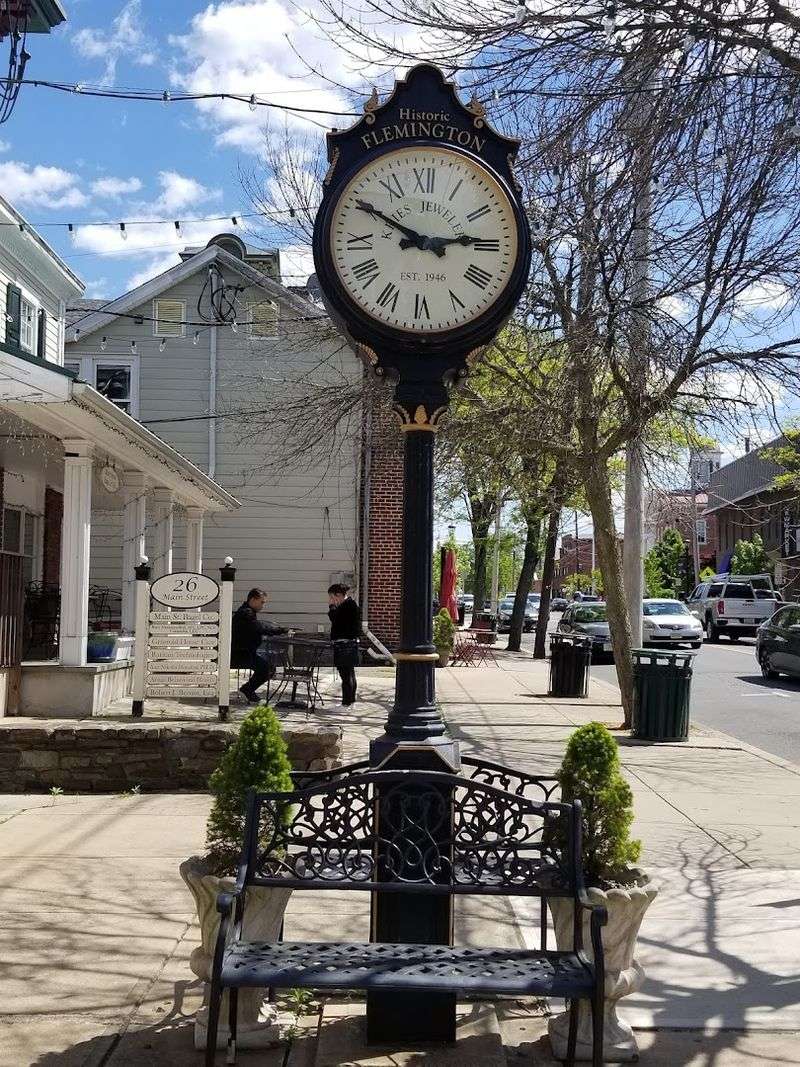
Court Street in Flemington carries a different kind of historic charge. The Hunterdon County Historic Courthouse is best known for the 1935 Lindbergh kidnapping trial, the so-called “Trial of the Century,” and that association still gives the town a dramatic place in American legal history.
But Flemington is not a one-story town. Its historic district includes a large portion of the borough, with Greek Revival, Victorian, and other architectural styles packed into a very walkable center.
Main Street is the natural starting point, especially if you like towns where old civic buildings, storefronts, restaurants, and preserved homes sit close together. The courthouse and old jail are the headline stops, but the surrounding streets do a lot of the quieter work.
They show Flemington as a county seat, a commercial hub, and a place that grew in layers rather than all at once. The town has also been balancing preservation with new energy, so a visit feels less like admiring a sealed artifact and more like watching a historic downtown figure out its next chapter.
Come with time to walk, eat, and circle back for details you missed the first time. Flemington’s history has courtroom drama, architectural variety, and enough downtown momentum to make the trip feel current, not dusty.
Share this story