Park once, pocket the keys, and let the day unfold at sidewalk speed. In the right New Jersey town, breakfast can turn into bookstore browsing, which turns into a riverside stroll, which somehow ends with dinner and a bag you definitely did not plan to carry home.
The trick is choosing a downtown compact enough that moving the car would only make things harder. These ten places get that balance right.
Their restaurants, boutiques, parks, historic sites, theaters, and coffee counters sit close enough together to reward wandering rather than route-planning. Some lean polished, some beachy, some artsy, and a few make excellent use of an old-fashioned main street.
All offer the rare pleasure of arriving once and then forgetting where you parked until it is time to leave. Wear comfortable shoes, leave a little room in your schedule, and expect at least one unplanned stop to become the best part of the day.
1. Princeton
The first decision is whether to begin with coffee or ice cream, and Princeton offers convincing arguments for both. Palmer Square forms the easy center of the day, with brick walkways, boutiques, cafés, specialty food shops, and restaurants gathered around the historic Nassau Inn.
From there, Nassau Street stretches past bookstores, casual lunch counters, polished dining rooms, and the stone gates of Princeton University.
A scoop from the bent spoon is the classic reward after browsing, though a cheese stop at Olsson’s Fine Foods or a leisurely meal at Mediterra can turn the visit into something more substantial.
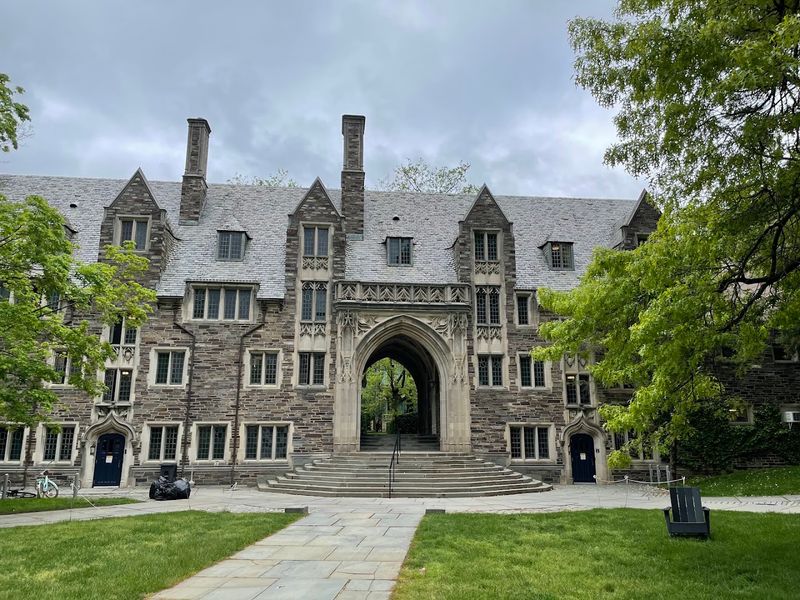
Cross Nassau Street and wander the university grounds, where collegiate Gothic buildings, courtyards, public art, and broad lawns provide a free change of scenery without adding mileage. Witherspoon Street is another useful detour for coffee, food, and independent businesses.
The route can be as compact as a few blocks or expand into a long campus walk when the weather cooperates. Princeton feels refined but not stiff; students, families, professors, and day-trippers all share the same few blocks.
Parking can be the least charming part, so use a downtown garage rather than circling for a perfect meter. Once the car is tucked away, nearly everything most visitors want is within a comfortable loop.
2. Cape May
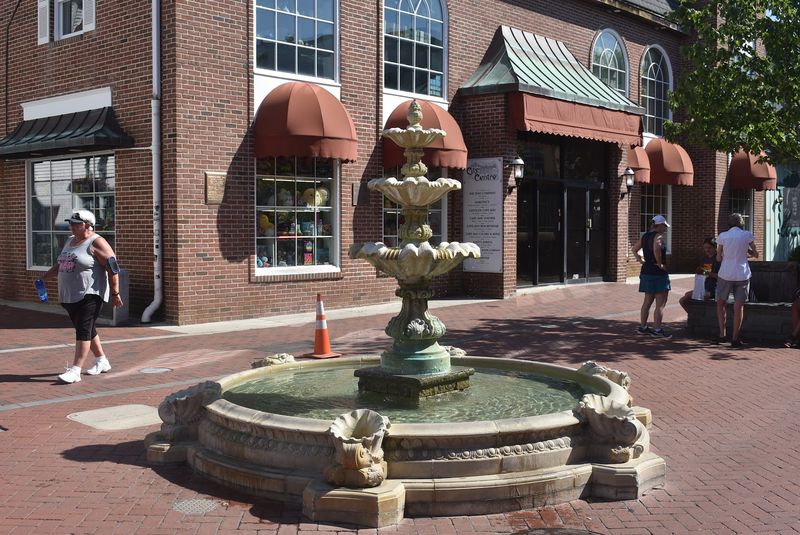
Brick paving underfoot and Victorian rooflines overhead make Washington Street Mall feel less like a shopping district and more like the town’s outdoor living room.
The pedestrian-only mall runs for three blocks, with more than 75 businesses spread through the main stretch and adjoining lanes, so there is no reason to keep checking traffic before crossing from one tempting storefront to the next.
Browse resort wear, gifts, local art, candy, books, and home goods, then stop for lunch at Louisa’s Cafe, a more polished dinner at Tisha’s, or something sweet from Madison’s Bakery. The Cheese Shop is useful when the plan involves an impromptu beach picnic.
That beach is only a short walk away, as are rows of elaborate Victorian houses that make even an aimless detour worthwhile. Cape May rewards lingering: shop for an hour, walk toward the ocean, return for coffee, then circle back through side streets you missed earlier.
Summer weekends are busy, and parking near the mall can take patience, so arriving early or using the Welcome Center area is smarter than hunting block by block. Meters around the mall remain active through much of the year, making this one place where reading the signs before walking away is worth the extra minute.
3. Lambertville
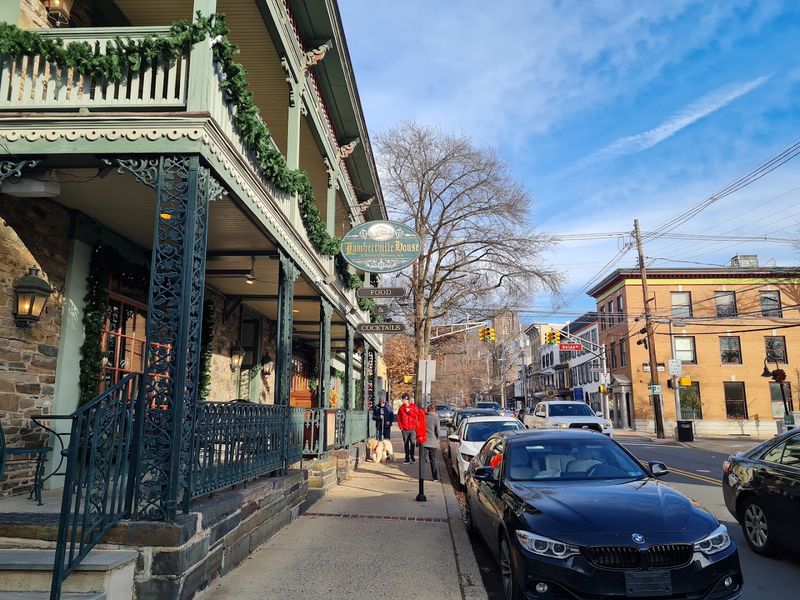
Antique hunters can lose an afternoon before they have made it halfway down Bridge Street. That is part of Lambertville’s charm: the downtown is small, but its shops encourage slow browsing through old maps, furniture, jewelry, records, art, and objects whose original purpose may require a conversation with the owner.
Union Street adds galleries, boutiques, books, and cafés, while the Delaware River and D&R Canal keep the whole visit from feeling like an indoor shopping marathon. Build the day around a relaxed brunch, then follow the canal towpath for a flat, scenic walk before returning for coffee, a cocktail, or dinner by the river.
The towpath once served canal traffic and now gives walkers and cyclists a quiet green corridor just steps from the commercial streets. Crossing the pedestrian-friendly bridge to New Hope is easy, but Lambertville has enough personality to fill the day on its own.
The mood is creative and slightly eccentric, with historic buildings holding everything from serious art to wonderfully odd vintage finds. Street parking disappears quickly on pleasant weekends, so take the first reasonable space instead of repeatedly looping the same compact blocks.
Comfortable shoes matter here, especially if the towpath and bridge both make it onto the itinerary.
4. Red Bank
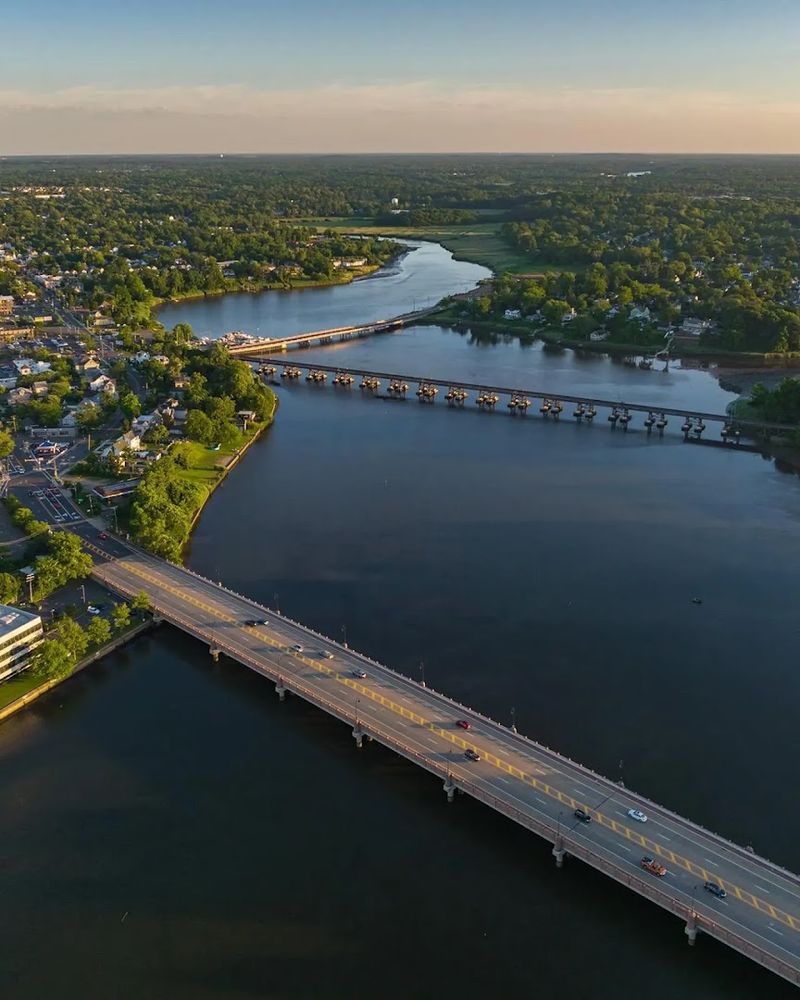
A matinee, a river view, and dinner can all fit into one tight loop here. Broad Street and Monmouth Street carry most of the downtown action, mixing fashion boutiques, gift shops, jewelers, cafés, restaurants, and cultural venues within a few blocks.
Start with a bagel or coffee, browse without a strict agenda, then work toward Riverside Gardens Park for a bench overlooking the Navesink River. The park is small, but it provides exactly the kind of pause a shopping-heavy afternoon needs.
Count Basie Center for the Arts and Two River Theater give Red Bank a strong evening finish; seeing a show turns the town from a daytime browse into a full outing without requiring another drive.
Dinner options range from sushi and Indian food to Italian cooking, steaks, and seafood, so the best choice is often the one closest to the curtain time.
Red Bank has more urban energy than many towns on this list, especially on performance nights, but the river keeps it from feeling boxed in. There are more than 1,600 parking spaces across metered streets and lots, and some commuter parking becomes available to the public later in the day.
Park once, note the meter rules, and let the theater schedule—not the car—set the pace.
5. Haddonfield
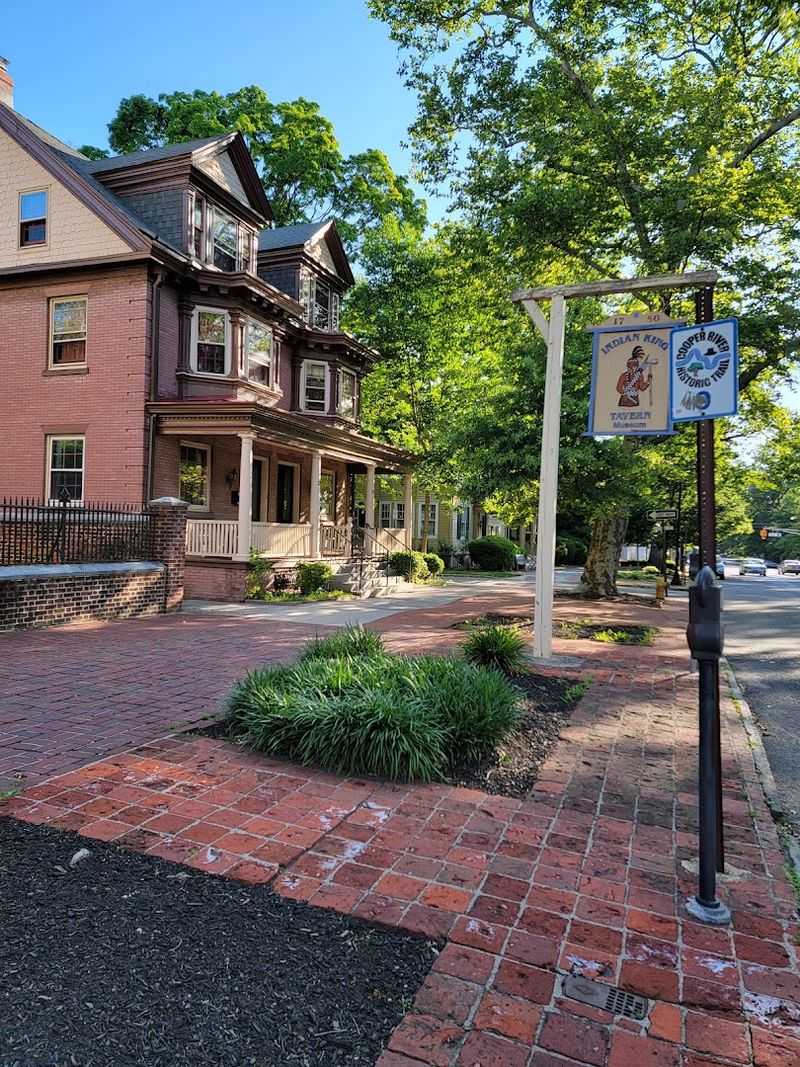
One minute you are looking at a polished boutique window; the next, you are standing beside a dinosaur. That quick shift from stylish to delightfully unexpected is very Haddonfield.
Kings Highway anchors the walkable center, where more than 200 independent shops, galleries, cafés, restaurants, and services fill a tree-lined historic district.
Clothing, toys, stationery, home décor, jewelry, and gifts are all well represented, making this an especially good town for holiday shopping or a day when you need a present but have no idea what to buy.
History slips into the route naturally. The Indian King Tavern dates to the 1700s, while “Haddy,” the town’s Hadrosaurus sculpture, nods to the landmark dinosaur discovery made here.
Sidewalk tables and benches make it easy to slow down instead of treating Kings Highway like a shopping checklist. Lunch can be casual, but Haddonfield’s dining scene also supports a proper evening meal, often with globally inspired plates, Italian cooking, or chef-driven seasonal menus.
The borough remains dry, so many restaurants operate as BYOBs; check the policy and bring a bottle when reservations are part of the plan. The PATCO station sits at the edge of downtown, and station parking can simplify the visit.
Once on Kings Highway, the compact layout does the rest.
6. Collingswood
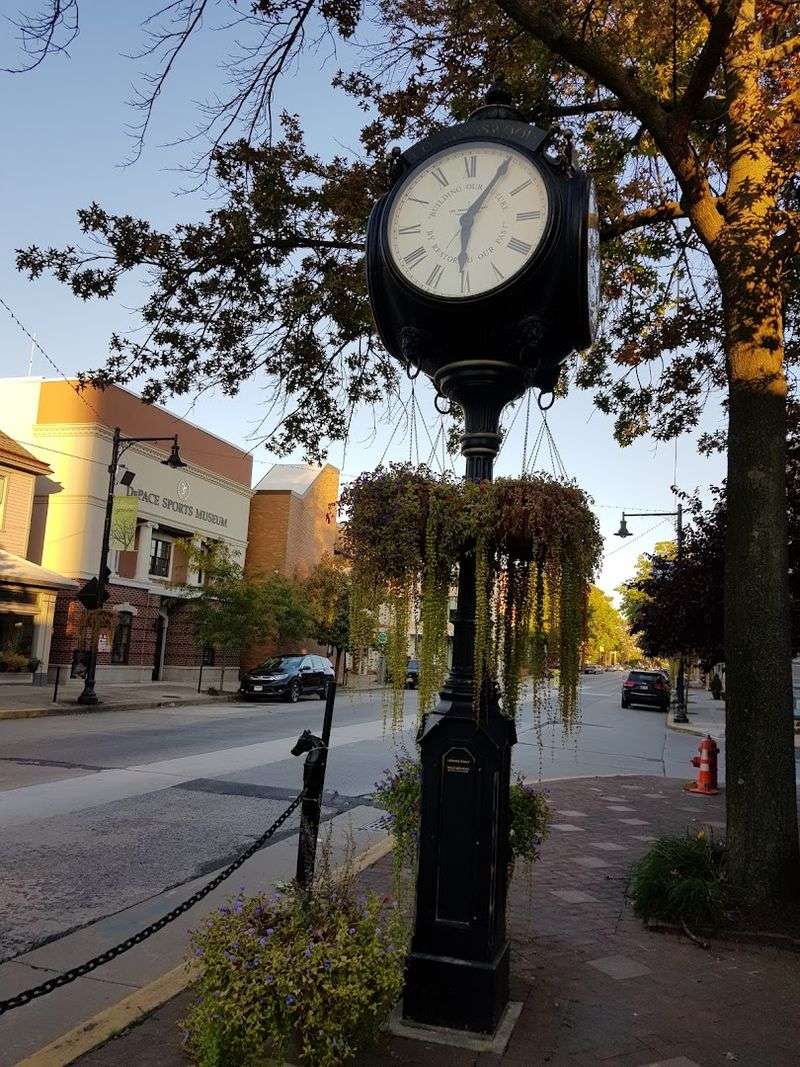
Come hungry, because Haddon Avenue has a habit of turning “just a quick look around” into a reservation. Collingswood is one of South Jersey’s strongest dining towns, with chef-driven BYOBs, Italian restaurants, brunch counters, bakeries, and casual spots packed along a downtown that remains easy to cover on foot.
The food deserves attention, but the shopping keeps the afternoon from becoming one long meal. Independent boutiques, art and craft shops, high-end consignment stores, antique galleries, music shops, and home stores give the avenue a creative, lived-in feel.
On Saturday mornings in season, the farmers market adds produce, baked goods, prepared foods, and the happy chaos of people trying to carry coffee and tomatoes at the same time. A polished dinner at a place such as Hearthside may require advance planning, while breakfast and lunch are easier to approach spontaneously.
Collingswood is still a dry borough as of summer 2026, although local officials have been considering a possible change, so BYOB remains a key part of the dining culture for now. PATCO places visitors close to the action, and several public lots make driving manageable.
Either way, once you reach Haddon Avenue, the car becomes unnecessary until the ride home. That is exactly how a food town should work.
7. Asbury Park
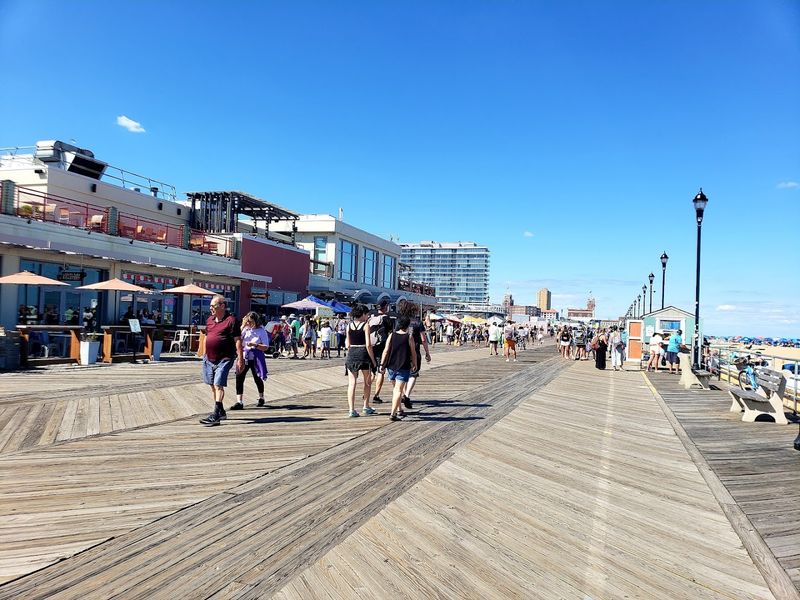
The order of operations matters less than the appetite: Korean-fusion tacos, boardwalk pizza, oysters, pancakes, and frozen treats are all competing for attention. Asbury Park works because its downtown and oceanfront feel distinct yet remain close enough to connect on foot.
Begin around Cookman Avenue, where restaurants, vintage shops, galleries, home stores, and boutiques fill the blocks near downtown. Then follow the steady pull east toward the ocean, where the boardwalk adds beach views, casual food stands, bars, art, and shops selling everything from jewelry to surf gear.
MOGO’s tacos make an easy walking lunch, while the Silverball Retro Arcade provides a noisy, neon-lit break from the sun. Music history is never far away: The Stone Pony, Convention Hall, and other venues give even a quiet afternoon a little rock-and-roll electricity.
Stay through evening and the same route becomes a nightlife corridor, with dinner downtown and a show near the beach. Summer Saturdays can be crowded, so arriving before lunch makes parking and restaurant choices easier.
The best strategy is not to over-plan. Pick one meal, one activity, and one show if available, then leave enough time for the murals, shops, and boardwalk distractions that inevitably alter the schedule.
Asbury is better when the itinerary bends.
8. Morristown
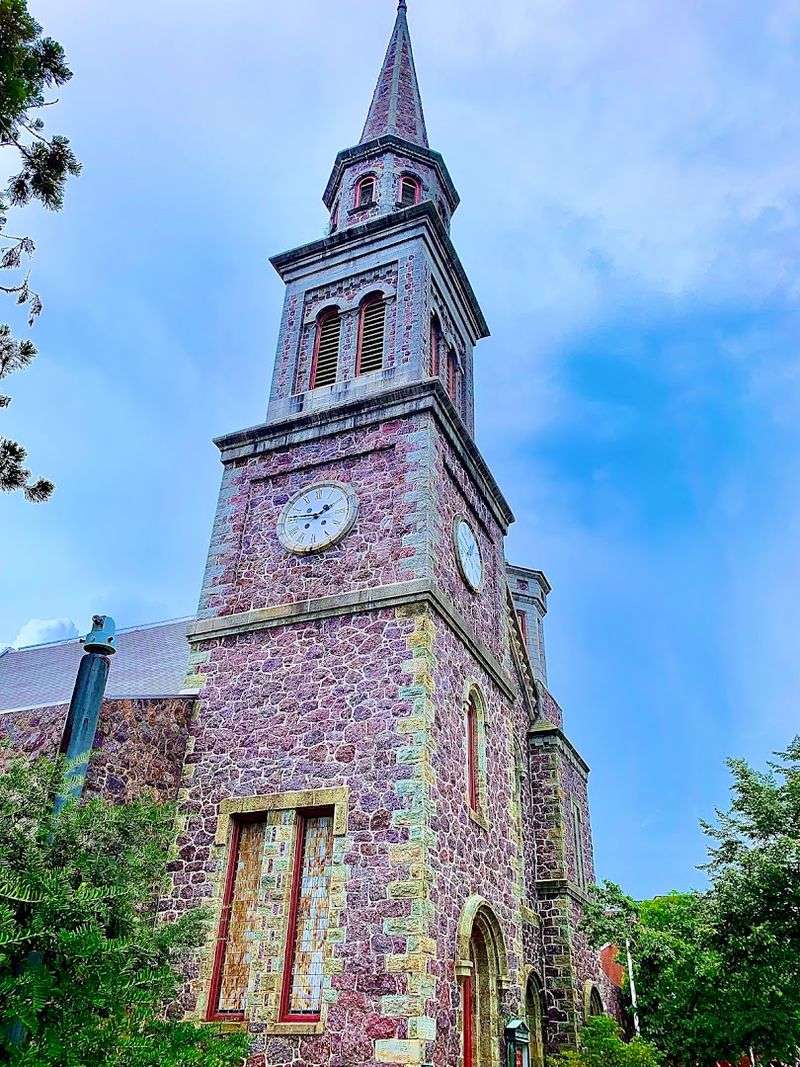
The Green acts like a reset button in the middle of downtown. Restaurants, offices, shops, churches, and busy streets surround it, yet a few minutes on its paths and benches makes the town feel calmer.
From there, walk South Street for cafés, boutiques, restaurants, and Mayo Performing Arts Center, then loop toward Speedwell Avenue for more food and shopping.
Morristown’s dining range is unusually broad for a suburban downtown: wood-fired pizza, Mexican cooking, sushi, Persian grills, Mediterranean plates, steaks, and polished American menus all sit within walking distance of the theater.
That makes a show-night plan simple—eat early, walk to the performance, and find dessert afterward without returning to the car. During the day, the town feels businesslike around lunch and more social by late afternoon, when outdoor tables fill and the after-work crowd appears.
The architecture and historic associations add weight, but Morristown never feels trapped in the past; it operates as a real regional hub with a train station, nightlife, and a packed events calendar. Parking garages and municipal lots are the least stressful choice, particularly around performances.
The Morristown Parking Authority manages thousands of public spaces downtown, including large covered facilities, so use one as a base and explore from there.
9. Ridgewood
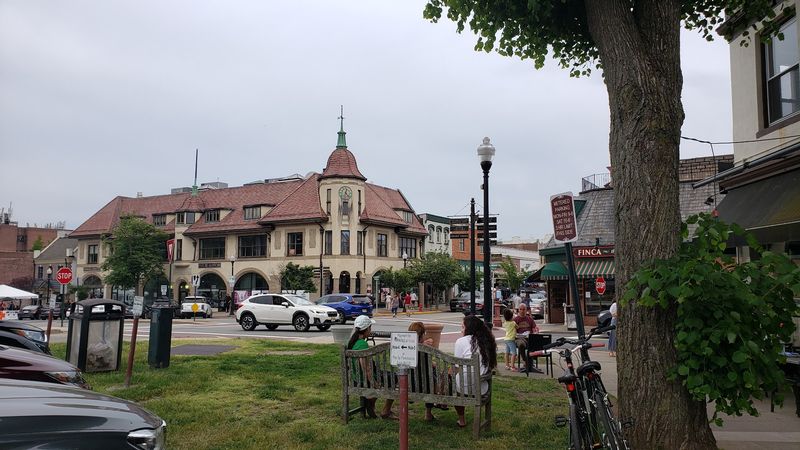
Train bells, bakery windows, and restaurant patios give the center of Ridgewood a surprisingly city-like rhythm. East Ridgewood Avenue provides the main spine, but the enjoyable part is drifting onto the side streets around Van Neste Square, where boutiques, specialty stores, salons, cafés, and dining rooms cluster close together.
This is a strong town for a leisurely lunch followed by serious browsing: clothing, gifts, books, jewelry, and home goods all fit naturally into the route. The restaurant scene covers nearly every mood, from pancakes and omelets at an old-school breakfast spot to sushi, Mediterranean food, Italian cooking, ramen, and date-night dining.
Ridgewood attracts plenty of families, but it does not shut down after the afternoon errands are finished; dinner service and evening events keep the sidewalks active. Van Neste Square offers a green pause between stops, and the central NJ Transit station makes the district especially easy to reach without driving.
Visitors arriving by car will find public lots on both sides of downtown, which is useful because the smartest move is to park at the first convenient lot rather than chasing a curb space near a specific restaurant. Once out of the car, the compact grid makes improvising easy—and improvising is the whole point here.
10. Cranford
The Rahway River does something unusual for a suburban downtown: it keeps appearing between coffee, shopping, and dinner.
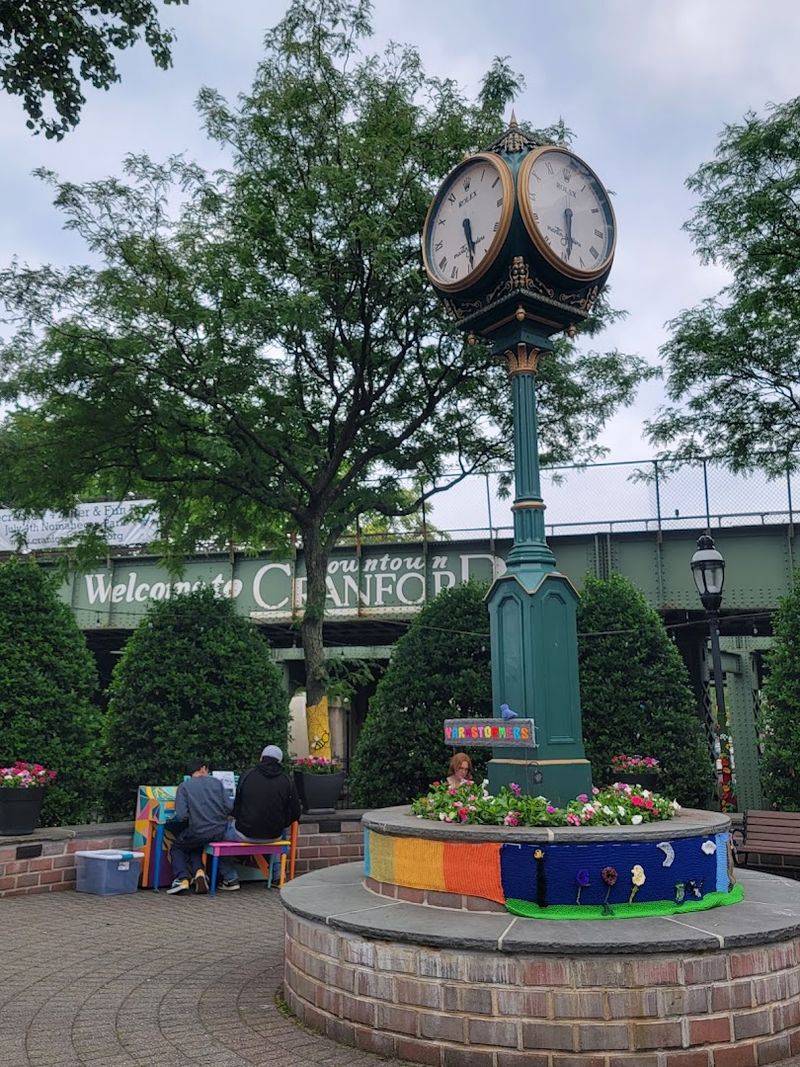
Cranford’s core gathers around North Avenue, Eastman Clock Plaza, Alden Street, and North Union Avenue, where cafés, restaurants, boutiques, services, and specialty shops sit in a compact, easy-to-navigate district.
Start with coffee at Aura, browse clothing and gifts, then choose among ramen, Thai food, Greek cooking, pizza, and casual American fare without straying far from the center. The river and nearby green spaces provide natural breathing room, while the clock plaza hosts community events and gives the downtown a clear gathering point.
Cranford feels neighborly in a specific way: people stop to talk outside the bagel shop, children inspect storefront displays, and regulars seem to know exactly which table they want. It is lively without being overwhelming, making it a good choice for families or anyone who prefers wandering to crowds.
Practical details are unusually friendly. Downtown has more than 800 spaces for shoppers and visitors, and parking is free after 6 p.m. and all day Sunday.
That makes dinner especially easy: arrive, park, walk the river, shop a little, and settle in for a meal without watching the clock. Even the practical side of the visit feels relaxed.