There is a version of New Jersey that has nothing to do with Turnpike exits, shore traffic, or the eternal debate over where Central Jersey begins.
It is the New Jersey where the road narrows, the cell signal gives up, and suddenly you are passing old farmhouses, cedar swamps, cranberry bogs, salt marshes, and mountain overlooks that make the state feel much bigger than it looks on a map.
These are not places you stumble into while running errands. You have to mean it.
You have to pack snacks, check the weather, maybe download directions before the bars disappear, and be okay with the idea that the drive is part of the reward. The payoff is a side of the Garden State that feels quieter, older, and a little more secretive.
Here are 10 remote New Jersey places that are absolutely worth seeking out.
1. Walpack Center / Walpack Township
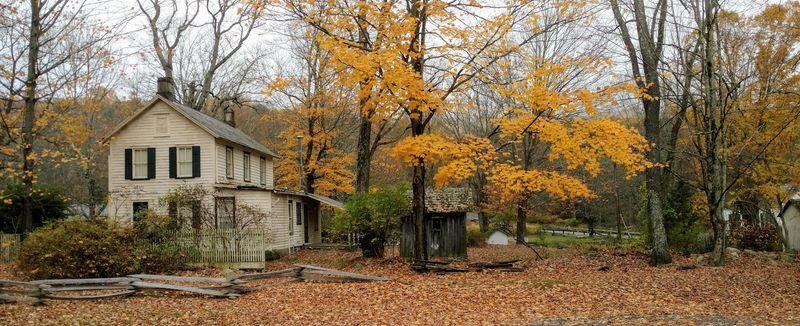
Blink at the wrong moment and you could roll right through Walpack Center without realizing you have entered one of New Jersey’s strangest little time capsules.
This tiny historic crossroads in Sussex County feels less like a town and more like the outline of one, with old buildings, open fields, and quiet roads that seem to be holding their breath.
That is exactly what makes it so memorable. Walpack was once caught up in the abandoned Tocks Island Dam plan, which would have flooded parts of the Delaware River valley and displaced communities before the project was finally scrapped.
What remains is a place with a ghost-town feel, but not in a gimmicky way. It is calm, rural, and deeply atmospheric.
The best way to experience it is slowly. Drive Old Mine Road, stop near the historic buildings, and let the silence do some of the work.
If you want to stretch your legs, look for nearby trails and historic stops within the Delaware Water Gap National Recreation Area, including the route between Walpack Center and Van Campen Inn. This is not a snack-bar-and-gift-shop kind of outing, so bring water, comfortable shoes, and a little patience.
Walpack rewards the kind of visitor who likes their New Jersey with dirt roads, old stories, and no rush whatsoever.
2. Buttermilk Falls / Mountain Road
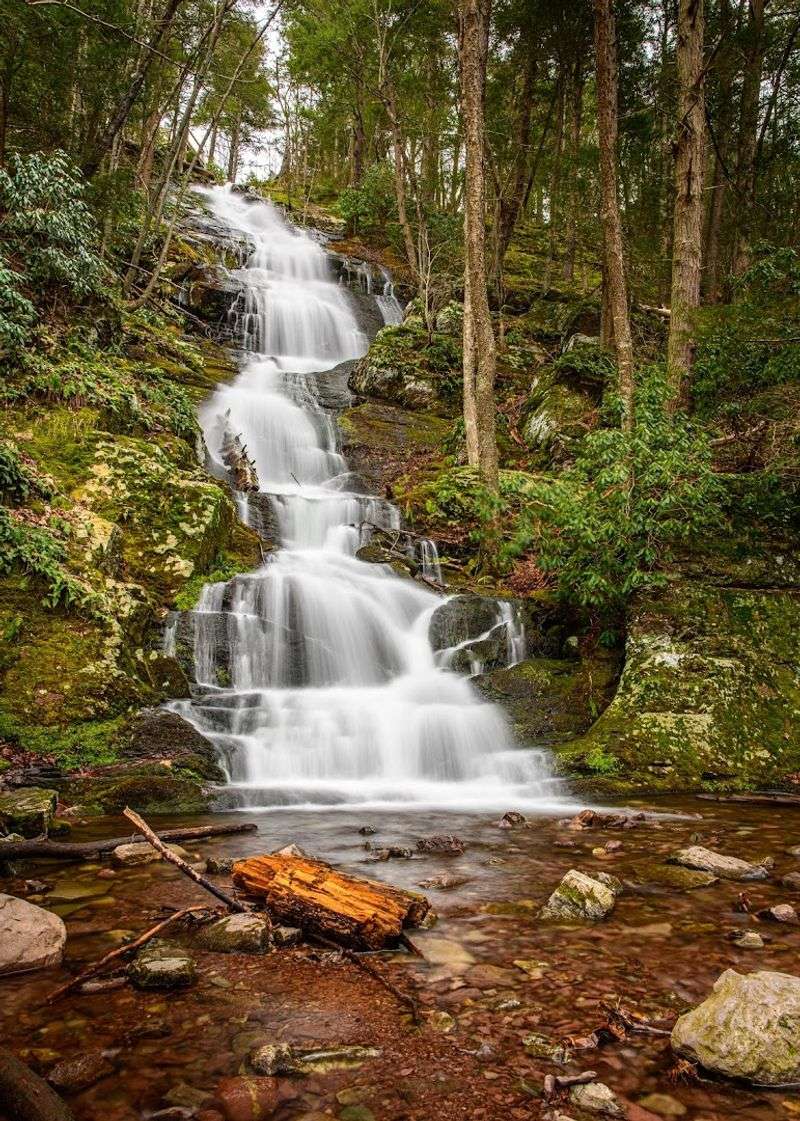
The first surprise is how quickly the waterfall appears. After a winding drive through back roads and forest, Buttermilk Falls does not make you work very hard for the opening act.
One moment you are wondering if you made a wrong turn, and the next there it is, dropping down the rock face in a rush that feels almost too dramatic for such a tucked-away corner of New Jersey. It is one of the state’s tallest waterfalls, and it has the rare advantage of feeling remote without requiring an expedition just to see it.
That said, the trail beyond the base is not a casual flip-flop stroll. Wooden steps climb beside the falls, and the route continues steeply toward the ridge, eventually connecting with the Appalachian Trail.
If you are in the mood for a proper hike, keep going for bigger views and a satisfying sense that you earned your afternoon. If not, the waterfall itself is plenty of reward.
The road access is part of the adventure, and seasonal closures can affect the approach, so this is one place where checking conditions before you go is worth the extra minute. Visit after rain if you want the falls at their most dramatic, but wear shoes that can handle mud.
Buttermilk Falls is proof that “remote” does not always mean subtle.
3. Stokes State Forest / Tillman Ravine
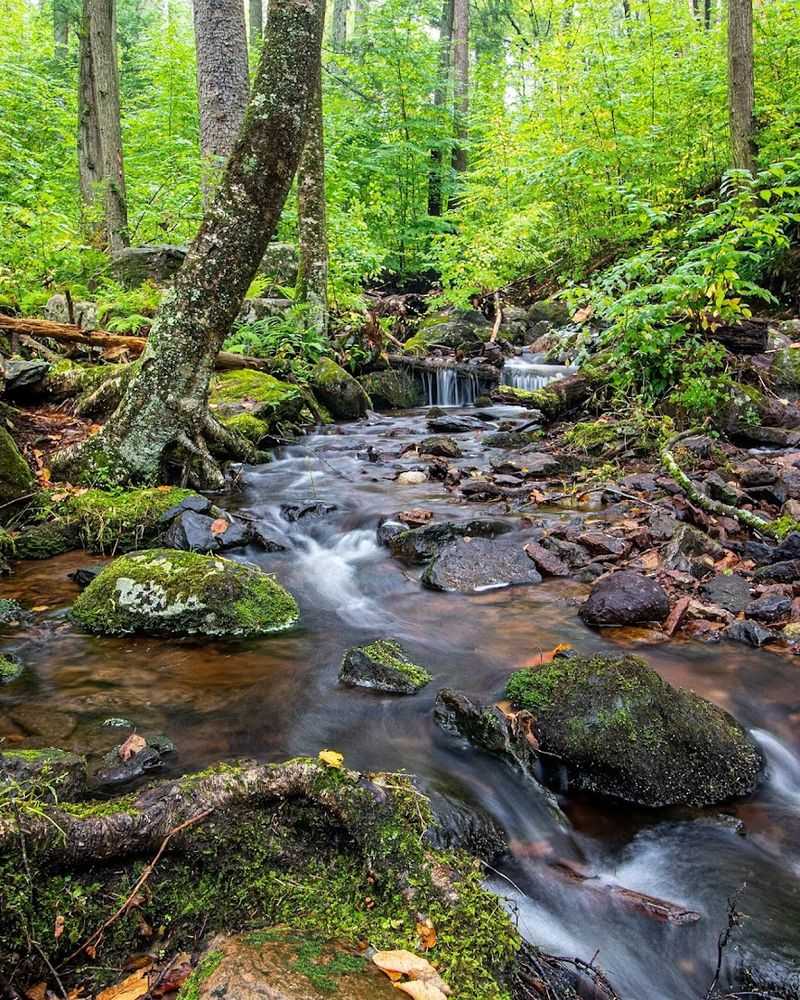
Some places announce themselves with a grand overlook. Tillman Ravine does the opposite.
It pulls you in with shade, moving water, mossy rocks, and the kind of cool, green quiet that makes even a short hike feel like you have slipped into a different climate.
Set inside Stokes State Forest, the ravine is one of the prettiest pockets of northwest New Jersey, especially if you like your nature a little moody and forested rather than wide open and sun-blasted.
The draw here is the walk along Tillman Brook, where small cascades and hemlocks create a soft, tucked-away feeling. It is the kind of spot where you want to slow down, not just check it off.
Stokes itself gives you plenty of ways to turn the trip into a fuller day, from the Appalachian Trail to Sunrise Mountain and Stepping Stones Falls. But Tillman Ravine is the piece that feels most like a local secret, even when other hikers are around.
Parking is usually simple compared with more famous trailheads, but the roads can feel remote, and the trail can be slick after rain. Bring sturdy shoes, a light layer, and enough time to wander without watching the clock.
This is not New Jersey at full volume. It is New Jersey in a whisper, and that is the whole point.
4. High Point State Park
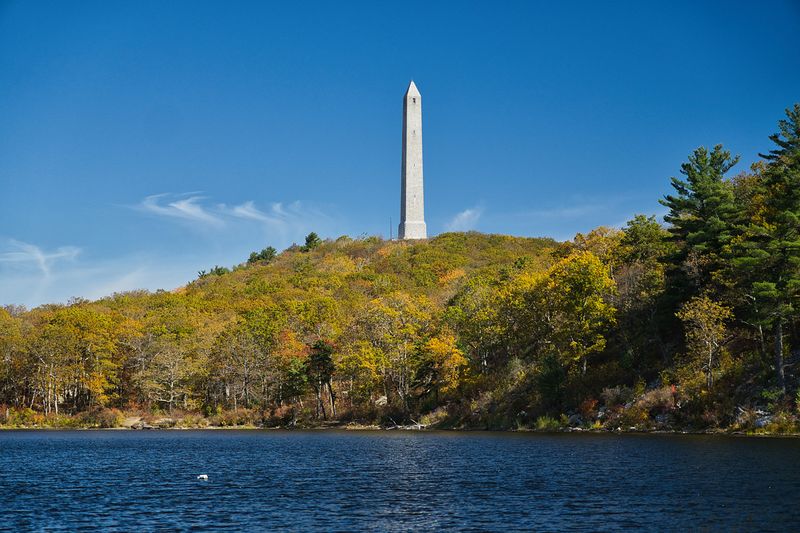
There is something satisfying about standing at the literal top of New Jersey and realizing it is not surrounded by boardwalks, traffic circles, or warehouse parks.
High Point State Park sits up in Sussex County, where New Jersey presses against New York and Pennsylvania, and the landscape suddenly feels bigger, colder, and more mountainous.
The monument is the obvious landmark, rising above the ridge like the state decided to put an exclamation point on its highest elevation. The view is the reason most people make the drive, and it delivers.
On a clear day, you can look out across farmland, forest, ridges, and the Delaware River valley, with three states folded into the scene. But the park is more than a photo stop.
There are miles of trails, including routes through cedar swamp and wooded terrain, plus Lake Marcia for a gentler pause in season. In winter, the place can feel even more remote, with snow, wind, and a sharp quiet that makes the overlook feel far from everything.
Bring layers even if the weather looks friendly down below; the elevation has a way of reminding you who is in charge. High Point is worth seeking out because it gives New Jersey a skyline of its own, and it is much wilder than people expect.
5. Wawayanda State Park
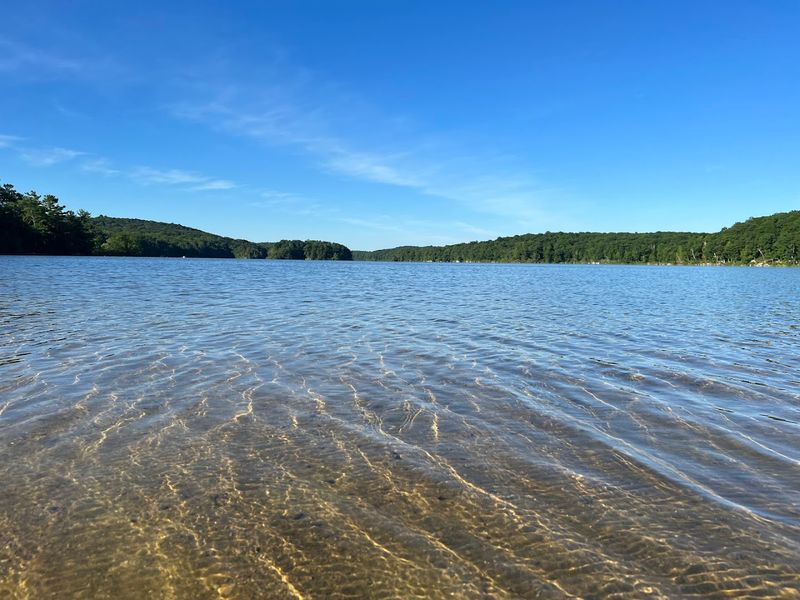
The road into Wawayanda has a way of making you wonder how a place this big can still feel so under the radar. Set along the northern edge of the state, with rocky woods, wetlands, lake views, and a long stretch of the Appalachian Trail, Wawayanda is the kind of park that can be whatever you need it to be.
You can come for a serious hike, a quiet paddle, a mountain-bike ride, a swim in season, or a picnic that turns into three hours of staring at the water. Lake Wawayanda is the easy centerpiece, with forested hills around it and just enough space to feel like you have escaped the busier parts of North Jersey.
But the real magic is in the trail network. Some routes are rocky and rooty, some are gentle enough for a relaxed wander, and all of them remind you that this corner of the state still has plenty of room to disappear for a while.
It is also a good pick for people who want a remote-feeling destination without giving up basic park amenities. The vibe is outdoorsy but not fussy.
Pack bug spray, download a trail map, and do not assume every path will be a quick loop. Wawayanda is best when you give it the whole afternoon and let the park decide the pace.
6. Wharton State Forest / Batsto Village
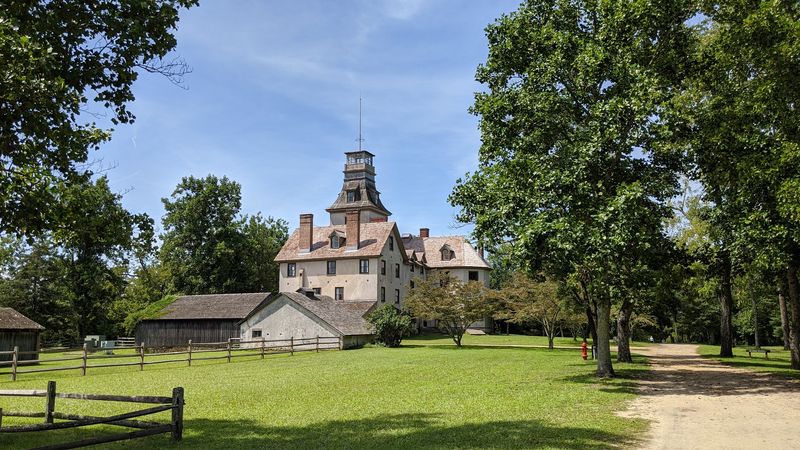
The Pine Barrens can mess with your sense of distance. You drive past pitch pines, sandy roads, tea-colored water, and long stretches where the landscape repeats itself in the best possible way, until suddenly Batsto Village appears like a preserved chapter from another century.
That contrast is what makes Wharton State Forest and Batsto such a great remote outing. You get deep woods, river routes, quiet trails, and one of New Jersey’s most fascinating historic villages all in the same trip.
Batsto is not a recreated theme village. It has real roots in iron, glassmaking, milling, farming, and the Pine Barrens economy, with historic buildings that make the past feel unusually close.
Walk the village first, then let Wharton widen the day. The forest is the largest in New Jersey’s state park system, so there is no shortage of space to explore, whether you are hiking, paddling the Batsto or Mullica River, biking sandy roads, or heading toward Atsion in summer.
This is a place where planning helps, because the forest is huge and some roads are better suited to vehicles that can handle sand and rough patches. But you do not need to overcomplicate it.
Start at Batsto, bring water, and let the pines do what they do best: make New Jersey feel wonderfully far away.
7. Brendan T. Byrne State Forest / Whitesbog Village
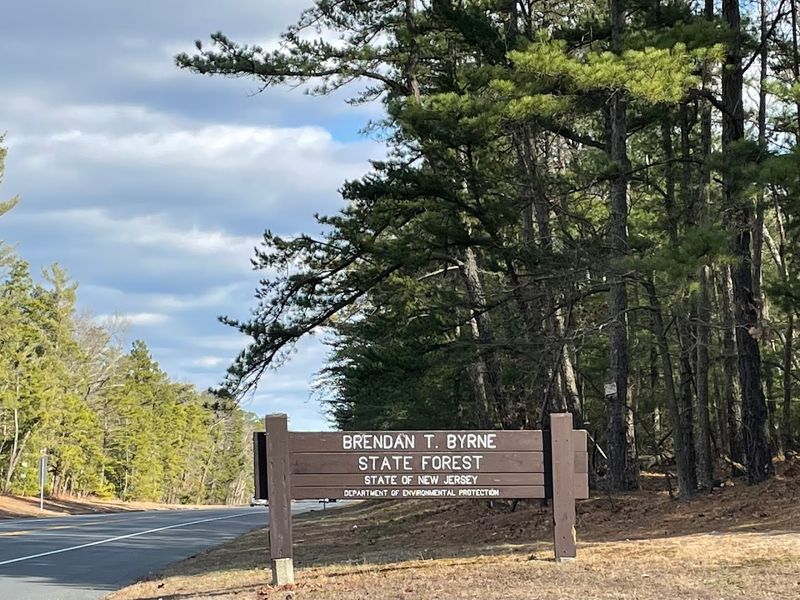
Before New Jersey was busy being New Jersey, parts of the Pine Barrens were busy growing cranberries, blueberries, and stories. Whitesbog Village, tucked inside Brendan T.
Byrne State Forest, is one of the best places to feel that history without turning the day into a museum assignment. The old village has a weathered, practical charm, with cranberry bogs, sandy lanes, historic buildings, and a quiet that feels especially good in the early morning or late afternoon.
Whitesbog is closely tied to the history of the cultivated highbush blueberry, which gives the place a little extra bragging rights without making it feel polished or precious. The best move is to walk the village, then follow the trails and roads around the bogs, where the landscape opens into water, reeds, pines, and big sky.
Brendan T. Byrne State Forest adds even more room to roam, including access to the long-distance Batona Trail and miles of marked routes through classic Pine Barrens terrain.
This is not a flashy destination, and that is exactly why it works. It is slow, sandy, and quietly beautiful.
Wear shoes you do not mind dusting off later, bring a camera, and check for special events if you like a little local flavor with your wandering. Whitesbog feels like the kind of place New Jersey keeps for people willing to look past the obvious.
8. Bass River State Forest
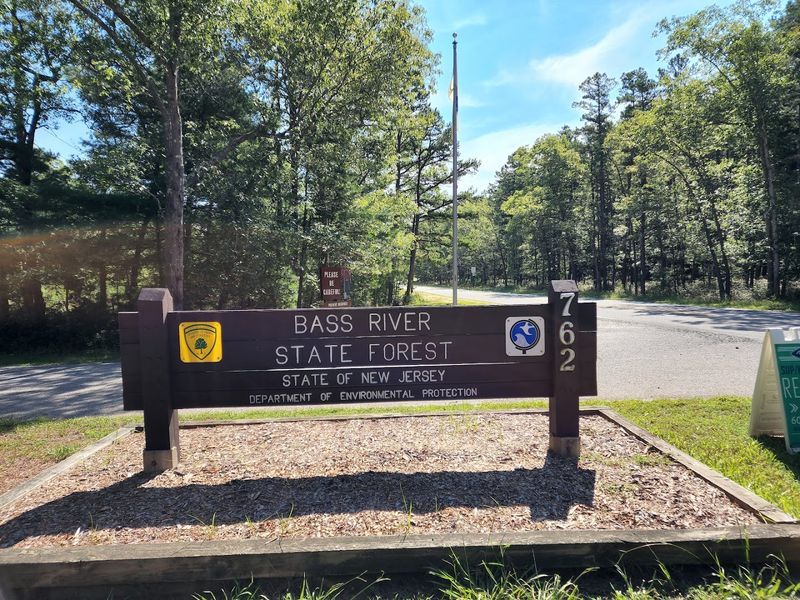
Lake Absegami is the friendly face of Bass River State Forest, but the real charm is what happens once you get beyond the obvious picnic-and-swim version of the place.
This was New Jersey’s first state forest, and it still has that old-school outdoors feel: cedar swamp, quiet trails, cabins, campgrounds, and the deep Pine Barrens sense that you have traded pavement for pine needles.
The Absegami Trail is a great starting point because it gives you a manageable loop through swampy, fragrant, beautifully specific South Jersey habitat. You can also explore remnants tied to the Civilian Conservation Corps, whose work helped shape the forest’s roads, structures, and recreation areas.
For bigger ambitions, Bass River marks the southern end of the Batona Trail, the long route connecting several major Pinelands forests. That makes it a satisfying stop whether you are camping, hiking, paddling, or just looking for a quieter alternative to the shore crowds nearby.
It is close enough to the coast that you can pair it with Tuckerton or Long Beach Island, but it feels nothing like a beach-day detour. Bring bug spray, especially in warmer months, and respect the sandy, sometimes confusing road network.
Bass River is worth the drive because it offers a softer, older kind of New Jersey getaway, where the loudest thing may be the frogs.
9. Great Bay Boulevard Wildlife Management Area
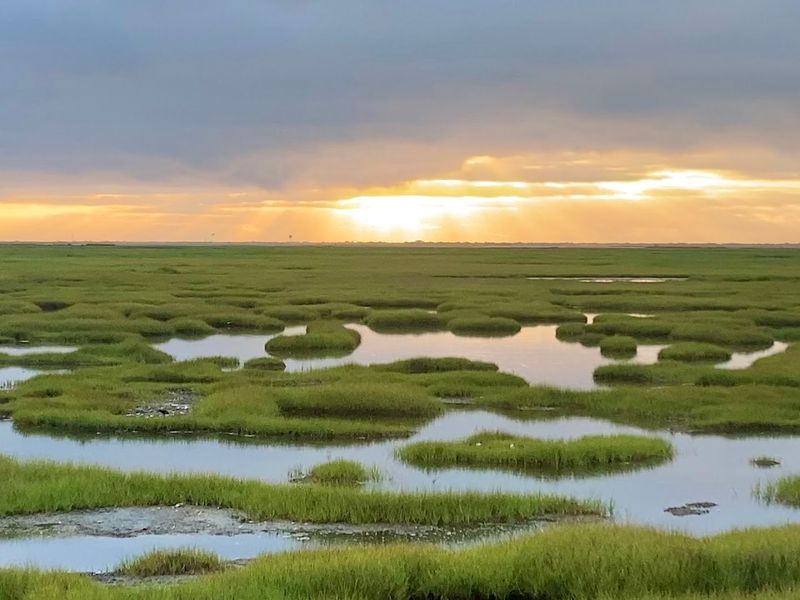
Great Bay Boulevard feels like driving straight into the marsh until the mainland gets tired of following you. The road is narrow, flat, and wonderfully odd, crossing bridge after bridge through wide-open salt marsh with water, grasses, birds, and sky taking over almost everything else.
It is one of the most distinctive drives in Ocean County, and it feels remote in a way that is very different from the mountains or the Pine Barrens. Here, the drama is horizontal.
This is a place for birdwatching, fishing, photography, and the simple pleasure of parking, stepping out, and hearing the marsh do its thing. Herons, egrets, shorebirds, raptors, and sparrows all make the area interesting throughout the year, especially during migration.
The road itself was originally part of a much bigger transportation idea that never fully happened, which is part of why it now feels like a strange little ribbon into nowhere. Do not expect a polished park experience.
This is a wildlife management area, so facilities are minimal, and conditions can feel exposed, buggy, windy, or muddy depending on the day. That is also why it is so good.
Bring binoculars, go near golden hour if you can, and keep an eye on tides and weather. Great Bay Boulevard is for people who understand that sometimes the best destination is a road that simply runs out.
10. Heislerville Wildlife Management Area / East Point Lighthouse
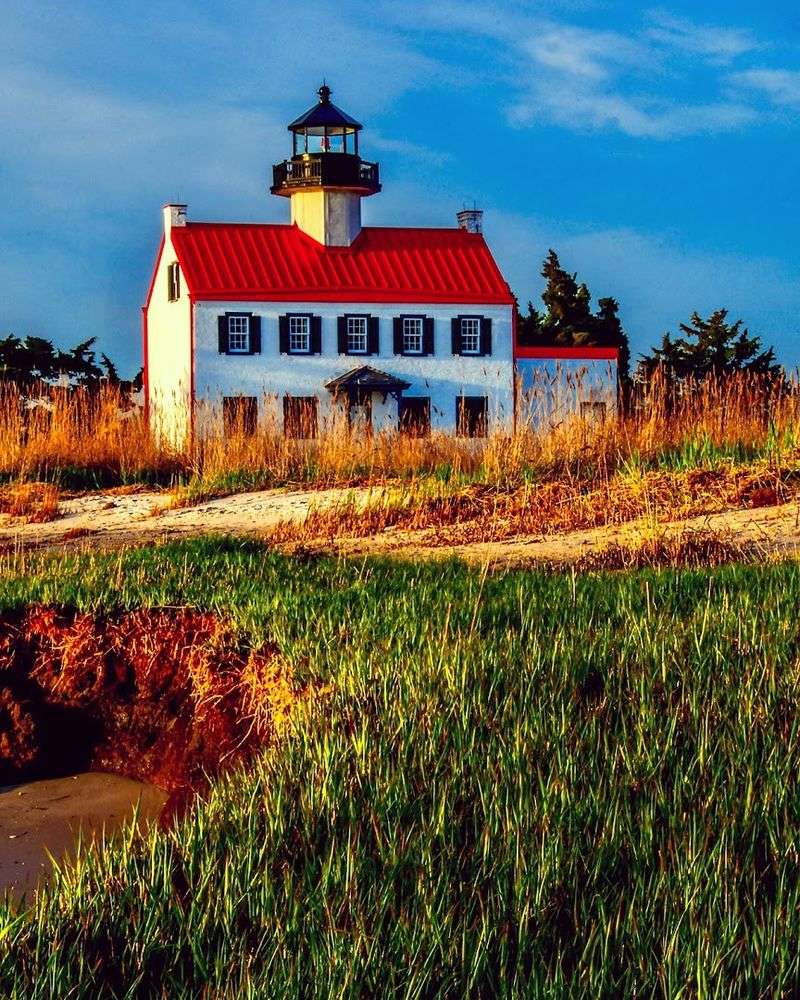
At the southern end of the state, where the Maurice River meets the Delaware Bay, East Point Lighthouse looks almost too neat for the wildness around it. The white building with its red roof sits against marsh, bay, and sky, giving Heislerville Wildlife Management Area a landmark that feels both lonely and welcoming.
It is one of those South Jersey places that makes you lower your voice without knowing why. The wildlife area itself is a major draw for birders, with salt hay meadows, tidal marshes, freshwater impoundments, and open bayshore habitat that attract shorebirds, waterfowl, raptors, and wading birds.
Even if you do not know a sandpiper from a sandwich, the setting is worth the trip. Drive the quiet roads, stop near the impoundments, and make your way to the lighthouse for one of the most underrated views in New Jersey.
East Point dates to the 1800s and still feels like a working piece of maritime history rather than a decorative backdrop. Hours for lighthouse access can vary, so treat the exterior and the landscape as the dependable reward, with interior visits as a bonus when available.
This is not a place to rush through on the way to somewhere else. It is the somewhere else: remote, salty, historic, and beautifully unbothered.
Share this story