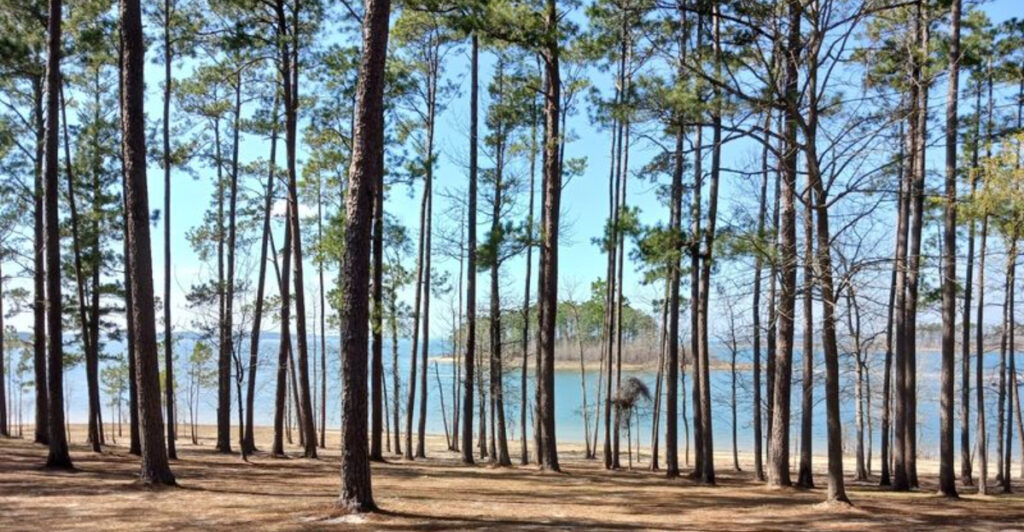
Texas is famous for its wide-open plains and desert landscapes, but hidden across the state are lush forests that transport you to completely different worlds. These green sanctuaries offer towering pines, mysterious swamps, and vibrant fall colors that rival anything you’d find up north. Whether you’re looking for a quiet weekend retreat or an adventure-filled escape, these ten forest destinations prove that Texas has way more variety than most people realize.
1. Caddo Lake State Park (Karnack)
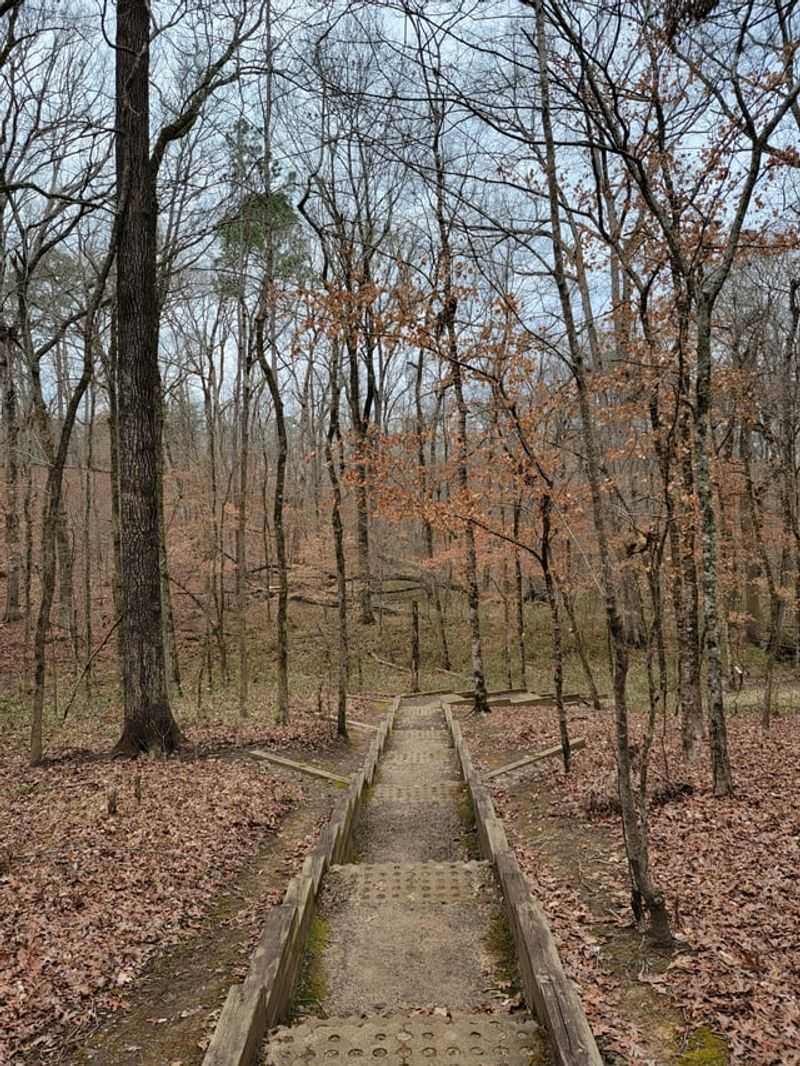
Paddling through Caddo Lake feels like stepping into a Southern Gothic novel where every twisted cypress tree tells a story. Spanish moss drapes from ancient branches like nature’s curtains, and the still water reflects the forest canopy so perfectly you might forget which way is up. This is Texas’s only natural lake, formed by a massive logjam on the Red River centuries ago, and it remains one of the state’s most otherworldly destinations.
The maze of bayous and sloughs creates over 26,000 acres of wetlands to explore, and getting lost among the cypress knees is half the fun. Rent a canoe or kayak to weave through narrow channels where alligators sunbathe and great blue herons fish in the shallows. The park’s boat ramps make it easy to launch your own vessel if you prefer bringing your gear.
Fishing enthusiasts come here for the legendary largemouth bass, catfish, and crappie that thrive in these nutrient-rich waters. The vegetation provides perfect cover for fish, making every cast an exciting possibility. Early mornings offer the best action when mist rises off the water and wildlife is most active.
Camping options range from waterfront sites where you fall asleep to the sounds of frogs and owls to screened shelters that keep the bugs at bay. The park’s cabins provide a comfortable base if you want modern amenities after a day of wilderness exploration. Each accommodation puts you right in the heart of this swampy wonderland.
Birdwatchers should bring binoculars because over 200 species have been recorded here, including wood ducks, prothonotary warblers, and barred owls. Spring and fall migrations turn the area into a feathered highway. The combination of water, forest, and wetland habitat creates an ecosystem unlike anywhere else in Texas, proving that our state’s wildest places don’t always look like the postcards suggest.
2. Sam Houston National Forest (New Waverly)
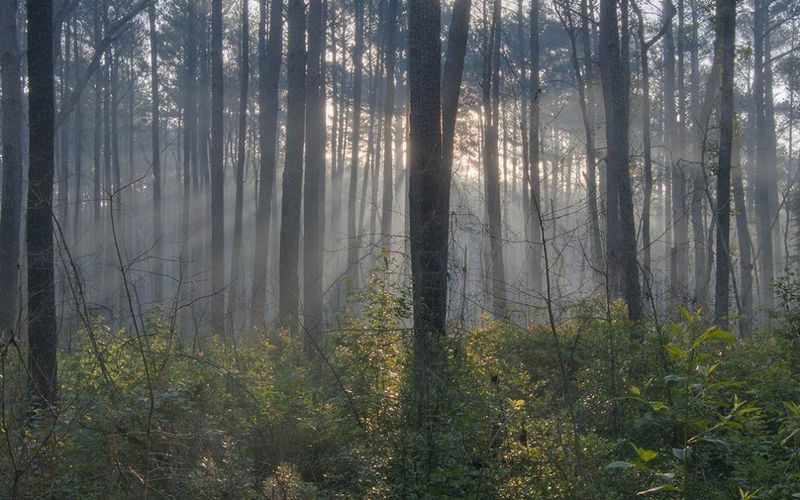
Stretching across 163,000 acres north of Houston, Sam Houston National Forest offers an escape so complete you’ll forget you’re just an hour from the fourth-largest city in America. Towering loblolly pines create a canopy that filters sunlight into golden beams, and the forest floor stays soft underfoot with decades of fallen needles. This is where city dwellers come to remember what silence sounds like.
The Lone Star Hiking Trail runs 128 miles through the forest, making it the longest continuous trail in Texas and a bucket-list challenge for serious backpackers. You don’t need to tackle the whole thing to enjoy it—day hikes on any section reveal the forest’s quiet beauty. Trail markers guide you past creeks, through bottomland hardwoods, and over gentle hills that seem impossibly green after a rain.
Lake Conroe borders the western edge, providing opportunities for swimming, boating, and fishing when you need a break from the trees. The contrast between open water and dense forest gives you two completely different Texas landscapes in one trip. Campgrounds near the lake fill up on weekends, so reservations help secure your spot.
Mountain bikers flock to the trails around Double Lake Recreation Area, where purpose-built singletrack winds through the pines with just enough technical features to keep things interesting. The trails stay rideable year-round thanks to good drainage and regular maintenance. After your ride, the swimming area at Double Lake offers a refreshing cool-down.
Wildlife sightings include white-tailed deer, armadillos, and occasionally even a bobcat if you’re lucky and quiet. Bird songs fill the air during spring migrations, and woodpeckers drum against pine trunks throughout the day. The forest’s proximity to major cities makes it incredibly accessible, yet once you’re on the trail, you’d never know civilization exists just beyond the tree line.
3. Lost Maples State Natural Area (Vanderpool)
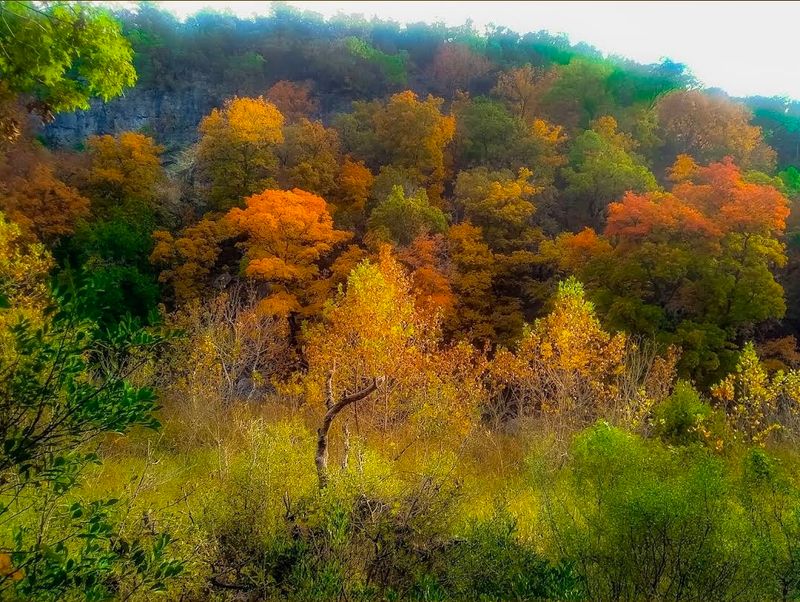
When Texans want to see fall colors without leaving the state, they head to Lost Maples, where bigtooth maples put on a show that rivals New England’s famous autumn displays. The leaves transform into brilliant reds, oranges, and yellows, usually peaking in late October or early November depending on weather patterns. Timing your visit right means joining crowds of leaf-peepers, but the spectacle is absolutely worth the company.
The park sits in the rugged Hill Country where limestone cliffs and spring-fed creeks create microclimates that allow these rare maples to thrive. Most of Texas is too hot and dry for maples, but the cool, moist canyons here provide just the right conditions. Hiking the East Trail takes you through the heart of maple groves, with the best colors typically found along the upper plateau.
Outside of fall, Lost Maples still deserves your attention with wildflower blooms in spring and comfortably cool temperatures in summer when the canyon shade offers relief. The Sabinal River runs clear and cold, perfect for wading on hot days. Wildlife viewing stays excellent year-round, with golden-cheeked warblers nesting here in spring and black-capped vireos sharing the habitat.
Primitive camping puts you right in the wilderness, though you’ll need to pack everything in and out. The park limits daily visitors during peak fall weekends to protect the fragile ecosystem, so arriving early or visiting on weekdays gives you better access. Reservations open months in advance and fill quickly for October and November dates.
Photography enthusiasts will find endless compositions as light filters through colored leaves and reflects off limestone outcroppings. The contrast between the maples’ vivid colors and the typical Texas landscape of cedar and live oak creates scenes that don’t look quite real. This isolated pocket of deciduous forest proves that Texas geography is far more diverse than stereotypes suggest, offering a genuine autumn experience in a state known for endless summers.
4. Angelina National Forest (Zavalla)
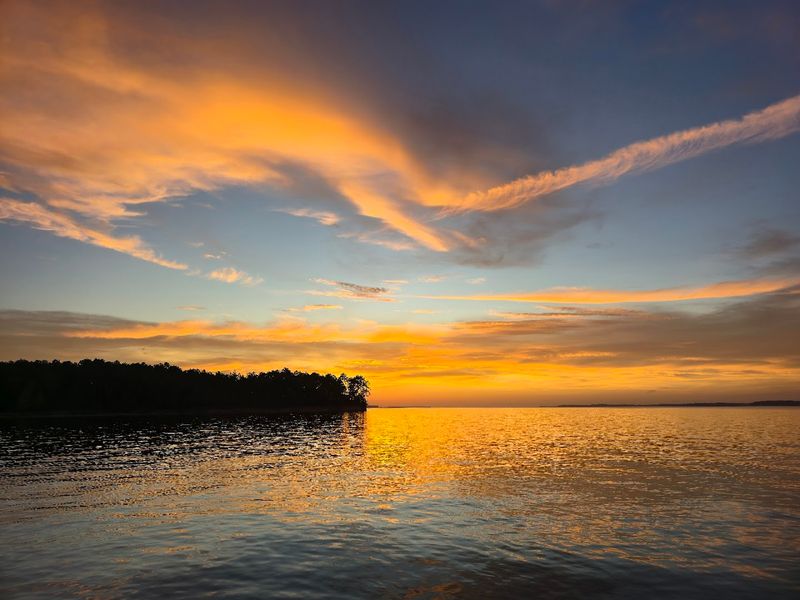
Anchored by the massive Sam Rayburn Reservoir, Angelina National Forest combines water recreation with deep woods exploration across 153,000 acres of East Texas wilderness. The reservoir’s 560 miles of shoreline create countless coves and inlets where forest meets water in perfect harmony. This is where serious anglers chase trophy bass while families find quiet swimming spots away from the crowds.
The Sawmill Hiking Trail offers 5.5 miles of moderate terrain through mixed pine and hardwood forest, showcasing the diversity that makes East Texas forests so special. Unlike the pure pine stands in some areas, Angelina’s ecosystem includes sweetgum, oak, and magnolia trees that add variety to every hike. Spring brings dogwood blooms that brighten the understory with white flowers.
Boykin Springs Recreation Area provides one of the most popular camping bases, with a spring-fed swimming pool that stays refreshingly cold even in August heat. The campground sits among towering pines that provide shade and privacy between sites. Nearby Bouton Lake offers paddling opportunities on calm water surrounded by forest, perfect for beginners or anyone seeking peaceful solitude.
Hunting seasons bring different crowds to the forest, with deer, hog, and turkey hunters utilizing the extensive acreage managed for wildlife. If you’re visiting during hunting season, wearing bright colors on trails is smart even in designated safe zones. The forest service maintains detailed maps showing which areas are open to hunting and when.
Sam Rayburn Reservoir’s reputation as one of Texas’s premier bass fishing destinations draws tournament anglers and weekend warriors alike. Crappie, catfish, and white bass also populate the waters, ensuring action for various fishing styles. Boat ramps dot the shoreline, though some require navigating forest roads that can get rough after heavy rains.
The combination of quality fishing, extensive hiking, and developed camping facilities makes Angelina a complete outdoor destination where you can easily spend a long weekend without running out of activities.
5. Tyler State Park (Tyler)
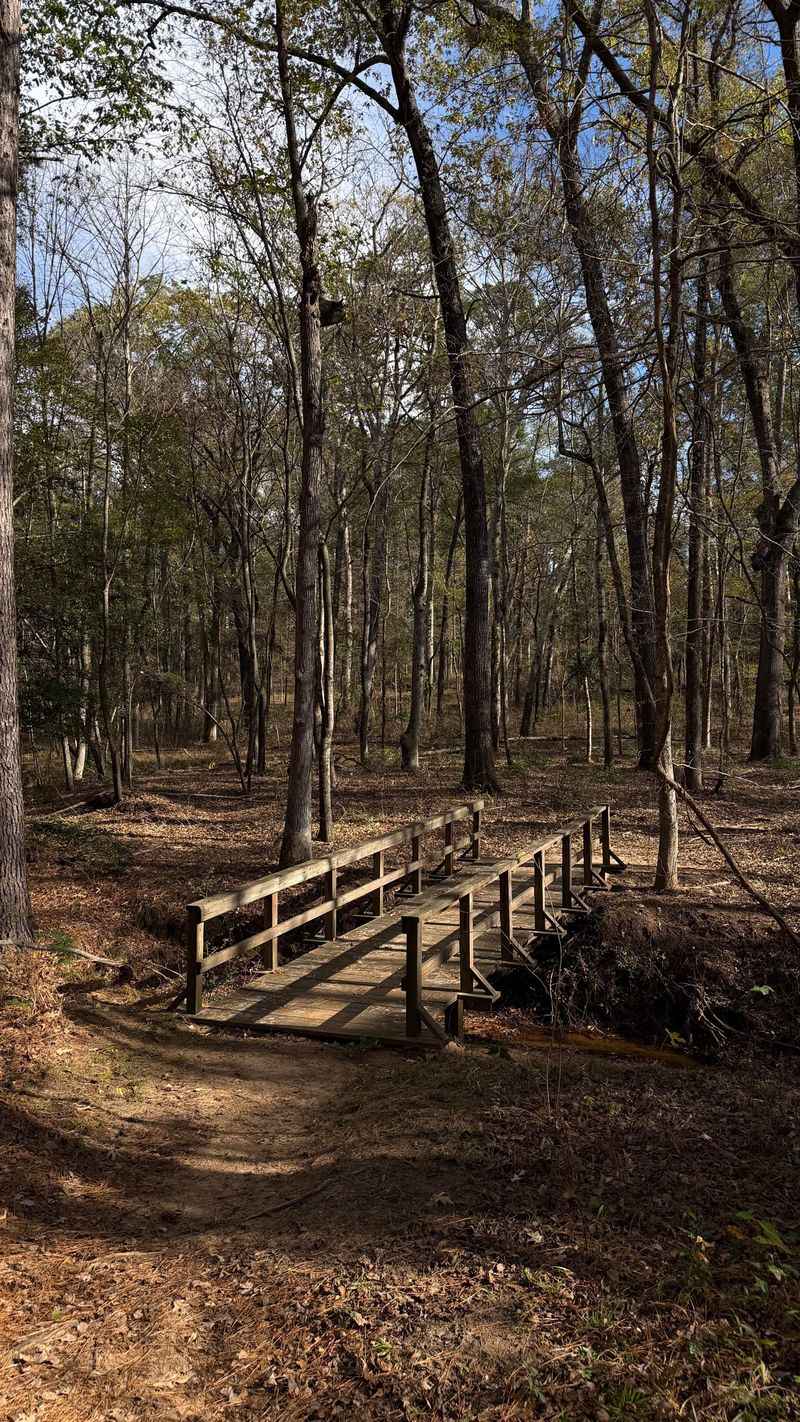
Just minutes from downtown Tyler, this 985-acre park wraps around a spring-fed lake that stays clear enough to see fish swimming below the surface. The contrast between the city’s rose gardens and the park’s wild forest creates an interesting duality—you can tour manicured flower beds in the morning and be hiking through untamed woods by afternoon. Local families treat this place like their backyard, returning weekend after weekend because it offers something different each season.
A 1.6-mile paved trail circles the lake, making it accessible for strollers, wheelchairs, and casual walkers who want scenery without serious exertion. For those seeking more challenge, unpaved trails branch into the forest where roots and rocks require attention. The variety means groups with different fitness levels can all find appropriate routes.
Swimming in the designated beach area feels refreshing on sweltering summer days when temperatures push past 95 degrees. The sandy bottom and gradual depth make it family-friendly, while the surrounding pines provide shaded spots for those who’ve had enough sun. Lifeguards are not provided, so swimming is at your own risk and supervision of children is essential.
Fishing from the pier or shoreline can yield bass, catfish, and sunfish, though the lake’s popularity means the fish see plenty of lures. Early morning and late evening offer the best chances when fewer people are around. A valid Texas fishing license is required for anyone over 17.
The park’s camping facilities include sites with water and electric hookups, perfect for RVs, plus screened shelters that keep mosquitoes out while letting breezes through. Reservations are strongly recommended for weekends, especially during spring and fall when weather is most pleasant. Some sites sit right on the water, offering sunrise views that make waking up early worthwhile.
Mountain bike trails add another dimension, with routes designed for intermediate riders who enjoy technical features without extreme difficulty. The trails stay well-maintained and clearly marked, reducing the chance of getting lost. Tyler State Park proves that you don’t need to drive hours into the wilderness to find a genuine forest escape—sometimes the best nature is hiding right next to civilization.
6. Garner State Park (Concan)
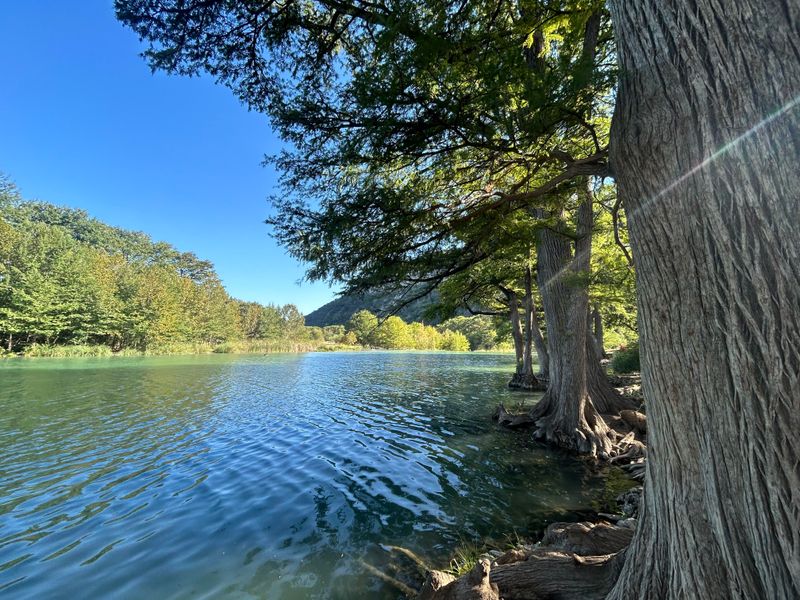
The Frio River runs cold and clear through Garner State Park, creating a Hill Country oasis that’s been a Texas summer tradition since the 1940s. Families return year after year, sometimes spanning three or four generations, to tube down the same gentle rapids their grandparents rode decades ago. The river’s cypress-lined banks and limestone bottom give it a turquoise tint that seems almost tropical against the surrounding oak and juniper forest.
Old Baldy, a limestone peak rising 1,100 feet above the valley floor, challenges hikers with a steep climb that rewards effort with panoramic views of the surrounding hills. The trail gains elevation quickly, so bring water and take breaks as needed. Sunset from the summit turns the landscape golden and purple, though you’ll want a flashlight for the descent.
Dancing under the stars at the park’s pavilion has been a quirky tradition since the park opened, with jukebox music and a concrete floor that’s seen countless boot scuffles. It might sound corny, but there’s something genuinely charming about this old-school entertainment. Summer weekends draw the biggest crowds, creating a festive atmosphere that feels like stepping back in time.
Camping here requires planning because sites book up months ahead for peak summer dates. Over 300 campsites spread across different areas, from riverside locations where you fall asleep to water sounds to hilltop spots with better breezes. RV sites include hookups, while tent campers can find more primitive options that feel deeper in the woods.
Hiking trails beyond Old Baldy explore the surrounding hills, with routes ranging from easy nature walks to more demanding treks through rocky terrain. Wildflowers blanket the hillsides in spring, especially after wet winters. Bluebonnets, Indian paintbrush, and winecups create colorful displays that peak in March and April.
The park’s popularity means it can feel crowded during peak times, but the forest and river absorb people surprisingly well. Visiting on weekdays or in shoulder seasons like September or May gives you more space to spread out. Garner represents classic Texas outdoor recreation—accessible, affordable, and beloved by generations of families who’ve made memories here.
7. Sabine National Forest (Hemphill)
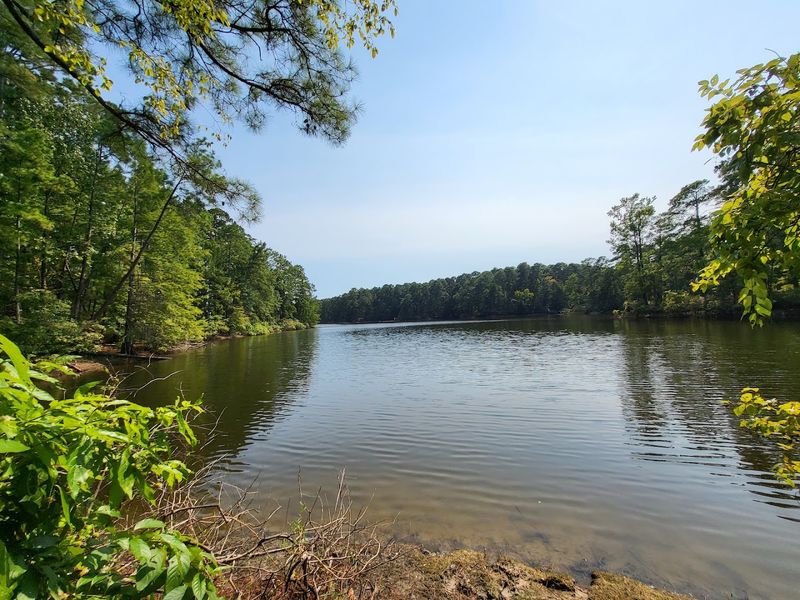
Bordering Louisiana along Toledo Bend Reservoir, Sabine National Forest feels more like the Deep South than typical Texas landscapes. Humidity hangs thick in summer, and the forest floor stays soft with decomposing leaves and pine needles that muffle your footsteps. This easternmost national forest in Texas covers 160,000 acres where you can genuinely lose yourself in the wilderness.
Toledo Bend Reservoir’s 1,200 miles of shoreline create endless opportunities for water-based recreation, from fishing to kayaking to simply finding a secluded cove for swimming. The reservoir is famous for producing trophy largemouth bass, with fish over 10 pounds caught regularly. Multiple boat ramps provide access, though some require navigating rough forest roads that test your vehicle’s clearance.
The Trail Between the Lakes connects Toledo Bend with Sam Rayburn Reservoir through 28 miles of backcountry hiking that few people attempt. Backpackers who tackle this route experience true solitude, camping at primitive sites and filtering water from creeks. The trail’s difficulty comes not from elevation—East Texas is relatively flat—but from distance, heat, and humidity that can sap energy quickly.
Indian Mounds Wilderness Area protects 12,000 acres of the forest’s wildest terrain, where prehistoric Native American ceremonial mounds add historical intrigue to natural beauty. Hiking here means navigating without developed trails, using map and compass skills that many modern hikers have forgotten. The wilderness designation prohibits motorized vehicles, creating genuine quiet that’s increasingly rare.
Birdwatching reaches its peak during spring migration when warblers, tanagers, and other neotropical migrants pass through on their way north. The forest’s position along the Mississippi Flyway makes it a crucial stopover point. Bring field guides because identifying the dozens of species can become addictive.
Camping options range from developed campgrounds with facilities to dispersed camping where you can set up anywhere that’s not specifically prohibited. The freedom to find your own spot appeals to adventurous campers who value privacy over amenities. Just remember to follow Leave No Trace principles and pack out everything you bring in, because this forest’s beauty depends on everyone treating it with respect.
8. Big Thicket National Preserve (Kountze)
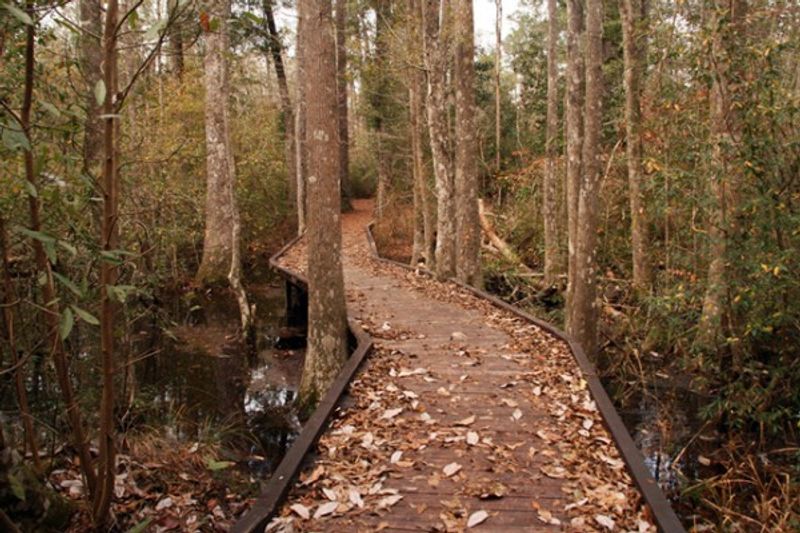
Called the “biological crossroads of North America,” Big Thicket contains an astounding variety of ecosystems packed into 113,000 acres where desert plants grow near swamp vegetation. You might spot a prickly pear cactus within walking distance of an orchid, or find arid sandylands transitioning into cypress sloughs within a single hike. This ecological diversity earned it recognition as an International Biosphere Reserve and makes every visit feel like exploring multiple states simultaneously.
Eight distinct ecosystems create habitats for over 1,000 plant species, more diversity than many entire states can claim. Carnivorous pitcher plants trap insects in bogs while palmetto fronds rustle in pine savannas nearby. The preserve’s scattered units spread across seven counties, each protecting different habitat types that require visiting multiple locations to fully appreciate the variety.
Hiking trails like the Kirby Nature Trail introduce visitors to the preserve’s complexity through a 2.4-mile loop with boardwalks over wetlands and paths through upland forest. Interpretive signs explain the ecology, though simply observing the dramatic changes in vegetation tells the story clearly. Longer trails like the Big Sandy Creek Trail offer more remote experiences for those seeking solitude.
Paddling the Neches River through the preserve provides a water-level perspective on the forest, with cypress knees rising from the current and turtles sunbathing on logs. Canoe rentals are available from local outfitters who can also arrange shuttles for one-way trips. Spring and fall offer the most comfortable paddling temperatures, though summer’s heat doesn’t stop dedicated paddlers.
Wildlife watching can yield surprises because the habitat diversity attracts species from multiple regions. Alligators bask in sloughs while roadrunners hunt in the sandylands, and black bears have even returned after decades of absence. The preserve’s lack of entrance fees and undeveloped nature means fewer crowds than national parks, giving wildlife more space to behave naturally.
Hunting is prohibited in the preserve, creating a refuge where animals act less skittish than in areas with hunting pressure. Photographers appreciate the opportunities this creates for capturing natural behavior. Big Thicket proves that Texas contains genuine wilderness that rivals more famous destinations, you just need to know where to look.
9. Davy Crockett National Forest (Crockett/Lufkin)
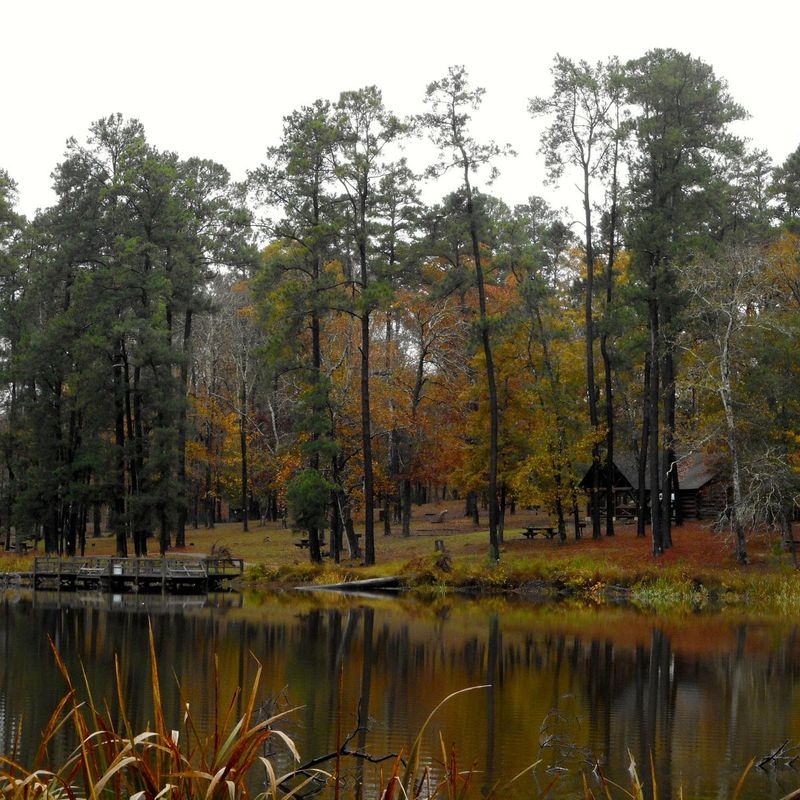
Named after the legendary frontiersman who passed through this region, Davy Crockett National Forest spans 161,000 acres of East Texas pine country that remains remarkably wild despite being within two hours of Houston. The Neches River flows through the forest’s heart, creating a ribbon of water-based recreation that contrasts beautifully with the surrounding upland pine forest. This is the smallest of Texas’s four national forests, but size doesn’t diminish its ability to provide genuine wilderness experiences.
The 20-mile Four C National Recreation Trail challenges day hikers and backpackers with terrain that’s more varied than East Texas’s reputation for flatness might suggest. Rolling hills, creek crossings, and changes between pine forest and hardwood bottoms keep the scenery interesting throughout. Primitive campsites along the trail let backpackers break the journey into manageable sections.
Ratcliff Lake Recreation Area serves as the forest’s most developed facility, offering swimming, camping, and easy hiking around a 45-acre lake. The campground provides a comfortable base for exploring the wider forest while still having amenities like showers and flush toilets. A sandy beach and bathhouse make it popular with families during summer months.
Fishing enthusiasts can chase bass and catfish in the Neches River or try their luck in smaller creeks and ponds scattered throughout the forest. The moving water of the Neches stays cooler and often produces better results than still ponds during hot months. Access points along Forest Service roads let you find spots away from the main recreation areas.
Fall brings hunters pursuing deer, hog, and turkey, transforming the quiet forest into a busier place where blaze orange becomes the dominant color. If you’re hiking during hunting season, wearing bright colors and staying on main trails reduces any risk. The forest service provides detailed maps showing hunting zones and seasons.
Birdwatchers should focus on bottomland hardwoods along creeks where species diversity peaks. Red-headed woodpeckers, prothonotary warblers, and barred owls all make these forests home. The variety of habitats within the forest creates opportunities to see different species by simply moving between ecosystem types.
Davy Crockett may lack the name recognition of bigger national forests, but it delivers the same quality wilderness experience without the crowds.
10. Bastrop State Park (Bastrop)
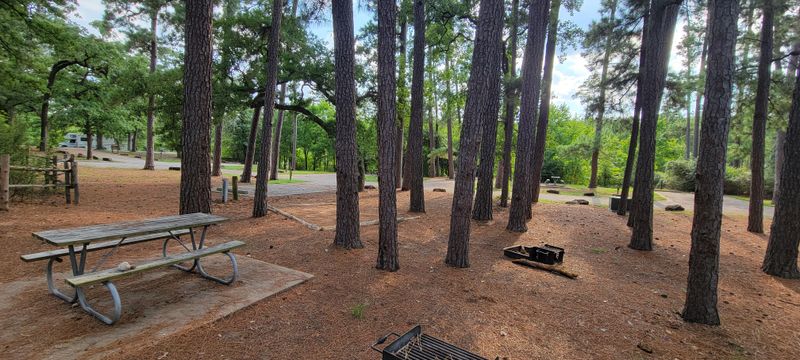
An isolated island of loblolly pines growing 100 miles west of the main East Texas piney woods, Bastrop’s “Lost Pines” forest creates a landscape anomaly that scientists still debate. These pines shouldn’t exist here according to normal distribution patterns, yet they’ve thrived for thousands of years in sandy soil that holds just enough moisture. The 2011 wildfire burned through much of the park, but recovery has been remarkable, with young pines growing thick and wildlife returning in force.
The park’s 13 miles of hiking and biking trails wind through recovering forest where you can see nature’s resilience firsthand. Burned snags stand among vigorous new growth, creating a mix of destruction and renewal that’s both sobering and hopeful. The Scenic Overlook Trail climbs to views across the forest canopy where you can gauge recovery progress from above.
Camping options include everything from tent sites to cabins built by the Civilian Conservation Corps in the 1930s. These stone and timber structures represent Depression-era craftsmanship and have been carefully maintained to preserve their historic character while adding modern plumbing. Staying in a CCC cabin connects you to the park’s human history while surrounding you with natural beauty.
An 18-hole golf course seems incongruous in a state park, but Bastrop’s course has been here since 1940 and offers a unique way to experience the forest. Playing through the pines provides a different perspective than hiking, though purists might prefer keeping their park visits non-recreational. The course stays challenging with narrow fairways where errant shots disappear into forest.
Swimming in the park pool offers relief from Texas heat without the concerns of lake or river swimming. The pool complex includes bathhouses and shaded areas for relaxing between dips. It’s typically open Memorial Day through Labor Day, though exact dates depend on weather and staffing.
The park’s proximity to Austin makes it a popular weekend escape for city dwellers craving nature without long drives. This accessibility means weekends can get crowded, especially during pleasant spring and fall weather. Visiting on weekdays or making reservations well in advance helps ensure you get the experience you’re seeking.
The Lost Pines remain one of Texas’s most distinctive forest ecosystems, proving that nature doesn’t always follow the rules we expect.
Share this story