The cast iron skillet in many Southern kitchens may trace back to a small Tennessee town that started making cookware in 1896. That company still pours iron there today. I love that a holiday pan can carry that much history.
Flour has a local story too. A beloved soft wheat flour for biscuits got its start in a Tennessee mill back in 1883. Bakers still chase that tender, fluffy result each holiday season.
So the side dishes on a Tennessee table aren’t random extras. They come with roots, family rules, and strong opinions about who makes them best. The turkey may be the main event, but it often gets upstaged.
I can’t imagine a holiday plate without a big scoop of dressing. Which of these sides already owns a spot at your table, and which one should join it?
1. Cornbread Dressing
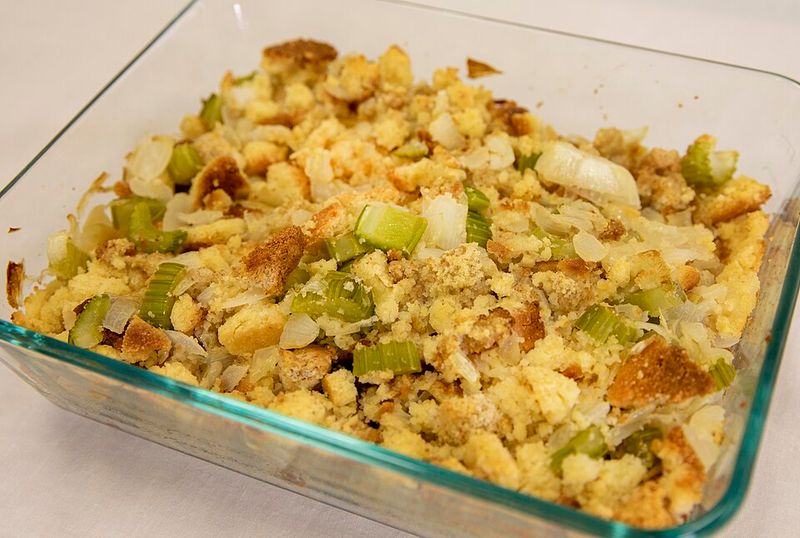
Call it stuffing in the South and someone may gently correct you. Down here, it’s dressing, and it usually starts with a skillet of cornbread.
The idea is simple. You bake cornbread a day or two early, crumble it, and let it dry out a bit.
Dry cornbread soaks up broth better. Fresh cornbread can turn into mush, and nobody wants a soggy holiday.
Most cooks add sautéed onion and celery for crunch and flavor. Sage is the classic herb, and a little thyme never hurts.
Some families mix in a few torn biscuits or slices of white bread. That small trick gives the dressing a softer, more tender middle.
Broth is the next big decision. Chicken or turkey broth works well, and beaten eggs help hold the whole pan together.
Aim for a mixture that looks wet but not soupy. Think of thick oatmeal, and you’re in the right zone.
Here’s where Tennessee pride sneaks in. Lodge Cast Iron, founded in 1896, still makes its skillets in South Pittsburg, Tennessee.
A cast iron skillet gives the edges a crisp, golden crust. Those crispy edge pieces tend to disappear first, so guard them carefully.
Bake the dressing until the top is browned and the center is set. Around 350 degrees for 45 minutes to an hour is a common range.
Want to save time on the big day? You can assemble the dressing the night before and keep it chilled until baking.
Let it sit on the counter a bit before it goes in the oven. A cold pan straight from the fridge will need extra cooking time.
Leftovers are a quiet bonus. Press cold dressing into patties, fry them in a little butter, and top each one with a fried egg.
Some cooks call that the best breakfast of the whole long weekend. You might find yourself agreeing by Friday morning.
2. Baked Macaroni and Cheese
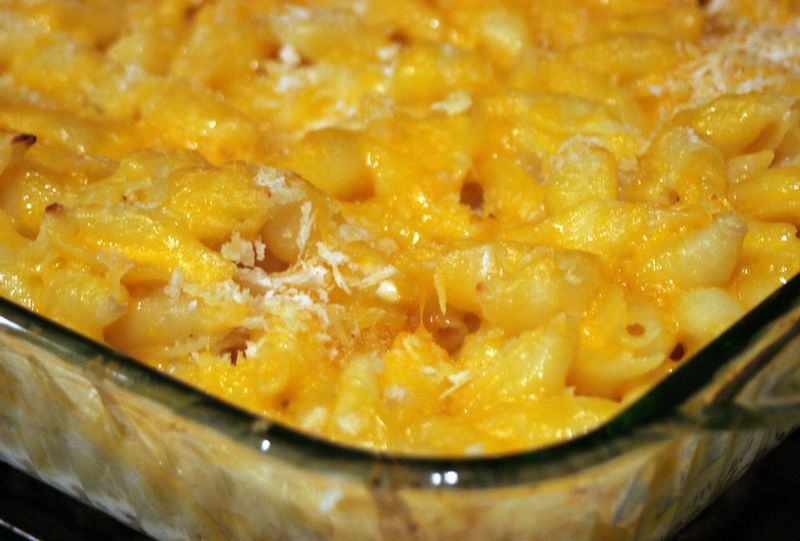
In plenty of Southern homes, mac and cheese counts as a vegetable on holiday plates. Nobody argues, because they’re too busy going back for seconds.
The baked version is a whole different animal from the boxed kind. It’s firm enough to cut into squares and rich enough to make you pause mid-bite.
Start with sharp cheddar, and grate it yourself. Pre-shredded cheese often has coatings that keep it from melting smoothly.
Many cooks mix cheeses for extra flavor. Colby, Monterey Jack, or a little Gouda can join the cheddar for a deeper taste.
Cook the pasta just short of done. It keeps cooking in the oven, so slightly firm noodles end up perfectly tender.
Southern cooks split into two camps on the sauce. Some make a creamy white sauce first, while others use an egg and milk custard.
The custard style bakes up sturdy and sliceable. The white sauce style stays creamier and a bit looser on the spoon.
Evaporated milk is a popular secret in both camps. It adds richness and helps the cheese stay smooth instead of grainy.
A pinch of dry mustard and a dash of paprika wake up the flavor. You won’t taste mustard, but you’d miss it if it were gone.
Save some cheese for the top. That layer melts into a golden crust with crispy, slightly browned edges.
Let the dish rest for about ten minutes after baking. Cutting too soon turns neat squares into a cheesy landslide.
Planning for a crowd? Bake it in a large, shallow pan so more people get a share of those crunchy corners.
Kids usually head straight for this dish, and plenty of grown-ups do too. Make more than you think you need.
Leftovers reheat best in the oven with a splash of milk. The microwave works in a pinch, but it can make the cheese a little oily.
3. Sweet Potato Casserole
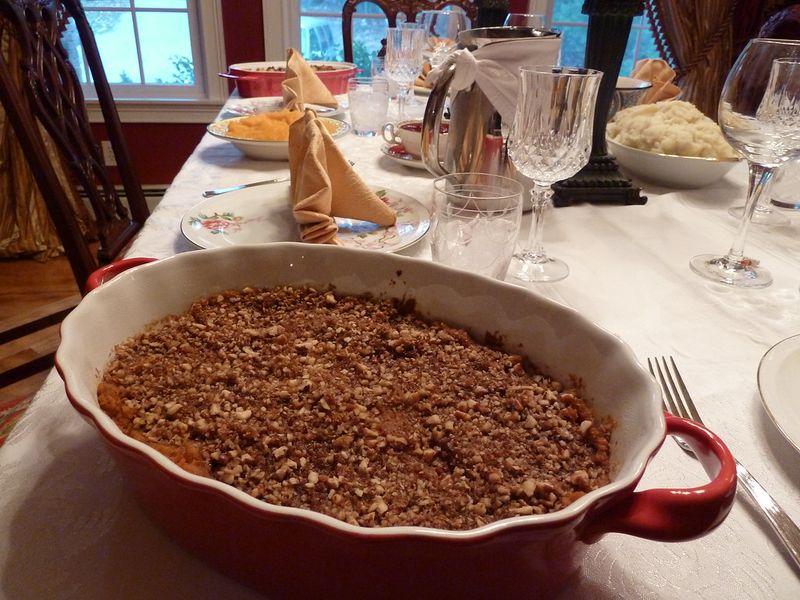
Few side dishes start a family debate faster than this one. Marshmallows or pecans? Pick a side and prepare to defend it.
Underneath the topping, the base stays pretty simple. Mashed sweet potatoes get mixed with butter, sugar, eggs, milk, and a splash of vanilla.
Roasting the potatoes instead of boiling them is a smart move. Roasting brings out natural sweetness and keeps the mash from turning watery.
Just poke a few holes in each potato and bake until soft. The skins peel off easily once they cool a bit.
Cinnamon and nutmeg add that classic holiday smell. A tiny pinch of salt keeps the sweetness from going overboard.
Now for the great topping showdown. Team marshmallow loves those puffy, toasted, gooey bites on top. Team pecan prefers a crunchy streusel made from brown sugar, butter, flour, and chopped pecans.
It bakes into something close to a praline crust.
Can’t choose? Put marshmallows on one half and pecans on the other, and let the table vote.
Watch marshmallows closely during the final minutes. They go from golden to scorched in what feels like a single blink.
You can make the base a day early and keep it in the fridge. Add the topping right before baking so it stays crisp.
Some people say this dish tastes like dessert. They’re not wrong, and that’s exactly why it vanishes so quickly.
Got leftovers? Spread some on toast in the morning, and thank yourself later.
4. Collard Greens
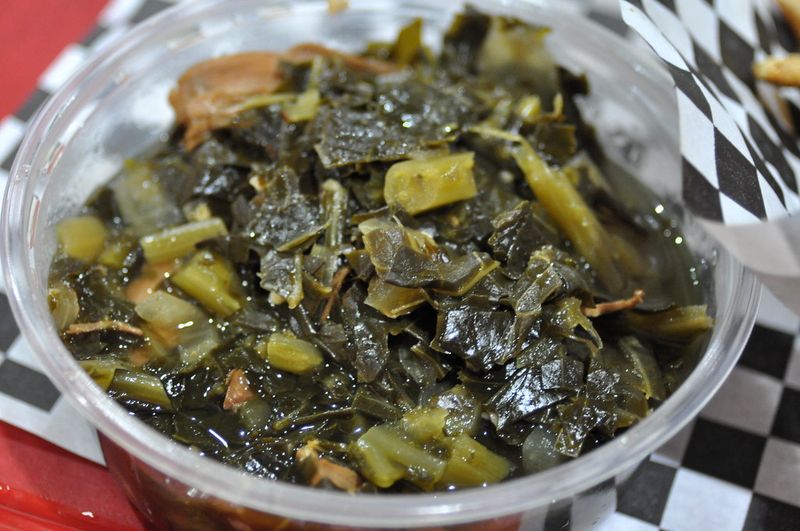
A pot of collards might be the most patient dish on the holiday menu. Rush them, and they’ll stay tough and bitter just to spite you.
Washing comes first, and it matters. Fill a sink with cold water, swish the leaves around, and repeat until no grit settles at the bottom.
Next, strip out the thick center stems. Stack the leaves, roll them up like a cigar, and slice them into ribbons.
Smoked meat gives collards their deep, savory backbone. Ham hocks are the traditional pick, while smoked turkey wings or necks work great too.
Simmer the meat in water or broth for a while before adding the greens. That step builds a flavorful broth to cook them in.
Toss in chopped onion and garlic for extra depth. A pinch of red pepper flakes adds gentle heat without stealing the show.
Plan on at least an hour of simmering, and sometimes more. You want leaves that are silky and tender, not chewy.
The broth left in the pot has a name: pot likker. Southern cooks have treasured it for generations, and it’s great for dunking cornbread.
A splash of vinegar near the end brightens the flavor. Many families also keep a bottle of pepper vinegar on the table for extra zing.
Collards shrink a lot as they cook. A huge mound of raw leaves can turn into a surprisingly modest bowl.
Buy more than looks reasonable at the store. Two big bunches might only feed four people once cooked down.
Here’s a time saver: greens taste even better the next day. Cook them a day early, then gently reheat before dinner.
Across Tennessee and the wider South, collards also show up on New Year’s Day for luck. Holiday leftovers can give you a head start.
5. Green Bean Casserole
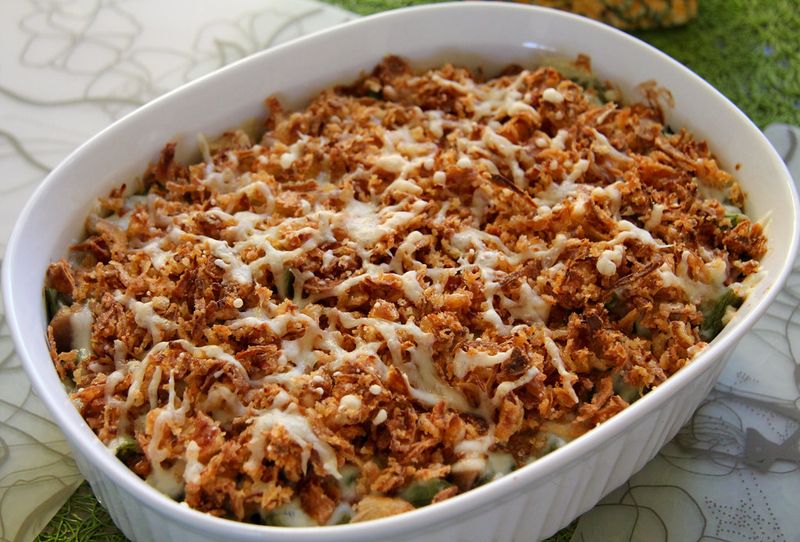
Some family traditions come from great-grandma’s recipe box. This one came from a test kitchen in New Jersey.
Dorcas Reilly created the dish in 1955 while working for Campbell’s. Her goal was a quick recipe using things people already kept in the pantry.
The original version called for green beans, cream of mushroom soup, milk, soy sauce, pepper, and crispy fried onions. It caught on fast and never really left.
Her handwritten recipe card is now part of the National Inventors Hall of Fame collection. Not bad for a casserole.
You can stick with the classic, and nobody will complain. Still, a few easy upgrades can make it taste even better.
Fresh green beans add a nice snap. Blanch them in boiling water for a few minutes, then dunk them in ice water to keep them bright.
Want to go from scratch on the sauce? Sauté sliced mushrooms in butter, stir in flour, and slowly add broth and cream.
Homemade sauce tastes earthier and less salty. Canned soup still works perfectly fine on a busy holiday, though.
The fried onions are the star of the show. Many cooks mix some into the casserole and save a big handful for the top.
Add the top layer during the last few minutes of baking. Too long in the oven, and those onions turn from golden to burnt.
A little shredded cheddar on top is a popular twist. Some Southern cooks also stir in crumbled bacon for extra smoky flavor.
Assemble the casserole the night before, minus the onion topping. That frees up precious time when the oven gets crowded.
Somehow, this humble dish feels both old-fashioned and fun. Snag a spoonful early, since the crunchy bits rarely last long.
6. Deviled Eggs
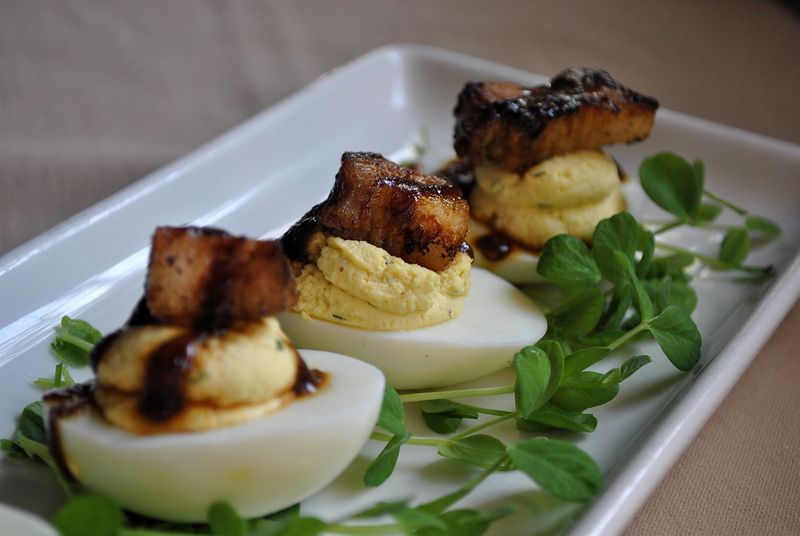
Plenty of Southern families own a special plate made for one job: holding deviled eggs. That tells you how seriously folks take them.
Deviled eggs fill a clever role on the holiday table. They’re easy to grab while the turkey rests and everyone hovers around the kitchen.
Perfect eggs start with good boiling. Place eggs in cold water, bring it to a boil, then cover and let them sit off the heat for about 12 minutes.
Move them straight into ice water afterward. That quick chill stops the cooking and helps prevent the gray-green ring around the yolk.
Here’s a peeling tip that saves frustration. Slightly older eggs usually peel more easily than very fresh ones.
Once peeled, slice them in half and pop out the yolks. Mash the yolks with a fork until no lumps remain.
Mayonnaise brings the creaminess. In the South, Duke’s mayo has a loyal following, and many cooks won’t use anything else. Yellow mustard adds tang.
Sweet pickle relish is a classic Southern addition, though some folks prefer dill.
A splash of pickle juice or vinegar brightens the filling. Season with salt and pepper, then taste and adjust.
For a neat look, spoon the filling into a zip-top bag and snip off a corner. Pipe it right into the egg whites.
Paprika on top is tradition. Smoked paprika, chopped chives, or a tiny piece of crispy bacon can dress them up.
You can make the filling a day early. Keep the whites and filling separate in the fridge, then assemble a few hours before eating.
Count on at least two halves per guest. Three is safer, honestly.
7. Squash Casserole
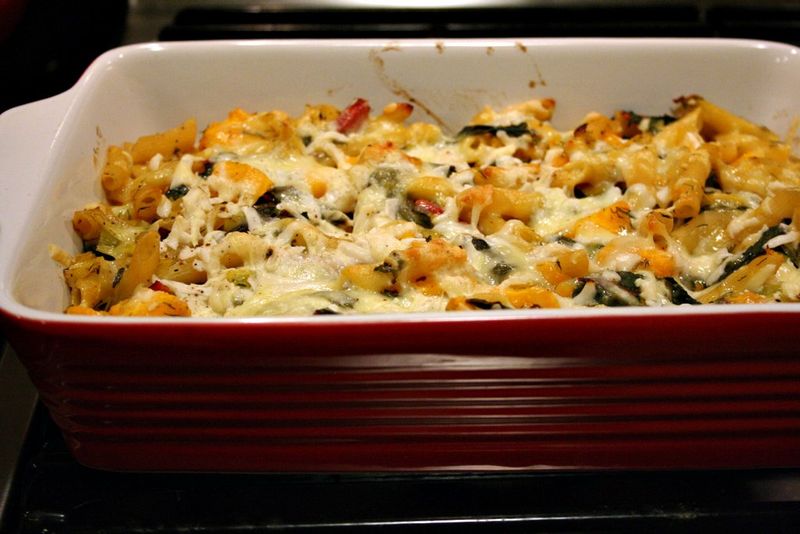
Yellow squash gets a glow-up in this dish, and honestly, it earned it. Cheese, butter, and crackers turn a simple summer vegetable into holiday royalty.
Squash casserole shows up at church potlucks, family reunions, and holiday dinners across the South. It’s cozy food without being heavy food, which makes it a smart balance on a busy plate.
Start by slicing yellow squash and a sweet onion. Simmer them in a little salted water until tender.
Draining is the step people skip, and then regret. Squash holds a lot of water, so press out as much liquid as possible.
Some cooks squeeze the cooked squash in a clean kitchen towel. It sounds fussy, but it keeps the casserole from turning soupy.
Next, mix the squash with beaten eggs, shredded cheddar, and a bit of sour cream or mayo. Salt and pepper bring it together.
The topping is where the magic happens. Crushed butter crackers mixed with melted butter bake into a golden, crunchy lid.
Some families swap crackers for crushed cornflakes or breadcrumbs. Each choice gives a slightly different crunch.
Bake until the edges bubble and the top turns golden brown. Around 30 minutes at 350 degrees usually does the trick.
Want a little kick? Add a few diced green chiles or a pinch of cayenne to the filling.
Got picky eaters at the table? This dish often wins over kids who claim they won’t touch vegetables.
Out of season, squash can be harder to find fresh in November. Frozen sliced yellow squash works well, as long as you drain it thoroughly.
You can mix the filling a day ahead and refrigerate it. Add the buttery topping right before baking for the best crunch.
Leftovers reheat nicely in the oven. They might even taste better on day two.
8. Corn Pudding
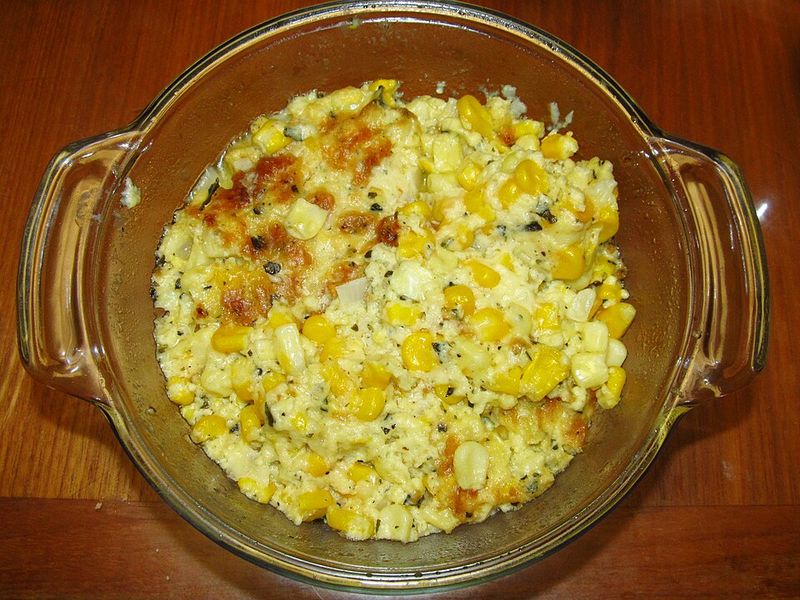
Corn pudding lives somewhere between cornbread and custard. It’s soft, golden, a little sweet, and very hard to stop eating.
Southern cooks have baked versions of this dish for generations. Old cookbooks from Virginia and Kentucky include recipes going back to the 1800s.
The basic formula is friendly to beginners. You need corn, eggs, milk or cream, butter, a little sugar, and a spoonful of flour or cornmeal.
Many home cooks use a mix of whole kernels and creamed corn. The kernels add little pops of texture, while creamed corn makes it smooth.
Fresh corn tastes amazing if you can find it. Frozen corn is a solid holiday choice and saves a lot of shucking.
Whisk the eggs well before adding the rest. That helps the pudding bake into an even, silky custard.
Sugar levels spark debate here too. Some families like it sweet enough to pass for dessert, while others keep it barely sweet.
Start with a small amount of sugar and adjust it to your preference before adding the raw eggs. Avoid tasting the uncooked pudding mixture.
Bake until the center is just set and jiggles slightly. Overbaking can make the texture rubbery instead of creamy.
Setting the dish in a larger pan of hot water helps it cook gently. That old trick is called a water bath.
Want a savory twist? Stir in shredded cheddar, chopped green onions, or a few diced jalapeños.
Corn has a special place in Tennessee kitchens, from cornbread to grits. This pudding fits right in with that tradition. It pairs especially well with salty country ham or smoky turkey.
The sweet and salty combo just works.
Leftovers keep in the fridge for a few days. A quick warm-up in the oven brings back that soft, spoonable texture.
9. Buttermilk Biscuits
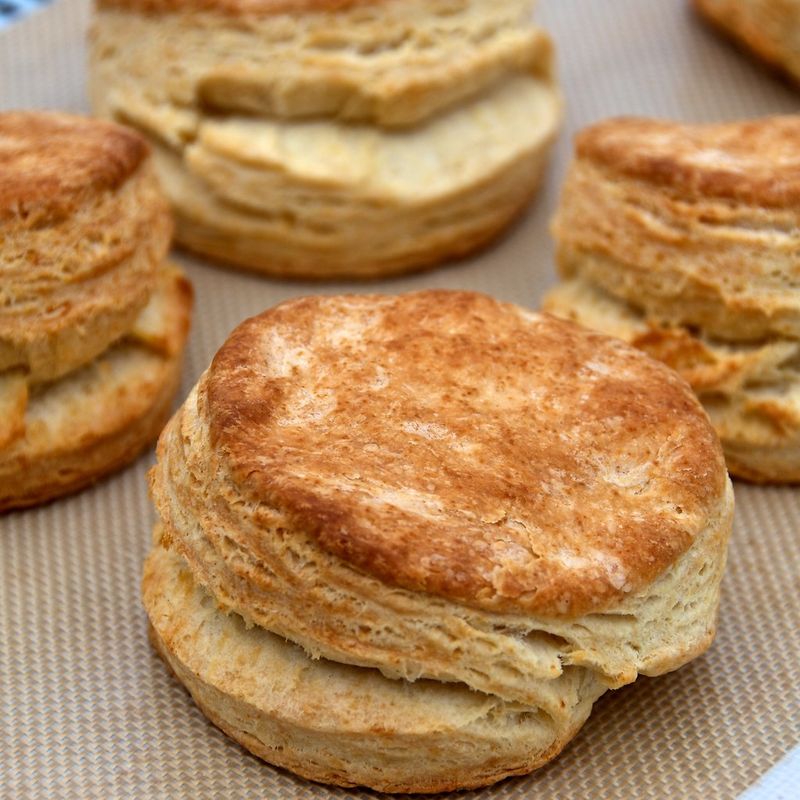
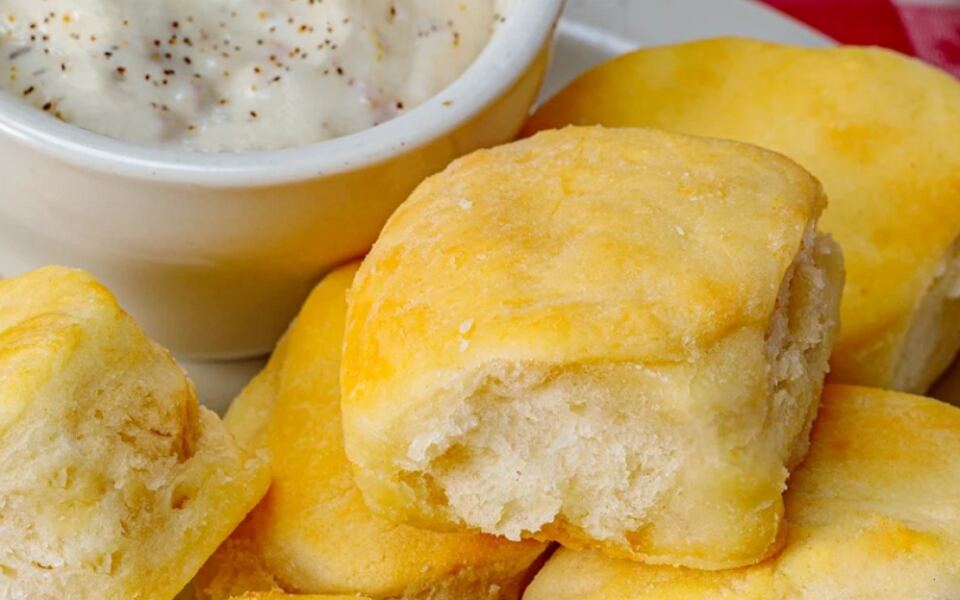
Tennessee has deep flour roots, and biscuits prove it. White Lily flour, famous among biscuit bakers, started at a Knoxville mill in 1883.
The flour is known for being made from soft winter wheat. That lower protein level helps biscuits stay tender and fluffy instead of tough.
Cold ingredients are the golden rule. Keep your butter and buttermilk chilled until the moment you need them.
Cut the butter into the flour until it looks like coarse crumbs. Some bakers grate frozen butter for an easy shortcut.
Why does cold butter matter so much? As it melts in a hot oven, it releases steam and creates those flaky layers.
Buttermilk adds tang and helps the dough rise. It reacts with baking soda to give biscuits a lighter lift.
Mix the dough just until it comes together. Too much stirring makes biscuits dense and chewy.
Fold the dough over itself a few times for extra layers. Pat it out gently instead of rolling it hard.
When you cut biscuits, press straight down without twisting. Twisting seals the edges and keeps them from rising tall.
Place biscuits so they touch on the pan. Snuggled together, they rise higher and stay softer on the sides.
A very hot oven works best, often around 450 degrees. Brush the tops with melted butter when they come out.
Biscuits might seem like a breakfast food, but they shine at Thanksgiving. They’re perfect for mopping up gravy or building a mini turkey sandwich.
Serve them with butter, honey, or sorghum syrup for a true Southern touch. Each option feels like a small treat.
Short on oven space? Bake them right before dinner while the turkey rests. Hot biscuits beat reheated ones every single time.
10. Southern Fried Apples
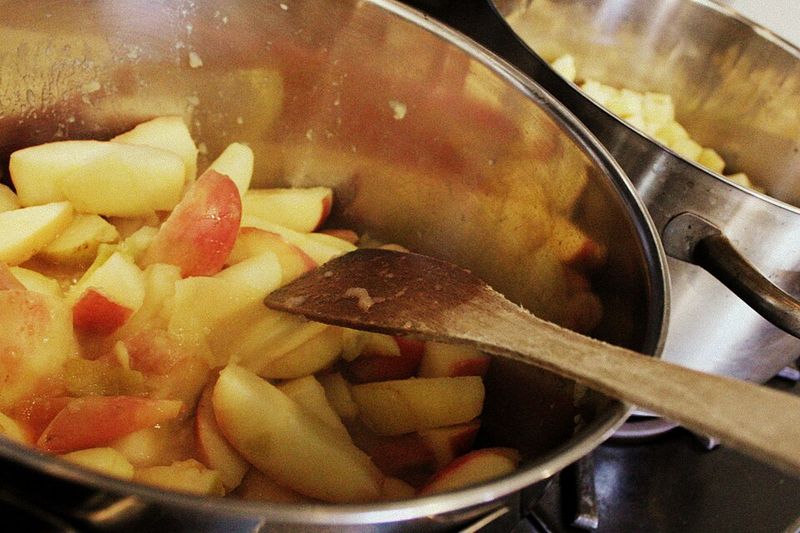
Apples in a skillet with butter and cinnamon sound like dessert. In the South, they happily share the plate with turkey and ham.
Fried apples are a classic side across the region, especially in Appalachian kitchens. East Tennessee families have long served them with pork, biscuits, and holiday meals.
Despite the name, nothing gets deep fried here. The apples cook in a skillet with butter until soft and glossy.
Choosing the right apple makes a big difference. Firm varieties like Granny Smith, Honeycrisp, or Braeburn hold their shape well.
Softer apples can turn to applesauce in the pan. That’s tasty too, but it’s not quite the goal.
Slice the apples into wedges about a half-inch thick. Leaving the peels on adds color and a little extra texture.
Melt butter in a skillet over medium heat. A cast iron pan works beautifully if you have one.
Add the apples, then sprinkle in brown sugar, cinnamon, and a pinch of nutmeg. Stir gently so the slices stay in one piece.
Cover the pan for a few minutes to help the apples soften. Then uncover so the juices thicken into a light syrup. A splash of lemon juice keeps the flavor bright.
A pinch of salt balances the sweetness nicely.
Want a thicker sauce? Stir a little cornstarch into water and add it near the end.
Fried apples cut through rich foods like dressing and gravy. That sweet-tart bite resets your taste buds between heavier bites.
They also make a great job for a younger helper. Slicing with supervision and stirring are easy, fun kitchen tasks.
Leftovers shine the next morning on pancakes, oatmeal, or a warm biscuit. Some folks even spoon them over vanilla ice cream for a sneaky late-night snack.
Share this story