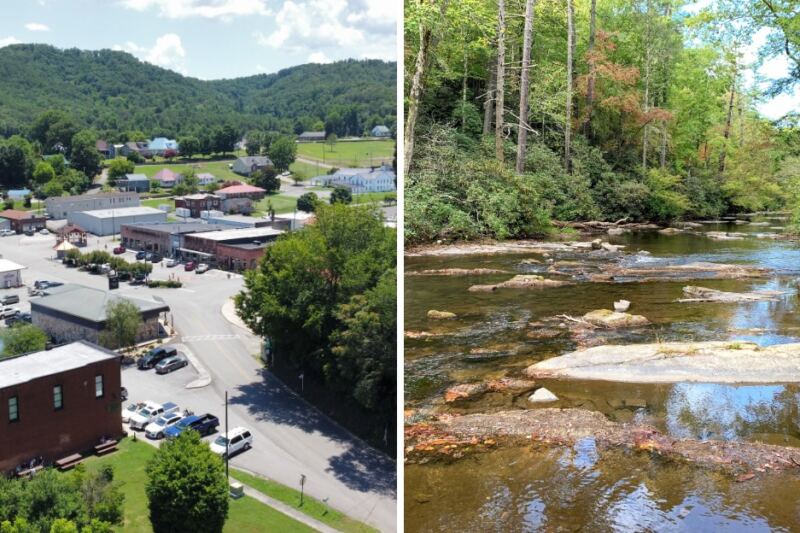
Tennessee sits hundreds of miles from any ocean, yet it delivers some of the most memorable water experiences in the South. From rushing whitewater rivers to serene cypress swamps, the state’s aquatic playgrounds rival anything you’d find on a coastline.
Whether you’re craving up-close encounters with marine life, adrenaline-pumping rapids, or peaceful paddling through misty wetlands, Tennessee has you covered without the saltwater.
1. Tennessee Aquarium — Chattanooga
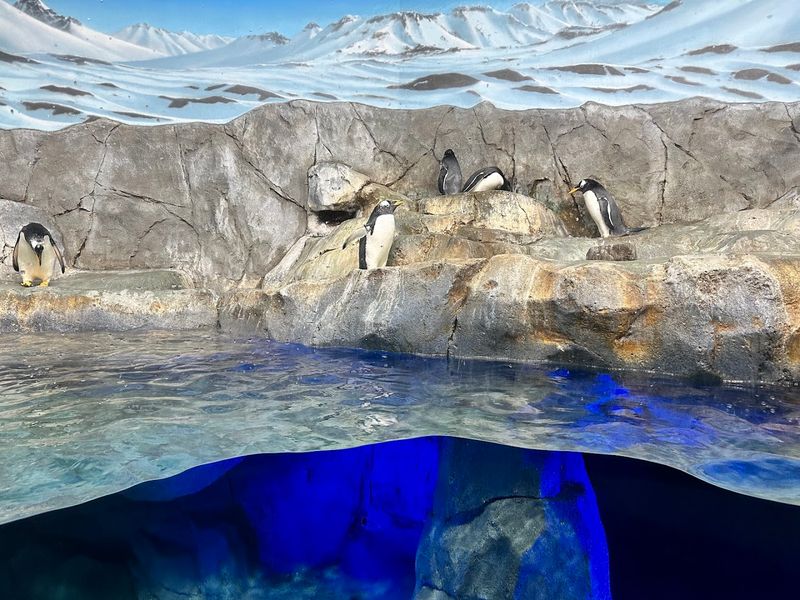
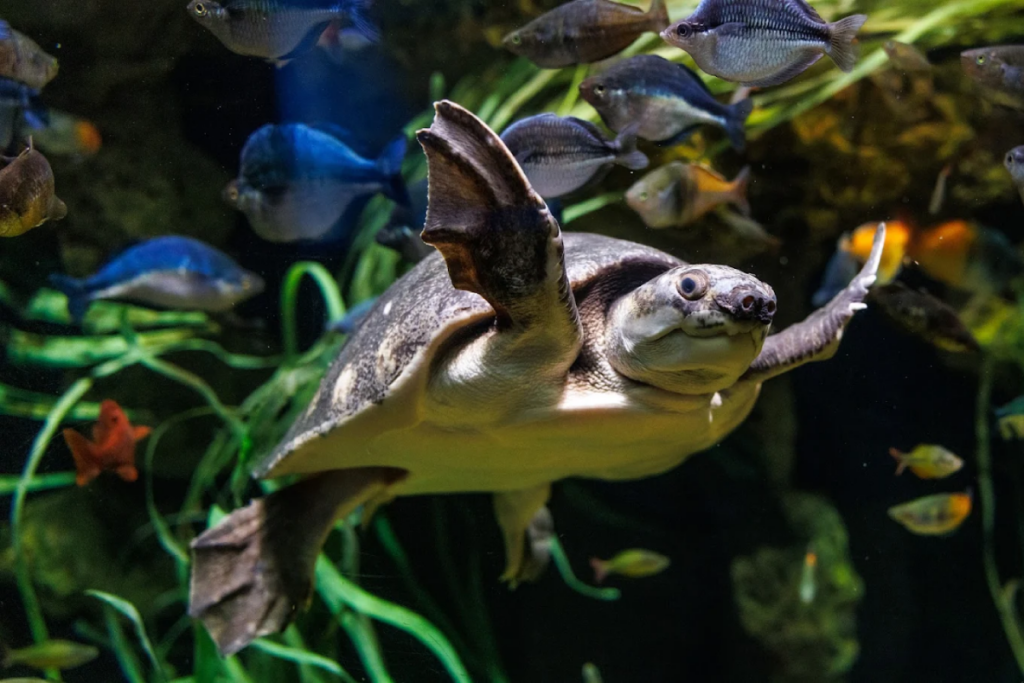
Perched right on the banks of the Tennessee River, this aquarium brings the underwater world to life in ways that feel both grand and surprisingly intimate. You’ll wander through exhibits showcasing river otters, alligators, stingrays, and even penguins—all while staying just steps from the actual river that inspired it. The layout takes you from Appalachian streams down to tropical oceans, making it feel like a journey rather than just a building full of tanks.
More than 10,000 animals call this place home, representing species from every corner of the aquatic world. One moment you’re watching massive paddlefish glide through murky water, and the next you’re face-to-face with a butterfly ray. The ocean exhibit brings sharks, sea turtles, and vibrant reef fish into the mix, proving you don’t need a beach vacation to see marine life up close.
Families appreciate the interactive touch tanks and the IMAX theater, which add another layer of adventure to the visit. Kids can feel the smooth skin of a stingray or watch divers feed fish from inside the tanks. The staff knows their stuff and happily shares stories about the animals, making each visit feel educational without being boring.
What sets this aquarium apart is its focus on freshwater ecosystems alongside ocean habitats. You’ll gain a deeper appreciation for Tennessee’s own rivers and the creatures living in them. It’s a reminder that incredible aquatic life exists right in your backyard, not just in faraway seas.
Located in downtown Chattanooga, the aquarium pairs perfectly with riverfront walks, restaurants, and other attractions. You could easily spend half a day here and still want to come back. It’s proof that landlocked states can deliver world-class aquatic experiences without a single grain of sand.
2. Ripley’s Aquarium of the Smokies — Gatlinburg
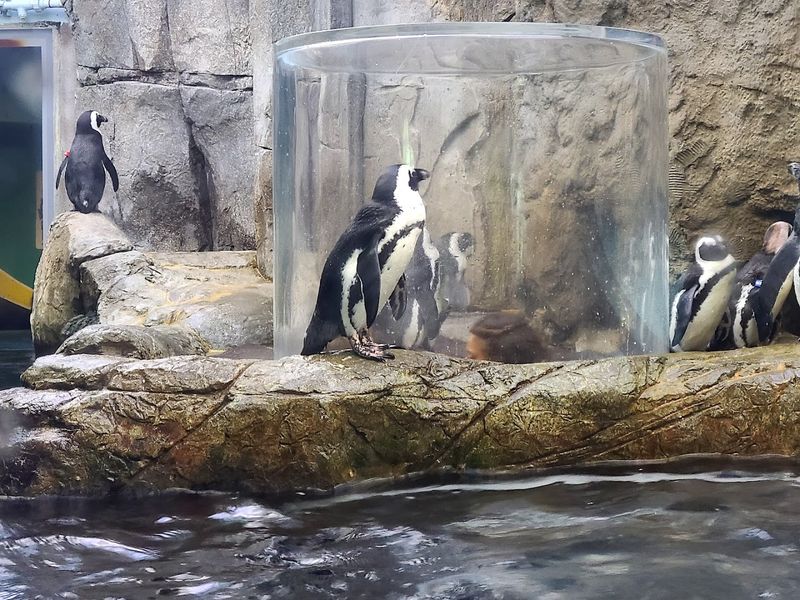
Tucked in the heart of Gatlinburg, this aquarium delivers serious wow factor with its underwater tunnel that lets you walk beneath sharks, rays, and massive fish. The tunnel stretches overhead, creating the sensation of being submerged without getting wet. Watching a sand tiger shark cruise past just inches above your head is an experience that sticks with you long after you leave.
Beyond the tunnel, the exhibits span everything from tropical reefs to penguin habitats. You’ll encounter playful otters, glowing jellyfish, and colorful reef fish that look like they belong in a painting. The penguin playhouse is a crowd favorite, where these tuxedoed birds waddle, swim, and interact with visitors through thick glass.
Interactive touch pools give you the chance to gently stroke horseshoe crabs, sea stars, and even small sharks. Staff members stand by to answer questions and share fascinating facts about each creature. These hands-on moments make the visit feel personal and memorable, especially for younger visitors who light up at the chance to touch a living animal.
The aquarium’s design keeps things flowing smoothly, even on busy days. You’ll move through different zones at your own pace, spending extra time wherever something catches your eye. Low lighting and carefully designed exhibits create an immersive atmosphere that feels more like exploration than sightseeing.
Located on the main strip in Gatlinburg, it’s an easy stop before or after hitting the mountain trails. The contrast between the Smokies’ forested peaks and this underwater world makes for a unique vacation combo. You don’t need to choose between mountains and marine life—Gatlinburg lets you have both in the same day.
3. Ocoee River Whitewater Rafting — Benton
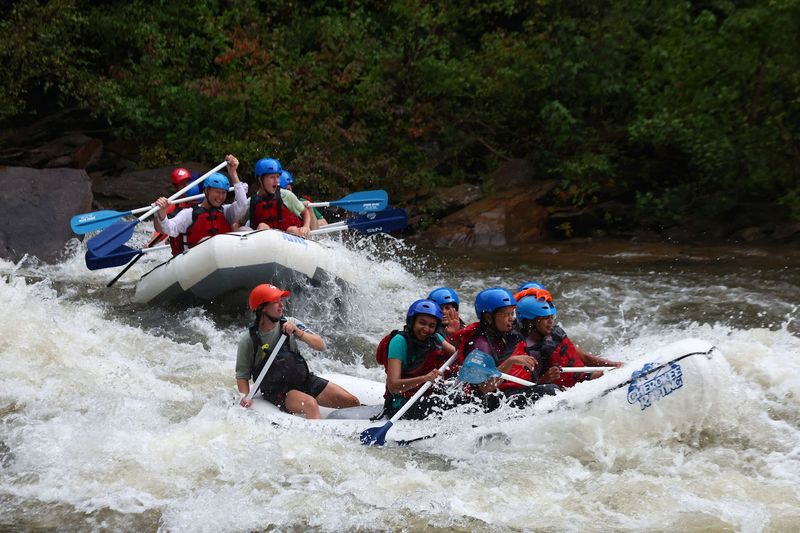
If you’re looking for heart-pounding action on the water, the Ocoee River delivers in spades. This river gained worldwide fame when it hosted the 1996 Olympic whitewater events, and its rapids haven’t calmed down since. Crystal-clear water crashes over boulders, creating a rollercoaster ride that keeps paddlers alert and grinning from start to finish.
Commercial rafting trips make the Ocoee accessible even if you’ve never held a paddle before. Experienced guides steer you through Class III and IV rapids with names like Broken Nose and Tablesaw, offering just enough challenge to feel exciting without being terrifying. You’ll get splashed, you’ll probably scream a little, and you’ll definitely work your arms—but that’s part of the thrill.
The scenery adds another layer to the adventure. Forested hillsides rise on both sides of the river, creating a green corridor that feels remote despite being relatively easy to reach. Sunlight filters through the canopy, and between rapids, you’ll catch glimpses of wildflowers and maybe even a heron fishing along the banks.
Summer weekends see the most action, with rafts launching one after another and laughter echoing off the canyon walls. Weekdays offer a quieter experience if you prefer fewer crowds. Either way, the river’s consistent flow keeps conditions reliable throughout the warm months.
After your run, outfitters often have spots to hang out, grab food, and swap stories with other rafters. The camaraderie that builds on the water extends to the parking lot, where everyone’s buzzing from the same adrenaline rush. It’s the kind of adventure that turns strangers into friends and leaves you planning your next trip before you’ve even dried off.
4. Reelfoot Lake State Park — Tiptonville
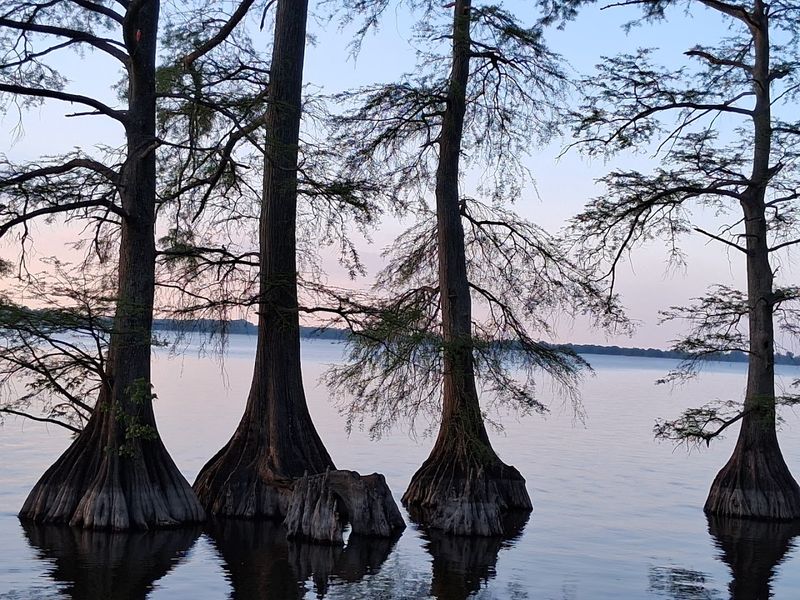
Created by earthquakes in the early 1800s, Reelfoot Lake feels like something out of a Southern Gothic novel. Massive bald cypress trees rise from the water, their trunks thick and gnarled, draped with Spanish moss that sways in the breeze. The lake’s shallow, murky water teems with fish, birds, and a sense of timelessness that’s hard to find anywhere else in Tennessee.
Paddling through the cypress forest is like entering another world. Your kayak glides silently between trees, and the only sounds are water lapping against your hull and birds calling overhead. Bald eagles nest here during the winter months, making it one of the best eagle-watching spots in the state.
You might also spot great blue herons, egrets, and dozens of duck species depending on the season.
Guided boat tours offer an easier way to explore if you prefer letting someone else navigate. Local guides know every channel and can point out wildlife you’d likely miss on your own. They share stories about the lake’s formation and the unique ecosystem it supports, adding context that enriches the experience.
Fishing is another major draw, with crappie and bluegill practically jumping into boats. The lake’s stumps and submerged logs create perfect hiding spots for fish, making it a favorite among anglers. Even if you’re not fishing, watching others work the waters adds to the park’s laid-back vibe.
Reelfoot sits in Tennessee’s far northwest corner, about as different from the Smokies as you can get. There are no mountains here, just flat delta country where water and land blur together. It’s proof that Tennessee’s aquatic adventures span every landscape type, from rugged highlands to peaceful wetlands.
5. Burgess Falls State Park Paddling — Baxter
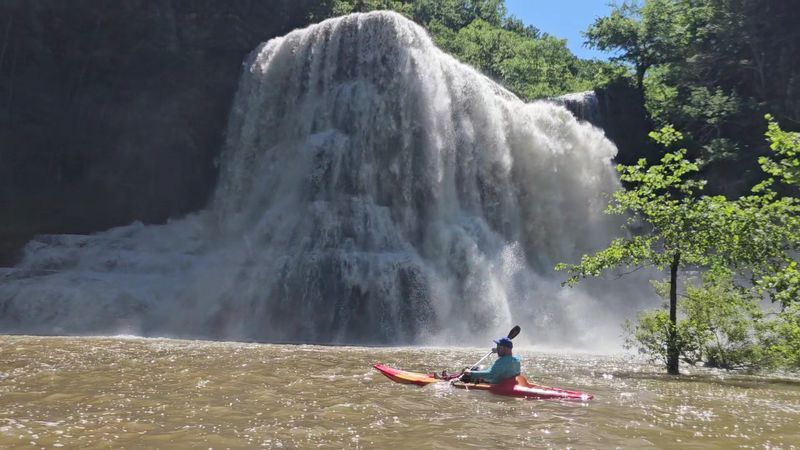
Burgess Falls drops 136 feet in a thundering cascade that ranks among Tennessee’s most photogenic waterfalls. While most visitors hike to the overlook for pictures, paddlers get a different perspective by exploring the river below the falls. The water here flows clear and cool, winding through a gorge that feels far more remote than it actually is.
Launching a kayak or canoe near Burgess Falls requires planning, since access to the base isn’t directly from park property. Paddlers typically put in upstream or downstream and navigate to the falls area, which adds an element of adventure to the trip. The effort pays off when you’re floating in the pool below the falls, feeling the mist on your face while the waterfall roars overhead.
The river corridor offers calm stretches perfect for beginners, mixed with mild rapids that keep things interesting. Limestone bluffs line the banks, and in spring, wildflowers dot the hillsides. You’ll likely have the water mostly to yourself, especially on weekdays, making it feel like your own private discovery.
Fishing is allowed in the river, and anglers report decent catches of bass and bream. Combining paddling with fishing makes for a full day on the water, with the falls serving as a scenic backdrop. Even if the fish aren’t biting, the surroundings make up for it.
The park itself has hiking trails that lead to multiple waterfall viewpoints, so you can experience Burgess Falls from both above and below. That dual perspective—seeing the falls from the trail and then paddling near their base—creates a richer understanding of the landscape. It’s one of Middle Tennessee’s best-kept water secrets, offering drama and beauty without the crowds of more famous spots.
6. Rock Island State Park — Rock Island
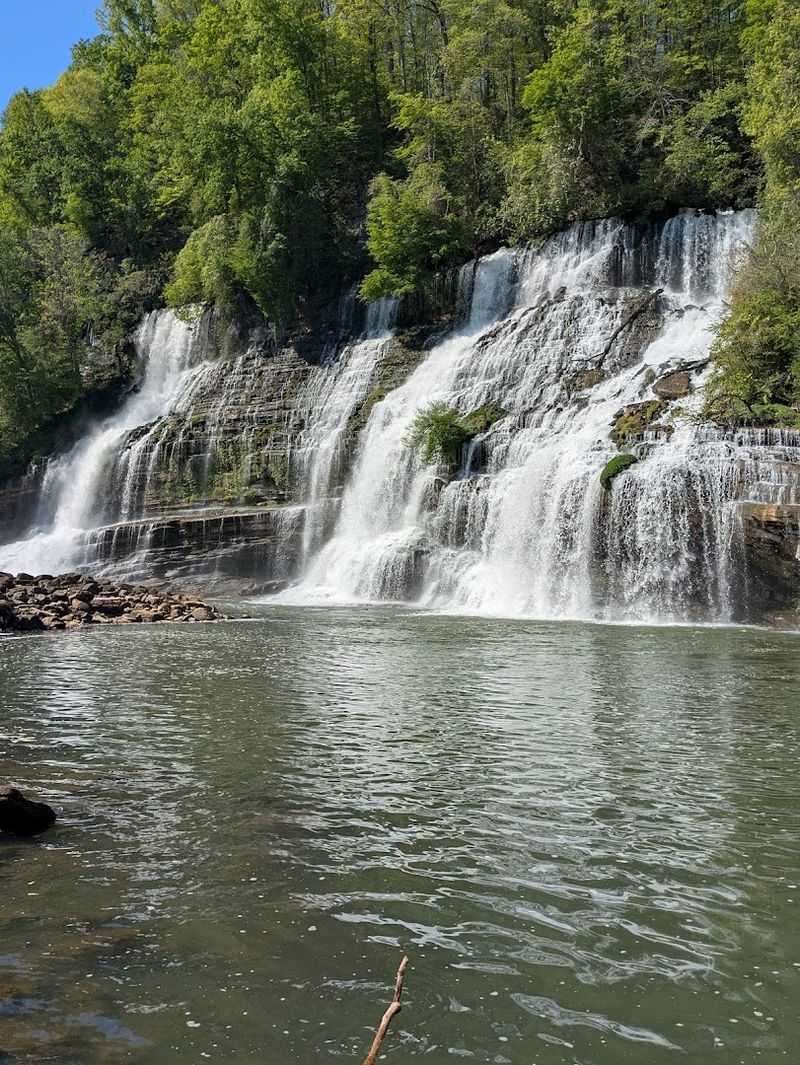
Where three rivers converge, Rock Island State Park creates a watery playground unlike anywhere else in Tennessee. The Caney Fork, Collins, and Rocky rivers meet here in a swirl of currents, rapids, and waterfalls that have drawn adventurers for generations. Twin Falls and Great Falls are the main attractions, but the entire park pulses with the energy of moving water.
Swimming holes dot the park, offering cool relief on hot summer days. The most popular spot sits below Twin Falls, where water tumbles into a deep pool perfect for splashing around. Locals know the best swimming spots and when to visit for fewer crowds, but even on busy days, you can usually find a quiet stretch of riverbank to claim.
Paddling here ranges from gentle floats to challenging whitewater, depending on which section you choose. The Caney Fork downstream from the park offers Class II-III rapids that keep experienced paddlers engaged. Upstream sections provide calmer water for those who prefer a more relaxed pace.
Guided kayak trips are available if you want local expertise in navigating the currents.
Hiking trails crisscross the park, connecting waterfalls and viewpoints. You’ll walk along bluff lines with the river far below, then descend to water level where you can feel the spray from cascades. The combination of trails and water access means you can customize your visit based on energy level and interests.
The park’s historic significance adds another layer—this area once powered mills and industry before becoming a recreation destination. Old mill ruins still stand, reminding visitors of the river’s working past. Now the water serves a different purpose, providing thrills and beauty instead of electricity.
It’s Tennessee’s answer to anyone who thinks you need an ocean for serious water fun.
7. Memphis Zoo Aquarium — Memphis
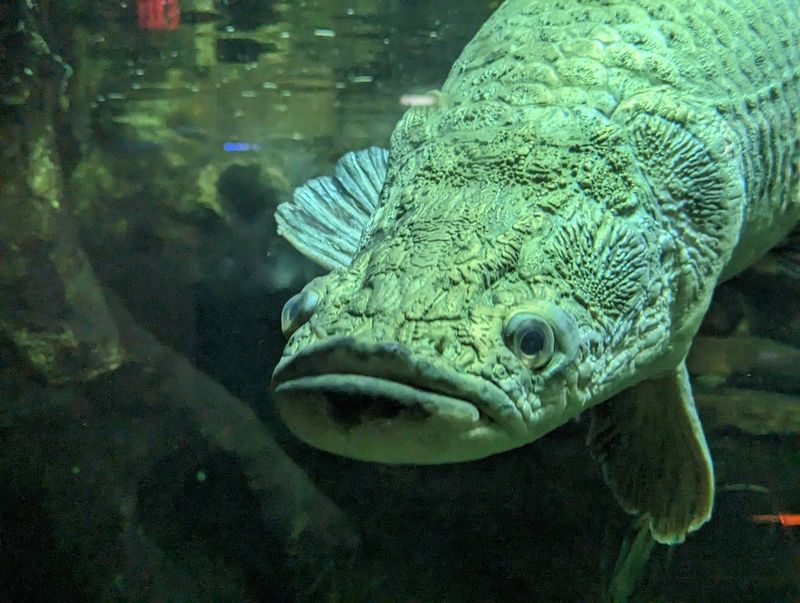
Most people don’t expect world-class aquarium exhibits when they visit a zoo, but Memphis delivers both in one location. The aquarium section brings marine life to West Tennessee, showcasing species from oceans around the globe. Bright tropical fish dart through coral reefs, jellyfish pulse with otherworldly grace, and larger predators patrol their tanks with mesmerizing focus.
The exhibits are designed to immerse you in different aquatic environments. One moment you’re peering into a Caribbean reef, the next you’re watching Pacific Ocean dwellers glide past. The variety keeps things interesting, especially for kids who might not sit still for a single-theme aquarium.
What makes this setup unique is how it complements the zoo’s land animals. You can watch penguins both swimming and waddling, gaining appreciation for how different animals are in water versus on land. Sea lions perform similar magic, clumsy on rocks but graceful once they hit the water.
Interactive elements let visitors engage beyond just watching. Touch tanks and feeding demonstrations bring you closer to the animals, creating memorable moments that photos alone can’t capture. Staff members share conservation messages without being preachy, helping visitors understand why protecting aquatic habitats matters.
Memphis sits along the Mississippi River, so including aquatic exhibits feels fitting. The zoo connects Tennessee’s river heritage to broader ocean ecosystems, showing how waterways link us all. It’s a reminder that even landlocked cities can celebrate marine life and teach respect for water-based environments.
Combining the zoo and aquarium into one visit offers excellent value and variety. Families can spend an entire day here without anyone getting bored, moving between habitats and experiencing the incredible diversity of animal life. For Memphis visitors wanting aquatic adventure without leaving the city, this delivers surprisingly well.
8. Fall Creek Falls State Park — Spencer
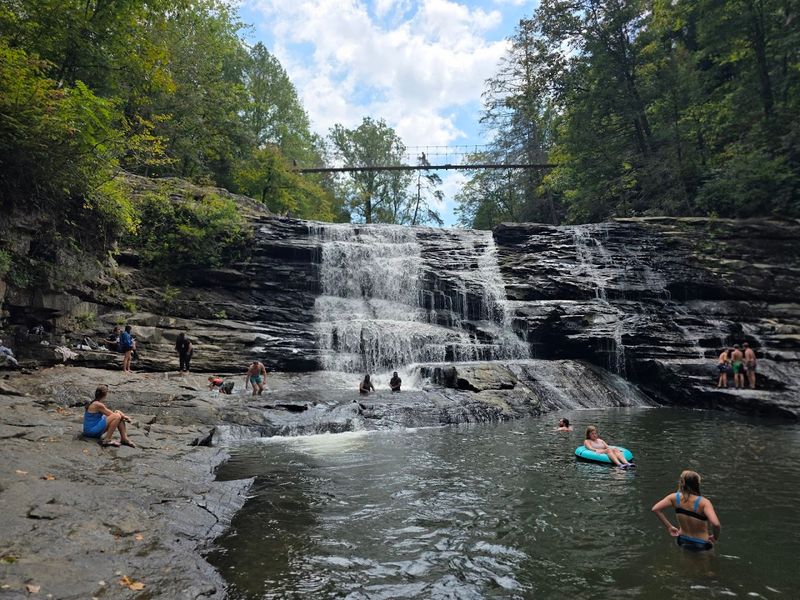
Tennessee’s tallest waterfall plunges 256 feet into a misty gorge, creating a spectacle that draws visitors year-round. Fall Creek Falls is the star attraction, but the park’s 20,000 acres include three other major waterfalls and a 345-acre lake that’s perfect for paddling. This combination of dramatic falls and calm water makes it one of the state’s most complete outdoor destinations.
The lake offers seasonal boat rentals including kayaks, canoes, paddleboats, and jon boats. Gliding across the water with forested ridges rising on all sides creates a peaceful contrast to the thundering waterfalls just a short hike away. Fishing is popular here too, with bass, crappie, and catfish keeping anglers busy.
Hiking trails connect the lake to the waterfalls, letting you experience the park’s full range in a single visit. You’ll walk through hardwood forests, cross suspension bridges, and peer over bluff edges at water crashing below. The trails vary in difficulty, so everyone from casual walkers to serious hikers can find something suitable.
Swimming is allowed in designated areas, giving you a chance to cool off after hiking. There’s something magical about swimming in mountain lake water, surrounded by wilderness, knowing a massive waterfall is just upstream. The park’s size means you can always find a quiet spot, even during peak season.
Accommodations range from campsites to cabins, making it easy to stay multiple days. Sunrise over the lake is worth the early wake-up, with mist rising off the water and birds starting their morning calls. Sunset at the falls overlook is equally stunning, with golden light illuminating the cascade.
Fall Creek Falls proves Tennessee can compete with any state’s natural water features. Between the falls and the lake, you get both power and serenity in one park. It’s the kind of place that reminds you why people fall in love with Tennessee’s outdoors.
9. Cummins Falls State Park — Cookeville
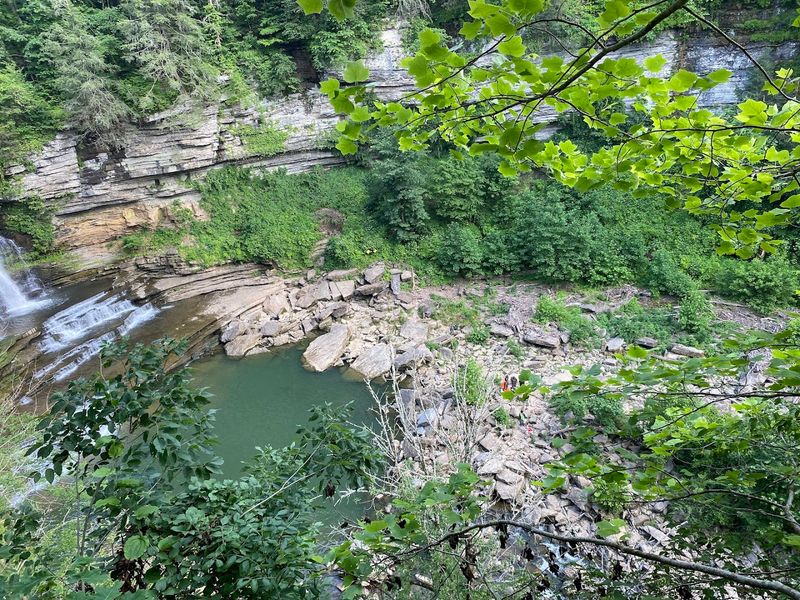
A 75-foot waterfall crashes into a natural swimming pool that’s become one of Tennessee’s most sought-after summer destinations. Cummins Falls rewards the adventurous—you’ll wade through the river, scramble over rocks, and navigate a moderately challenging trail to reach the falls. But once you arrive and slip into that cool, clear water, every step of the journey feels worthwhile.
The swimming hole itself is larger than many natural pools, with room for plenty of people without feeling crowded. Water depth varies, with shallow areas for wading and deeper spots for actual swimming. The waterfall provides a dramatic backdrop and a constant soundtrack of rushing water that drowns out any noise from the outside world.
Blackburn Fork State Scenic River flows through the park, adding to the aquatic appeal beyond just the falls. Paddlers can explore this scenic waterway, enjoying calmer stretches and occasional rapids. The river corridor showcases Tennessee’s natural beauty, with limestone bluffs, overhanging trees, and clear water that reveals every pebble on the bottom.
The park requires permits during peak season to manage visitor numbers and protect the environment. This system helps preserve the experience and prevents overcrowding that has plagued other popular swimming holes. Planning ahead is essential, but it’s worth the effort to secure your spot.
Safety is important here—the trail and river crossing can be slippery, and water levels change with rainfall. Park staff provide updates on conditions, and following their guidance ensures everyone has a good time. Water shoes are practically mandatory, and bringing a waterproof bag for your belongings is smart.
Cummins Falls represents the kind of hidden gem that Tennessee excels at—a place that requires effort but delivers authentic natural beauty. It’s not sanitized or commercialized; it’s raw and real, the way outdoor adventures should be. For those willing to work for it, this swimming hole is pure Tennessee magic.
10. Norris Dam State Park — Rocky Top
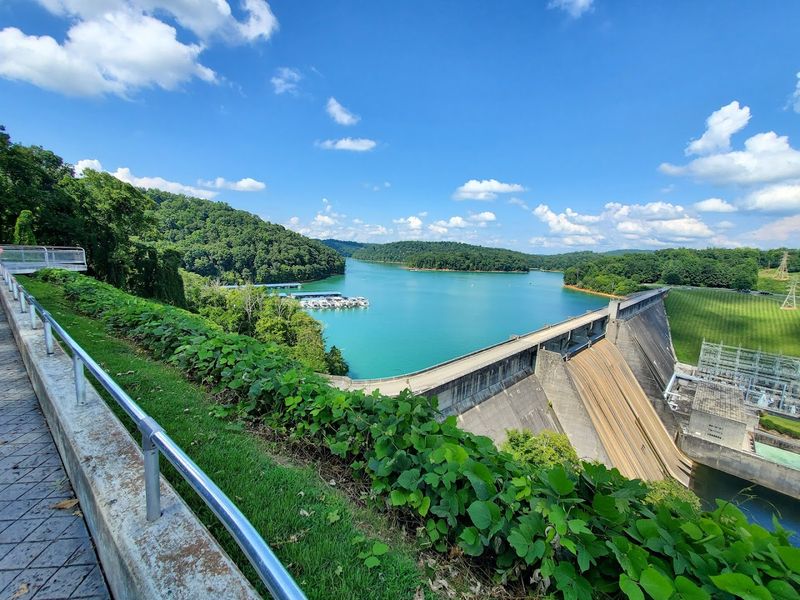
Norris Lake stretches across more than 800 miles of shoreline, creating a massive playground for boaters, skiers, and anyone who loves spending time on clear mountain water. The lake was formed by one of the Tennessee Valley Authority’s first dam projects, and it’s remained a favorite escape for generations of Tennesseans. Unlike some reservoirs that feel industrial, Norris Lake maintains a natural beauty that rivals any coastal waterway.
The water here is exceptionally clear, thanks to the lake’s depth and the rocky, less-eroded landscape surrounding it. Visibility can reach 20 feet in some areas, making it popular with scuba divers exploring submerged structures. For everyone else, that clarity just means gorgeous swimming conditions and easy fish-spotting from the boat.
Marinas dot the shoreline, offering boat rentals, supplies, and launch access. Whether you’re bringing your own vessel or renting for the day, getting on the water is straightforward. Houseboats are particularly popular here, letting families spend entire weekends anchored in quiet coves, swimming and fishing right from their floating home base.
Water skiing and wakeboarding find ideal conditions on Norris Lake’s open stretches. The lake’s size means you can always find uncrowded areas, even on holiday weekends. Jet skis, pontoon boats, and sailboats all share the water peacefully, with room for everyone to enjoy their preferred activity.
Fishing opportunities abound, with smallmouth bass, stripers, and walleye among the prized catches. Anglers appreciate the varied structure—submerged creek channels, rocky points, and timber provide habitat for diverse fish populations. Tournament fishing is common, but casual anglers do just fine too.
The state park offers camping, hiking, and historical sites related to the dam’s construction. But most visitors come for the lake itself, drawn by that combination of clear water, mountain scenery, and endless recreational possibilities. It’s proof that Tennessee’s lakes can match any coastal destination for pure water-based fun.
Share this story