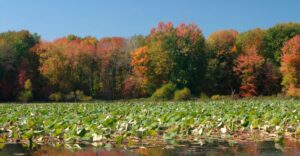
A lake in Tennessee owes its existence to earthquakes that shook the ground in the winter of 1811 and 1812. Cypress trees now stand in its shallow water, and their needles turn rusty orange each autumn. I love that a disaster turned into one of the prettiest fall scenes in the South.
That lake is just one stop on this list. Another spot sits on a mountain topping 6,000 feet, where views stretch into two states. One more hides a waterfall that drops more than 250 feet into a plunge pool.
Fall color here does not come from one big forest. It shows up over waterfalls, a Civil War overlook, a city lake, and a 1930s estate garden. Each one turns in its own way.
I can’t think of a better reason to fill the gas tank.
1. Fall Creek Falls State Park
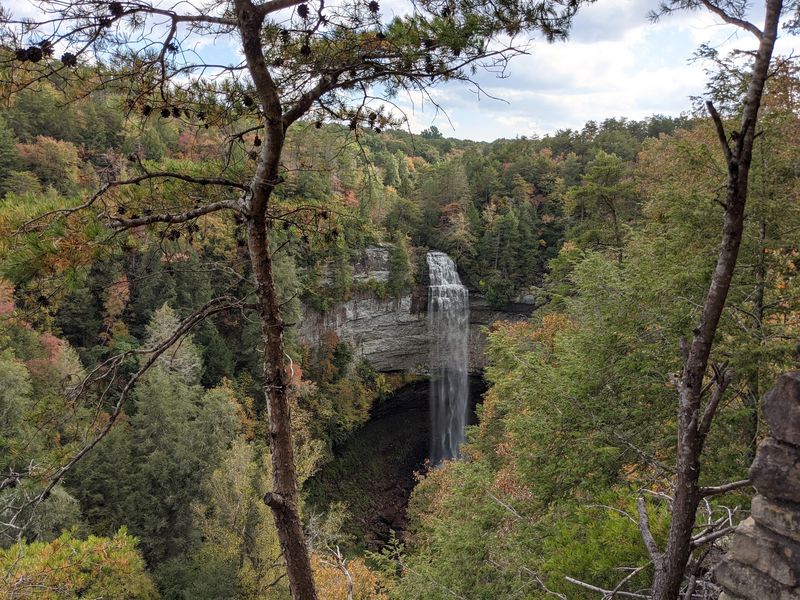
A waterfall that drops 256 feet tends to steal the show, even in a park packed with them. The tallest falls here plunge into a gorge lined with hardwood trees that light up in autumn.
You get more than one cascade, too. Multiple waterfalls, sweeping overlooks, and a suspension bridge give you plenty of reasons to keep walking.
Sitting on the Cumberland Plateau near Spencer, the park feels huge because it is. You’ll find a lodge, a restaurant, camping, and an 18-hole championship golf course spread across the grounds.
Families have options beyond the trails. There’s a playground, picnic tables, grills, and a tennis court for anyone who still has energy after the hikes.
Timing matters if you want quiet views. Saturday afternoons draw the biggest crowds, while weekday mornings tend to feel much calmer.
Pack a picnic and plan for a full day rather than a quick stop. Kid-friendly hikes make it easy to bring little ones, and dogs are welcome to tag along.
Tennessee has plenty of strong state parks, but this one sets a high bar. When the gorge turns gold and red, you may forget to check your phone.
2. Cades Cove
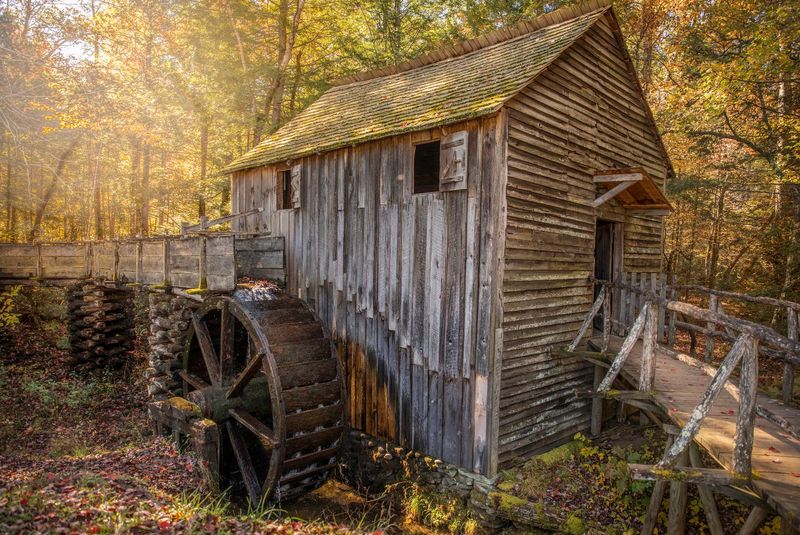
Eleven miles of loop road might be the slowest, happiest drive you take all year. The route circles a wide valley inside Great Smoky Mountains National Park, with mountains rising on each side.
Along the way, history pops up in the form of log cabins, churches, and barns from the 19th century. You can pull over and wander through preserved homesteads that once belonged to mountain families.
Wildlife often steals the spotlight. Deer graze in the open fields, horses from the local riding stables can be seen grazing in the meadows, and black bears live in the surrounding mountains.
Bears deserve plenty of space, so keep your distance and use your zoom lens instead. That photo will look just as good from the safety of your car.
In autumn, the ridges behind the meadows shift into reds, oranges, and yellows. The open valley lets you see the color stacked up like layers on a canvas.
Leave room for a stop at the gift shop near the loop. A swirl ice cream cone makes a fine reward after hours of slow scenic driving.
Bring patience, snacks, and a full tank of gas. Rushing this place misses the whole point.
3. Roan Mountain State Park
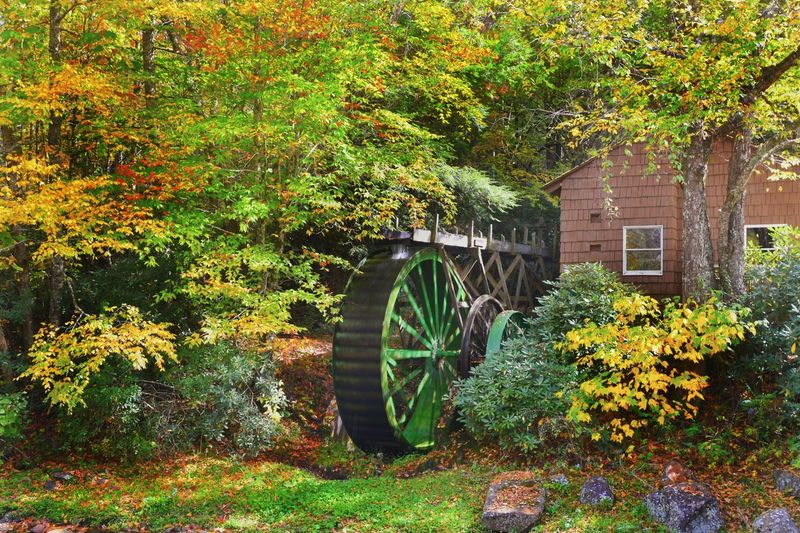
Your ears might pop on the way up, and the view makes it worth it. Nearby Roan Mountain rises to 6,285 feet, offering some of the most spectacular high-elevation scenery along the Tennessee–North Carolina border.
A short drive from the state park takes you to Carver’s Gap, where the Appalachian Trail leads onto grassy balds with sweeping views of Tennessee and North Carolina.
Picture ridges rolling out like a patchwork quilt of orange and red. Okay, no picturing needed, because the balds show it to you for real.
Down in the park itself, a pretty creek runs through the grounds. You can fish, stroll the trails, or take the scenic drive through the valley.
Staying overnight is easy with cabins and campsites on site. Summer crowds come for the swimming pool, tennis courts, and amphitheater concerts.
Rhododendrons get famous here in early summer, but autumn has its own charm. Cooler air and clear days make the high trails extra inviting.
Pack layers, since the mountaintop can feel much chillier than the park below. A windbreaker and a thermos of hot cocoa will be your best friends.
4. Rock Island State Park
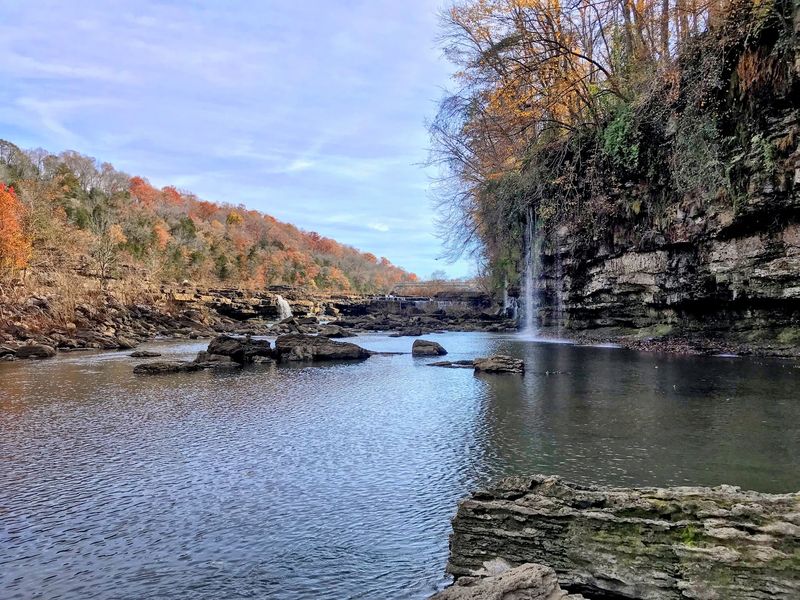
Three rivers meet in one spot, so naturally the water puts on a show. This park sits right where they come together, and the result is a dramatic waterfall.
Rocks are everywhere you look, which makes sense given the name. Trails wind past ledges, gorges, and falls that look even better framed by fall leaves.
In autumn, the trees along the water turn bright and bold. The mix of rushing water, gray stone, and colorful branches feels made for a camera.
Paddlers can grab a kayak and see the scenery from the river. If you’d rather stay dry, the hiking trails offer plenty of viewpoints.
The park also has a sandy beach, which feels like a fun surprise in Middle Tennessee. Picnic tables, grills, and a playground round out the setup for families.
Year-round cabins mean you can stretch a leaf trip into a weekend. Waking up close to the falls beats any hotel parking lot view.
Weekends get busy on Saturday and Sunday afternoons. Try a weekday visit for a calmer stroll beside the water.
5. Radnor Lake State Park
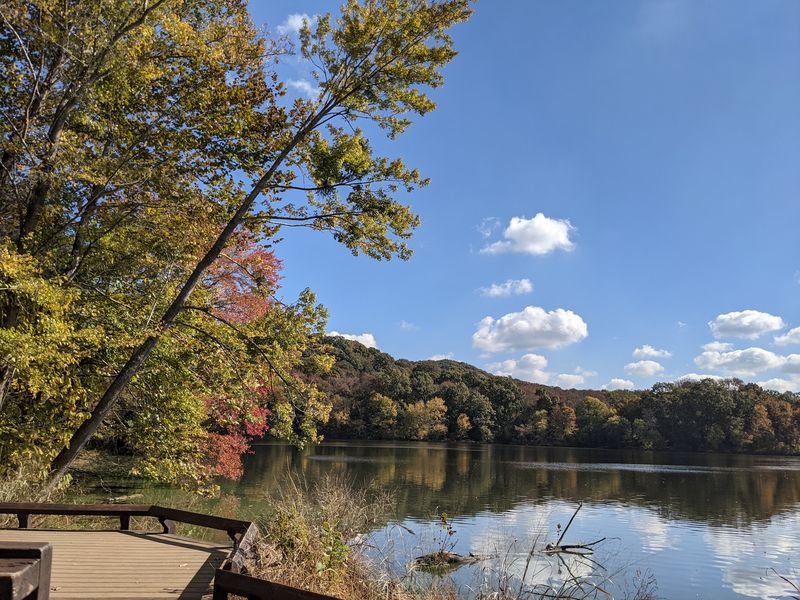
Nashville has plenty of famous stages, but this one stars herons and deer. Sitting within city limits, the park protects 1,368 acres of woods and water.
The lake sits at the center like a giant mirror. On calm fall days, the colorful trees along the shore reflect right back at you.
Six hiking trails branch out from the main paths. A popular loop around the lake runs about 2.6 miles, with side trails if you want more.
Keep your eyes open as you walk. Deer, wild turkeys, turtles, herons, and other waterfowl live here, and bald eagles have been spotted too.
Swimming and boating aren’t allowed on the lake. That rule helps keep the water calm and the wildlife comfortable.
Stop by the visitor center to learn about native plants and animals. It’s a smart first stop if you’re bringing curious kids.
Crowds build on weekend and Thursday afternoons. Gates open at 6 AM, so early birds can catch quiet trails and soft morning light.
6. Burgess Falls State Park
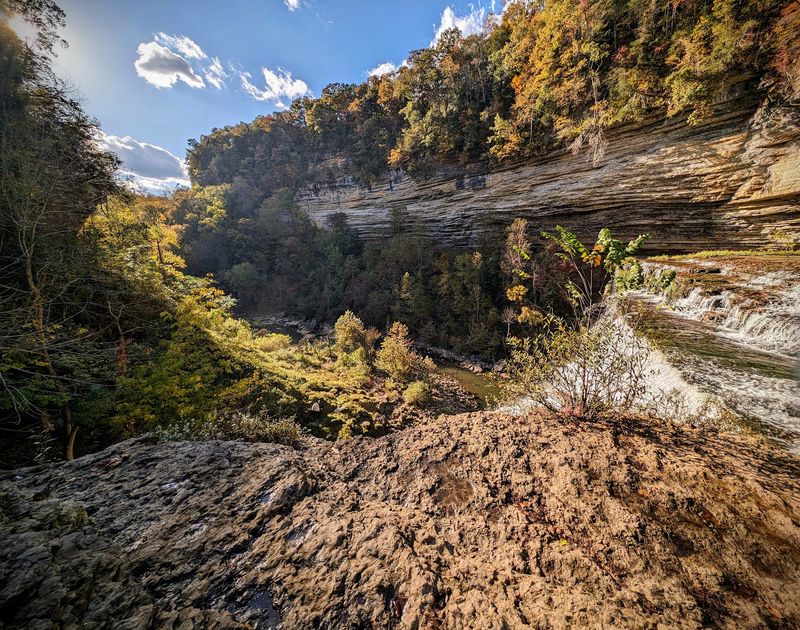
Four waterfalls on one river sounds greedy, but nobody here is complaining. The Falling Water River tumbles through a steep gorge, dropping again and again.
The grand finale is Burgess Falls itself, which cascades into a large pool. Along the way, you’ll pass other falls, including one that spills over three sides.
The main trail runs about a mile through the woods. A sturdy fence lines much of the route, which helps when the edges get steep.
Trails range from moderate to strenuous, so wear real shoes. Flip-flops and gorge hiking don’t mix well.
Come autumn, the gorge fills with gold, orange, and red leaves. The color frames the white water in a way that feels almost too pretty.
The park sits about 15 miles south of Cookeville in Middle Tennessee. That makes it an easy day trip from several nearby towns.
After your hike, enjoy the picnic tables, grills, and playground near the parking area. Saturday afternoons get busy, so arrive early for the best overlook spots.
7. Point Park
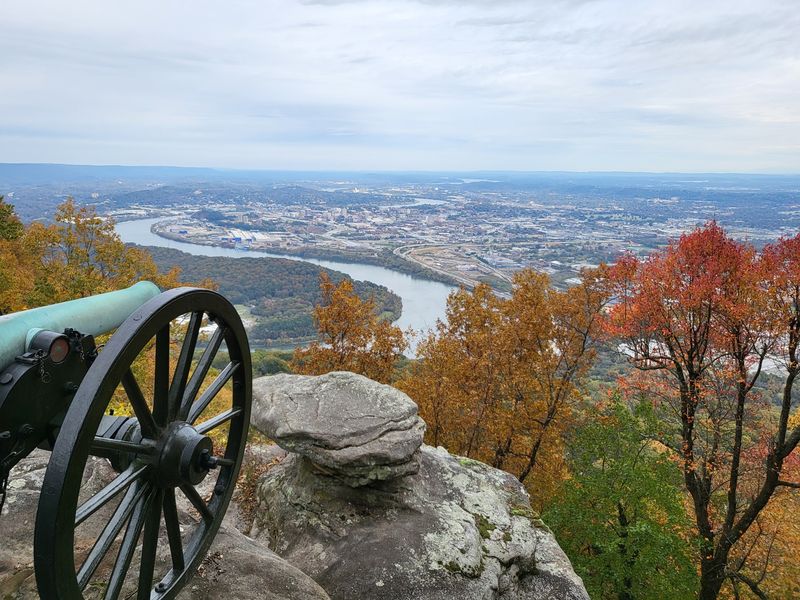
History and scenery share the same ledge at the top of Lookout Mountain. This 10-acre memorial park honors the Civil War battle fought on these slopes in November 1863.
Cannons and monuments line the grounds, along with exhibits that explain what happened here. A large monument stands as a centerpiece you can’t miss.
Then there’s the view. From the overlook, you can see Chattanooga and the Tennessee River curving through the valley below.
In fall, that valley turns into a giant quilt of reds and golds. You’ll want a clear day to see the colors stretch toward the horizon.
The park belongs to Chickamauga and Chattanooga National Military Park, run by the National Park Service. That means solid signs and displays for history fans.
Hiking trails head down from the park if you want to explore the mountain. Kids can handle several of the easier paths.
Weekend afternoons draw the biggest crowds. A weekday trip gives you more elbow room at the railing.
8. Cheekwood
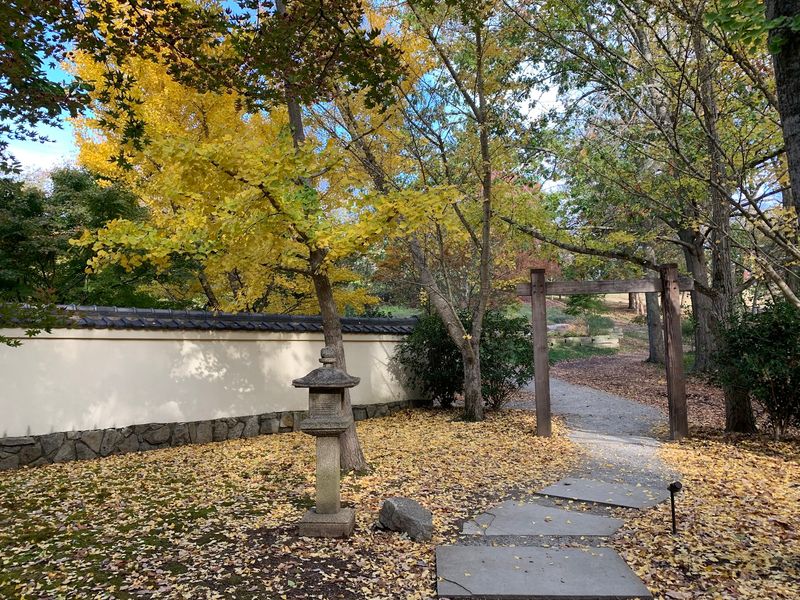
A 1930s mansion with an art museum and acres of gardens sounds fancy, and it is. Still, this Nashville estate feels more like a playground for plant lovers than a stuffy museum.
The botanical gardens spread across rolling grounds. You can wander past flower beds, a Japanese garden, and outdoor art installations.
Autumn brings an annual fall celebration that dresses the estate in seasonal color. The trees join the party, turning gold and red around the paths.
Inside the mansion, the art museum gives you a break from walking. It’s a nice way to mix culture into your leaf-peeping day.
Hungry? A cafe on site keeps you going, and the gift shop is handy for souvenirs.
On certain Thursday evenings, the estate hosts a special night out with live music and food trucks. It’s a fun way to see the gardens in a new light.
Plan ahead by reserving timed-entry tickets online before your visit, as advance reservations are required.
9. Reelfoot Lake State Park
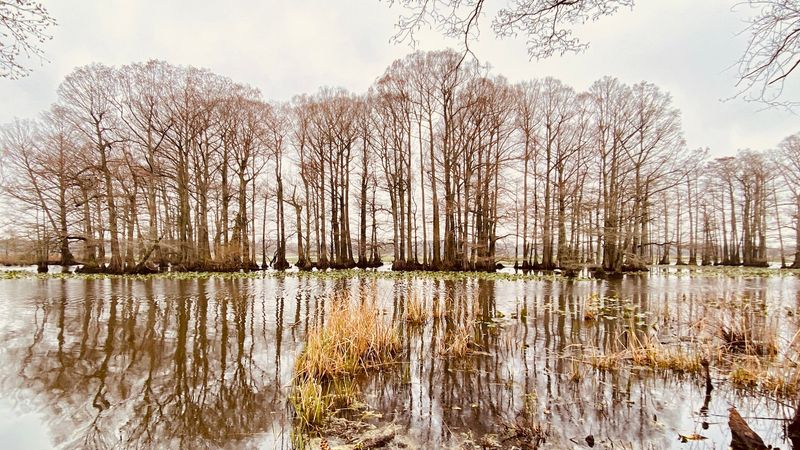
Earthquakes made this lake, and cypress trees made it beautiful. The New Madrid earthquakes of 1811 and 1812 reshaped the land here and formed Reelfoot Lake.
Today, cypress trees rise straight out of the shallow water. In autumn, their needles shift to rust and copper, which looks amazing against the still surface.
Boardwalks let you walk out among the trees and aquatic plants. It’s an easy way to feel like you’re floating in a swamp without getting wet.
Bird watchers have extra reasons to visit. American bald eagles spend time around the lake, along with rare and endangered creatures.
A museum on site digs into the lake’s unusual story. It’s worth a stop to learn how shaking ground led to such a peaceful place.
Fishing is a big deal here, and so is boating. Cabins with full kitchens overlook the water, and campsites give tent fans a lakeside option.
The park sits in the far northwest corner of Tennessee. Saturdays get busy, so a weekday morning works best for quiet views.
10. Frozen Head State Park
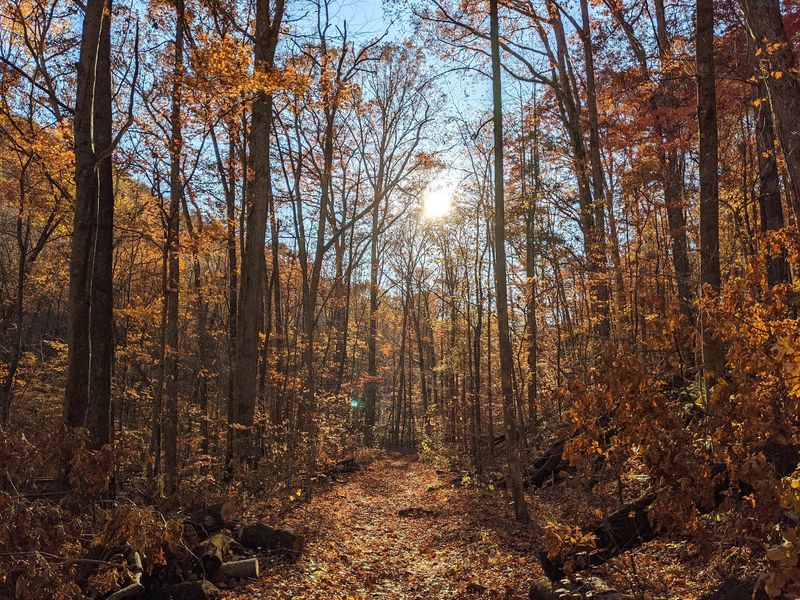
Despite the chilly name, this park looks red hot in autumn. Rugged mountains in Morgan County hold about 24,000 acres of dense forest.
Hardwood trees cover the ridges, and they turn into a riot of color each fall. The best way to take it in is from the scenic observation deck.
Getting there takes some effort on foot. The good news is that the trails are easy to follow, so you can focus on the scenery.
Shorter, kid-friendly hikes work well for families with little legs. A playground, picnic tables, and grills near the main areas help you plan a relaxed afternoon.
Campers can pitch a tent at the park’s campsites. Falling asleep under thick forest canopy is a pretty great bonus.
Don’t skip the gift shop, which carries a good selection of items. It’s a nice spot to grab a keepsake before you head home.
The park also hosts a Heritage Day Festival with bluegrass music, food trucks, and vendors. Check the schedule, since a festival plus fall leaves sounds like a winning combo.
Share this story