Tennessee pulls millions of visitors every year, but most of them stick to the same handful of famous spots. Meanwhile, locals quietly enjoy incredible places that never make it onto the typical tourist map.
From ancient earthworks to quirky museums and stunning natural overlooks, these hidden gems offer the kind of authentic Tennessee experience you won’t find in a crowded gift shop.
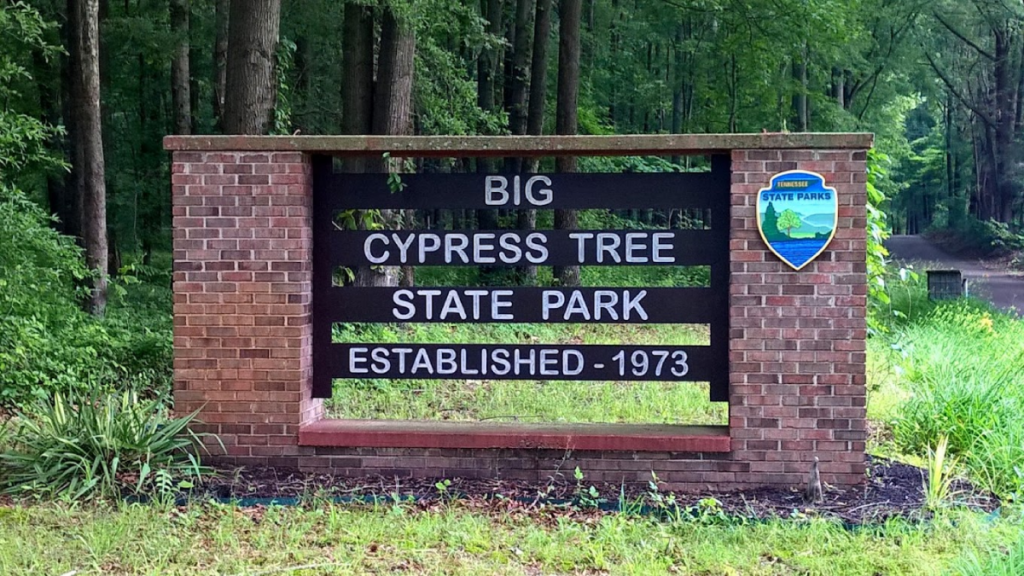
1. Big Cypress Tree State Park, Greenfield
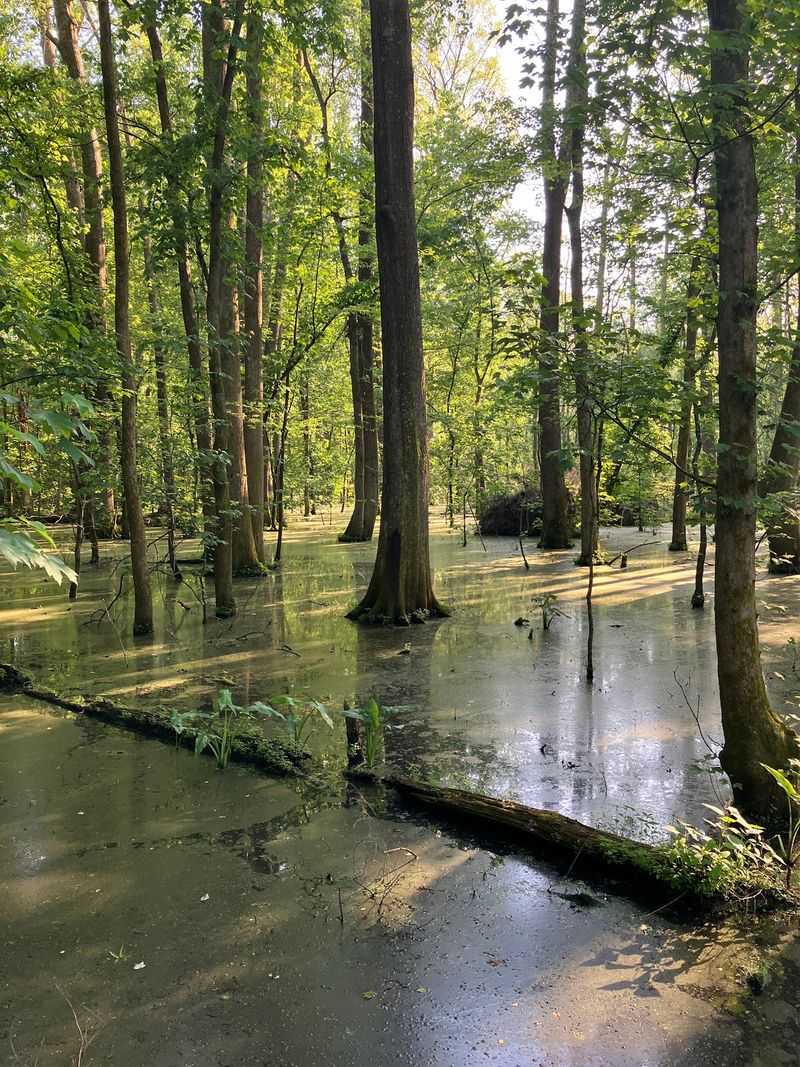
Most folks speed right past this little park on their way to somewhere bigger, and that’s exactly why locals love it. Big Cypress Tree State Park sits tucked away in Weakley County, covering just 330 acres of quiet wetland and forest.
The star attraction used to be a massive bald cypress over 1,300 years old, but even after lightning took it down in 1976, the park kept its charm.
Wooden boardwalks wind through cypress-studded wetlands where the only sounds are birdsong and the occasional splash of a turtle. You won’t fight crowds for parking or elbow past tour groups for photos.
Instead, you get a peaceful slice of West Tennessee nature that feels worlds away from the tourist trail.
The trails here are short and easy, perfect for a quick morning walk or an afternoon escape. Kids love spotting frogs and dragonflies along the water’s edge.
The picnic area sits under tall trees, shaded and cool even on hot summer days.
What makes this place special isn’t just what it offers but what it doesn’t. No gift shops, no crowds, no noise. Just quiet boardwalks, still water, and the kind of natural beauty that doesn’t need a marketing campaign.
Locals from nearby towns treat this park like their backyard, stopping by for quick nature fixes between errands. It’s the kind of spot where you can actually hear yourself think, where nature moves at its own pace, and where Tennessee’s quieter side shines through.
If you want to experience what locals cherish about their home state, this little park delivers without any fuss or fanfare.
2. TN-111 Sequatchie Valley Overlook, Dunlap
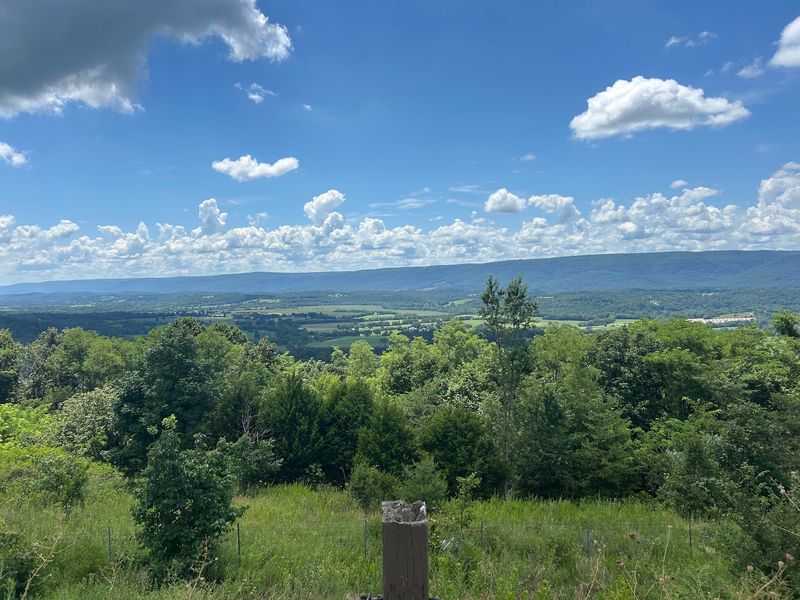
Drive Highway 111 through Sequatchie County and you might blow right past one of Tennessee’s most jaw-dropping views. The Sequatchie Valley Overlook doesn’t announce itself with giant signs or visitor centers.
Just a simple pull-off where the valley drops away beneath you, stretching for miles in both directions.
Locals know this spot as the place to show off Tennessee’s geography to out-of-town friends. The Sequatchie Valley runs nearly 150 miles, carved between two parallel mountain ridges that create one of the most distinctive landforms in the eastern United States.
From this overlook, you can see the whole sweep of it.
Morning fog often fills the valley floor, making the distant farms and fields look like islands floating in a white sea. Sunset turns the ridgelines purple and gold.
Even on ordinary afternoons, the view stops you in your tracks.
There’s no admission fee, no parking lot attendant, no interpretive displays. Just pull over, step out, and take it in.
Photographers love the overlook for its clean sightlines and dramatic depth. Motorcyclists consider it a must-stop on their mountain rides.
The overlook sits on a curve, so watch for traffic when you pull off. Locals recommend visiting on weekdays when you might have the whole place to yourself.
Bring a jacket because the elevation and open exposure can make it breezy even on warm days.
What tourists miss, locals treasure: an unobstructed view of one of Tennessee’s geological wonders, free and accessible, without any commercial packaging. It’s pure landscape, pure Tennessee, and pure magic for anyone willing to hit the brakes and look.
3. Old Stone Fort State Archaeological Park, Manchester
Ancient mysteries meet natural beauty at this Middle Tennessee park that somehow stays under the radar. Old Stone Fort sits where two rivers meet, surrounded by earthen walls built by Native Americans nearly 2,000 years ago.
The walls weren’t actually a fort, despite the name early settlers gave them, but rather a ceremonial enclosure that still puzzles archaeologists today.
Walk the mounds and you’re following footsteps from centuries past, tracing boundaries created for purposes we can only guess at. But the archaeology is just part of the story.
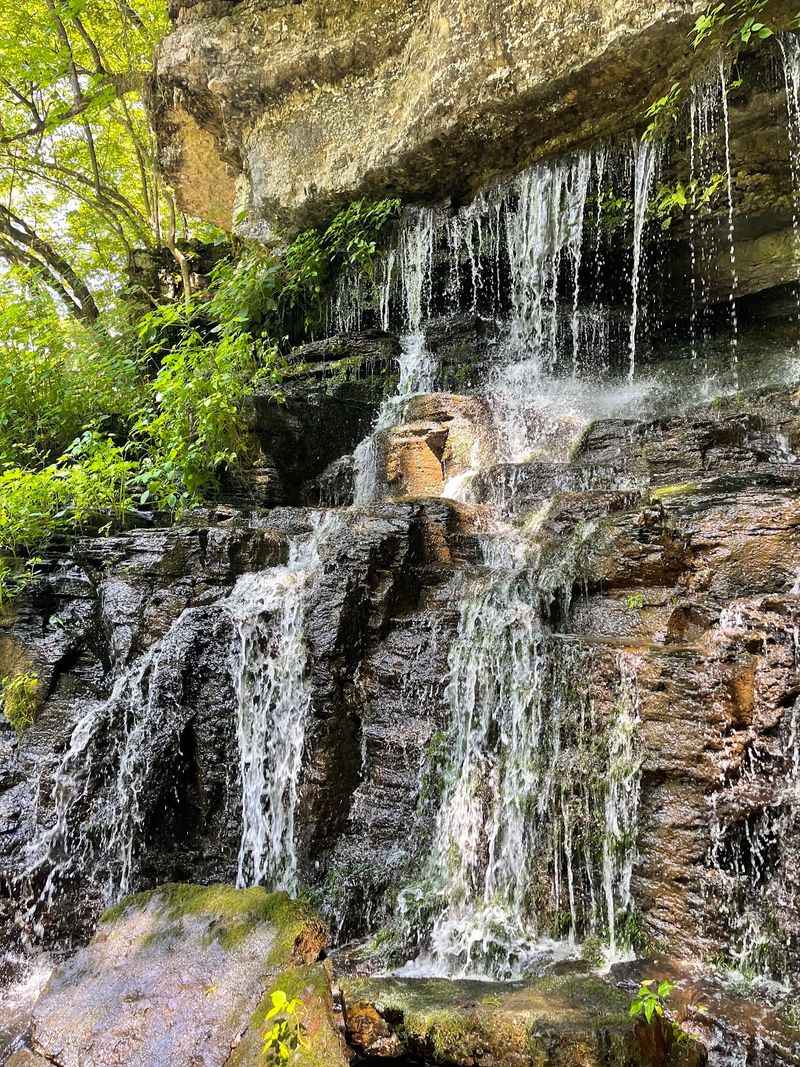
The park also features waterfalls, limestone bluffs, and hiking trails that wind through hardwood forest along the Duck River and the Little Duck River.
Two major waterfalls tumble over rock ledges within the park boundaries. Big Falls drops 30 feet in a wide curtain of water. Step Falls creates a series of smaller cascades that kids love to explore during low water.
Locals come here for trail running, photography, and quiet picnics away from the crowds that pack more famous Tennessee parks. The trails range from easy riverside walks to more challenging climbs up to the bluff tops.
Spring wildflowers carpet the forest floor, while fall colors paint the canopy overhead.
The park offers camping, a swimming pool in summer, and a small museum explaining the site’s archaeological significance. Rangers lead occasional guided walks that connect the dots between the ancient earthworks and the natural landscape that made this spot so special to its original builders.
For locals, Old Stone Fort represents the best of Tennessee: history, nature, and peace all rolled into one accessible package that tourists somehow keep missing on their way to bigger names.
4. Bell Buckle
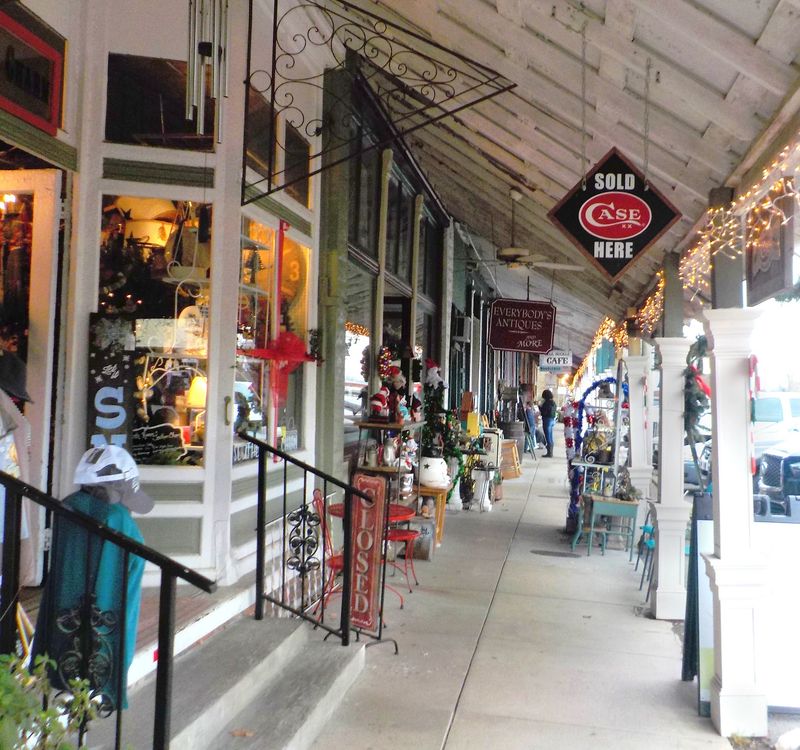
Population barely cracks 500, but Bell Buckle punches way above its weight in charm. This tiny Middle Tennessee town sits just off the interstate, yet it might as well be in another era.
Main Street looks like it was designed by someone who actually cares about community instead of chain stores.
Independent bookshops, antique stores, and locally owned cafés line the street. No national franchises, no corporate sameness. Just real people running real businesses in a real small town that hasn’t sold out to tourism even though it easily could.
The town hosts festivals throughout the year, including a famous RC Cola and Moon Pie event that celebrates Southern working-class snacks with genuine affection, not irony. Locals mingle with visitors at these events, swapping stories on sidewalks and park benches.
It feels authentic because it is.
Webb School, a prestigious prep school, anchors one end of town, adding an intellectual flavor to the rural setting. The Bell Buckle Café serves up home cooking that locals swear by. The bookstores stock everything from rare first editions to used paperbacks, and the owners actually know their inventory.
What makes Bell Buckle special isn’t any single attraction but the whole package: a town that works as a town, not as a tourist trap. You can walk the entire main drag in 15 minutes, but you’ll want to linger.
Coffee shops have real regulars. Store owners remember your name if you come back.
Tourists rush past on their way to bigger destinations, but locals from surrounding counties treat Bell Buckle like their cultural hub, the place they go when they want to feel connected to something real and rooted in Tennessee soil.
5. Reelfoot Lake State Park, Tiptonville
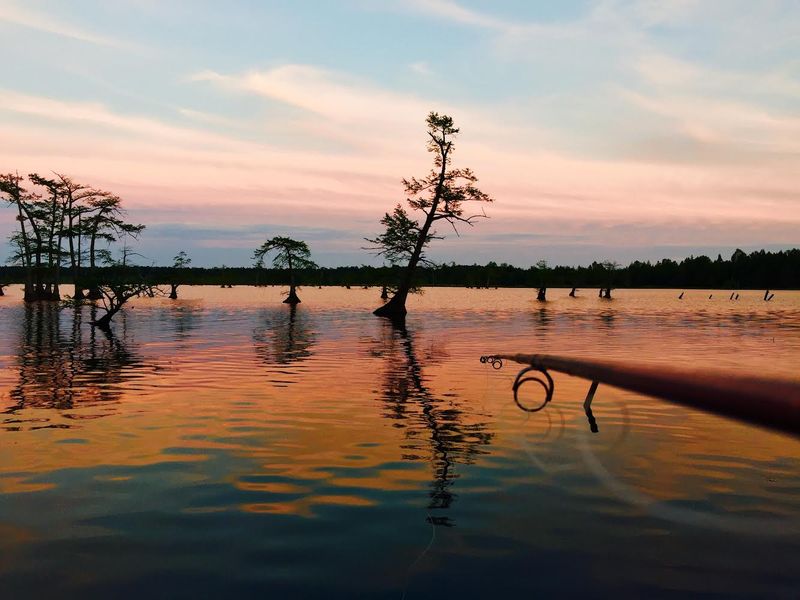
Earthquakes created Reelfoot Lake back in 1811-1812 when the New Madrid seismic zone shook so hard it made the Mississippi River run backward temporarily. The result is one of Tennessee’s most unusual landscapes: a shallow lake filled with bald cypress trees, their knees poking up through the water like wooden sculptures.
Northwest Tennessee doesn’t look like the rest of the state, and Reelfoot Lake proves it. Spanish moss drapes from cypress branches.
Lily pads float between tree trunks. Boardwalks let you walk out over the water into this primeval scene that feels more Louisiana than Tennessee.
Bald eagles winter here in impressive numbers, making Reelfoot one of the best eagle-watching spots in the eastern United States. Locals know to visit between December and March when these magnificent birds fish the lake and roost in tall trees.
The park runs eagle tours that get you close without disturbing the birds.
Fishing is legendary here. Crappie, bass, and catfish thrive in the cypress-studded waters.
Locals have favorite spots they guard like family secrets, but even first-timers can catch fish if they’re patient. Guide services know the lake’s quirks and can put you on fish even when conditions seem tough.
Sunrise and sunset transform the lake into something magical. Mist rises off the water. Cypress trees turn to silhouettes. Birds call across the stillness.
Photographers come back again and again trying to capture that perfect light.
The park offers camping, cabins, a visitor center, and boat rentals. Locals appreciate that Reelfoot hasn’t been overdeveloped or Disney-fied. It remains wild, weird, and wonderful, a landscape that doesn’t fit Tennessee stereotypes but absolutely belongs to the state’s natural heritage.
6. David Webb Riverfront Park, Harriman
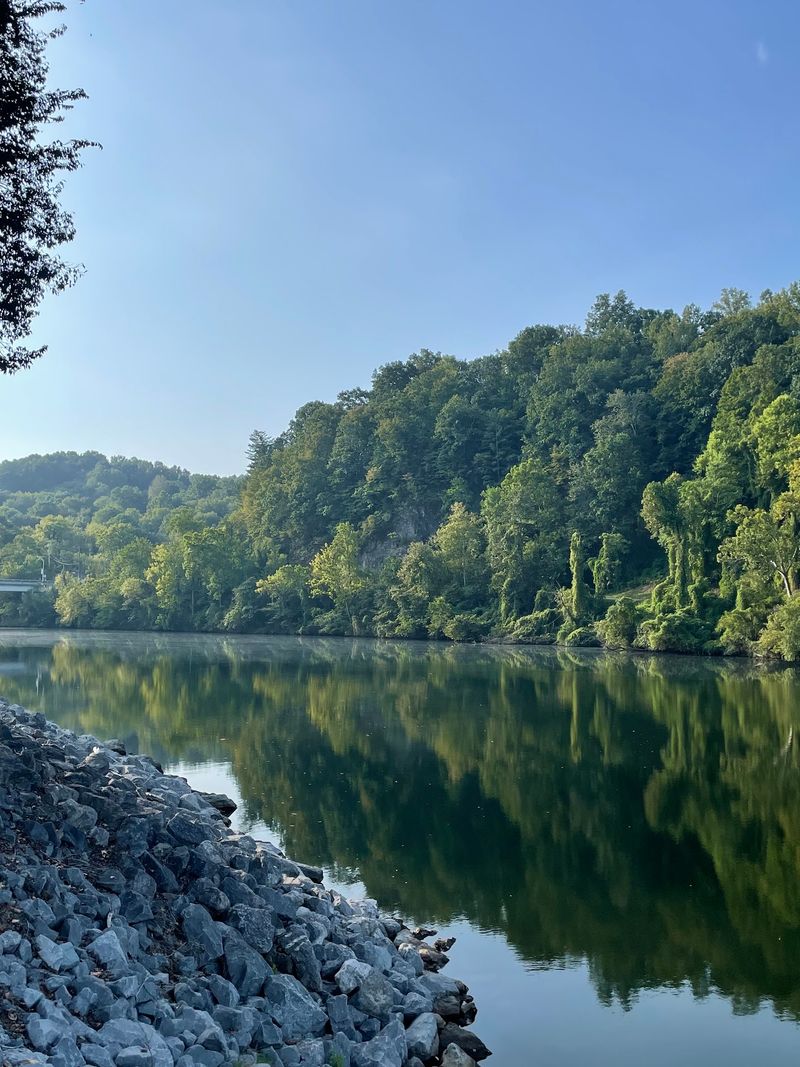
Harriman sits in East Tennessee’s Roane County, and most travelers never give it a second glance. Their loss, because David Webb Riverfront Park offers exactly what stressed-out locals need: river views, mountain scenery, and walking paths where the only deadline is sunset.
The Emory River flows past the park, wide and peaceful, reflecting whatever the Tennessee sky decides to do that day. Paved trails follow the riverbank, perfect for morning walks, evening runs, or just wandering around without any particular destination.
Mountains rise in the distance, giving you that classic East Tennessee backdrop without the Gatlinburg crowds.
Locals use this park like their outdoor living room. Families picnic under pavilions. Fishermen try their luck from the bank. Joggers rack up miles on the smooth paths. Kids play on equipment while parents actually relax instead of hovering anxiously.
The park connects to Harriman’s downtown, which itself deserves more attention than it gets. Historic buildings line streets that haven’t been strip-malled into oblivion.
Local restaurants serve real food. It’s the kind of small-town Tennessee that still exists if you know where to look.
What makes David Webb Riverfront Park a hidden gem isn’t dramatic waterfalls or ancient ruins. It’s the quiet competence of good public space done right. Clean, safe, beautiful, and free. No gimmicks, no gift shops, no manufactured experiences.
Locals recommend visiting in fall when the surrounding mountains put on their color show. Spring brings wildflowers to the riverbanks. Summer means shaded walking even on hot days. Winter offers stark beauty when the river reflects bare trees and gray skies.
Tourists miss it because it’s not marketed, not hyped, not turned into a destination. For locals, that’s exactly the point and exactly the appeal.
7. Montgomery Bell Tunnel, Kingston Springs
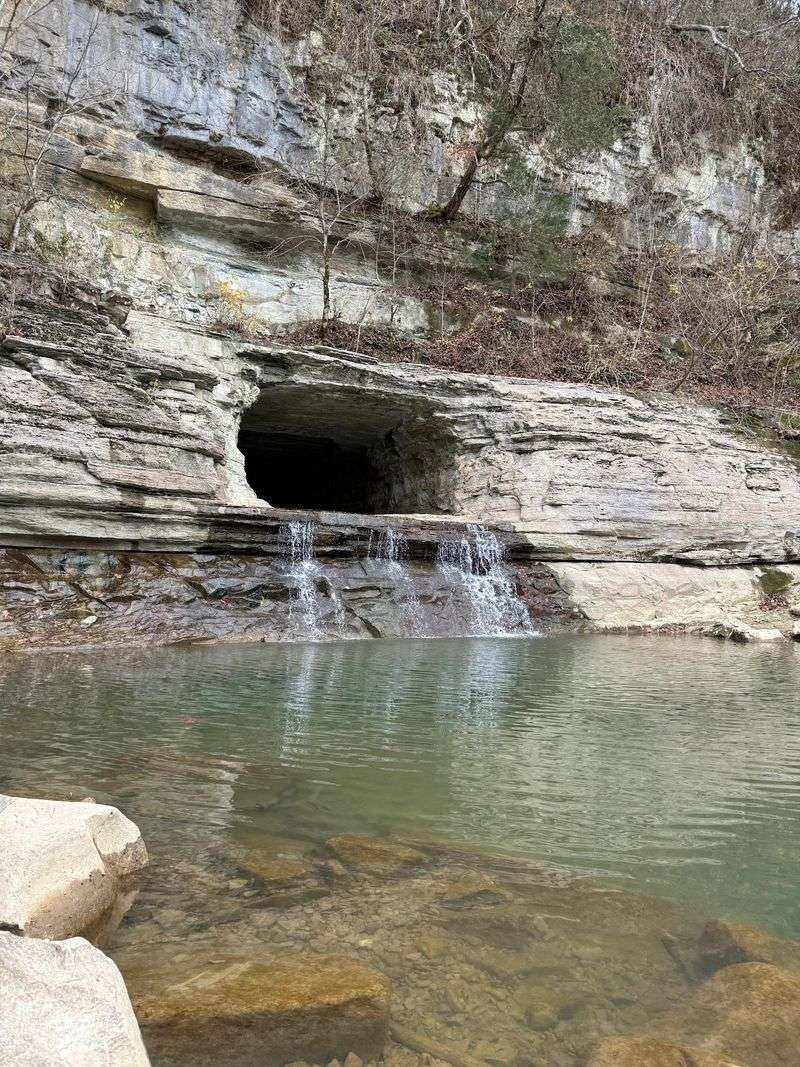
Hidden in the woods west of Nashville sits a tunnel that represents 19th-century engineering ambition on a small but impressive scale. Montgomery Bell, an early Tennessee ironmaster, had this tunnel cut through solid rock in the 1820s to divert water from the Harpeth River to power his forge.
Workers carved it by hand, no dynamite or modern machinery, just determination and tools.
The tunnel runs about 290 feet through the ridge, and you can walk through it today if the water level cooperates. Cool air flows through even on hot summer days. Your footsteps echo off stone walls that have stood for two centuries.
Most people have never heard of it, and that’s fine with locals who appreciate having this quirky historic site to themselves. The tunnel sits in Harpeth River State Park, accessible via a short trail that winds through woods and along the riverbank.
It’s not a hard hike, but it’s enough to filter out anyone not willing to walk a little.
The site works as a quick stop or a longer exploration depending on your interest. History buffs marvel at the hand-cut precision. Nature lovers enjoy the riverside setting. Kids think it’s cool to walk through a tunnel dug before their great-great-great-grandparents were born.
Bring a flashlight if you want to explore the tunnel interior properly. Wear shoes that can handle getting wet because the tunnel often has water flowing through it.
Check recent conditions before visiting since heavy rain can make it impassable.
Locals from Nashville and surrounding counties use the Montgomery Bell Tunnel as their go-to recommendation when visitors ask for something unusual. It delivers history, nature, and a genuine sense of discovery without requiring a full day or admission fee.
Pure Tennessee, hiding in plain sight just off the interstate.
8. Trenton Teapot Museum, Trenton

West Tennessee doesn’t get enough credit for its quirky side, and the Trenton Teapot Museum proves the point beautifully. Located right in downtown Trenton, this small museum houses an astonishingly elaborate collection of teapots from around the world.
We’re not talking about a dozen dusty pots on a shelf but hundreds of teapots in every style, size, and material you can imagine.
The collection started with local resident Dr. Frederick C. Freed, who began accumulating teapots during his world travels.
What began as a personal hobby eventually became a public treasure when the collection found a permanent home in downtown Trenton. Now visitors can see teapots shaped like animals, buildings, people, and objects that make you wonder how anyone drinks tea from them.
Some teapots are elegant porcelain pieces from famous makers. Others are whimsical novelties that make you smile.
The variety is genuinely impressive, and the museum does a nice job displaying everything so you can actually see and appreciate individual pieces instead of just overwhelming clutter.
Locals love this museum because it’s so unexpected. Trenton isn’t a tourist town, and nobody comes here expecting world-class collections of anything.
Yet here sits this charming little museum proving that interesting things exist in small Tennessee towns if you bother to look.
The museum is free, though donations are appreciated. Hours can be limited, so check before making a special trip.
The staff are friendly locals who enjoy sharing stories about unusual pieces in the collection. Downtown Trenton itself is worth a quick walk, with historic buildings and local businesses that haven’t been replaced by chains.
Tourists miss it because they’re not in Trenton in the first place. Locals treasure it as proof that Tennessee’s small towns still have surprises up their sleeves and cultural offerings that don’t require bright lights or big crowds.
9. Backbone Rock Campground, Shady Valley
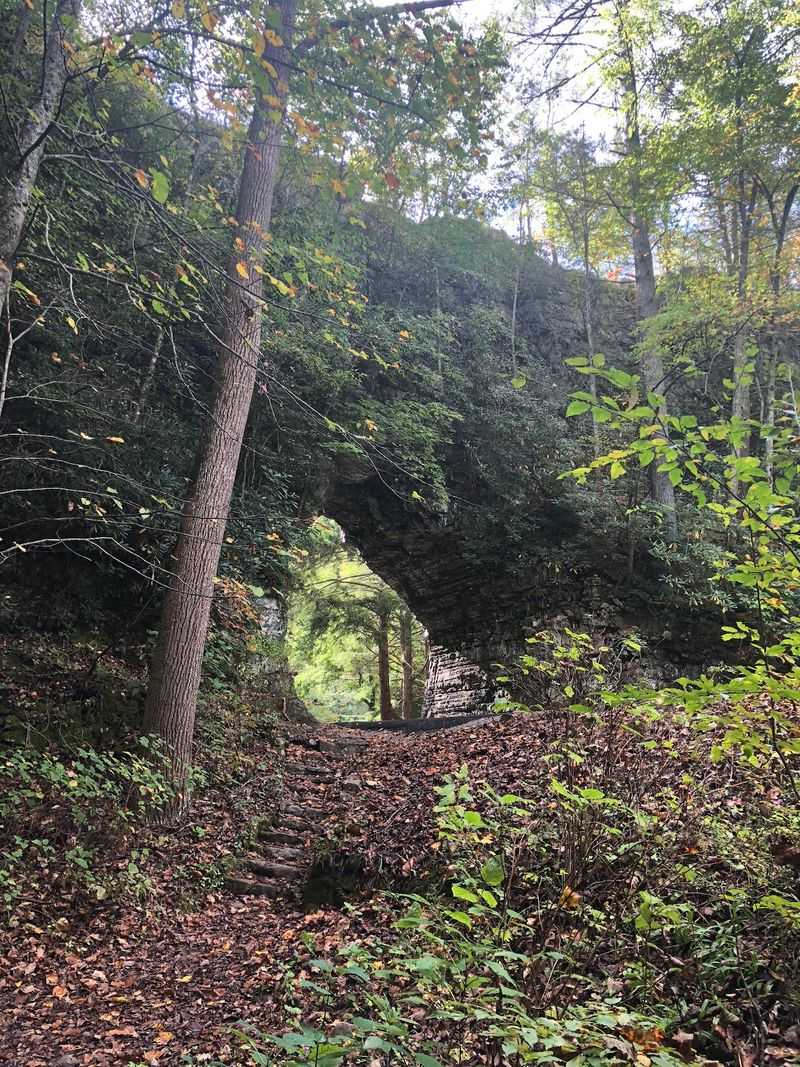
Far northeast Tennessee gets wild and mountainous, and Backbone Rock represents one of the region’s most distinctive features. Someone actually cut a tunnel through solid rock here, narrow enough that modern vehicles barely squeeze through.
The rock formation itself rises dramatically above the surrounding forest, giving the area its name and its character.
The tunnel dates back to the early 1900s when it was carved to allow a railroad to pass through. Later it became part of a road, and now it’s a focal point for a small but scenic campground and recreation area.
You can drive through the tunnel, but most locals prefer to park and explore on foot.
Trails wind through the surrounding woods, following creeks and climbing to viewpoints where the mountains stack up in layers toward the horizon. This is Appalachian country, and it shows in the landscape: steep ridges, thick forests, clear streams, and that particular quality of light that filters through mountain air.
The campground itself stays relatively quiet compared to more famous Tennessee camping destinations. Sites sit among the trees, offering shade and privacy.
Creek sounds provide natural white noise. At night, stars punch through the darkness with a clarity you won’t find near cities.
Locals from the Tri-Cities area treat Backbone Rock as their mountain escape, close enough for weekend trips but remote enough to feel like a genuine getaway. Fishing is decent in nearby streams.
Hiking options range from easy creek walks to more challenging ridge climbs. Fall colors are spectacular when the hardwoods turn.
Tourists heading to the Smokies blow right past this area, missing a corner of Tennessee that offers mountain beauty without the crowds, commercialization, or traffic jams. For locals who know, that’s exactly the appeal and exactly worth protecting.
10. Pickett CCC Memorial State Park, Jamestown
Pickett State Park sits on the Cumberland Plateau near the Kentucky border, and if you want to understand why locals love it, just look at what it doesn’t have: massive crowds, bumper-to-bumper traffic, or commercialized entrances lined with souvenir shops. What it does have is dramatic geology, dark skies, and the kind of wild beauty that makes you remember why you love Tennessee.
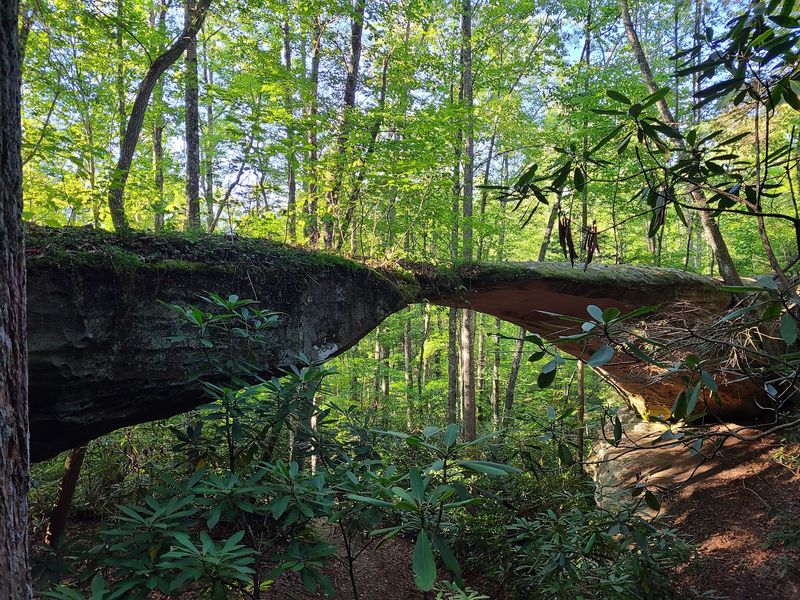
Natural bridges, rock shelters, and unusual formations dot the landscape, carved by water and time into shapes that seem almost intentional. Hiking trails wind through forests and along bluff lines, revealing new surprises around every bend.
Hazard Cave Loop is a favorite, passing several natural bridges and offering views that reward the effort.
The park earned International Dark Sky Park status, meaning the night sky here is legitimately spectacular. Locals make special trips for stargazing, especially during meteor showers when the lack of light pollution turns the sky into a cosmic show.
Bring a blanket, lie back, and watch the universe do its thing.
Civilian Conservation Corps crews built much of the park infrastructure during the 1930s, and their stone and timber work still stands as a testament to craftsmanship and care. Cabins and facilities blend into the landscape instead of fighting it.
Everything feels intentional and respectful of the natural setting.
Camping options range from developed sites to backcountry spots for those wanting more solitude. The lake offers fishing and paddling. Trails accommodate everyone from casual walkers to serious backpackers. Wildlife thrives here, from deer to wild turkeys to the occasional black bear.
Locals from across the Upper Cumberland region consider Pickett their secret weapon against the Smokies crowds. Same beautiful Tennessee mountains, same great hiking, but with parking spots and trails you don’t have to fight for.
It’s the hidden gem that proves Tennessee has more to offer than the famous names everyone already knows.