Texas is packed with experiences that won’t drain your wallet but will fill your memory bank for years to come. From pink granite domes to bat-filled skies, the Lone Star State offers adventures that cost less than a pizza but deliver way more satisfaction. Whether you’re a lifelong Texan looking for weekend fun or a visitor trying to stretch your travel budget, these ten experiences prove that the best things in Texas don’t need to cost a fortune.
1. Climb Enchanted Rock (Fredericksburg)
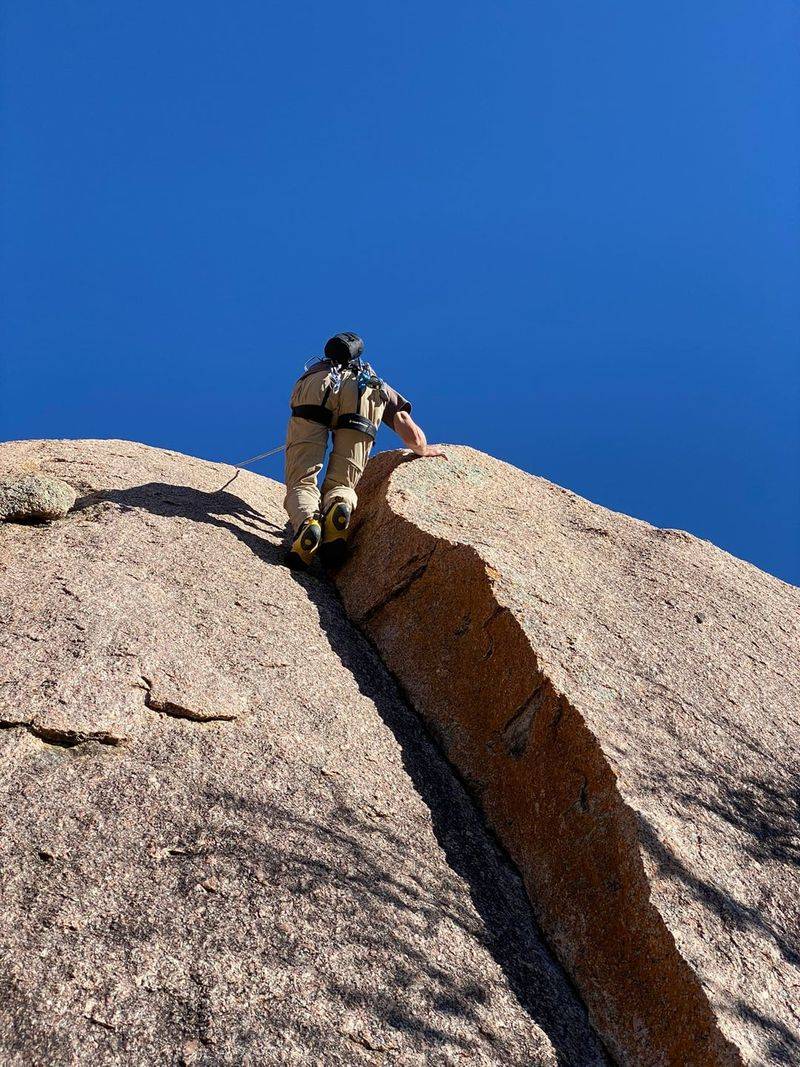
That massive pink dome rising from the Hill Country isn’t just Instagram bait—it’s one of the oldest rock formations in the United States, and scrambling to the top costs less than twelve bucks. The 425-foot climb rewards you with views that stretch across miles of rolling Texas countryside, especially stunning at sunset when the granite seems to glow.
Plan to arrive early because this place fills up fast on weekends. The park limits visitors to preserve the experience, so reservations through the state parks system are basically required during peak times. Wear sturdy shoes with good grip since the dome’s surface can be slippery, and bring way more water than you think you need—there’s zero shade once you start climbing.
The summit loop trail covers about a mile of moderately challenging terrain. You’ll use your hands in spots, but it’s totally doable for most fitness levels. Kids as young as six regularly make it to the top with their families.
Beyond the main dome, the park has several other trails if you want to explore further. The Loop Trail circles the base and takes you through oak groves and past huge boulders that have tumbled from the main formation over thousands of years. Spring wildflowers add splashes of color to the landscape.
Local legend says the rock makes creaking and groaning sounds at night as it cools and contracts. Whether or not you hear these so-called “rock spirits,” camping here under the stars is magical. Primitive campsites cost around fifteen dollars, making an overnight adventure still well under twenty bucks if you skip the day-use fee.
The rock’s cultural significance runs deep—Native American groups considered it sacred ground. That history adds weight to your visit. You’re not just climbing a cool geological feature; you’re walking where people have gathered for thousands of years.
Pack out everything you bring in, stay on marked trails, and leave no trace so future adventurers can enjoy this Texas treasure exactly as you found it.
2. Watch the Congress Avenue Bats (Austin)
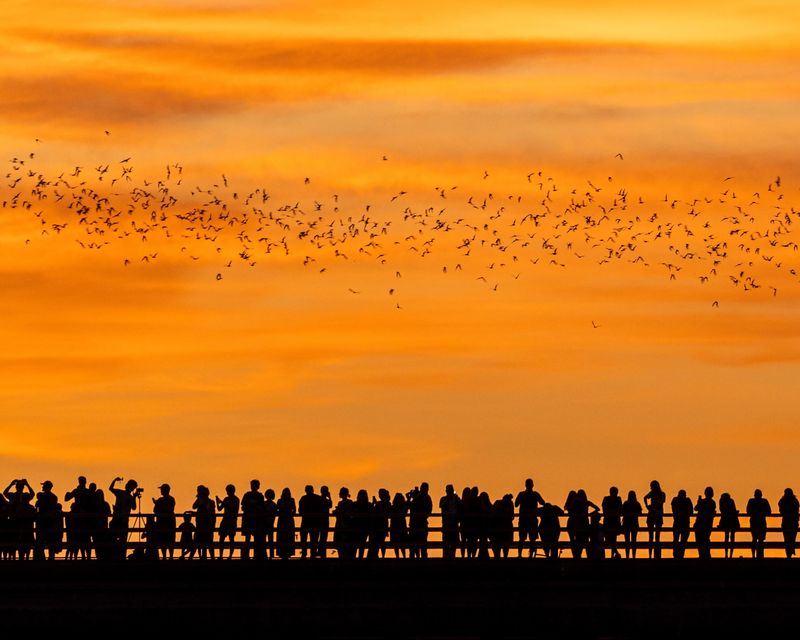
Every summer evening, around 1.5 million Mexican free-tailed bats pour out from under the Congress Avenue Bridge in a spectacle that looks like something from a nature documentary. This nightly show costs absolutely nothing and ranks among Austin’s most popular attractions. The bats emerge at dusk to hunt insects, creating a dark ribbon across the sky that can last twenty minutes or more.
Timing matters here. The colony arrives in March and sticks around through early November, with peak viewing from July through September when babies born earlier in the summer join the flight. Check the bridge’s official bat hotline or website for estimated emergence times—it varies by season and weather.
You’ve got several viewing options, each with its own vibe. The bridge sidewalk puts you directly above the action, though it gets crowded fast. Arrive at least thirty minutes early if you want a railing spot.
The grassy areas on the southeast side of Lady Bird Lake offer a more relaxed setting where you can spread a blanket and watch from below as the bats swirl overhead.
For a different perspective, rent a kayak or paddleboard and position yourself on the water. Several outfitters near the bridge offer affordable hourly rentals, though this obviously pushes you slightly over the twenty-dollar limit. Still, the view from water level as bats skim the surface is worth considering if your budget allows a tiny stretch.
Bring bug spray because mosquitoes love twilight as much as bats do. A light jacket helps too since temperatures drop once the sun sets. Skip the flash photography—it doesn’t work anyway and potentially disturbs the colony.
The bats migrate here from Mexico to give birth and raise their young in the bridge’s cozy crevices. Austin’s warm climate and abundant insect population make it perfect bat habitat. Each bat devours thousands of bugs nightly, providing serious natural pest control for the city.
When you watch them spiral into the sky, you’re witnessing one of the largest urban bat colonies in North America doing what they do best—being absolutely amazing.
3. Explore the Japanese Tea Garden (San Antonio)
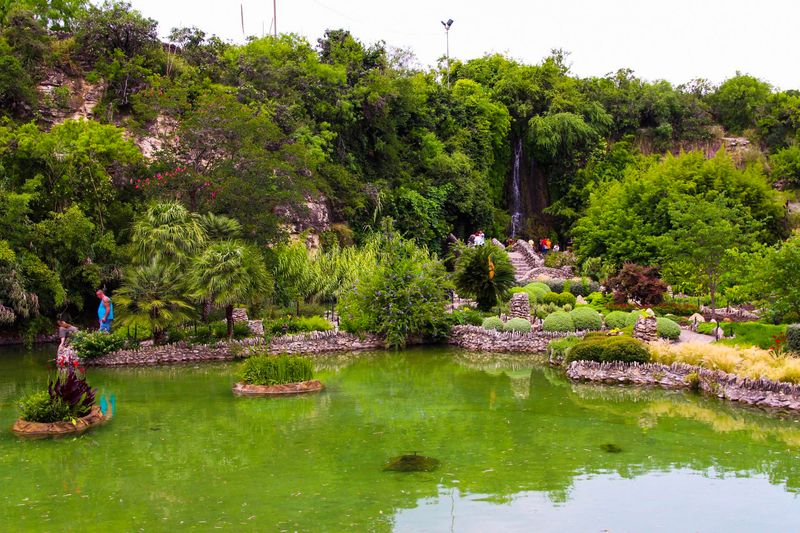
Tucked inside Brackenridge Park, this peaceful oasis started life as an abandoned rock quarry before transforming into one of San Antonio’s most photogenic spots. Admission is free, making it a perfect escape when you need to reset without spending a dime. Stone pathways wind past koi ponds, over arched bridges, and through gardens that bloom year-round in South Texas’s generous climate.
The garden’s history gets complicated. Built in 1917 by prison labor, it was originally called the Chinese Tea Garden despite its Japanese design elements. During World War II, anti-Japanese sentiment led to a name change to the Chinese Sunken Garden.
The city finally restored the Japanese Tea Garden name in 1984, acknowledging its authentic design roots.
A family named Jingu lived here for decades, maintaining the gardens and operating a teahouse. Their care and dedication shaped the space into what visitors enjoy today. Though the Jingus are gone, their influence remains in every carefully placed stone and pruned plant.
Water features dominate the landscape—waterfalls cascade over limestone cliffs, creating a constant soothing soundtrack. The ponds teem with huge koi that swarm when visitors approach, hoping for food. Feeding them costs a quarter from dispensers near the water, a tiny splurge that delights kids and adults equally.
Spring brings peak beauty with blooming flowers adding color to the already lush greenery. Summer can get brutally hot, so morning visits work best during June through August. Fall and winter remain pleasant, with the garden maintaining its green palette while other landscapes go dormant.
Photographers love this place for good reason—every angle offers something worth capturing. The stone bridges reflected in still water, the tumbling waterfalls, the bright orange koi against dark pond bottoms. Arrive early on weekends to avoid crowds and get clean shots without other visitors in your frame.
Pack a picnic and claim a bench near the water. The garden allows outside food, and several shaded spots invite you to linger. It’s a rare chance to feel transported somewhere far from Texas without leaving San Antonio or spending more than gas money to get there.
4. Hike to Gorman Falls (Colorado Bend State Park)
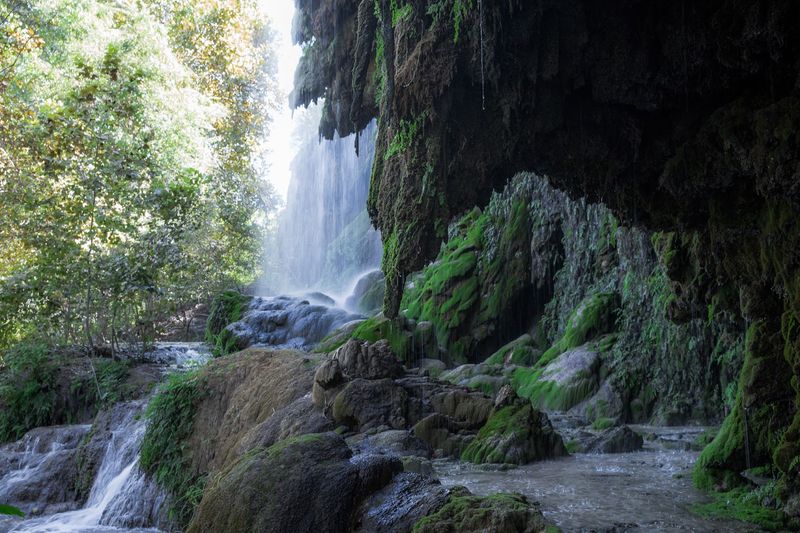
Gorman Falls doesn’t roar like Niagara—it seeps and trickles over a seventy-foot travertine cliff covered in emerald moss and ferns. The waterfall creates its own microclimate, supporting plants that shouldn’t survive in the Texas Hill Country. Getting there requires a challenging three-mile hike each way, but the payoff makes every sweaty step worthwhile.
Park entry runs eight dollars per person, well under our budget. No reservations needed for day hiking, though arrive early because parking fills up on pretty weekends. The trailhead starts near Spicewood Springs, and you’ll want to grab a map at the entrance—cell service is nonexistent once you’re in.
The hike isn’t technically difficult, but the terrain demands attention. Rocky sections, creek crossings, and uneven footing keep things interesting. Sturdy hiking boots beat sneakers here.
You’ll cross the Colorado River on a low-water crossing, which can be impassable after heavy rains—always check conditions before driving out.
Travertine formations give Gorman Falls its unique character. Mineral-rich water deposits calcium carbonate as it flows, slowly building the cliff face over thousands of years. Moss, ferns, and other moisture-loving plants thrive in the constant spray, creating a hanging garden that seems impossibly green against the surrounding limestone landscape.
Swimming isn’t allowed at the falls themselves to protect the fragile ecosystem, but the Colorado River offers plenty of spots to cool off before or after your hike. The water runs clear and surprisingly chilly even in summer, fed by springs that maintain consistent temperatures year-round.
Wildlife sightings happen regularly—deer, wild turkeys, armadillos, and if you’re lucky, a glimpse of the endangered golden-cheeked warbler during spring migration. Watch for snakes too, especially in warmer months. They’re usually more scared of you than you are of them, but give them space.
Bring serious sun protection and twice as much water as seems reasonable. The trail offers limited shade, and Texas sun doesn’t mess around. A hat, sunscreen, and electrolyte drinks help prevent the misery of heat exhaustion.
Pack out all trash—this is primitive country without facilities along the trail. The falls reward those willing to work for them, offering a glimpse of Texas most people never see.
5. Ride the Free Port Aransas Ferry (Port Aransas)
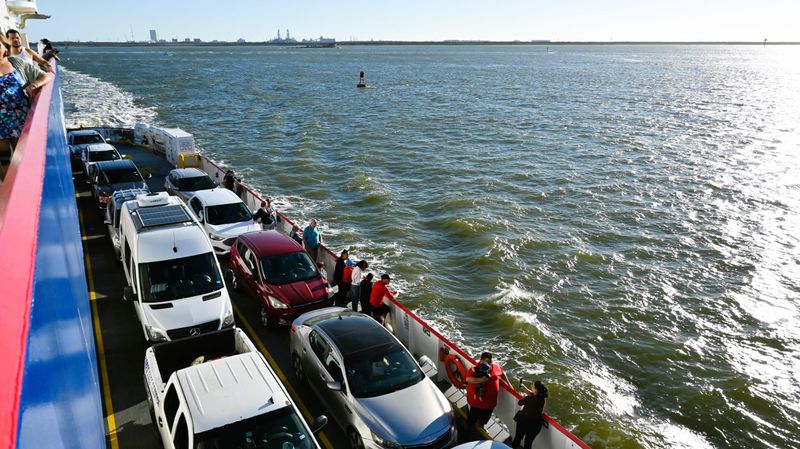
Most people don’t realize that one of the best coastal experiences in Texas costs exactly zero dollars. The Port Aransas ferry shuttles vehicles and passengers across the Corpus Christi Ship Channel 24/7, and the short ride delivers big doses of salt air, seabird sightings, and genuine maritime atmosphere. You don’t even need a car—walk-on passengers ride free too.
Two ferry boats run continuously, so wait times rarely exceed twenty minutes even during busy summer weekends. The crossing takes about five minutes, just long enough to step out of your vehicle, lean against the railing, and watch dolphins if you’re lucky. They frequently swim near the ferries, attracted by fish stirred up in the channel.
Seagulls, pelicans, and other coastal birds follow the boats, diving for small fish and putting on an aerial show. Kids love tossing crackers to the gulls, though technically you’re not supposed to feed wildlife. The birds don’t seem to know or care about that rule.
The ship channel bustles with activity—shrimp boats, recreational fishing vessels, and occasional huge cargo ships pass through. Watching a massive freighter glide past while you’re standing on the open deck of a small ferry creates a sense of scale that’s hard to describe. Those ships tower over you, their hulls rust-streaked and barnacle-crusted from ocean voyages.
Sunrise and sunset crossings offer the best light for photos. The water turns golden, and the coastal landscape takes on that dreamy quality photographers chase. Even if you’re just heading to the beach for the day, time your ferry ride to catch good light in at least one direction.
The ferry system has served this area since the 1920s, connecting the mainland to Mustang Island before any bridges existed. It’s a living piece of Texas coastal history that somehow survived modernization. Most coastal areas eventually build bridges and retire their ferries, but Port Aransas kept this tradition alive.
Make the crossing part of your adventure rather than just transportation. Bring a camera, breathe the salty air, and appreciate that Texas still offers experiences this authentic without charging admission. Round-trip means you can enjoy the ride twice, and it still won’t cost you anything except a few minutes of your day.
6. Walk the Missions Trail (San Antonio)
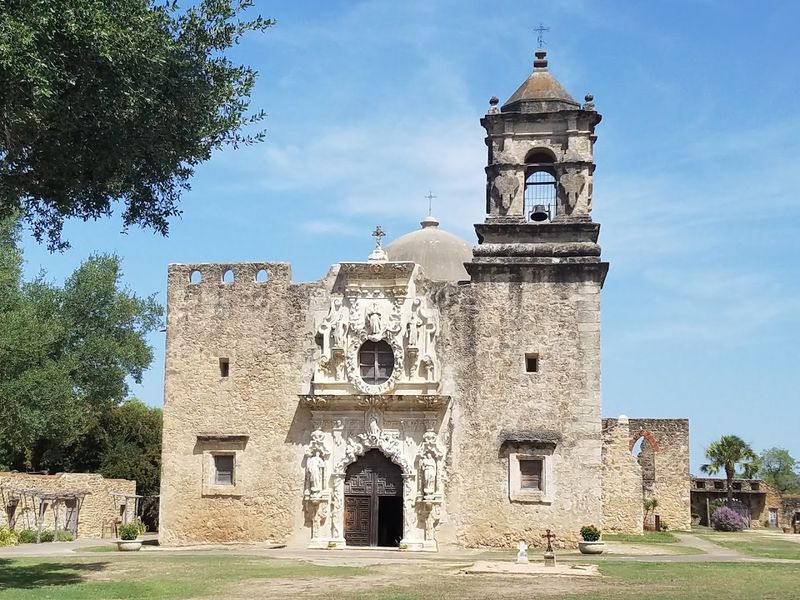
Four Spanish colonial missions stretch along the San Antonio River, connected by walking and biking trails that let you explore three centuries of Texas history without spending a cent. The Missions Trail covers about eight miles if you walk the whole thing, though you can easily visit individual missions and keep your adventure shorter. Each site tells a different chapter in the story of Spanish colonization and the indigenous people who lived here first.
Start at Mission Concepción, the oldest unrestored stone church in America. Its walls still show traces of original frescoes, geometric patterns painted by mission artisans in the 1700s. The church remains active—Mass is celebrated here every Sunday, maintaining an unbroken tradition that spans nearly three hundred years.
Mission San José earned the nickname “Queen of the Missions” for good reason. Its elaborate Rose Window showcases the stonework skills of sculptor Pedro Huizar, who allegedly carved it in memory of a lost love. The mission compound includes living quarters, a granary, and defensive walls that protected residents from raids.
San Juan and Espada, the smaller missions, offer quieter experiences with fewer crowds. San Juan’s chapel features beautiful simplicity, while Espada includes an old aqueduct that still carries water—one of the oldest Spanish aqueducts in the United States. Both missions maintain working farms using traditional methods, connecting visitors to the agricultural heritage that sustained these communities.
The trail itself winds through surprisingly peaceful stretches despite being in the middle of San Antonio. Trees shade much of the path, and the river provides a cooling presence even in summer heat. Cyclists share the trail, so stay alert and keep to the right when walking.
Rangers offer free guided tours at each mission, sharing stories that bring the stone buildings to life. Ask about the people who lived here—the Coahuiltecan groups who built these structures, the Spanish friars who ran them, and the complex relationships that shaped early Texas. History gets messy and complicated, but these sites don’t shy away from difficult truths.
Bring water, wear comfortable shoes, and allow at least half a day to see all four missions properly. You could rush through in two hours, but why would you? This is a chance to walk through actual history, touching walls built before the United States existed, all without paying admission to a single site.
7. Hike McKinney Falls State Park (Austin)
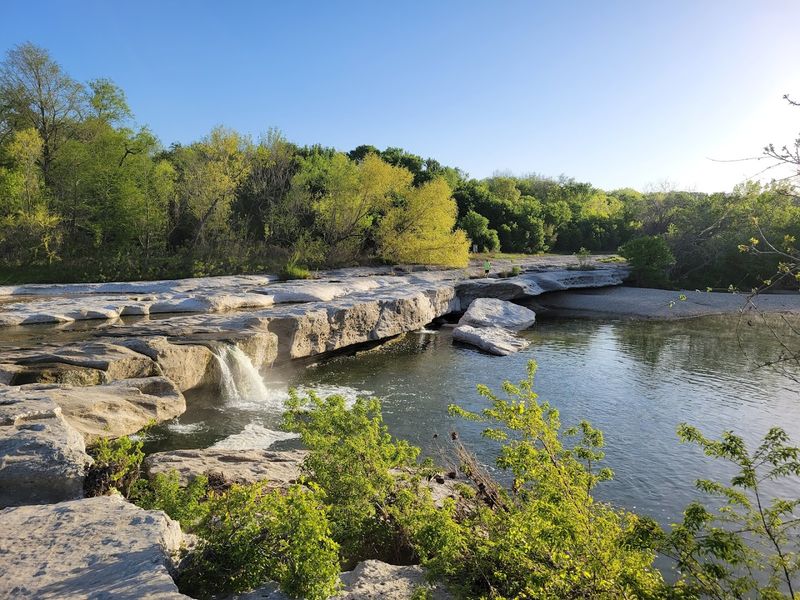
Just thirteen miles from downtown Austin, McKinney Falls State Park feels like a different world. Two waterfalls—Upper and Lower McKinney Falls—tumble over limestone ledges into swimming holes that stay refreshingly cool even when August temperatures hit triple digits. Day-use admission costs six dollars per person, leaving plenty of budget room for a breakfast taco on your way to the trailhead.
Lower McKinney Falls gets the most attention, and for good reason. The wide waterfall spreads across layered limestone, creating natural water slides and pools perfect for wading. When Onion Creek runs high after spring rains, the falls roar impressively.
During drier periods, they mellow into gentle cascades, but the swimming holes remain deep enough for a proper dip.
Upper Falls sits about a quarter-mile upstream, quieter and often less crowded. The water drops about eight feet over a single ledge, and the pool below attracts families with small children since it’s shallower and calmer than Lower Falls. Trees provide decent shade around both falls, making them pleasant hangout spots even during peak summer heat.
The park’s trail system covers nearly five miles, ranging from easy strolls to moderate hikes. Onion Creek Trail follows the waterway, offering multiple access points to the creek and chances to spot wildlife. Deer are practically guaranteed, and you might see raccoons, armadillos, or various bird species including the occasional great blue heron fishing in shallow water.
Mountain bikers love the Rock Shelter Trail for its technical challenges and scenic views. Hikers can tackle the same route, though watch for cyclists and be ready to step aside on narrow sections. The trail passes rock overhangs that sheltered Native Americans thousands of years ago—you can still see smoke stains on the ceiling from ancient fires.
Ruins of Thomas F. McKinney’s old homestead scatter throughout the park. McKinney was one of Stephen F.
Austin’s original 300 colonists, and his stone house foundations and outbuildings remain visible along some trails. Interpretive signs explain the area’s history, connecting you to the people who called this land home long before it became a state park.
Pack a picnic and claim one of the shaded tables near the falls. The sound of rushing water, the cool mist on your face, and the knowledge that you’re enjoying all this for less than the cost of a movie ticket makes McKinney Falls one of Austin’s best-kept secrets.
8. Go Fossil Hunting at Mineral Wells Fossil Park (Mineral Wells)
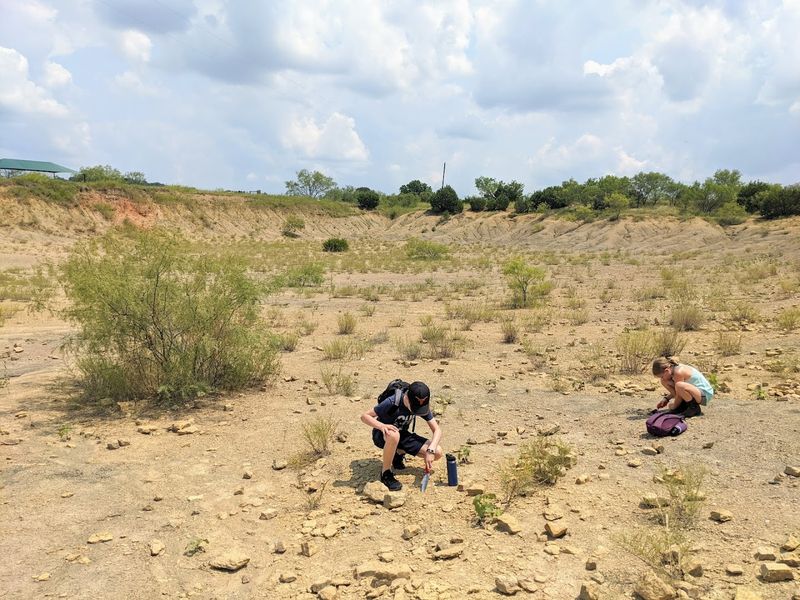
Imagine finding a 300-million-year-old sea creature fossil before lunch, then taking it home legally and free of charge. Mineral Wells Fossil Park makes this possible, offering one of the coolest educational experiences in North Texas without admission fees or permits. The park sits on land that was underwater during the Pennsylvanian Period, and the marine fossils you’ll find prove it.
Bring basic tools—a hammer, chisel, and screwdriver work fine. Some people get fancy with rock picks and brushes, but you don’t need specialized equipment to find fossils here. The shale splits easily, revealing ancient crinoids, brachiopods, and other sea creatures that lived when Texas was covered by a tropical ocean.
Kids absolutely love this place. There’s something magical about cracking open a rock and discovering something that died before dinosaurs existed. The hands-on nature beats any museum visit, and the educational value sneaks up on them while they’re having too much fun to notice they’re learning geology and paleontology.
The park provides no shade, so plan accordingly. Summer visits should happen early morning or late afternoon to avoid the worst heat. Spring and fall offer perfect conditions—mild temperatures and comfortable digging weather.
Bring water, sunscreen, and hats for everyone in your group.
Most fossils here are small—thumbnail-sized crinoid segments, tiny brachiopod shells, and occasional larger pieces if you’re patient. You won’t find complete skeletons or museum-quality specimens, but the thrill of discovery remains genuine. Each fossil represents a real creature that lived, died, and became stone over incomprehensible spans of time.
The park allows visitors to keep everything they find, with no limits or restrictions. Fill a bucket if you want—it’s all yours. This generosity makes it perfect for school groups, scout troops, or families looking for free educational entertainment.
Teachers often bring students here for field trips that cost nothing but create memories that last years.
Experienced fossil hunters recommend working the fresh piles of shale rather than already-picked-over areas. Park staff occasionally brings in new loads, creating virgin hunting grounds. Ask when you arrive if any fresh material has been added recently.
Safety matters when you’re swinging hammers and breaking rocks. Wear safety glasses to protect your eyes from flying shale chips. Keep tools under control and maintain awareness of other diggers around you.
The park is remarkably safe, but basic precautions prevent unnecessary injuries.
9. Stargaze at Fort Davis / Davis Mountains Area (West Texas)
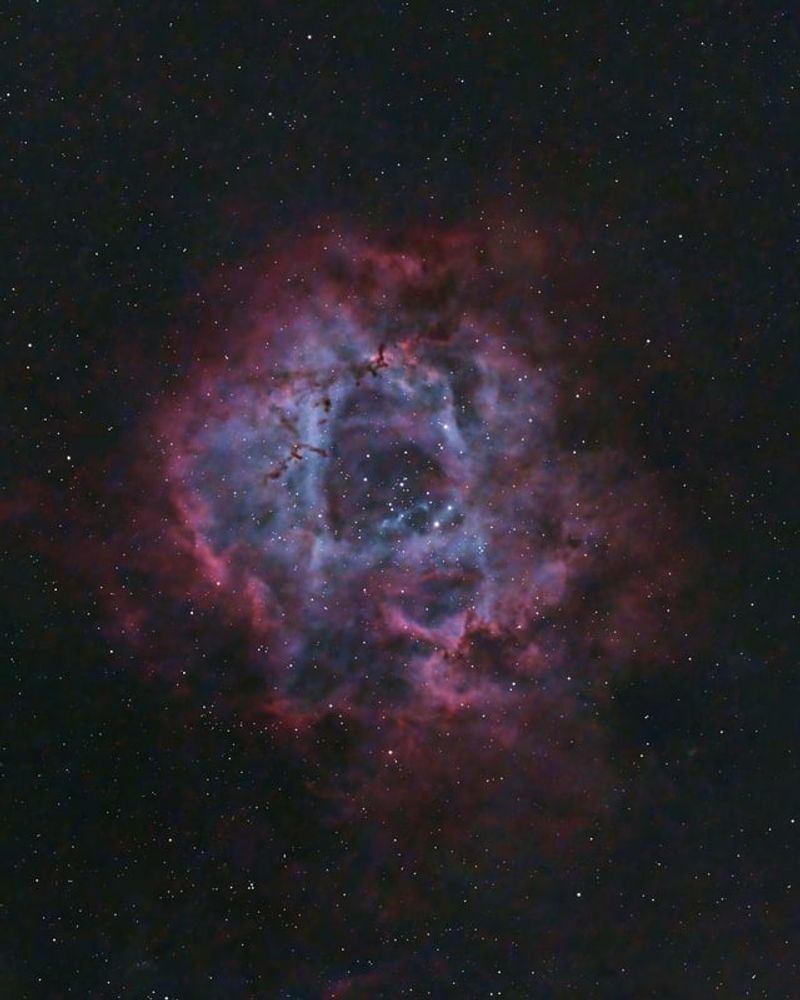
West Texas darkness reveals the universe in ways most Americans never experience. Fort Davis and the surrounding Davis Mountains region offer some of the darkest skies in the Lower 48, making it a premier stargazing destination where the Milky Way stretches across the sky like a river of light. You don’t need a telescope or special equipment—just drive far enough from city lights, let your eyes adjust, and prepare to be humbled.
The McDonald Observatory sits atop Mount Locke, hosting public star parties several nights each week. Tickets run around fifteen dollars, slightly over our budget but worth mentioning for serious astronomy fans. However, you can stargaze for free anywhere in the area with dark enough skies and clear weather.
Davis Mountains State Park charges eight dollars for day use, giving you access to hiking trails and scenic overlooks perfect for setting up camp chairs after dark. The park’s elevation and remote location create ideal viewing conditions. On moonless nights, you can see thousands of stars invisible from urban areas, plus planets, satellites, and occasional meteor showers.
Timing your visit around new moon phases maximizes darkness and visibility. Full moons are beautiful but wash out fainter stars and make the Milky Way harder to see. Check lunar calendars before planning your trip, and monitor weather forecasts—clouds obviously ruin stargazing plans.
Download a stargazing app before you arrive since cell service gets spotty in the mountains. Apps like SkySafari or Star Walk help identify constellations, planets, and other celestial objects by pointing your phone at the sky. Learning what you’re seeing enhances the experience beyond just gawking at pretty lights.
Dress warmer than seems necessary. Desert temperatures plummet after sunset, and you’ll be sitting still for extended periods while your body heat dissipates. Layers, blankets, and hot drinks keep you comfortable during multi-hour viewing sessions.
Reclining camp chairs beat craning your neck to look straight up for hours.
The area’s natural beauty extends beyond nighttime attractions. Fort Davis National Historic Site preserves a frontier military post with well-maintained buildings and informative exhibits. The town itself maintains authentic West Texas character—small, friendly, and refreshingly uncommercial.
Local restaurants serve genuine home cooking, and the pace of life runs about three decades behind the rest of Texas.
Stargazing here connects you to something bigger than daily concerns. When you’re staring at light that traveled millions of years to reach your eyes, traffic jams and work deadlines shrink to their proper insignificance.
10. Explore Palo Duro Canyon State Park (Canyon)
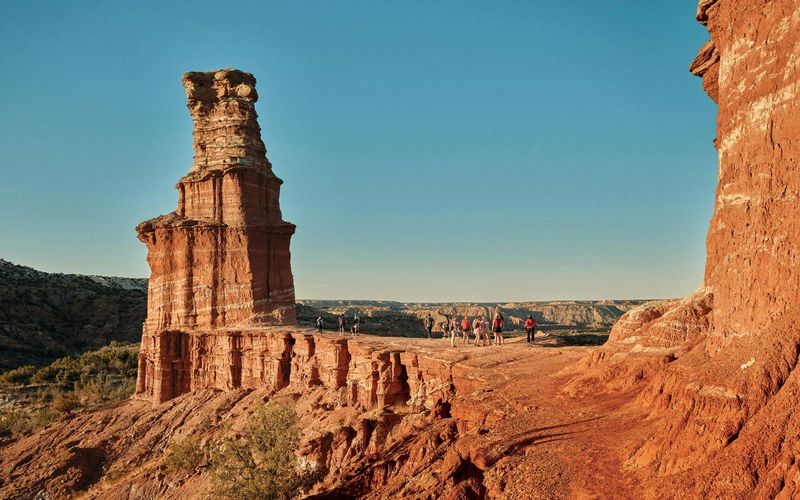
Texas’s second-largest canyon stretches 120 miles long and drops 800 feet deep, yet somehow remains overshadowed by its Arizona cousin. Palo Duro Canyon rewards visitors with spectacular geology, excellent hiking, and a fraction of the crowds that mob the Grand Canyon. Day-use admission costs eight dollars per person, and what you get for that price rivals parks that charge triple.
The canyon’s layered rock walls tell 250 million years of geological history in shades of red, orange, and white. Spanish explorers called it “Palo Duro”—hard wood—for the juniper trees growing along the canyon floor. Those trees still thrive, providing habitat for mule deer, wild turkeys, roadrunners, and the official Texas State Bison Herd that roams the park.
Lighthouse Trail ranks as the park’s most popular hike, a moderate six-mile round trip to a distinctive rock formation that rises like a natural monument from the canyon floor. The trail gains about 500 feet in elevation, challenging enough to feel accomplished but manageable for reasonably fit hikers. Start early during summer months—shade is limited, and temperatures climb quickly.
Sunrise and sunset transform the canyon into a photographer’s dream. Morning light sets the eastern walls ablaze with color, while evening illuminates the western faces. The changing angles create dramatically different moods throughout the day.
Plan to visit during golden hour at least once during your stay.
The park offers seventy-five miles of trails ranging from easy nature walks to strenuous backcountry routes. Paseo del Rio Trail follows the Prairie Dog Town Fork of the Red River, offering relatively flat terrain and frequent wildlife sightings. More adventurous hikers can tackle the Capitol Peak Trail or explore lesser-known paths that see few visitors.
Mountain biking is permitted on several trails, giving cyclists a chance to cover more ground and experience the canyon’s scale. The terrain varies from smooth doubletrack to technical rocky sections, accommodating different skill levels. Rent bikes in nearby Canyon if you didn’t bring your own.
The outdoor musical drama “TEXAS” performs in the canyon’s natural amphitheater during summer months. While tickets exceed our budget, the production has entertained audiences since 1966 and adds cultural dimension to the park’s natural attractions. Even if you skip the show, the amphitheater itself is worth seeing.
Pack more water than seems rational—the dry climate and physical exertion combine to dehydrate you faster than expected. The canyon floor offers limited services, so arrive prepared with snacks, sun protection, and appropriate clothing for temperature swings between canyon rim and floor.
Share this story