Texas is home to some pretty wild places that fly under the radar. Sure, everyone knows about the Alamo and Space Center Houston, but scattered across the Lone Star State are quirky roadside wonders, hidden caves, and unexpected adventures that surprise even longtime Texans. Whether you’re looking for a weekend escape or just want to shake up your usual routine, these spots prove that the best experiences often come from the places you least expect.
1. Stonehenge II (Ingram)
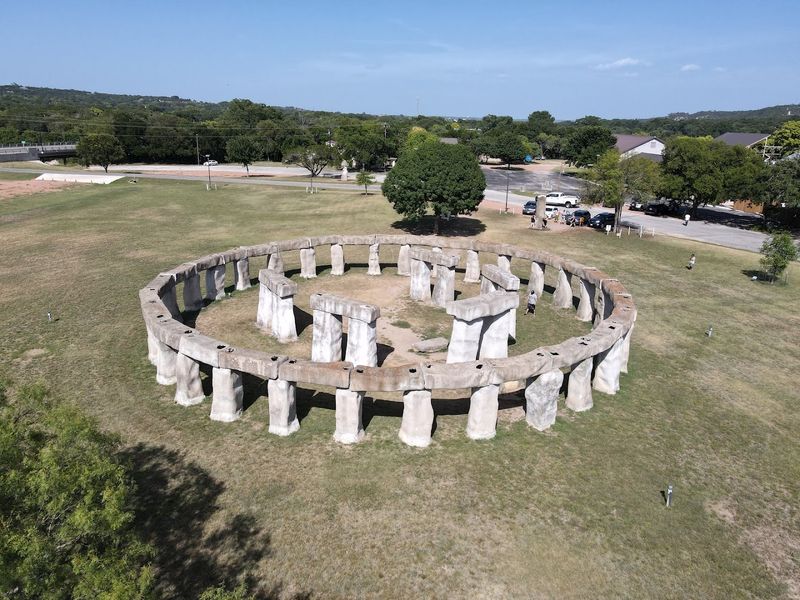
Out in the Hill Country near Ingram sits a full-scale replica of England’s famous Stonehenge, complete with Easter Island moai statues standing guard nearby. Built by the late Al Shepperd and Doug Hill in the early 1990s, this quirky roadside attraction started as a fun project and became one of the most photographed spots in the area. The limestone slabs tower overhead just like the original, minus the 5,000-year history.
What makes this place unexpectedly fun is how seriously unserious it is. There’s no admission fee, no gift shop pressure, and no velvet ropes keeping you at a distance. You can walk right up to the stones, touch them, pose with them, and let your imagination run wild.
Kids love pretending they’re ancient druids, while adults appreciate the sheer absurdity of finding Stonehenge in Texas.
The Easter Island heads add another layer of weirdness to the whole setup. These moai replicas stand about 13 feet tall and stare out across the Texas landscape with their iconic blank expressions. The combination of two completely unrelated ancient wonders in one spot makes zero historical sense, which is exactly why it works so well as a roadside attraction.
Photography enthusiasts flock here during golden hour when the light hits the stones just right. The rural setting means minimal light pollution, so if you time your visit for sunset, you might catch some stunning colors behind the monument. Bring a picnic blanket and make an evening of it—there’s plenty of open space to spread out.
Located in Hill Country Arts Foundation’s outdoor sculpture garden, Stonehenge II pairs nicely with a day trip through the surrounding area. Ingram itself is a small town with a few antique shops and local eateries worth checking out. The whole experience takes maybe 30 minutes unless you’re really into your photo session, making it a perfect quick stop on a longer road trip through the region.
No passport required for this international adventure.
2. Fossil Rim Wildlife Center (Cresson)
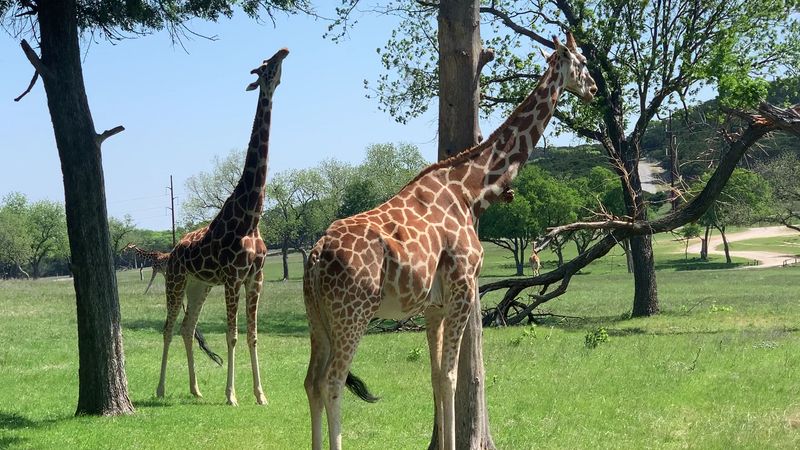
Driving through Fossil Rim feels like you accidentally took a wrong turn and ended up on an African safari. Giraffes casually stroll up to your car window expecting snacks, zebras cross the road without a care in the world, and ostriches give you side-eye that suggests they’re judging your vehicle choice. This 1,800-acre wildlife conservation center between Glen Rose and Cresson lets you get closer to exotic animals than most zoos would ever allow.
The self-guided scenic wildlife drive stretches nearly 10 miles through rolling Texas hills transformed into habitats for over 1,000 animals from 50 species. You can take your own car or rent one of their air-conditioned vehicles if your ride isn’t quite safari-ready. Either way, you’ll be stopping constantly because animals have zero respect for your schedule and will block the road whenever they feel like it.
Feeding the animals is half the fun and completely optional, but let’s be honest—you’re going to buy the feed buckets. Giraffes have surprisingly long tongues and no concept of personal space when food is involved. Their gentle nature makes the close encounters less scary and more hilarious, especially when you’re trying to get a selfie while a giraffe photobombs from above.
Beyond the drive-through experience, Fossil Rim runs serious conservation programs for endangered species. The center participates in breeding programs for animals like the cheetah and Mexican gray wolf, giving your visit a purpose beyond entertainment. Educational programs and behind-the-scenes tours offer deeper dives into their conservation work if you want more than just animal selfies.
Plan for at least two to three hours to fully enjoy the drive without rushing. Early mornings or late afternoons work best since animals are more active when temperatures cool down. The on-site café serves lunch if you want to make a full day of it, and overnight lodging options let you wake up to giraffes outside your window.
Pack sunscreen, bring your camera, and prepare for animals to treat your car like a mobile buffet.
3. The Big Blue Crab (Rockport)
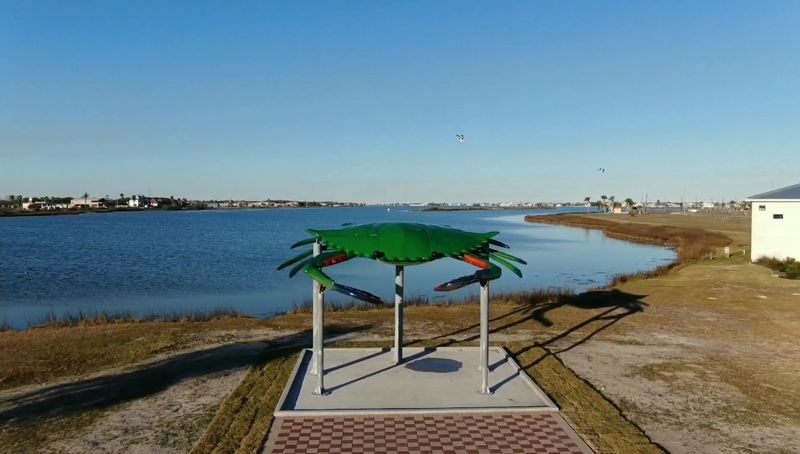
A massive blue crab statue greets visitors entering Rockport, and yes, it’s exactly as weird and wonderful as it sounds. Standing several feet tall with claws raised in a permanent wave, this oversized crustacean has become the unofficial mascot of this coastal town. Originally built in 1995 for a restaurant that’s long gone, the crab survived and became a beloved local landmark that nobody takes seriously but everyone loves.
Roadside attractions like this exist purely for the joy of existing. There’s no deep meaning, no historical significance, just a really big crab that makes people smile and pull over for photos. Kids think it’s the coolest thing ever, treating it like a playground sculpture they can climb around.
Adults appreciate the nostalgic throwback to classic American roadside kitsch.
The crab sits near Rockport Beach, making it easy to combine your giant crab photo op with actual beach time. After you’ve gotten your obligatory tourist shots, the real Rockport experience awaits just down the road. This coastal town offers excellent birdwatching, fishing charters, and seafood restaurants serving the freshest catches you’ll find anywhere on the Texas coast.
Timing your visit during blue crab season (roughly April through December) adds extra authenticity to the experience. Local restaurants feature blue crab on their menus, and you can even try crabbing yourself if you’re feeling adventurous. The contrast between the fake giant crab and the real ones on your dinner plate creates a weird full-circle moment.
Rockport itself deserves more than just a quick crab photo stop. The town maintains a laid-back vibe that’s refreshing compared to more tourist-heavy coastal destinations. Art galleries, small shops, and waterfront parks make for pleasant wandering after you’ve paid respects to the big blue guardian.
Fulton Beach Road runs along the coast with great sunset viewing spots, and the whole area feels like a hidden gem that hasn’t been completely overrun yet. The crab might be silly, but it represents something genuine about small Texas towns that embrace their quirks instead of hiding them.
4. Wonder World Cave & Adventure Park (San Marcos)
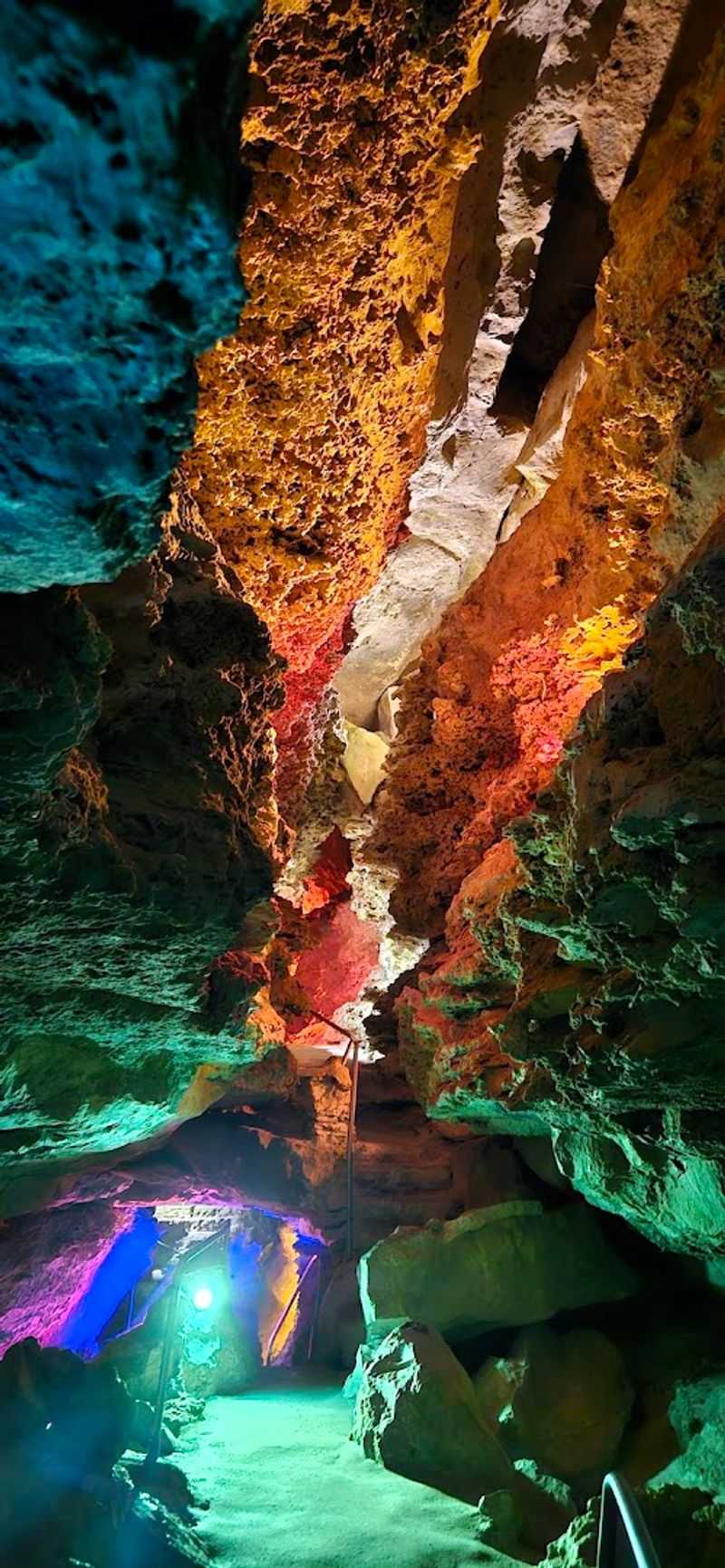
Formed by an earthquake millions of years ago, Wonder World Cave takes you deep into a genuine fault line running beneath San Marcos. The guided cave tour descends into cool underground passages where you can literally see where tectonic plates shifted and created this natural wonder. Unlike show caves that rely heavily on artificial enhancements, this cave keeps things relatively natural while still being accessible for most fitness levels.
The earthquake fault itself is the star attraction here. Your guide points out the actual crack in the earth’s crust, explaining how seismic activity created this underground marvel. Standing in a space formed by such powerful natural forces puts things in perspective, even if you’re not usually into geology.
The constant 70-degree temperature feels amazing during Texas summers, making this an ideal escape from brutal heat.
Above ground, the adventure park adds extra entertainment value beyond just the cave. An observation tower rises 190 feet, offering panoramic views of the Hill Country that stretch for miles on clear days. The anti-gravity house messes with your sense of balance and makes for entertaining photos where people appear to lean at impossible angles.
A wildlife park featuring Texas animals rounds out the attractions, though the cave remains the main draw.
Tours run throughout the day, lasting about 45 minutes for the cave portion alone. Guides share stories about the cave’s discovery in 1893 and its various uses over the years, including as a speakeasy during Prohibition. The historical tidbits add personality to what could otherwise be just another cave tour.
Comfortable walking shoes are essential since you’ll be navigating stairs and uneven surfaces underground.
San Marcos sits perfectly between Austin and San Antonio, making Wonder World an easy day trip from either city. The nearby San Marcos River offers tubing and swimming if you want to extend your visit into a full outdoor day. Texas State University’s campus adds college-town energy to the area, with decent restaurants and shops within a short drive.
Combining the cave with a river float creates an ideal contrast—underground exploration followed by lazy river relaxation. The whole experience proves that educational attractions don’t have to be boring, and natural wonders can compete with any manufactured theme park.
5. The Museum of the Weird (Austin)

Tucked into a storefront on Austin’s Sixth Street, the Museum of the Weird celebrates everything strange, unexplained, and delightfully bizarre. Shrunken heads, a frozen Minnesota Iceman (allegedly a missing link), and various cryptozoological specimens fill display cases like a Victorian cabinet of curiosities on steroids. Part museum, part sideshow, this place embraces the weird with such enthusiasm that you can’t help but get swept up in it.
The museum’s founder, Steve Busti, spent years collecting oddities from around the world. His passion for the strange shows in every carefully curated exhibit, from two-headed animals to supposed alien artifacts. Whether everything is authentic doesn’t really matter—the experience lies in the storytelling and the willingness to suspend disbelief for an hour.
Some items are genuinely rare historical pieces, while others toe the line between fact and fiction in the best possible way.
Live shows happen throughout the day, adding performance art to the static displays. Sword swallowers, fire breathers, and other variety acts perform in the small theater space, bringing old-school carnival entertainment to modern Austin. The performers clearly love what they do, and their energy makes even skeptical audience members crack a smile.
These shows change regularly, so repeat visits offer different experiences each time.
Austin’s reputation for keeping things weird finds its purest expression in this museum. While the city has grown and corporatized in many ways, places like this maintain the quirky spirit that made Austin special in the first place. Located in the heart of downtown’s entertainment district, it provides a fascinating break from the usual bar-hopping routine that dominates Sixth Street.
Admission prices are reasonable, especially considering you’re supporting a genuinely independent attraction. The museum stays open late on weekends, making it a perfect pre-dinner or pre-show stop when you’re already downtown. Gift shop offerings lean heavily into weird science and oddity culture, with items you won’t find at typical tourist traps.
Photography is allowed throughout most exhibits, so document your encounter with the bizarre to your heart’s content. Fair warning: this place isn’t trying to be family-friendly in the sanitized corporate sense, so younger kids might find some exhibits genuinely creepy rather than fun-creepy.
6. Garey Park (Georgetown)
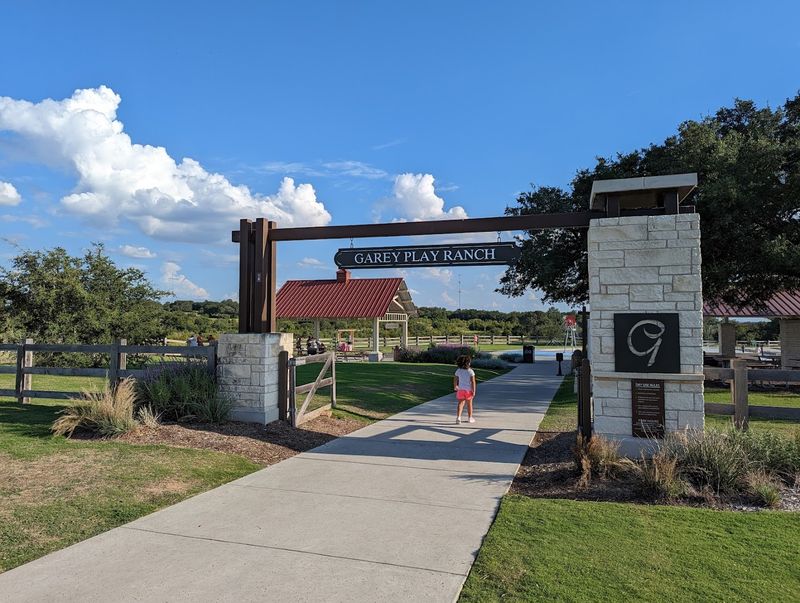
Most city parks offer the standard swings-and-slides setup, but Garey Park goes several steps further with attractions that feel more amusement park than municipal recreation area. A miniature train chugs along tracks winding through the property, delighting kids and nostalgic adults alike. The train runs on weekends and operates on a donation basis, making it accessible entertainment that won’t drain your wallet.
Beyond the train, a vintage carousel spins with hand-painted horses that harken back to simpler times. The carousel’s restored beauty surprises first-time visitors who expect something more utilitarian from a city park. Both attractions date back decades and have been lovingly maintained by the community, giving the park a timeless quality that newer developments can’t replicate.
The park’s swimming pool complex provides relief during scorching Texas summers. Unlike crowded water parks with long lines and high prices, this public pool offers straightforward swimming fun without the overwhelming sensory overload. Separate areas for lap swimming and recreational play keep everyone happy, and the affordable admission makes it accessible for families watching their budgets.
Natural features enhance the manufactured attractions beautifully. Massive oak trees provide shade over picnic areas, and the San Gabriel River runs along one edge of the property. Trails wind through wooded sections, offering peaceful walks when you need a break from the more active attractions.
The combination of natural and built environments creates varied experiences within one location.
Georgetown itself deserves exploration beyond just the park. The historic downtown square features locally-owned shops and restaurants in beautifully preserved buildings. Blue Hole, a natural swimming hole fed by the San Gabriel River, sits nearby for those wanting a more natural water experience.
The town maintains a small-city charm while offering enough activities to fill a full day.
Garey Park succeeds because it doesn’t try to be everything to everyone. Instead, it focuses on simple pleasures done well—a train ride, a carousel spin, a swim on a hot day. The park feels like a throwback to mid-century America when community spaces prioritized accessible fun over flashy attractions.
Admission to the park itself is free, with small fees only for specific attractions like the pool. Pack a picnic, bring a blanket, and enjoy the kind of unhurried afternoon that’s increasingly rare in our overscheduled world.
7. Jefferson Historical Museum and Ghost Tours (Jefferson)

Jefferson earned its reputation as one of the most haunted towns in Texas, and the historical museum leans into that legacy with evening ghost tours that explore the town’s spooky side. The daytime museum offers standard historical exhibits about Jefferson’s riverboat era and Civil War history, but after dark, things get interesting. Tour guides share documented paranormal experiences and local legends while leading groups through historic buildings and streets.
The town’s haunted reputation isn’t manufactured for tourist dollars—Jefferson residents have reported unexplained phenomena for generations. The Jefferson Hotel, Grove historic home, and several other locations have enough documented strange occurrences to attract serious paranormal investigators. Whether you believe in ghosts or not, the stories themselves provide entertaining insights into local history and the colorful characters who shaped this riverboat town.
Ghost tours run year-round but peak during October when the whole town embraces its spooky reputation. Guides balance entertainment with historical accuracy, explaining the real events behind the legends. You’ll hear about Civil War soldiers, riverboat captains, and Victorian-era residents whose spirits allegedly never left.
Some tours include access to buildings normally closed to the public, adding exclusive access to the ghost-hunting experience.
Jefferson itself feels frozen in time, with beautifully preserved 19th-century architecture lining brick streets. During its heyday as a riverport, Jefferson rivaled Galveston in size and importance before the Red River’s water levels dropped and ended the town’s shipping dominance. The resulting economic decline paradoxically preserved the historic character that makes modern Jefferson so appealing to visitors.
Daytime activities complement the ghost tours nicely. Antique shops fill historic storefronts, offering everything from genuine Victorian furniture to vintage costume jewelry. Bed and breakfasts occupy restored historic homes, many claiming their own resident ghosts.
The town’s compact size makes walking easy, and you can cover most major attractions in a leisurely afternoon before your evening ghost tour begins.
Caddo Lake sits just outside town, offering excellent opportunities for kayaking through cypress forests draped in Spanish moss. The lake’s eerie beauty matches Jefferson’s haunted reputation perfectly. Combine a morning paddle through the swamp with an afternoon of historic exploration and an evening ghost tour for a full day of atmospheric East Texas experiences that feel worlds away from the state’s more modern attractions.
8. Cathedral of Junk (Austin)
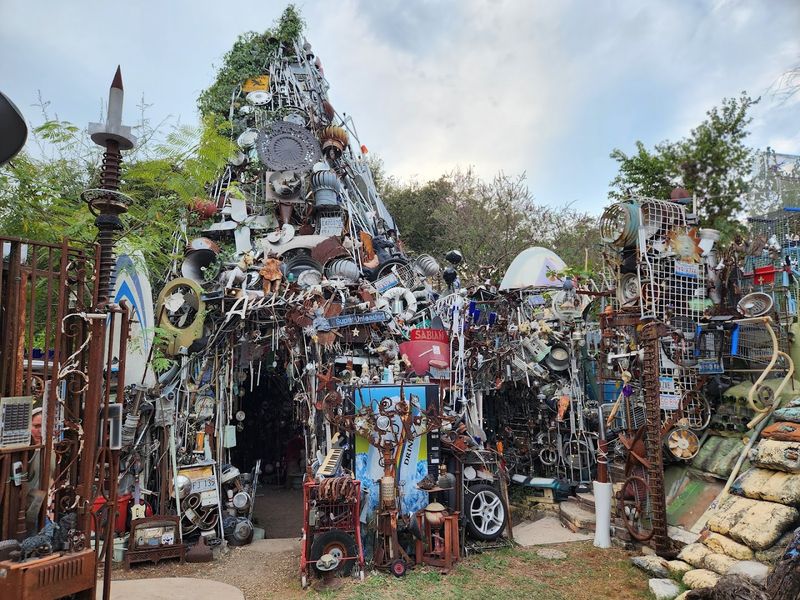
In a South Austin backyard stands a three-story tower built entirely from discarded objects, transforming trash into something unexpectedly magnificent. Artist Vince Hannemann started building the Cathedral of Junk in 1989, and decades later it continues growing as visitors contribute items to the ever-evolving sculpture. Bicycle parts, hubcaps, typewriters, and thousands of other objects interlock in a complex structure that defies easy description.
Walking through the cathedral feels like exploring a maze designed by someone who sees beauty in what others throw away. Narrow passages wind between walls of carefully arranged junk, opening into small chambers and climbing platforms. The structure reaches over 60 feet at its highest point, offering views of the surrounding neighborhood from the upper levels.
Sunlight filters through gaps in the junk walls, creating patterns that shift throughout the day.
Hannemann welcomes visitors by appointment, maintaining the cathedral as a labor of love rather than a commercial venture. He’s usually on-site during visits, happy to explain the building process and point out favorite pieces in the collection. His passion for the project shines through in every conversation, and his willingness to share this personal art piece with strangers embodies Austin’s creative spirit.
The cathedral survived a city code compliance battle in 2010 when officials deemed it a potential safety hazard. Community support rallied around Hannemann, and structural reinforcements allowed the sculpture to remain standing. This near-death experience adds another layer to the cathedral’s story—it exists not just as art but as a testament to what communities can preserve when they value creativity over conformity.
Photography opportunities abound throughout the structure. Every angle reveals new details and compositions, from macro shots of individual objects to wide views capturing the cathedral’s full scope. The play of light and shadow through the junk creates dramatic effects that change with the time of day.
Bring your camera and plan to spend time exploring all the visual possibilities.
Visiting requires advance planning since the cathedral sits on private property with limited access. Hannemann typically opens it for tours on weekends, but confirming availability beforehand prevents disappointment. The surrounding South Austin neighborhood offers plenty of local eateries and shops if you want to extend your visit beyond just the cathedral.
This attraction represents the DIY artistic spirit that makes Austin special, proving that the most memorable experiences often come from individual passion projects rather than corporate entertainment complexes.
9. Dinosaur World (Glen Rose)
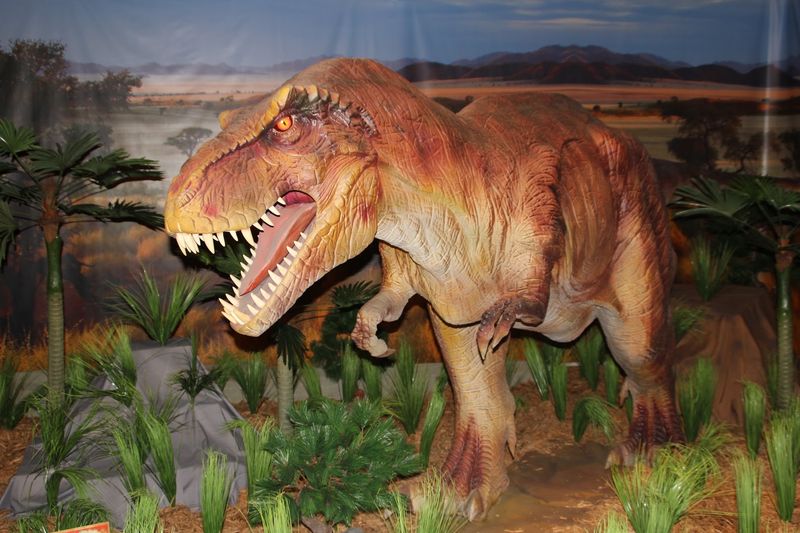
Over 150 life-size dinosaur models populate this outdoor museum, turning a walk through nature trails into a prehistoric adventure. Dinosaur World focuses on education through immersion, placing scientifically accurate replicas in natural settings that help visitors imagine what these creatures might have looked like in their actual habitats. A T-Rex towers over the path, Velociraptors hunt in packs, and a massive Brachiosaurus stretches its neck toward the treetops.
The park takes a refreshingly low-tech approach compared to modern theme parks. No screens, no virtual reality, no multimedia presentations—just you, the dinosaurs, and the great outdoors. This simplicity works beautifully, especially for younger kids whose imaginations don’t need digital enhancement to run wild.
Families can explore at their own pace without feeling rushed through timed attractions or pressured into expensive add-ons.
Interactive elements include a fossil dig where kids can uncover replica bones and learn basic paleontology techniques. The hands-on experience teaches more effectively than any textbook, and children take genuine pride in their discoveries. A playground area shaped like dinosaurs provides a place for younger visitors to burn energy between educational moments, acknowledging that even the most dinosaur-obsessed five-year-old needs a slide break.
Glen Rose itself is known as the Dinosaur Capital of Texas thanks to genuine dinosaur tracks preserved in the Paluxy River bed. Dinosaur Valley State Park sits nearby, offering opportunities to see real fossilized footprints from millions of years ago. Combining Dinosaur World with the state park creates a full day of prehistoric exploration that moves from replicas to authentic fossils.
The park’s outdoor setting means weather considerations matter. Texas summers can be brutal, so morning visits or cooler months provide more comfortable experiences. Shaded areas offer relief, but you’ll be walking quite a bit under open sky.
Spring and fall provide ideal conditions when temperatures moderate and the surrounding Hill Country landscape looks its best.
Educational signage throughout the park provides information about each dinosaur species without overwhelming visitors with technical jargon. The descriptions strike a good balance between scientific accuracy and accessibility, teaching without lecturing. Staff members are knowledgeable and happy to answer questions, adding a personal touch that enhances the self-guided experience.
Admission prices remain reasonable compared to larger attractions, making this an affordable family outing that delivers solid value for the entertainment and education provided.
10. Inner Space Cavern (Georgetown)
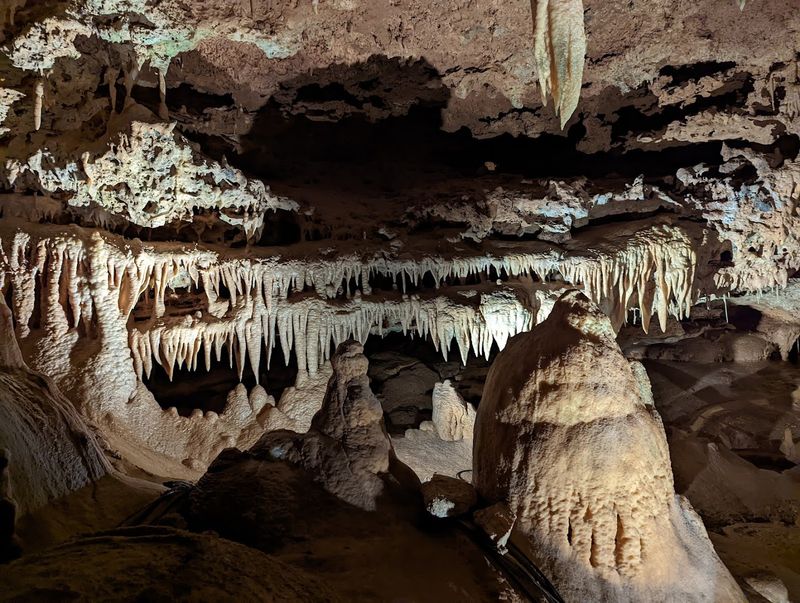
Workers drilling for Interstate 35 in 1963 accidentally punched through the roof of this hidden cave system, revealing chambers that had been sealed for thousands of years. Inner Space Cavern now offers guided tours through passages filled with impressive formations, underground lakes, and evidence of Ice Age animals that once used the cave as a den. The discovery story alone makes this cave special—imagine being a highway worker who suddenly finds a massive underground world beneath your drill site.
The standard tour covers about three-quarters of a mile through well-lit passages, showcasing stalactites, stalagmites, and flowstone formations in various stages of development. Guides explain cave geology in understandable terms, pointing out features like the “Flowing Stone of Time” formation that resembles a frozen waterfall. The cave maintains a constant 70-degree temperature, providing year-round comfort regardless of surface weather conditions.
Adventure tours take exploration to the next level for those wanting more than a casual walk. Wild cave tours venture into undeveloped sections where you’ll crawl, climb, and squeeze through tight spaces while wearing a helmet and headlamp. These tours limit group sizes and require reasonable fitness levels, but they deliver authentic caving experiences that most commercial caves don’t offer.
The contrast between the developed tourist sections and the raw cave passages highlights how much work goes into making caves safely accessible.
Fossils of mastodons, dire wolves, and other Ice Age megafauna have been found in the cave, with some remains visible during tours. These discoveries provide tangible connections to Texas’s prehistoric past, when giant mammals roamed the landscape above these limestone chambers. The cave’s role as a natural trap for animals adds dramatic context to what might otherwise be just pretty rock formations.
Georgetown’s location between Austin and Round Rock makes Inner Space Cavern easily accessible for day trips or quick stops during longer journeys. The cave sits right off I-35, making it one of the most convenient cave attractions in Texas. After your underground adventure, Georgetown’s historic downtown offers dining and shopping options in a charming small-town setting that feels authentically Texan without trying too hard.
Tour reservations are recommended, especially during peak summer months when families flock to cool underground attractions. The gift shop offers the usual tourist fare plus some genuinely interesting geological specimens and educational materials. Inner Space Cavern proves that some of Texas’s best attractions were literally hidden underground until modern development accidentally revealed them, reminding us that surprises still await discovery even in well-traveled areas.
Share this story