Texas has a rich German heritage that dates back to the mid-1800s when thousands of immigrants settled across the Hill Country and beyond. Today, that cultural legacy lives on through authentic German restaurants where you can enjoy schnitzel, sausages, and sauerkraut without boarding a plane. These spots aren’t just serving food—they’re preserving traditions, speaking German, and creating spaces that transport you straight to a Bavarian beer garden.
1. Walburg German Restaurant (Walburg)
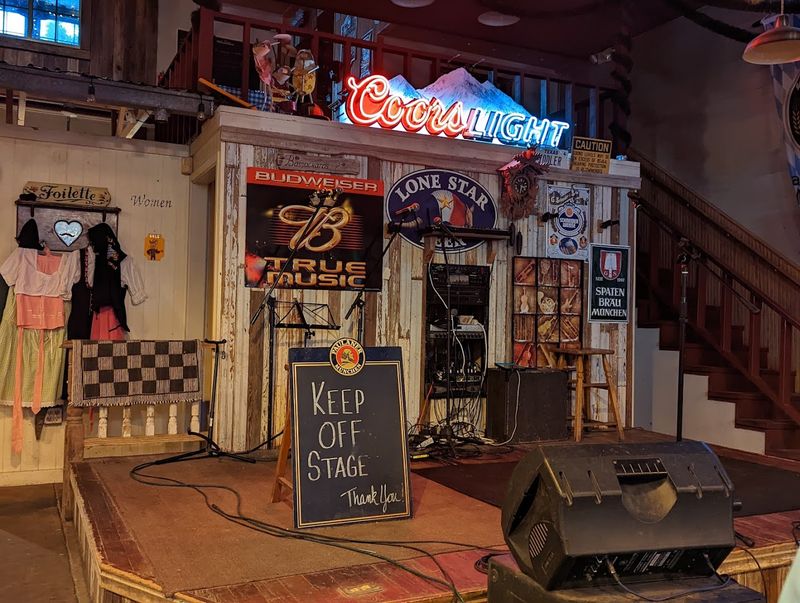
Tucked away in tiny Walburg, population roughly 250, this family-run spot has been dishing out authentic German fare since 1966. The building itself looks like it was airlifted from a Bavarian village, complete with weathered wood siding and a welcoming front porch. Pull up on a Sunday afternoon and you’ll find locals who’ve been coming here for decades, chatting in German over plates piled high.
The menu reads like a greatest-hits album of German comfort food. Schnitzel arrives golden and crispy, pounded thin and fried to perfection. The sausage platter showcases house-made links with a snappy casing that gives way to juicy, well-seasoned meat.
Sides like red cabbage and German potato salad aren’t afterthoughts—they’re made from scratch using recipes passed down through generations.
What makes Walburg special is its genuine, no-frills approach. There’s no Instagram-ready decor or trendy twists on classic dishes. Instead, you get honest food served by people who actually care whether you leave satisfied.
The portions are generous enough to share, though you probably won’t want to.
Weekend crowds can mean a wait, especially after church lets out. Locals know to arrive early or call ahead for large groups. The restaurant operates on a cash-preferred basis, so hit the ATM before you go.
There’s also a small market area where you can grab imported German groceries, candies, and specialty items to take home.
The beer selection focuses on German imports served ice-cold in proper glassware. Pair a Spaten or Warsteiner with your meal and you’re basically in Munich. During cooler months, the outdoor seating area becomes a cozy gathering spot where strangers become friends over shared plates and cold brews.
Walburg German Restaurant isn’t trying to be fancy or modern. It’s preserving something real and rare—a slice of Texas-German culture that refuses to fade away, one schnitzel at a time.
2. Kuby’s European Market & Restaurant (Dallas)
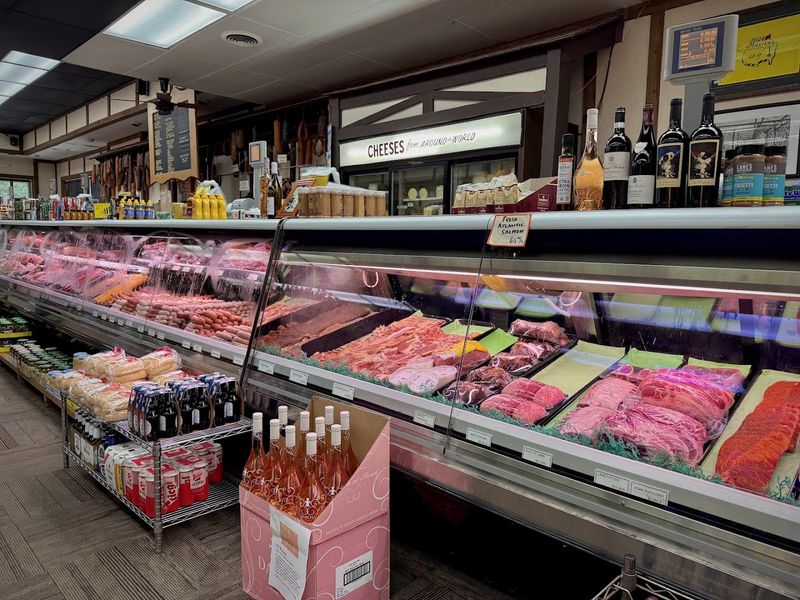
Since 1961, Kuby’s has been Dallas’s go-to destination for authentic German food, European imports, and old-world charm. Walking through the door feels like stepping into a European market where the smell of smoked meats and fresh-baked bread fills the air. The deli case displays rows of house-made sausages, while shelves groan under the weight of imported chocolates, mustards, and pickles you can’t find anywhere else.
The restaurant side serves breakfast, lunch, and early dinner with a menu that honors traditional German cooking. Their Reuben sandwich has achieved legendary status among Dallas locals, but don’t sleep on the bratwurst plate or the schnitzel variations. Each dish arrives properly prepared, not dumbed down for American tastes.
The potato pancakes come crispy-edged and tender inside, exactly as they should.
Kuby’s doubles as a full-service butcher shop and European grocery. You can order custom cuts of meat, pick up authentic German bread from their bakery, or browse imported goods from Germany, Austria, Switzerland, and beyond. The staff knows their products inside and out and can recommend items whether you’re planning a traditional German feast or just curious about trying something new.
The restaurant space feels comfortably worn-in rather than stuffy. Wooden tables, simple decor, and efficient service create an atmosphere where food takes center stage. During lunch rush, the place fills with downtown workers and neighborhood regulars who’ve been coming for years.
Conversations happen in English and German, adding to the authentic European market vibe.
Catering is a huge part of Kuby’s business, and they’ve perfected the art of feeding crowds. Whether you need sausages for a backyard party or a full German spread for an event, they can hook you up. The market also carries hard-to-find ingredients for home cooks wanting to recreate German recipes.
What sets Kuby’s apart is how it functions as both restaurant and cultural hub. It’s where German expats come for a taste of home and where curious Texans discover what real German food tastes like beyond Oktoberfest clichés.
3. Der Lindenbaum (Fredericksburg)
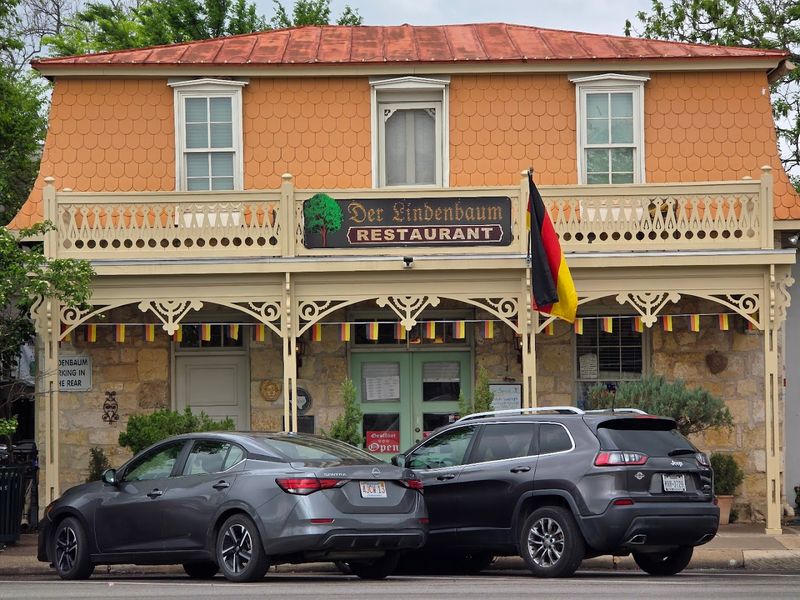
Named after the linden tree that features prominently in German folklore and song, Der Lindenbaum brings Bavaria to Fredericksburg’s Main Street. The restaurant occupies a charming building that fits perfectly into the town’s German heritage district. Inside, dark wood paneling, vintage photographs, and collectibles from Germany create an atmosphere that feels transported from another continent and era.
The kitchen takes German cuisine seriously, preparing dishes that respect tradition while maintaining high standards. Schnitzel comes in multiple varieties—from classic Wiener style to Jägerschnitzel topped with rich mushroom sauce. The sauerbraten requires days of marinating before it reaches your plate, resulting in tender beef that practically melts.
Spaetzle, those little German egg noodles, arrive fresh-made and butter-tossed, never from a box.
Der Lindenbaum’s beer selection deserves its own mention. German imports flow from the taps, and the wine list features bottles from Germany’s Rhine and Mosel regions. The staff can guide you toward pairings that complement your meal, whether you’re a beer enthusiast or wine lover.
During peak season, the outdoor seating area becomes a lively spot for people-watching along Main Street.
Service strikes a balance between efficient and friendly. Servers know the menu well and can explain dishes to first-timers without making anyone feel clueless. The restaurant accommodates dietary restrictions when possible, though this is traditional German cooking—vegetarians will have limited options.
Weekends in Fredericksburg bring tourist crowds, so expect waits during prime dining hours. Reservations aren’t always accepted for smaller parties, making strategic timing your best bet. Arrive early for dinner or opt for a late lunch to avoid the rush.
The restaurant also offers takeout if you’d rather enjoy your schnitzel at your hotel or vacation rental.
Portions run large, as expected from German cuisine. Come hungry or plan to take leftovers. The prices reflect the quality and generous serving sizes—this isn’t fast food, but it’s also not overpriced for what you receive.
Der Lindenbaum earns its spot as a Fredericksburg institution worth visiting repeatedly.
4. Little Germany (Fort Worth)
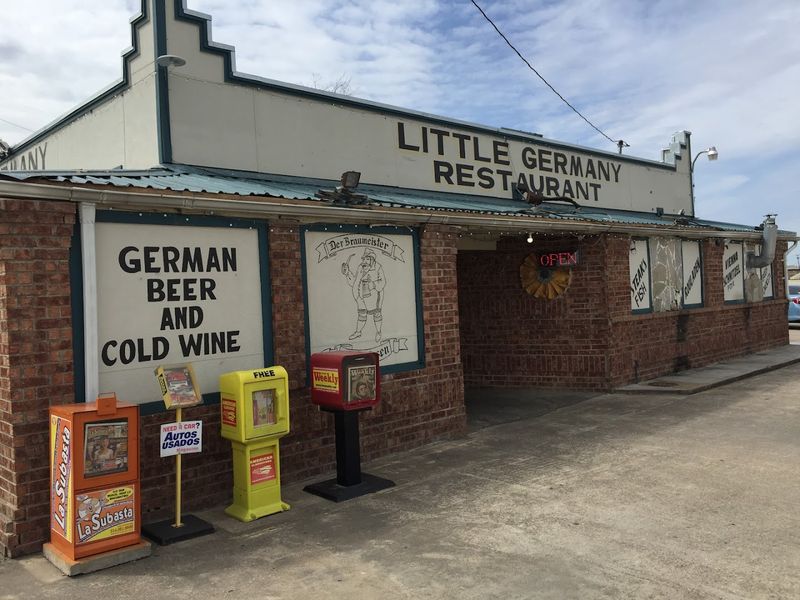
Fort Worth might surprise you with its German food scene, and Little Germany stands as proof that authentic European cuisine thrives beyond the Hill Country. Located in a quiet strip mall, the restaurant’s modest exterior gives no hint of the Bavarian experience waiting inside. Cross the threshold and you’re greeted by German music, colorful flags, and walls decorated with European memorabilia that creates an unexpectedly immersive atmosphere.
The menu covers German classics with impressive breadth. Rouladen—beef rolls stuffed with bacon, onions, and pickles—showcase the kind of dish that requires patience and skill to execute properly. The goulash arrives steaming hot, rich with paprika and tender chunks of beef.
Bratwurst, knackwurst, and other sausages come from quality suppliers who understand proper German preparation methods.
Little Germany’s owners clearly care about getting details right. Bread dumplings accompany certain dishes, providing that starchy, comforting element essential to German meals. The red cabbage tastes properly sweet-and-sour, not like it came from a can.
Even the cucumber salad, a simple side dish, shows attention to proper seasoning and presentation.
The restaurant maintains a casual, family-friendly vibe. You’ll see multi-generational groups celebrating birthdays, couples on date nights, and solo diners who’ve made this their regular spot. The service style is warm without being overbearing—servers check in appropriately and clearly take pride in the food they’re serving.
Beer lovers will appreciate the German import selection, though the list isn’t as extensive as some other spots on this list. Wine options lean European, with several German Rieslings available by the glass. Prices remain reasonable, making this an accessible option for those wanting to explore German cuisine without breaking the bank.
Fort Worth residents have embraced Little Germany as their local German spot, and for good reason. The restaurant fills a niche in the city’s dining scene, offering something genuinely different from the usual Tex-Mex and barbecue options. It’s become a gathering place for German expats and anyone craving authentic European flavors without driving to Fredericksburg.
5. Alpine Haus (New Braunfels)
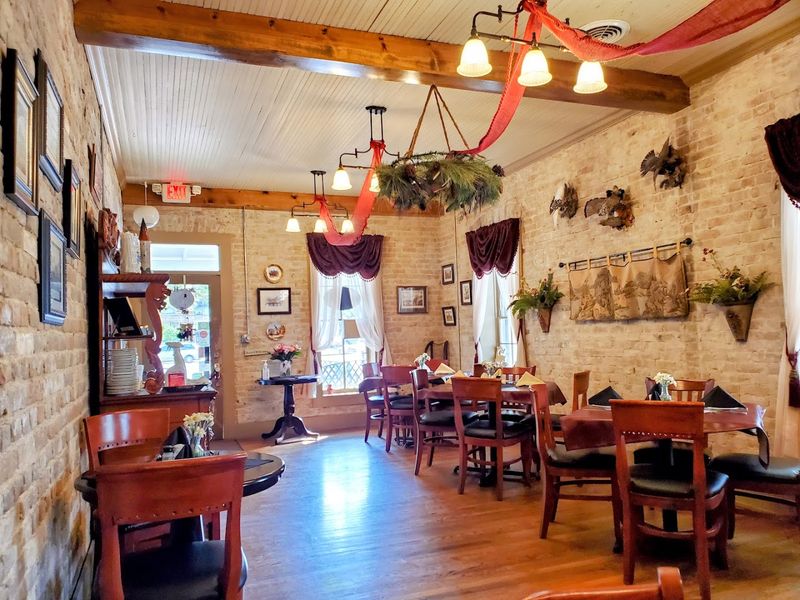
New Braunfels wears its German heritage proudly, and Alpine Haus contributes to that legacy with food that honors the old country. The building evokes a mountain chalet with its peaked roof and alpine-inspired architecture. Inside, the space feels cozy and welcoming, decorated with German artifacts and photographs that tell the story of the region’s immigrant past.
Alpine Haus built its reputation on quality ingredients and traditional preparation methods. The schnitzel gets pounded properly thin, breaded with care, and fried until the coating achieves that perfect golden crunch. Sausages arrive with natural casings that snap when you bite down, revealing juicy interiors seasoned with the right balance of spices.
The sauerkraut tastes fermented and tangy, not overly vinegary like cheaper versions.
Breakfast at Alpine Haus deserves special attention. German-style breakfast plates feature house-made sausages, eggs, and potatoes prepared with European flair. The pancakes come thick and fluffy, served with real butter and quality syrup.
It’s a hearty way to start your day before hitting the Guadalupe River or exploring New Braunfels.
The restaurant’s location makes it convenient for both locals and tourists passing through. Parking can get tight during peak times, but it’s manageable with a little patience. The staff handles crowds efficiently, keeping tables turning without rushing diners.
Service maintains a friendly, small-town feel even when the restaurant fills up.
Alpine Haus also operates a small bakery section where you can grab German pastries, breads, and sweets to go. The strudel makes an excellent dessert or breakfast treat for the next morning. They also sell some imported German products and local specialty items.
Prices hit the sweet spot between affordable and premium. You’re paying for real food made from scratch, not mass-produced frozen stuff heated up. The portions ensure you won’t leave hungry, and the quality justifies the cost.
Many dishes come with multiple sides, adding to the overall value.
Alpine Haus represents what New Braunfels does best—preserving German traditions while welcoming everyone to experience them. It’s not trying to be trendy or modern, just consistently good at what it does.
6. Bavarian Grill (Plano)
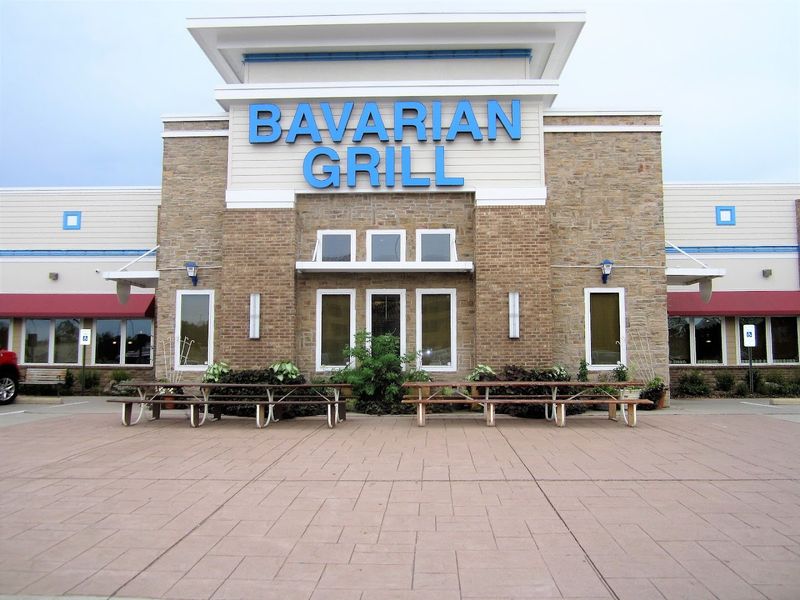
Plano’s suburban landscape might seem an unlikely place for authentic German cuisine, but Bavarian Grill proves that good food finds an audience anywhere. The restaurant has cultivated a loyal following among North Texas residents who crave real European flavors. Stepping inside transports you from strip-mall Texas to a Bavarian beer hall, complete with communal wooden tables and German music setting the mood.
The menu reads like a tour through southern Germany’s culinary hits. Schweinebraten—roasted pork—arrives with crackling skin and tender meat that’s been properly seasoned and slow-cooked. The spätzle tastes freshly made, with that slightly irregular texture that comes from hand-preparation.
Potato pancakes achieve the ideal ratio of crispy exterior to soft interior, served with applesauce and sour cream for dipping.
Bavarian Grill’s sausage selection impresses anyone familiar with German wursts. From bratwurst to weisswurst to knockwurst, each variety gets treated with respect. The kitchen knows how to cook them properly—not overdone and dried out, but juicy and flavorful.
Pair them with house-made mustards and fresh bread for a simple but satisfying meal.
The beer program focuses on German imports, with rotating taps featuring seasonal brews. During Oktoberfest season, the restaurant goes all-in with special menus, decorations, and festivities that attract crowds from across the metroplex. The staff can recommend beers based on your preferences, whether you favor light pilsners or dark, malty bocks.
Service maintains a relaxed, friendly pace. This isn’t fine dining with multiple courses and fancy presentations—it’s hearty food served in a comfortable setting. The staff seems genuinely happy to be there, creating a welcoming atmosphere that encourages lingering over another beer and conversation.
Bavarian Grill has become a gathering spot for German expats living in the Dallas area, which speaks volumes about its authenticity. When people from Germany choose to eat somewhere regularly, you know the food passes muster. The restaurant also hosts German language tables and cultural events, functioning as more than just a place to eat.
Plano residents have embraced this little slice of Bavaria in their midst, making reservations advisable for weekend dinners.
7. Old German Bakery & Restaurant (Fredericksburg)
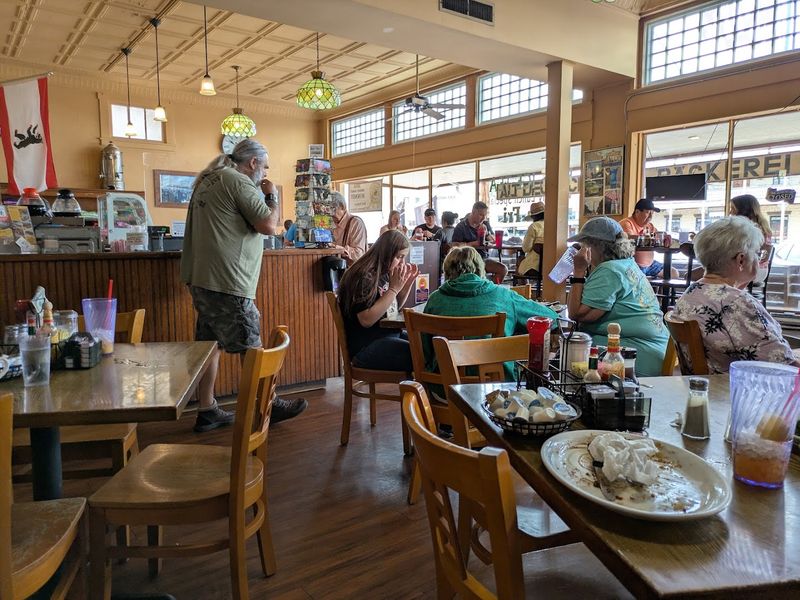
Some Fredericksburg visitors rush past the Old German Bakery & Restaurant, not realizing they’re missing one of the town’s most authentic German experiences. Located in a historic building along Main Street, this combination bakery-cafe-restaurant has been serving the community since the 1970s. The front bakery area displays fresh-baked breads, pastries, and sweets that would look at home in any German konditorei.
Start your morning here with a proper German breakfast. Soft-boiled eggs arrive in little cups, meant to be eaten with buttered bread soldiers. The cold-cut platters feature European-style meats and cheeses you won’t find at regular American delis.
Fresh-baked rolls and bread accompany everything, still warm from the oven if you time it right.
The lunch menu leans into traditional German dishes with sandwiches, soups, and hot plates. Their Leberkäse—a German meat loaf—gets served on a fresh roll with mustard, creating a simple but deeply satisfying lunch. Goulash soup arrives thick with tender beef and vegetables, perfect for cooler Hill Country days.
The potato salad follows a vinegar-based German recipe rather than the mayo-heavy American version.
What really sets this place apart is the bakery case. German chocolate cake, Black Forest cake, strudels, stollen during Christmas season, and various tortes showcase proper European baking techniques. The pastries aren’t overly sweet like many American desserts—they rely on quality ingredients and balanced flavors.
Grab some to go for later, though they might not make it back to your hotel.
The restaurant space feels genuinely old-world, with worn wooden floors and vintage photographs covering the walls. Seating is limited, and during peak tourist season, finding a table requires patience. Many locals opt for takeout, grabbing breakfast or lunch to enjoy elsewhere.
The staff moves efficiently through orders, keeping things flowing even when lines form.
Prices remain surprisingly reasonable considering the location and quality. You can eat well here without spending a fortune, making it accessible for families or budget-conscious travelers. The bakery items are priced fairly, allowing you to sample multiple pastries without guilt.
Old German Bakery & Restaurant represents Fredericksburg’s German roots in the most delicious way possible.
8. Ketzler’s Schnitzel Haus (Granbury)
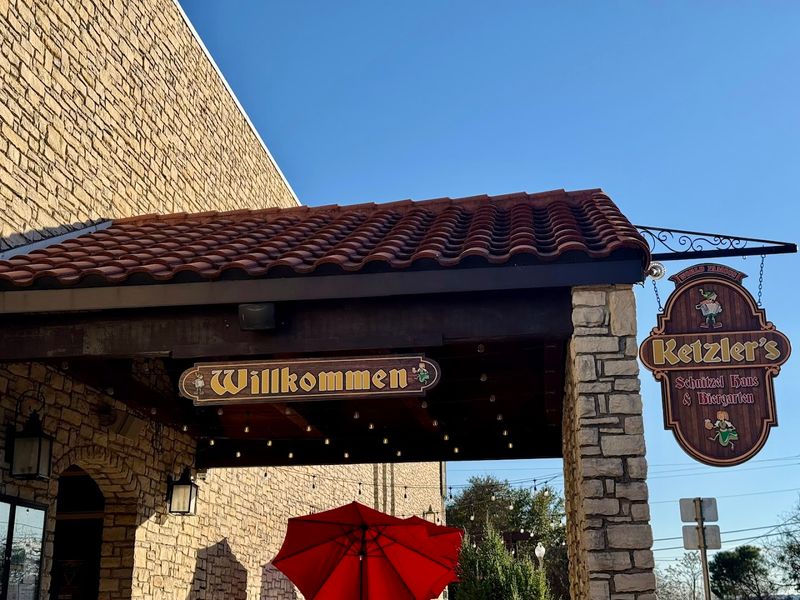
Granbury might not be the first Texas town that comes to mind for German cuisine, but Ketzler’s Schnitzel Haus has carved out a reputation that draws diners from across the region. The restaurant occupies a charming spot that fits Granbury’s historic downtown vibe while maintaining distinctly European character. Walking in, you’re greeted by German music, decorations from Bavaria, and the unmistakable aroma of schnitzel frying to golden perfection.
As the name suggests, schnitzel is the star here. The kitchen offers multiple variations, from traditional Wiener schnitzel to Jägerschnitzel with its rich mushroom-cream sauce to Zigeunerschnitzel topped with peppers and tomatoes. Each version starts with quality meat pounded thin and breaded properly—no thick, soggy coatings here.
The result is tender meat encased in a crispy shell that stays crunchy throughout your meal.
Beyond schnitzel, the menu explores other German favorites. Rouladen arrives stuffed with bacon, onions, and pickles, then braised until fork-tender. The sauerbraten shows proper preparation—beef marinated for days in a sweet-sour mixture, then slow-cooked and served with a sauce that balances tangy and sweet notes.
Sides like red cabbage, spaetzle, and German potato salad round out the plates.
Ketzler’s maintains a cozy, intimate atmosphere. The dining room isn’t huge, which adds to the charm but means reservations are smart, especially on weekends. The owners are often present, chatting with regular customers and ensuring everything runs smoothly.
This personal touch creates a welcoming environment where you feel like a guest in someone’s home rather than just another table to turn.
The beer selection focuses on German imports, served properly cold in appropriate glassware. Wine options include several German Rieslings that pair beautifully with the rich, savory food. The staff can make recommendations if you’re unsure what to order or drink, and they’re patient with questions.
Pricing reflects the quality and generous portions. You’re getting restaurant-quality German food in a small town, and the value is solid. Most entrees come with sides included, and portions are substantial enough that leftovers are common.
Granbury locals have embraced Ketzler’s as their special-occasion German restaurant, and visitors discover it as a welcome surprise.
9. Otto’s German Bistro (Fredericksburg)
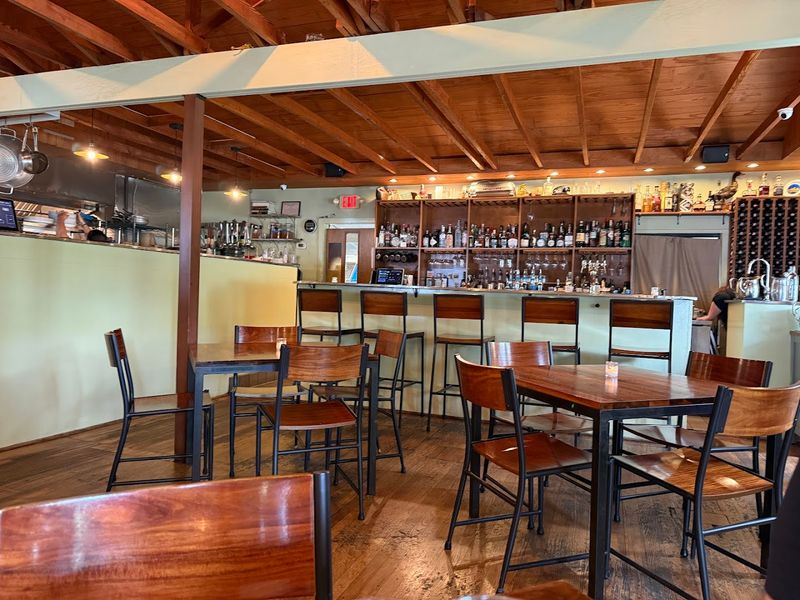
Otto’s brings a slightly more refined approach to German dining in Fredericksburg. While still honoring traditional recipes and preparations, the restaurant adds a bistro-style polish that elevates the experience. The interior feels more contemporary than some of the town’s older German establishments, with clean lines, tasteful decor, and an atmosphere that works for both casual dinners and special occasions.
The menu balances classic German dishes with a few creative touches. Schnitzel remains a cornerstone, prepared expertly with a light, crispy coating. The Rahm schnitzel, topped with a creamy mushroom sauce, showcases how a traditional dish can be executed with finesse.
Sausage platters feature house-made links with distinctive seasonings, served alongside sauerkraut that’s been properly fermented, not just pickled.
Otto’s also offers some lighter options alongside the hearty traditional fare. Salads incorporate European ingredients and dressings, providing alternatives for those not ready to commit to a full schnitzel plate. The soup selection changes seasonally, often featuring German-style preparations with fresh, local ingredients.
This flexibility makes Otto’s appealing to groups with varying appetites and dietary preferences.
The beer and wine program deserves attention. German beers flow from the taps, including some less common imports you won’t find everywhere. The wine list ventures beyond German borders, offering selections from across Europe.
The staff demonstrates knowledge about pairings and can guide you toward drinks that complement your meal choices.
Service at Otto’s strikes a professional tone without feeling stuffy. Servers are attentive, knowledgeable, and efficient, creating a smooth dining experience. The pacing feels right—not rushed but not overly slow.
The restaurant handles both tourists and locals with equal care, making everyone feel welcome.
Reservations are strongly recommended, especially during peak tourist seasons and weekends. Otto’s popularity means tables fill up quickly, and walk-ins might face significant waits. The restaurant’s location on Fredericksburg’s Main Street makes it convenient but also contributes to the crowds.
Plan ahead to avoid disappointment.
Prices sit slightly higher than some other German spots in town, reflecting the bistro positioning and execution quality. That said, you’re still getting substantial portions and well-prepared food. Otto’s represents a good choice when you want German cuisine with a touch more sophistication.
10. The Ausländer (Fredericksburg)
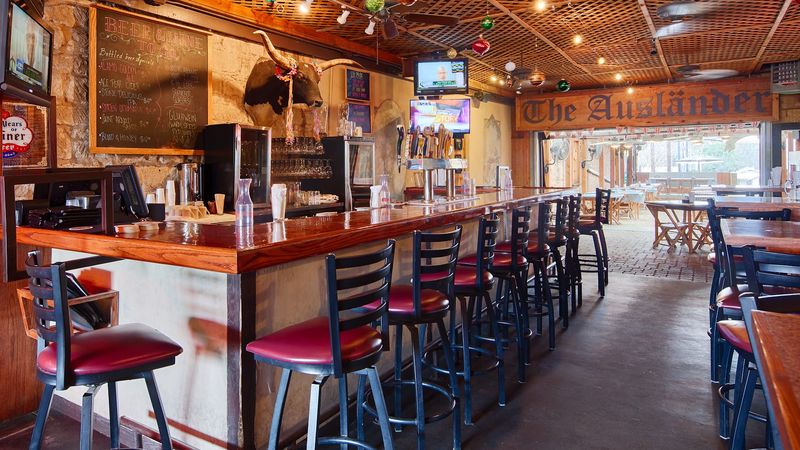
The Ausländer—German for “foreigner”—brings legitimate biergarten energy to Fredericksburg. This isn’t some watered-down theme restaurant pretending to be German; it’s the real deal, complete with communal seating, a massive beer selection, and food that satisfies hungry crowds. The outdoor biergarten becomes the place to be when weather cooperates, with long wooden tables encouraging strangers to become friends over shared plates and cold German beers.
Food at The Ausländer leans into the hearty, shareable style perfect for biergarten dining. Giant pretzels arrive warm and soft, served with beer cheese or mustard for dipping. Sausage platters showcase multiple varieties, letting you sample different styles in one go.
The schnitzel is massive—seriously, come hungry or plan to share. Each dish is designed to pair with beer and fuel conversations that stretch into the evening.
The beer program is where The Ausländer really shines. The tap list features dozens of German imports, from crisp pilsners to rich dunkels to seasonal specialties. The staff knows their beers and can recommend options based on your taste preferences.
Flights let you sample multiple brews, which is ideal when facing so many choices. During Oktoberfest, the place goes full celebration mode with special beers, food, and festivities.
The atmosphere skews lively and social. This isn’t a quiet, romantic dinner spot—it’s where groups gather to celebrate, tourists come to experience authentic German beer culture, and locals meet up for after-work drinks. Live music often adds to the energy, and the communal seating encourages interaction with fellow diners.
If you prefer intimate, quiet meals, this might not be your scene.
The Ausländer’s location on Fredericksburg’s Main Street makes it easily accessible but also means it gets packed during peak times. Weekend evenings can see long waits, especially when the biergarten is open. Arriving earlier in the evening or visiting during off-peak seasons improves your chances of snagging a good spot.
The restaurant also offers some indoor seating for those who prefer climate control.
Pricing is reasonable given the generous portions and extensive beer selection. You can eat and drink well without destroying your budget, making it a solid choice for groups or families.
Share this story