Texans have a reputation for being proud of everything in the Lone Star State, but there are some places we visit on the down-low. You know the ones—those roadside oddities and tourist traps that are so weird, so kitschy, or so over-the-top that admitting you love them feels a little embarrassing. But here’s the truth: these spots are actually pretty awesome, and locals keep coming back even if they won’t post about it on social media.
From giant squirrels to toilet seat art, these ten places prove that Texas does weird better than anywhere else.
1. Prada Marfa (Valentine)
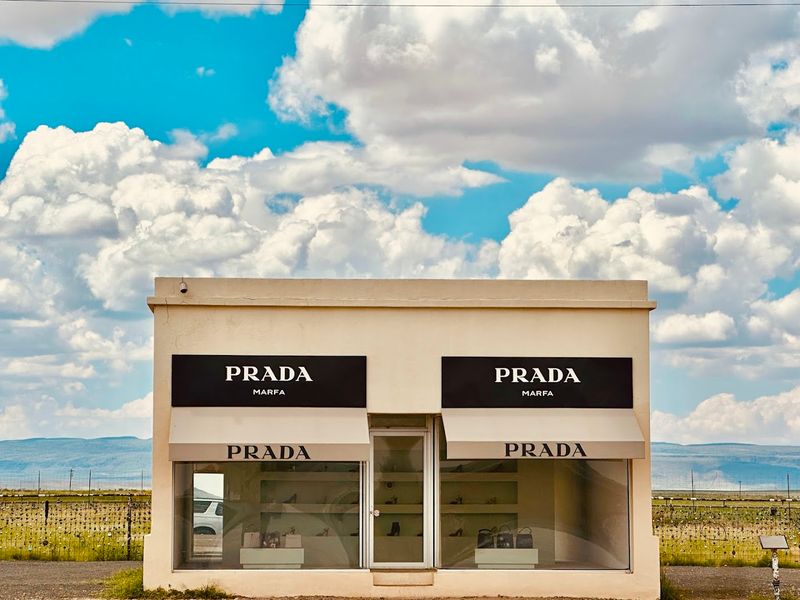
Out in the middle of nowhere, about 37 miles northwest of Marfa, sits a fake Prada store that never opens. It’s an art installation created in 2005, designed to look like a real luxury boutique but permanently sealed shut. The windows display actual Prada shoes and handbags from that season, though they’ve faded over the years from the relentless Texas sun.
Locals roll their eyes when tourists ask for directions, but plenty of them have their own photos in front of it. The appeal is undeniable—there’s something hilarious and oddly profound about a high-fashion store planted in the desert where tumbleweeds outnumber people. It’s become one of the most photographed spots in West Texas, even though admitting you drove out of your way to see it feels a bit silly.
The installation has survived vandalism, graffiti, and even a robbery where thieves stole the handbags and shoes. Artists restored it each time, keeping the illusion alive. Now it’s a protected landmark, which somehow makes it even funnier that people treat a fake store like a cultural treasure.
Visiting feels like being in on a joke that nobody fully understands but everyone appreciates. You’ll see couples taking engagement photos, influencers posing for Instagram, and yes, locals pretending they just happened to be driving by. The isolation adds to the charm—getting there requires commitment, which makes the payoff sweeter.
Sure, it’s not a real store, and you can’t buy anything, but that’s exactly why it works. Prada Marfa captures the absurdity of consumer culture while celebrating the vast, empty beauty of West Texas. Locals may grumble about it being touristy, but deep down, they’re proud to have something this weird and wonderful in their backyard.
2. Cadillac Ranch (Amarillo)
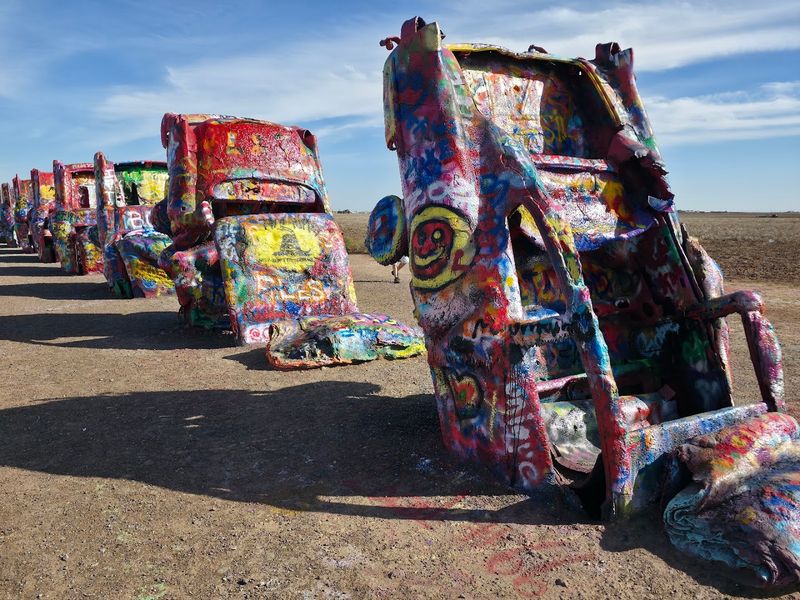
Ten Cadillacs buried nose-first in a field just west of Amarillo have become one of Texas’s most recognizable landmarks. Created in 1974 by a group of artists called the Ant Farm, this installation was meant to represent the rise and fall of the American automobile. What started as an art statement has turned into an interactive graffiti playground where visitors are encouraged to bring spray paint and leave their mark.
Texans often act too cool for Cadillac Ranch, calling it a tourist trap or complaining about the crowds. But ask around, and you’ll find plenty of locals who’ve been multiple times, sometimes bringing out-of-town guests and sometimes just going for fun. There’s something satisfying about spraying paint on old cars without getting in trouble for it.
The cars themselves are constantly changing colors as new layers of graffiti cover old ones. Some people write names, others create elaborate designs, and plenty just tag random phrases. Walking between the tilted Caddies feels like stepping into a living art piece that never looks the same twice.
Families bring their kids, couples write their initials, and teenagers practice their tagging skills. The ground is littered with empty spray cans, and the smell of fresh paint hangs in the air. It’s messy, chaotic, and completely unpretentious—which is probably why locals secretly love it even when they claim it’s overrated.
Located right off Interstate 40, it’s easy to access and free to visit. The best time to go is early morning or late afternoon when the light hits just right and fewer people are around. Bring your own spray paint because the cans left behind are usually empty.
Cadillac Ranch represents Texas weirdness at its finest—bold, a little rough around the edges, and unapologetically itself. Locals may joke about it, but they’ll defend it fiercely if anyone from out of state criticizes it.
3. Stonehenge II (Ingram)
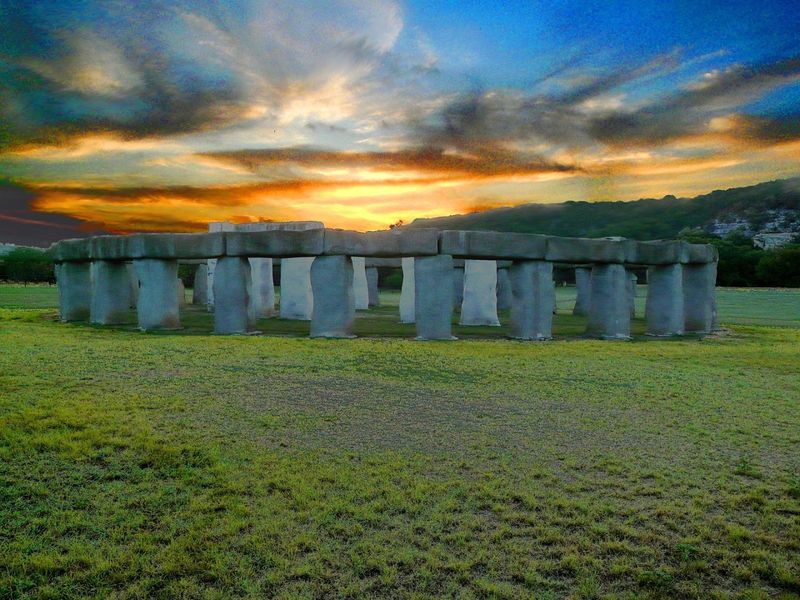
Someone decided that the Texas Hill Country needed its own version of England’s ancient Stonehenge, so they built one. Stonehenge II sits on private land near Ingram and includes not only the stone circle but also two Easter Island moai statues for good measure. Because if you’re going to build a replica of a prehistoric monument, why not throw in some giant heads from Polynesia?
The original structure was built in the 1980s by the late Al Shepperd and his friend Doug Hill as a quirky art project. It’s about 90 percent the size of the real Stonehenge and made from plaster, steel, and limestone. After years of neglect, it was restored and relocated to Hill Country Arts Foundation land, where it now welcomes visitors who want to experience ancient mysticism with a Texas twist.
Locals tend to downplay Stonehenge II as silly or pointless, but plenty of them have picnicked there or used it as a backdrop for family photos. There’s something charming about the earnest attempt to recreate one of the world’s most mysterious monuments in the middle of Texas ranch country. The moai statues add an extra layer of absurdity that somehow makes the whole thing more endearing.
Visiting feels like stumbling onto a movie set that never got cleaned up. The stones stand in a circle just like the original, and you can walk around freely, touching them and taking all the goofy photos you want. The Hill Country backdrop of rolling hills and oak trees makes it feel distinctly Texan despite the British inspiration.
It’s free to visit and rarely crowded, which means you can have the place mostly to yourself. Bring a picnic, explore the surrounding trails, or just marvel at the fact that someone cared enough to build this. Stonehenge II doesn’t take itself too seriously, and neither should you—that’s exactly what makes it worth visiting.
4. Texas Eiffel Tower (Paris)
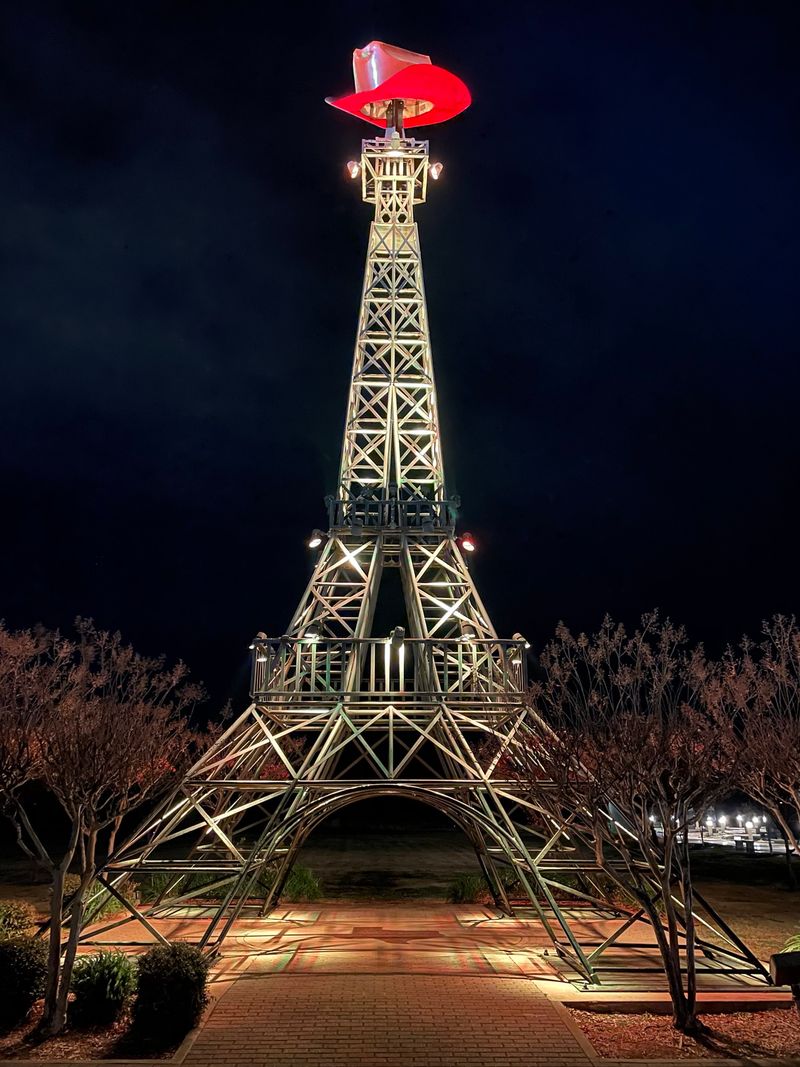
Paris, Texas wanted to stand out, so in 1993 they built a 65-foot replica of the Eiffel Tower. Not satisfied with just copying the French landmark, they added a giant red cowboy hat on top because this is Texas, after all. The result is one of the most charmingly ridiculous structures in the state—a perfect blend of European elegance and Lone Star swagger.
The tower stands in a small park near the town center, painted bright red and impossible to miss. Locals sometimes act embarrassed by it, especially when out-of-towners make jokes about their town’s name. But secretly, they’re fond of their quirky landmark and appreciate that it puts their small city on the map.
Paris, Texas has leaned into the theme over the years, embracing its connection to the French capital while maintaining its distinctly Texan identity. The tower has become a symbol of the town’s sense of humor and willingness to be different. Visitors come from all over to snap photos, and the town has added benches and landscaping to make it a pleasant spot to hang out.
The cowboy hat is what really sells it. Without that touch, it would just be another Eiffel Tower replica like dozens of others around the world. The hat transforms it into something uniquely Texan—a declaration that while we might borrow ideas from elsewhere, we always make them our own.
Climbing isn’t allowed, but you can walk right up to the base and appreciate the craftsmanship. At night, the tower is sometimes lit up, creating a surprisingly pretty sight in this small East Texas town. Nearby, you’ll find local shops and restaurants that play up the Paris theme with French-inspired names and décor.
It’s the kind of place that makes you smile even if you’re trying to be too cool for tourist attractions. The Texas Eiffel Tower represents small-town pride and creativity, proving that you don’t need a massive budget to create something memorable.
5. Kettle House (Galveston)
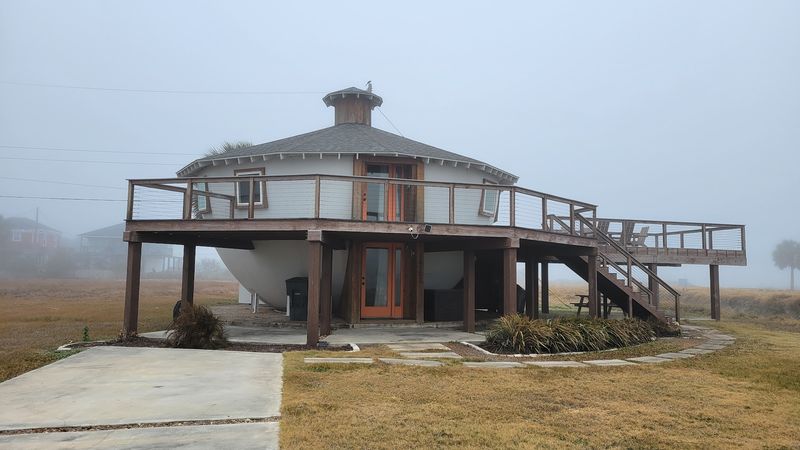
Walking through Galveston’s historic district, you’ll spot plenty of beautiful Victorian homes—and then you’ll see the Kettle House. This peculiar residence was built in 1892 and earned its nickname from its unusual shape, which resembles a giant black kettle or witch’s cauldron. The curved architecture and dark exterior make it stand out dramatically from its more traditional neighbors.
The house was designed by Alfred Muller, a prominent Galveston architect, though historians debate whether the kettle shape was intentional or just how people interpreted the unique roofline. Either way, the name stuck, and it’s become one of the most photographed homes on the island. The distinctive rounded design and widow’s walk on top add to its mysterious, almost storybook appearance.
Galveston residents have a complicated relationship with the Kettle House. On one hand, it’s undeniably interesting and adds character to the neighborhood. On the other hand, it’s become such a tourist draw that locals sometimes avoid mentioning it to avoid sounding like tour guides.
But many secretly appreciate having such an unusual piece of architecture in their city.
The house is privately owned, so you can’t go inside, but you can admire it from the street. Its location in the East End Historic District means you can combine your visit with a walk through one of Galveston’s most charming neighborhoods, filled with restored Victorian homes, tree-lined streets, and Gulf Coast character.
Part of the appeal is trying to figure out why someone built a house shaped like a kettle. Was it intentional? A happy accident?
A practical design for the coastal climate? Nobody seems to know for sure, and the mystery adds to the charm. The house survived the devastating 1900 hurricane that destroyed much of Galveston, which seems fitting for something so sturdy and unusual.
Visiting the Kettle House takes just a few minutes, but it’s worth the detour if you’re exploring Galveston’s historic areas. It represents the island’s eccentric spirit and willingness to embrace the weird alongside the traditional.
6. Barney Smith’s Toilet Seat Art Museum (The Colony)
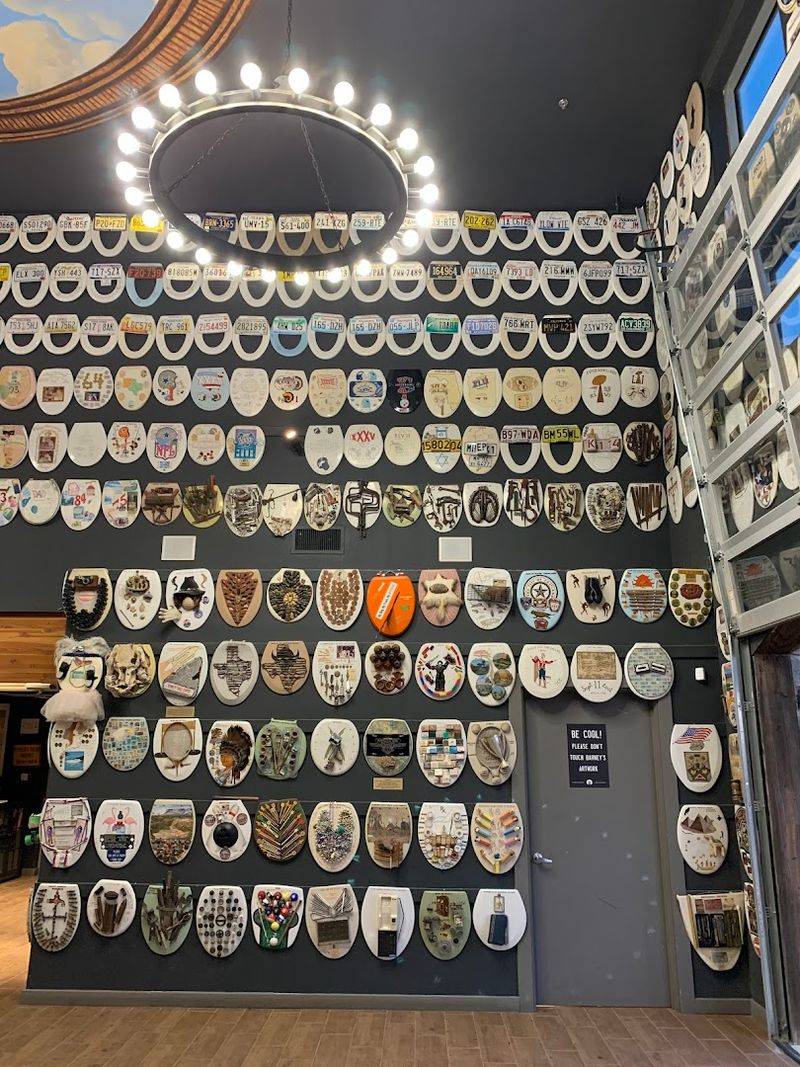
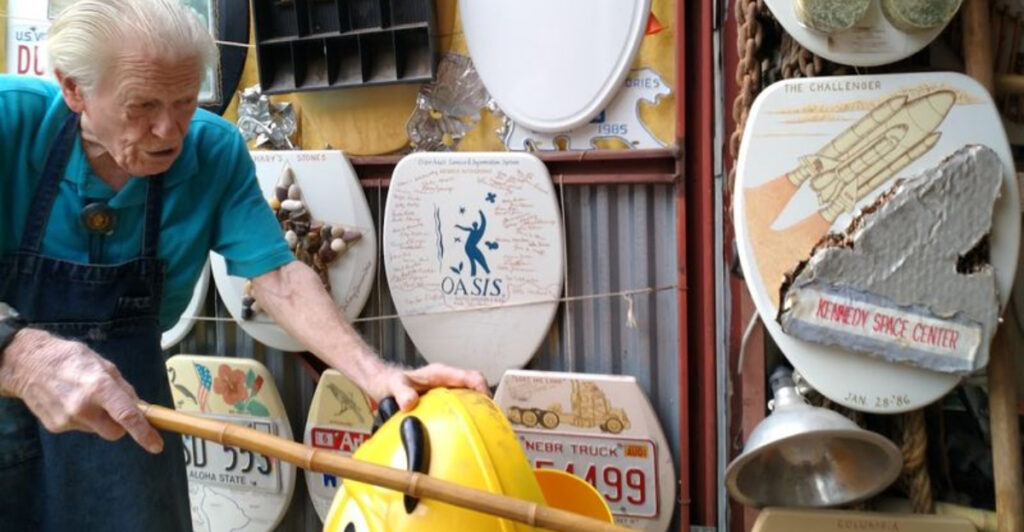
Barney Smith spent over 50 years decorating toilet seats. Not as a joke, but as a serious artistic endeavor that resulted in a collection of more than 1,400 uniquely adorned lids. His garage museum in The Colony became a beloved oddity that drew visitors from around the world who wanted to see toilet seats commemorating everything from presidential elections to moon landings.
Each seat tells a story or represents a theme. Some feature license plates, others display coins or stamps, and many commemorate historical events or personal milestones. Smith would create custom seats for visitors, incorporating items they brought or themes they requested.
The collection grew so large that every available wall space in his garage was covered floor-to-ceiling with his creations.
After Smith passed away in 2019, the collection found a new home at the Colony Historical Park and Museum Center, where it continues to delight and perplex visitors. Locals in The Colony have mixed feelings about being known as the toilet seat art town, but most appreciate the quirky fame it brings and the genuine craftsmanship Smith demonstrated.
Visiting the collection is free, though donations are appreciated. You’ll spend more time than you expect examining the intricate details on each seat. Some are funny, others are surprisingly beautiful, and all demonstrate incredible creativity and dedication.
It’s the kind of place that makes you rethink what counts as art and what makes something museum-worthy.
The toilet seat format is what makes it brilliant. By using such an ordinary, even taboo object as his canvas, Smith forced people to look at familiar items in a new way. The humor is intentional but never overshadows the artistry.
Each piece is carefully crafted with attention to detail that reveals itself the longer you look.
Texans may joke about the toilet seat museum, but they’ll also tell you it’s worth visiting. It represents the kind of passionate, eccentric dedication that Texas celebrates—someone who pursued their weird hobby with absolute commitment and created something truly one-of-a-kind in the process.
7. World’s Largest Bowie Knife (Bowie)
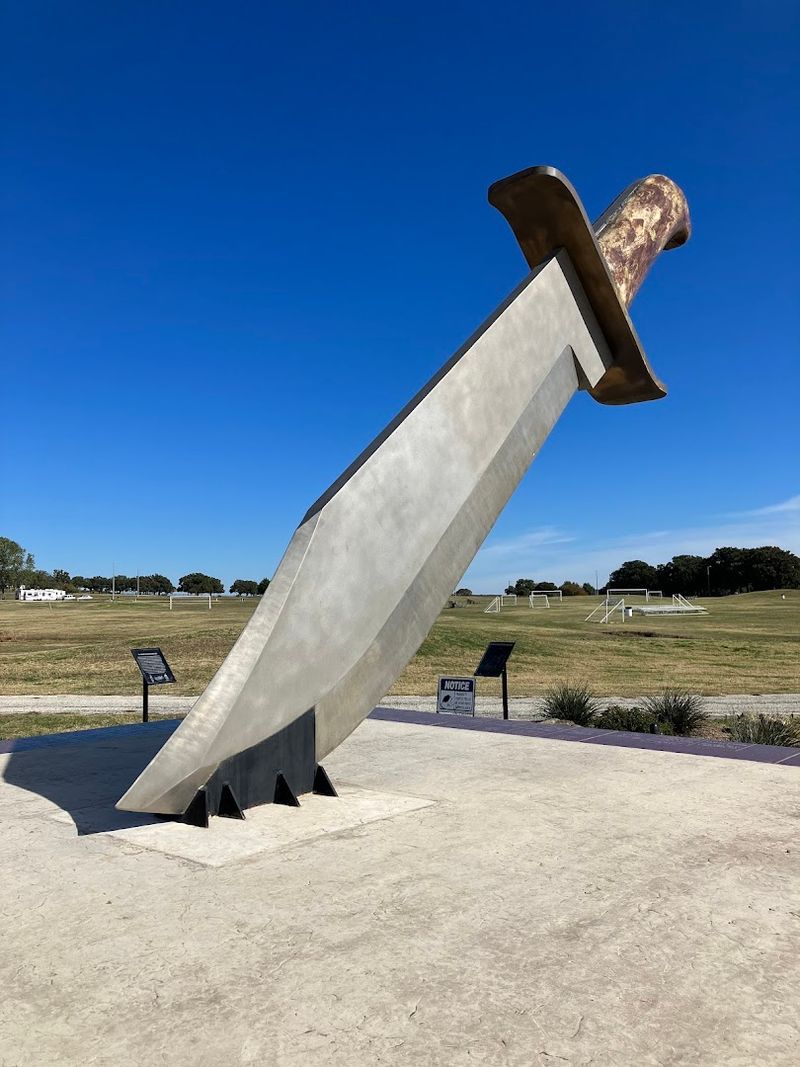
The town of Bowie, Texas, decided to honor its namesake with a 20-foot-tall, 3,000-pound steel Bowie knife standing proudly in a downtown park. Dedicated in 2001, this oversized blade celebrates both the town and the famous knife design associated with Jim Bowie, the legendary frontiersman who died at the Alamo. It’s exactly the kind of bigger-is-better thinking that Texas is famous for.
The knife was designed by local artist Bill Starnes and fabricated at Nocona Boot Factory. It stands blade-up in a stone base, looking like it was thrust into the ground by a giant. The craftsmanship is impressive, with realistic details on both the blade and handle that make it clear this is meant to be more than just a roadside attraction.
Residents of Bowie sometimes feel self-conscious about their giant knife, especially when people make jokes about overcompensating or Texas stereotypes. But most are secretly proud of having a unique landmark that draws visitors to their small town. It’s become a popular photo spot and a symbol of local identity that connects the community to its historical namesake.
The knife sits in Pelham Park, a pleasant green space with benches and walking paths where you can relax after taking your obligatory photos. The park hosts community events throughout the year, and the knife serves as a distinctive backdrop for everything from festivals to family gatherings. Kids love climbing on the stone base, though they can’t reach the blade itself.
There’s something endearing about a town embracing its name so literally. Bowie could have chosen any number of ways to honor its heritage, but they went with a giant knife, and that bold choice reflects a willingness to be playful and memorable. The knife has appeared in numerous travel articles and social media posts, giving Bowie far more attention than most towns its size receive.
Visiting takes just a few minutes unless you get into conversation with locals, who are usually happy to share stories about the knife and their town. It’s free, accessible, and represents small-town Texas at its most charming and unpretentious.
8. Ms. Pearl the Giant Squirrel Statue (Cedar Creek)
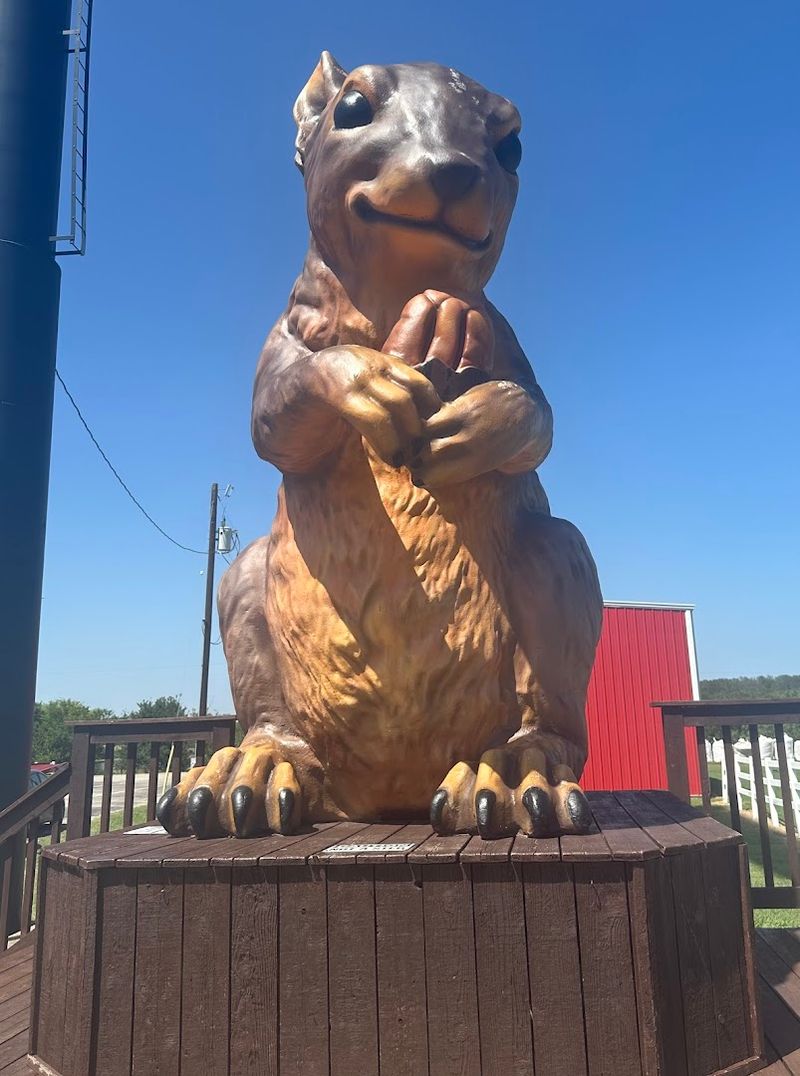
Standing 14 feet tall and weighing 1,800 pounds, Ms. Pearl is a giant squirrel statue that has become an unlikely icon of Cedar Creek. Originally created in 2011 to promote Berdoll Pecan Farm, this oversized rodent quickly captured hearts with her cheerful expression and impressive size. She’s since become one of the most photographed roadside attractions in Central Texas.
Ms. Pearl was built by a local artist using fiberglass and painted in realistic gray and white colors that make her look like an actual squirrel that somehow grew to enormous proportions. Her bushy tail curves upward, and her paws rest naturally as if she’s about to scamper off into the trees. The attention to detail is impressive for what could have been a simple novelty statue.
Locals in Cedar Creek have embraced Ms. Pearl as a community mascot, though some initially thought a giant squirrel was a bit much. But as tourists started stopping specifically to see her, bringing business to local shops and restaurants, opinions shifted. Now she’s a source of pride, even if people don’t always admit it to outsiders.
The statue sits outside Berdoll Pecan Farm, which sells pecans, candies, and various Texas products. Visitors can shop for local treats while their kids pose with Ms. Pearl for photos. The farm has leaned into the squirrel theme, offering squirrel-related merchandise and making the whole experience fun and family-friendly.
What makes Ms. Pearl special is her unexpected charm. She’s not trying to be ironic or artistic—she’s just a really big squirrel, and somehow that simplicity works. People smile when they see her, kids get excited, and even cynical teenagers admit she’s kind of cool.
There’s no pretense, just pure roadside Americana with a Texas twist.
The statue has survived storms and heat, becoming more weathered over the years but maintaining her cheerful demeanor. She represents the kind of wholesome weirdness that makes road trips memorable—the unexpected discovery that makes you pull over and laugh. Cedar Creek may be a small community, but thanks to Ms. Pearl, it’s one people remember.
9. Uncertain (East Texas)
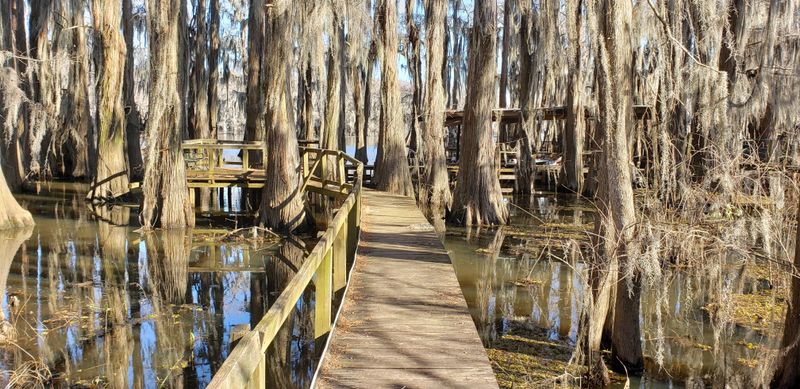
Uncertain, Texas, is a real town with a population hovering around 94 people, depending on who’s counting. Located on the shores of Caddo Lake in East Texas, this tiny community has one of the best town names in America. Nobody knows for sure how it got the name, though theories range from early settlers being uncertain about the Texas-Louisiana border to a poker game gone wrong.
The town sits in one of the most beautiful and mysterious parts of Texas, where Caddo Lake’s cypress trees draped with Spanish moss create an almost otherworldly landscape. The lake is the only natural lake in Texas and serves as a maze of bayous, sloughs, and channels that are easy to get lost in—which seems fitting for a place called Uncertain.
Locals have heard every joke imaginable about their town’s name. Are you certain you live in Uncertain? What’s it like being uncertain?
The humor gets old, but residents also recognize that the name brings attention to their small community and the natural beauty surrounding it. Many secretly enjoy the novelty even while pretending to be tired of the questions.
Uncertain serves as a gateway to Caddo Lake State Park, where visitors can rent canoes or kayaks to explore the mysterious waterways. The lake is home to alligators, rare birds, and some of the best fishing in Texas. The town itself has a few local businesses, including restaurants and boat rentals, that cater to tourists drawn by both the name and the natural attractions.
There’s something poetic about a place called Uncertain existing in such a liminal landscape—neither fully land nor water, straddling the Texas-Louisiana border, shrouded in mist and moss. The name captures the feeling of the place perfectly, even if its origins remain disputed. It’s the kind of town that feels like it exists outside normal time and space.
Visiting Uncertain means embracing the slow pace and natural beauty of deep East Texas. Come for the name, stay for the incredible scenery and peaceful atmosphere. Just don’t expect certainty about much—that’s not what this place is about.
10. Big Tex at the State Fair of Texas (Dallas)
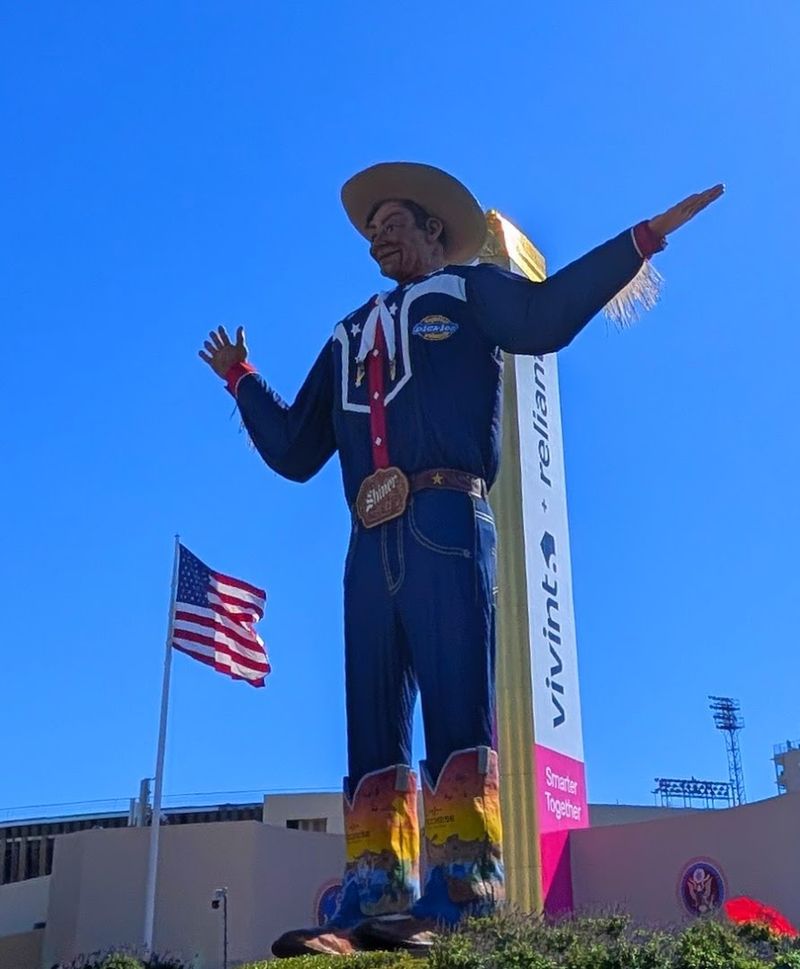
Big Tex stands 55 feet tall at the State Fair of Texas, welcoming visitors with his booming recorded voice and signature wave. He’s been a State Fair icon since 1952, though the current version is actually Big Tex 2.0 after the original burned down in 2012. The replacement was rebuilt bigger and better, maintaining the classic cowboy look while incorporating modern technology and fire safety features.
Dallas locals have a love-hate relationship with Big Tex. He’s undeniably corny, his recorded phrases are repetitive, and admitting you get excited to see him feels a bit childish. But when the State Fair opens each fall and Big Tex appears in Fair Park, there’s a collective sense of nostalgia and tradition that’s hard to resist.
The original Big Tex started life as a giant Santa Claus in Kerens, Texas, before being converted to a cowboy for the Dallas fair. Over the decades, he’s undergone various updates and repairs, becoming more sophisticated while maintaining his folksy charm. When he caught fire during the 2012 fair, the outpouring of grief was genuine and widespread—people realized how much they cared about the big guy.
Standing beneath Big Tex and looking up at his towering frame is a rite of passage for Texas kids. He represents everything the State Fair embodies—oversized, unapologetically Texan, a little kitschy, but ultimately beloved. His voice echoes across the fairgrounds, reminding everyone to “Howdy, folks!” and have a great time at the fair.
The area around Big Tex serves as a central meeting point where people arrange to gather before exploring the fair’s many attractions. He’s appeared in countless family photos, served as a backdrop for proposals and celebrations, and become so iconic that his image appears on merchandise sold throughout the year. Some people collect Big Tex memorabilia, though they might not display it prominently at home.
Big Tex embodies the State Fair’s spirit—fun, welcoming, and larger than life. Locals may joke about him being tacky, but they’ll defend him fiercely against criticism and feel genuine affection for the towering cowboy who’s become part of Dallas’s identity.
Share this story