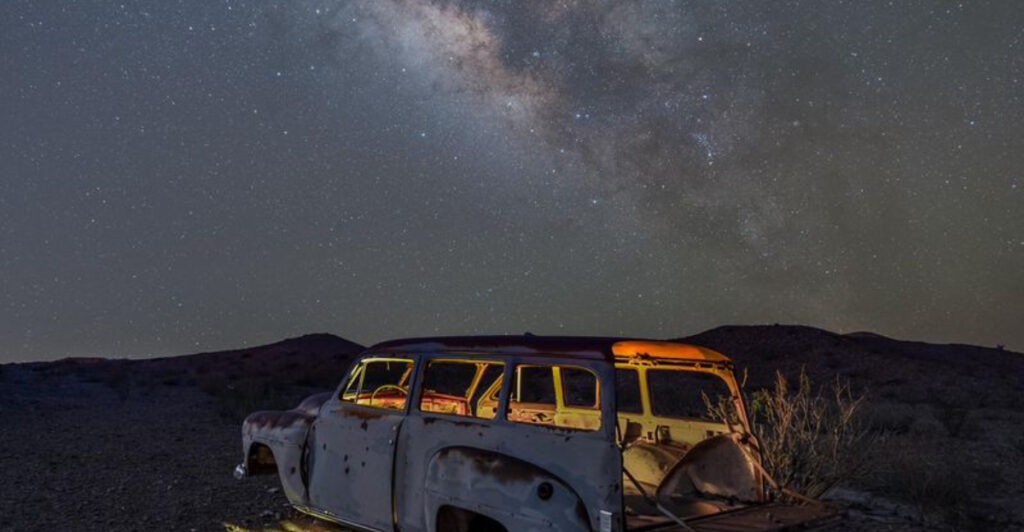
West Texas spreads out like a giant canvas painted with rust-colored mountains, endless skies, and sunsets that make you stop whatever you’re doing just to watch. Tucked between the desert floor and rocky peaks are small mountain towns that offer families a chance to unplug, explore, and reconnect without the noise of crowded tourist traps. These places aren’t about fancy resorts or theme parks—they’re about stargazing so clear you can see the Milky Way, hiking trails that lead to hidden springs, and main streets where everyone waves hello.
1. Fort Davis
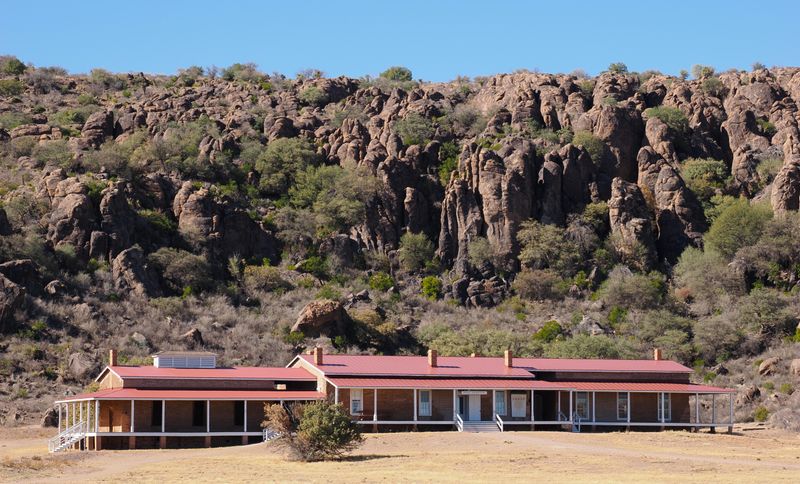
Sitting at 5,050 feet above sea level, this town holds the title of highest in Texas, which means cooler summers and crisp mountain air year-round. The scenery alone makes the drive worth it—rolling hills covered in grassland, volcanic rock formations, and peaks that glow orange during sunset. Families find themselves slowing down here, trading screen time for porch sitting and actual conversations.
The McDonald Observatory perches on Mount Locke just outside town, offering some of the darkest skies in North America. Kids go wild during the star parties, where they can look through massive telescopes and spot Saturn’s rings or distant galaxies. The guided tours during the day explain how astronomers study the universe, and even reluctant learners get hooked when they realize they’re seeing light that traveled millions of years to reach their eyes.
Downtown Fort Davis keeps things simple with a handful of shops, a historic hotel, and restaurants serving burgers and Tex-Mex. The old fort itself—Fort Davis National Historic Site—brings history to life with preserved buildings and ranger-led programs that show what frontier military life looked like in the 1800s. Kids can explore officers’ quarters, peek into barracks, and imagine what it was like when Apache warriors and soldiers crossed paths in these mountains.
Hiking trails wind through Davis Mountains State Park, where families can tackle easy walks or more challenging climbs depending on energy levels. The Skyline Drive Trail offers panoramic views without requiring expert skills, and the Indian Lodge inside the park provides pueblo-style rooms if you want to extend your stay. Mornings start with deer grazing near your cabin, and evenings end with coyotes singing in the distance.
This town doesn’t try to be anything other than what it is—a quiet mountain refuge where families can breathe deep, look up at stars that actually twinkle, and remember what it feels like to be genuinely present together.
2. Terlingua
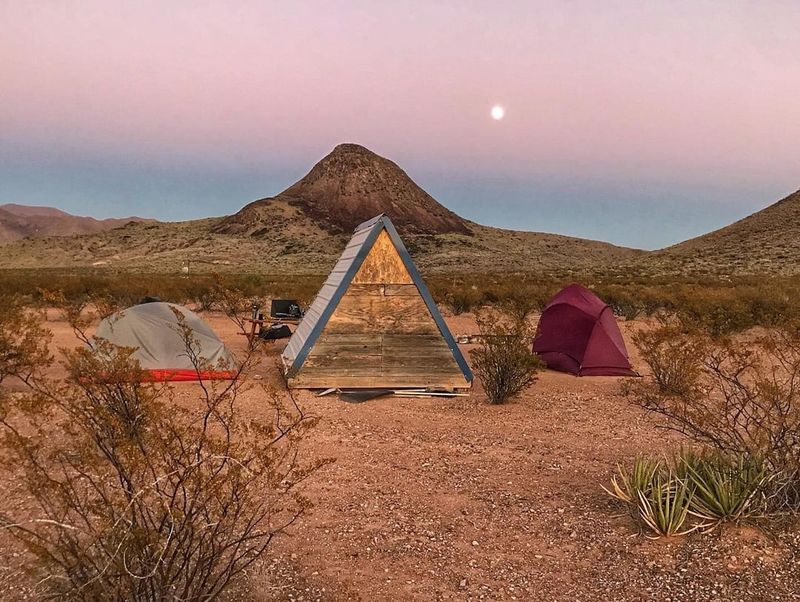
Half ghost town, half quirky outpost, Terlingua sits on the edge of Big Bend National Park like a dusty welcome mat to one of Texas’s wildest corners. Old mining ruins dot the landscape, remnants of the mercury boom that faded decades ago, leaving behind crumbling stone buildings that kids love to explore. The vibe here mixes Old West history with modern-day adventurers who come for the hiking, river trips, and sunsets that paint the Chihuahuan Desert in shades of pink and purple.
Families use Terlingua as base camp for Big Bend adventures, which means early mornings heading into the park and late afternoons returning dusty and satisfied. The town itself offers just enough—a few restaurants, a trading company stocked with supplies, and the famous Starlight Theatre where you can grab dinner and hear live music. The food leans toward border flavors with strong margaritas for the adults and hearty plates that refuel tired hikers.
The cemetery on the hill tells stories of pioneers, miners, and characters who made this harsh land home, and wandering through it at sunset gives families a moment to reflect on the grit it took to survive out here. Kids find the headstones fascinating, especially the ones with quirky epitaphs or mysterious dates. It’s a history lesson without a classroom, where the desert wind and fading light make everything feel more real.
River outfitters in Terlingua can set families up with guided float trips down the Rio Grande, where canyon walls rise hundreds of feet on both sides and hot springs bubble up along the banks. Even non-swimmers can handle the calmer sections, and the experience of drifting through remote canyons beats any amusement park. You’ll spot birds, maybe a javelina, and definitely feel like you’ve stepped into a different century.
Nights in Terlingua mean star-filled skies so bright you don’t need a flashlight, campfire conversations, and the kind of quiet that city families forget exists. There’s no pretense here, no trying to impress anyone—just raw desert beauty and the chance to disconnect from everything except each other.
3. Marathon
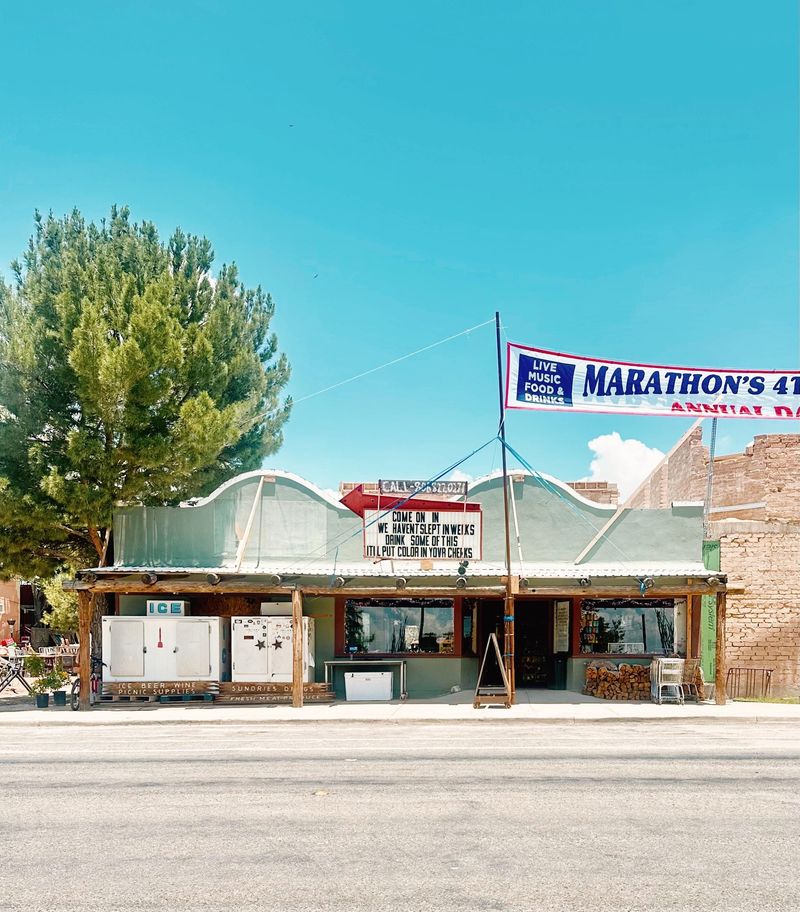
Marathon earned its name from a sea captain who thought the landscape resembled Marathon, Greece, which tells you something about the wide-open vistas and dramatic horizons surrounding this tiny town. With barely 400 residents, it punches above its weight in charm, mostly thanks to the Gage Hotel—a restored 1920s landmark that anchors the downtown and draws travelers heading to Big Bend. Families discover that Marathon offers a perfect midpoint between the highway hustle and total wilderness, with just enough civilization to feel comfortable.
The Gage itself deserves attention, with its thick adobe walls, courtyard garden, and restaurant serving upscale ranch cuisine that surprises first-timers. Kids enjoy exploring the property, which includes a small museum showcasing local history, and parents appreciate the quality coffee and real beds after camping trips. Even if you don’t stay overnight, stopping for lunch gives everyone a chance to stretch legs and soak in the old-ranch atmosphere.
Main Street Marathon doesn’t take long to walk end-to-end, but the few shops and galleries pack in character. The Marathon Motel and RV Park offers budget-friendly rooms with retro vibes, and the French Company Grocer serves as general store, deli, and gathering spot where locals and visitors mix easily. Grabbing sandwiches here for a picnic makes sense before heading into the national park or exploring nearby ranch roads.
Post Park, a small green space in town, provides picnic tables and a playground where kids can burn energy while adults enjoy mountain views. It’s nothing fancy, but after hours in the car, even a simple park feels like luxury. The surrounding desert invites exploration too—dirt roads lead to overlooks, old railroad sites, and hidden canyons that reward curious families willing to venture off pavement.
Marathon’s real gift is its position as a launching pad for adventure without being adventure itself. You get a comfortable bed, decent food, and friendly faces before heading into the wild. The sunsets here stretch across the entire western horizon, turning the sky into layers of orange, red, and purple that make everyone stop talking and just watch.
It’s the kind of place that reminds families why they came to West Texas in the first place.
4. Balmorhea
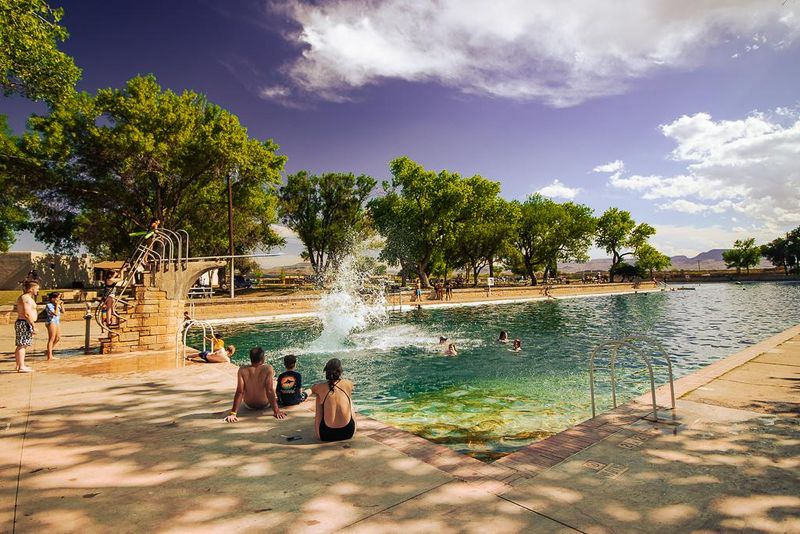
Most people know Balmorhea for one thing—the massive spring-fed pool at Balmorhea State Park that stays a constant 72-76 degrees year-round and holds 3.5 million gallons of crystal-clear water. Built by the Civilian Conservation Corps in the 1930s, this isn’t your typical chlorinated rectangle. It’s a natural desert oasis where families can snorkel alongside endangered fish species, float in water so clear you can see the bottom 25 feet down, and cool off in a landscape that otherwise bakes under relentless sun.
Kids go absolutely wild here, especially when they spot the tiny fish darting around underwater or discover the two diving boards that let them cannonball into the deep end. The pool stretches long enough that strong swimmers can do laps, while shallow areas let toddlers splash safely. Underwater, the springs bubble up from the bottom, creating currents that feel like nature’s lazy river.
Snorkeling gear rentals are available, and even beginners get hooked watching the aquatic life that calls this spring home.
The park offers camping spots with hookups, shaded picnic areas, and a small motel called San Solomon Courts that books up fast during summer months. Staying overnight means you can hit the pool early before day-trippers arrive, and mornings at the spring feel almost magical when mist rises off the water and birds sing in the cottonwood trees. The park staff keep things clean and organized, making it easy for families to settle in and relax.
The town of Balmorhea itself barely registers on maps, with a population under 500 and not much beyond a gas station and a couple of cafes. But that’s part of the appeal—you come here for the water, not the nightlife. The surrounding desert landscape offers hiking opportunities and scenic drives, though most families spend their time in and around the pool.
What makes Balmorhea special is how it delivers a single experience so well that nothing else matters. The water feels incredible on hot days, the setting is uniquely Texan, and the memories of swimming in a desert spring stick with kids long after vacation ends. It’s simple, refreshing, and exactly what a family escape should be.
5. Marfa
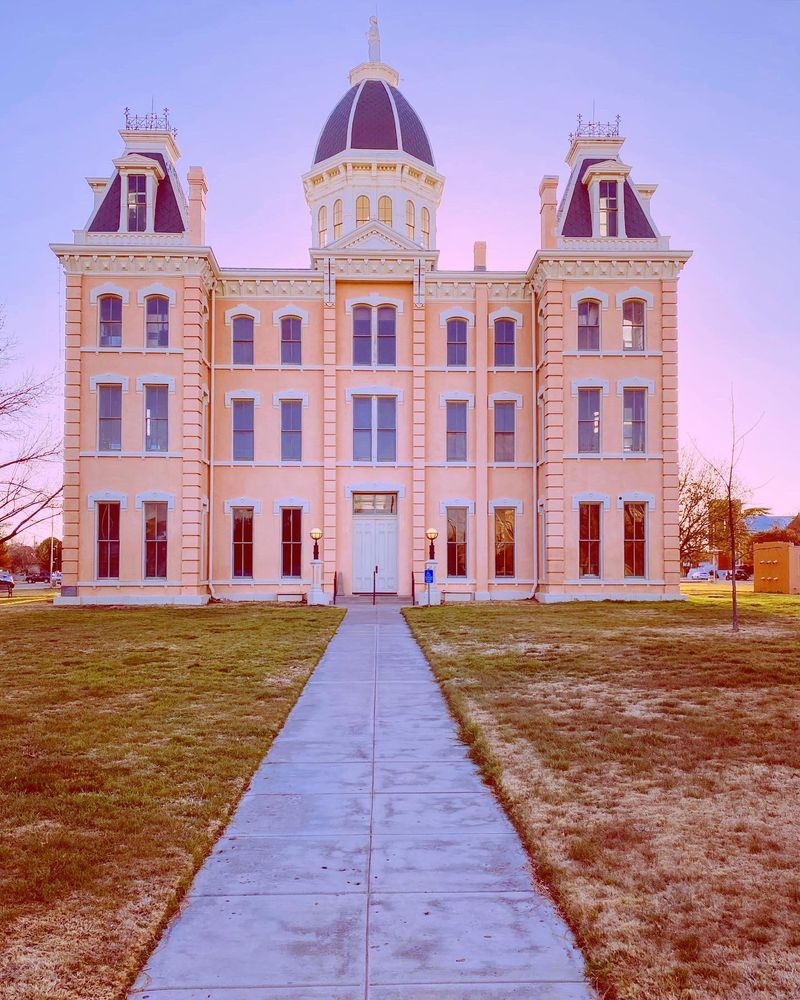
Out in the West Texas desert, this town moves to its own strange and fascinating rhythm, blending high art with ranch culture in a way that somehow works The famous Marfa Lights—mysterious glowing orbs that appear in the distance at night—draw curious families to the viewing platform east of town, where everyone scans the horizon hoping to spot the unexplained phenomenon. Whether you see them or not, the experience of standing in the dark desert with your kids, searching for something nobody can fully explain, creates its own kind of magic.
Downtown Marfa looks like a movie set, with historic buildings housing contemporary art galleries, design shops, and restaurants that serve everything from barbecue to upscale farm-to-table cuisine. The Chinati Foundation showcases large-scale installations by minimalist artist Donald Judd, whose work transformed this remote town into an international art destination. Families can tour the foundation’s exhibits, though younger kids might find the abstract pieces less engaging than the quirky roadside attractions scattered around town.
Speaking of quirky, Prada Marfa sits about 20 miles northwest—a permanent art installation shaped like a Prada boutique in the middle of nowhere. Kids think it’s hilarious, parents snap photos, and everyone leaves slightly confused but entertained. The Hotel Paisano in downtown Marfa offers comfortable rooms with historic character, and the courtyard pool provides a welcome break from sightseeing.
This is where the cast stayed during filming of Giant, the 1956 classic that brought Elizabeth Taylor, Rock Hudson, and James Dean to West Texas. Even if your family skips the art tours, Marfa still delivers desert sunsets, big skies, good food, and odd little moments that make the trip memorable. It is quiet, strange, stylish, and unforgettable in a way few Texas towns manage to be, especially after the stars come out.
6. Presidio
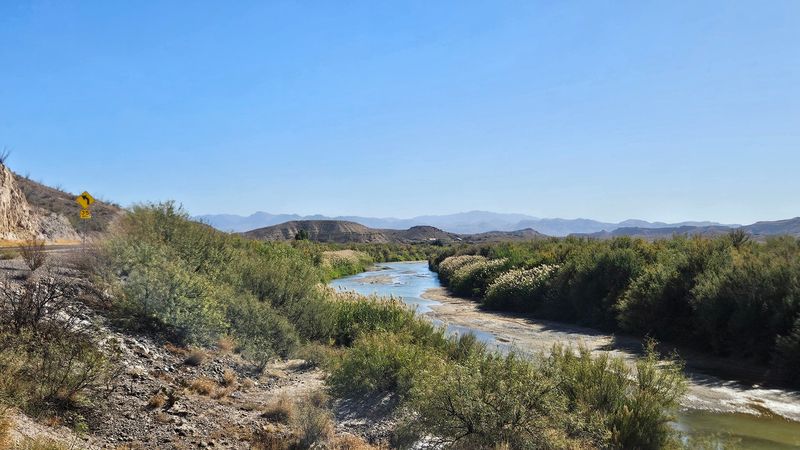
Set along the Rio Grande at one of Texas’ lowest elevations, Presidio can be fiercely hot in summer, but its borderland culture, desert scenery, and deep history make it unforgettable. Directly across the river sits Ojinaga, Mexico, and the blend of American and Mexican influences shapes everything from the food to the music to the easy bilingual conversations you’ll hear on the streets. Families get a taste of border life here, where two countries meet and cultures mix naturally.
The Presidio-Ojinaga International Bridge connects the towns, and crossing into Mexico for lunch or shopping makes for an easy day trip if your family has proper documentation. The Mexican markets sell handcrafted goods, and the restaurants serve authentic regional dishes you won’t find in chain Tex-Mex places. Even if you don’t cross, the border town atmosphere gives Presidio a distinct personality that feels more connected to the wider world than most isolated West Texas communities.
Fort Leaton State Historic Site preserves an adobe trading post built in 1848, offering families a glimpse into frontier commerce and the complex relationships between settlers, Native Americans, and Mexican traders. The thick walls and simple rooms show how people adapted to this harsh climate, and the interpretive displays explain the historical significance of this strategic location. Kids enjoy exploring the fort’s layout and imagining what life was like without air conditioning in this desert heat.
The Rio Grande Wild and Scenic River runs through Presidio County, and outfitters can arrange float trips through stunning canyons where sheer rock walls rise hundreds of feet. These trips range from mellow floats to more challenging rapids, giving families options based on skill level and comfort. The river provides relief from the heat and access to remote wilderness that few people ever see.
Presidio doesn’t cater to tourists the way some towns do—it’s a working border community where real life happens. But that authenticity is exactly what makes it interesting. Families who appreciate cultural diversity, cross-border connections, and a slower pace will find Presidio offers something different from typical vacation spots.
The sunsets over the river and Mexican mountains create postcard moments, and the genuine warmth of local residents makes visitors feel welcome rather than like walking wallets.
7. Alpine
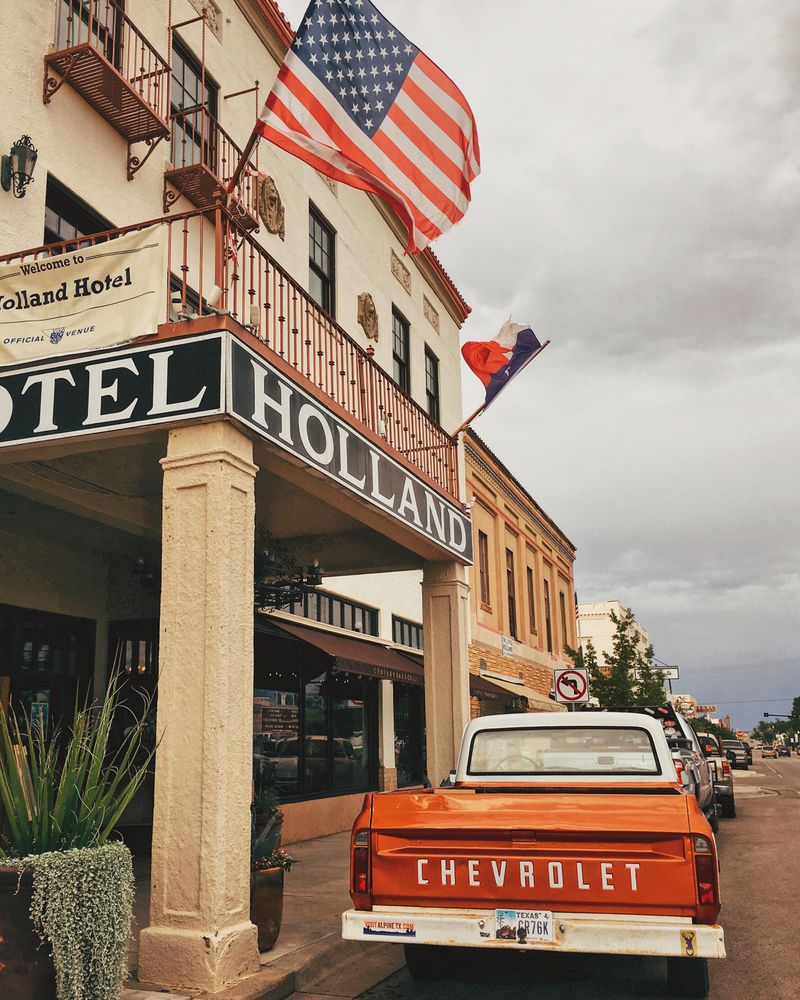
Alpine serves as the cultural and commercial hub of the Big Bend region, which in West Texas terms means it has a university, multiple restaurants, and actual stoplights. Sul Ross State University gives the town a younger energy than most remote desert communities, with students adding vibrancy to the downtown coffee shops and bookstores. Families find Alpine offers the perfect balance—small enough to feel authentic but large enough to provide real amenities and services.
The Museum of the Big Bend on the Sul Ross campus houses fascinating exhibits about the region’s natural history, Native American cultures, and frontier settlement. Admission is free, making it an easy educational stop that doesn’t break the vacation budget. Kids particularly enjoy the dinosaur fossils and artifacts showing how people survived in this harsh environment centuries ago.
The museum staff clearly care about their collections, and the displays are well-organized and informative without being overwhelming.
Downtown Alpine stretches along several blocks of Holland Avenue, where locally-owned shops sell everything from cowboy boots to contemporary art. The Reata restaurant occupies a restored building and serves upscale ranch cuisine with mountain views from the rooftop bar—though families with kids usually stick to the main dining room. Several good Mexican restaurants offer authentic flavors, and the local grocery stores stock supplies for camping trips or picnics.
The town sits at 4,500 feet elevation, giving it cooler temperatures than lower desert areas and making it comfortable even during summer months. Nearby hiking trails in the Davis Mountains provide outdoor recreation options, and the scenic loop drives showcase the dramatic landscape surrounding Alpine. Families often use the town as a base for exploring Big Bend National Park, Marathon, Fort Davis, and other regional attractions.
Alpine hosts several annual events including a cowboy poetry gathering and the Viva Big Bend music festival, adding cultural depth to its tourism appeal. The accommodations range from budget motels to boutique hotels, and the town has reliable cell service and WiFi—luxuries you can’t take for granted in remote West Texas. For families who want adventure but also appreciate having a comfortable home base with good food and friendly people, Alpine delivers exactly that combination without pretension or tourist trap nonsense.
8. Sanderson
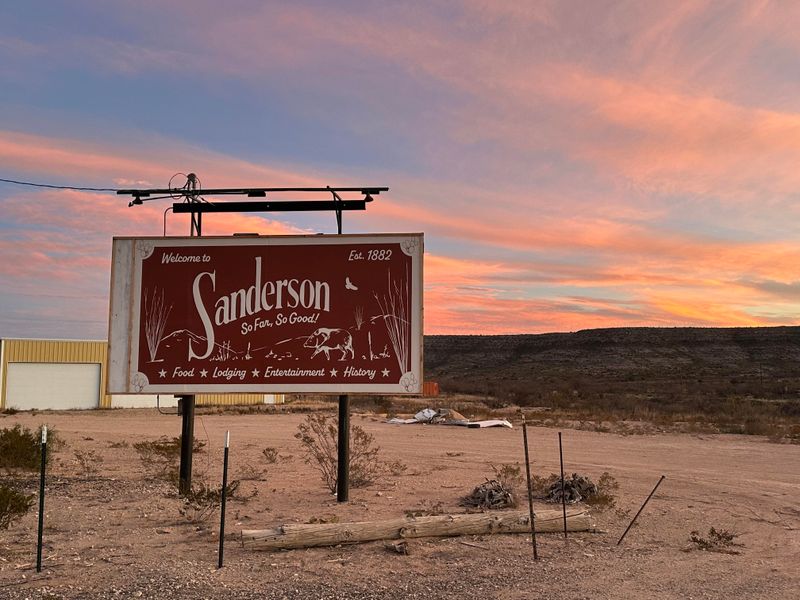
In this quiet corner of West Texas, time seems to slow to a crawl, leaving behind empty streets, passing trains, and the kind of rugged desert charm that feels almost untouched. With fewer than 1,000 residents, it functions primarily as a ranching and railroad hub, but families driving between Del Rio and Big Bend discover it makes a surprisingly useful stopping point. The landscape around Sanderson is pure desert drama—rocky canyons, vast emptiness, and sunsets that spread across the entire sky.
The Terrell County Museum preserves local history with exhibits about ranching, railroads, and the tough characters who settled this unforgiving region. It’s small but well-curated, and the volunteers who run it love sharing stories about Sanderson’s past. Kids learn about the wool and mohair industry that once thrived here, and the old photographs show just how isolated this area was before modern highways connected it to the rest of Texas.
Sanderson Canyon lies just outside town, offering dramatic scenery where the Pecos River cuts through limestone cliffs. The canyon isn’t developed for tourism, which means families who explore it get an authentic wilderness experience without crowds or facilities. Hiking requires preparation—bring plenty of water, tell someone where you’re going, and respect the harsh environment.
The rewards include stunning views, possible wildlife sightings, and the satisfaction of exploring terrain that most people never see.
The town itself provides basic services—gas stations, a couple of cafes, and small motels that serve railroad workers and occasional travelers. Don’t expect fancy amenities or gourmet dining, but the food is honest and the rooms are clean. The Budget Inn and the Desert Air Motel offer no-frills accommodation at reasonable prices, perfect for families who just need a place to crash between adventures.
What Sanderson offers is authenticity and remoteness. You won’t find gift shops or tourist attractions, but you will find genuine West Texas character and landscapes that remind you how big and empty this part of the state remains. The night skies here rival anywhere in Texas for star visibility, and the silence at night is almost overwhelming for families used to city noise.
It’s not a destination town, but it’s an honest one, and sometimes that’s exactly what a family escape needs—a place that doesn’t try to be anything other than what it is.
9. Lajitas
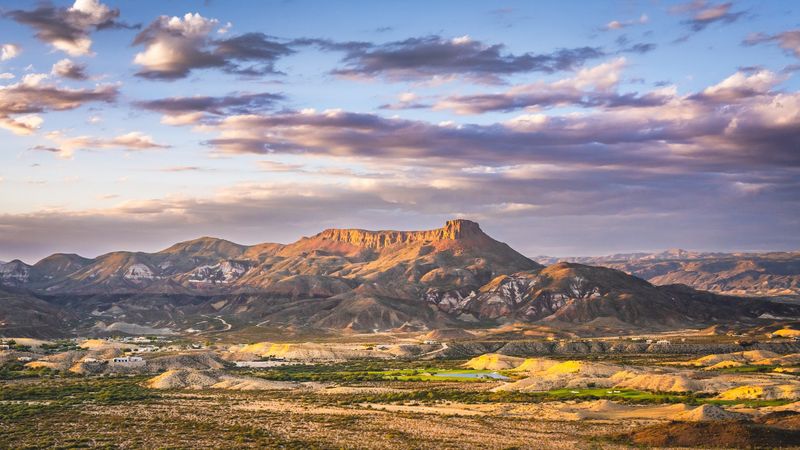
Lajitas started as a cavalry post and trading post on the Rio Grande, then became a ghost town, and eventually transformed into a resort community that offers families an upscale base for Big Bend adventures. The Lajitas Golf Resort sprawls across the desert with a championship golf course, multiple pools, restaurants, and accommodations ranging from hotel rooms to private casitas. It’s the fanciest option in this part of West Texas, which makes it popular with families who want outdoor adventure without sacrificing comfort.
The resort keeps kids entertained with pool activities, guided nature walks, and access to the Rio Grande for water activities. Parents appreciate the spa services, quality dining options, and the fact that everything is contained in one property—no driving around searching for dinner or activities. The golf course challenges serious players while offering stunning desert and mountain views that make even bad shots feel somehow worthwhile.
Lajitas sits right on the river across from Mexico, and the old trading post area preserves some historic buildings including a general store and cantina. The famous beer-drinking goat that once served as honorary mayor has passed on, but the quirky spirit remains. Families can explore the old buildings, learn about the area’s colorful history, and get a sense of what this remote outpost was like before resort development.
The location provides easy access to Big Bend National Park’s western entrance and the spectacular river canyons that define this region. Outfitters based at Lajitas offer guided float trips, horseback rides, and jeep tours into the surrounding wilderness. Having these services readily available makes trip planning easier for families who want professional guidance rather than figuring everything out themselves.
River Road—one of Texas’s most scenic drives—runs east from Lajitas toward Terlingua and Big Bend, hugging the Rio Grande through dramatic canyon country. Families with older kids who can handle the winding dirt road find this drive unforgettable, with overlooks showcasing the river, Mexican mountains, and desert landscape at its most photogenic. The road requires high clearance and careful driving, but the scenery rewards the effort.
Lajitas represents the luxury end of West Texas mountain town experiences, where families can enjoy wilderness access without giving up amenities. The sunsets over the Rio Grande and surrounding peaks are spectacular from the resort’s terraces, and the combination of adventure and comfort appeals to families who want both.
10. Van Horn
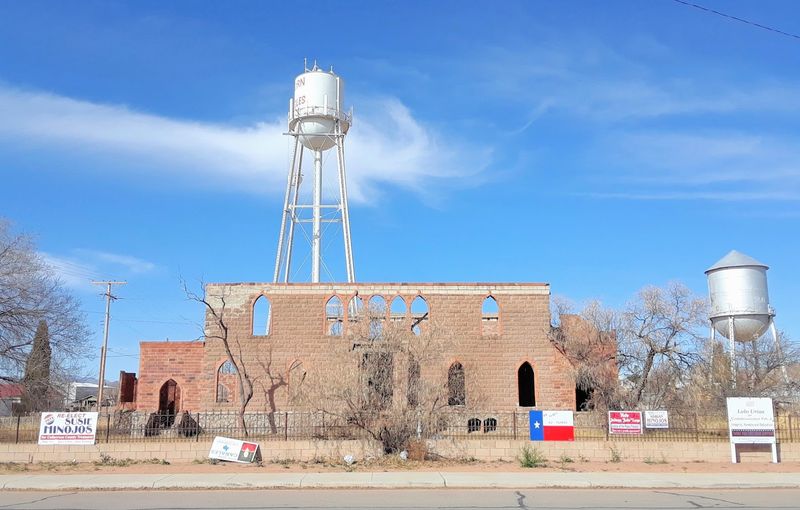
At the junction of Interstate 10 and Highway 90, this West Texas town makes a natural stop for families crossing the desert or heading toward Guadalupe Mountains National Park. The town serves primarily as a rest stop for highway travelers, but it offers more character than typical interstate exits. Historic buildings line the old downtown, and the surrounding mountain scenery provides a dramatic backdrop that makes the long stretches of highway driving worthwhile.
The Clark Hotel Museum preserves a 1901 landmark building and showcases local history through photographs, artifacts, and exhibits about ranching, mining, and pioneer life. The building itself is worth seeing, with period furnishings and architectural details that transport visitors back to early 20th century West Texas. Admission is affordable, and the volunteer guides share fascinating stories about Van Horn’s past as a water stop for steam locomotives and a supply center for surrounding ranches.
Families use Van Horn as a base for visiting Guadalupe Mountains National Park, which lies about 60 miles east. The park protects the highest peaks in Texas and offers spectacular hiking through diverse terrain ranging from Chihuahuan Desert to coniferous forest. Day trips from Van Horn work well, allowing families to explore the park’s trails and then return to comfortable beds and restaurant meals rather than camping.
The town has multiple chain hotels and motels along the interstate, plus several local Mexican restaurants that serve solid border food. The Chuy’s Restaurant is a longtime favorite, with generous portions and friendly service that make road-weary families feel welcome. Nothing fancy, just good food at fair prices—exactly what you want after hours of driving.
Van Horn doesn’t pretend to be a tourist destination, and that honesty is refreshing. It’s a working town that happens to be surrounded by beautiful mountains and situated conveniently for travelers. The locals are genuinely friendly, used to helping visitors with directions and recommendations.
The sunsets behind the Sierra Diablo mountains west of town create stunning displays of color that remind everyone why West Texas landscapes inspire artists and photographers.
For families on extended road trips or those exploring the broader Trans-Pecos region, Van Horn provides a practical and affordable base. The mountain views, clean accommodations, and easy interstate access make it a sensible choice. It won’t be the highlight of your vacation, but it serves its purpose well and offers more charm than most highway towns.
Share this story