Texas is massive, but you don’t need a week off or a fat wallet to explore its best spots. Scattered across the state are charming towns, stunning parks, and coastal hideaways that make perfect day trips without draining your bank account. Whether you’re craving a hike through ancient granite domes, a lazy float down a spring-fed river, or some seriously good barbecue, these eleven destinations deliver big experiences on a small budget.
1. Enchanted Rock State Natural Area (Fredericksburg)
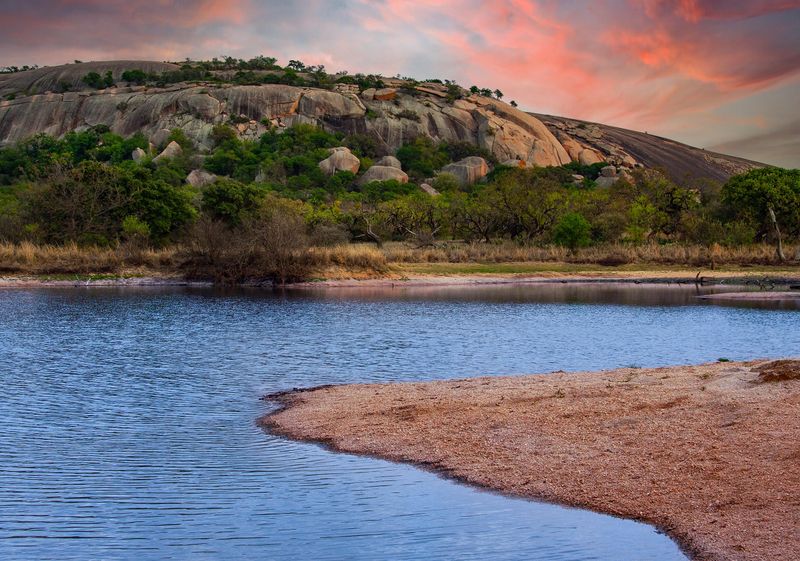
That giant pink bubble of granite rising 425 feet above the Hill Country isn’t just Instagram bait—it’s one of the oldest rock formations in North America. Enchanted Rock earns its mystical name from the creaking and groaning sounds it makes at night as the stone contracts after baking in the Texas sun all day. Park entry runs about eight bucks per person, making it one of the cheapest thrills you’ll find.
The main dome trail is just over a mile round trip, but don’t let that fool you. The incline is steep enough to get your heart pumping, and the views from the summit stretch for miles across the Hill Country. Pack plenty of water because shade is scarce once you leave the base.
Early morning visits beat the heat and the weekend crowds that can sometimes close the park when it hits capacity.
Beyond the main dome, the park has several loop trails that wind through oak groves and past smaller rock formations. Vernal Pool Trail is especially cool in spring when temporary pools fill with rainwater and become miniature ecosystems. Rock climbers love the technical routes on the north face, though you’ll need permits and proper gear for that adventure.
Bring a picnic lunch to enjoy at the summit or at one of the shaded tables near the parking area. The nearby town of Fredericksburg offers plenty of dining options if you forget to pack food, but eating there adds to your budget. Camping is available if you want to extend your trip, with primitive sites running around twenty dollars per night.
Just remember to reserve your spot well in advance because this place books up fast, especially during wildflower season.
2. Fredericksburg (Fredericksburg)
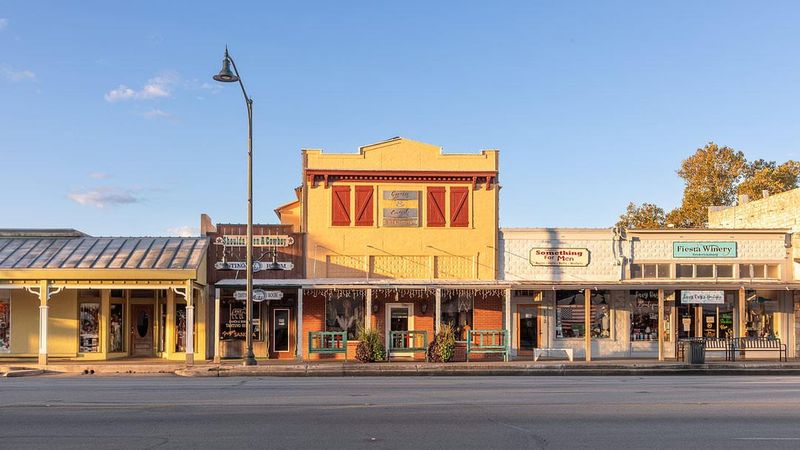
German heritage runs deep in this Hill Country town where you can still hear the Texas-German dialect spoken by some longtime residents. Main Street stretches for blocks packed with boutiques, antique shops, and tasting rooms, but window shopping costs nothing and people-watching is free entertainment. The real budget win here is exploring the town’s history without spending a dime at spots like the Vereins Kirche octagonal church replica in the town square.
Wildflower season transforms Fredericksburg into a painter’s palette, with bluebonnets and Indian paintbrush carpeting the roadsides from late March through April. Drive the Willow City Loop just outside town for some of the best displays, and bring your camera because these scenes are worth a thousand photos. The 13-mile scenic drive winds through working ranches and costs absolutely nothing except gas.
Food is where you might blow your budget if you’re not careful, but smart choices exist. Skip the pricey wine country restaurants and hit up the local bakeries for authentic German pastries at breakfast. Opa’s Smoked Meat Company offers excellent barbecue at reasonable prices, and you can grab picnic supplies from one of several grocery stores to eat at one of the city parks.
The National Museum of the Pacific War honors hometown hero Admiral Chester Nimitz and offers free admission to the outdoor exhibits and memorial courtyard. Inside exhibits require tickets, but the outdoor portions provide plenty of historical context. Time your visit for First Saturday when many galleries and shops offer special deals and extended hours.
Street parking downtown fills up fast on weekends, but free lots sit just a block or two off Main Street if you’re willing to walk a bit.
3. Dinosaur Valley State Park (Glen Rose)
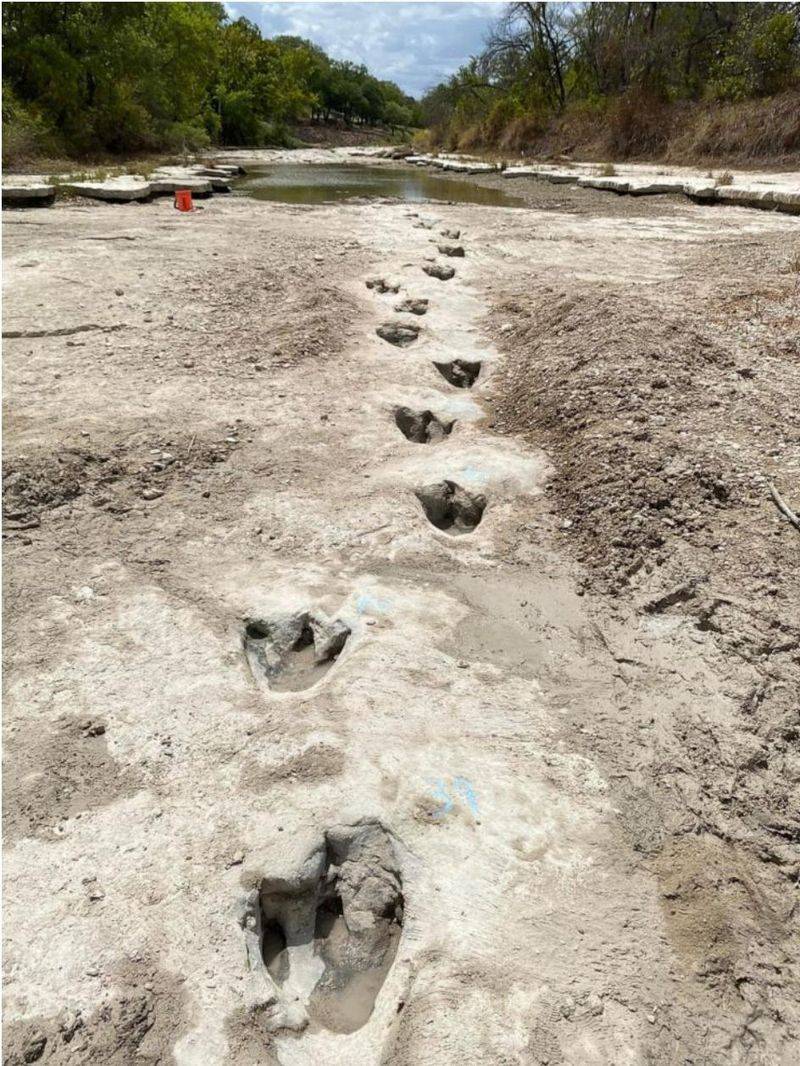
Walking where dinosaurs walked 113 million years ago sounds like a theme park experience that would cost serious money, but Dinosaur Valley delivers this prehistoric thrill for pocket change. The park’s claim to fame is the incredibly well-preserved dinosaur tracks visible in the Paluxy River bed, left behind by both carnivorous theropods and massive sauropods. Entry fees run around seven dollars per person, and the tracks are right there in the river for anyone to see and touch.
Water levels determine track visibility, so summer’s lower river conditions offer the best viewing. Wade right into the shallow water and place your hand inside a three-toed print bigger than a dinner plate. Rangers lead free guided track tours on weekends, sharing fascinating details about the creatures that made these impressions and the geological conditions that preserved them.
Beyond the tracks, the park offers excellent hiking trails that wind through limestone bluffs and dense cedar breaks. The outer loop trail stretches about four miles and provides a solid workout with some elevation changes. Shorter trails near the river work better for families with small kids who want to see the tracks without committing to a long hike.
The park has life-sized dinosaur models near the entrance that kids love for photos, even if they’re a bit dated and scientifically questionable by modern standards. Bring your own food and drinks because the nearest town is a few miles away and park concessions are limited. Swimming in the river is allowed and provides free cooling off on hot days.
Primitive camping sites cost around fifteen dollars if you want to stay overnight and catch the tracks at different times of day when lighting conditions change.
4. Caddo Lake State Park (Karnack)
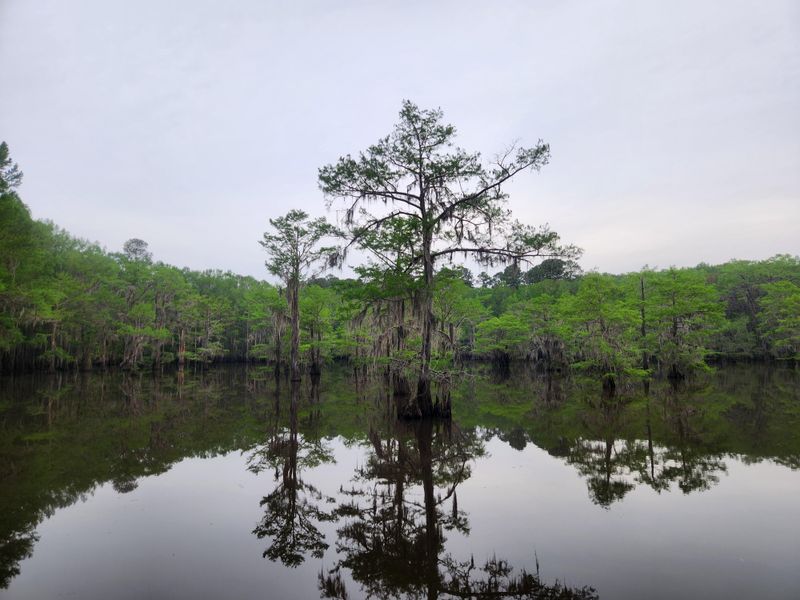
Caddo Lake looks like it was transplanted from Louisiana, with ancient bald cypress trees rising from dark water and Spanish moss hanging like ghostly curtains. This is Texas’s only natural lake, formed by a massive logjam on the Red River centuries ago, and it creates an otherworldly atmosphere you won’t find anywhere else in the state. Paddling through the maze of sloughs and bayous feels like stepping into a fantasy novel, and canoe rentals run surprisingly cheap at around twenty-five dollars for half a day.
Wildlife watching here is exceptional without requiring expensive guides or equipment. Alligators sun themselves on logs, though they’re generally small and shy. Great blue herons stalk the shallows while anhingas dry their wings on cypress branches.
Spring and fall migration brings waves of songbirds, and lucky visitors might spot river otters playing in the channels.
The park maintains several hiking trails that explore the upland areas away from the water. Saw Mill Pond Trail loops through pine forest and offers interpretive signs explaining the area’s logging history. Backcountry camping is available for adventurous types with canoes, letting you sleep on platforms among the cypress trees for minimal fees.
Fishing is popular and productive, with largemouth bass, catfish, and crappie all present in good numbers. A Texas fishing license is required, but that’s an investment that pays off if you catch dinner. The park has screened shelters available for day use that provide relief from mosquitoes, which can be fierce during warmer months.
Bring bug spray—lots of it. The nearby town of Uncertain (yes, that’s really its name) offers a quirky lunch stop with a few local restaurants serving catfish and other Southern comfort food at reasonable prices.
5. Galveston (Galveston)
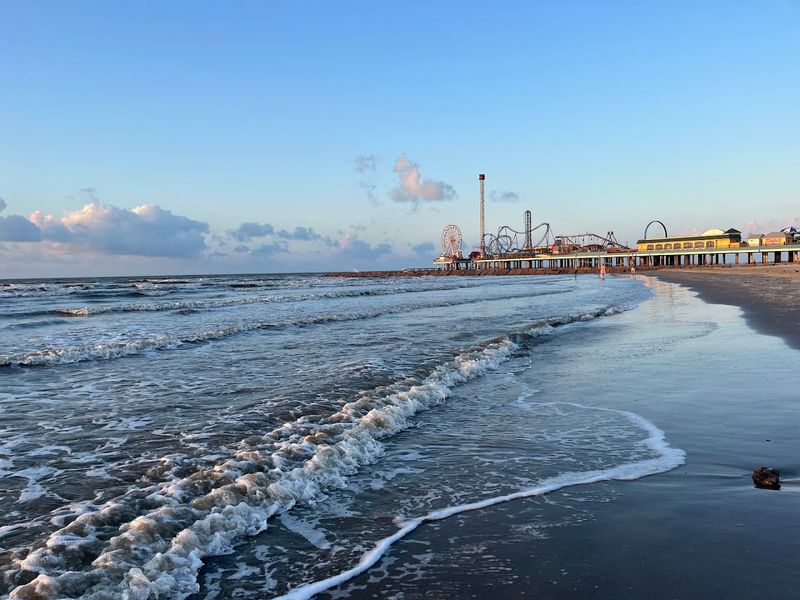
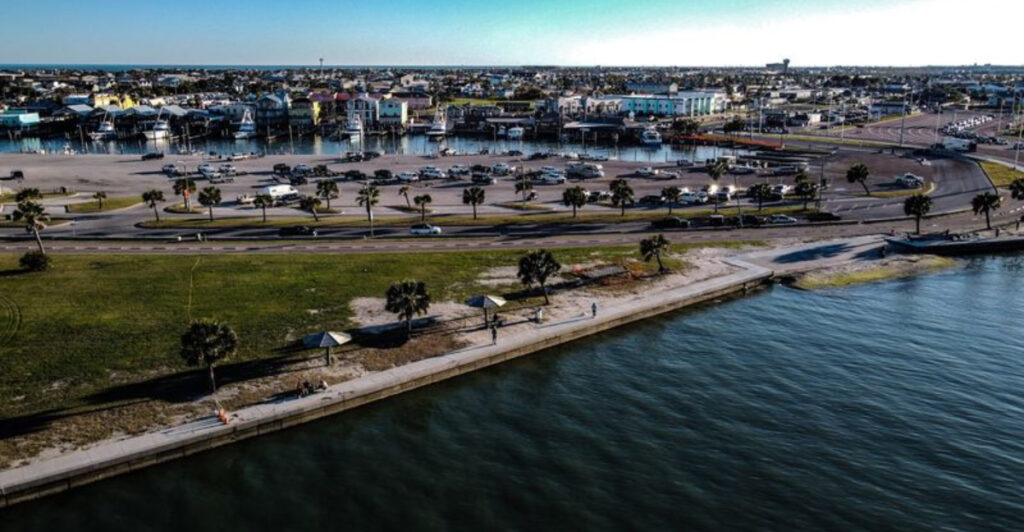
Beach days don’t require a flight to Florida when Galveston sits just an hour from Houston with miles of free public beach access. The seawall stretches ten miles along the Gulf Coast, providing a perfect spot for walking, biking, or just watching the waves roll in. Sure, the water isn’t Caribbean-clear, but the sand is real and the sunsets are spectacular, all without paying resort prices.
The Strand Historic District offers excellent window shopping in Victorian-era buildings that survived the devastating 1900 hurricane. Pop into the old-fashioned candy shops for free samples, browse the bookstores, and admire the architecture without spending a dime. Street performers and musicians often set up on weekends, adding to the festive atmosphere.
Budget dining options abound if you know where to look. Skip the touristy restaurants along the seawall and head to local spots like Shrimp ‘N Stuff for excellent po’boys and seafood plates that won’t destroy your wallet. Taco stands and burger joints scattered throughout the island offer filling meals for under ten bucks.
Bring a cooler with drinks and snacks to avoid overpriced beachfront concessions.
Free attractions include the Bishop’s Palace exterior (tours cost money, but the outside is stunning), Pier 21, and various murals scattered around downtown. The Galveston Railroad Museum and other paid attractions are worth considering if you have room in your budget, but you can easily fill a day without buying tickets to anything. Parking along the seawall is metered but cheap, or use the free lots at East Beach and Stewart Beach if you don’t mind a bit of walking.
Time your visit for weekdays when crowds thin out and you’ll have more beach to yourself.
6. New Braunfels (New Braunfels)
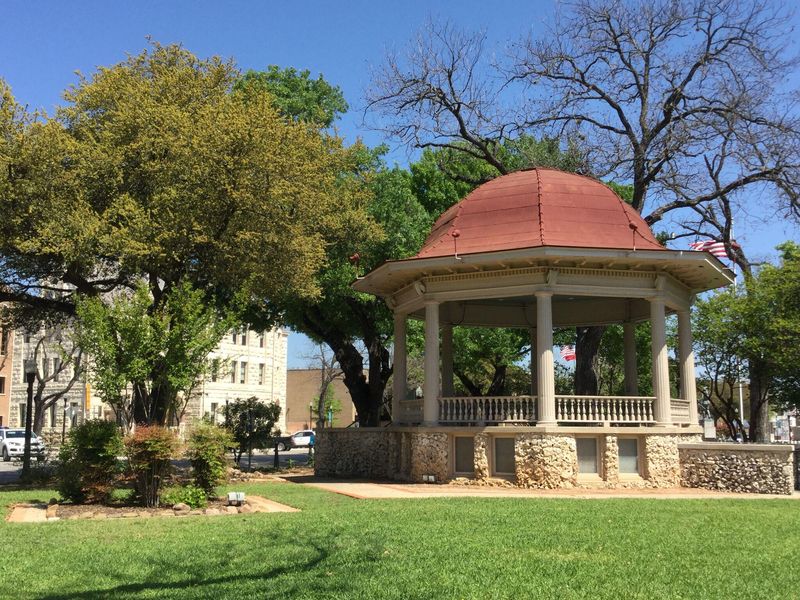
Two crystal-clear rivers converge in this German-founded town that’s become synonymous with lazy summer tubing. The Comal River holds the title of shortest river in Texas, but what it lacks in length it makes up for in spring-fed perfection. Tube rentals will set you back around twenty bucks, but the multi-hour float through town provides entertainment value that’s hard to beat.
Bring your own tube and it’s completely free, though you’ll need a shuttle or a patient friend to pick you up downstream.
Landa Park offers 51 acres of free recreation right in the heart of town, with the spring-fed pool, miniature train, and paddleboat rentals all available for small fees. Walking the park and enjoying the massive oak trees costs nothing and provides a peaceful escape from the tubing crowds. The spring itself pumps out millions of gallons of 72-degree water daily, creating the Comal River and keeping it refreshingly cool even in August.
Downtown New Braunfels has undergone a renaissance in recent years, with local boutiques, coffee shops, and restaurants filling historic buildings. Prince Solms Park provides river access for swimming and picnicking, and the playground keeps kids entertained while parents relax in the shade. Weekends bring live music to various venues, often with no cover charge if you arrive early.
Gruene Historic District technically deserves its own entry, but it’s part of New Braunfels and adds to the town’s appeal. The oldest dance hall in Texas still hosts concerts, though ticket prices vary widely by performer. Window shopping the antique stores and craft shops costs nothing, and the riverside setting is picture-perfect.
Budget tip: pack your own lunch and drinks because riverside restaurant prices can climb quickly. Visit on weekdays during summer to avoid the worst tubing traffic and find easier parking.
7. Pedernales Falls State Park (Johnson City)
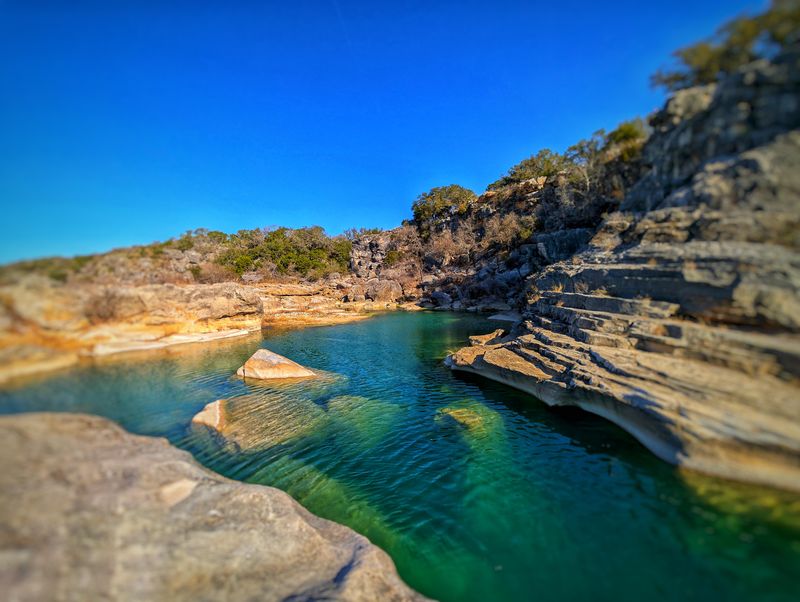
Pedernales Falls creates a stunning spectacle where the river cascades over layered limestone shelves, forming pools and rapids that change character with every rain event. Unlike a traditional waterfall that drops vertically, these falls spread horizontally across the riverbed, creating a unique geological feature you can observe from multiple angles. Park entry runs about seven dollars per person, making it an affordable natural wonder to explore.
The falls viewpoint sits just a short walk from the main parking area, making this one of the most accessible scenic spots in the Hill Country. Observation platforms provide safe vantage points for photos and gawking, though swimming near the falls themselves is prohibited due to dangerous currents and underwater hazards. Downstream swimming areas offer safer water access when flow conditions permit.
Hiking trails range from easy riverside strolls to challenging backcountry routes that climb through juniper-covered hills. The Wolf Mountain Trail loop covers nearly eight miles and rewards hikers with panoramic Hill Country views. Shorter trails like the Twin Falls Trail (about three miles round trip) showcase smaller cascades and swimming holes that see fewer visitors than the main falls.
Wildlife spotting opportunities include white-tailed deer, armadillos, and various bird species. Spring wildflowers carpet the hillsides with color, while fall brings migrating monarch butterflies. Bring binoculars if you’re into birding because the park’s varied habitats attract everything from roadrunners to golden-cheeked warblers.
Primitive camping is available for around fifteen dollars per night, and the park has equestrian camping for horse enthusiasts. Day visitors should pack plenty of water and snacks because the nearest stores are several miles away in Johnson City. The park can close temporarily after heavy rains when the river becomes dangerous, so check conditions before making the drive.
Early morning visits offer the best lighting for photography and cooler temperatures for hiking.
8. Gruene (New Braunfels)
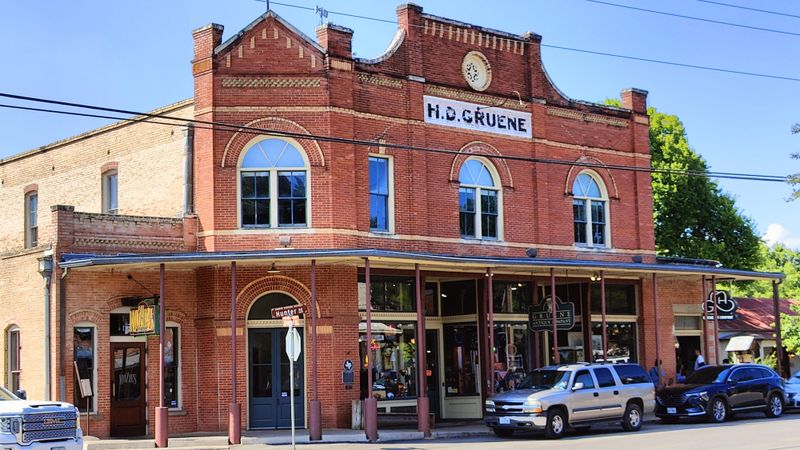
Frozen in time since its cotton gin shut down in the 1920s, Gruene (pronounced “Green”) survived as a ghost town until preservationists recognized its charm and brought it back to life. Now this tiny historic district packs more character per square foot than towns ten times its size. Gruene Hall, built in 1878, still has the original layout with side windows that open for ventilation and a bar that’s served countless dancers over the decades.
Strolling through Gruene costs absolutely nothing and provides hours of entertainment. The old mercantile building now houses shops selling everything from handmade jewelry to vintage cowboy boots. Rocking chairs on the porch of the Gristmill Restaurant overlook the Guadalupe River, and nobody minds if you sit a spell without ordering anything, though the food is worth the splurge if your budget allows.
River access at Gruene River Company provides tubing, rafting, and kayaking options with rental prices comparable to other Guadalupe River outfitters. The two-hour tube float hits a sweet spot between too short and too long, with gentle rapids and deep pools mixed throughout. Bring your own cooler tube for drinks and snacks, following the river’s rules about containers and trash.
Live music happens almost daily at Gruene Hall, with cover charges varying from free on slow weeknights to significant fees for big-name acts. Check the schedule ahead of time and plan accordingly. The outdoor beer garden fills up on weekends with a mix of tourists and locals who never tire of this Texas institution.
Even if you don’t catch a show, walking through the hall during the day is allowed and gives you a feel for its weathered authenticity.
Parking can be challenging on busy weekends, but free lots sit within easy walking distance if the main lot is full. The nearby water tower makes for classic photo ops, and the whole district is compact enough to explore thoroughly in a few hours.
9. Lockhart (Lockhart)
Barbecue pilgrims make the journey to Lockhart like Muslims to Mecca, and for good reason—this small town holds the official title of Barbecue Capital of Texas. Four legendary joints (Kreuz Market, Smitty’s Market, Black’s Barbecue, and Chisholm Trail) have been smoking meat for a combined total of over 400 years. You could eat at a different place for each meal and still have one left over for your next visit.
Kreuz Market (pronounced “Krites”) has been slicing brisket since 1900 and maintains old-school traditions like no forks, no sauce, and no sides except beans, cheese, and pickles. The meat arrives on butcher paper, and you eat with your hands like nature intended. Prices run surprisingly reasonable for the quality—expect to spend around fifteen bucks per person for a satisfying lunch.
The building itself is worth seeing, a massive limestone structure with smoke rolling from the chimneys.
Smitty’s occupies the original Kreuz location and preserves the dark, smoky atmosphere that modern health codes usually prohibit. The meat market up front still operates, and you can watch butchers work while waiting for your order. Black’s claims to be the oldest continuously family-owned barbecue restaurant in Texas, and their brisket has a devoted following.
Chisholm Trail is the relative newcomer, having opened in 1978, but their sausage holds its own against the older competition.
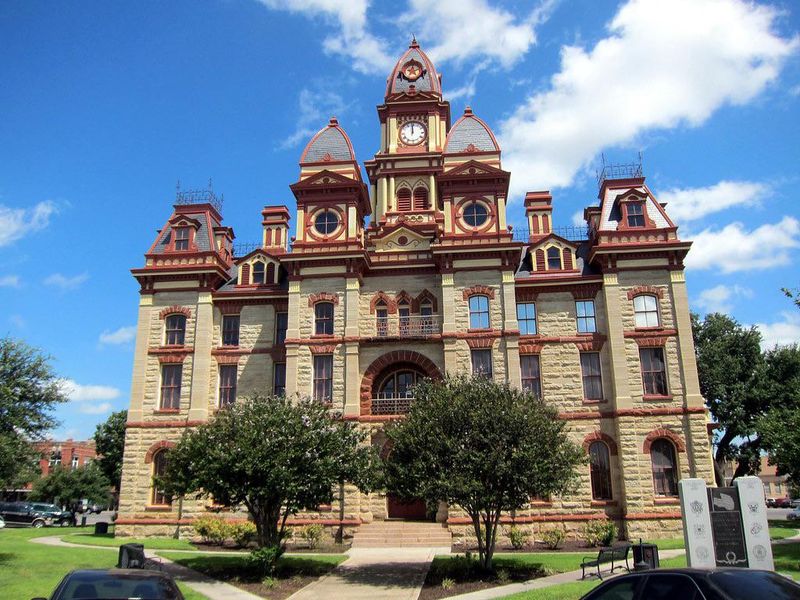
Beyond barbecue, Lockhart’s town square features the stunning Caldwell County Courthouse, an 1894 Romanesque Revival masterpiece worth photographing from every angle. Free parking surrounds the square, and several antique shops invite browsing. Dr. Eugene Clark Library has impressive architecture if you appreciate historic buildings.
Plan your visit for a weekday if possible because weekend lines at the barbecue joints can stretch for hours, especially during lunch rush. Bring cash because some places don’t take cards, and arrive hungry because leaving meat on your plate is basically sacrilege here.
10. Port Aransas (Port Aransas)
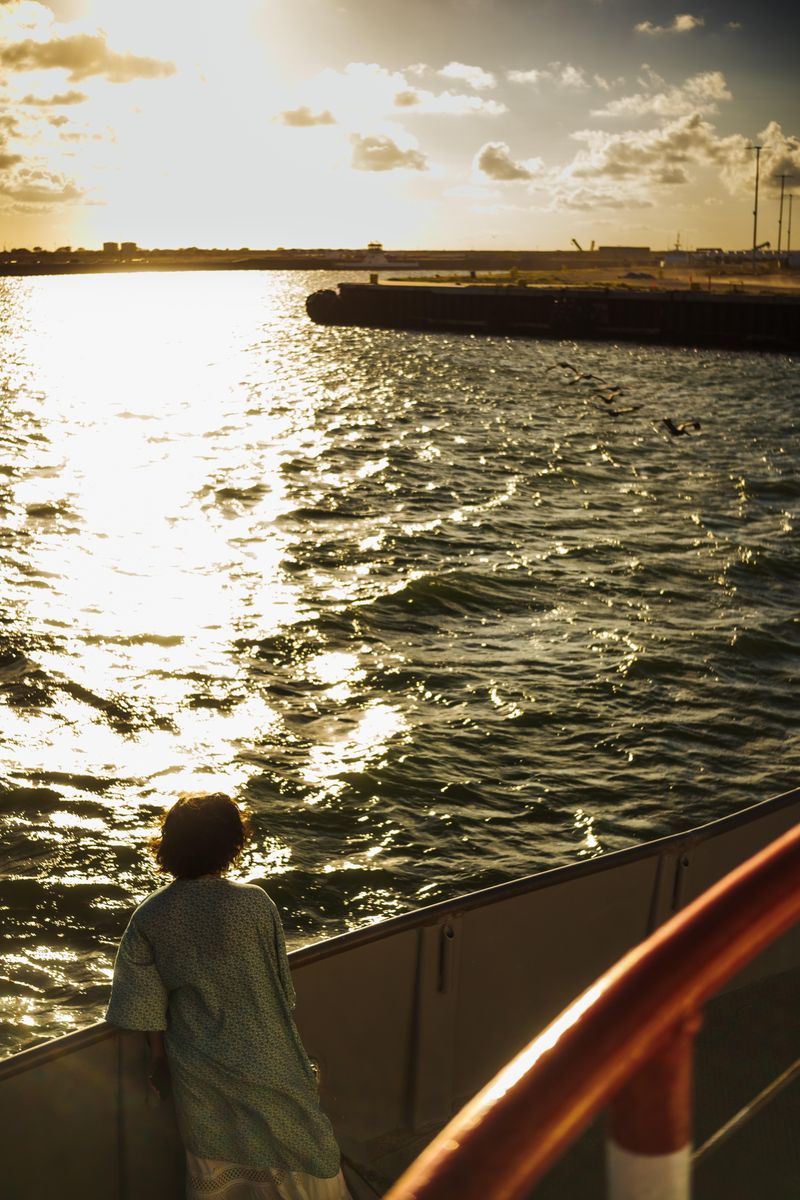
Port A, as locals call it, delivers a laid-back beach vibe without the high-rise hotels and traffic nightmares of South Padre Island. The beach is free, the fishing is excellent, and the town maintains a casual atmosphere where flip-flops count as formal wear. Driving on the beach is allowed with a permit (around twelve bucks), letting you haul your gear and find a less crowded spot away from the main access points.
The jetty at the north end of the island creates a fishing hotspot where speckled trout, redfish, and flounder congregate. You can fish from the shore without a boat, though a Texas fishing license is required. Bait shops rent rods if you didn’t bring your own, and the staff happily shares tips about what’s biting.
Wade fishing in the surf or the bay requires nothing more than a bucket for your catch and patience for the bite.
Free entertainment includes watching the ferry boats shuttle between Port Aransas and Aransas Pass, bird watching at the nature preserve, and beachcombing for shells after storms. The University of Texas Marine Science Institute has a small visitor center with aquariums and exhibits that’s free to explore. Sunrise and sunset walks on the beach cost nothing but provide priceless moments of peace.
Budget dining options range from fish taco stands to casual seafood joints where the shrimp came off a boat that morning. Skip the waterfront restaurants with fancy menus and find the places where commercial fishermen eat—the food will be better and cheaper. Grocery stores sell everything you need for beach picnics, and many rental properties have grills if you caught fish earlier.
Camping at the beach or nearby RV parks costs significantly less than hotels, especially during peak season. The town rebuilt stronger after Hurricane Harvey in 2017, and the community spirit remains resilient and welcoming to visitors who respect the island and its traditions.
11. Waco (Waco)
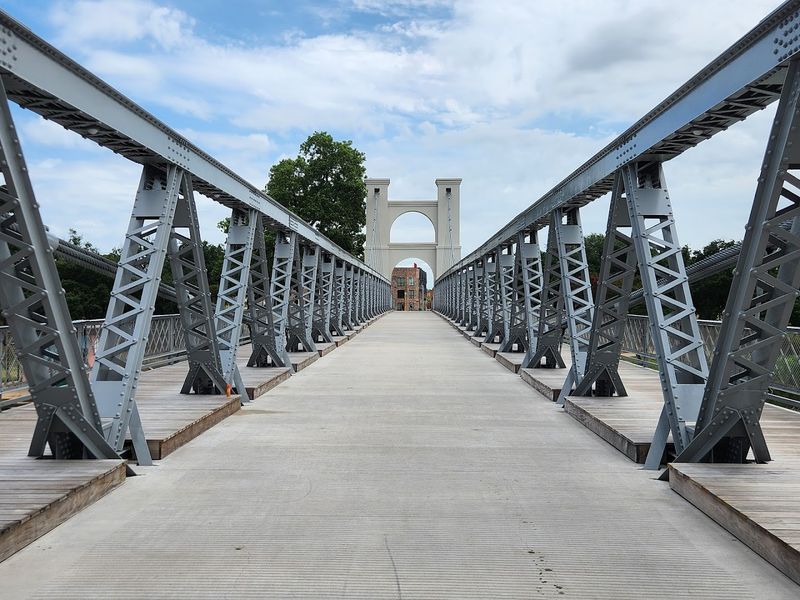
Chip and Joanna Gaines put Waco back on the map, but this Central Texas city has plenty to offer beyond the Magnolia empire. The historic suspension bridge over the Brazos River, completed in 1870, served as a crucial cattle drive crossing and now functions as a pedestrian walkway connecting downtown to the university area. Walking across costs nothing and provides great river views plus photo opportunities with the vintage structure.
Cameron Park sprawls across 416 acres of wooded bluffs overlooking the Brazos and Bosque rivers, making it one of the largest municipal parks in Texas. Miles of hiking and mountain biking trails wind through the terrain, ranging from easy riverside paths to challenging rocky climbs. Lover’s Leap offers dramatic views from limestone cliffs, and the park’s natural beauty rivals any state park without the entrance fees.
The Dr Pepper Museum celebrates the soft drink invented in Waco in 1885, with admission running around twelve bucks for adults. The Texas Ranger Hall of Fame and Museum costs a similar amount but provides fascinating exhibits about Texas law enforcement history. Budget-conscious visitors can enjoy both museums’ gift shops and exteriors without paying admission while still soaking up some local culture.
Magnolia Market at the Silos draws massive crowds, but admission is free even if you don’t buy anything. The food trucks offer reasonably priced lunch options, and people-watching is prime entertainment. The nearby Magnolia Table restaurant requires reservations and deeper pockets, but walking the grounds and checking out the garden store costs nothing.
Homestead Heritage, a traditional farming community south of town, welcomes visitors to tour their craft village, watch demonstrations, and shop for handmade goods. The cafe serves excellent farm-to-table meals at fair prices. Brazos River whitewater rafting through town is possible after heavy rains, though most of the year it’s more of a lazy float.
Check local outfitters for rental prices and current conditions before planning a paddling adventure.
Share this story