The rhythm changes the moment the ferry pulls away from the dock. Roads get shorter, harbors become the center of daily life, and the landscape starts calling the shots. Across Alaska’s islands, communities have grown around fishing boats, boardwalks, forested shorelines, and traditions shaped by water rather than highways.
Some feel rugged and remote, others surprisingly vibrant, but each offers a version of Alaska that cannot be reached by simply following the main roads. The scenery is spectacular, of course, yet the real draw is watching everyday life unfold at a slower, more connected pace. These island towns make isolation feel less like a challenge and more like a privilege.
1. Gustavus, Alaska
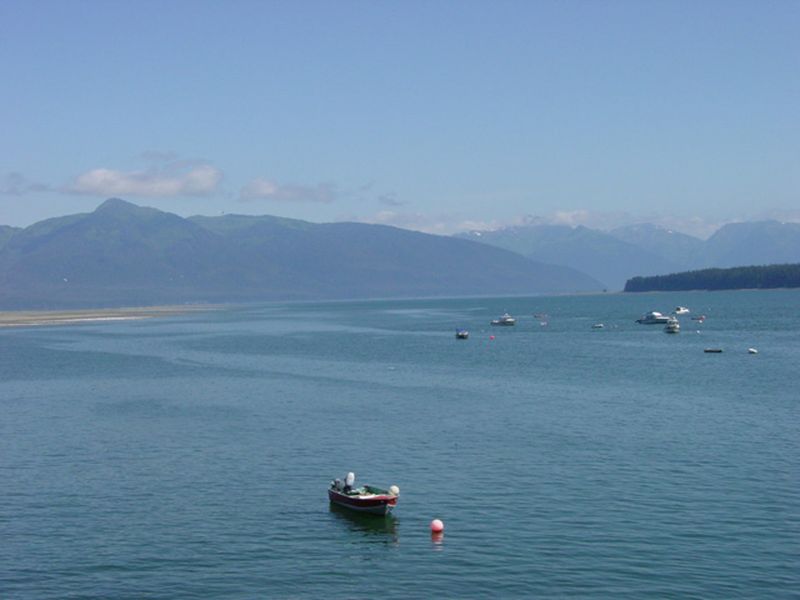
Gustavus works best for travelers who want Alaska turned down a few notches. Instead of cruise ship buzz or packed souvenir strips, you get open space, shoreline light, and a community set near the doorstep of Glacier Bay National Park.
The setting is broad and beautiful, with forest, water, and mountain views sharing the same frame. That landscape shapes the pace here. You notice bikes, modest homes, small local businesses, and plenty of room to breathe, which gives the town a grounded, everyday charm rather than a polished tourist sheen.
Outdoor recreation is part of the rhythm, whether your ideal day involves birdwatching, beachcombing, paddling, or simply standing still long enough to hear wind moving through the trees.
The ferry connection matters because it keeps Gustavus linked to the wider region without changing its personality. Arriving by sea suits the place, since the town seems to reveal itself gradually instead of making a dramatic entrance.
That soft arrival matches the local mood, which leans practical, welcoming, and deeply tuned to weather, seasons, and the surrounding wilderness.
There is also a refreshing lack of hurry in Gustavus. You are not pushed from attraction to attraction, and that makes small details stand out more: the texture of driftwood, low clouds hanging over distant ridges, and the way coastal light can shift in minutes.
For anyone curious about Alaska beyond its busiest gateways, Gustavus offers a calm, scenic base where nature stays front and center and the community around it remains pleasantly, unmistakably low key.
2. Petersburg, Alaska
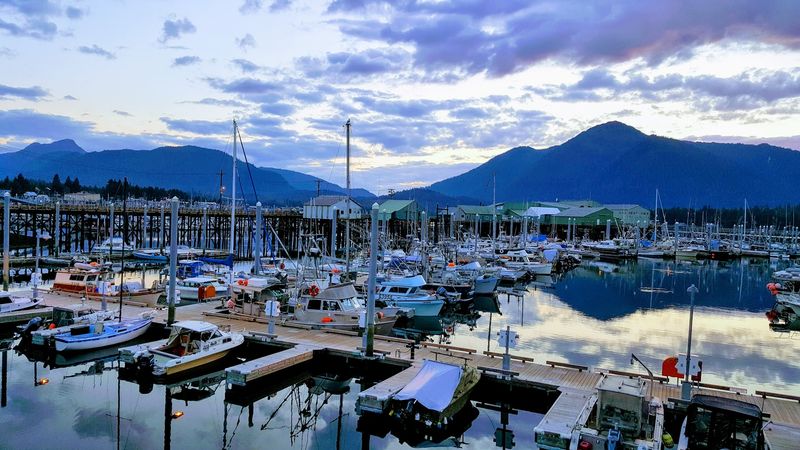
Petersburg brings together two things that do not always appear in the same place: working waterfront energy and a relaxed small-town mood.
Set on Mitkof Island, it is widely known as Alaska’s Little Norway, and that Scandinavian heritage adds a distinct identity to the harbor, streets, and community traditions. You can sense that this is a place built around real livelihoods, not just passing visitors.
The fishing industry gives Petersburg a practical backbone, and the waterfront has the kind of visual texture that makes coastal towns memorable. Boats, docks, harbor views, and mountain backdrops create plenty to look at without the town ever tipping into showiness.
Even with that productive edge, the community still comes across as calm, organized, and easy to settle into for a few days.
Part of the appeal is the balance. You get scenic Southeast Alaska beauty and access to nearby wilderness, but you also get a town with a strong center and its own personality.
Shops, marinas, and neighborhood streets feel connected to one another, which makes wandering around surprisingly satisfying even when the weather turns cool or drizzly.
Because Petersburg is reached mainly by air or sea, including Alaska Marine Highway ferries, the journey helps preserve its quieter rhythm. It remains accessible without feeling overrun, and that distinction gives the place staying power.
If you are drawn to communities where cultural heritage, harbor life, and natural scenery all pull equal weight, Petersburg earns its place quickly, not with flash, but with confidence, character, and a waterfront that always seems to have one more detail worth noticing.
3. Tenakee Springs, Alaska
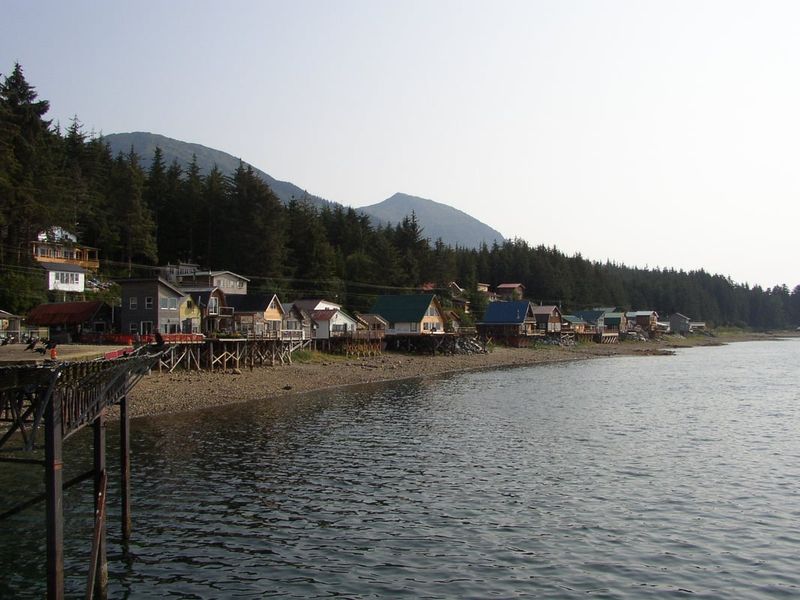
Tenakee Springs has a wonderfully specific kind of charm. Set along the shoreline of Chichagof Island, this small community is known for natural hot springs, wooden boardwalks, and a car-free layout that changes the whole tone of a visit.
The result is quieter, slower, and a lot more memorable than the usual road-linked town experience. You notice the pace right away.
Without traffic noise or a maze of parking lots, attention shifts to practical details that make the place distinctive: boardwalk planks underfoot, boats along the water, forest pressing close behind town, and the occasional wildlife sighting reminding you how near the surrounding landscape really is.
It is the kind of setting where errands, conversation, and scenery all seem to share the same lane. The hot springs give Tenakee Springs its best-known draw, but the appeal goes beyond one feature. There is a lived-in feel here that keeps the village from becoming a novelty, and that matters.
The community comes across as self-contained and resilient, shaped by weather, seasons, and the ferry connection that links it to the rest of Southeast Alaska without smoothing away its distinct edges.
For travelers looking for polished resort comforts, Tenakee Springs may seem almost too quiet. For everyone else, that quiet is exactly the point.
This is a place for listening to rain on roofs, watching the shoreline change with the light, and appreciating a community where the built environment stays modest and the natural setting does most of the talking. Few places make a slower rhythm look this practical, this inviting, or this completely in step with coastal Alaska.
4. Kake, Alaska
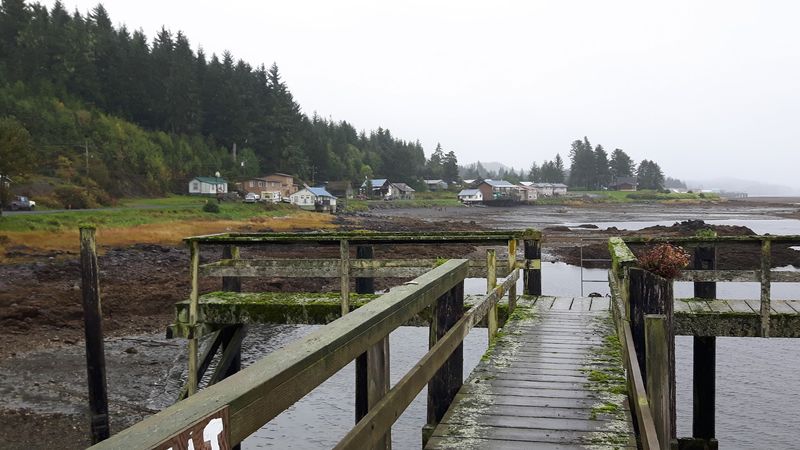
Kake offers a different angle on island Alaska, one rooted in Tlingit heritage, community continuity, and a setting that stays closely tied to land and sea. Located on Kupreanof Island, the village pairs cultural depth with a striking natural backdrop of forest, shoreline, and open water.
It is the kind of place where scenery matters, but history carries equal weight. One of the most memorable visual markers here is the towering totem pole associated with the community, a landmark that underscores Kake’s strong cultural presence. That connection is not decorative background.
It helps shape the identity of the village and gives visitors a clearer sense that this is a lived place with traditions that extend far beyond a quick stop or a photo opportunity. The town’s scale keeps that sense of place personal and direct.
Kake also sits in a part of Alaska where fishing and wildlife viewing naturally fit the landscape. The water is central to daily life, and the surrounding environment provides the kind of raw coastal beauty that does not need much staging.
Rather than competing for attention, cultural significance and outdoor appeal work together, giving the village a steady, grounded character.
Ferry access helps connect Kake to neighboring Southeast Alaska communities while preserving the quiet that defines it. That matters, because the village’s appeal depends on not being hurried or overbuilt.
You come here for a closer look at a community that still moves on its own terms, where local traditions, working water, and island scenery are all part of the same picture. Kake stands out by being deeply itself, and in Alaska, that goes a long way.
5. Angoon, Alaska
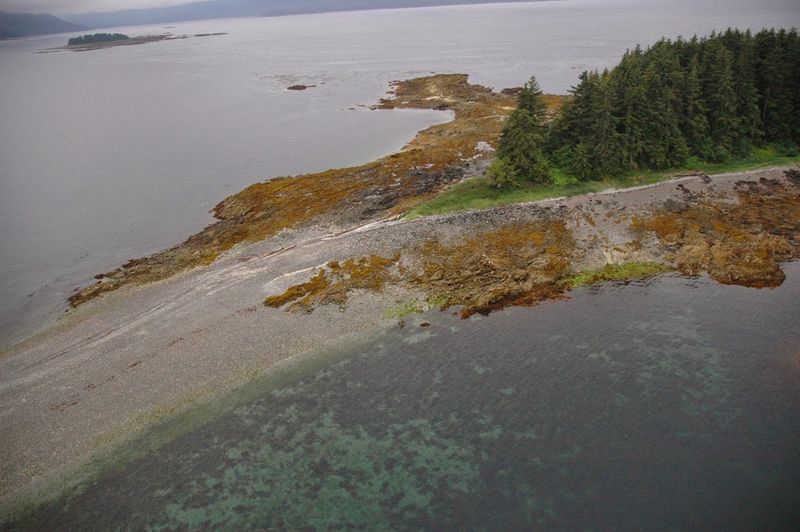
Angoon has the kind of setting that immediately explains why people speak of Admiralty Island with respect. As the only permanent settlement on the island, the community sits within a landscape known for rugged wilderness, dense forest, and coastal views that can shift from calm to dramatic in a matter of hours.
It is remote, but not in a theatrical way. The remoteness is simply part of daily life. Tlingit heritage is central here, giving Angoon a cultural grounding that goes far beyond scenery.
That connection helps define the community’s identity and makes the village more than a waypoint for wildlife-minded travelers.
You are not just looking at an impressive map location. You are encountering a place where Native culture, local knowledge, and island geography remain closely tied.
Admiralty Island is often associated with brown bears, and that larger wild context adds another layer to Angoon’s appeal. Even when you are standing near the shoreline or moving through the village, there is a strong sense that nature is not tucked off at a distance.
Forest, water, weather, and wildlife all feel present, and that changes the tone of a visit in the best possible way. Ferry service is an essential link, yet it also helps Angoon keep its secluded character. Arrival by sea suits a place where the surrounding water is so clearly part of the story.
For travelers who want Alaska with cultural depth and fewer distractions, Angoon delivers a rare combination: powerful scenery, a strong community identity, and the kind of quiet that comes from being surrounded by one of the state’s most formidable island landscapes.
6. Pelican, Alaska
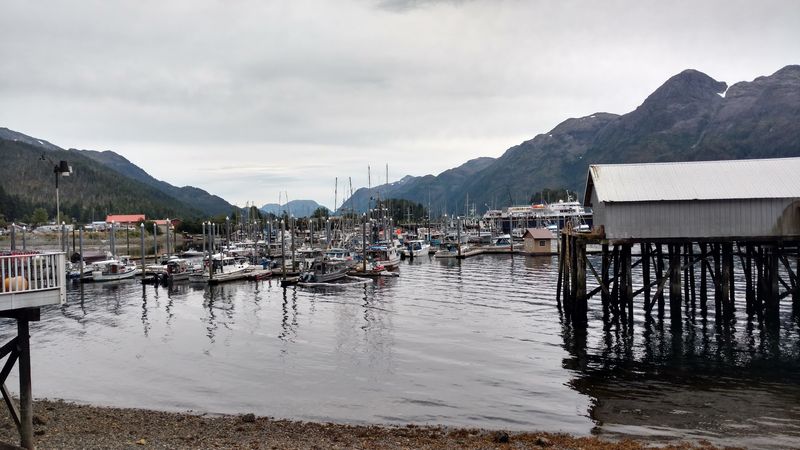
Pelican knows exactly what kind of town it is, and that clarity is part of the fun. Stretched along a narrow waterfront on Chichagof Island, this fishing village puts docks, boardwalks, and shoreline buildings at the center of daily life.
There is very little visual clutter between you and the water, which gives the whole community a crisp, immediate sense of place.
The setting is one of Pelican’s biggest strengths. Colorful buildings line the shore, boats sit close at hand, and the surrounding landscape frames the village without overwhelming it.
Because the town is so closely arranged along the waterfront, everyday movement seems tied to the harbor, and that makes even a short walk feel like a small lesson in coastal Alaska living.
Pelican’s appeal is not polished or grand. It comes from proportion, detail, and the way practical spaces can also be deeply picturesque.
Boardwalks and docks are not quaint props here. They are part of the town’s working layout, and that gives the village a look that is both visually charming and refreshingly straightforward.
The fishing identity stays visible, which keeps the place from drifting into pure postcard territory. Its remote location and ferry access help protect that rhythm. Reaching Pelican takes intention, and the payoff is a community where the pace stays relaxed and the setting does most of the persuading.
If you are drawn to coastal towns that wear their function right on the surface, Pelican delivers. It is compact, scenic, and full of harbor-side character, with just enough color and texture to make a lingering dockside pause feel like the smartest part of the day.
7. Seldovia, Alaska
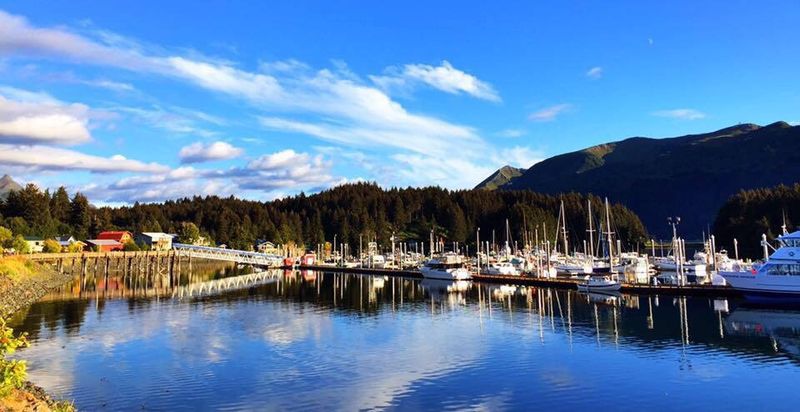
Seldovia has a wonderfully balanced mix of scenery, history, and small-town waterfront life. Located across Kachemak Bay from Homer, it offers big ocean views, a welcoming harbor, and wooded hillsides that rise just beyond town.
The result is visually rich without feeling crowded, and the lack of direct road access to Alaska’s highway system only sharpens that sense of separation.
One of Seldovia’s best details is its wooden boardwalks, which give parts of town a distinct texture and rhythm. They suit the place perfectly, adding to a coastal identity shaped by Native, Russian, and fishing influences.
That layered history gives the community more depth than a quick harbor glance might suggest. There is a grounded, lived quality here that makes wandering around more interesting than simply checking off viewpoints.
The harbor helps anchor everything. Boats, shoreline buildings, and changing weather keep the scene active, while the surrounding bay and forested slopes keep it peaceful.
Seldovia does not need dramatic scale to impress. Its charm comes from how neatly the natural setting and the built environment fit together, with water and woodland always close by.
Ferry travel remains an important link, and arriving that way enhances the experience. You approach the town as part of the coastal landscape instead of driving straight into it, which makes Seldovia register differently.
For travelers who want a community with quiet confidence, visible history, and scenery that never slips into sameness, this is an easy place to appreciate. It offers just enough texture, just enough distance, and just enough harbor calm to make the whole visit settle in nicely.
8. Ouzinkie, Alaska
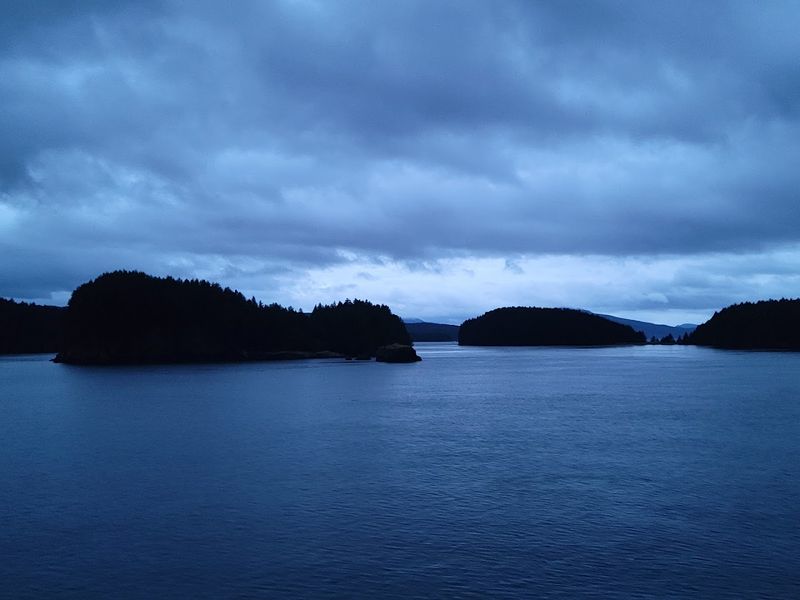
Ouzinkie brings a quieter, more tucked-away version of Alaska into focus. Located on Spruce Island near Kodiak, this small Alutiiq community is surrounded by sheltered bays, thick forest, and mountain scenery that gives even ordinary moments a dramatic backdrop.
The village sits comfortably within that landscape rather than trying to stand apart from it, and that makes the setting especially appealing.
Cultural continuity is one of the most important parts of Ouzinkie’s character. The community maintains strong Alutiiq traditions, and that connection to heritage adds depth to the natural beauty all around it.
You are not simply looking at a scenic shoreline village. You are seeing a place where identity, environment, and daily life remain closely linked, which gives the town a sense of coherence that many destinations never achieve.
The surroundings do plenty of work here. Protected waters, wooded slopes, and changing coastal light create a calm visual rhythm, and the village’s small scale makes those features feel even more immediate.
There is very little distraction from the essentials, which is part of the appeal. In a place like Ouzinkie, modest streets and shoreline views can be enough to hold your attention for hours.
Ferry transportation helps residents stay connected while preserving the remote quality that defines the area. That balance matters because Ouzinkie is appealing precisely because it has not been overworked into a travel performance.
For anyone interested in island communities where culture and landscape still read as one continuous story, this village stands out. It offers quiet bays, strong local identity, and the kind of natural setting that makes a slow arrival by water seem less like transit and more like the proper introduction.
9. Port Lions, Alaska
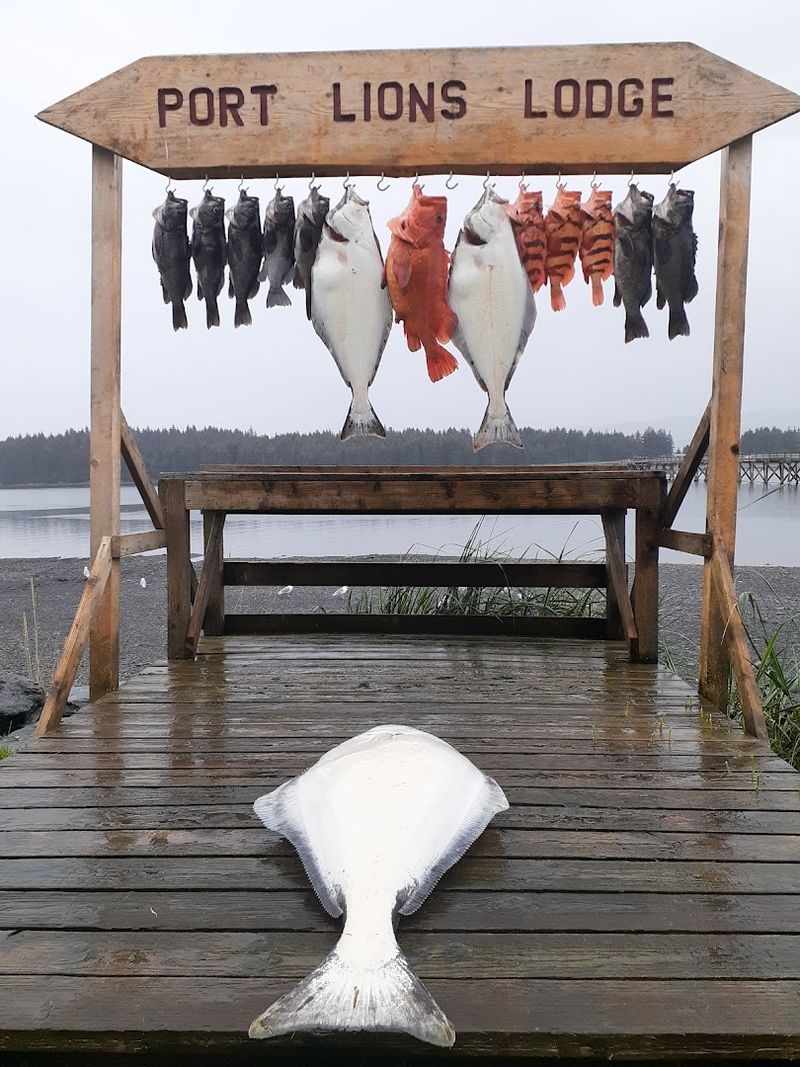
Port Lions has one of those coastal settings that barely needs editing. Nestled along the northern coast of Kodiak Island, the community looks out on calm water with mountains rising beyond, creating a scene that is both expansive and reassuringly lived in.
It is undeniably beautiful, but the village does not rely on scenery alone to make an impression. Its story adds another layer. Established by displaced residents after the 1964 earthquake, Port Lions developed with resilience built into its foundation, and that history still shapes the community’s identity.
You can sense a place formed through adaptation rather than accident, which gives the village a quiet steadiness. It feels purposeful in layout and temperament, like a town that knows exactly why it is here.
The waterfront is central, as it is in so many Alaska communities, yet Port Lions carries a particularly calm visual rhythm. Homes, boats, shoreline, and mountain views sit in good proportion to one another, and the village’s modest scale keeps the setting approachable.
Nothing seems oversized or overly curated. That restraint is part of the draw, especially if you prefer places that let the landscape speak clearly.
Ferry service remains a vital transportation link, helping Port Lions stay connected without losing its peaceful character. Reaching the village by water fits the geography and underscores how important the coast remains to everyday life here.
For travelers looking beyond Alaska’s better-known names, Port Lions offers a compelling combination of history, setting, and small-community presence. It stands as a reminder that some of the state’s most rewarding places are not the loudest ones, but the communities that meet a remarkable landscape with calm confidence and staying power.
10. Metlakatla, Alaska
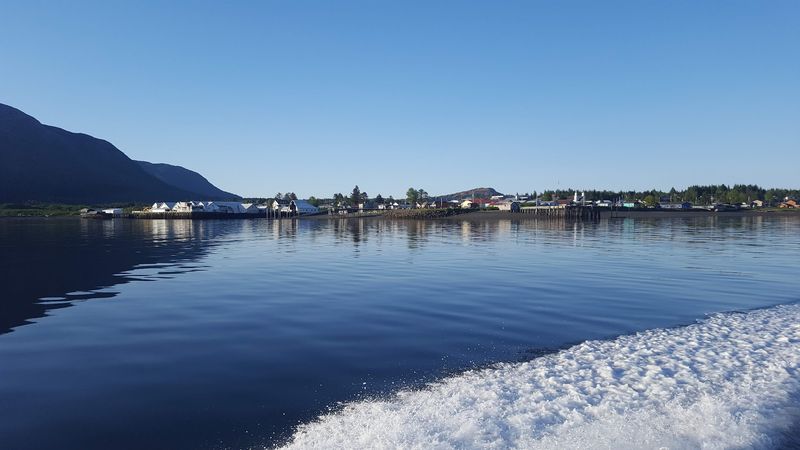
Metlakatla stands apart for reasons that go well beyond scenery. Situated on Annette Island, it is Alaska’s only federally recognized Native reserve and home to a vibrant Tsimshian community, giving the town a civic and cultural identity unlike anywhere else in the state.
That distinction gives the place immediate substance. You are visiting a community with a clearly defined story and a strong sense of itself.
The coastal setting adds plenty of visual appeal, with water, forest, and changing skies shaping the look of daily life. But Metlakatla is not a place where the landscape overshadows the people.
Community presence is part of what makes the town interesting. There is a feeling of structure and continuity here, with heritage, local life, and geography all visibly connected.
That combination creates a different travel experience from many small island stops. Instead of leaning mainly on rustic charm, Metlakatla offers cultural significance alongside harbor views and Southeast Alaska beauty.
It feels grounded, purposeful, and distinctly its own. The town’s character comes through in the way community and setting support each other rather than competing for attention.
Ferry access to nearby Ketchikan provides useful connectivity while allowing Metlakatla to maintain its unique pace and identity. The trip by water reinforces its island setting and keeps the arrival experience tied to the coast.
For travelers who want more than a scenic backdrop, Metlakatla delivers a fuller picture: strong heritage, striking surroundings, and a community spirit that gives the town lasting definition.
It is one of those places where context matters, and once you understand that context, the harbor, streets, and shoreline all become more compelling.
11. Hoonah, Alaska
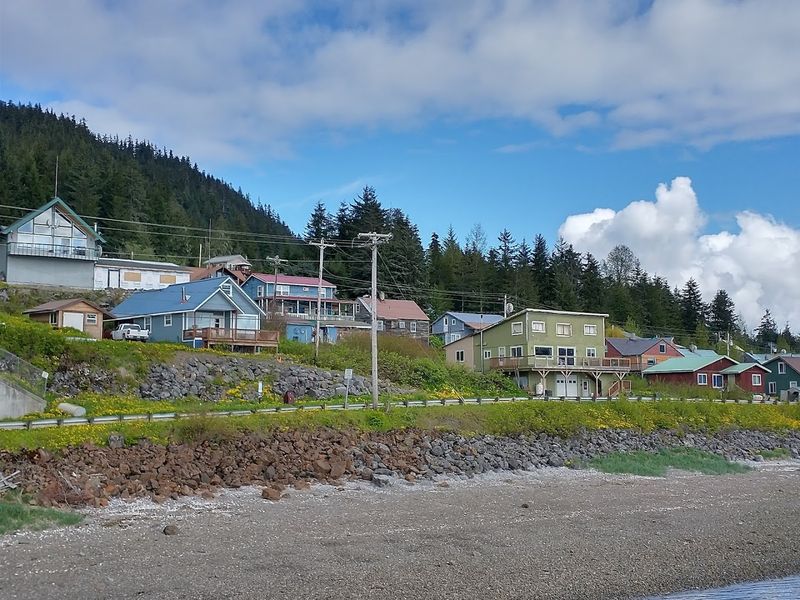
Hoonah offers a compelling blend of culture, scenery, and island life in one of Southeast Alaska’s most dramatic settings. Located on Chichagof Island along the shores of Port Frederick, the community is deeply connected to its Tlingit heritage, and that history gives the town a strong sense of identity.
Surrounded by forested mountains and protected waters, Hoonah looks every bit as impressive as visitors expect from Alaska, but its greatest strength is how naturally community and landscape fit together.
Fishing, boating, and traditional practices remain important parts of local life, helping preserve a connection to both culture and place.
That relationship is visible throughout the community. You are not looking at a destination created solely for visitors.
You are seeing a working town where history, livelihood, and daily routines remain closely tied to the coastline and surrounding environment. The result is a place that feels authentic rather than curated, where local traditions continue to shape daily life.
The setting provides visual drama without overwhelming the town itself. Steep hillsides rise behind the community, while calm waters and sheltered shorelines create a quieter foreground that matches Hoonah’s relaxed pace.
This balance makes the town especially appealing to travelers who appreciate places where natural beauty feels woven into everyday life. Even a simple walk along the waterfront reinforces that sense of connection between people, landscape, and the sea.
Accessible by ferry, Hoonah remains removed from Alaska’s larger population centers, and that separation is part of its appeal. For travelers seeking Native heritage, island scenery, and community spirit, Hoonah offers an authentic side of Alaska that feels grounded, welcoming, and memorable.
Share this story