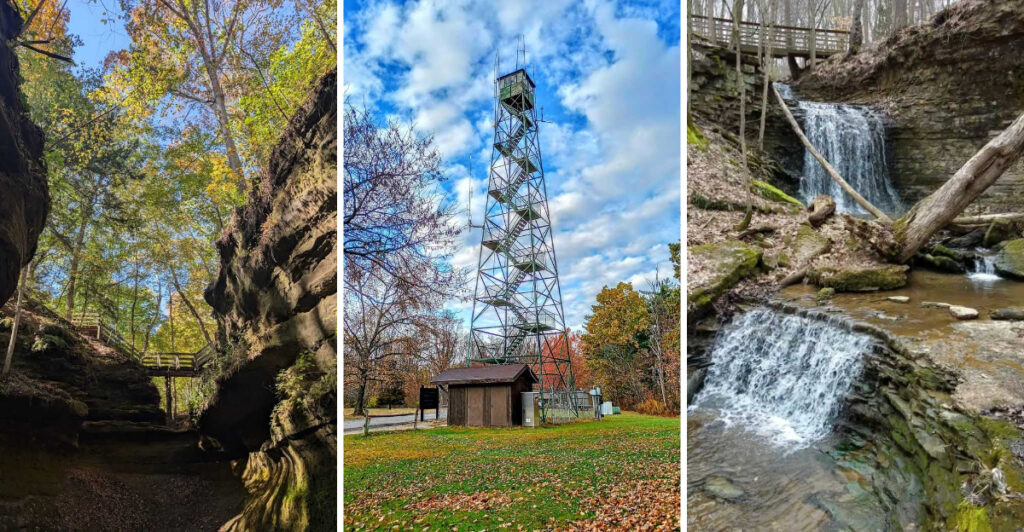
Duck beneath a rocky overhang, follow a creek into a shadowy canyon, or climb a dune where the horizon suddenly opens in every direction. Indiana’s state park trails can feel surprisingly cinematic, especially where towering trees, sandstone cliffs, ravines, waterfalls, and winding boardwalks transform an ordinary hike into something more adventurous.
Some paths disappear into forests that feel miles from civilization, while others squeeze between rock walls or climb toward sweeping overlooks. You don’t need elaborate gear or a weeklong expedition to find them, either. These 11 trails bring a little fantasy-movie magic to an Indiana day outdoors.
1. Trail 3, The Ladders – Turkey Run State Park, Marshall
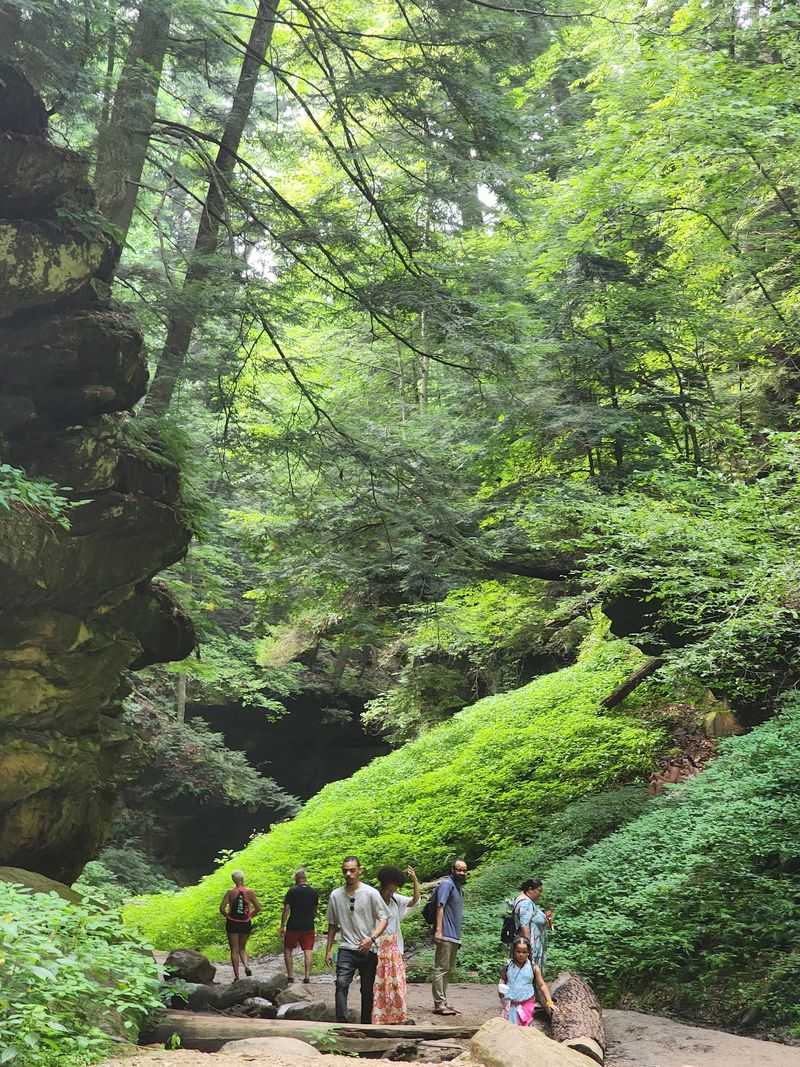
Adventure starts quickly on Trail 3, where Turkey Run trades easy strolling for creek splashes, steep steps, and tight sandstone passages. The route moves through ravines that look carved for a treasure hunt, with rock walls rising high enough to block some sunlight and turn the forest floor cool and green.
One minute the path runs beside water, and the next it sends hikers up ladders or along uneven stone. That constant change is the fun of it.
Kids who like scrambling usually stay interested, while adults get the rare pleasure of a trail that asks for balance, attention, and a sense of humor.
Good footwear matters here more than almost anywhere on this list. Wet rocks can be slick, and shallow creek crossings may soak ordinary sneakers.
Packing light helps too, since narrow spots are easier to handle without bulky gear swinging around. A small towel in the car is smart if the trail leaves shoes muddy.
Lush trees soften the rugged parts, so the hike never feels harsh for long. Ferns, moss, and shaded bends give the ravines a storybook look, especially after rain when the stone darkens and the creek sounds louder.
Early morning can be extra striking because low light slips between the canyon walls in narrow bright bands. Visitors sometimes mix up closures in the park, so one detail is useful before heading out. Trail 9 may be closed, but that closure does not apply to Trail 3.
Checking current conditions is still wise, though, since weather can change how challenging the route feels on any given day.
For anyone wanting Indiana at its most dramatic, this trail delivers the kind of rugged woodland scene that makes a short hike feel like a full-scale quest. Every ladder, bend, and rock corridor adds one more reason to slow down and look around.
2. Trail 1, Devil’s Punch Bowl – Shades State Park, Waveland
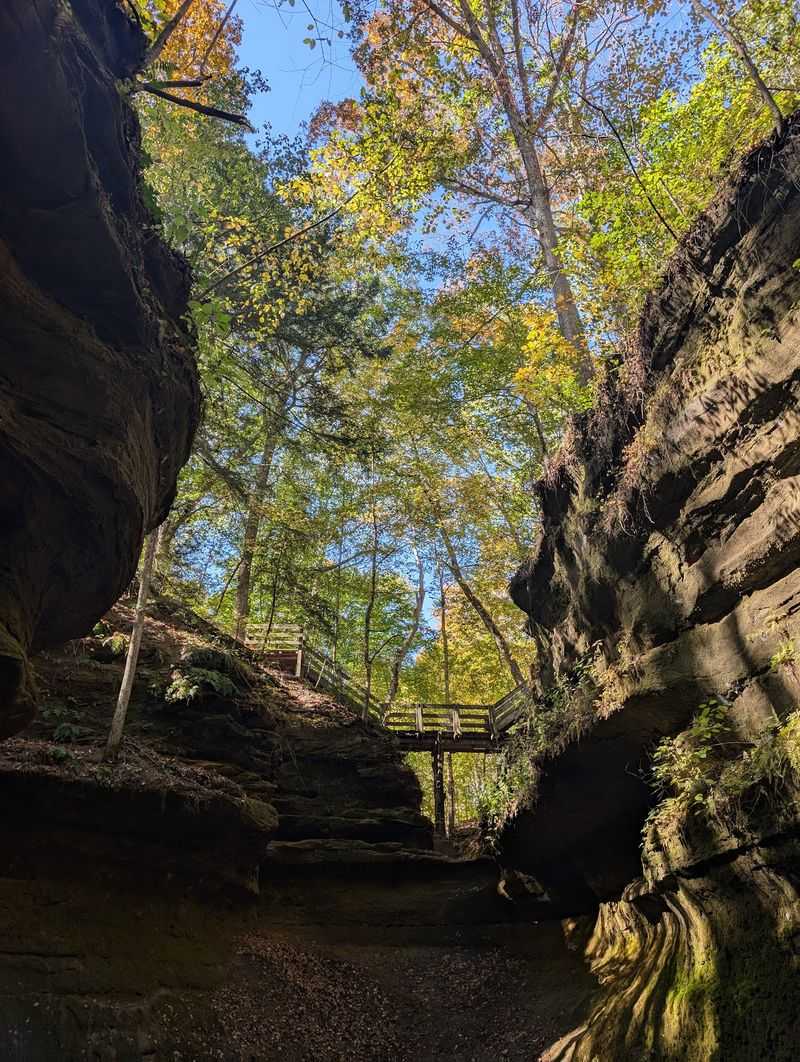
Some trails sound dramatic before the hike even begins, and Devil’s Punch Bowl earns the name. Trail 1 at Shades State Park starts with a striking sandstone feature, then drops hikers into a darker ravine where the creek bed, shaded walls, and thick woods create a setting that looks older and wilder than everyday Indiana.
The descent is part of the appeal, because each step takes the forest from open to enclosed. Down in the ravine, the air often feels cooler and the sound of water bounces off stone in a quiet, echoing way.
That shift in mood gives the route a strong sense of place without needing a long mileage total. Moving toward Silver Cascade keeps the scenery changing. Sandstone formations shape the route, while roots, rocks, and damp ground ask hikers to pay attention.
Trekking poles can help on uneven stretches, especially after rain. A slow pace works better than rushing here, since many of the best details sit low along the trail walls and creek edges.
Dense woodland above the ravine adds another layer to the experience. Sunlight reaches the lower areas in broken patches, which can make even a short section look theatrical.
In cooler months, bare trees open bigger views of the landforms. During leafy seasons, the route feels more enclosed and secretive.
Families with confident walkers may enjoy parts of the trail, but it is better suited to people comfortable with elevation changes and rougher footing. Water, shoes with grip, and a little extra time all make the outing easier.
The route rewards patience more than speed, and that usually leads to better photos too. Shades State Park has a reputation for scenery with real drama, and this trail shows why.
Between the ravine creek bed, Devil’s Punch Bowl, and the path toward Silver Cascade, the whole route reads like a short woodland chapter packed with suspense and stone.
3. Trail 2, Clifty Canyon – Clifty Falls State Park, Madison
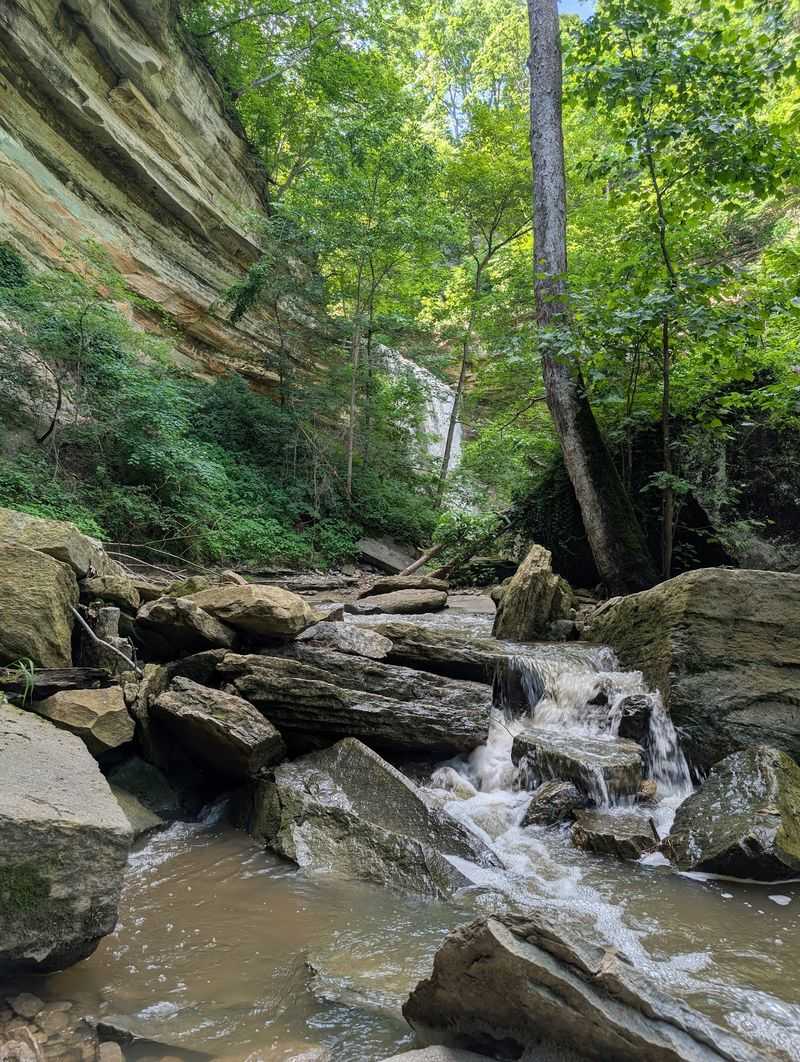
Clifty Canyon does not ease hikers into the action. Trail 2 quickly shows its rough side with a route that largely follows the rocky bed of Clifty Creek, creating a hike that can feel more like careful navigation than ordinary walking.
Towering canyon walls tighten the view and turn the whole scene into a grand stone corridor. Because the terrain is so uneven, this trail asks for steady footing and patience. Large rocks, smaller shifting stones, and water-smoothed surfaces all compete for attention.
That ruggedness is exactly why many hikers remember it so clearly. Indiana has plenty of pretty trails, but only a few deliver terrain this bold and cinematic.
Good planning makes a big difference here. Sturdy shoes are essential, and extra socks can rescue the drive home if feet get wet.
Checking recent rainfall is also smart, since high water can temporarily make parts of the trail impassable. A backup plan inside the park is helpful in case conditions change after arrival.
The canyon itself does most of the storytelling. Steep walls rise overhead while the creek cuts through the middle, shaping a route that feels wild without needing huge mileage.
Sound carries in interesting ways too. Running water, loose rock underfoot, and occasional birdsong echo off the stone and make the hike feel larger than it is.
Photographers often do well on cloudy days because the softer light shows off the textures in the canyon walls. Brighter afternoons can still be beautiful, but shadows may hide some details.
Either way, it pays to stop often, not only for photos but to choose the safest line through rough sections. Trail 2 is best for hikers who enjoy challenge mixed with scenery, not just scenery alone.
For those willing to scramble, balance, and slow down, Clifty Canyon offers one of the strongest adventure settings anywhere in Indiana’s state park system today.
4. Trail 3, Falls and Canyon – McCormick’s Creek State Park, Spencer
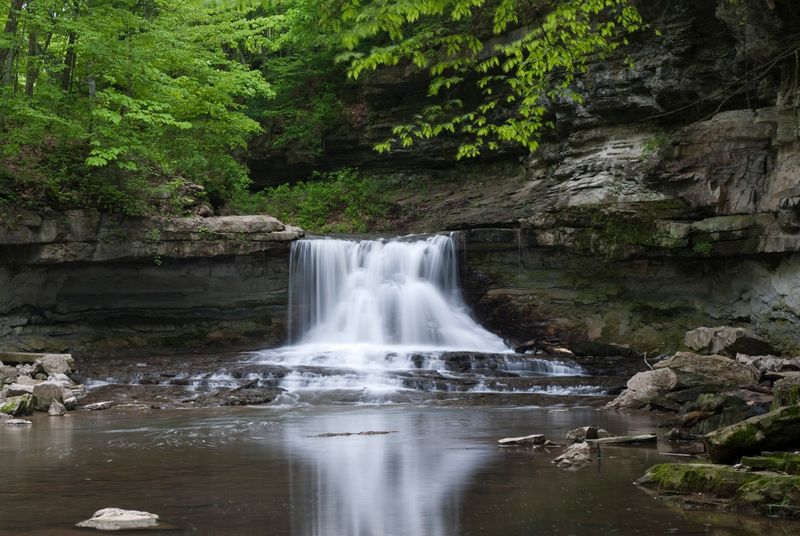
Short trails can still carry big drama, and Trail 3 at McCormick’s Creek proves it fast. The route drops hikers into a limestone world shaped by water, where a well-known waterfall and a narrow canyon combine to create one of the park’s most striking walks in a compact stretch.
The path may not be long, but it is not a lazy sidewalk loop. Uneven ground, damp areas, and rocky sections give the hike a rugged side that keeps people engaged.
That mix works especially well for visitors who want memorable scenery without committing half a day to the outing.
Limestone changes the whole look of the landscape here. Instead of broad open views, the trail delivers textured rock, cool shade, and the kind of curves that make each turn worth checking.
After rain, the waterfall usually stands out more, and the canyon walls can take on a darker tone that photographs beautifully.
Practical planning helps even on a shorter route. Shoes with grip are useful because moisture tends to linger in sheltered spots.
Bringing a light jacket can also make sense in cooler months since canyon areas often feel chillier than open sections of the park. A small bag is enough, and hands free is better on rough ground.
Families often like this trail because it packs in several eye-catching features without stretching patience too far. At the same time, the terrain feels adventurous enough for adults who want more than a simple scenic stop.
Going early can mean fewer people on the path and a calmer soundscape around the water. Trail 3 works almost like a sample platter of southern Indiana geology. Waterfall, creek, woodland, and limestone canyon all share the stage without any one element taking over.
That balance gives the hike a rich, layered personality and makes it easy to see why visitors remember it long after leaving the park.
5. Trail 3, Caves and Donaldson Woods – Spring Mill State Park, Mitchell
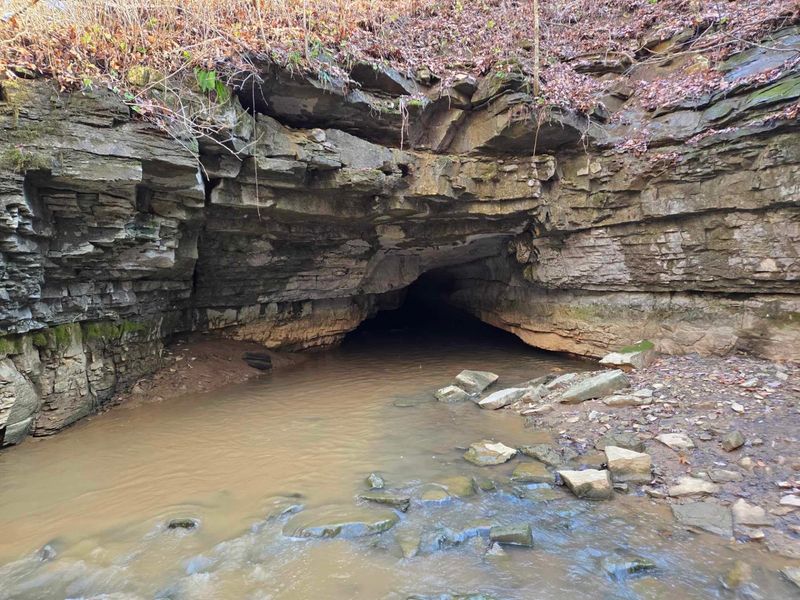
Few Indiana hikes pack in as many strange and memorable features as Trail 3 at Spring Mill. The route links cave country with towering woodland, moving past the Donaldson Cave overlook, sinkholes, Bronson Cave, Twin Caves, and the giant trees of Donaldson’s Woods in a loop that stays interesting the whole way.
Right away, the landscape hints that water shaped everything over a very long time. Openings in the ground, folded terrain, and damp pockets make the trail feel geologically busy.
That variety gives hikers more to notice than just a line through the forest. Every bend seems to reveal another feature with its own texture and mood.
Donaldson’s Woods adds a completely different character. Large old trees rise above the trail and make the scale of the forest feel impressive, especially when leaves are fully out.
In cooler seasons, the woods become more open and the landforms stand out better, which can help first-time visitors spot sinkholes and subtle changes in elevation.
Because the loop is rugged, comfortable movement matters. Shoes with traction are important, and watching footing near roots, slopes, and damp sections will save trouble.
Carrying water is wise, even though the trail is not massive, since slower exploration tends to stretch the outing longer than expected. Curiosity naturally adds time here.
The cave features bring a hint of mystery without needing dramatic storytelling. Dark openings, overlooks, and abrupt dips in the ground already do enough.
Young hikers often find the route especially exciting because it changes so often. Adults usually appreciate how the trail blends natural science with scenery in a way that never feels lecture-like.
Spring Mill has plenty to offer beyond this loop, but Trail 3 stands out for range. It combines woods, caves, and sinkhole terrain into one rugged walk that stays lively from start to finish and gives southern Indiana a wonderfully unusual side.
6. The 3 Dune Challenge – Indiana Dunes State Park, Chesterton
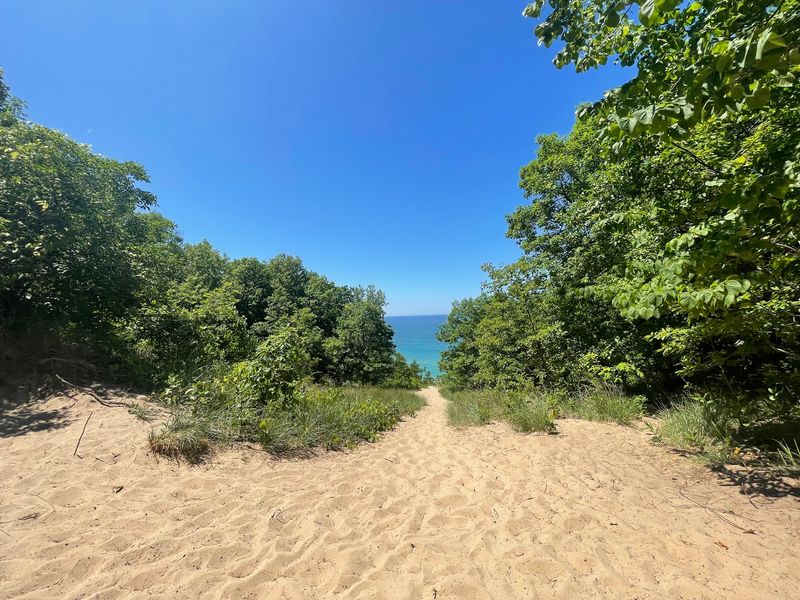
Straight-up effort is part of the fun on the 3 Dune Challenge, where Indiana swaps ravines and rock for giant hills of sand. The route sends hikers up and over massive dunes above Lake Michigan, creating a workout that looks unusual even to people who know the Midwest well.
Sand changes everything. Steps slide backward, calves burn quickly, and each climb feels longer than it looks from below.
That is why the biggest tip is simple: pace matters more than speed. Starting too fast usually means stopping often. A steady rhythm works better, especially on warm days when sun and reflected heat add extra strain.
The payoff arrives in broad views. At the top, Lake Michigan stretches out beyond the dunes, and the mix of water, sky, and sandy ridges can seem almost impossible for Indiana.
The park’s tallest dunes rise nearly 200 feet above the lake, which helps explain why the landscape feels so bold and oversized.
Good preparation makes this challenge far more enjoyable. Carry more water than expected, wear shoes that handle sand well, and think about sun protection before leaving the parking area.
Wind can also make conditions feel different from one hour to the next. Morning often brings cooler temperatures and cleaner light for photos.
Children with energy may love the climbing, though the route can be tougher than it first appears. Adults who normally breeze through wooded hikes are often surprised by how much the dunes demand.
That contrast is part of the charm. The trail does not rely on technical obstacles, yet it still feels demanding in a memorable way.
Indiana Dunes State Park offers one of the state’s strangest and most exciting settings, and the 3 Dune Challenge puts visitors right in the middle of it. Few trails combine effort, scale, and lake views with such a strong sense of open-air adventure.
7. Fire Tower Trail – Brown County State Park, Nashville
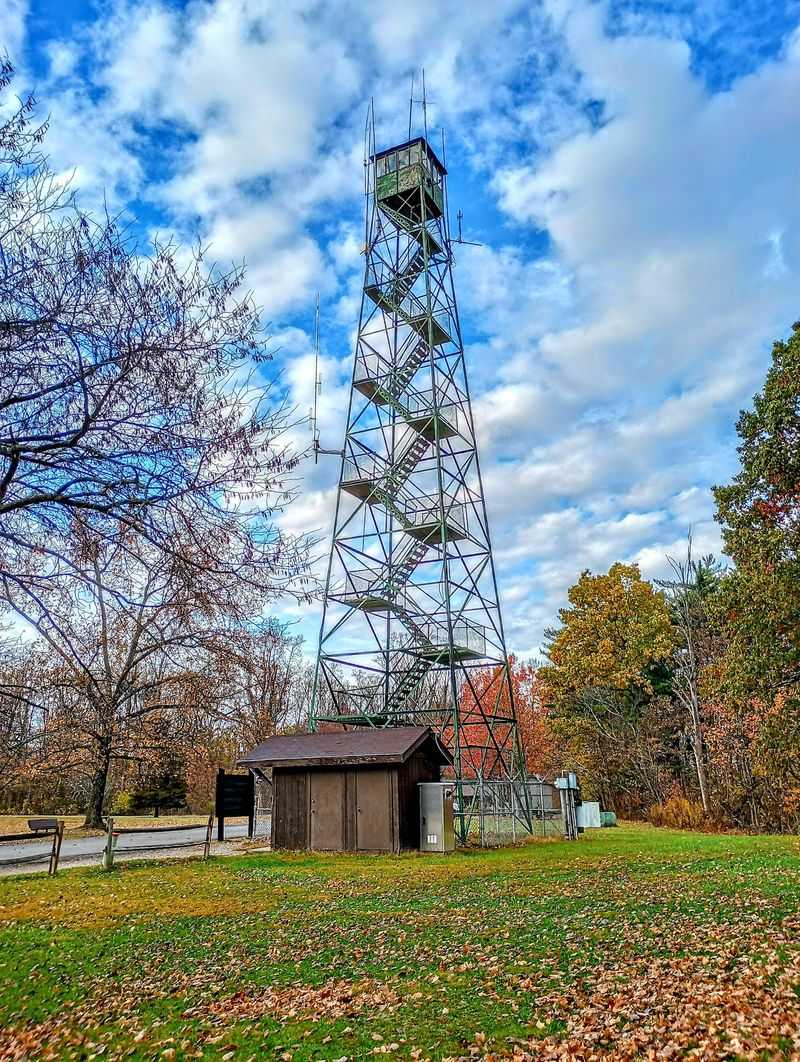
Brown County knows how to do ridgelines, and Fire Tower Trail shows off that talent with confidence. The route follows wooded high ground, then drops across ravines and rises again over rolling hilltops, giving hikers a steady series of changes that keeps the walk lively from beginning to end.
The trail’s name adds immediate character. A historic fire tower brings a lookout point with old-school charm, the kind of feature that can make a park visit feel connected to an earlier era.
Set against forested hills, it turns a rugged hike into something a little more storybook without trying too hard. Expect a route that asks for some effort. Climbs and descents come often enough to keep legs working, especially if the ground is dry and loose in places.
Bringing water for a 2.2-mile trail may sound cautious, but the up-and-down rhythm can make the distance feel bigger than the number suggests.
Season matters here in a fun way. Fall color grabs attention, of course, but summer offers fuller shade and denser views along the ridge.
In leaf-off months, the shape of the land becomes easier to read, and the ravines look deeper and more dramatic. Each version gives the trail a different personality.
Brown County State Park is popular for good reason, so timing can improve the experience. Earlier hours usually mean quieter stretches and better chances to hear wind in the trees instead of crowds on nearby routes.
Footwear with grip helps, especially after rain, when slopes may become slick and packed leaves can hide uneven ground.
Fire Tower Trail works well for hikers who want a compact route with real movement, strong scenery, and one memorable landmark. Between wooded ridges, deep folds in the land, and that tower waiting ahead, the trail turns a short outing into a proper hill-country adventure.
8. Trail 6 – Charlestown State Park, Charlestown
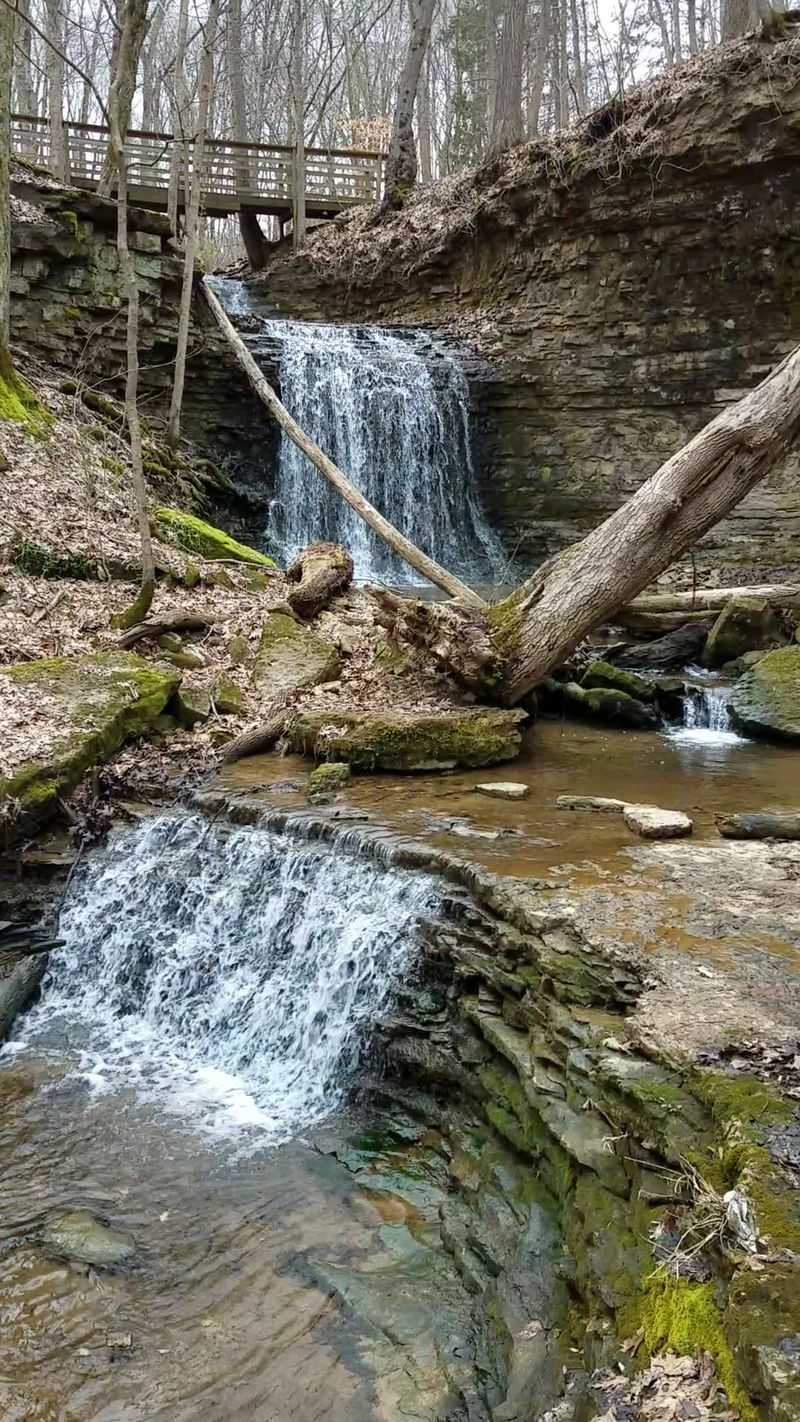
Quiet can be its own kind of drama, and Trail 6 at Charlestown State Park proves the point. Instead of showy waterfalls or giant dunes, this route leans on rolling southern Indiana forest, tucked-away turns, and the deep calm that settles in when the sounds of roads and busy places fade out.
The trail has a rugged character, but in a more understated way than canyon hikes. Uneven ground, wooded slopes, and a steady sense of being wrapped by trees make the walk feel pleasantly remote.
That seclusion is the real draw. Some trails entertain with constant landmarks. This one wins by giving the landscape room to breathe.
Because the scenery is subtle, slowing down improves the experience. Look for changes in light between the trunks, listen for birds overhead, and notice how the rolling hills shape the path.
On cloudy days, the woods can seem especially deep and muted. In brighter weather, patches of sun create a shifting pattern across the trail.
Trail 6 is a good pick for hikers who want less chatter and more headspace. It suits people who enjoy walking without needing a big destination every few minutes.
A snack, water, and dependable shoes are enough for most outings, though bug spray can be helpful during warmer parts of the year.
Charlestown State Park sits in a part of Indiana where the land rises and dips in long folds, and this route makes good use of that shape. The result is a hike with rhythm rather than spectacle.
Small climbs, gentle turns, and stretches of uninterrupted woods build a quiet kind of suspense as the path continues forward.
Not every fantasy scene needs towers and cliffs. Sometimes a far-removed forest trail does the job better. Trail 6 captures that mood with calm confidence, offering a secluded walk that makes everyday life feel pleasantly far away for a while.
9. Hell’s Point Challenge – Pokagon State Park, Angola
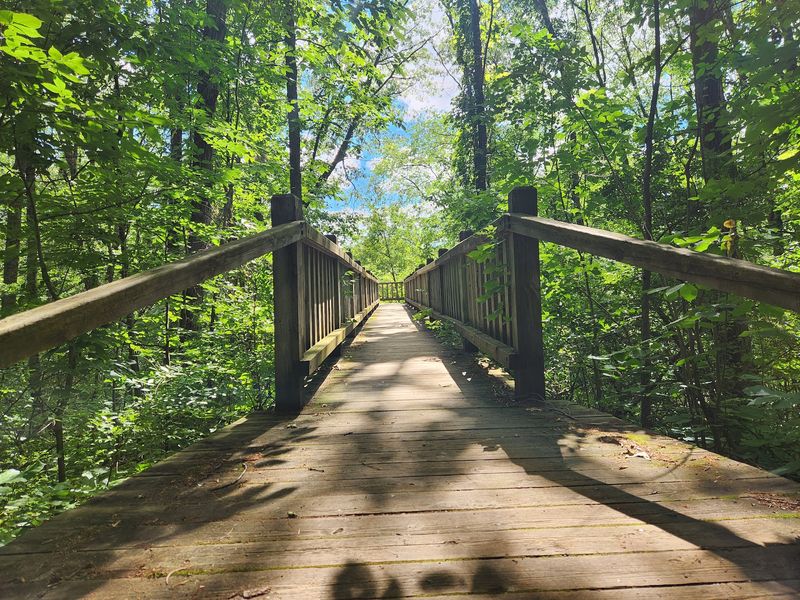
A trail called Hell’s Point Challenge already sounds like the middle chapter of an epic quest, and the hike lives up to the name. This eight-mile loop connects several trails through Pokagon State Park, leading hikers across forest, hills, and stairways before reaching Hell’s Point, the highest peak in the park.
Distance is a major part of the story here. Eight miles means pacing, snacks, and footwear all deserve real attention.
Unlike shorter scenic walks, this route rewards people who settle in and treat the day like an adventure with stages. That makes the final destination more satisfying, since the high point feels earned rather than casually collected.
The terrain keeps the loop from feeling monotonous. Woods close in, elevations shift, and stairways break up the natural rhythm with short bursts of effort.
Pokagon’s landscape is not mountainous, but it uses its hills well. The route rises and falls enough to stay engaging without becoming intimidating for prepared hikers.
Because the challenge links multiple trails, carrying a map or using the park’s current trail information is a smart move. Water matters, and so does weather.
A cool day is often friendlier for the full loop, while summer heat can stretch the effort more than expected. Starting early gives extra time for breaks and photos.
Hell’s Point itself has one of the best names in the Indiana park system, which certainly helps its reputation. Still, the destination works because the trail around it builds real momentum.
By the time hikers arrive, the woods, climbs, and changing route have already set the tone. The sign and summit simply seal the experience.
For visitors who want a bigger challenge with strong fantasy-quest energy, Pokagon delivers. Hell’s Point Challenge turns a day hike into a long woodland mission, complete with hills, stairways, and a finish that sounds dramatic even before the first step is taken.
10. Trail 5, White River and Limestone Bluffs – Mounds State Park, Anderson
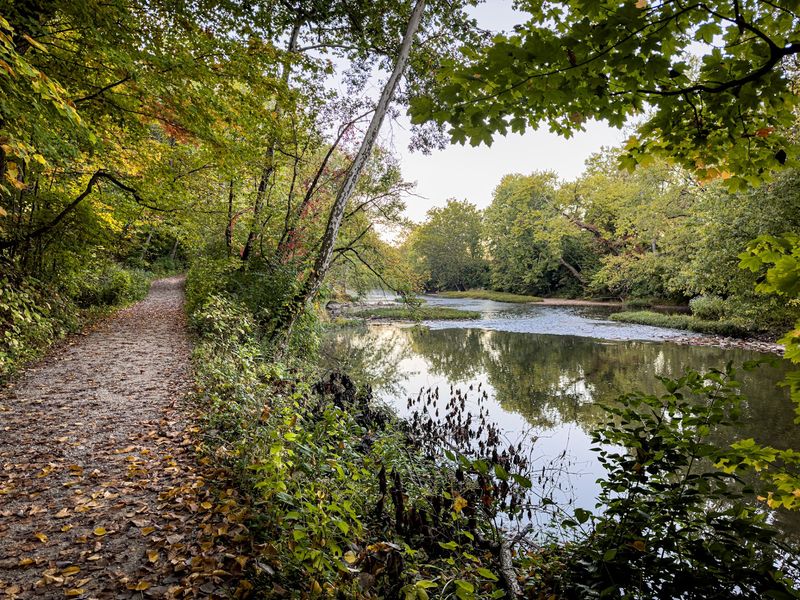
At Mounds State Park, ancient earthworks often get the spotlight, but Trail 5 adds a whole different layer to the visit. The route follows the White River through mature hardwood forest, with creek crossings and limestone bluffs that bring movement, texture, and a stronger sense of wild landscape to the park.
There is a nice contrast built into this hike. The nearby human history of the mounds gives the area depth, while the trail itself keeps attention on water, trees, and stone.
That pairing helps the walk stand out. It feels grounded in both natural scenery and a larger story about the place.
The White River shapes much of the route’s character. Water beside a trail always changes the mood, and here it adds soft sound, shifting reflections, and occasional open views between the trees.
The hardwood forest fills in the rest with tall trunks, seasonal color, and shade that can make summer hiking more pleasant than expected.
Limestone bluffs provide the strongest visual accent. They break up the woodland rhythm and give the trail a more rugged edge without turning the hike into a scramble.
Creek crossings add a little fun too, though conditions can vary with recent rain. Checking the ground before stepping is wiser than assuming every rock will hold firm.
This route works well for hikers who like scenery with variety but do not need nonstop difficulty. Comfortable shoes, water, and a little extra time for side looks toward the river usually cover the basics.
Morning can be especially nice when the woods are quieter and the river surface is smoother. Trail 5 shows that Mounds State Park offers more than one reason to visit.
Between the river corridor, limestone features, and mature forest, it delivers a woodland walk with enough character to hold its own beside one of Indiana’s most remarkable cultural landscapes.
11. Red Springs Loop – Whitewater Memorial State Park, Liberty
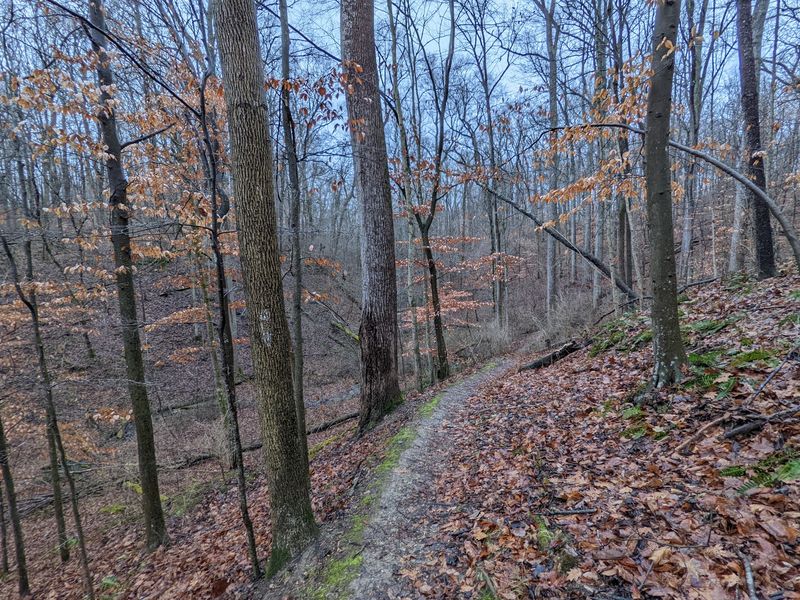
Not every unusual trail feature is big, loud, or towering overhead. Red Springs Loop catches attention with color. In Hornbeam Nature Preserve, large seep springs pour from wooded hillsides, and iron-rich minerals stain the water a rusty orange that stands out sharply against green leaves, dark soil, and shaded forest floor.
The loop is only about 1.2 miles, but its shorter length works in its favor. Visitors can slow down, notice details, and spend more time looking at the springs rather than rushing to cover distance.
That makes the trail a strong pick for families, casual hikers, and anyone who appreciates strange natural sights over pure mileage.
The setting has a quiet, almost secretive quality because the hillside seeps do not behave like roaring waterfalls. Instead, they emerge in a steady, grounded way that invites closer observation.
The mineral staining is the real star. It creates patches of orange and reddish tones that can look almost painted onto the landscape.
A short trail still benefits from simple planning. Waterproof or water-resistant shoes are helpful if the ground is damp, and cameras or phones do well here because the color contrast is so photogenic.
Overcast weather can actually improve the scene by softening glare on wet surfaces and making the rusty tones easier to capture.
Hornbeam Nature Preserve adds extra charm through its wooded setting, giving the springs a sheltered backdrop that keeps the route from feeling exposed. In warmer months, the greens can look especially rich beside the stained water.
During cooler seasons, the mineral color often becomes even more noticeable without heavy foliage competing for attention.
Red Springs Loop offers one of the most unusual natural displays on this list, not because it is enormous, but because it is so specific and memorable. A short walk, a hillside spring, and a burst of rusty orange are all it takes to leave a strong impression.
Share this story