West Texas stretches out like nowhere else in the state—wide open, rugged, and full of surprises that most people never expect. From starlit skies so clear you can see the Milky Way to ghost towns frozen in time, this corner of Texas rewards travelers who venture beyond the usual highway stops. Whether you’re chasing desert sunsets, ancient rock art, or quirky roadside installations, these stops will make your road trip one you’ll remember for years.
1. Big Bend National Park
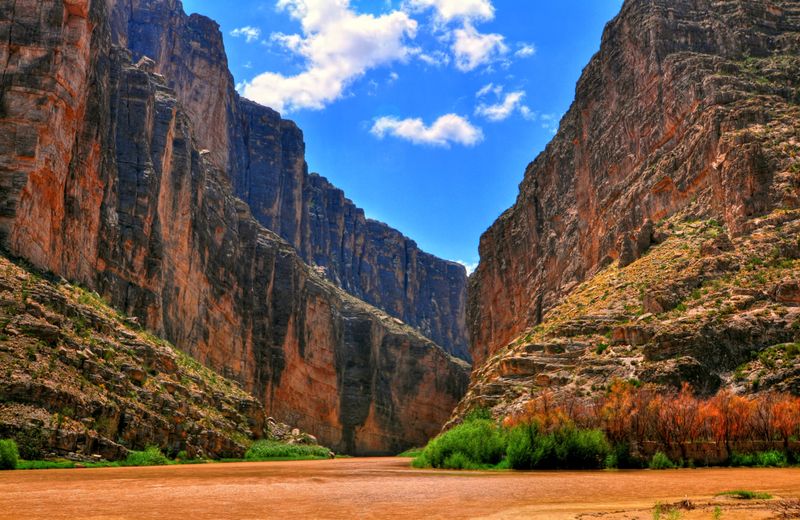
Big Bend sits in the crook where the Rio Grande bends sharply north, creating one of the most remote and visually stunning national parks in the country. The Chisos Mountains rise dramatically from the desert floor, offering trails that wind through pine forests and overlook sweeping canyon views. Santa Elena Canyon’s towering limestone walls plunge straight into the river, creating a scene that feels almost prehistoric.
Hiking options range from easy riverside strolls to challenging mountain climbs, so there’s something for every fitness level. The Ross Maxwell Scenic Drive takes you past volcanic rock formations and overlooks that showcase the park’s layered geology. If you’re up for it, the Window Trail offers one of the best sunset views in Texas, framed perfectly by two rock peaks.
River access along the Rio Grande provides opportunities for kayaking or simply wading in the cool water after a hot desert hike. Wildlife sightings are common—roadrunners, javelinas, and even black bears call this area home. The park’s isolation means cell service is nonexistent, which forces you to truly disconnect and soak in the surroundings.
Stargazing here is world-class, thanks to minimal light pollution and high elevation. On clear nights, the sky explodes with stars, planets, and the glowing band of the Milky Way stretching overhead. Bring layers, because desert temperatures drop quickly after sunset.
Camping options include developed campgrounds and backcountry sites for those seeking total solitude. The nearby towns of Terlingua and Study Butte offer lodging, food, and supplies if you prefer a bed over a sleeping bag. Plan to spend at least two full days here—Big Bend rewards those who slow down and explore beyond the main roads.
2. Guadalupe Mountains National Park
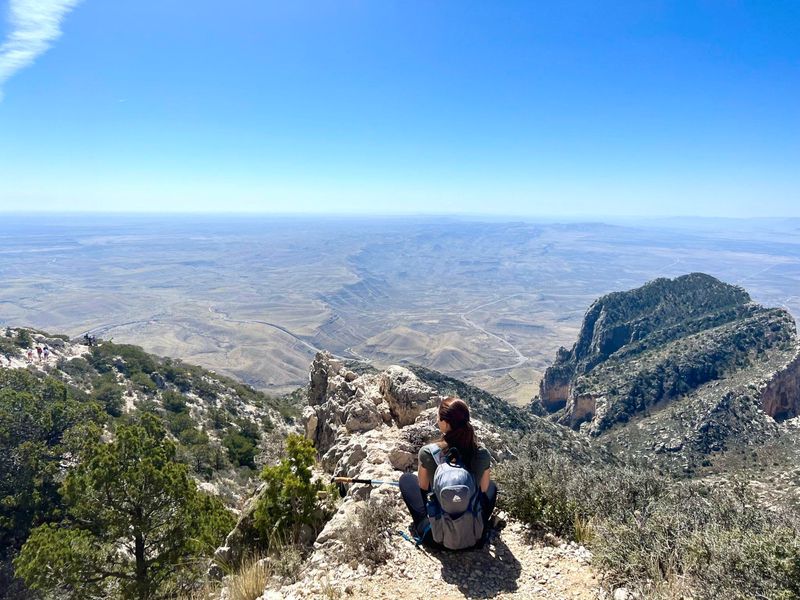
Guadalupe Peak towers at 8,749 feet, making it the highest point in Texas and a bucket-list hike for anyone who loves a challenge. The trail to the summit covers about 8.5 miles round trip, gaining over 3,000 feet in elevation as it switchbacks up the ancient reef. Once you reach the top, you’re rewarded with views that stretch across the Chihuahuan Desert and into New Mexico.
The park preserves a fossilized reef from an ancient sea that covered this region 265 million years ago. Today, that reef forms the dramatic escarpment that defines the Guadalupe range. McKittrick Canyon, especially in fall, bursts with color as bigtooth maples turn brilliant shades of red and gold—a rare sight in the desert Southwest.
Hiking trails vary from short nature walks to strenuous all-day treks, so you can tailor your visit to your energy level. The Devil’s Hall Trail leads through a narrow canyon filled with unique rock formations and a natural staircase carved by water. El Capitan, another iconic peak, stands as a sentinel at the southern end of the range and makes for a stunning photo backdrop.
Wildlife includes mule deer, elk, and a variety of bird species that thrive in the diverse habitats ranging from desert scrub to high-elevation forests. Spring wildflowers can blanket the lower trails, adding splashes of color to the rocky landscape. Summer heat can be intense, so early morning starts are essential for longer hikes.
The park has a small campground but no lodging or food services, so come prepared with plenty of water and snacks. The nearest town with amenities is about 30 miles away, reinforcing the park’s wild and undeveloped character. This is a place for serious hikers and nature lovers who appreciate raw, unfiltered landscapes without the crowds found at more famous parks.
3. Marfa Lights Viewing Area
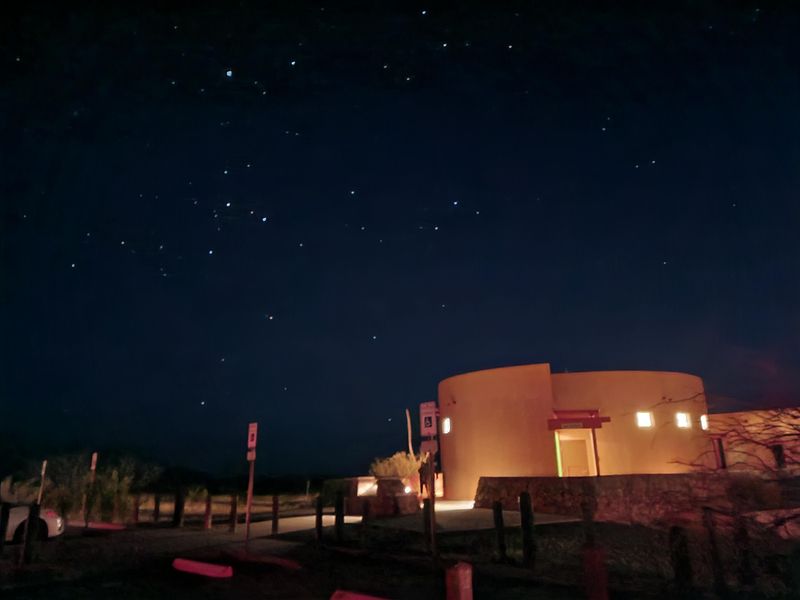
Just east of Marfa, a small roadside viewing area offers front-row seats to one of West Texas’s most puzzling phenomena. For over a century, people have reported seeing unexplained lights dancing on the horizon—glowing orbs that split, merge, and move in ways that defy easy explanation. Scientists have offered theories ranging from atmospheric reflections to car headlights, but no one has definitively solved the mystery.
The viewing platform includes informational plaques that detail the history of sightings, dating back to Apache campfire stories and early settlers. Some nights, the lights appear bright and active, while other nights you might see nothing at all. Patience is key—bring a blanket, some snacks, and settle in for a while as the sun sets and darkness takes over the desert.
The location itself is simple: a parking lot, a covered pavilion, and a clear view toward the Chinati Mountains. There’s no admission fee, and the site is open 24 hours, making it an easy add to any Marfa itinerary. Locals will tell you the best viewing happens on clear, moonless nights when the sky is darkest.
Skeptics and believers alike find themselves captivated by the experience, whether the lights turn out to be natural phenomena or something more unusual. The surrounding desert silence adds to the eerie atmosphere, broken only by the occasional passing car or coyote howl. It’s the kind of place that sparks conversation and debate long after you’ve driven away.
Marfa itself, just a few miles west, offers quirky art galleries, boutique hotels, and excellent dining options for before or after your light-watching adventure. The town has become a cultural destination in its own right, blending cowboy heritage with contemporary art in a way that feels uniquely Texan. Combining the Marfa Lights with the town’s other attractions makes for a memorable evening that balances mystery, culture, and wide-open desert beauty.
4. McDonald Observatory
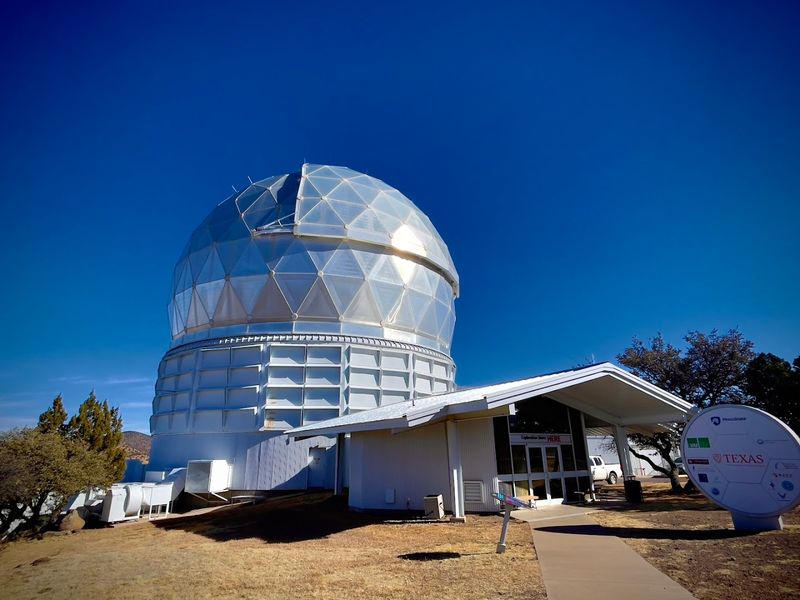
Perched atop Mount Locke in the Davis Mountains, McDonald Observatory operates some of the most powerful telescopes in the world. The facility has been studying the cosmos since 1939, and today it welcomes visitors who want to experience the universe up close. Public star parties happen several nights a week, where staff astronomers guide you through constellations, planets, and distant galaxies using high-powered telescopes.
Daytime tours take you inside the massive dome housing the Hobby-Eberly Telescope, one of the largest optical telescopes on Earth. The scale of the equipment is staggering—mirrors the size of small cars, machinery that moves with millimeter precision, and technology that captures light from billions of miles away. Guides explain how astronomers use these tools to study everything from black holes to exoplanets.
The observatory’s remote location in the Davis Mountains provides exceptionally dark skies, free from the light pollution that plagues most of the country. On a clear night, you can see thousands of stars with the naked eye, plus the Milky Way stretching overhead like a cosmic river. The star parties include both telescope viewing and presentations that help you understand what you’re looking at.
Sunset programs offer a chance to watch the sun dip below the mountains while learning about solar astronomy and the observatory’s history. The visitor center features interactive exhibits about space science, meteorites, and the technology behind modern astronomy. Kids especially love the hands-on displays and the chance to look through real research telescopes.
Reservations are required for most programs, especially star parties, which can sell out weeks in advance during peak season. The drive up the mountain is scenic but winding, so allow extra time and watch for wildlife on the road. Dress warmly even in summer—mountain temperatures drop significantly after dark, and you’ll be standing outside for extended periods while stargazing.
5. Terlingua Ghost Town
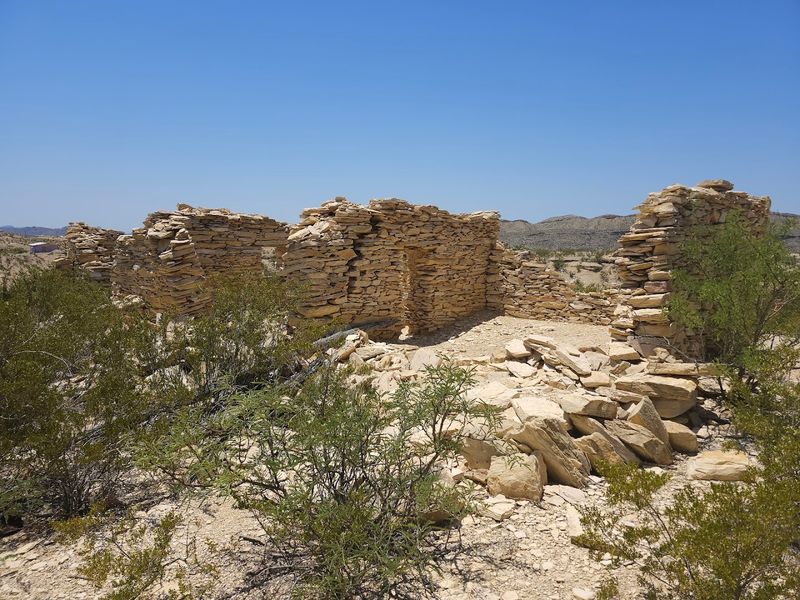
Terlingua thrived as a mercury mining town in the early 1900s, then collapsed almost overnight when the mines closed in the 1940s. What remains is a fascinating collection of crumbling adobe buildings, rusted equipment, and stories etched into every sun-bleached wall. Walking through the ruins feels like stepping into an old Western film, minus the crowds and gift shops.
The Perry Mansion, once home to the mine owner, still stands as a testament to the town’s boom years. Its stone walls and empty windows overlook the cemetery where miners and their families rest beneath hand-carved headstones. The old trading post and theater ruins hint at a community that once buzzed with activity, now reclaimed by desert silence.
Today’s Terlingua is split between the ghost town and a small living community nearby. The Starlight Theatre, housed in a restored building, serves excellent food and hosts live music several nights a week. Locals and travelers mix at picnic tables under string lights, swapping road trip stories and enjoying cold drinks after hot desert days.
Every November, the town explodes with energy during the Terlingua International Chili Championship, drawing thousands of chili enthusiasts from around the world. The event started as a joke in the 1960s and has grown into a legendary gathering that combines competitive cooking, live music, and a celebration of desert living. Even outside chili season, the town maintains a laid-back, artistic vibe that attracts photographers, painters, and anyone seeking inspiration in desolation.
Art galleries and studios occupy some of the old buildings, showcasing work inspired by the harsh beauty of the surrounding landscape. The nearby Rio Grande provides a dramatic backdrop, especially at sunset when the light turns the cliffs shades of orange and purple. Camping and lodging options range from primitive sites to quirky rentals, all embracing the town’s off-grid, independent spirit that refuses to be tamed by time or tourism.
6. Chinati Foundation
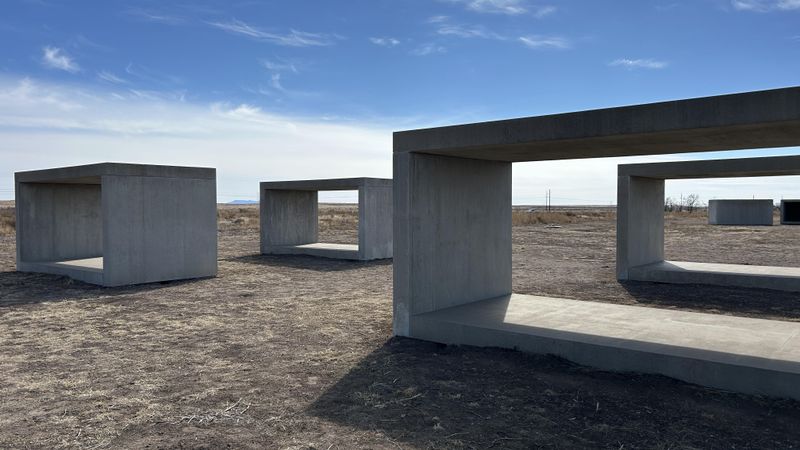
Artist Donald Judd transformed an abandoned military base outside Marfa into one of the world’s most significant contemporary art destinations. The Chinati Foundation spreads across 340 acres of desert, displaying massive permanent installations that interact with the landscape in ways traditional museums never could. Judd believed art should exist in specific spaces designed for it, not crammed into white-walled galleries, and Chinati embodies that philosophy.
The 100 aluminum boxes installation fills two former artillery sheds, creating a meditation on space, light, and repetition. Each box reflects sunlight differently depending on the time of day, transforming the experience with every visit. The 15 concrete works, also by Judd, sit in an open field where you can walk among them, experiencing their scale and relationship to the surrounding mountains.
Dan Flavin’s fluorescent light installations occupy six renovated barracks, bathing rooms in glowing colors that shift your perception of interior space. John Chamberlain’s crushed car sculptures contrast the minimalist work, adding raw energy and chaos to the carefully curated collection. Other artists represented include Carl Andre, Ilya Kabakov, and Roni Horn, each contributing pieces that respond to the desert setting.
Guided tours are required and typically last several hours, covering multiple buildings and outdoor sites across the property. Reservations fill up fast, especially during the October open house weekend when the foundation hosts special events and opens additional spaces. The tours provide context about Judd’s vision, the artists’ processes, and how the installations relate to their environment.
The foundation’s isolation reinforces the contemplative nature of the work—no distractions, just art and landscape in conversation. Summer heat can be brutal, so plan visits for cooler months if possible. The nearby town of Marfa offers plenty of lodging and dining, making it easy to combine a Chinati visit with other local attractions like the Marfa Lights and Prada Marfa sculpture.
7. Prada Marfa
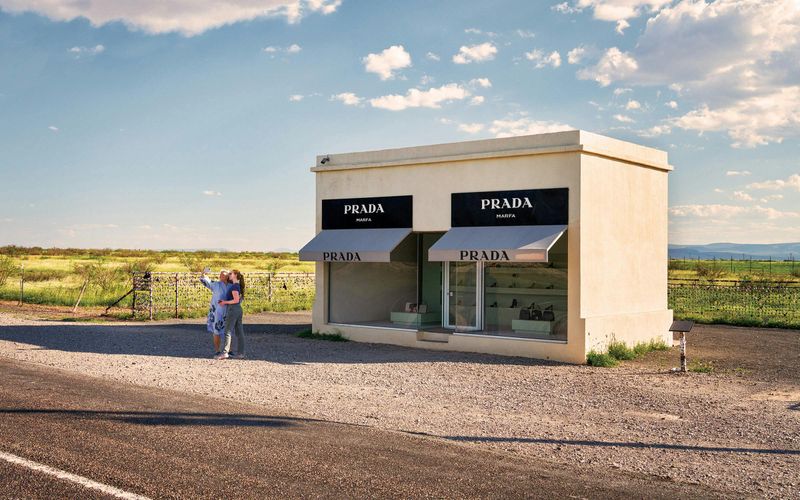
About 37 miles northwest of Marfa, a perfectly constructed Prada boutique stands alone on the side of Highway 90, miles from any town or shopping district. Created by artists Elmgreen and Dragset in 2005, this permanent sculpture mimics a high-end store complete with real Prada handbags and shoes displayed in the windows. The absurdity of luxury retail in the middle of nowhere makes a pointed commentary on consumerism, isolation, and the American road trip experience.
The structure never opens—it’s meant to be viewed, photographed, and pondered, not entered or shopped. Vandals have broken in over the years, but the foundation that maintains it always restores the installation to its original state. The handbags and shoes inside are real Prada products from the Fall/Winter 2005 collection, though they’ve been rendered permanently unusable to prevent theft.
Photographers flock here for the perfect Instagram shot, and the site has become one of the most recognizable roadside stops in Texas. The stark contrast between the polished white building and the raw desert landscape creates a surreal visual that captures something essential about West Texas’s blend of isolation and culture. Sunrise and sunset offer the best lighting, casting long shadows across the scrubland.
There’s no formal parking area, just a wide shoulder where cars pull off the highway. Visitors typically spend 10-15 minutes taking photos from various angles before continuing their journey. The sculpture sits on private land but is meant to be freely accessible to anyone passing by, embodying the democratic spirit of public art.
Locals have mixed feelings about the installation—some see it as pretentious, while others embrace it as part of Marfa’s quirky art scene. Either way, it’s become an essential stop on the West Texas art trail, representing the region’s transformation from ranching outpost to cultural destination. The piece asks you to consider what belongs in the desert and what doesn’t, then leaves you to draw your own conclusions while standing in the dust beside a luxury brand logo.
8. Balmorhea State Park
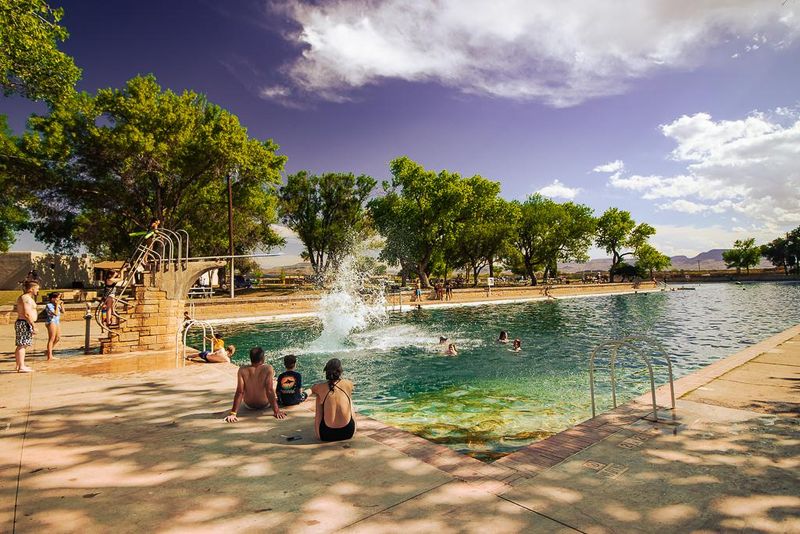
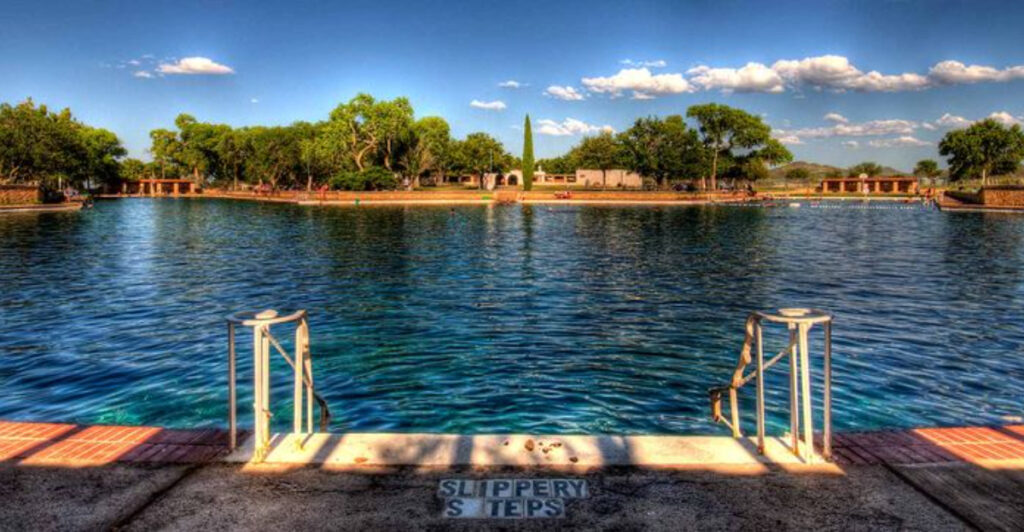
In the middle of the Chihuahuan Desert, where temperatures regularly soar past 100 degrees, a massive spring-fed pool offers relief that feels almost miraculous. Balmorhea’s pool measures 1.75 acres and holds 3.5 million gallons of water that stays a constant 72-76 degrees year-round. The springs produce 15-20 million gallons daily, completely refreshing the pool every six hours and keeping the water remarkably clear.
Built by the Civilian Conservation Corps in the 1930s, the pool’s stone walls and vintage bathhouse maintain the charm of that era. Underwater viewing windows let you watch swimmers and the endangered Comanche Springs pupfish that inhabit the pool. Scuba divers love the site for its unique environment, requiring a special permit to explore the underwater vegetation and geological features.
The pool reaches depths of 25 feet in some areas, with a diving platform that kids (and brave adults) use to make spectacular splashes. Shallow areas accommodate families with young children, while lap swimmers appreciate the long straightaways for serious exercise. The surrounding lawn provides space for picnicking and sunbathing between cooling dips.
San Solomon Springs, the source of the pool’s water, creates a small wetland ecosystem rare in this arid region. Cattails, reeds, and cottonwood trees provide habitat for birds and other wildlife that depend on this desert oasis. The contrast between the lush spring area and the surrounding scrubland is dramatic and beautiful.
Camping facilities include RV sites with hookups and tent areas shaded by desert trees. The park also operates a historic motel built by the CCC, offering simple rooms for those who want to stay overnight and enjoy the pool at sunrise before the day-trippers arrive. Admission fees are reasonable, and the park rarely feels overcrowded even during peak summer months when the pool provides essential relief from desert heat that tests even the most heat-tolerant visitors.
9. Fort Davis National Historic Site
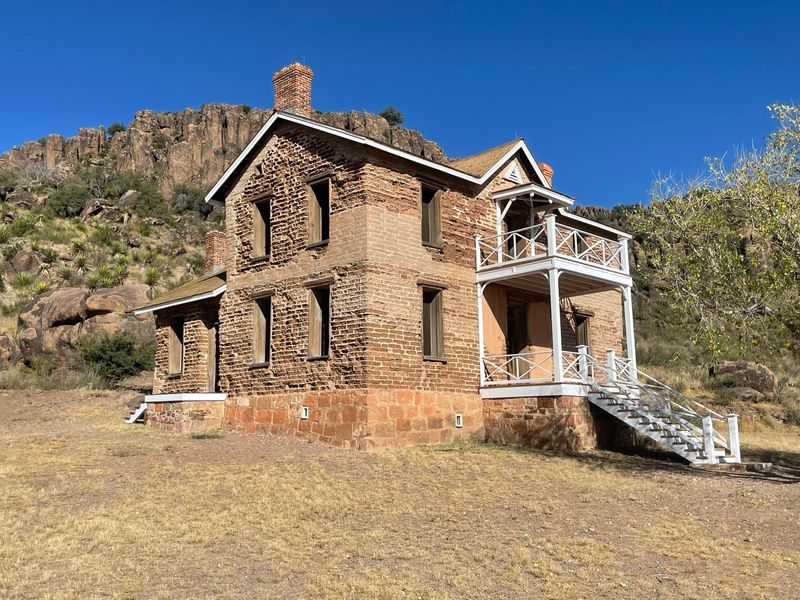
Established in 1854, Fort Davis protected emigrants and mail coaches traveling the San Antonio-El Paso road through Apache and Comanche territory. The fort operated for 37 years before closing in 1891, and today it stands as one of the best-preserved frontier military posts in the Southwest. Over 20 original and restored structures give you a genuine sense of what life was like for soldiers stationed in this remote mountain outpost.
Walking through the officers’ quarters reveals surprisingly comfortable accommodations, with furnished rooms that show how rank determined living conditions. Enlisted men’s barracks were far more spartan, with simple bunks and minimal privacy. The hospital building, commissary, and enlisted men’s mess hall complete the picture of a self-contained military community isolated from civilization.
Costumed interpreters sometimes conduct tours, bringing history to life with stories of daily routines, Indian conflicts, and the challenges of frontier duty. The visitor center museum displays artifacts including uniforms, weapons, and personal items that belonged to the Buffalo Soldiers—African American troops who made up a significant portion of the garrison. Their contributions to settling the West often go overlooked, making Fort Davis an important site for understanding their role in American history.
The fort’s setting in a mountain valley provides stunning scenery that must have offered some consolation to homesick soldiers. Hiking trails lead into the surrounding hills where you can spot deer, javelins, and numerous bird species. The cooler mountain climate made Fort Davis more bearable than many other Texas posts, though winters could still be harsh.
Living history demonstrations occasionally take place on the parade ground, with period military drills and equipment displays. The nearby town of Fort Davis offers lodging, restaurants, and the McDonald Observatory, making it easy to spend a full day or two exploring the area. The fort remains remarkably intact because it was never attacked or damaged in battle, preserving an authentic snapshot of frontier military life that textbooks alone cannot convey.
10. Museum of the Big Bend
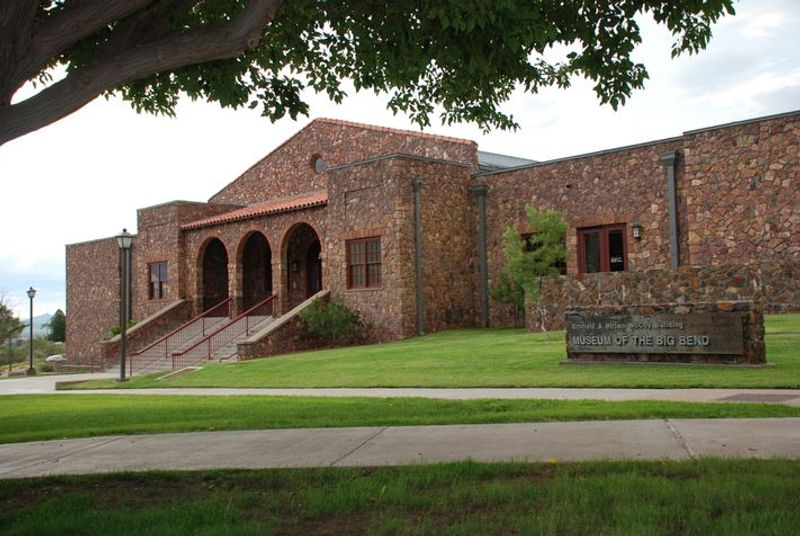
Located on the Sul Ross State University campus in Alpine, this regional museum tells the complex story of the Big Bend area from prehistoric times through the ranching era. The collections include thousands of artifacts representing Native American cultures, Spanish colonial influence, Mexican heritage, and Anglo settlement. Unlike generic history museums, this one focuses specifically on the unique cultural collision that shaped West Texas.
Native American exhibits showcase tools, pottery, and artwork from groups who inhabited the region for thousands of years before European contact. Detailed displays explain how these cultures adapted to the harsh desert environment, developing sophisticated knowledge of plants, animals, and water sources. Arrowheads, grinding stones, and ceremonial objects connect you to people who lived on this land long before modern borders existed.
The cowboy and ranching sections feature saddles, branding irons, and photographs that document the cattle industry’s dominance in shaping the region’s economy and culture. Pioneer exhibits include household items, clothing, and tools that reveal the daily struggles and small comforts of frontier life. A stagecoach, period firearms, and mining equipment add tangible connections to the stories of settlement and survival.
Mexican and borderlands history receives significant attention, acknowledging that this region was part of Mexico until 1848 and retains strong cultural ties across the Rio Grande. Exhibits explore how the border has influenced trade, family connections, and identity in ways that continue today. This perspective offers necessary context often missing from Texas history presented elsewhere.
Rotating exhibits keep the museum fresh for repeat visitors, covering topics like specific ranches, local artists, or geological formations. The staff includes knowledgeable historians who can answer detailed questions and point you toward other regional sites worth exploring. Admission is free, making this an accessible stop for anyone passing through Alpine.
The museum provides essential background for understanding everything else you’ll see in West Texas, from ghost towns to national parks to contemporary border issues.
11. Seminole Canyon State Park and Historic Site
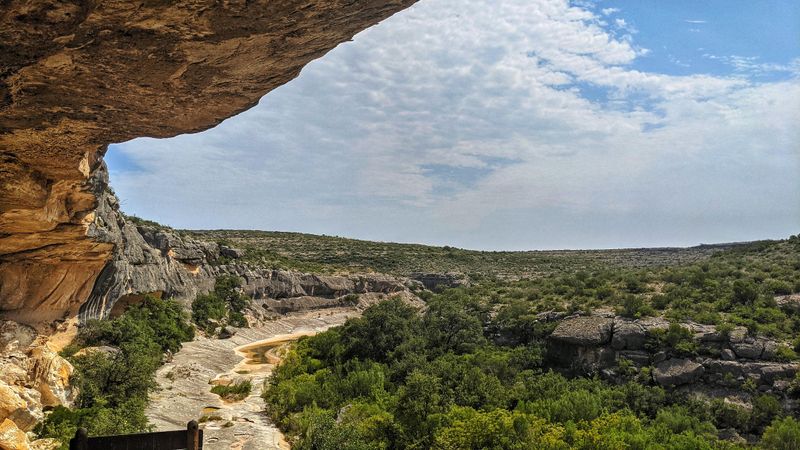
Hidden in the canyons northwest of Del Rio, some of the oldest and most sophisticated rock art in North America covers limestone walls in vivid colors that have survived thousands of years. The Pecos River style pictographs date back 4,000 years, created by hunter-gatherer peoples whose artistic vision and spiritual beliefs remain mysterious. The images depict shamanic figures, animals, and abstract symbols that scholars still work to interpret and understand.
Guided tours led by park rangers take you into Fate Bell Shelter, one of the most accessible and impressive rock art sites. The hike involves steep stairs and uneven terrain, but the reward is worth the effort—standing before these ancient paintings creates a profound connection to the people who lived here millennia ago. The shelter’s overhang protected the artwork from weather, preserving details and colors that would have eroded on exposed surfaces.
The pictographs show remarkable artistic skill, with figures rendered in multiple colors including red, yellow, black, and white derived from natural minerals. Some images stretch over 10 feet tall, raising questions about how artists reached such heights without modern equipment. The layering of different images from different time periods suggests the site held spiritual significance across many generations.
Beyond the rock art, the park offers hiking trails with views of Seminole Canyon’s dramatic limestone walls and the Pecos River far below. The landscape remains wild and relatively unchanged from when ancient artists first painted these walls. Desert plants including prickly pear, lechuguilla, and sotol cover the canyon slopes, and wildlife sightings are common.
The visitor center museum provides context about the cultures who created the art, their tools, diet, and lifestyle based on archaeological evidence. Interactive displays help you understand the pigments, techniques, and possible meanings behind the images. Tours run several times daily, but reservations are recommended, especially during cooler months when visitation increases.
This site offers a humbling reminder that Texas’s human history extends far beyond cowboys and oil wells into a deep past that challenges us to imagine lives radically different from our own.
Share this story