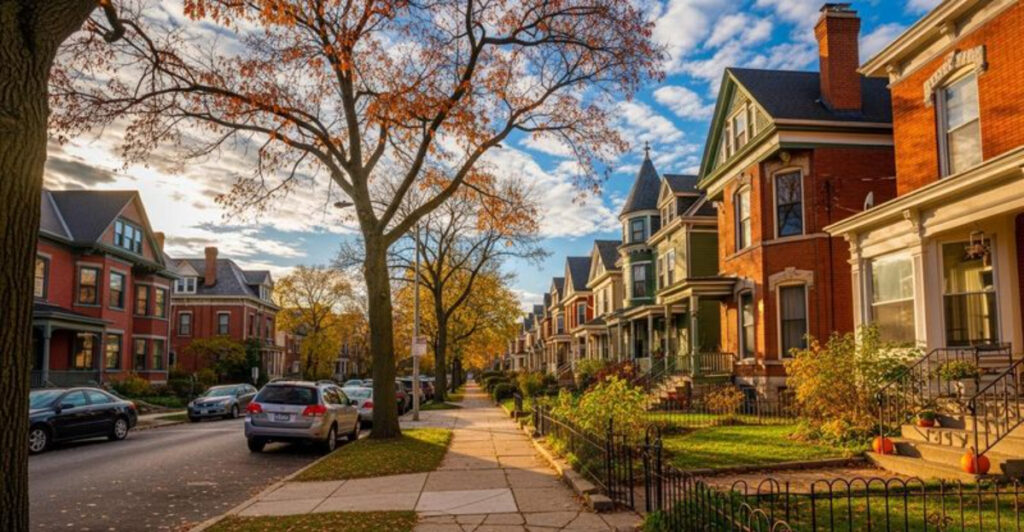
Ohio has a way of surprising you when you slow down long enough to notice the brick streets, church steeples, carved cornices, and town squares that still carry the energy of another century. Across the state, historic neighborhoods and districts are not frozen museum pieces – they are living places where old storefronts now hold coffee shops, restored homes glow under mature trees, and local pride shows up in every preserved facade, festival banner, and corner landmark.
If you want 2026 travel ideas that feel richer than a standard checklist, these places offer that rare mix of beauty, story, and everyday life, giving you somewhere to wander with purpose instead of simply passing through. From Cincinnati to Marietta, this list will help you find the Ohio communities where history feels close enough to touch, and where your next walk might turn into the highlight of the year.
1. Over-the-Rhine, Cincinnati
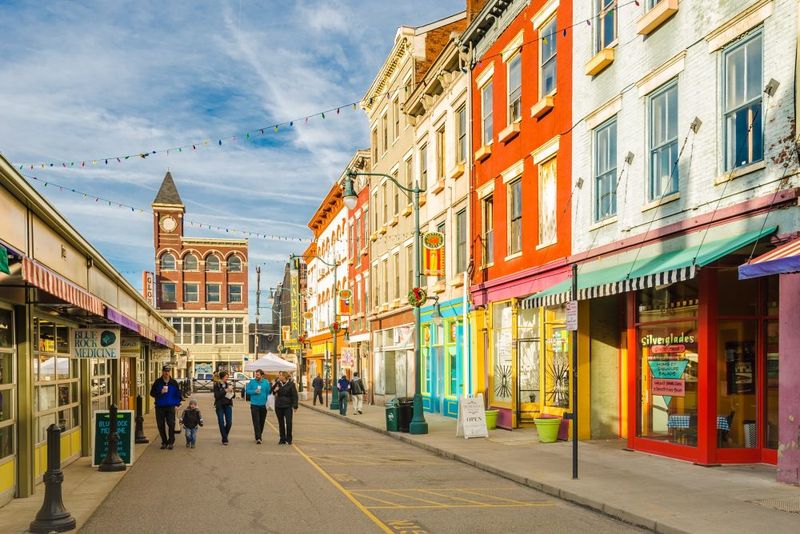
Brick facades, ornate cornices, and tightly packed blocks make this Cincinnati district feel instantly cinematic, but the real appeal is how alive it feels when you explore it on foot. You are not just looking at preserved architecture here – you are stepping into one of Ohio’s most layered urban neighborhoods, where immigrant history, preservation efforts, and modern city energy all meet on the same block.
In 2026, Over-the-Rhine remains one of the best places in the state to experience how old buildings can shape a neighborhood’s personality without trapping it in the past.
As you move through the area, you will notice rows of Italianate structures that give the streets a strong visual rhythm, especially around Vine Street, Main Street, and Washington Park. Music venues, restaurants, boutiques, and breweries now fill many of these restored spaces, so the district rewards both casual wandering and a carefully planned evening out.
Find time to pause and look upward, because many of the details that make Over-the-Rhine special are above eye level, from arched windows to decorative stonework and cast-iron elements.
What makes the visit memorable is the contrast between grand historic design and everyday neighborhood motion. You can catch the streetcar, stop for coffee, browse local shops, and then shift into deeper history through landmarks like Cincinnati Music Hall and nearby Findlay Market.
That mix keeps the district from feeling staged, and it gives you multiple ways to connect with the place whether you care most about architecture, food, or city history.
If you want an Ohio neighborhood that feels bold, beautiful, and constantly in conversation with its own past, this is an easy choice. Come with comfortable shoes and a little curiosity, because some of the best moments happen between destinations.
Over-the-Rhine is the kind of place that reminds you historic districts can still feel restless, creative, and full of possibility.
2. German Village, Columbus
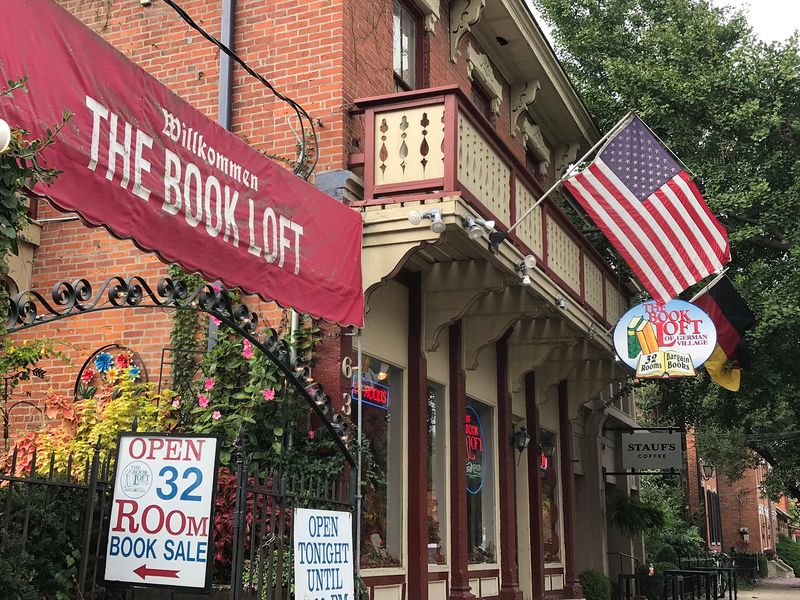
Tree-shaded brick streets and storybook houses give this Columbus neighborhood a warmth that feels almost immediate, even if it is your first visit. You do not need a packed itinerary to enjoy German Village, because the setting itself does much of the work, inviting you to slow down and notice iron fences, flower boxes, and carefully preserved details.
In 2026, it still stands out as one of Ohio’s most graceful historic neighborhoods, balancing polish with genuine neighborhood life.
The district grew from 19th-century German settlement, and that heritage still shapes its identity in both obvious and subtle ways. Modest brick cottages, larger restored homes, and intimate side streets create a human scale that makes walking especially satisfying.
You can browse beloved local businesses, linger in Schiller Park, and appreciate how preservation here feels cohesive rather than selective, with block after block maintaining a strong sense of place.
One of the best things about visiting is how easily the neighborhood supports different moods. If you want a quiet morning, the streets are ideal for an unhurried stroll with coffee in hand, while afternoons can turn into bookstore stops, patio meals, and long conversations in garden-like courtyards.
The famous charm is real, but it is not superficial, because the area also reflects decades of community effort to protect its buildings and atmosphere.
For travelers who love history without wanting something overly formal, this district hits the sweet spot. You can admire architecture, enjoy excellent food, and still feel like you are moving through a lived-in part of Columbus instead of a curated set.
German Village proves that preservation can feel intimate, welcoming, and deeply relaxing, which is exactly why it belongs on an Ohio exploration list for 2026.
3. Ohio City, Cleveland
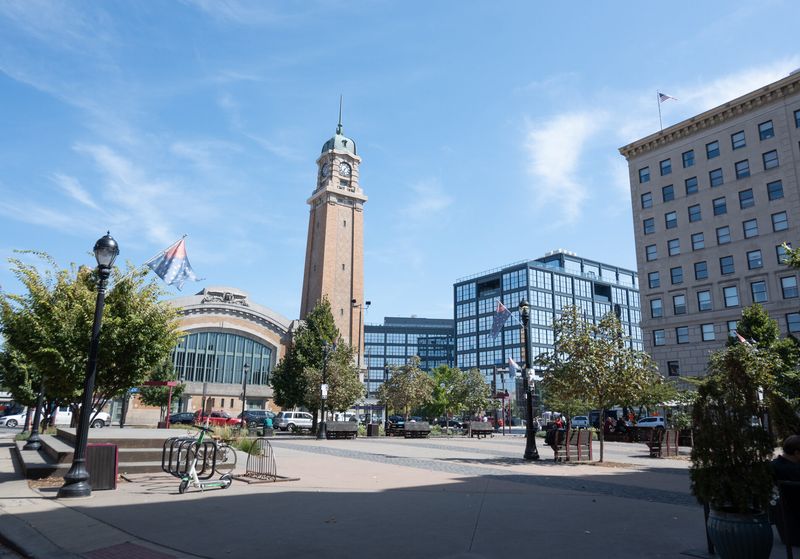
Historic market energy and neighborhood character come together beautifully in this Cleveland district, making it one of the easiest places in Ohio to recommend for a full day of exploring. You can feel the area’s age in its buildings and street pattern, yet nothing about it feels sleepy or disconnected from the present.
In 2026, Ohio City continues to show how a historic neighborhood can remain practical, social, and full of local momentum.
The most recognizable anchor is West Side Market, whose long-standing presence gives the district both visual identity and cultural weight. Around it, you will find brick commercial structures, converted spaces, and walkable streets lined with restaurants, bars, and independent businesses that make the neighborhood feel active from morning into evening.
The architecture does not overwhelm you with grandeur, but it creates a strong sense of continuity that quietly shapes every stop.
Part of the appeal is that this area works for visitors with different interests at the same time. One person can focus on history and building details, another can chase food and coffee, and someone else can simply enjoy the rhythm of a neighborhood where old and new feel naturally blended.
That flexibility matters, because it means your experience can be spontaneous without feeling aimless, especially if you like exploring on foot and following whatever catches your attention.
There is also something distinctly Cleveland about the district’s confidence and directness. It feels grounded rather than precious, and that makes the preservation here more believable and more rewarding.
Ohio City deserves a place on your 2026 list because it offers the pleasure of discovery without demanding effort, proving that an urban historic district can be approachable, flavorful, and rich with character all at once.
4. Tremont, Cleveland
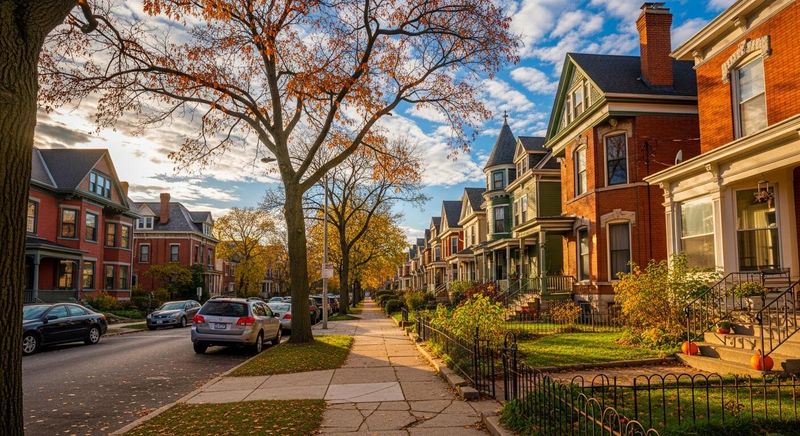
Hillside streets, church steeples, and handsome older homes give this Cleveland neighborhood a visual identity that feels memorable almost right away. You can sense layers of immigration, faith, industry, and reinvention in the built environment, which makes the area especially appealing if you like neighborhoods with texture instead of polish alone.
In 2026, Tremont remains one of Ohio’s strongest examples of a historic district where architecture and atmosphere work hand in hand.
Walking here is part of the experience, because the streets rise and bend in ways that reveal towers, porches, gardens, and skyline views at just the right pace. Historic churches serve as major landmarks, while Victorian and early 20th-century houses add variety through different scales and decorative details.
Restaurants, galleries, and cafes fit naturally into the setting, giving you reasons to linger without overpowering the neighborhood’s older identity.
What sets the district apart is its balance between intimacy and urban edge. It feels quieter than some busy city neighborhoods, but it never feels dull, and the combination makes it ideal if you want a place where you can admire architecture, grab a meal, and keep exploring without dealing with nonstop crowds.
There is a confidence here that comes from a community comfortable with both its history and its creative present.
If your ideal Ohio outing includes old houses, meaningful landmarks, and a little artistic energy, this is a rewarding stop. Bring your camera, because the visual composition of the neighborhood is part of its charm, especially when late light hits brick walls and church stone.
Tremont earns its place on a 2026 list by offering a layered, walkable experience that feels local, historic, and quietly distinctive from one block to the next.
5. Oregon District, Dayton
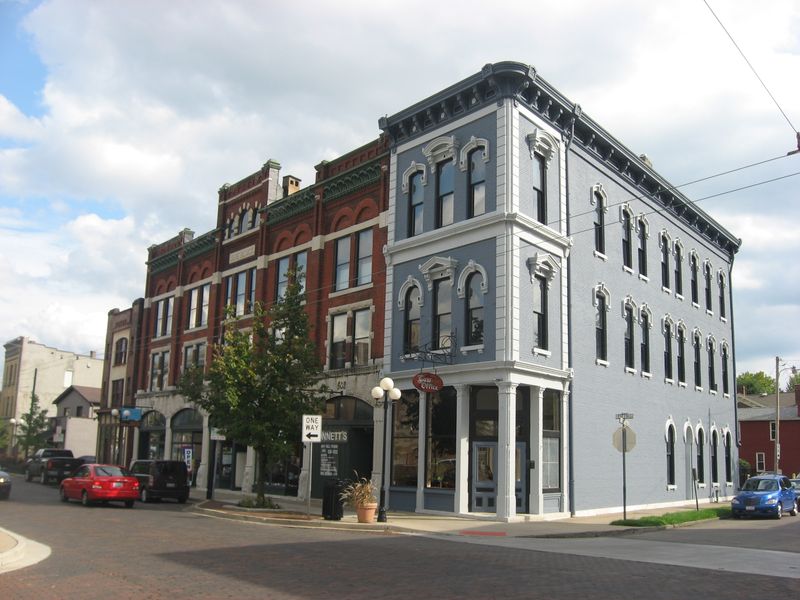
Brick streets and late 19th-century buildings give this Dayton district an unmistakable sense of place, but what really makes it stand out is how approachable it feels. You can arrive looking for architecture and end up staying for dinner, live music, or a relaxed evening walk, which is exactly the kind of flexibility that makes a historic district worth revisiting.
In 2026, the Oregon District continues to represent one of Ohio’s most engaging small-scale urban preservation success stories.
The neighborhood’s historic fabric is easy to appreciate because the streets remain compact, walkable, and visually cohesive. Victorian-era commercial buildings, restored homes, patios, and independent businesses all contribute to an environment that feels lively without becoming overwhelming.
As you explore, you will notice how the district manages to preserve detail and charm while still functioning as one of Dayton’s social and cultural centers.
There is a welcoming quality here that works especially well if you like places that reveal themselves gradually. The architecture catches your eye first, then the rhythm of the district starts to take over as you move from one block to the next, noticing signage, brickwork, window displays, and local gathering spots.
It feels historic, but not distant, which matters because the best heritage districts are the ones that still invite participation rather than passive observation.
For a 2026 Ohio itinerary, this is the kind of place that can fit easily into a day trip and still leave a lasting impression. You get a strong sense of Dayton’s past alongside the energy of a neighborhood that people genuinely use and enjoy.
The Oregon District proves that history does not need grand scale to be compelling – sometimes a few well-preserved blocks, good local businesses, and a strong neighborhood identity are more than enough.
6. Old West End, Toledo
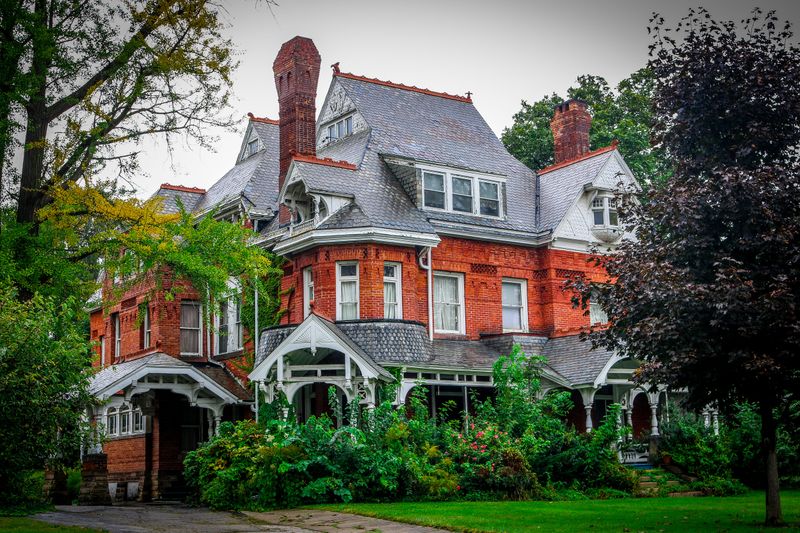
Grand houses, broad streets, and dramatic architectural variety make this Toledo neighborhood feel like an open-air design gallery with a strong residential soul. You do not have to be an architecture expert to appreciate it, because the scale and craftsmanship are immediately striking, from porches and towers to carved woodwork and stained glass.
In 2026, the Old West End remains one of Ohio’s most impressive historic neighborhoods for anyone who wants to see preservation at its most visually ambitious.
The district is especially known for its concentration of late 19th-century and early 20th-century homes, with styles ranging from Victorian and Queen Anne to Colonial Revival and Arts and Crafts. That variety keeps every walk interesting, since each block offers a different mix of textures, silhouettes, and decorative details.
Mature trees and generous setbacks add a sense of calm that balances the grandeur of the houses and makes the whole area feel welcoming rather than intimidating.
One of the best reasons to visit is the way the neighborhood encourages slow observation. This is not a place to rush through, because the real pleasure comes from noticing how individual homes express personality while still contributing to a larger historic landscape.
Community pride is easy to sense, and it helps the district feel cared for in a way that deepens your appreciation of both the architecture and the people who continue to protect it.
If your 2026 Ohio plans include at least one neighborhood built to impress, make room for this one. The Old West End offers scale, elegance, and historical richness without losing its human feel as a lived-in Toledo community.
It is the kind of place that leaves you looking up, slowing down, and wondering how many remarkable details you missed on your first pass.
7. Hudson Historic District, Hudson
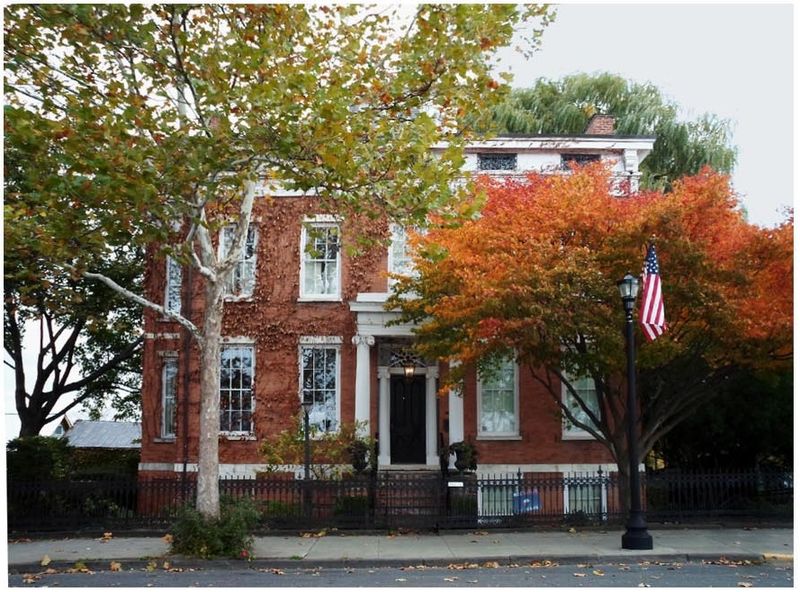
Orderly streets, dignified historic buildings, and a polished town center give this northeastern Ohio district a calm confidence that is easy to enjoy. You can feel the influence of early planning and long-term preservation in the way the whole place fits together, creating a setting that feels intentional rather than accidental.
In 2026, Hudson Historic District remains one of Ohio’s most refined places to explore if you appreciate history expressed through balance, proportion, and civic character.
The area is especially appealing because it combines domestic charm with a strong sense of public identity. Historic homes, churches, and commercial buildings frame the district in a way that highlights the community’s early roots while still supporting present-day shopping and dining.
As you walk through town, the architecture offers a quieter kind of beauty than some larger city districts, but that restraint is part of what makes the experience memorable.
This is an excellent destination if you like places where history feels integrated into daily life. The sidewalks, greenspaces, and preserved structures create an atmosphere that encourages strolling, conversation, and lingering a little longer than planned.
You are not chasing a single landmark here so much as absorbing a complete setting, and that can be more rewarding than checking off individual attractions.
For an Ohio travel list focused on historic districts, Hudson adds a different tone from the state’s larger urban neighborhoods. It offers grace instead of drama, and consistency instead of spectacle, which may be exactly what you are looking for in 2026.
Hudson Historic District proves that preservation can be elegant, practical, and deeply satisfying, especially when a town manages to keep its heritage visible in nearly every view.
8. Medina Public Square Historic District, Medina
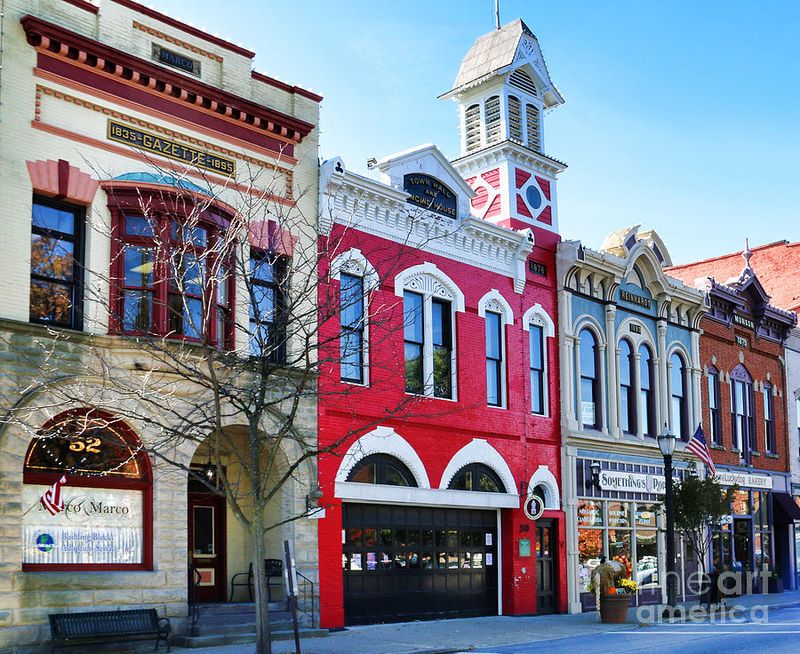
A classic courthouse square can still feel exciting when the setting is this well preserved, and that is exactly why this Medina district deserves a closer look. You get the immediate pleasure of a recognizable small-town center, but the details keep the visit from feeling generic, with handsome storefronts, balanced streetscapes, and a layout that naturally invites wandering.
In 2026, the Medina Public Square Historic District stands out as one of Ohio’s most appealing traditional downtown experiences.
The square itself acts as the social and visual anchor, giving the district a strong sense of orientation and civic identity. Around it, historic commercial buildings frame shops, restaurants, and gathering spaces in a way that feels both practical and picturesque.
The result is a district that works equally well for a casual afternoon, a seasonal event, or a slower visit focused on architecture and town history.
What makes this area especially enjoyable is how easy it is to settle into its rhythm. You can circle the square, stop for coffee, duck into local stores, and keep noticing little things like cornices, upper-floor windows, decorative brickwork, and carefully maintained public spaces.
There is a friendliness to the whole environment that helps the history feel welcoming instead of formal, which is often the difference between a place you admire and a place you actually want to revisit.
If you are building an Ohio itinerary for 2026 that includes memorable downtowns, this district earns its place. It captures the enduring appeal of a town square while showing how preservation can support modern local life rather than compete with it.
Medina Public Square Historic District offers a simple pleasure that never goes out of style – a historic center where everything seems arranged to help you slow down and enjoy where you are.
9. Chagrin Falls Historic District, Chagrin Falls
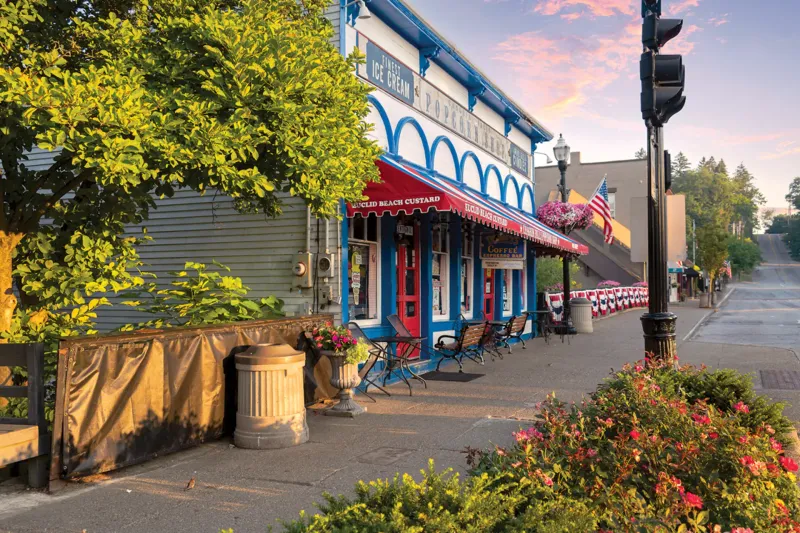
Few Ohio historic districts offer such an immediate sense of place, because the natural setting and the built environment work together so effortlessly here. You are not only exploring preserved streets and older buildings – you are also moving through a village shaped by the presence of water, bridges, and a compact downtown that feels genuinely distinctive.
In 2026, Chagrin Falls Historic District remains one of the state’s most scenic and memorable destinations for a slower day out.
The waterfall at the heart of the village gives the district a rare visual focal point, turning an ordinary walk into something much more atmospheric. Around it, historic commercial buildings, shops, restaurants, and homes create a layered setting that feels both intimate and lively.
The scale is part of the magic, since everything is close enough to make the village feel connected, yet varied enough that each turn reveals a slightly different perspective.
This is the kind of place where you will probably stop more often than expected, whether to take a photo, watch the water, or look more closely at an older facade. The district rewards that slower pace, because its charm comes from accumulation rather than spectacle alone.
Seasonal changes only deepen the appeal, but even on a simple afternoon, the village offers the kind of atmosphere that makes a short visit feel restorative.
For a 2026 Ohio list, this district provides something many historic areas cannot: a strong natural landmark woven directly into everyday village life. That combination makes Chagrin Falls feel romantic without becoming precious and historic without becoming static.
If you want architecture, walkability, and scenery in one compact stop, Chagrin Falls Historic District delivers an experience that is easy to recommend and hard to forget.
10. Granville Historic District, Granville
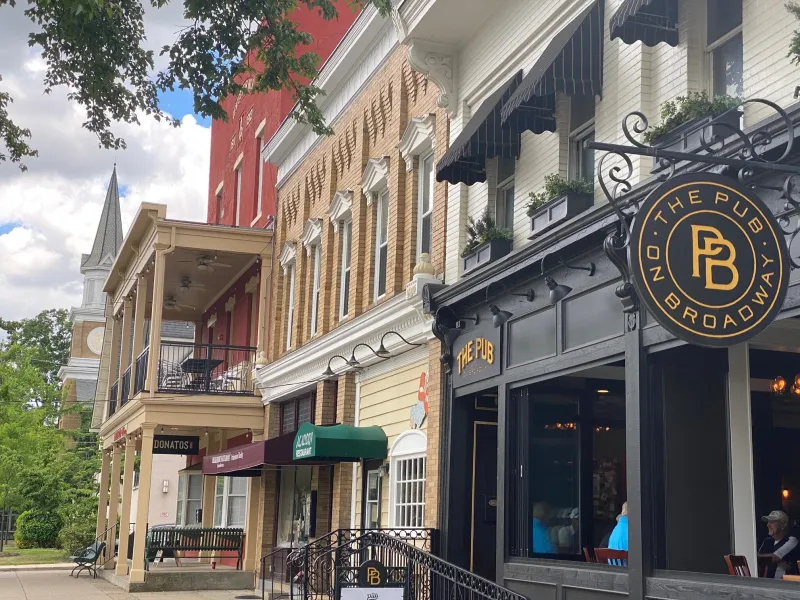
Graceful streets, classic village buildings, and a quietly academic atmosphere give this central Ohio district a personality that feels both polished and relaxed. You can sense immediately that Granville values its historic appearance, but it never feels stiff or overmanaged, which makes exploring more enjoyable.
In 2026, the Granville Historic District remains one of Ohio’s best destinations for travelers who appreciate beauty, balance, and a strong sense of continuity.
The area’s appeal comes from how consistently the built environment supports the village mood. Historic homes, inns, churches, and commercial buildings create a setting that is easy on the eyes and rewarding on foot, especially when you have time to wander side streets as well as the central core.
Brick sidewalks, mature trees, and carefully maintained facades help reinforce the impression that this is a place where preservation is not an afterthought.
There is also a sense of ease here that makes the history feel accessible. You can browse local businesses, pause on a bench, admire architectural details, and simply enjoy the way the village unfolds without needing a complicated plan.
That low-pressure experience is part of the district’s charm, because it allows you to absorb the setting naturally rather than racing from one attraction to the next.
If you are looking for a historic district in Ohio that feels elegant without being exclusive, this is a very smart addition to your 2026 list. Granville offers enough architectural character to satisfy dedicated history lovers while remaining warm and inviting for casual visitors.
The Granville Historic District proves that smaller places can leave a major impression, especially when nearly every street view reflects careful stewardship and long-standing community pride.
11. Marietta Historic District, Marietta

River town history feels especially tangible here, where the setting adds depth to streets already rich with older architecture and early state storylines. You are not just visiting another pleasant downtown – you are stepping into one of Ohio’s most historically significant communities, a place where geography, settlement, and preservation all remain visible.
In 2026, the Marietta Historic District offers one of the most rewarding heritage experiences anywhere in the state.
The district’s appeal begins with its sense of age and continuity. Historic homes, churches, and commercial buildings create a layered townscape, while nearby river views remind you why this place mattered so much in Ohio’s early development.
The combination gives your walk a narrative quality, making it easy to imagine the district not only as it looks now, but as it functioned across generations of change.
What makes the experience special is the way Marietta balances historical importance with everyday charm. You can explore museums and landmarks if you want depth, or simply enjoy the streetscape, local businesses, and the town’s slower rhythm if you prefer a more casual visit.
Either way, the district feels grounded and authentic, the kind of place where history is present in both major sites and ordinary corners.
For a 2026 Ohio travel list, this district deserves strong consideration because it offers context as well as beauty. Marietta helps you understand part of the state’s story while still giving you the pleasures of a walkable, visually appealing destination.
The Marietta Historic District is ideal if you want a place that feels meaningful, scenic, and enduring, with enough atmosphere to make even a short visit feel connected to something much larger.
Share this story