Texas is packed with famous landmarks that show up on every tourist itinerary, but locals often roll their eyes at the hype. Many of these spots promise unforgettable experiences but deliver crowded sidewalks, overpriced snacks, and long waits for something that looks better in photos than in person. If you want to experience Texas like someone who actually lives here, you might want to skip these tourist traps and find the hidden gems instead.
1. The Alamo (San Antonio)
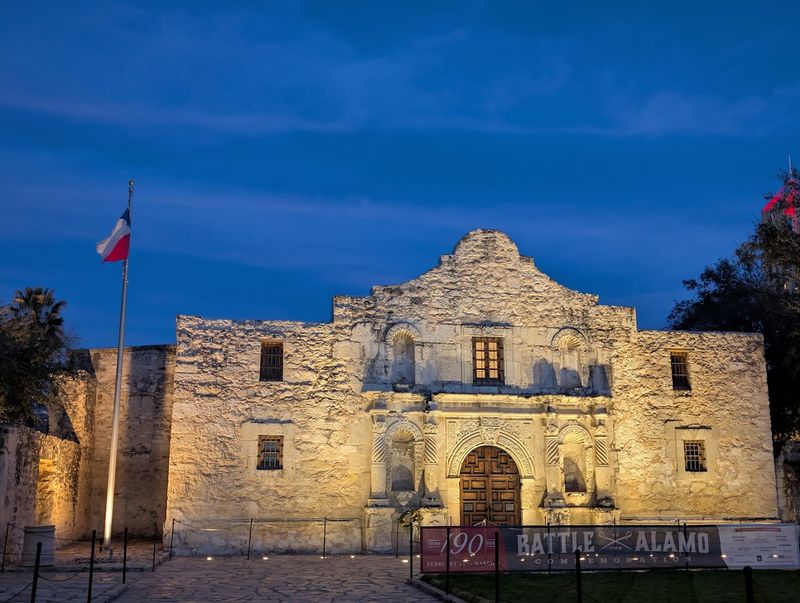
Walk up to the Alamo expecting a grand fortress, and you’ll find a surprisingly small building wedged between downtown San Antonio’s modern shops and chain restaurants. The actual mission is much tinier than most visitors imagine, and the surrounding area feels more like a busy shopping district than a historic battlefield. Locals know the story is important, but the experience itself rarely lives up to the buildup.
Inside, you’ll shuffle through cramped rooms with minimal exhibits while trying to read plaques over the shoulders of tour groups. The whole visit takes about twenty minutes if you’re moving slowly. There’s not much to see beyond the stone walls and a few artifacts, and photography isn’t allowed inside, so you can’t even capture memories of the interior.
The outdoor courtyard offers a bit more space, but it’s usually packed with families taking selfies and street vendors selling souvenirs. The surrounding area has been heavily commercialized, with souvenir shops and chain restaurants dominating the landscape. It’s hard to feel the weight of history when you’re dodging crowds and hearing cash registers ringing nearby.
Most Texans visited once on a school field trip and never felt the need to return. The educational value is real, but you can learn the same history from a good book or documentary without battling the crowds. If you do go, arrive right when it opens to avoid the worst of the tourist rush.
The site itself is free, which is nice, but parking downtown costs money and can be a headache. You’ll spend more time looking for a spot than actually touring the mission. San Antonio has plenty of other historic missions that offer quieter, more authentic experiences without the overwhelming tourist circus that surrounds the Alamo every single day.
2. Sixth Street (Austin)
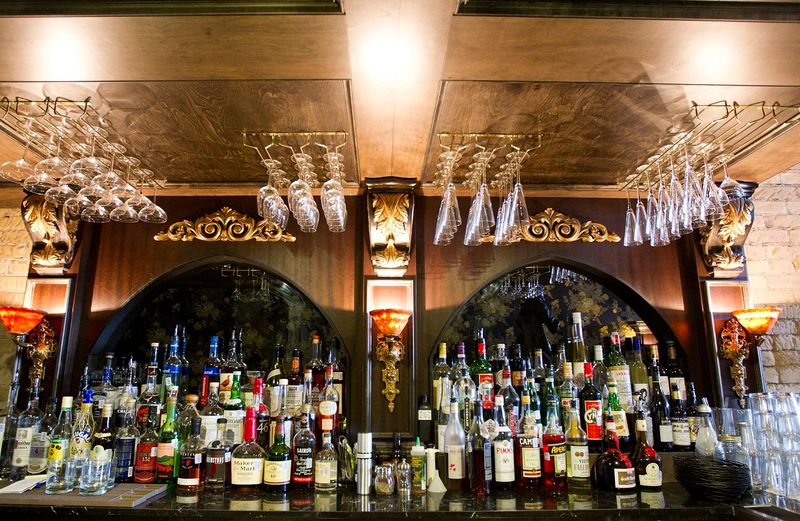
Friday night on Sixth Street means wall-to-wall crowds, sticky floors, and overpriced drinks served in plastic cups. What was once Austin’s cool entertainment district has become a chaotic party zone that attracts mostly out-of-towners and college kids looking to get rowdy. Locals abandoned this strip years ago in favor of quieter neighborhoods with better music and fewer bachelorette parties wearing matching t-shirts.
The bars all blend together after a while, each one pumping out loud music and charging premium prices for watered-down cocktails. You’ll wait in long lines just to get inside, then struggle to hear your friends talk over the noise. The whole scene feels more like a theme park version of nightlife than an authentic Austin experience.
Walking down the street means dodging drunk strangers, stepping over trash, and dealing with aggressive promoters trying to pull you into their establishments. The smell of spilled beer and street food hangs in the air. By midnight, the sidewalks are packed so tight you can barely move, and finding your group again after a bathroom break becomes a serious challenge.
Austin’s real music scene exists in venues scattered across East Austin, South Congress, and Red River, where local bands actually play and the crowds know how to appreciate good performances. These spots offer better sound quality, cheaper drinks, and a crowd that’s there for the music rather than Instagram content. You’ll meet actual Austin residents instead of tourists checking boxes on their weekend itinerary.
Sure, Sixth Street has historical significance and a few decent venues remain, but the overwhelming party atmosphere drowns out any cultural value. Most people who live in Austin avoid it entirely unless they’re showing visiting friends what not to do. The street has become a caricature of itself, prioritizing quantity over quality and leaving locals searching elsewhere for genuine entertainment and authentic Texas nightlife worth experiencing.
3. Riverwalk (San Antonio)
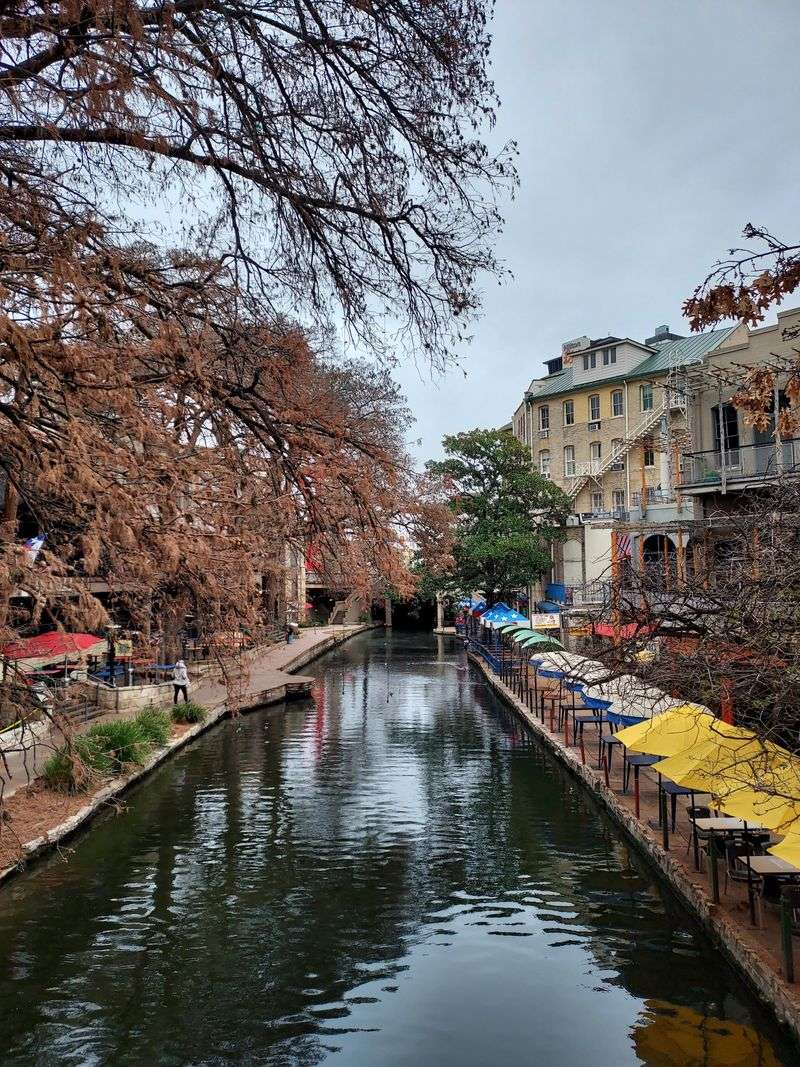
The Riverwalk sounds romantic until you’re stuck on a narrow pathway shoulder-to-shoulder with hundreds of other people, all moving at a snail’s pace past identical Tex-Mex restaurants. What’s marketed as a peaceful waterside stroll is actually a congested tourist corridor where every restaurant charges inflated prices for mediocre food. Locals know the real San Antonio dining scene exists away from this manufactured attraction.
Every restaurant along the water offers basically the same menu with slightly different names, and they all cost twice what you’d pay a few blocks away. The ambiance consists of competing mariachi bands, tour boat engines, and constant chatter echoing off the stone walls. Finding a quiet spot to enjoy the water is nearly impossible during peak hours, which happens to be most of the day.
The boats that float past every few minutes are packed with tourists listening to canned commentary about the area’s history. You’ll hear the same facts repeated over and over as different tours pass by. The water itself isn’t particularly clean or scenic, and the landscaping, while maintained, feels artificial and overly manicured rather than naturally beautiful.
Parking anywhere near the Riverwalk costs a fortune, and navigating the maze of stairs and pathways with strollers or mobility issues presents serious challenges. The area feels designed to trap tourists and extract maximum dollars rather than provide authentic cultural experiences. You’ll leave with an empty wallet and memories of crowds rather than the peaceful riverside experience you imagined.
San Antonio residents typically avoid the Riverwalk entirely unless they’re entertaining out-of-town guests who insist on seeing it. The city has beautiful parks, authentic family-owned restaurants, and historic neighborhoods that offer much better experiences without the tourist tax. If you want to see water in San Antonio, visit the missions or natural areas instead of this commercialized stretch where everything feels manufactured for maximum profit rather than genuine enjoyment or cultural enrichment.
4. Magnolia Market At The Silos (Waco)
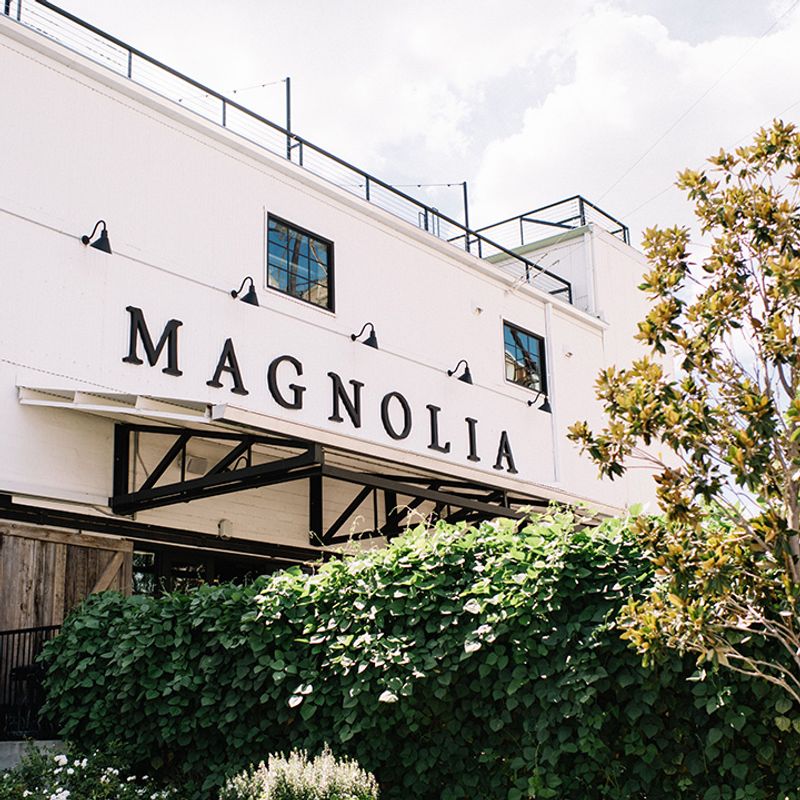
Chip and Joanna Gaines turned two old grain silos into a retail empire that draws massive crowds to Waco, but locals wonder what all the fuss is about. The market sells overpriced home decor and branded merchandise that you could find cheaper elsewhere. Most items feature the Magnolia logo prominently, so you’re basically paying premium prices to advertise someone else’s brand in your own home.
The crowds are absolutely relentless, especially on weekends when parking becomes a competitive sport. You’ll circle the lots multiple times before giving up and parking several blocks away. Once inside, you’ll navigate through packed aisles of shoppers clutching wire baskets full of throw pillows and candles, all trying to recreate the farmhouse aesthetic they saw on television.
The food trucks and bakery offer decent snacks, but the lines stretch forever and prices reflect the captive audience. A simple cupcake costs more than a full meal at many local Waco restaurants. The outdoor lawn area provides some breathing room, but it’s usually filled with families staging photo shoots for social media rather than actually relaxing.
Waco has a rich history beyond reality television, including interesting museums, beautiful riverside parks, and local businesses that have served the community for generations. These places offer genuine Texas character without the manufactured nostalgia and celebrity markup. You’ll actually interact with locals and experience the city’s real personality rather than a carefully branded shopping experience.
The Magnolia phenomenon has certainly boosted Waco’s economy, but it’s created a tourist bubble that doesn’t represent authentic life in Central Texas. Residents shop at normal stores and eat at family-owned restaurants that don’t require hour-long waits or premium prices. If you want farmhouse decor, plenty of antique shops and flea markets across Texas offer unique finds without the celebrity tax or overwhelming crowds that make the Magnolia experience more exhausting than enjoyable for anyone seeking genuine discovery.
5. Galveston Beach (Galveston)
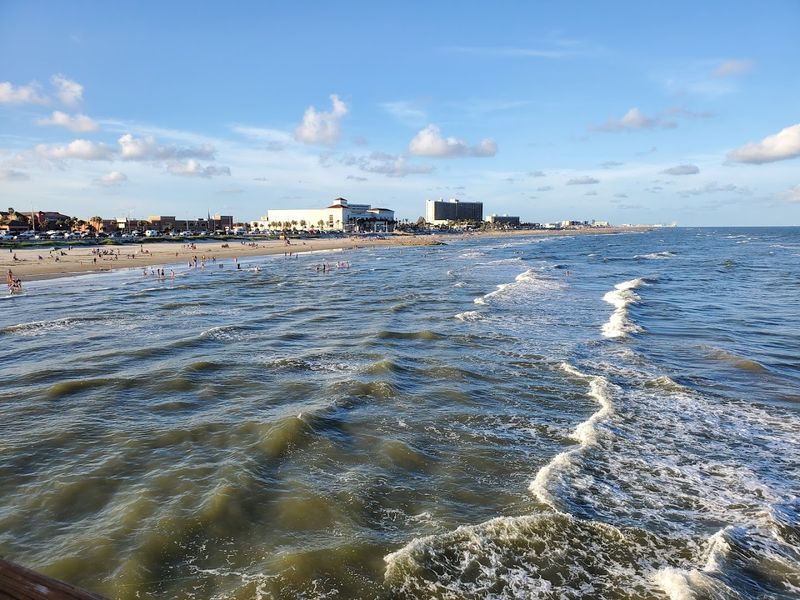
Pictures of Galveston Beach often get filtered and edited to look like a tropical paradise, but the reality involves murky brown water and seaweed-covered sand. The Gulf waters here carry sediment from the Mississippi River, creating a muddy appearance that shocks first-time visitors expecting Caribbean-blue waves. Locals know that Texas has beach access, but calling it beautiful requires some serious imagination.
The sand itself is coarse and littered with debris, from broken shells to plastic trash that washes ashore constantly. Walking barefoot means watching every step to avoid stepping on something sharp or unpleasant. The water temperature can be nice, but visibility is basically zero, so swimming feels like wading through chocolate milk while hoping you don’t bump into anything unexpected.
Weekends bring massive crowds from Houston, turning the beach into a packed parking lot of umbrellas, coolers, and portable speakers all competing for space. Finding a clean bathroom or shower requires a long walk, and most facilities show their age. The historic seawall provides some charm, but the beach experience itself falls far short of what most people imagine when they think of coastal getaways.
Texans who want actual beach vacations drive to South Padre Island, where the water runs clearer and the sand feels softer. Some even head to the Florida Panhandle or other Gulf Coast destinations that offer better quality shorelines. Galveston works fine for a quick day trip if your expectations are properly calibrated, but planning a serious beach vacation here usually leads to disappointment.
The island has other attractions worth visiting, including historic architecture, good seafood restaurants, and interesting museums. The beach itself, however, remains the weakest part of Galveston’s tourism appeal. Locals enjoy it for convenience and nostalgia, but they’re not pretending it compares to actual resort-quality beaches.
If you visit Galveston, focus on the history and culture rather than expecting a postcard-perfect beach experience that simply doesn’t exist on this stretch of Texas coastline.
6. Space Center Houston (Houston)
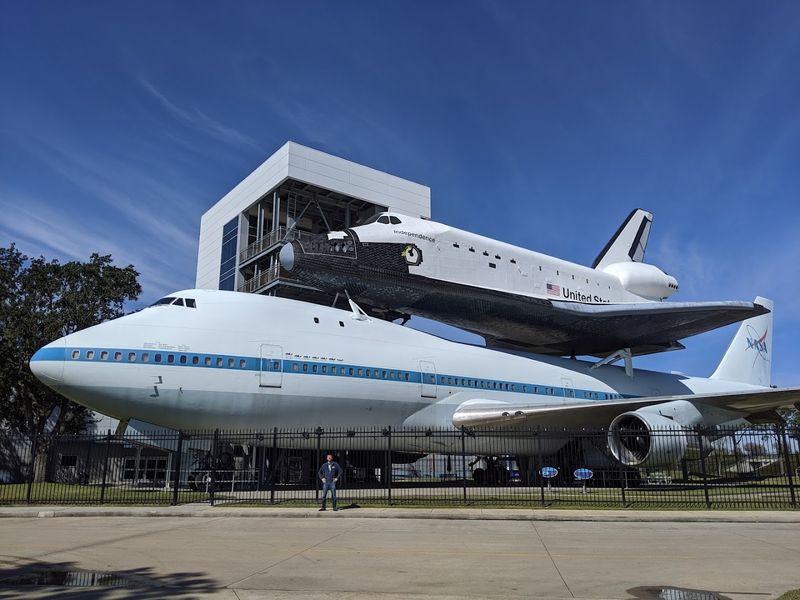
NASA’s visitor center sounds incredible in theory, but the reality involves expensive admission, long lines, and exhibits that haven’t been updated in years. You’ll pay premium prices to see the same displays and videos that were cutting-edge in the 1990s but now feel dated compared to what you can watch free on YouTube. The tram tour to see actual NASA facilities takes hours when you factor in waiting and transit time.
Kids might enjoy the space shuttle replica and interactive displays, but adults often leave feeling underwhelmed by the experience. The center feels more like a museum gift shop with some exhibits attached rather than a comprehensive space exploration experience. Much of the information presented can be learned faster and cheaper through documentaries or online resources that offer better visuals and more current information.
The tram tour represents the highlight for most visitors, offering glimpses of real NASA buildings and historic mission control. However, you’re viewing everything from a distance through bus windows while listening to recorded narration. You can’t actually enter most buildings or get close to the really interesting equipment.
The whole experience feels carefully sanitized and controlled rather than offering genuine behind-the-scenes access.
Houston residents rarely visit unless they’re entertaining guests from out of town who specifically request it. The admission price keeps climbing while the exhibits stay largely the same. You’ll spend half your visit in gift shops and cafeterias that charge airport prices for basic food and drinks.
The center is located far from downtown Houston, requiring a significant drive through industrial areas to reach.
If you’re genuinely passionate about space exploration, you might find enough value to justify the cost and time investment. For casual visitors hoping for an inspiring day, the experience often falls flat compared to expectations built up by marketing materials. Many Texas families find better educational value and entertainment at Houston’s free museums or spending the same money on other attractions that offer more engaging, updated experiences without the dated presentation style.
7. Cadillac Ranch (Amarillo)
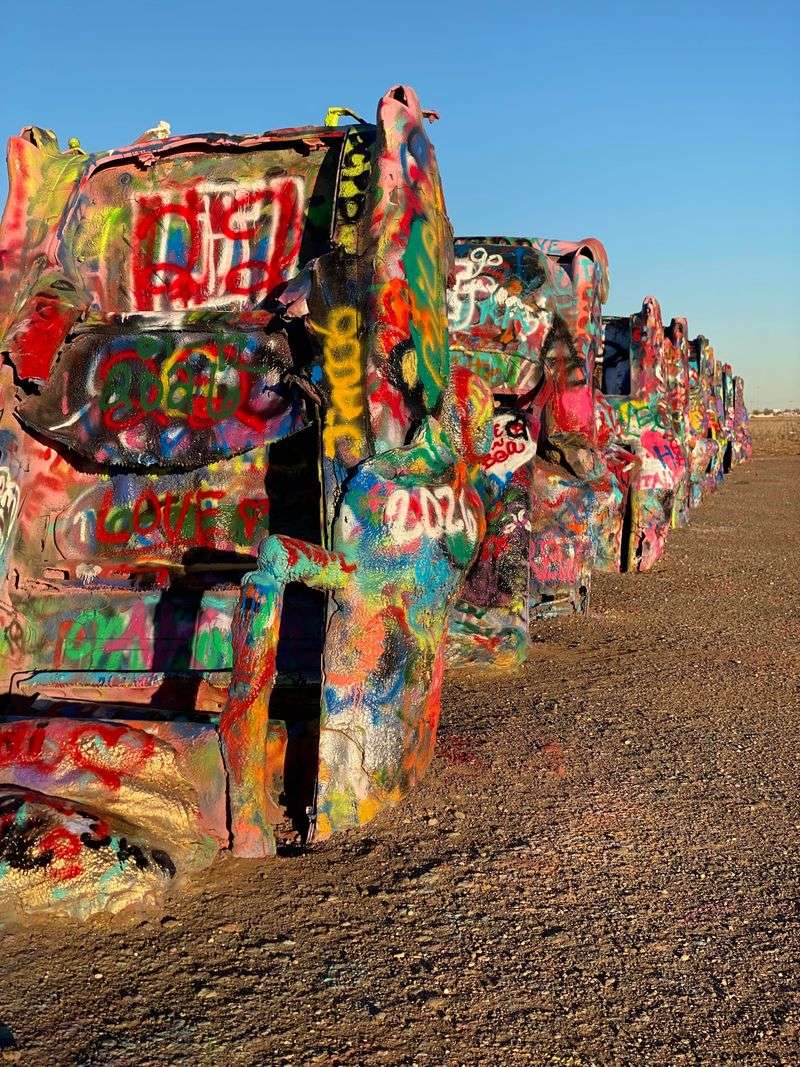
Ten Cadillacs buried nose-down in a field sounds quirky and photo-worthy, but the reality is a dusty roadside stop that takes about ten minutes to experience fully. You’ll pull off Interstate 40, walk across a muddy field, and see exactly what you expected: old cars covered in layers of spray paint. Locals drive past it daily without giving it a second thought.
The installation was interesting when it first appeared in 1974, but decades of tourists spraying graffiti have created a chaotic mess rather than meaningful art. Every surface is covered multiple times over, so your contribution will be painted over within hours by the next visitors. The ground around the cars is littered with empty spray paint cans, creating an environmental eyesore that contrasts sharply with the wide Texas plains surrounding it.
Taking photos requires maneuvering around other tourists doing the same thing, all trying to capture the same angle that thousands before them have already posted online. The experience lacks depth or meaning beyond checking a box on a Route 66 road trip itinerary. You can’t actually go inside the cars, and there’s nothing else to do at the site except stand there and wonder what the big deal is.
Amarillo has more interesting attractions that actually reflect Texas Panhandle culture and history, including genuine cowboy heritage sites and natural areas. The Palo Duro Canyon, just south of town, offers stunning landscapes and outdoor activities that provide hours of enjoyment rather than ten minutes of confused standing in a field. Real Texans skip Cadillac Ranch and head straight to places with actual substance.
If you happen to be driving past on I-40 and need a stretch break, stopping for a quick look won’t hurt anything. But planning a special trip or spending significant time here doesn’t make sense when you could be experiencing authentic Texas landscapes and culture instead. The installation has become more about tourist selfies than artistic expression, losing whatever countercultural meaning it originally possessed decades ago.
8. Kemah Boardwalk (Kemah)
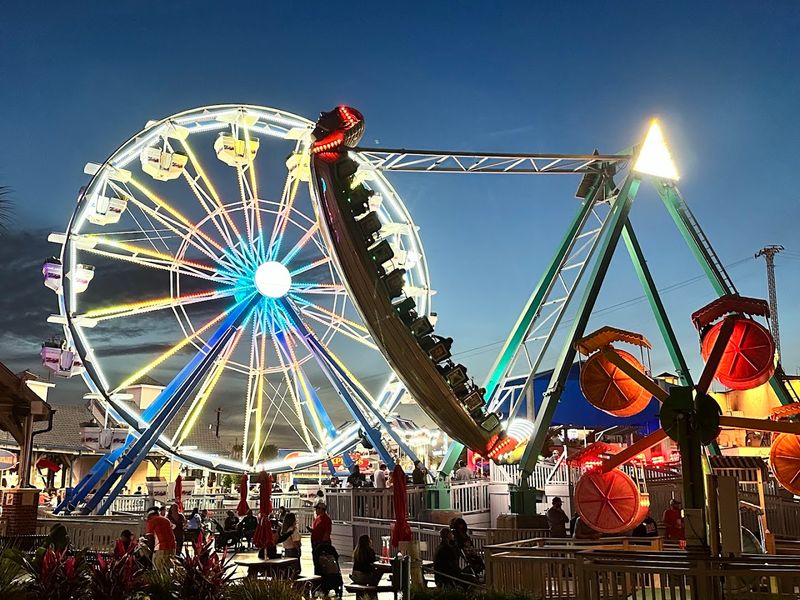
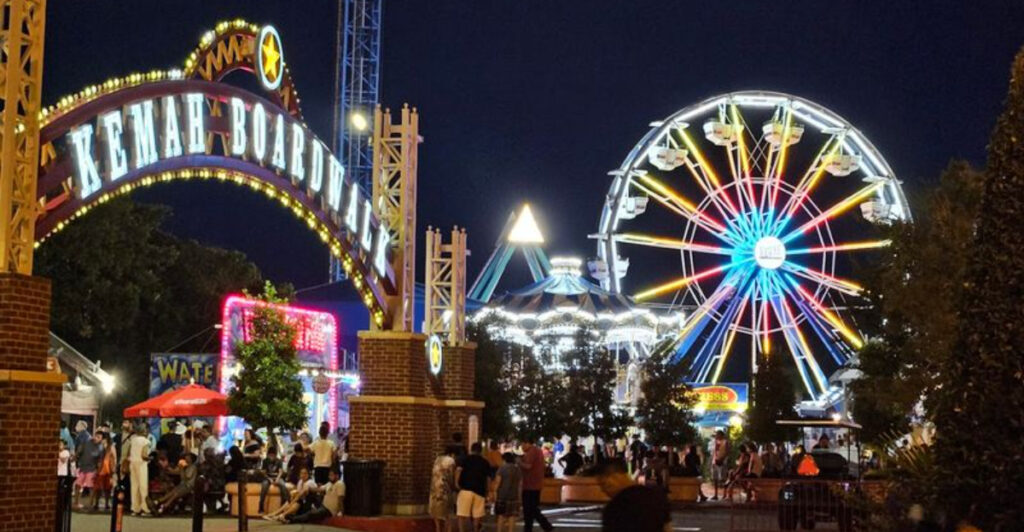
This waterfront entertainment complex markets itself as a charming coastal destination, but it’s really just a small amusement park with overpriced restaurants attached. The rides are basic carnival attractions that you’d find at any county fair, except here they charge theme park prices. Locals know you’re paying premium dollars for a mediocre experience that could be replicated anywhere in America.
The restaurants along the boardwalk serve uninspired seafood at tourist-trap prices while offering views of a marina filled with boats you can’t touch. Every menu features the same fried shrimp, fish tacos, and burgers that you could get better and cheaper at dozens of Houston-area restaurants. The atmosphere feels manufactured and corporate rather than reflecting genuine Texas Gulf Coast character or culture.
Parking costs extra, and the boardwalk itself gets uncomfortably crowded on nice weekends. You’ll navigate through slow-moving masses of families while arcade games and ride operators compete for attention with loud music and flashing lights. The whole experience feels exhausting rather than relaxing, more like a shopping mall with carnival rides than an authentic coastal destination.
The area around Kemah offers actual marina experiences, local seafood joints, and water activities that provide better value and more authentic Gulf Coast vibes. Clear Lake nearby has sailing opportunities and genuine boating culture. Galveston, despite its own tourist traps, at least offers real beach access and historic character that Kemah’s manufactured boardwalk can’t match.
Houston-area residents might bring visiting relatives here once, but they don’t return regularly because the value proposition doesn’t hold up. You’ll spend a fortune for experiences that feel generic and forgettable. The boardwalk works fine if you need to entertain young kids for a few hours, but calling it a destination attraction stretches the truth considerably.
Most Texans would rather spend their money and time on genuine coastal experiences that offer authentic character rather than this corporate entertainment complex that could exist anywhere and offers nothing uniquely Texas beyond its location on a map.
9. Southfork Ranch (Parker)
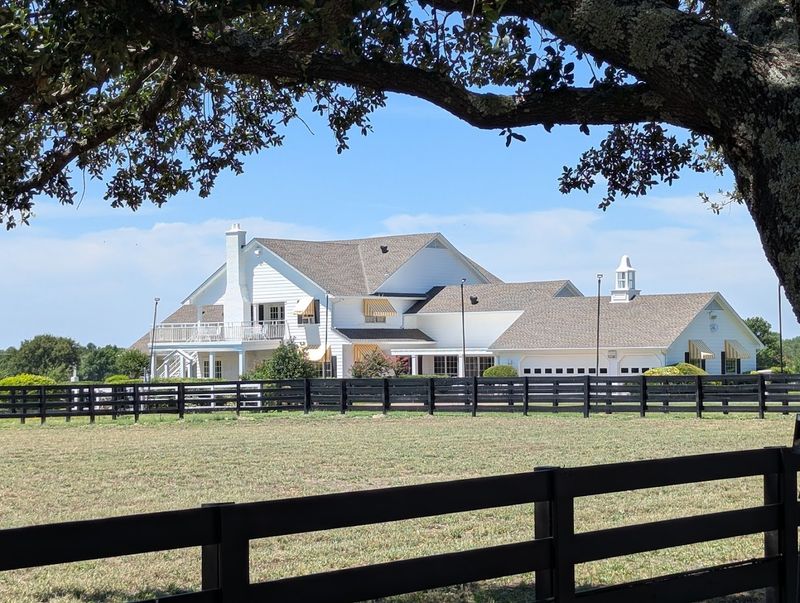
Unless you’re a die-hard Dallas television show fan, touring the mansion where a 1980s soap opera was filmed doesn’t offer much excitement. The ranch itself is pretty but unremarkable by Texas standards, and the house interior feels frozen in time with dated decor that reflects the show’s era rather than genuine Texas ranch heritage. Younger visitors who never watched the series feel completely lost about why this place matters.
The guided tour takes you through rooms where scenes were filmed, but you’re basically looking at empty spaces while listening to trivia about fictional characters. The whole experience assumes you have deep knowledge of and nostalgia for a show that ended decades ago. Even fans sometimes leave feeling underwhelmed because the reality of a television set doesn’t live up to memories of the show’s drama.
The admission price feels steep for what amounts to walking through someone’s house and looking at old photographs. The gift shop sells Dallas memorabilia that appeals to a very specific demographic. The grounds are nice for photos, but you can see equally impressive Texas ranches and mansions throughout the state without the television show gimmick attached.
North Texas has genuine historic ranches, beautiful countryside, and authentic cowboy culture that tells real stories about Texas heritage. These places offer meaningful connections to actual history rather than fictional television narratives. The Fort Worth Stockyards, despite their own tourist elements, at least showcase real cattle industry history rather than Hollywood fantasy.
Locals avoid Southfork unless they’re entertaining older relatives who loved the show and insist on visiting. The ranch represents a very specific moment in television history that doesn’t resonate with most modern visitors. The experience feels like visiting a time capsule that’s interesting for about twenty minutes before you run out of things to look at or discuss.
Most Texans would rather experience authentic ranch culture or explore places with genuine historical significance rather than touring a location famous primarily for being a television set where actors pretended to be wealthy oil barons forty years ago.
10. Fort Worth Stockyards (Fort Worth)
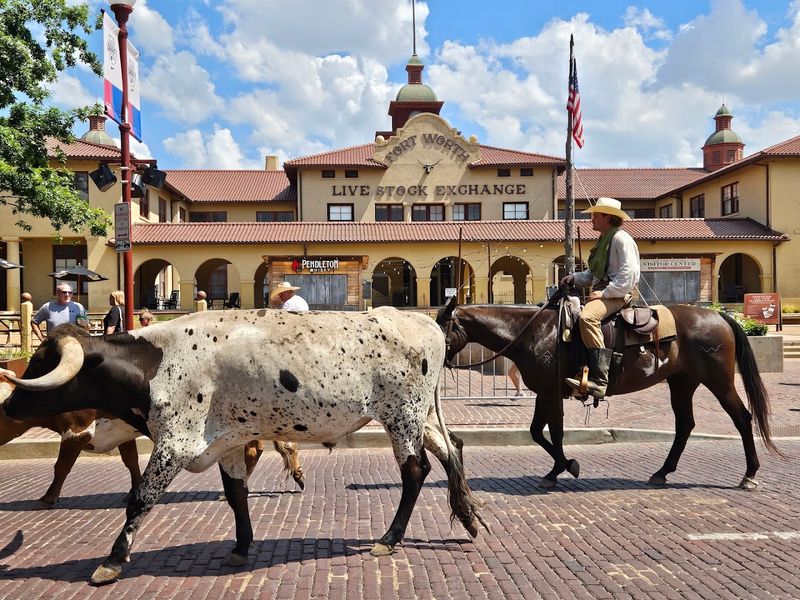
The twice-daily cattle drive sounds authentic until you realize it’s a staged show with the same dozen longhorns walking the same three-block route for tourist cameras. The whole area has been transformed into a Western-themed shopping district where everything costs more and feels less genuine than actual Texas ranch culture. Locals know real cowboy heritage exists in Fort Worth, but not in this commercialized entertainment zone.
Every storefront sells similar Western wear, boot shops, and souvenir stands aimed squarely at visitors rather than actual ranchers or cowboys. The restaurants serve Tex-Mex and barbecue at inflated prices while servers wear costumes that feel more like Halloween than working ranch attire. You’ll pay premium dollars for food that’s decent but not exceptional, surrounded by decor that screams tourist trap.
The honky-tonks and bars attract crowds looking for a country music experience, but the atmosphere feels manufactured rather than organic. Real Texas dance halls exist throughout the state where actual locals go to two-step and socialize without the tourist circus. The Stockyards version feels like a theme park interpretation of Texas culture rather than the genuine article.
Fort Worth has incredible museums, beautiful parks, and authentic neighborhoods that showcase real Texas character without the manufactured Western shtick. The Modern Art Museum, Kimbell Art Museum, and Fort Worth Zoo all offer world-class experiences. The city’s actual history includes significant contributions to aviation, oil, and culture beyond the cattle industry stereotype.
Sure, the Stockyards have historical significance, and the National Cowgirl Museum nearby offers legitimate educational value. But the main tourist corridor has become so commercialized that whatever authenticity once existed has been buried under layers of gift shops and staged performances. Most Fort Worth residents avoid the area entirely except when showing visitors what they expect to see.
If you want genuine Texas ranch culture, visit working ranches, attend real rodeos, or explore the state’s many authentic small towns where cowboy heritage remains part of daily life rather than a performance scheduled twice daily for tourist cameras and wallets.
11. Congress Avenue Bridge Bat Colony (Austin)
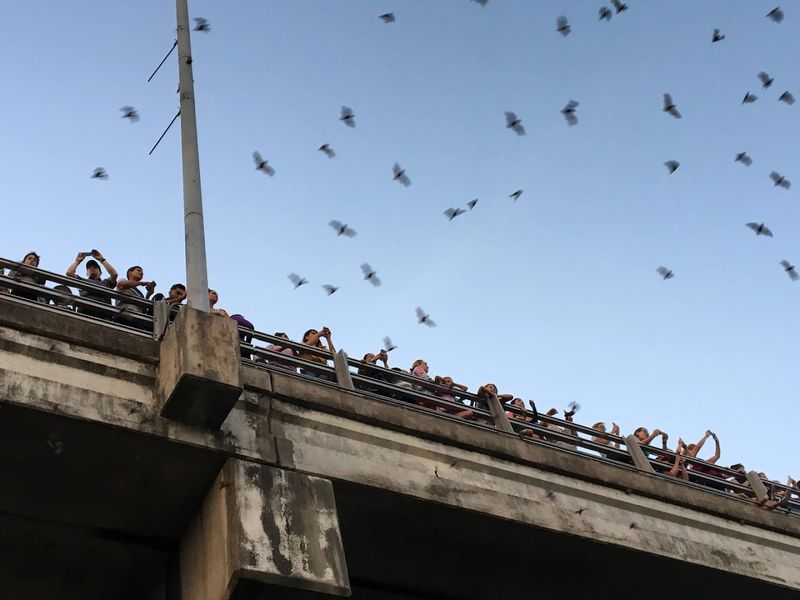
Every summer evening, crowds gather to watch thousands of bats emerge from under a downtown bridge, but the reality rarely matches the hype. You’ll arrive early to claim a viewing spot, wait in the heat while fighting mosquitoes, and then watch small black dots fly out at dusk. The whole spectacle lasts maybe fifteen minutes, and from ground level, the bats look more like dark clouds than the dramatic wildlife experience promotional materials suggest.
The best viewing spots fill up fast, leaving latecomers stuck watching from bad angles or through the shoulders of other tourists. Parking near the bridge is nearly impossible, and the surrounding area gets congested with people jockeying for position. Some visitors rent kayaks or take boat tours to watch from the water, but that adds significant cost to seeing something that happens free in nature throughout rural Texas.
The bats themselves are Mexican free-tailed bats doing what bats do: leaving their roost to hunt insects. They’re not performing for crowds or doing anything particularly special beyond existing in large numbers. You could see bats emerging from caves and bridges throughout Texas without the urban crowds and parking hassles that come with the Austin experience.
Austin residents might have watched the bats once out of curiosity but don’t make it a regular activity. The phenomenon has become more about the social media photo opportunity than genuine wildlife appreciation. You’ll spend more time dealing with logistics and crowds than actually observing nature, which defeats the purpose of a wildlife viewing experience.
If you happen to be downtown anyway and the timing works out, glancing at the bats won’t hurt anything. But planning your evening around it or making a special trip doesn’t make sense when Austin offers better entertainment options and Texas has more impressive natural attractions. The bat colony represents Austin’s quirky reputation, but the actual experience often leaves visitors wondering what they just waited an hour to see.
Most locals suggest skipping the crowds and enjoying Austin’s live music scene, excellent restaurants, or beautiful parks instead of standing on a bridge watching dots in the sky.
Share this story