Texas gets talked about a lot, and some places in the Lone Star State seem to pop up on every travel list you see. You might wonder if these famous spots are really worth all the attention or if they’re just tourist traps with good marketing. The truth is, some destinations manage to exceed even the wildest expectations, delivering experiences that justify every bit of buzz they receive.
Here are eleven Texas locations that prove sometimes the hype is completely deserved.
1. Marfa
Out in the middle of the West Texas desert sits a tiny town that somehow became one of the coolest art destinations in America. Marfa doesn’t make sense on paper—it’s hours from any major city, surrounded by nothing but wide-open desert and distant mountains. Yet artists, celebrities, and curious travelers make the pilgrimage to this quirky spot year after year.
The famous Prada Marfa installation gets all the Instagram attention, but that’s honestly just the beginning. The real magic happens when you wander through the Chinati Foundation, where massive art installations fill old military buildings. Donald Judd transformed this former army post into an outdoor museum that challenges everything you thought art could be.
Downtown Marfa feels like stepping into a movie set, with historic buildings housing eclectic galleries, boutique hotels, and surprisingly good restaurants. Food Shark serves Mediterranean food from a truck that’s become legendary among locals and visitors alike. At night, some people drive out to hunt for the mysterious Marfa Lights—unexplained glowing orbs that dance across the horizon.
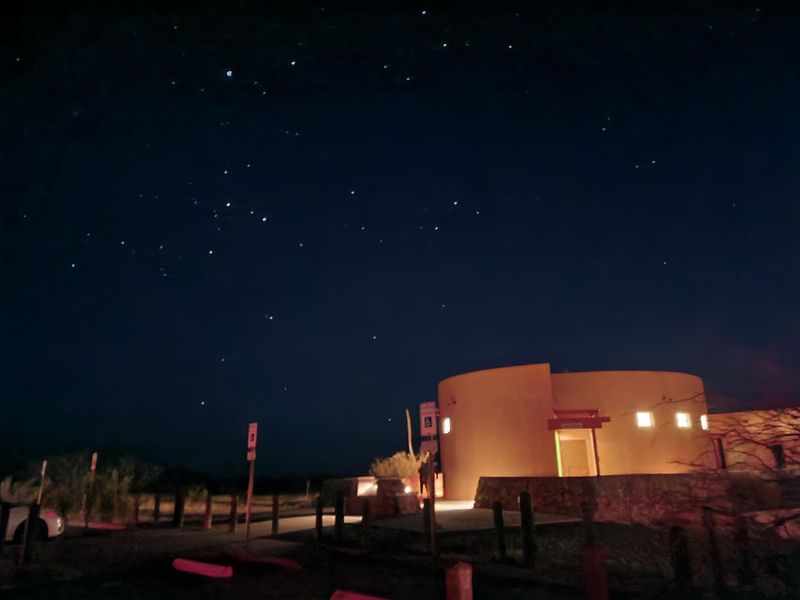
The sunsets here paint the desert in colors that don’t seem real, and the stargazing rivals anywhere in the country. With virtually no light pollution, the Milky Way stretches across the sky in a display that makes you understand why people drive hundreds of miles for this view.
Marfa works because it never tries too hard. There’s no theme park version of authenticity here—just genuine weirdness, world-class art, and a community that embraces being different. The town attracts creative types who appreciate that not everything needs to be convenient or easy to access.
Sometimes the journey to the middle of nowhere reveals exactly what you didn’t know you were looking for.
2. The Alamo
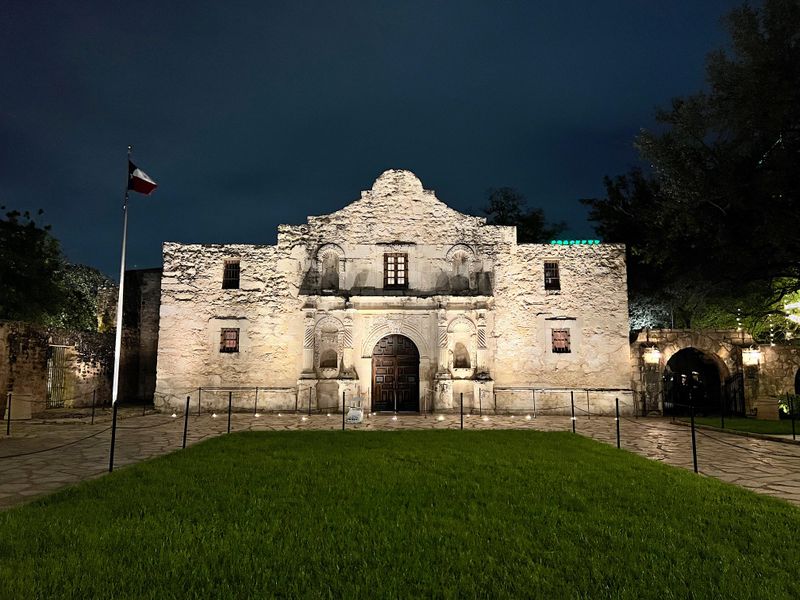
Every Texas kid grows up hearing “Remember the Alamo,” and when you finally stand in front of this Spanish mission, the weight of that history hits differently than any textbook could convey. The modest stone building sits right in the heart of downtown San Antonio, surrounded by modern skyscrapers that make the contrast even more striking. You expect something grand and imposing, but the Alamo’s power comes from its humble appearance.
Walking through the actual mission where 189 defenders held out against thousands of Mexican troops for thirteen days gives you chills. The thick limestone walls still stand, and you can almost hear the echoes of that desperate battle. Davy Crockett, Jim Bowie, and William B.
Travis became legends here, and their sacrifice shaped Texas identity forever.
The site includes beautiful gardens and several other historic buildings beyond the main chapel. The Long Barrack Museum displays artifacts from the battle, including weapons, personal items, and letters that make the people who fought here feel real rather than mythical. Rangers and volunteers share stories that bring 1836 to vivid life.
Critics sometimes dismiss the Alamo as too touristy or too small to justify the hype. They’re missing the point entirely. This isn’t about size or spectacle—it’s about standing where ordinary people made an extraordinary choice.
The surrounding area has been commercialized, sure, but step inside those mission walls and the noise fades away.
Recent restoration efforts have worked to tell more complete stories, including the Tejano defenders who fought alongside the Anglo settlers. The Alamo represents complicated history, not simple hero worship. That complexity makes it more relevant, not less.
Sometimes a small building holds stories big enough to define an entire state’s character and spirit.
3. Big Bend National Park
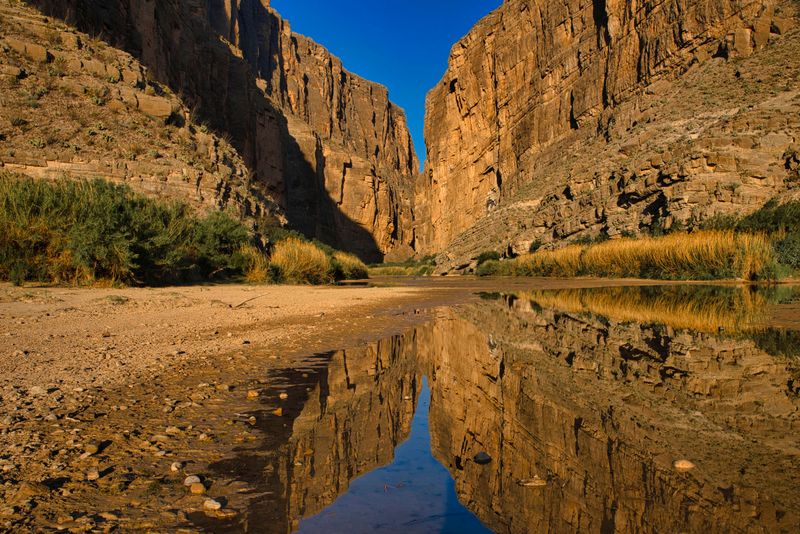
When people picture Texas, they usually imagine flat prairies or oil fields, not one of the most spectacular national parks in America. Big Bend sits in the far southwestern corner of the state, where the Rio Grande takes a dramatic turn and creates landscapes that look like they belong on another planet. This place is massive—over 800,000 acres of desert, mountains, and river canyons.
The Chisos Mountains rise from the desert floor like a mirage, offering hiking trails that range from easy walks to challenging backcountry adventures. The Window Trail takes you to a natural stone frame that perfectly captures the desert sunset. More ambitious hikers tackle the South Rim, where views stretch across Mexico and seem to go on forever.
Down by the river, Santa Elena Canyon towers above you with 1,500-foot limestone walls that make you feel wonderfully small. Paddling through this canyon on a kayak or raft ranks among the most peaceful experiences you’ll find anywhere. The water flows quietly, birds call from the cliffs, and civilization feels very far away.
Big Bend earned designation as an International Dark Sky Park, meaning the stargazing here competes with anywhere on Earth. On moonless nights, the Milky Way blazes so bright you can read by starlight. Thousands of stars appear that you never knew existed from city skies.
The park supports an incredible diversity of life despite the harsh conditions. You might spot roadrunners, javelinas, or even black bears in the Chisos. Over 450 bird species have been recorded here, making it a paradise for birdwatchers.
Spring brings wildflowers that transform the desert into unexpected gardens of color and beauty that contradict every desert stereotype you’ve ever heard.
4. Dallas Arts District
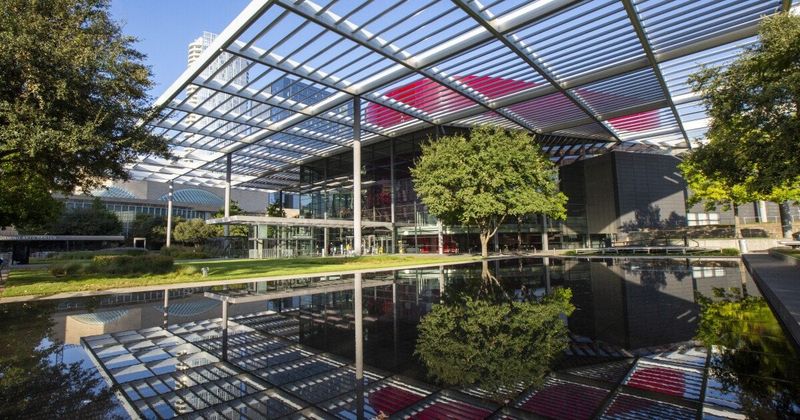
Dallas doesn’t always get credit for culture, but the Arts District proves the city takes creativity seriously. Spanning 68 acres in downtown, this is the largest urban arts district in the nation. World-class museums, performance venues, and public art installations fill nineteen blocks with enough culture to satisfy the pickiest art lover.
The Dallas Museum of Art houses over 24,000 works spanning 5,000 years of human creativity. You can explore ancient Egyptian artifacts, contemporary installations, and everything between without spending a dime—general admission is free. Next door, the Nasher Sculpture Center displays masterpieces by Rodin, Picasso, and Giacometti in a stunning building designed by Renzo Piano.
Architecture enthusiasts freak out over the buildings themselves. The Winspear Opera House and Wyly Theatre, both designed by Norman Foster and REX/OMA respectively, push boundaries with their innovative designs. The Meyerson Symphony Center, designed by I.M.
Pei, delivers acoustics so perfect that musicians from around the world request to perform there.
Public spaces between the buildings invite you to linger rather than rush through. Klyde Warren Park connects the district to uptown with a deck park built over a freeway. Food trucks, free yoga classes, and outdoor concerts create a community gathering spot that feels nothing like the formal museum experience you might expect.
Evening brings the district to life with performances ranging from opera to experimental theater. The AT&T Performing Arts Center hosts Broadway tours, ballet, and concerts across its four venues. You can catch world-class entertainment without the New York or Los Angeles price tags or attitudes that sometimes accompany big-city cultural scenes in other parts of the country.
5. Fort Worth Stockyards
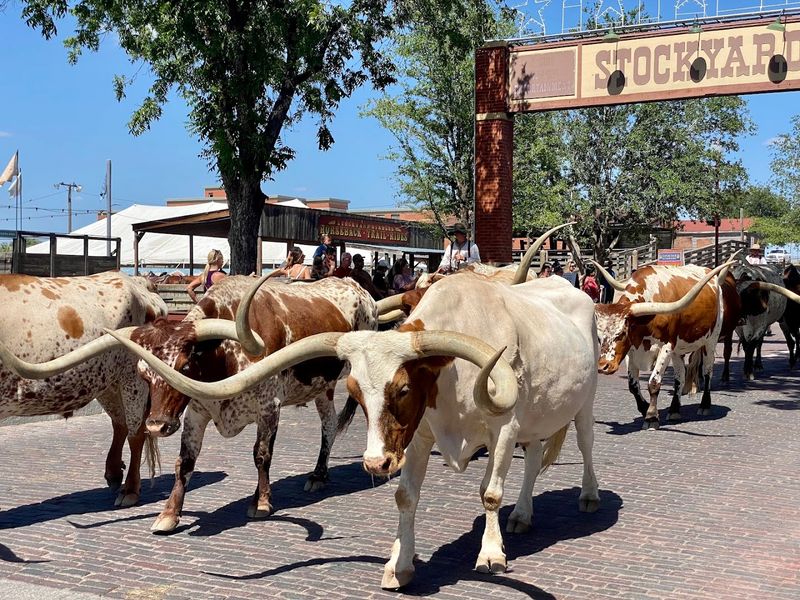
Twice daily, real longhorn cattle walk down Exchange Avenue in the middle of Fort Worth, and somehow this isn’t a cheesy tourist gimmick. The Stockyards National Historic District preserves authentic Old West heritage in a way that feels genuine rather than manufactured. This was once the livestock marketing center of the Southwest, and that history still pulses through every weathered brick and wooden boardwalk.
The cattle drives happen at 11:30 a.m. and 4 p.m., when drovers in period dress guide a dozen longhorns down the street. Kids absolutely love it, but adults get just as excited watching these magnificent animals with their impressive horns stroll past saloons and western shops. It’s a living connection to the cowboy past that shaped Texas identity.
Beyond the cattle, the Stockyards offers honky-tonks where real cowboys drink alongside tourists, and nobody seems to mind the mix. Billy Bob’s Texas claims to be the world’s largest honky-tonk, and with 100,000 square feet of space, that’s probably not an exaggeration. Live music plays nightly, and you can try your skills on mechanical bulls or watch professional bull riding on weekends.
The Cowtown Coliseum hosts rodeos every weekend, featuring events like bull riding, barrel racing, and calf roping. These aren’t performances—they’re actual competitions with real prize money and athletes who grew up in the saddle. The energy in the arena gets your adrenaline pumping even if you’ve never cared about rodeo before.
Shopping runs from touristy western wear to legitimate custom boot makers who’ve been crafting footwear for generations. You can watch saddle makers work leather using techniques passed down through families. Restaurants serve steaks from cattle that might have walked these same pens decades ago, completing the circle in the most Texas way possible.
6. Galveston Island
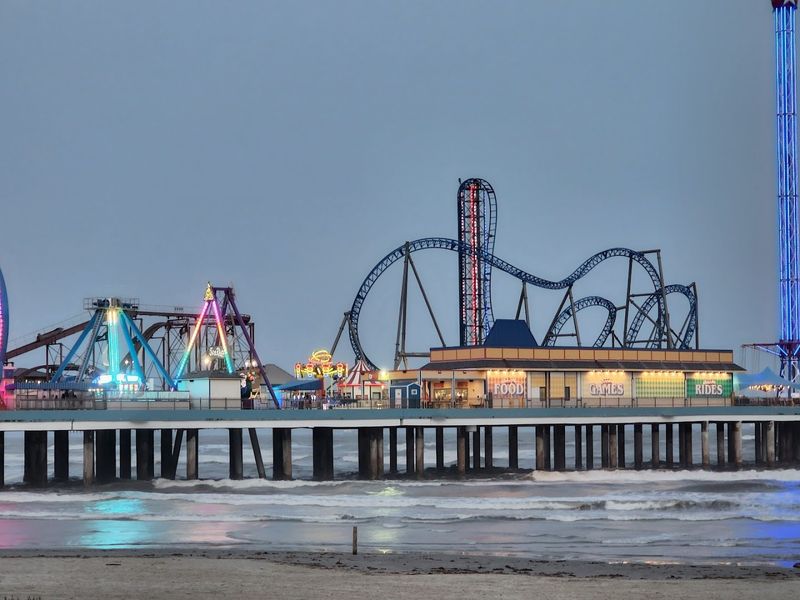
Houston’s beach escape delivers way more personality than most Gulf Coast destinations. Galveston combines 32 miles of beaches with Victorian architecture, fascinating history, and a slightly quirky vibe that keeps things interesting. The island has survived devastating hurricanes, served as a pirate haven, and once ranked as the wealthiest city in Texas—and all that history shows in the best possible ways.
The Strand Historic District transports you back to the 1800s with beautifully restored buildings housing galleries, restaurants, and shops. These aren’t reproduction structures—they’re the real deal, survivors of the 1900 hurricane that nearly wiped the island off the map. Walking these streets feels like time travel, especially during Dickens on the Strand when the entire district transforms into Victorian London.
Beach life here differs from the typical resort experience. Sure, you can rent umbrellas and build sandcastles, but you’ll also find locals fishing off jetties, families having crawfish boils in beach parking lots, and a laid-back atmosphere that never takes itself too seriously. Stewart Beach offers amenities for families, while East Beach attracts a younger, more party-oriented crowd.
The Pleasure Pier extends over the Gulf with rides, games, and fried food that embodies classic American boardwalk culture. Riding the Ferris wheel at sunset, watching the water turn gold and pink, ranks among the most romantic moments you can experience on the Texas coast. Below the pier, dolphins often swim past, adding natural magic to the manufactured fun.
History buffs geek out over attractions like the 1877 Tall Ship Elissa, the Ocean Star Offshore Drilling Rig Museum, and Moody Mansion. The island played crucial roles in Texas independence, the Civil War, and the development of the oil industry. Every corner seems to have another story waiting to be discovered by curious visitors.
7. Austin
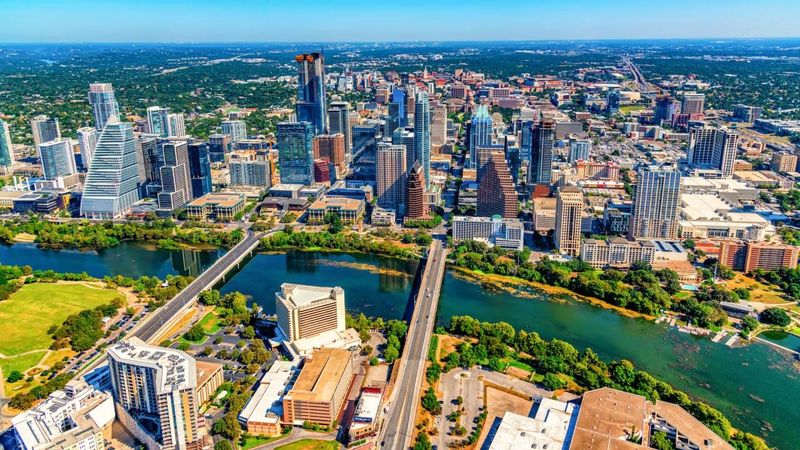
Yeah, Austin gets hyped constantly, and yes, locals complain about how much it’s changed. But here’s the thing—the city still delivers on its promises of weird culture, incredible music, and outdoor adventures that bigger cities can’t match. The live music capital of the world title isn’t just marketing; it’s a nightly reality across hundreds of venues.
Sixth Street gets all the attention, but the real music magic happens in smaller venues across East Austin, South Congress, and the Red River Cultural District. Legendary spots like the Continental Club, Antone’s, and Stubb’s BBQ host everyone from up-and-coming locals to international touring acts. On any given night, you might stumble into a performance that becomes a story you tell for years.
The food scene rivals any major city, with taco trucks, barbecue joints, and innovative restaurants pushing boundaries while respecting tradition. Franklin Barbecue earned its reputation through quality, not hype—though the hours-long lines might suggest otherwise. Beyond barbecue, the city embraces every cuisine imaginable, from authentic Vietnamese to cutting-edge farm-to-table experiments.
Lady Bird Lake cuts through downtown, providing kayaking, paddleboarding, and hiking trails minutes from high-rises. The Barton Springs Pool maintains a constant 68-70 degrees year-round, fed by underground springs that create a swimming experience unlike anything else. On hot Texas days, diving into that cool water feels like instant salvation from the heat.
Street art and murals turn entire neighborhoods into outdoor galleries. The “I Love You So Much” wall, the “Greetings from Austin” mural, and hundreds of other pieces create Instagram moments, sure, but they also reflect genuine creative energy. Artists constantly add new works, keeping the visual landscape fresh and evolving in ways that resist becoming stale or predictable despite all the tourist attention these days.
8. Padre Island National Seashore
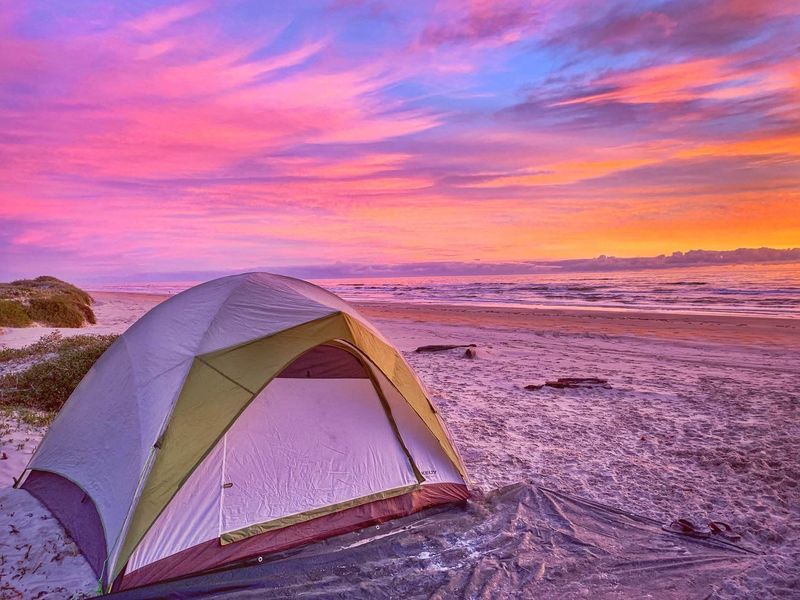
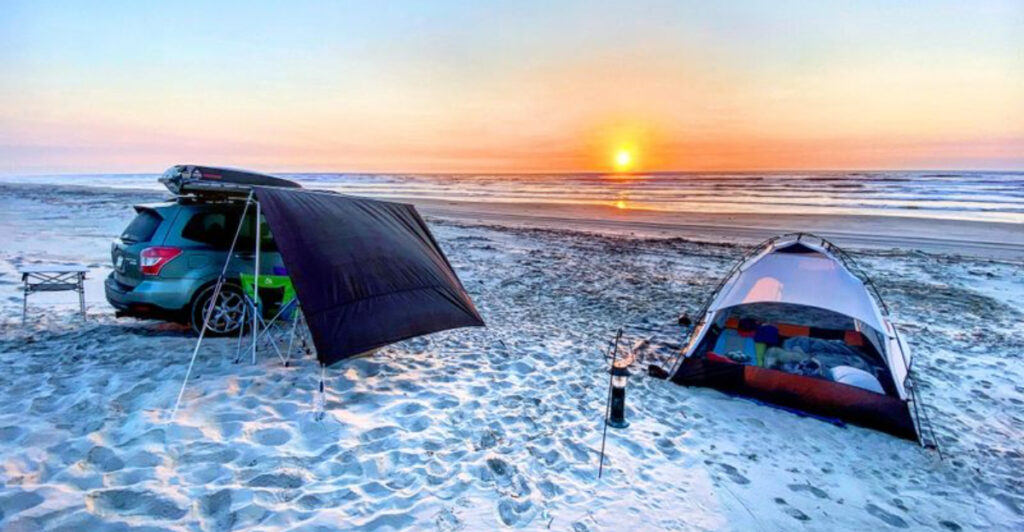
Forget the spring break chaos of South Padre—the National Seashore protects 70 miles of undeveloped barrier island that looks almost exactly as it did centuries ago. This is the longest stretch of undeveloped barrier island in the world, and that isolation creates an experience radically different from typical beach vacations. No hotels, no restaurants, no beach bars—just sand, surf, and wildlife.
The beach extends so far that you can drive for miles without seeing another person. Four-wheel drive vehicles can access remote stretches where sea turtles nest and shore birds hunt in the surf. The solitude feels almost spiritual, especially at sunrise when dolphins often swim parallel to the shore.
Sea turtle conservation efforts here have helped Kemp’s ridley sea turtles come back from the brink of extinction. During nesting season, you might witness baby turtles making their dramatic dash to the ocean, guided by park rangers who protect these endangered creatures. Watching these tiny animals begin their ocean journey creates memories that last lifetimes.
Bird Island Basin on the Laguna Madre side offers world-class windsurfing and kiteboarding. The shallow, warm water and consistent winds create ideal conditions for both beginners and experts. Kayakers explore grass flats where redfish and speckled trout cruise, and the birding rivals anywhere on the Gulf Coast.
Camping here means falling asleep to wave sounds and waking to unobstructed sunrise views over the Gulf. Basic facilities keep the experience rustic—this isn’t glamping. You haul in your own water, pack out your trash, and accept that nature sets the agenda.
Summer brings heat and mosquitoes, but spring and fall offer perfect conditions for those willing to rough it slightly in exchange for pristine coastal wilderness that feels increasingly rare.
9. San Antonio River Walk
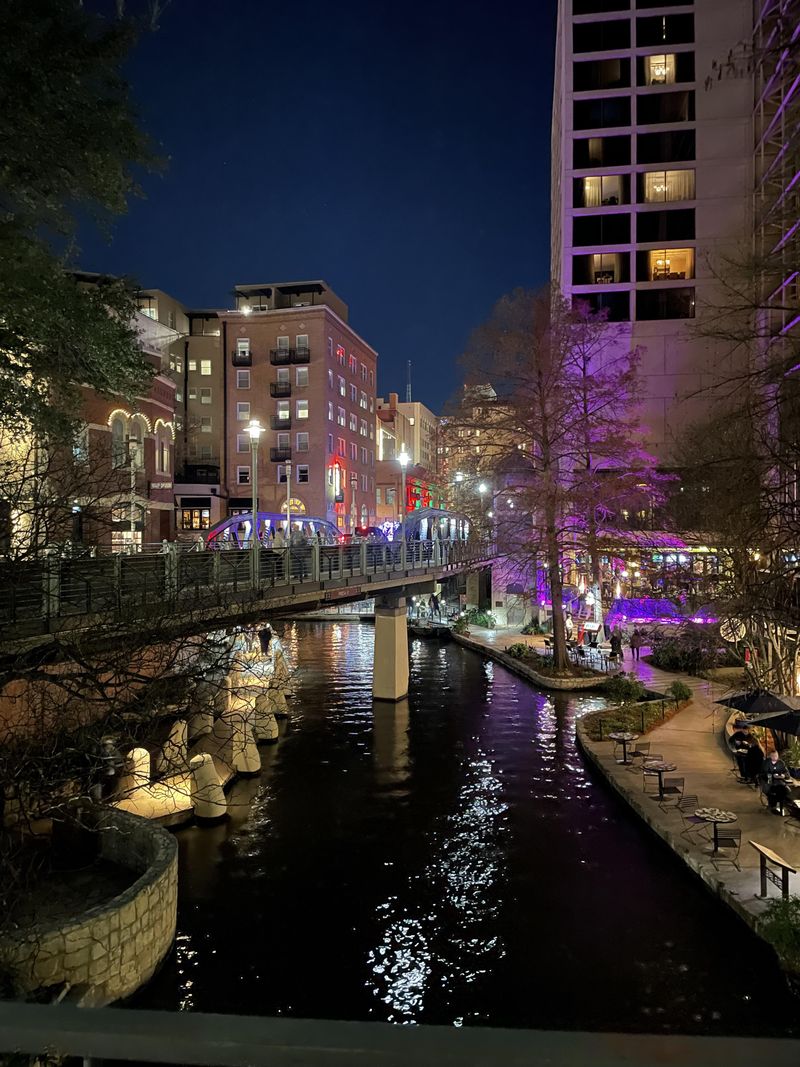
Walking below street level along a winding river through downtown San Antonio sounds like it could be a tourist trap, and parts of it definitely lean that direction. But the River Walk manages to be genuinely charming despite the crowds, offering a unique urban experience that works whether you’re a first-time visitor or a local looking for a nice dinner.
The main stretch thrums with activity—restaurants spill onto riverside patios, river barges cruise past carrying tourists, and mariachi bands serenade diners under umbrella-shaded tables. Cypress trees draped with twinkling lights create romance after dark. Yes, it’s touristy, but it’s also legitimately beautiful and well-executed in ways that justify the crowds.
Beyond the commercial section, the Museum Reach and Mission Reach extensions offer quieter experiences. These newer sections connect cultural attractions and historic missions through miles of peaceful pathways. Public art installations, native landscaping, and wildlife viewing opportunities make walking or biking these stretches feel more like a nature trail than an urban tourist attraction.
The river itself tells stories—it’s saved San Antonio from obscurity multiple times. In the 1920s, the city nearly paved it over, but preservationists fought to save and develop it instead. That decision transformed San Antonio’s economy and identity.
The Works Progress Administration built many of the stone bridges and walkways during the Depression, creating jobs while building infrastructure that still serves the city today.
Seasonal events transform the River Walk throughout the year. Fiesta in April brings floating parades and celebration. The holiday lights display in winter ranks among the best in Texas.
Even Dia de los Muertos celebrations along the river honor San Antonio’s deep Mexican-American heritage with altars, music, and art that feel authentic rather than appropriated for tourist consumption like in some other cities.
10. Guadalupe Mountains National Park
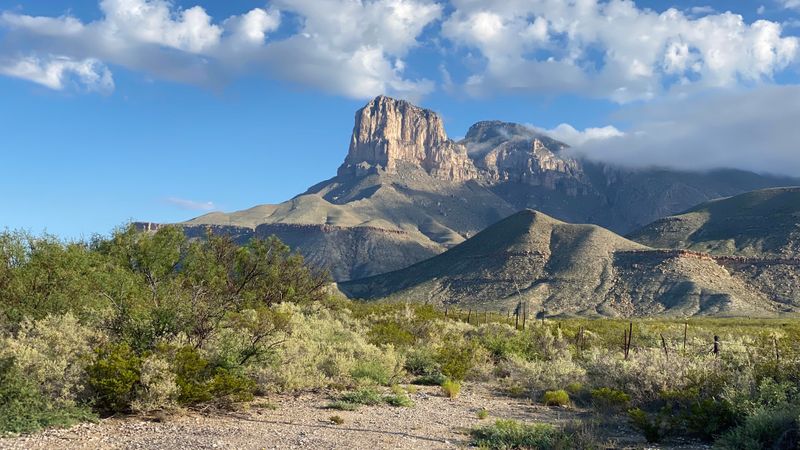
Most people have never heard of Texas’s other national park, which means Guadalupe Mountains offers spectacular scenery without Big Bend’s crowds. The park protects the highest peaks in Texas, an ancient fossil reef, and desert wilderness that challenges every preconception about what Texas landscapes can be. Guadalupe Peak rises to 8,751 feet, and the views from the summit stretch across two states.
The hike to Guadalupe Peak is tough—about 8.5 miles round trip with over 3,000 feet of elevation gain. But reaching the top of Texas creates a sense of accomplishment that easier trails can’t match. A silver pyramid marks the summit, and on clear days you can see across the salt flats to the west and the Chihuahuan Desert spreading in every direction.
McKittrick Canyon offers a completely different experience, especially in fall when bigtooth maples turn brilliant red and gold. This splash of autumn color in the middle of the desert seems impossible, but the protected canyon creates a microclimate that supports these deciduous trees. The stream flowing through the canyon attracts wildlife and creates an oasis atmosphere.
El Capitan, the park’s signature cliff face, rises 8,085 feet and served as a landmark for travelers crossing the desert for centuries. The sheer limestone wall catches sunrise and sunset light in ways that photographers dream about. Hiking around its base reveals fossils from the ancient Permian reef that formed here 265 million years ago.
The park sees relatively few visitors compared to other national parks, which means you can hike for hours without encountering another person. Night skies explode with stars, and the silence feels profound. No services exist within the park—you bring everything you need, and that self-sufficiency becomes part of the adventure in this remote corner of West Texas.
11. Houston Space Center
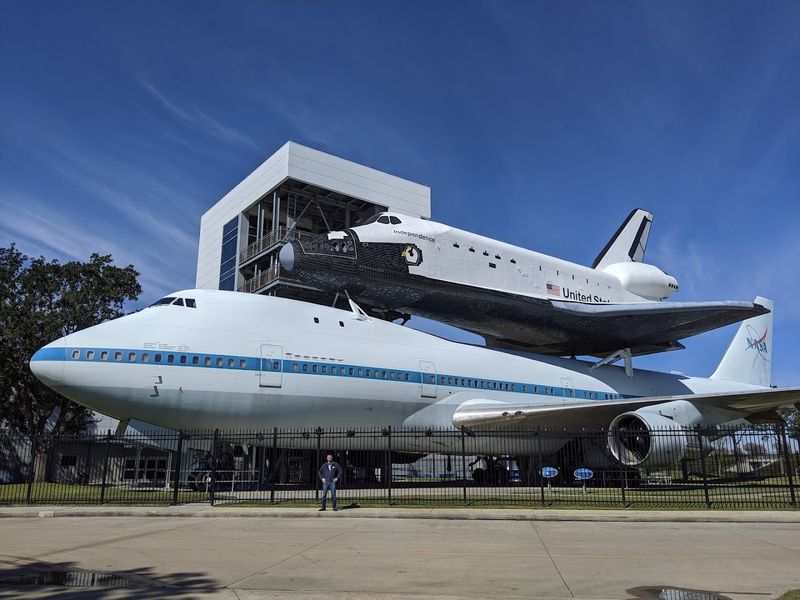
“Houston, we have a problem” became one of the most famous phrases in history, and visiting the place where mission control guided Apollo 13 safely home makes that history tangible. Space Center Houston serves as the official visitor center for NASA’s Johnson Space Center, where human spaceflight has been controlled since the Gemini program. Walking through these facilities connects you to every American space mission since the 1960s.
The Saturn V rocket lying horizontally in a climate-controlled building is absolutely massive—363 feet long and impossible to fully comprehend until you stand beneath it. This is actual flight hardware, not a replica. Engines that launched humans toward the moon now rest a few feet away, close enough to touch the history they made.
Tram tours take you into the working Johnson Space Center, where astronauts still train and mission control still operates. You can see the actual Apollo mission control room, preserved exactly as it looked when Neil Armstrong stepped onto the moon. The newer mission control for the International Space Station operates next door, and sometimes you can watch flight controllers working in real-time.
The astronaut gallery displays space suits, personal items, and artifacts from missions spanning Mercury through the Space Shuttle era and beyond. Seeing John Young’s Gemini suit or the Apollo 17 command module brings textbook history into sharp focus. These aren’t museum pieces gathering dust—they’re tools that humans used to explore beyond Earth.
Interactive exhibits let you try landing the Space Shuttle, dock with the International Space Station, or experience what it’s like to live in zero gravity. Kids love these hands-on activities, but adults get just as absorbed. The Independence Plaza features a shuttle replica mounted on the original NASA 905 shuttle carrier aircraft, and you can walk through both to see how astronauts lived and worked in space.
Share this story