Tennessee holds more than just rolling hills and hot chicken. Across the state, museums are bringing the past to life in ways that make you forget you’re even learning. Whether you’re into music legends, civil rights heroes, or the untold stories that shaped America, these spots prove history doesn’t have to feel like a textbook.
Get ready to explore places where every exhibit pulls you in and leaves you thinking long after you’ve left.
1. Tennessee State Museum — Nashville
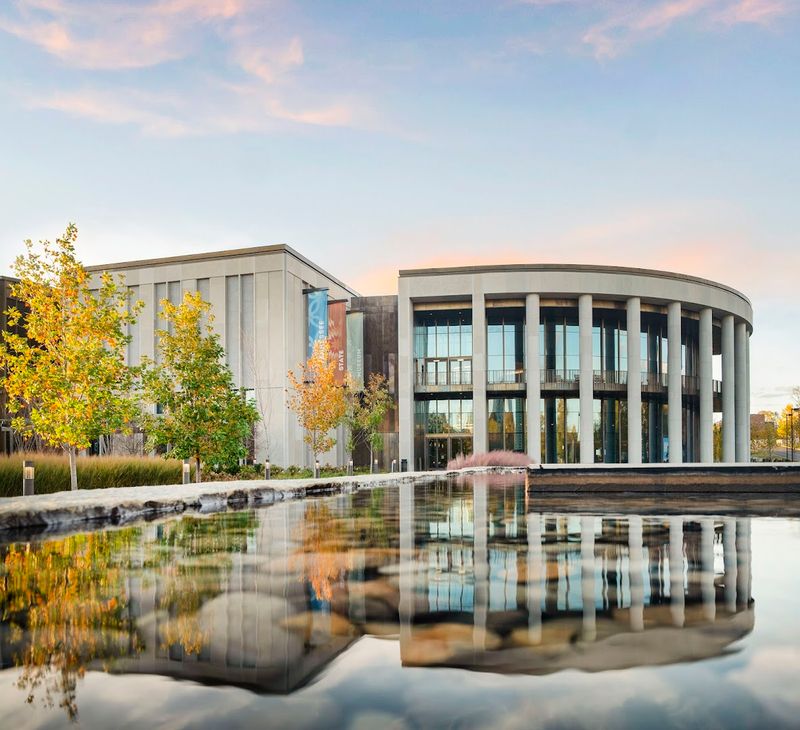
Walking into this place feels less like a museum visit and more like flipping through the entire story of Tennessee in one afternoon. The exhibits stretch from ancient Indigenous cultures all the way to the Civil War and beyond, with real artifacts that put you right in the middle of it all. Best part?
It won’t cost you a dime to get in.
You’ll find everything from pioneer tools to military uniforms, each one tied to a moment that helped shape the state. The layout keeps things moving, so you’re never stuck reading wall text for too long. There are interactive spots where younger visitors can get hands-on, which makes it a solid pick for families who want everyone engaged.
One of the standout sections covers the Civil War, with personal items from soldiers on both sides. It’s heavy stuff, but presented in a way that respects the complexity without shying away from hard truths. You also get a close look at Tennessee’s role in early American expansion and the people who lived here long before statehood.
The building itself is sleek and modern, located right in the heart of downtown Nashville. It’s easy to reach, whether you’re walking from another attraction or hopping off public transit. The space feels open and welcoming, never cramped even when it’s busy.
If you’re trying to understand Tennessee’s place in American history, this is where you start. It covers a lot of ground without overwhelming you, and every gallery offers something worth pausing for. Whether you’re a history buff or just curious, this museum delivers without trying too hard.
2. National Civil Rights Museum — Memphis
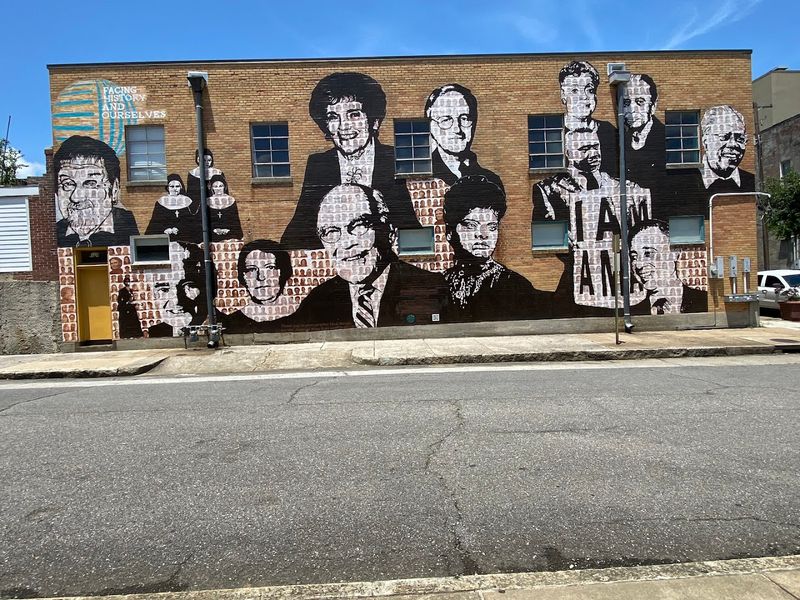
Standing outside the Lorraine Motel, you can feel the weight of what happened here. This is where Dr. Martin Luther King Jr. was assassinated in 1968, and the museum built around that site doesn’t let you forget it. But it’s not just about one tragic moment—it’s about the entire movement that changed America.
Inside, you’ll walk through centuries of struggle, from the earliest days of slavery to the freedom rides and lunch counter sit-ins. The exhibits use photos, videos, and real objects to tell stories that textbooks often gloss over. You’ll see the actual bus from the Montgomery boycott and hear voices from people who lived through these events.
The museum doesn’t sugarcoat anything. It shows the violence, the resistance, and the courage it took to demand equality. Some rooms are quiet and somber; others are filled with the energy of protest and change.
Either way, you leave with a deeper understanding of how far we’ve come and how much work remains.
One of the most powerful moments is standing in the preserved motel rooms, looking out at the balcony where King stood. It’s a reminder that history isn’t distant—it’s personal and it’s real. The museum does an incredible job of making you feel connected to these stories.
Plan to spend at least two hours here, maybe more if you really want to absorb everything. It’s intense, but it’s also one of the most important museums in the country. If you’re in Memphis, this stop isn’t optional.
3. Andrew Jackson’s Hermitage — Nashville
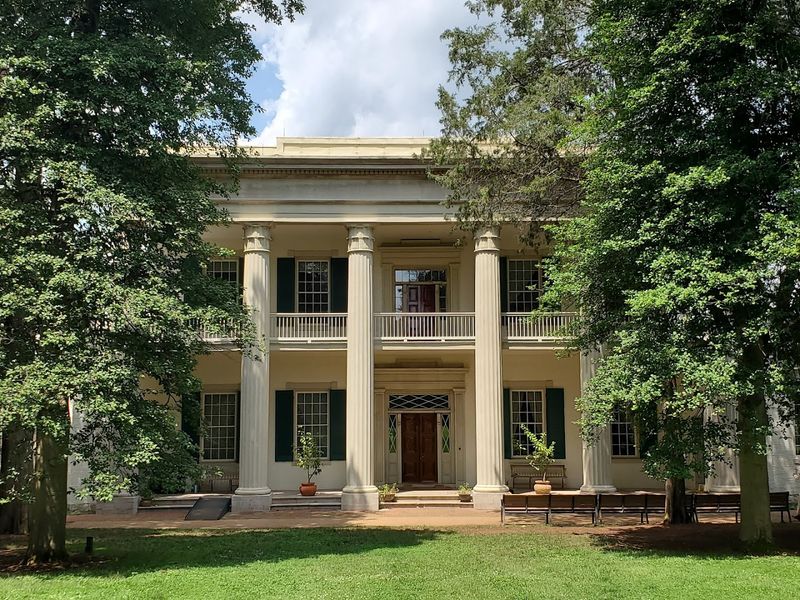
Andrew Jackson wasn’t perfect, and this place doesn’t pretend he was. The Hermitage is his former home, and it’s where you can see both his legacy as the seventh president and the darker parts of his story. It’s history with all the complications left in.
The mansion itself is grand, filled with original furniture and artifacts from Jackson’s time. Guided tours take you through rooms where political decisions were made and where the Jackson family lived their daily lives. But the tour doesn’t stop there—it also covers the enslaved people who worked the property and built much of what you see today.
Outside, the grounds stretch across hundreds of acres. You can walk the gardens, visit Jackson’s tomb, and explore some of the outbuildings that give a fuller picture of life on a 19th-century plantation. The museum does a solid job of presenting multiple perspectives, which makes the experience more honest than many historic homes.
There’s also a museum building on-site with rotating exhibits and artifacts tied to Jackson’s military career and presidency. You’ll see personal items, letters, and weapons that help fill in the gaps. It’s not just about celebrating a president—it’s about understanding the era he lived in.
The Hermitage is a short drive from downtown Nashville, and it’s worth the trip if you want to see how one man’s choices rippled through American history. It’s not always comfortable, but it’s always interesting. Expect to spend a couple of hours here, and leave with plenty to think about.
4. Country Music Hall of Fame and Museum — Nashville
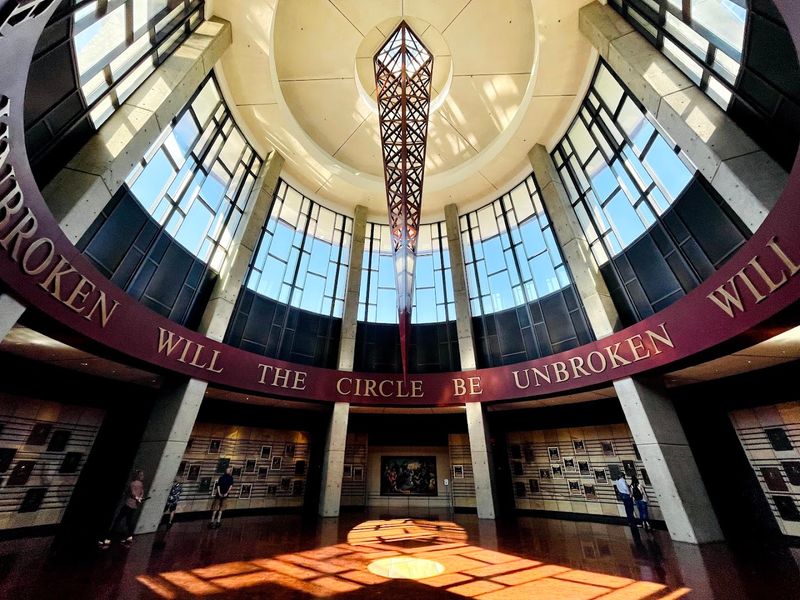
Country music runs through Nashville like a second heartbeat, and this museum is where that pulse gets preserved. From Hank Williams to Dolly Parton, the stories of the genre’s biggest names are told through costumes, instruments, handwritten lyrics, and rare recordings. It’s not just for country fans—it’s for anyone curious about American music.
The exhibits change regularly, but the core collection is always jaw-dropping. You’ll see Elvis’s gold Cadillac, Johnny Cash’s stage outfits, and guitars that shaped the sound of entire generations. The museum doesn’t just celebrate stars—it digs into songwriters, producers, and session musicians who made the magic happen behind the scenes.
One of the coolest parts is the audio and video archives. You can listen to rare demos, watch old TV performances, and hear interviews with legends who are no longer around. It’s like getting backstage access to decades of music history without ever leaving the building.
The Hall of Fame rotunda is the emotional center of the place. Plaques honor every inductee, and the circular design makes you feel like you’re standing in the middle of something sacred. It’s a quiet space in an otherwise lively museum, and it hits differently when you see names you’ve been listening to your whole life.
Located in downtown Nashville, the museum is easy to reach and pairs well with other music spots in the area. Plan for at least two hours, but you could easily spend more if you’re really into it. Whether you grew up on country or just appreciate good storytelling, this place delivers.
5. Museum of Appalachia — Clinton
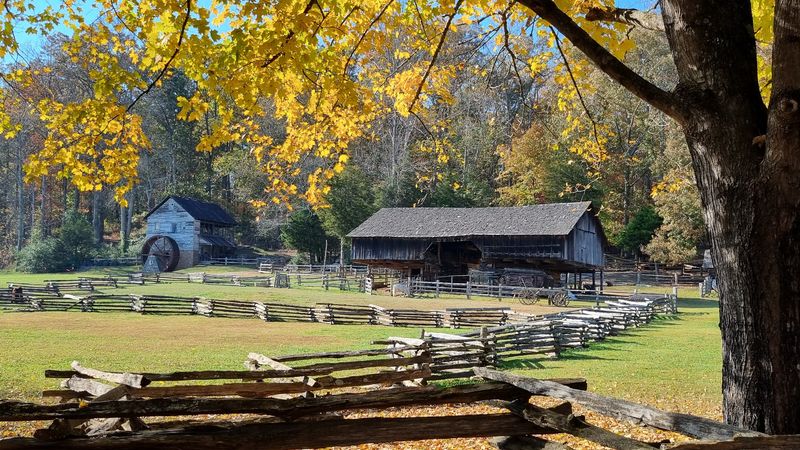
This isn’t your typical museum where everything’s behind glass. The Museum of Appalachia is a living, breathing collection of buildings, tools, and stories from the people who settled the mountains. With over 250,000 artifacts spread across 65 acres, it’s like stepping into a time capsule of Appalachian life.
You’ll wander through original log cabins, barns, and schoolhouses that were moved here from across the region. Each one is filled with handmade quilts, musical instruments, farm equipment, and personal items that show how families lived and worked. It’s not polished or sanitized—it’s raw and real, which makes it all the more powerful.
The museum also hosts events throughout the year, including music festivals and craft demonstrations. You might catch a blacksmith at work or hear traditional mountain music played the way it’s been passed down for generations. These moments bring the exhibits to life in ways that static displays never could.
Founder John Rice Irwin spent decades collecting these items, often driving backroads and talking to elderly residents who were the last links to old ways of life. His passion shows in every corner of the museum. You can feel the respect he had for these people and their stories.
Located just outside Knoxville, the museum is easy to reach and offers plenty of space to roam. You could spend an hour or an entire afternoon here, depending on how deep you want to go. It’s a place that reminds you how much history lives in everyday objects and the hands that made them.
6. Green McAdoo Cultural Center — Clinton
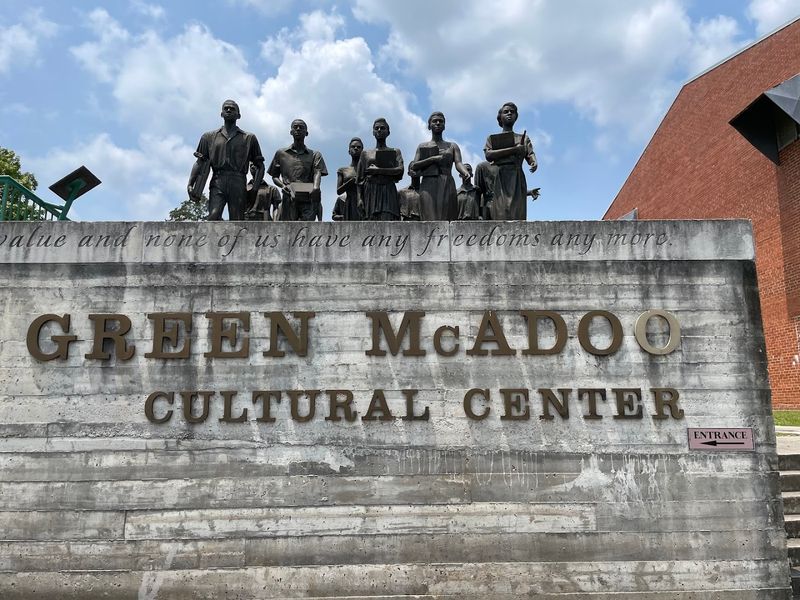
Before Little Rock made headlines, there was Clinton. In 1956, twelve Black students walked into Clinton High School and changed the South forever. The Green McAdoo Cultural Center tells their story and the violent resistance they faced in a town that didn’t want integration.
The museum is small, but every inch is packed with photos, newspaper clippings, and personal accounts from the Clinton 12 and their families. You’ll see the courage it took for these students to show up every day, knowing they’d be met with threats and hatred. Their bravery helped pave the way for desegregation across the country.
One of the most striking exhibits covers the bombing of Clinton High School in 1958. The building was destroyed, but the students didn’t back down. The center does an excellent job of showing both the destruction and the resilience that followed.
It’s a powerful reminder that progress is never easy or guaranteed.
The center also highlights local civil rights leaders and community members who supported the students, often at great personal risk. These weren’t famous activists—they were teachers, parents, and neighbors who believed in doing what was right. Their stories deserve to be remembered just as much as the students’.
Located in downtown Clinton, the center is easy to visit and free to enter. It’s a quick stop, but the impact lasts long after you leave. If you’re interested in civil rights history beyond the well-known names and places, this is a must-see.
It’s proof that small towns played huge roles in shaping America’s future.
7. The Cotton Museum — Memphis
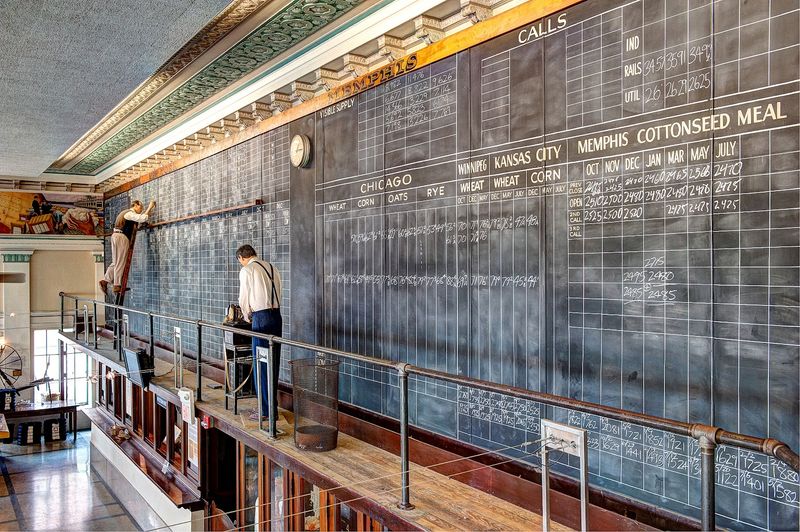
Cotton built Memphis, and this museum doesn’t shy away from the full story. Housed in the historic Memphis Cotton Exchange, the exhibits explore how one crop shaped the economy, culture, and labor systems of the entire South. It’s a deep look at an industry that touched every corner of American life.
You’ll start by learning how cotton became king in the 1800s and how Memphis became the trading hub for the entire region. The museum shows the business side—how fortunes were made and lost on the trading floor—but it also covers the human cost. Slavery and sharecropping are presented with the seriousness they deserve, not glossed over or minimized.
One of the coolest parts is seeing the actual trading floor where deals were made. The space has been preserved, and you can almost hear the shouting and haggling that once filled the room. It’s a rare glimpse into how global commerce worked before computers and instant communication.
The museum also covers the science and innovation behind cotton farming, from early hand-picking to the machines that changed everything. You’ll see how the crop spread across continents and how it’s still a major part of the global economy today. It’s more relevant than you might think.
Located in downtown Memphis, the museum is small enough to visit in an hour but packed with enough detail to keep you engaged. It’s not flashy, but it’s honest and informative. If you want to understand the South’s economic history, this is where you start.
Cotton’s legacy is complicated, and this museum doesn’t pretend otherwise.
8. Belle Meade Historic Site — Nashville
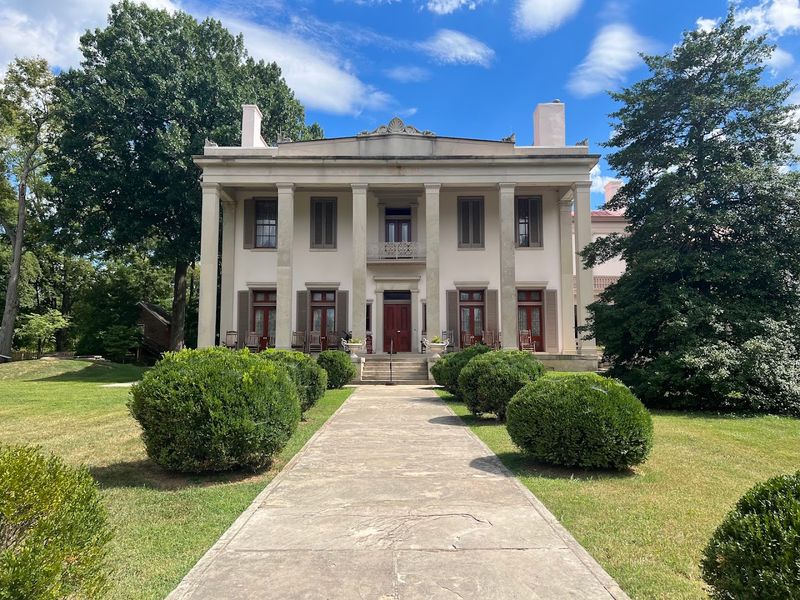
Belle Meade was once one of the South’s most famous thoroughbred horse farms, and the mansion at its center tells a story that’s equal parts wealth, power, and the enslaved labor that made it all possible. The tours here don’t hold back, and that’s what makes them worth your time.
The mansion itself is stunning, with period furniture and decor that show how the Harding and Jackson families lived in the 1800s. But the tour guides also take you through the lives of the enslaved people who worked the property, sharing their names and stories whenever possible. It’s a more complete picture than many historic homes offer.
Outside, you can explore the grounds and see the original carriage house, stables, and other outbuildings. Belle Meade was a working farm, and the site does a good job of showing what that actually looked like. The horse-racing history is fascinating too, especially if you’re into that side of Southern culture.
The site also offers special tours focused on specific topics, like the role of enslaved people or the history of Tennessee whiskey. These deeper dives add layers to the main tour and give you a richer understanding of the property’s past. It’s worth checking the schedule before you visit.
Located just outside downtown Nashville, Belle Meade is easy to reach and pairs well with other nearby attractions. The grounds are beautiful, and you can easily spend a couple of hours here. It’s not just about the mansion—it’s about the people, the horses, and the complicated history that made Belle Meade what it was.
9. West Tennessee Delta Heritage Center & Tina Turner Museum — Brownsville
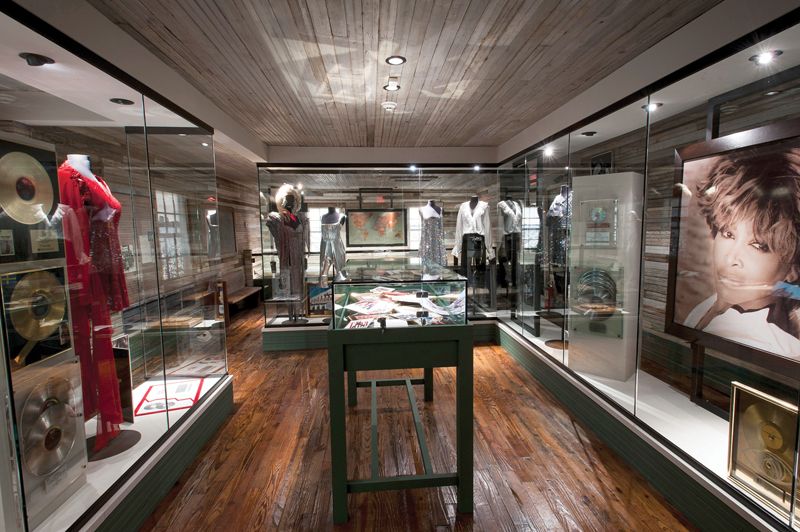
Tina Turner grew up in Brownsville, and the museum dedicated to her is tucked inside the very school she attended as a child. It’s the only museum in the world focused on her life and career, and it’s packed with costumes, awards, photos, and personal items that tell her incredible story. If you’re a fan, this is a pilgrimage.
The museum covers everything from her early days in Nutbush to her rise as the Queen of Rock ‘n’ Roll. You’ll see stage outfits that still sparkle, gold records that line the walls, and handwritten notes that offer glimpses into her creative process. The collection is surprisingly deep for a small-town museum, and it’s clear that a lot of care went into preserving her legacy.
But the Delta Heritage Center isn’t just about Tina. It also covers the broader culture of West Tennessee, including the cotton industry, blues music, and the natural history of the Hatchie River. The exhibits tie together the region’s economic and musical roots in ways that make you see the bigger picture.
There’s also a strong focus on the Mississippi Delta’s influence on American music. Blues legends like B.B. King and Sleepy John Estes are honored here, and you can trace the musical lineage that led to rock, soul, and R&B.
It’s a music lover’s dream, especially if you’re into the origins of the sounds that shaped modern genres.
Located in a quiet town about an hour northeast of Memphis, the center is a bit off the beaten path but absolutely worth the drive. You can tour both museums in a couple of hours, and the staff is friendly and knowledgeable. It’s a celebration of talent, resilience, and the culture that shaped one of music’s greatest icons.
10. Discovery Park of America — Union City
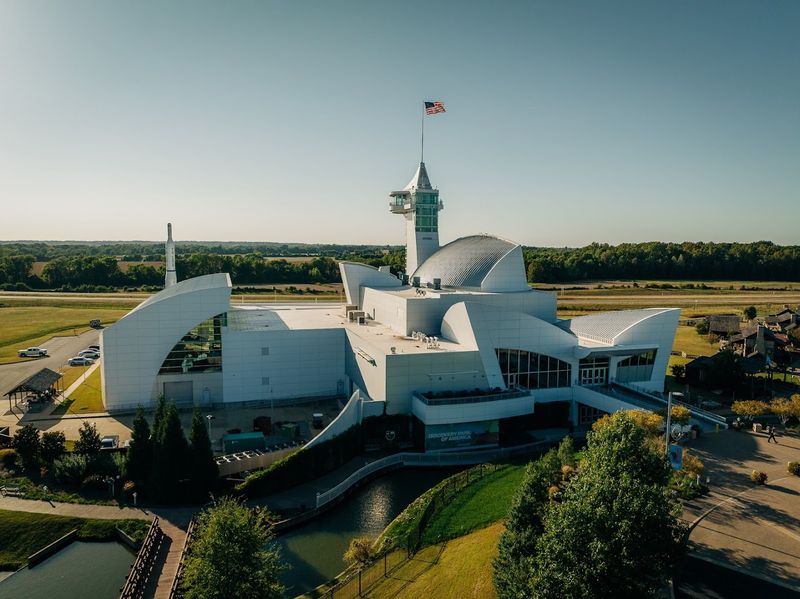
Discovery Park is massive, covering over 50 acres with exhibits that range from dinosaurs to space exploration. It’s designed to be a family destination, and it delivers on that promise with interactive displays, hands-on activities, and enough variety to keep everyone interested. You could easily spend an entire day here and not see everything.
The museum portion includes galleries on natural history, American military history, regional heritage, and innovation. You’ll find a replica Civil War encampment, a collection of vintage cars, and even a full-scale replica of a pioneer cabin. The exhibits are well-designed and avoid the cheesy traps that some family museums fall into.
Outside, the heritage park features historic buildings that were moved to the site and restored. You can walk through a one-room schoolhouse, a general store, and a working gristmill. There are also gardens, walking trails, and a massive earthquake simulator that shows what it’s like when the New Madrid fault decides to wake up.
One of the highlights is the planetarium, which offers shows that take you through the solar system and beyond. It’s a nice break from walking around, and the visuals are impressive. There’s also a special exhibit area that rotates throughout the year, so there’s always something new to see.
Located in the far northwest corner of Tennessee, Discovery Park is a bit of a drive from major cities, but it’s worth the trip if you’re traveling with kids or just love a good museum. The admission price is reasonable for what you get, and the facility is clean, modern, and well-maintained. It’s proof that you don’t have to be in a big city to find world-class exhibits.
11. Alex Haley House Museum — Henning
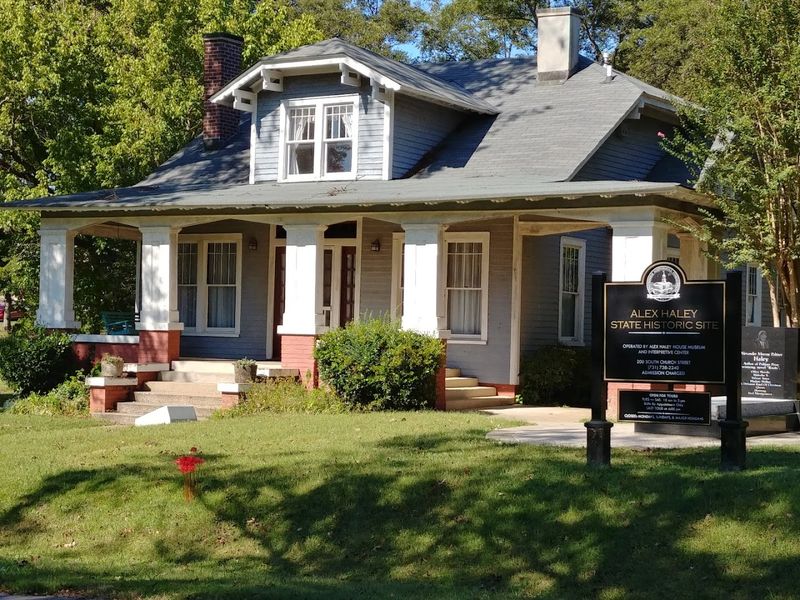
Alex Haley grew up in this house, listening to stories from his grandmother and aunts about their ancestors. Those stories eventually became Roots, the book and miniseries that changed how America talked about slavery and family history. Walking through this house, you can see where it all started.
The home has been preserved to look much like it did when Haley was a boy in the 1920s and 30s. You’ll see the front porch where his grandmother sat and told him about Kunta Kinte, the African ancestor who was captured and enslaved. That porch is where the seed of Roots was planted, and standing there gives you chills when you think about the impact those stories had.
Inside, the rooms are filled with family photos, furniture, and personal items that belonged to the Haley family. It’s a modest house, not grand or fancy, but it’s full of warmth and history. The tour guides often share anecdotes about Haley’s life and the research he did to trace his family’s roots back to Africa.
The museum also covers Haley’s career as a writer, including his work with Malcolm X on The Autobiography of Malcolm X. You’ll see drafts, letters, and awards that show the breadth of his contributions to American literature. It’s a reminder that his legacy goes beyond one book.
Located in the small town of Henning, about an hour north of Memphis, the museum is a quiet, reflective stop. It’s not crowded, and the staff is passionate about sharing Haley’s story. If you care about storytelling, family history, or the power of words to change the world, this place will move you.
Share this story