Tennessee’s landscape rises and falls like a natural rollercoaster, offering some of the most jaw-dropping views in the Southeast. From the misty peaks of the Great Smoky Mountains to the dramatic river gorges near Chattanooga, the state is packed with observation towers and overlooks that reward visitors willing to make the climb.
Whether you’re tackling a steep mountain trail or riding a chairlift to the top, these 11 spots prove that the best perspectives are always earned, and trust us—the scenery waiting at the summit is absolutely unforgettable.
1. Kuwohi Observation Tower, Great Smoky Mountains National Park
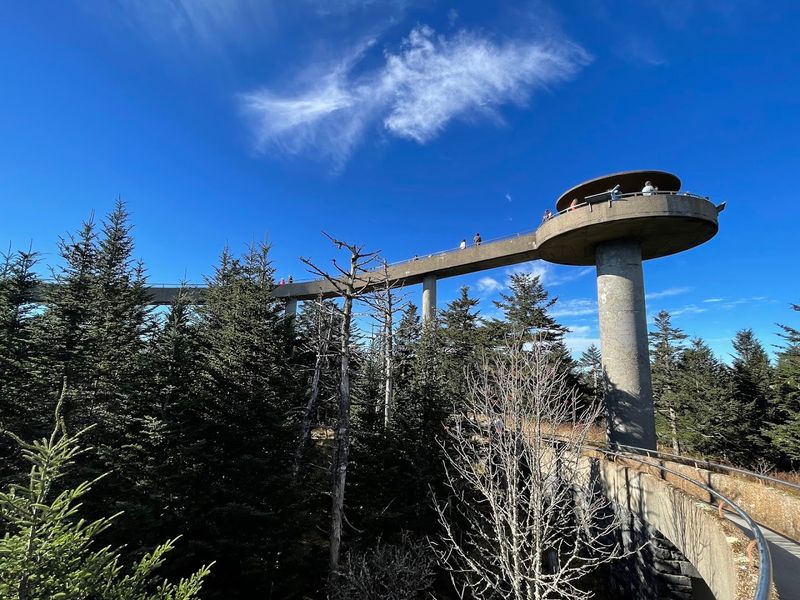
Standing at 6,643 feet above sea level, Kuwohi marks the highest point in Tennessee and the third-highest mountain east of the Mississippi River. The observation tower itself looks like something from a futuristic movie, with its distinctive spiral ramp curving upward to a circular platform that floats above the treetops.
Getting there requires a half-mile paved walk that gains 330 feet in elevation, which sounds manageable until you’re halfway up and wondering why you skipped leg day.
The tower’s unique design was completed in 1959, and while the steep approach can leave you breathless, the 360-degree views from the top make every huffing step worthwhile. On clear days, visibility extends up to 100 miles in every direction, revealing wave after wave of ancient mountains cloaked in that signature blue haze. Sunrise visits offer the best chance for those crystal-clear panoramas, though the site draws crowds throughout the day during peak seasons.
Recently renamed from Clingmans Dome to honor the Cherokee heritage of the region, Kuwohi translates to “mulberry place” in the Cherokee language.
The observation deck sits above the clouds more often than you’d expect, creating an otherworldly experience where you’re literally standing in the sky. Temperatures at the summit run about 10-20 degrees cooler than the valleys below, so bring a jacket even in summer.
Winter transforms this spot into a completely different world, with ice coating the tower’s railings and snow blanketing the surrounding spruce-fir forest. The parking area closes during heavy snow, but when accessible, the winter landscape offers a stark beauty that summer visitors never see. Just remember that the paved trail can become treacherous with ice, making microspikes or traction devices essential for cold-weather climbs.
2. Look Rock Tower, Maryville
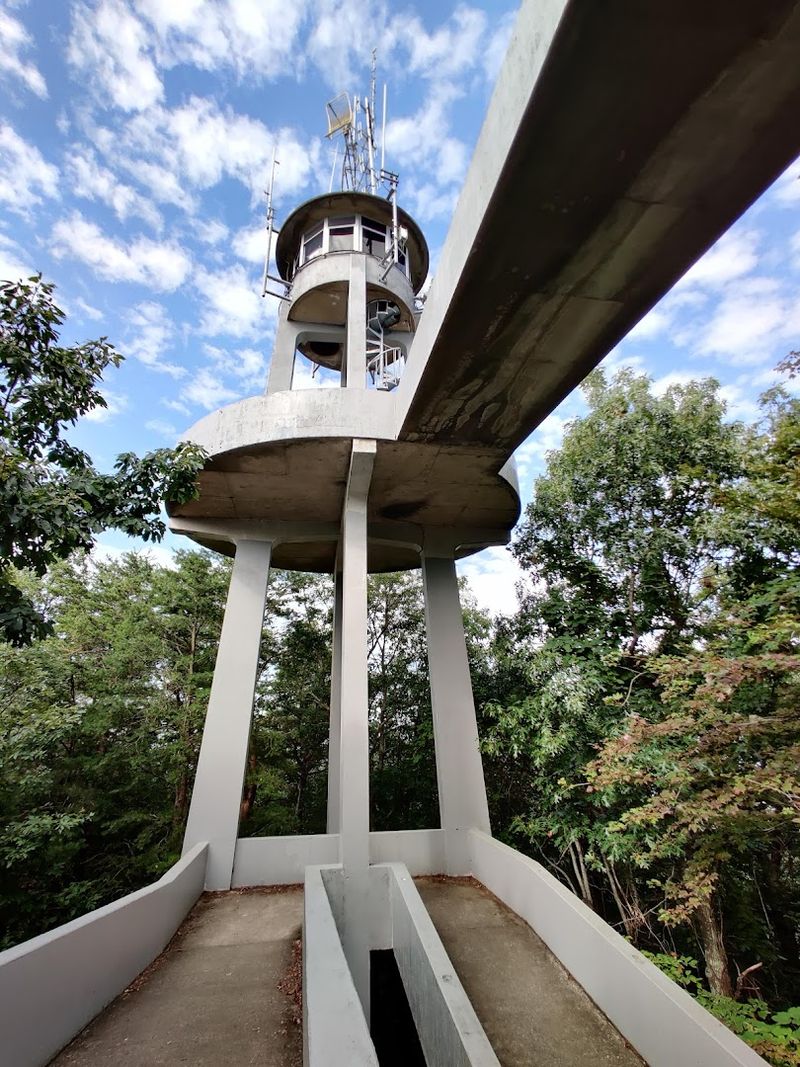
Tucked along the Foothills Parkway between Chilhowee and Walland, Look Rock Tower delivers spectacular Smoky Mountain views without the overwhelming crowds that pack other popular overlooks. A gentle quarter-mile paved trail winds through a hardwood forest before emerging at the stone-and-metal tower that rises above the canopy.
The walk takes maybe 10 minutes at a leisurely pace, making this one of the most accessible panoramic viewpoints in the region.
From the tower’s observation deck, the entire Cades Cove valley spreads out below, with ridge after ridge of mountains stacking up toward the horizon. Blount County’s patchwork of farms and forests creates a beautiful contrast to the wild mountain terrain beyond. The elevation here sits at 2,240 feet, high enough to catch cooling breezes even on sweltering summer afternoons.
What makes Look Rock special is its peaceful atmosphere compared to the tourist-packed overlooks closer to Gatlinburg. You might share the tower with a handful of other visitors instead of jostling for elbow room with hundreds of people.
A small picnic area near the trailhead provides tables and grills if you want to extend your visit beyond the tower climb. The site closes at sunset, but late afternoon visits catch beautiful golden-hour light washing across the mountains. Spring brings wildflowers to the forest floor along the trail, while summer evenings sometimes offer glimpses of fireflies blinking in the woods.
3. Gatlinburg Space Needle, Gatlinburg
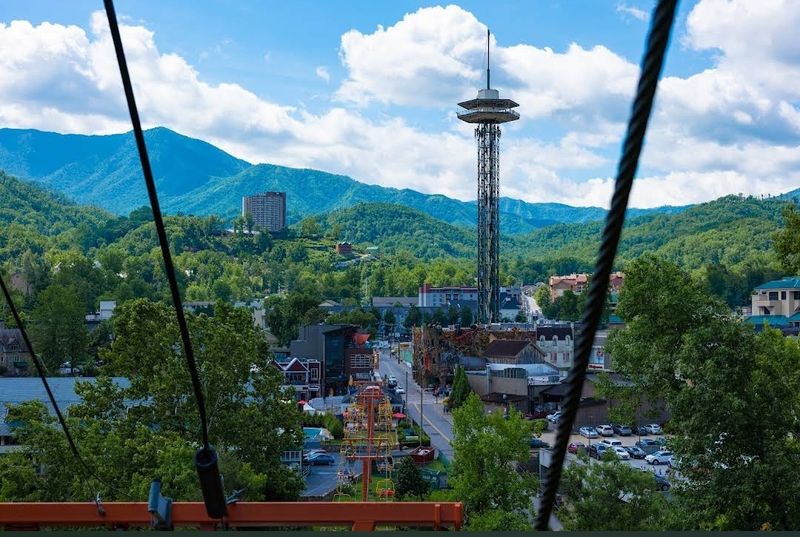
Rising 407 feet above downtown Gatlinburg, the Space Needle has anchored the city’s skyline since 1970, serving as an unmistakable landmark visible from nearly every corner of town. Glass elevators whisk visitors to the observation deck in less than a minute, eliminating the strenuous climb required at natural overlooks. The retro-futuristic design captures that vintage space-age optimism, complete with its distinctive yellow framework that glows against the night sky.
Two observation levels provide indoor and outdoor viewing options, letting you choose between climate-controlled comfort or feeling the mountain breeze on your face. The 360-degree views encompass the entire Gatlinburg basin, with the town’s neon-lit strip stretching below and the dark silhouette of the Smokies rising beyond.
Night visits transform the experience entirely, as Gatlinburg’s lights twinkle like a terrestrial constellation and the surrounding mountains fade into mysterious darkness. The deck stays open until 10 PM during summer months, giving plenty of time to catch the sunset transition into evening.
Special events throughout the year include holiday light displays and occasional fireworks shows that look completely different from 400 feet up. The elevator ride itself offers views through the glass walls, adding an extra dimension to the ascent.
While some might dismiss this as a tourist trap, the engineering and views genuinely deliver, especially for visitors who can’t or don’t want to tackle mountain trails.
4. Anakeesta Tower, Gatlinburg
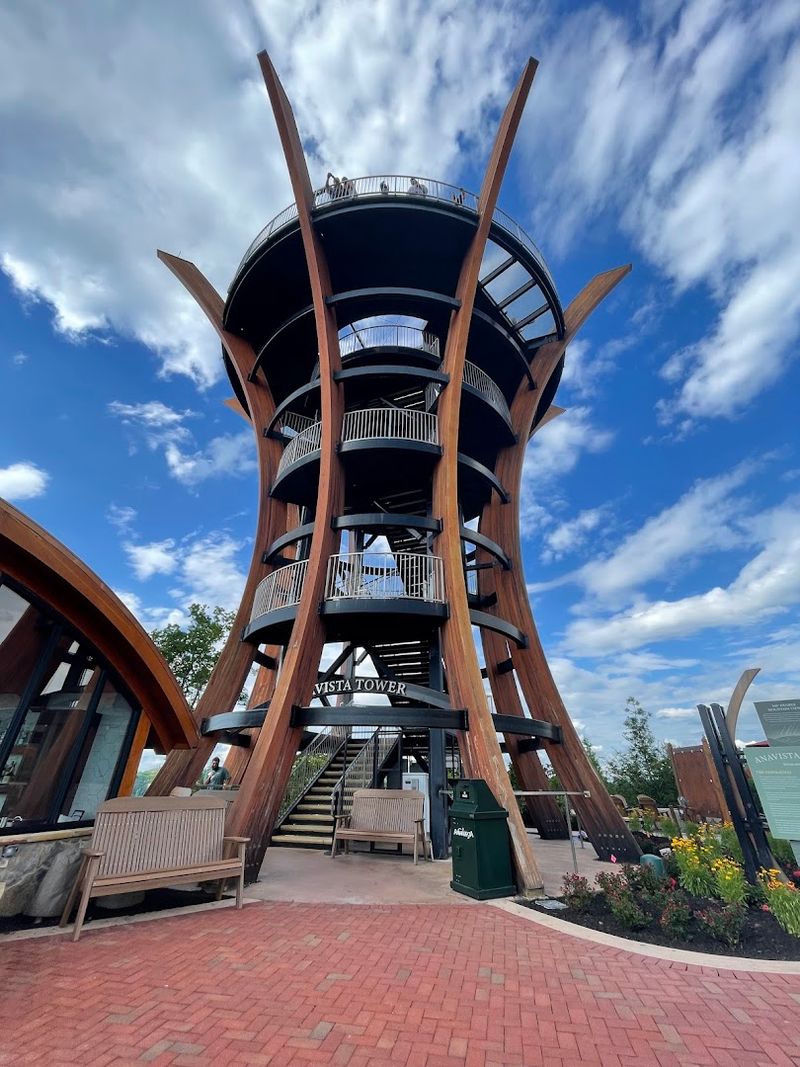
Perched atop Anakeesta’s mountaintop adventure park, this observation tower requires visitors to earn their views by climbing 86 wooden steps that spiral upward through the treetops. The ascent might leave you slightly winded, but the elevation gain happens gradually enough that most people manage without too much huffing.
Once you reach the top platform, the entire Gatlinburg valley unfolds below, with the Smokies stretching to the horizon in every direction.
Getting to the tower base involves riding the Ridge Rambler mountain coaster or Chondola (a combination chairlift and gondola system) up to the main park area. The mountaintop setting at 1,600 feet elevation provides cooler temperatures and fresher air than the crowded streets below. Surrounding attractions include treetop canopy walks, ziplines, and botanical gardens, making the tower just one component of a larger mountain experience.
The observation platform itself features sturdy railings and enough space for groups to spread out and snap photos without constantly bumping into each other. Interpretive signs help identify distant peaks and landmarks visible from the deck. Sunset visits offer particularly dramatic lighting as the sun sinks behind the western ridges, painting the sky in shades of pink and purple.
Anakeesta operates year-round with seasonal hours, and the tower stays accessible during all open periods. Winter visits provide the clearest long-distance views, though you’ll want warm layers since the elevation and exposure to wind can make temperatures feel significantly colder.
The park charges admission, so this isn’t a quick free stop like roadside overlooks, but the combination of attractions justifies the cost for families or anyone wanting more than just a view.
5. SkyBridge, Gatlinburg
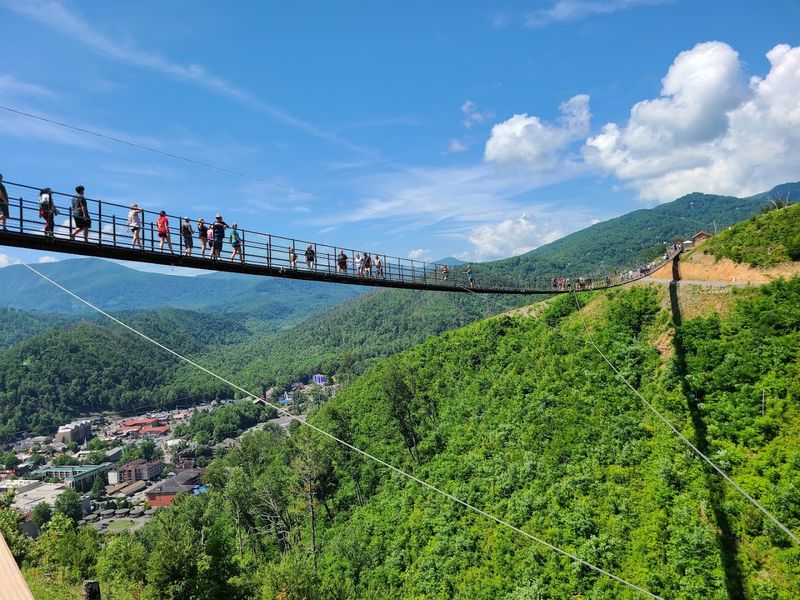
Stretching 680 feet across a deep valley, the SkyBridge holds the title of longest pedestrian suspension bridge in North America, and walking across it provides an adrenaline rush that static observation towers simply can’t match. The bridge sways slightly with each step and gust of wind, reminding you that you’re suspended hundreds of feet above the forest floor.
Reaching the bridge requires riding the SkyLift Park chairlift up the mountainside, which serves as an attraction in itself with open-air seats carrying you above the forest canopy. The 10-minute ride deposits you at the upper station where the SkyDeck offers initial views before you venture onto the bridge. Once across, the SkyTrail provides additional overlooks and the Tulip Tower adds another vantage point for photography enthusiasts.
The bridge experience changes dramatically depending on weather and time of day, with morning fog creating an ethereal atmosphere and afternoon sunshine illuminating the surrounding peaks. Evening visits during summer months catch golden hour light that makes the mountains glow.
Glass floor sections inspire both terror and excitement, with some people sprinting across while others freeze in place, gripping the railings. The bridge’s width allows two-way foot traffic, though congestion can slow movement during peak visitation times.
Seasonal decorations transform the experience during holidays, with special lighting installations making nighttime crossings particularly memorable. The entire SkyLift Park complex operates year-round, weather permitting, though high winds occasionally force temporary closures for safety.
6. Big Hill Pond Observation Tower, Big Hill Pond State Park
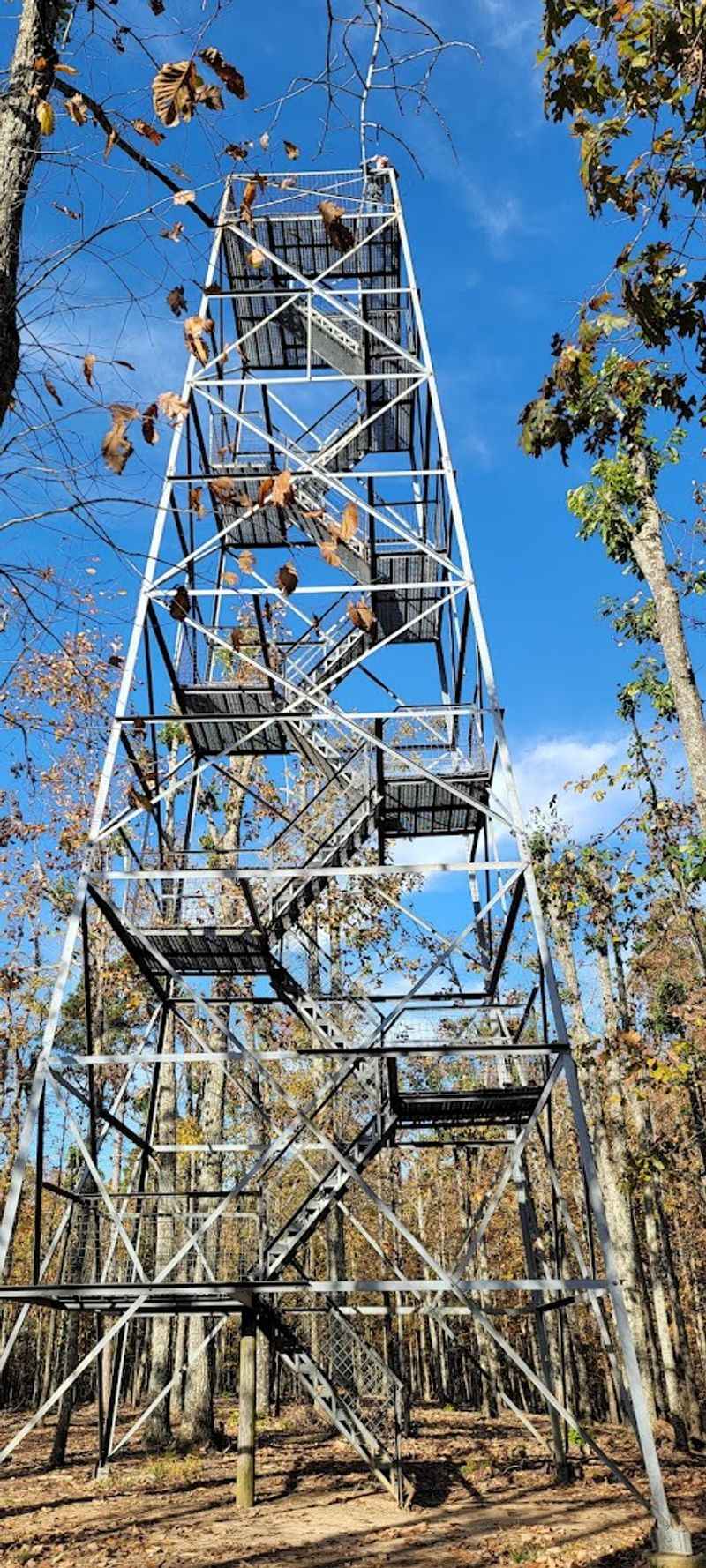
West Tennessee doesn’t offer the dramatic mountain scenery found in the eastern part of the state, but this 70-foot observation tower proves that lowland landscapes have their own unique beauty worth climbing for. The tower rises above the cypress swamps and hardwood forests of Big Hill Pond State Park, providing bird’s-eye views across Travis McNatt Lake and the mysterious Dismal Swamp.
Climbing the wooden staircase takes you above the tree canopy into a completely different perspective on wetland ecosystems.
From the top platform, the landscape spreads out in shades of green and brown, with cypress knees poking through shallow water and wading birds stalking through the shallows. The view encompasses miles of relatively undisturbed habitat, a rarity in this heavily agricultural region of Tennessee. Spring and fall migrations bring impressive numbers of waterfowl and songbirds, making the tower a favorite spot for birdwatchers carrying binoculars and field guides.
The tower’s construction uses pressure-treated lumber designed to withstand the humid conditions and occasional flooding that characterize this area. Multiple landings during the ascent provide rest stops and intermediate viewing levels for anyone who needs a breather. The final platform sits high enough to catch breezes that provide relief from summer heat and humidity.
Unlike the mountain overlooks that draw massive crowds, this tower sees relatively light visitation, often giving you the place entirely to yourself. The surrounding park offers hiking trails, fishing opportunities, and a glimpse into the cypress swamp ecosystems that once covered much larger portions of West Tennessee.
Wildlife viewing improves during early morning and late afternoon when animals are most active. White-tailed deer, wild turkeys, and various reptiles inhabit the area, though spotting them requires patience and quiet observation.
7. Lookout Tower Frozen Head, Wartburg
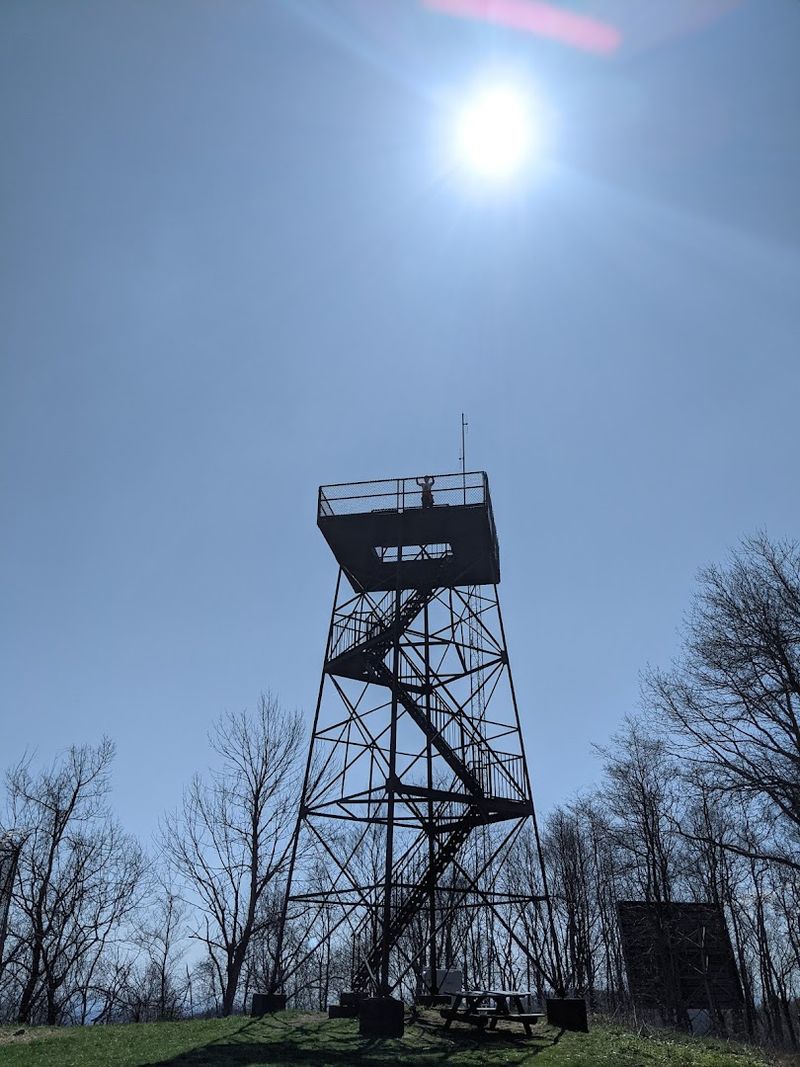
Frozen Head State Park’s fire lookout tower sits atop one of the most rugged and wild sections of the Cumberland Mountains, accessible only to hikers willing to tackle several miles of steep, challenging trails. The tower itself represents a piece of Tennessee’s firefighting history, part of the network of lookouts that once served as early warning systems for forest fires.
The hike to the tower gains significant elevation through old-growth forests filled with massive tulip poplars, hemlocks, and oaks. Trail conditions vary seasonally, with spring bringing wildflowers and potential muddy sections, while fall offers spectacular foliage displays. The tower stands as a destination for serious hikers rather than casual tourists, filtering out crowds and ensuring a more solitary experience.
From the lookout cab, the view encompasses wave after wave of forested ridges stretching toward the horizon, with few visible signs of human development interrupting the wilderness. The perspective helps you appreciate the vast scale of Tennessee’s protected forest lands. On clear days, visibility extends for miles in every direction, revealing the complex topography of the Cumberland Plateau.
The tower’s metal structure creaks and sways slightly in strong winds, adding an element of adventure to the climb up the final staircase. The cab itself provides shelter from weather while maintaining excellent sightlines through windows on all sides.
Frozen Head’s reputation as one of Tennessee’s most challenging state parks means the tower sees fewer visitors than more accessible overlooks, but those who arrive feel a genuine sense of accomplishment.
8. Point Park, Lookout Mountain
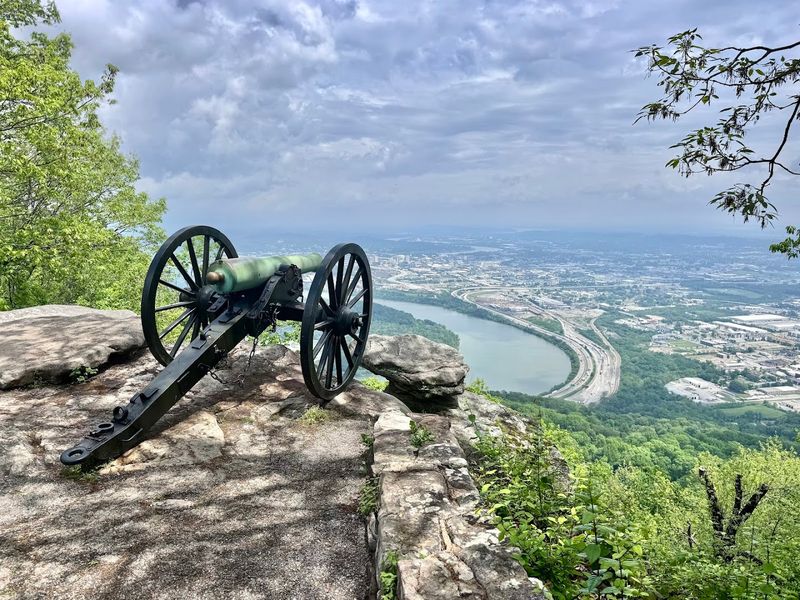
Perched on the northern tip of Lookout Mountain, Point Park delivers one of the most historically significant and visually stunning overlooks in Tennessee, combining Civil War history with breathtaking views of Chattanooga and the Tennessee River far below. The park sits at the site of the famous “Battle Above the Clouds,” where Union forces captured this strategic high ground in November 1863.
Walking the park’s pathways takes you past monuments, cannons, and interpretive signs that bring that dramatic history to life.
The main overlook provides a sweeping panorama of the Tennessee River’s distinctive horseshoe bend, with downtown Chattanooga’s skyline rising from the valley floor. Moccasin Bend curves through the landscape like a giant serpent, creating one of the most photographed river views in the Southeast. On clear days, you can trace the river’s path for miles and pick out individual landmarks throughout the city.
The park’s design incorporates both natural rock outcroppings and constructed viewing platforms, giving visitors multiple vantage points to explore. Stone walls and pathways wind through the site, connecting different overlooks and historical markers. The elevation here reaches about 2,100 feet, creating dramatic vertical relief from the river valley 1,400 feet below.
Sunset transforms this spot into pure magic, as the setting sun paints the river and city in golden light while the eastern sky deepens to purple and blue. The park stays open until dark, allowing visitors to watch Chattanooga’s lights blink on as twilight fades.
The New York Peace Monument stands as the park’s centerpiece, erected in 1910 to honor both Union and Confederate soldiers who fought here. A small admission fee grants access to the park and its facilities.
9. Snooper’s Rock, Chattanooga
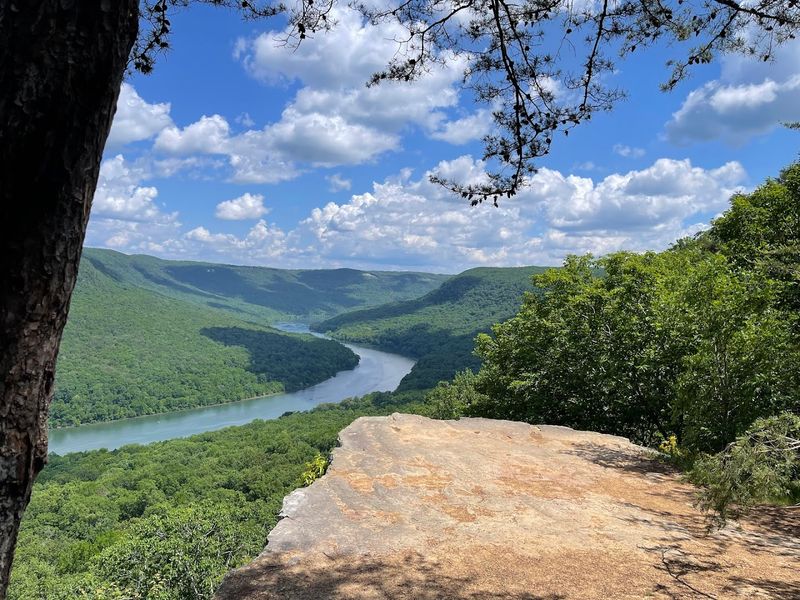
Jutting out from the rim of the Tennessee River Gorge like a natural balcony, Snooper’s Rock offers one of the most dramatic overlook experiences in the Chattanooga area, with sheer drops and unobstructed views that make your stomach flip. The rock formation extends beyond the main cliff face, creating an exposed perch that feels suspended in mid-air above the river far below.
The trail to the rock covers about a mile each way, winding through mature hardwood forests before emerging at the overlook. Multiple informal paths branch off near the end, but the main route leads directly to the most spectacular vantage point. The rock itself lacks safety railings or barriers, placing responsibility entirely on visitors to exercise caution and common sense near the edge.
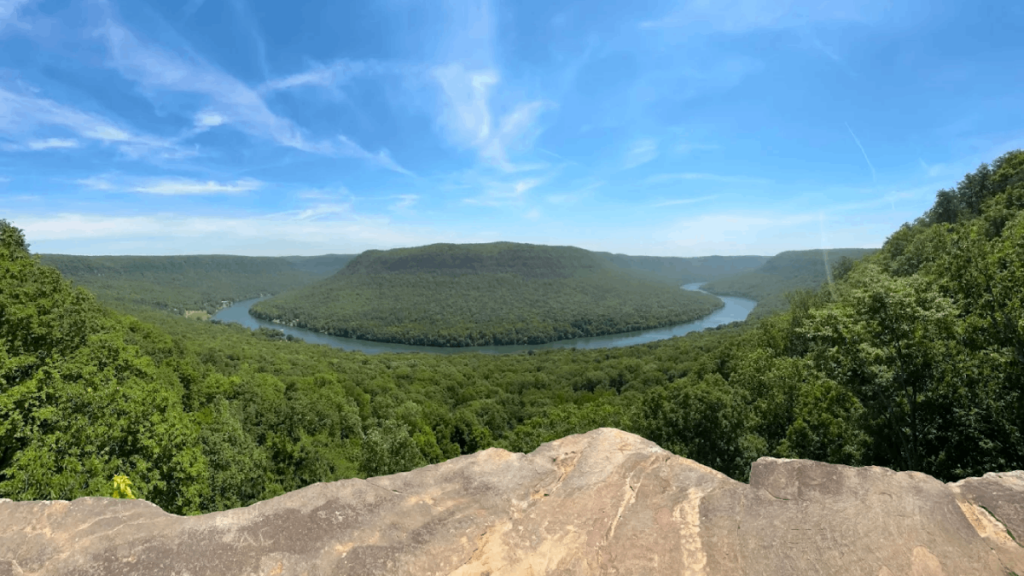
From the overlook, the Tennessee River curves through a deep gorge carved over millions of years, with forested slopes rising from the water on both sides. The perspective emphasizes the gorge’s depth and the river’s serpentine path through the landscape.
Local climbers and adventurous hikers have made this spot a favorite for good reason—the views rival any in the state, and the sense of exposure adds excitement that tamer overlooks lack. The site’s relative obscurity compared to more promoted attractions means you might have the place to yourself, especially on weekdays.
Weather significantly impacts the experience here, with fog filling the gorge on some mornings and storms bringing impressive displays of lightning and rain. The exposed position makes this a poor choice during high winds or wet conditions when the rock surface becomes slippery. Sunset visits require bringing a flashlight for the hike back through darkening woods.
10. Great Stone Door Overlook, Savage Gulf State Park
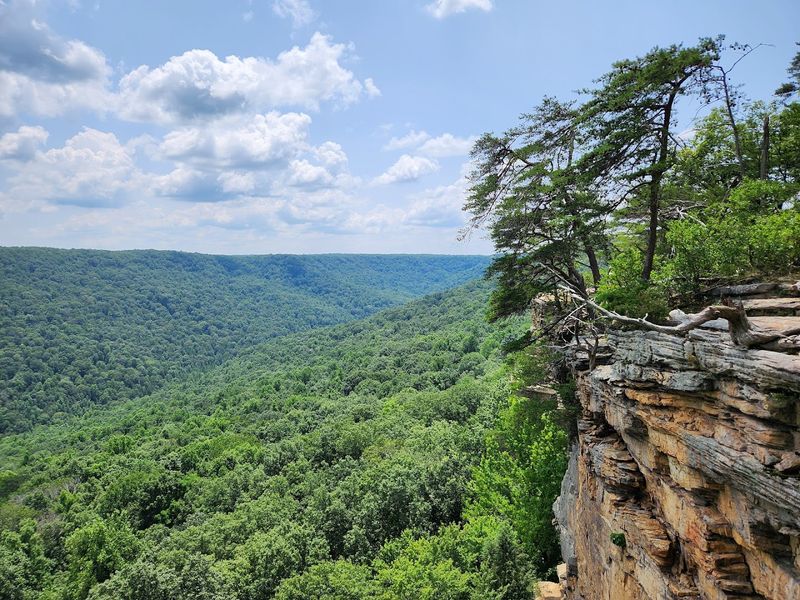
The Great Stone Door stands as one of Tennessee’s most impressive natural features, where a massive crack in the Cumberland Plateau’s sandstone rim creates a dramatic gateway to the Savage Gulf wilderness below. The overlook perches right at the cliff edge, providing vertigo-inducing views down into the gorge and across miles of undeveloped forest.
Reaching the overlook involves a relatively easy hike along well-maintained trails that wind through mountain laurel and rhododendron thickets. The path emerges at the stone door’s upper entrance, where the full scale of the formation becomes apparent. Looking down through the natural corridor, you can see the steep trail that descends through the door into the gulf below.
The view from the rim encompasses Savage Gulf’s rugged wilderness, with the Big Creek gorge cutting deep into the plateau and creating some of the most dramatic topography in Middle Tennessee. Multiple waterfalls tumble over cliff edges within sight of the overlook, though distance reduces them to thin white threads against the dark rock.
Rock formations near the overlook create natural seating areas where you can sit and absorb the scenery without standing at the very edge. Spring brings wildflowers to the surrounding forest, while fall colors transform the gulf into a patchwork of reds, oranges, and yellows.
11. Fall Creek Falls Overlook, Fall Creek Falls State Park
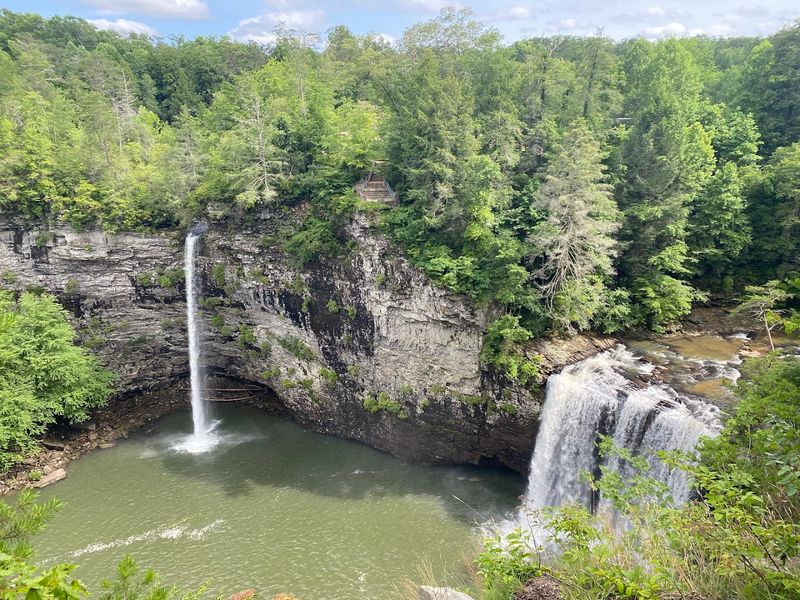
Looking down at Tennessee’s highest waterfall from the upper overlook creates a perspective that somehow feels both thrilling and humbling, as 256 feet of falling water thunders into the plunge pool far below. The overlook platform extends to the gorge rim, providing unobstructed views of Fall Creek’s dramatic plunge and the amphitheater-shaped bowl carved by thousands of years of erosion.
The paved trail to the overlook makes this accessible to visitors of all abilities, with a relatively short walk from the main parking area. Multiple viewing platforms at different points along the rim offer varied perspectives on the falls and surrounding gorge. The main overlook provides the classic straight-on view that appears in countless photographs and postcards.
Fall Creek Falls State Park protects over 29,000 acres of Cumberland Plateau wilderness, with this waterfall serving as the crown jewel attraction. The overlook’s elevation provides views beyond just the falls, encompassing miles of forested gorges and ridges that characterize this region. During spring runoff, the falls reach maximum volume, creating a deafening roar and impressive spray.
Summer’s lower water flow reveals more of the underlying rock structure, showing the layers of sandstone and shale that form the plateau’s geology. Fall foliage surrounds the gorge in brilliant color, creating a stunning frame for the waterfall. Winter can freeze portions of the falls into massive icicles, transforming the scene into a frozen wonderland, though ice on trails requires extreme caution.
The park’s extensive trail system includes routes that descend to the falls’ base, offering a completely different perspective from below, but the upper overlook provides the most dramatic initial impression. Sunrise catches beautiful light on the falls, while afternoon sun illuminates the full face of the cascade.
Share this story