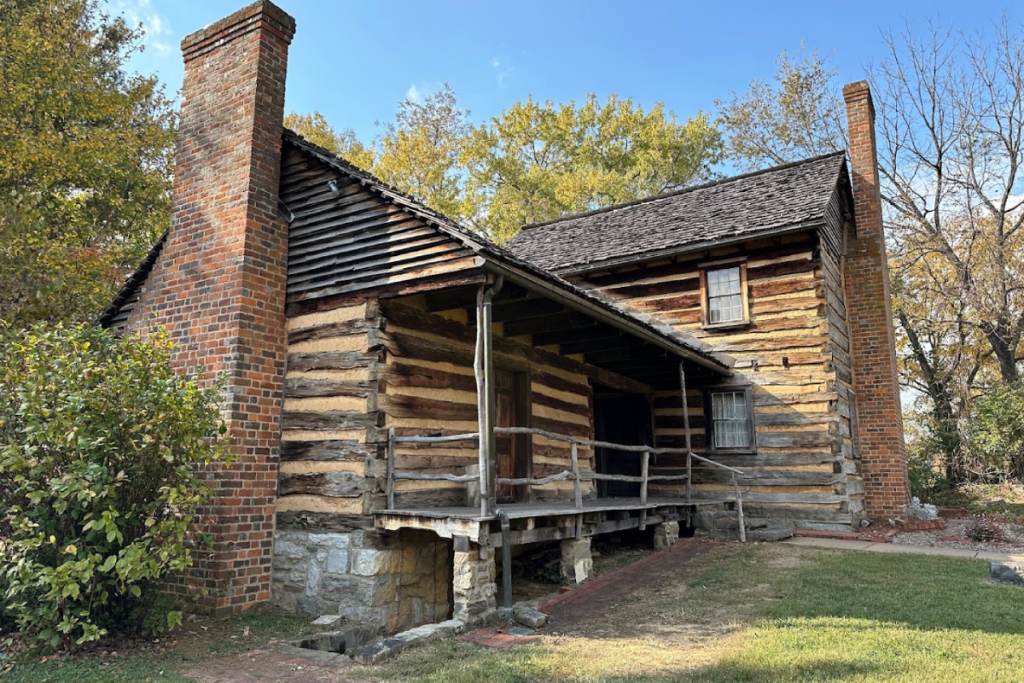
Tennessee holds onto its mountain roots in ways that go far beyond old photographs and dusty books. Across the eastern part of the state, special places work hard to keep Appalachian traditions, stories, and skills from fading away.
These museums, historic sites, and cultural centers let you step back in time to see how mountain families lived, worked, and created beauty from simple materials. Whether you want to watch blacksmiths hammering iron, walk through preserved pioneer cabins, or learn about Cherokee heritage, these eleven spots offer real connections to the people who shaped Tennessee’s Appalachian identity.
1. Museum of Appalachia – Clinton
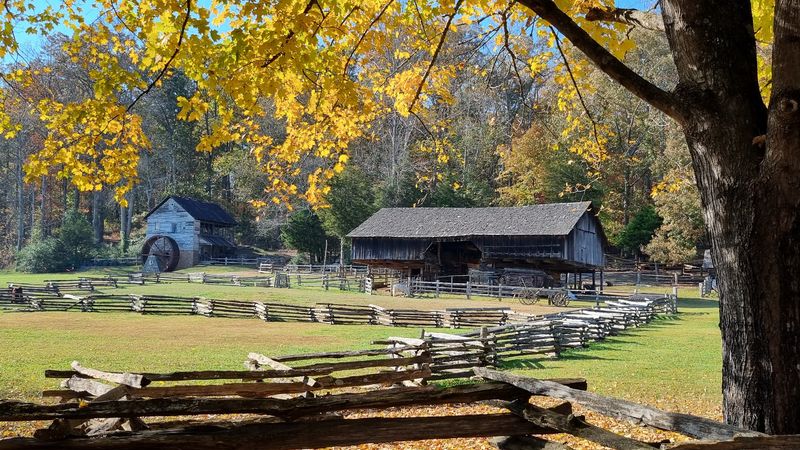
Walking through this living history museum feels like stepping into your great-great-grandparents’ world. Spread across 65 acres, the Museum of Appalachia brings together more than thirty historic structures moved from across the region.
Each building tells its own story, from tiny one-room cabins to barns filled with antique farm equipment.
The collection inside these walls might surprise you. Over 250,000 artifacts fill the spaces, including handmade quilts, dulcimers, moonshine stills, and tools that mountain families depended on for survival.
Nothing here feels staged or artificial. The worn handles on butter churns and the patched clothing on display remind you that real people used these items every single day.
Founder John Rice Irwin spent decades gathering these treasures directly from Appalachian families. His passion for preserving mountain culture shows in every detail.
You’ll find hand-written letters, photographs of weathered faces, and personal belongings that connect you to individual lives rather than just general history.
The museum hosts seasonal events that bring old traditions back to life. Musicians play mountain ballads on front porches while craftspeople demonstrate blacksmithing, weaving, and other skills that kept communities self-sufficient.
Kids especially love the barnyard animals and the chance to see how children their age lived without electricity or running water.
Plan to spend at least three hours here if you want to really explore. The paths between buildings wind through fields and past gardens planted with heritage crops.
Spring and fall offer the most comfortable weather for wandering, though each season shows a different side of mountain life. This place doesn’t just teach history. It helps you feel it in your bones.
2. Great Smoky Mountains Heritage Center – Townsend
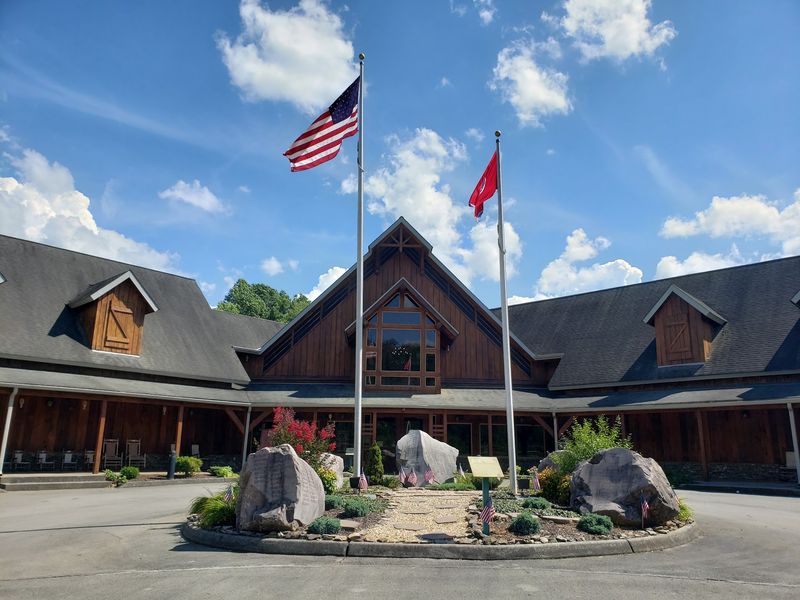
Right at the edge of America’s most visited national park sits a place that explains what life was like before millions of tourists discovered these mountains. The Great Smoky Mountains Heritage Center focuses on the everyday people who called this rugged landscape home.
Their stories often get overshadowed by the natural beauty, but this museum brings them front and center.
Inside, you’ll discover how Cherokee communities thrived here for thousands of years before European settlers arrived. Artifacts, photographs, and detailed exhibits show how both groups adapted to steep terrain, harsh winters, and isolation from the outside world.
The center doesn’t shy away from complicated history either, including the painful removal of families when the national park was created in the 1930s.
One of the best features is the collection of historic buildings moved to the property. A working grist mill still grinds corn using water power, just like it did generations ago.
You can watch the massive wooden wheel turn and hear the stones crushing grain. A one-room schoolhouse, a cantilever barn, and a pioneer cabin show different aspects of mountain architecture and daily routines.
Temporary exhibits rotate throughout the year, covering topics like Appalachian music, traditional foodways, and the role of women in mountain communities. These changing displays keep the experience fresh even for repeat visitors.
The gift shop carries locally made crafts, ensuring your purchase supports regional artisans rather than mass-produced souvenirs.
Located on the quiet side of the Smokies, Townsend offers a more relaxed alternative to crowded Gatlinburg. After touring the Heritage Center, you can explore the nearby Cades Cove loop or hike to waterfalls without fighting tourist traffic.
This spot gives you cultural context that makes your time in the mountains more meaningful.
3. Rocky Mount State Historic Site – Piney Flats
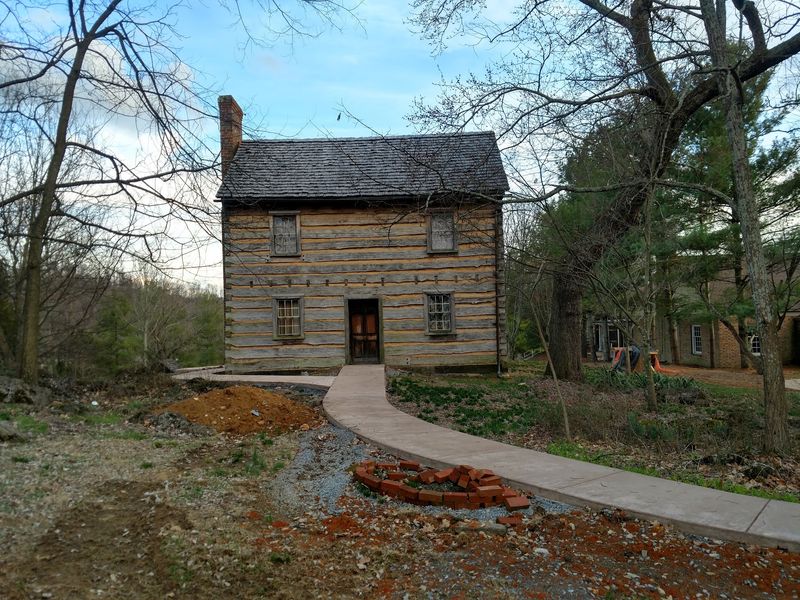
Most people picture tiny log cabins when they think of frontier life, but Rocky Mount tells a different story. This impressive two-story structure served as the territorial capital of the Southwest Territory from 1790 to 1792.
William Cobb built this mansion-sized home in 1770, making it one of the oldest original territorial capitals still standing in the United States.
The size alone will catch you off guard. This isn’t some cramped pioneer dwelling.
Multiple rooms spread across two floors, with massive stone fireplaces and hand-hewn beams supporting the structure. Costumed interpreters guide you through spaces where early government business happened, explaining how territorial leaders made decisions that shaped Tennessee’s path to statehood.
Outside, the living history farm recreates 18th-century agricultural life. Heritage breed animals graze in fields while staff members demonstrate cooking, spinning, weaving, and other tasks that kept a large household running.
The vegetable gardens grow heirloom varieties that would have fed families back then. Nothing here uses modern shortcuts, so you get an honest look at how much physical labor daily survival required.
Special programs throughout the year focus on specific skills or historical events. You might catch a blacksmithing demonstration, a cooking workshop using period recipes, or a discussion about Cherokee and settler interactions during this era.
School groups frequently visit for hands-on history lessons that textbooks simply cannot match.
The site sits in a beautiful rural setting, far enough from modern development that you can almost imagine yourself transported back in time. Bring a picnic to enjoy on the grounds after your tour.
Spring wildflowers and fall foliage make those seasons particularly photogenic, though the massive fireplaces inside offer cozy warmth during winter visits. Rocky Mount proves that frontier life held more complexity and sophistication than most people realize.
4. Tipton-Haynes State Historic Site – Johnson City
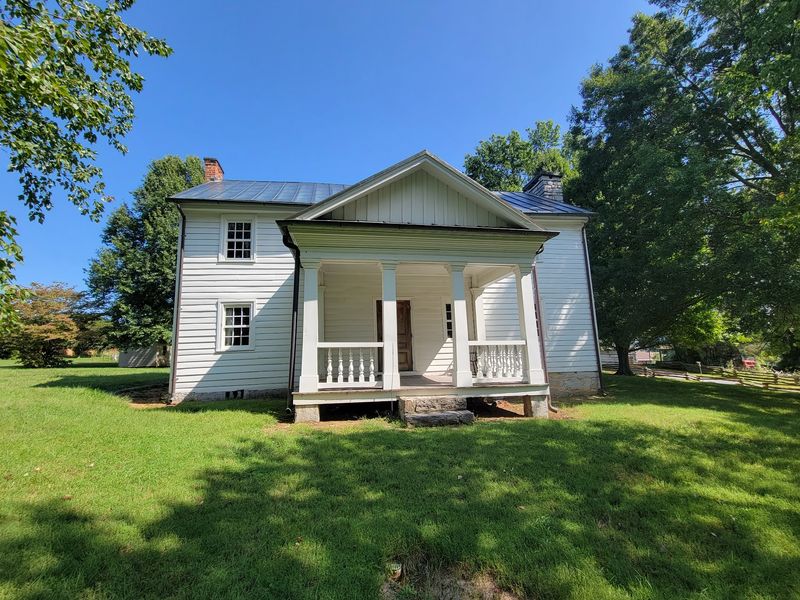
Some places witness so much history that their walls could tell a thousand stories. Tipton-Haynes served as a stagecoach stop, a Civil War site, and home to multiple influential Tennessee families across more than two centuries.
The main house dates to the 1780s, with additions and modifications reflecting changing times and fortunes.
Colonel John Tipton, an early landowner here, played a major role in the short-lived State of Franklin, an attempt to create a new state in the 1780s. That failed experiment in self-government offers fascinating insights into how chaotic and uncertain life was on the frontier.
Guides share stories about political conflicts, personal rivalries, and the struggle to establish law and order in wild territory.
The property later became a prosperous farm under the Haynes family. Ten historic structures now fill the grounds, including a springhouse, smokehouse, corncrib, and law office.
Each building serves as a mini-museum showcasing different aspects of 19th-century rural life. You can peek inside the springhouse to see how families kept food cool before refrigeration or examine the tools stored in the barn.
Civil War history runs deep here too. Both Union and Confederate forces used the property at different times, and a small cave on the grounds reportedly sheltered soldiers.
Battle artifacts found on the land connect you directly to the conflict that tore Tennessee apart. Interpretive signs explain military movements and the difficult choices local families faced about which side to support.
The site hosts regular events that bring history to life, from period music performances to heritage craft demonstrations. Kids enjoy the scavenger hunts designed to help them explore the grounds while learning.
Teachers appreciate the educational programs aligned with state curriculum standards. Located right in Johnson City, this spot offers easy access to Appalachian history without a long drive into the mountains.
5. Sequoyah Birthplace Museum – Vonore
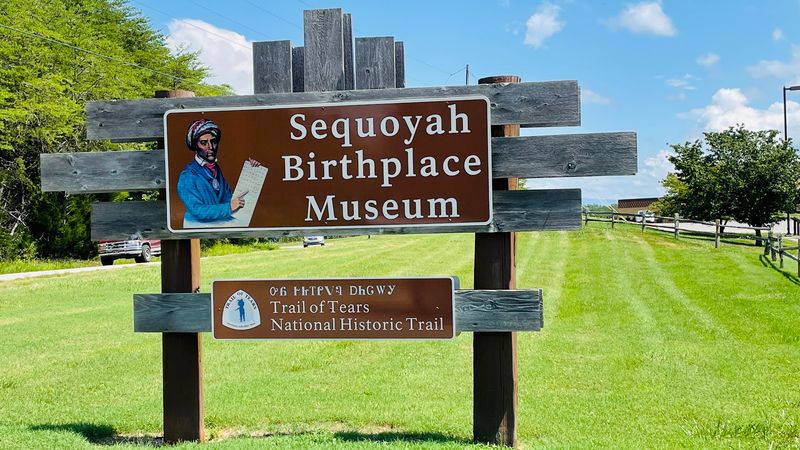
Genius can emerge from anywhere, even from someone who never learned to read English. Sequoyah, born around 1776 in the Cherokee village of Tuskegee, created something remarkable without formal education or outside help.
He single-handedly developed a written syllabary for the Cherokee language, giving his people a way to preserve their stories, laws, and knowledge on paper.
This museum honors his incredible achievement and explores Cherokee culture more broadly. Interactive exhibits let you try writing your name using Cherokee characters, showing how the 85-symbol system works.
Within months of Sequoyah introducing his syllabary in 1821, thousands of Cherokee people learned to read and write in their own language. That rapid adoption proved the system’s brilliance and practicality.
Beyond Sequoyah’s story, the museum covers Cherokee history in East Tennessee, including the painful Trail of Tears era. Artifacts, photographs, and personal accounts document both the richness of Cherokee civilization and the tragedy of forced removal.
The exhibits don’t sugarcoat difficult truths, making this an important place for understanding the complete history of this region.
The museum sits on the shores of Tellico Lake, near the location of several historic Cherokee towns now submerged beneath the water. That physical connection to lost communities adds emotional weight to the experience.
Outside, a memorial garden provides a quiet space for reflection, with native plants and interpretive signs explaining their traditional uses.
Special programs bring in Cherokee artists, storytellers, and scholars to share contemporary perspectives on maintaining cultural identity. These events remind visitors that Cherokee culture didn’t end with removal but continues to evolve and thrive today.
The gift shop offers authentic Cherokee crafts, books, and music, with proceeds supporting cultural preservation efforts. Anyone interested in Native American history or linguistic innovation will find this museum absolutely fascinating.
Sequoyah’s legacy extends far beyond Tennessee, but this is where his journey began.
6. Appalachian Arts Craft Center – Clinton
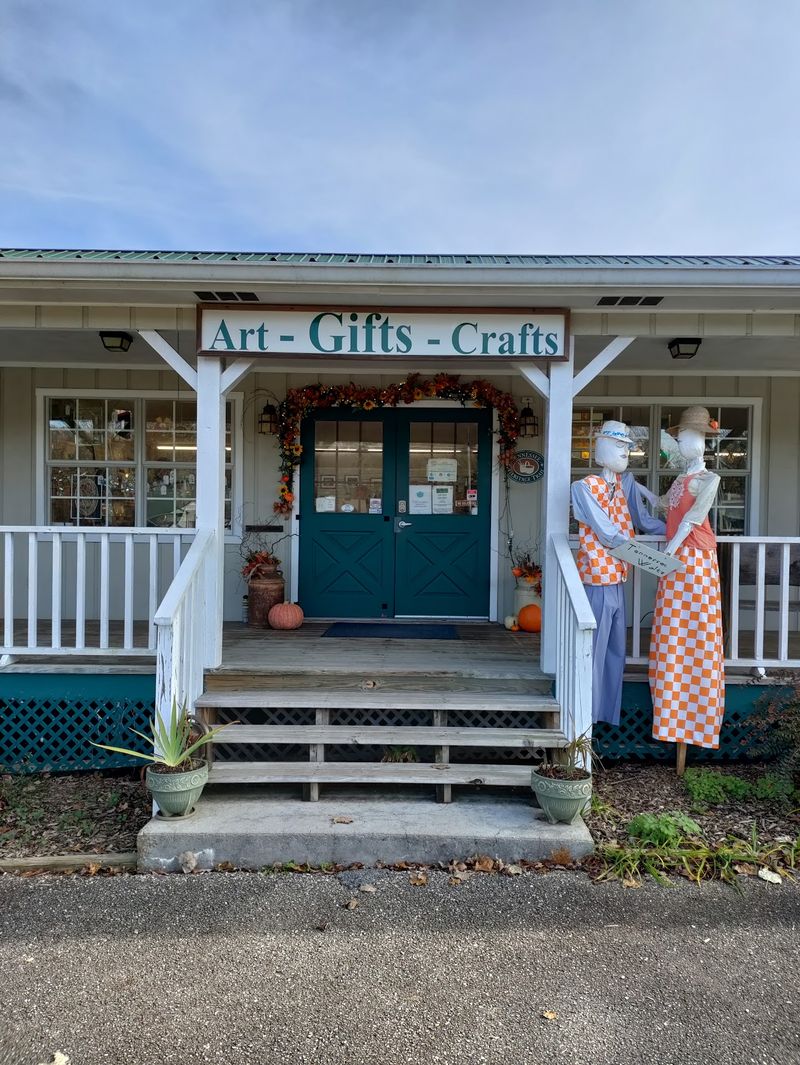
Mountain people have always made beautiful things out of necessity. When you couldn’t buy what you needed, you learned to create it yourself.
That practical creativity evolved into distinctive art forms that define Appalachian culture. The Appalachian Arts Craft Center celebrates these traditions while supporting contemporary artists who keep old skills alive.
Walking through the center feels like browsing through someone’s incredibly talented family’s workshop. Handwoven baskets sit alongside intricate quilts, carved wooden bowls, and hand-thrown pottery.
Each piece carries the mark of individual craftsmanship rather than factory uniformity. You can see the slight variations that prove human hands shaped these items with care and skill.
Many artists working today learned their crafts from parents or grandparents who learned from their elders. That unbroken chain of knowledge stretches back generations, preserving techniques that might otherwise disappear.
Watching a weaver work a loom or a woodcarver shape a spoon connects you to centuries of mountain ingenuity. The center occasionally hosts demonstrations where you can ask questions and see exactly how these beautiful objects come to life.
Purchasing items here directly supports regional artists and their families. Unlike mass-produced souvenirs, these handmade pieces represent real livelihoods and cultural continuity.
A handwoven basket might cost more than a plastic one, but it will last for decades and carries the story of its maker. That connection between object and person makes these purchases meaningful rather than just decorative.
The center also offers workshops where you can try your hand at various crafts. Learning how difficult these skills are gives you tremendous appreciation for master craftspeople.
Even a simple basket requires patience, strength, and years of practice to execute well. Taking home something you made yourself, no matter how imperfect, creates a personal connection to Appalachian traditions.
Located near the Museum of Appalachia, you can easily visit both spots in one trip for a full day of cultural immersion.
7. Cordell Hull Birthplace State Park – Byrdstown
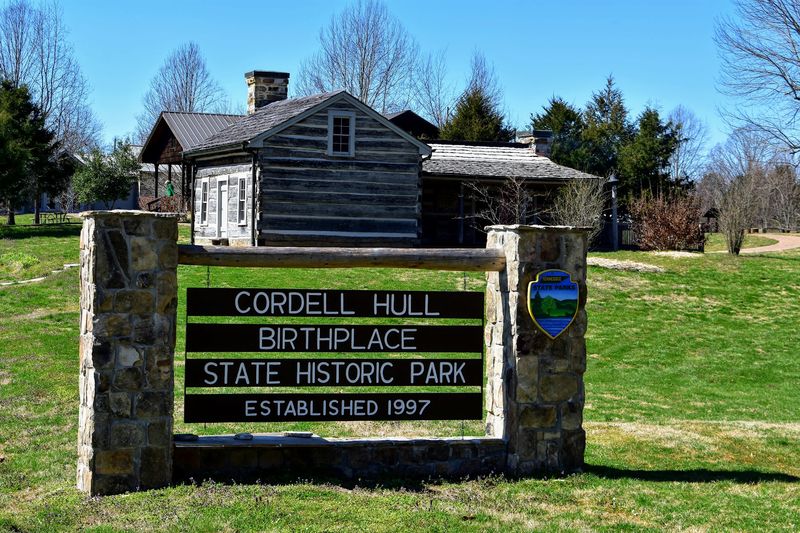
Sometimes the humblest beginnings produce the most remarkable lives. Cordell Hull entered the world in 1871 in a tiny log cabin in one of Tennessee’s most remote corners.
That boy from the mountains would eventually serve as U.S. Secretary of State for eleven years and win the Nobel Peace Prize for his work creating the United Nations.
The reconstructed cabin sits on the original site where Hull was born. Its small size shocks most visitors.
An entire family lived, cooked, and slept in a space smaller than many modern bedrooms. Standing inside helps you understand the determination it took for someone from such limited circumstances to reach the heights of international diplomacy.
Hull’s story embodies the American ideal that talent and hard work can overcome any obstacle.
The park includes a museum building with exhibits about Hull’s life and career. Photographs trace his journey from rural Tennessee lawyer to congressman to senator to one of the most influential diplomats of the 20th century.
His efforts to reduce trade barriers and promote international cooperation helped reshape global politics. Learning about his achievements makes you proud that Tennessee produced such a consequential figure.
Beyond the historical significance, the park offers natural beauty typical of the Upper Cumberland region. Hiking trails wind through woods and along streams, providing peaceful settings for reflection.
Picnic areas let you enjoy lunch surrounded by the same landscape that shaped Hull’s character. The remoteness that once limited opportunities here now offers an escape from modern noise and distraction.
This park sees fewer visitors than more famous sites, which means you often have the place largely to yourself. That quiet allows for genuine contemplation about how far one person can reach beyond their origins.
Teachers find this an excellent spot for lessons about perseverance, public service, and 20th-century history. The park proves that Appalachian culture produced not just folkways and crafts but also leaders who changed the world.
8. Historic Rugby – Rugby
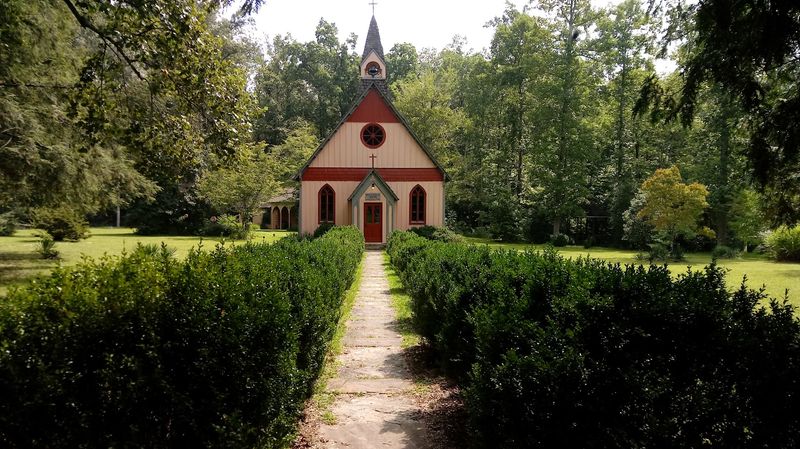
Not all Appalachian history involves log cabins and pioneer struggles. In 1880, British author Thomas Hughes founded Rugby as a utopian colony where younger sons of English gentry could build new lives.
British inheritance laws left these men without land or prospects, so Hughes envisioned an American community blending English culture with frontier opportunity. The experiment produced a fascinating hybrid that still captivates visitors today.
Seventeen original Victorian buildings survive in this National Historic Landmark village. The architecture looks startlingly different from typical mountain structures.
Gothic Revival cottages with decorative trim, a beautiful Episcopal church with original stained glass, and the impressive Hughes Public Library create an English village atmosphere transplanted to Tennessee wilderness. Walking these streets feels like discovering a secret piece of Britain hidden in Appalachian hills.
The library holds special significance. Its collection includes 7,000 volumes, many dating to the 1880s, making it one of the oldest public libraries in continuous operation in Tennessee.
You can still check out books from shelves that Victorian colonists browsed. That tangible connection across 140 years makes the hair on your arms stand up.
The musty smell of old leather bindings and aged paper transports you instantly backward in time.
Tours of the historic buildings reveal both the colony’s idealistic dreams and its practical failures. The settlers struggled with Tennessee’s climate, poor soil, and isolation from markets.
Most colonists eventually gave up and left, though a few families stayed and their descendants still live in the area. That persistence despite failure shows the same Appalachian stubbornness that characterized all mountain settlers, regardless of their origins.
Today, Historic Rugby thrives as a heritage tourism destination. The village hosts craft fairs, Victorian teas, and special events throughout the year.
You can stay overnight in renovated historic buildings, sleeping in rooms where English colonists once dreamed of building a perfect society. The surrounding plateau offers hiking, scenic drives, and a distinctly different landscape from the Smokies.
9. Cumberland Homesteads Tower Museum – Crossville
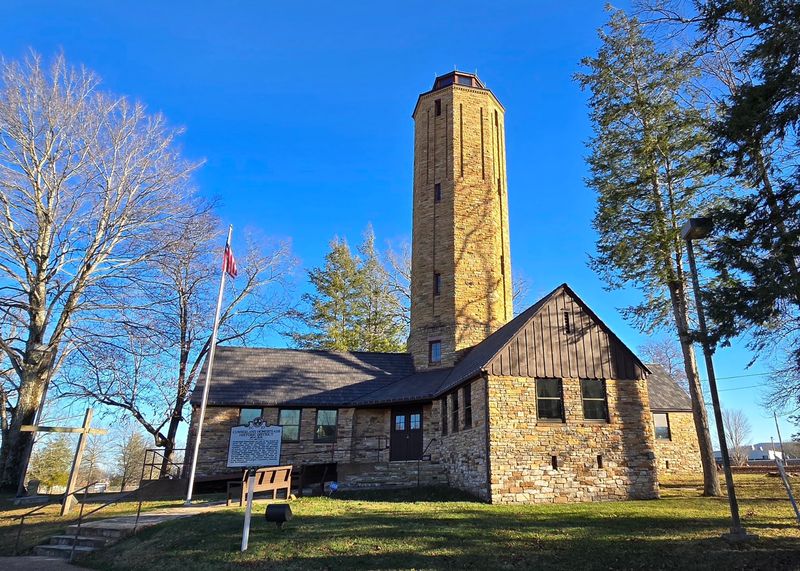
The Great Depression crushed mountain families already living on the economic edge. In response, President Franklin Roosevelt’s New Deal created the Cumberland Homesteads project in 1934, one of the most ambitious social experiments in Tennessee history.
The government built an entire planned community where struggling families could own homes, farm cooperative land, and support themselves through craft production. The Tower Museum tells this remarkable story of hope during America’s darkest economic period.
The octagonal stone tower itself represents the community’s cooperative spirit. Homesteaders quarried the Crab Orchard stone and built the structure themselves, creating a landmark visible for miles.
Climbing to the top rewards you with panoramic views of the Cumberland Plateau. From that height, you can spot some of the 250 original sandstone homes built for project families, many still occupied today.
Inside the museum, exhibits explain how the homesteads program worked. Each family received a house, several acres, and access to communal resources like a cannery, sawmill, and craft workshop.
In exchange, they worked to build the community and repay their government loans. Photographs show families moving into their new homes, children attending the community school, and workers constructing buildings.
The hope and pride in those faces reminds you how transformative stable housing and steady work can be.
The community produced beautiful handwoven coverlets, hand-carved furniture, and other crafts sold across the country. These items brought cash income while preserving traditional Appalachian skills.
Examples of original homesteads crafts displayed in the museum showcase remarkable quality. People who owned nothing created objects of lasting beauty and value.
Though the federal program ended, Cumberland Homesteads survived as a community. Many original families stayed, and the cooperative spirit continues in various forms.
Walking the grounds, you pass the old administration building, school, and other structures that formed the project’s infrastructure. This place proves that thoughtful government intervention can create lasting positive change in struggling communities.
10. Arrowmont School of Arts and Crafts – Gatlinburg
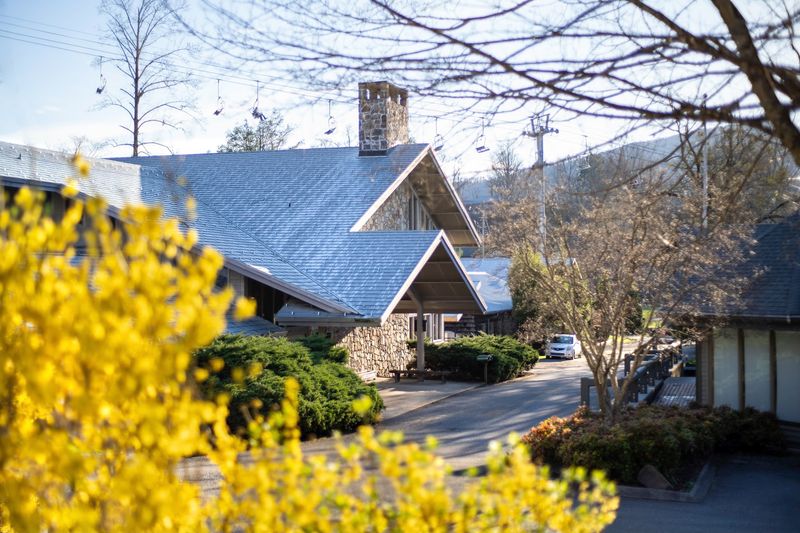
Preserving traditional crafts means more than just displaying old objects in museums. It requires teaching new generations of artists who will carry skills forward.
Arrowmont School of Arts and Crafts has fulfilled that mission since 1912, when Pi Beta Phi fraternity founded a settlement school to serve mountain children. That educational commitment evolved into one of the nation’s premier craft schools, where students from across the country come to learn from master artists.
The campus nestles in the heart of Gatlinburg, yet feels removed from the tourist chaos on the main strip. Multiple studios and workshop buildings spread across the grounds, each dedicated to specific media like ceramics, metalwork, fiber arts, or woodworking.
Walking past open windows, you hear the whir of pottery wheels, the clang of hammers on metal, and the rhythmic clack of looms. Creative energy fills the air.
Weekend and week-long workshops bring in nationally recognized artists to teach intensive courses. You might take a class in traditional Appalachian chair-making, contemporary jewelry design, or experimental fiber techniques.
The school honors mountain craft traditions while embracing innovation and new artistic directions. That balance between preservation and evolution keeps crafts relevant to modern audiences rather than frozen as historical curiosities.
Even if you don’t take a class, you can visit the galleries showcasing student and instructor work. The quality rivals anything you’ll find in upscale art galleries, proving that craft and fine art exist on a spectrum rather than in separate categories.
Exhibitions change regularly, so repeat visits always offer something new to admire.
The school’s gift shop sells work by instructors and accomplished former students. Purchasing a piece directly supports working artists while giving you something unique and beautifully made.
Many items blend traditional techniques with contemporary design sensibilities, creating objects that feel both rooted in Appalachian heritage and completely current. Arrowmont proves that mountain craft traditions remain vibrant, evolving art forms rather than relics of the past.
11. Cades Cove Historic District – Great Smoky Mountains National Park
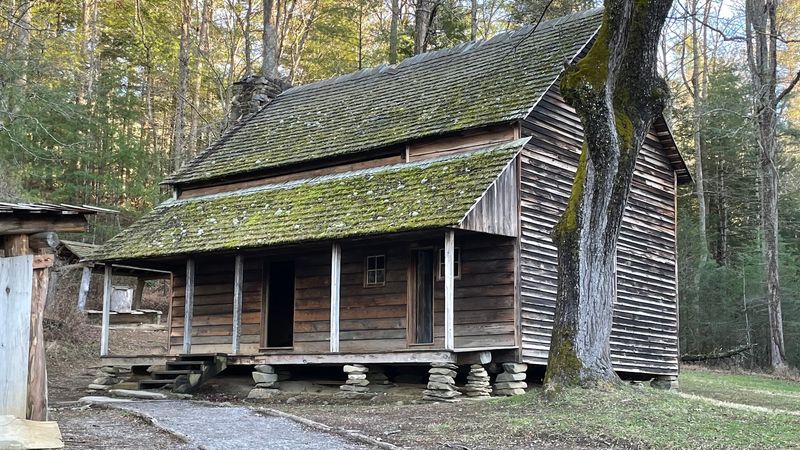
Before the Smokies became a national park, families farmed these valleys and hollows for generations. Cades Cove preserves the most complete collection of historic structures showing how mountain communities functioned as working agricultural settlements.
An eleven-mile loop road circles the cove, passing homes, churches, barns, and mills that tell the story of isolated but self-sufficient mountain life.
The scenic drive attracts huge crowds, especially during peak tourist seasons and fall foliage. Going early in the morning or on weekday evenings helps you avoid the worst traffic jams.
Better yet, visit on Wednesday or Saturday mornings when the loop closes to motor vehicles until 10 a.m., allowing cyclists and walkers to enjoy the cove in relative peace. That quiet lets you imagine what this valley sounded like when only a few dozen families called it home.
Multiple historic buildings invite exploration. The John Oliver cabin, one of the oldest structures in the park, shows how cramped and dark early log homes were.
Later frame houses reveal how families upgraded their living conditions as prosperity increased. Three churches served the cove’s spiritual needs, and their simple beauty reflects the plain-spoken faith that sustained mountain people through hard times.
Cemeteries beside the churches hold generations of the same families, their weathered stones marking lives of toil and devotion.
Wildlife viewing in Cades Cove ranks among the best in the entire park. White-tailed deer graze in open fields, wild turkeys strut through clearings, and black bears frequently appear at forest edges, especially during early morning and evening hours.
The open valley floor provides visibility you won’t find in dense mountain forests. Bring binoculars and patience for your best chance at spotting animals.
Two working mills demonstrate water-powered technology that ground corn and cut lumber for the community. Watching the massive wooden wheels turn and the machinery operate helps you appreciate the ingenuity required to harness natural forces.
These weren’t primitive people barely surviving. They built complex, functional systems that met their needs without depending on the outside world.