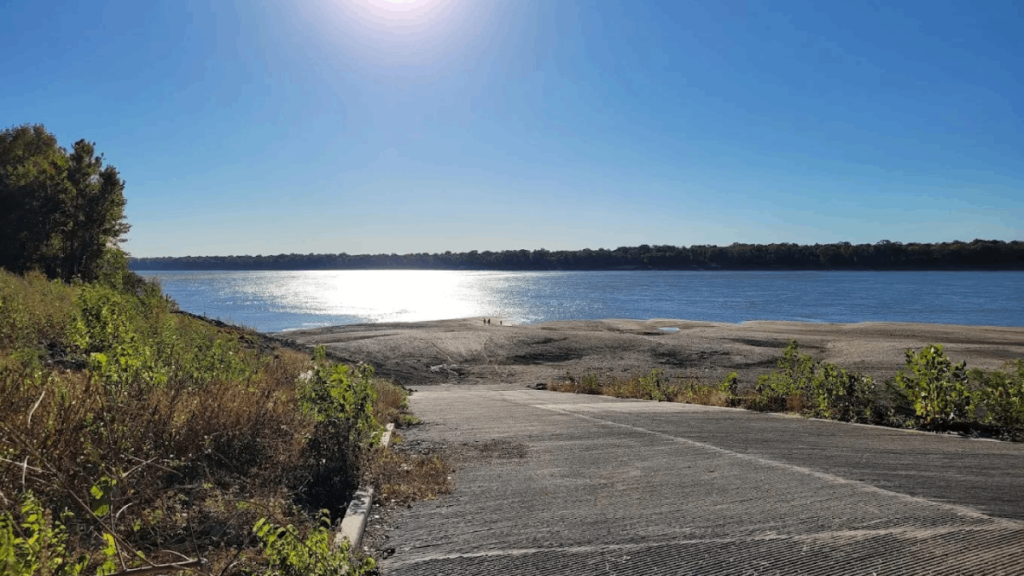
Tennessee’s state parks don’t all feel the same. Some draw steady streams of visitors year-round, while others remain wonderfully uncrowded even during peak season. If you’re searching for places where nature takes center stage and you won’t have to share the trail with dozens of other people, you’re in luck.
These eleven parks offer exactly that: space to breathe, wildlife around every corner, and the kind of peaceful atmosphere that makes you forget how close you are to civilization.
1. Big Hill Pond State Park
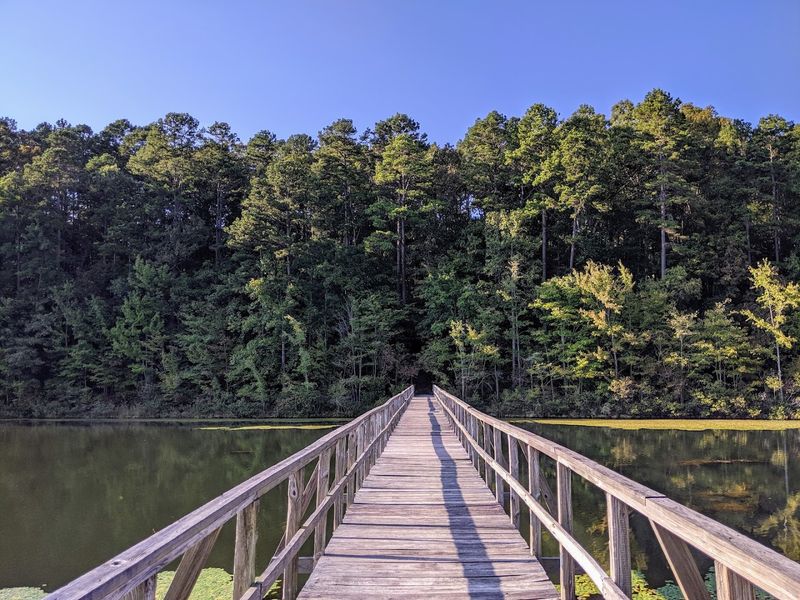
Swamps get a bad reputation, but Big Hill Pond embraces its wild, wet character with pride. The boardwalks here wind through flooded cypress stands where the water sits dark and still, reflecting twisted roots and hanging moss. It’s the kind of place that feels untouched, even though the trails are well-maintained and easy to follow.
Bald eagles nest in the tall trees surrounding the wetlands, and if you visit during winter months, you might catch sight of one perched above the water, scanning for fish. Waterfowl congregate here in impressive numbers during migration, turning the ponds into a bustling rest stop for ducks, herons, and egrets. The trail network stretches long enough to keep you busy for hours without retracing your steps.
Because Big Hill Pond doesn’t sit near any major highways or tourist magnets, it stays blissfully quiet. You’ll hear frogs croaking, birds calling, and wind rustling through the reeds more often than human voices. The fishing is solid if you’re into that, and the whole park has this remote, backcountry vibe that makes you feel like you’ve wandered much farther from home than you actually have.
Pack bug spray during warmer months, bring binoculars for birdwatching, and prepare to enjoy one of West Tennessee’s best-kept secrets.
2. Lamar Alexander Rocky Fork State Park
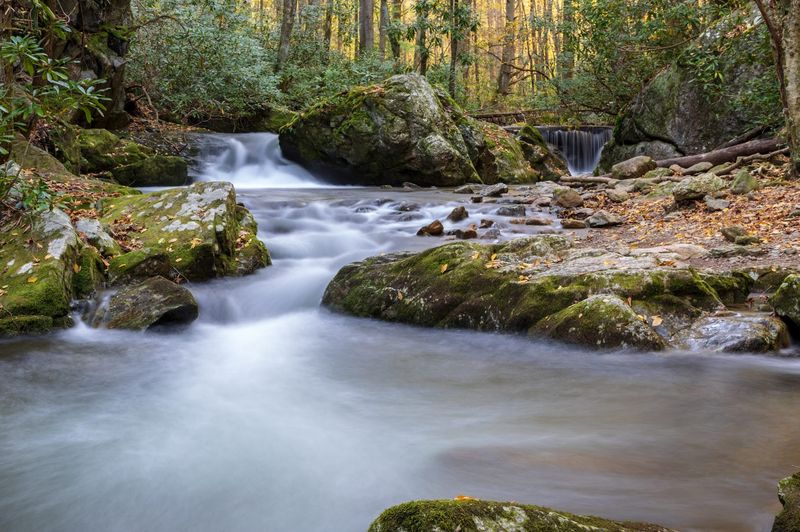
Tucked into the mountains near the North Carolina border, Rocky Fork delivers everything you want from a high-elevation escape without the crowds that pack more famous spots. The terrain here doesn’t mess around: steep ridges, rocky scrambles, and waterfalls that tumble down narrow gorges. It’s beautiful in a raw, unpolished way that feels more Appalachian than resort-friendly.
Ruffed grouse burst from the underbrush when you least expect it, black bears leave tracks along muddy sections of trail, and white-tailed deer browse the ridgelines at dawn and dusk. The park’s relative obscurity means animals haven’t learned to fear people quite as much, so quiet hikers often get rewarded with close encounters.
The trail system winds through hardwood forests that explode with color each fall, and several paths lead to overlooks where you can see ridge after ridge stretching into the distance. Stream crossings are frequent, and the sound of rushing water follows you through much of the park. It’s not the easiest hiking in Tennessee, but that’s part of the appeal.
Come prepared for elevation changes and potentially muddy conditions. Cell service is spotty at best, so download maps ahead of time and tell someone where you’re headed before you go.
3. Mousetail Landing State Park
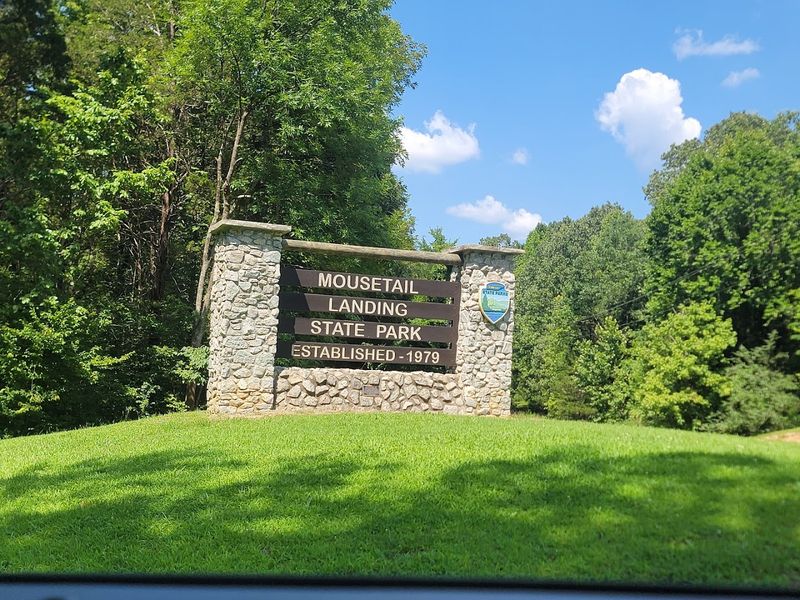
Most people drive right past this one on their way to bigger-name parks, which is exactly why it belongs on this list. Mousetail Landing sits along the Tennessee River in a bend where the water moves slow and the woods press close to the shore. The name comes from old river lore about stacked pelts that supposedly resembled mouse tails, though you won’t find any furriers here today.
What you will find is excellent fishing, quiet trails that loop through bottomland hardwoods, and campsites that rarely fill up even on holiday weekends. The river attracts osprey, great blue herons, and kingfishers that dive-bomb the shallows hunting for fish. Beavers work the tributary creeks, and if you paddle the backwaters in a kayak, you’ll likely spot their lodges tucked against the banks.
The hiking isn’t strenuous, making this a great choice if you want to cover ground without gasping for air. Trails wind along bluffs overlooking the river and cut through forests where deer browse and turkeys scratch through leaf litter. The park has a tucked-away feel that makes it perfect for people who prefer their nature experiences without constant company.
Bring fishing gear if you’re into bass or catfish, and consider timing your visit for early morning or late afternoon when wildlife activity peaks along the water’s edge.
4. Standing Stone State Park
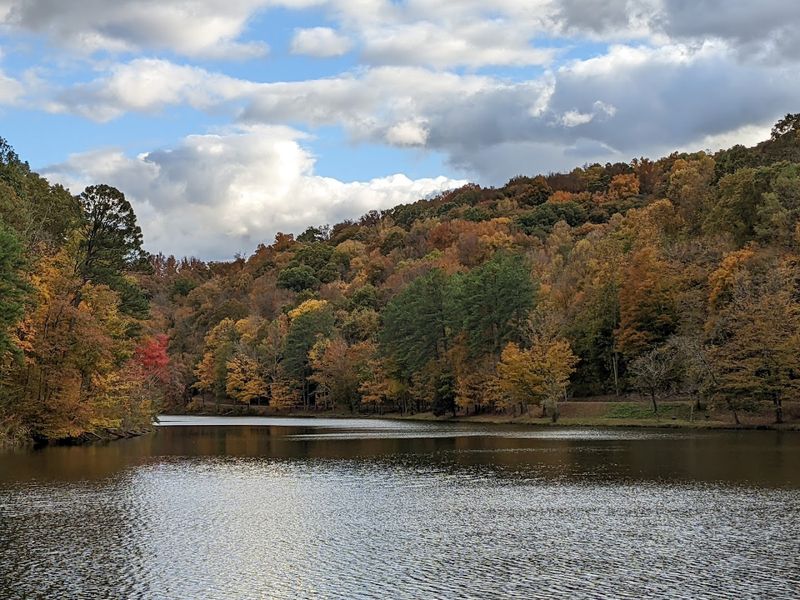
Kelly Lake sits at the heart of this Cumberland Plateau park like a mirror reflecting the surrounding forest. The water stays calm most days, broken only by turtles surfacing for air or herons stalking the shallows. It’s the kind of place where you can sit on a bench and watch nature unfold without feeling rushed or crowded.
Barred owls call from the woods at dusk, their distinctive “who cooks for you” echoing across the water. Migrating waterfowl stop here during spring and fall, turning the lake into a temporary home for ducks, geese, and occasional loons. The trails loop around the lake and climb into the surrounding hills, offering views that change with the seasons but always feel peaceful.
Standing Stone doesn’t get the attention of parks closer to major cities, which means you’ll often have entire sections of the trail to yourself. The park’s name comes from a legendary stone marker that indigenous peoples supposedly used for navigation, though the original stone is long gone. What remains is a landscape that still feels timeless and unhurried.
The swimming beach is small but pleasant during summer, and the fishing is solid for bass and bluegill. Pack a lunch and plan to spend the whole day wandering trails and watching wildlife around the lake.
5. Reelfoot Lake State Park
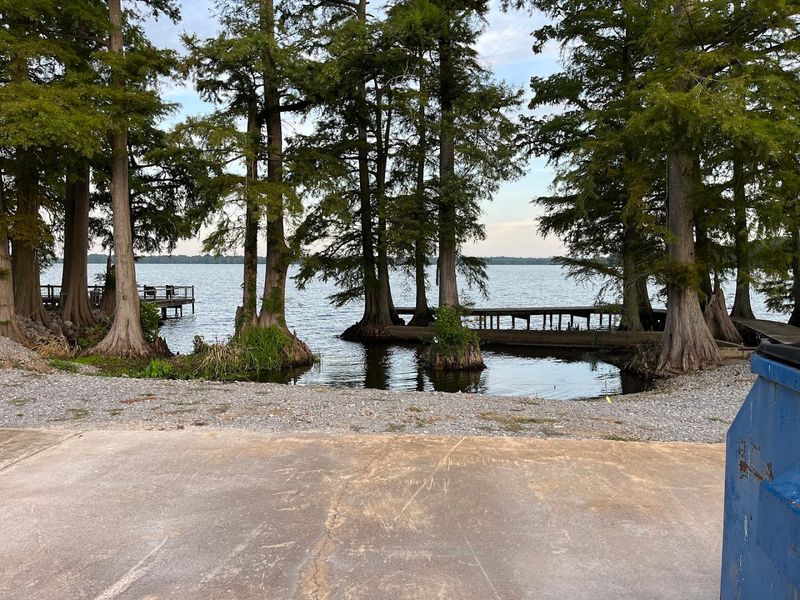
Formed by earthquakes in the early 1800s, Reelfoot Lake looks like something out of a Louisiana bayou transplanted to northwest Tennessee. Cypress trees rise from the shallow water, their knobby knees breaking the surface and their branches draped with Spanish moss. The whole place feels ancient and wild in a way that’s rare this far north.
Wildlife here isn’t just abundant—it’s overwhelming. Bald eagles winter in huge numbers, perching in the cypress trees and diving for fish throughout the day. American white pelicans glide across the water in formation, their massive wingspans impossible to miss.
Ducks, geese, herons, egrets, and cormorants crowd the channels and open water, creating a constant chorus of calls and splashes.
The best way to experience Reelfoot is by boat, whether you’re paddling a kayak through the flooded forest or taking a guided pontoon tour. The water stays shallow enough that you can see fish swimming below and turtles sunning on half-submerged logs. Fishing guides work the lake year-round, targeting crappie and catfish that thrive in the tangled underwater structure.
Visit during winter for peak eagle activity, or come in spring when migrating birds pass through by the thousands. Either way, bring a good camera with a zoom lens and expect to fill your memory card quickly.
6. Edgar Evins State Park
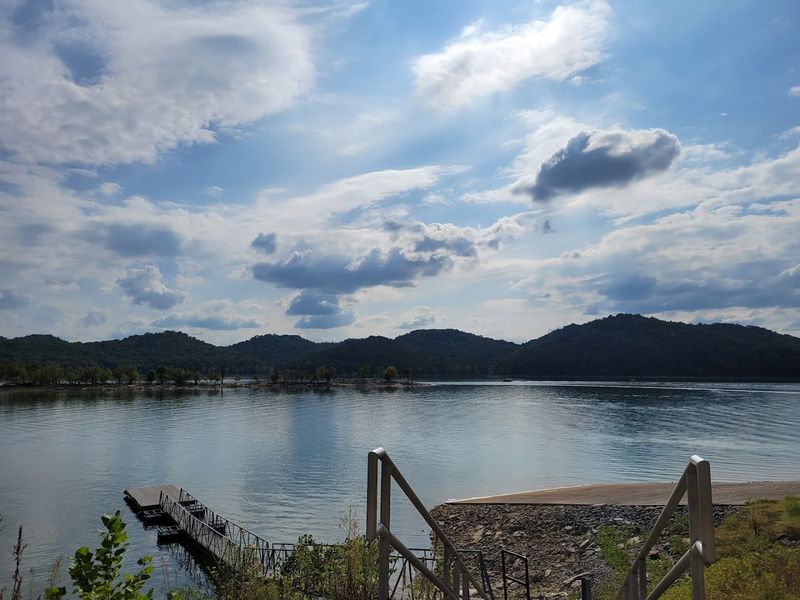
Center Hill Lake’s emerald water stretches for miles around Edgar Evins, creating habitat that attracts an impressive variety of raptors and songbirds. The park sits on a peninsula where forest meets water, giving wildlife plenty of edge habitat to exploit.
Bald eagles patrol the lake year-round, though they’re most visible during winter when they concentrate near open water. Red-tailed hawks and red-shouldered hawks hunt the woods and shoreline, while great horned owls and barred owls call from the trees after dark. The forest canopy hosts warblers, vireos, thrushes, and dozens of other songbird species that fill the air with sound during spring migration.
The trail system here isn’t extensive, but what exists is well-maintained and offers good lake views. The campground stays busy during summer weekends, but the trails and shoreline areas remain surprisingly peaceful even when the campsites are full. Fishing is excellent for smallmouth bass, and the boat ramps stay open year-round for anglers and paddlers.
Early morning is prime time for wildlife activity, so set your alarm and hit the trails at dawn if you want the best chance at seeing eagles, deer, and other creatures before they retreat to cover for the day.
7. Pickett CCC Memorial State Park
Remote doesn’t begin to describe Pickett. This park sits in the far northern reaches of Tennessee, surrounded by thousands of acres of state forest and national forest that create a buffer from civilization. The result is a place where darkness still means something, where stars shine so bright they cast shadows, and where the only sounds after sunset come from owls, whippoorwills, and wind through the trees.
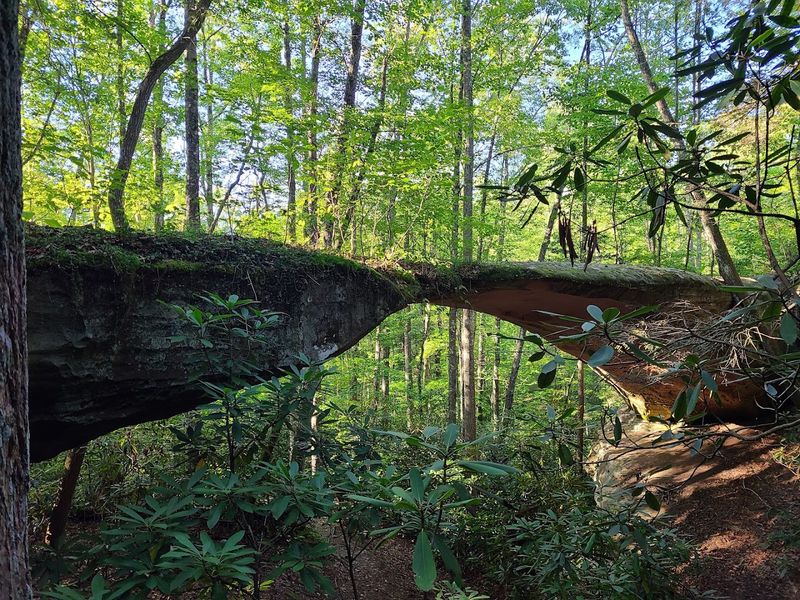
The International Dark Sky designation isn’t just a gimmick—Pickett genuinely offers some of the best stargazing in the eastern United States. But even during daylight, the park impresses with its sandstone arches, deep caves, and old-growth forest.
The trail network includes everything from easy nature walks to challenging scrambles through rocky terrain. Natural Bridge and Hazard Cave rank among the highlights, offering geological features you won’t find in many other Tennessee parks. The whole place feels like a secret that only a few people know about, which is exactly the appeal.
Bring supplies because you won’t find much nearby, and plan to stay after dark if you visit during new moon phases. The night sky alone is worth the drive.
8. Nathan Bedford Forrest State Park
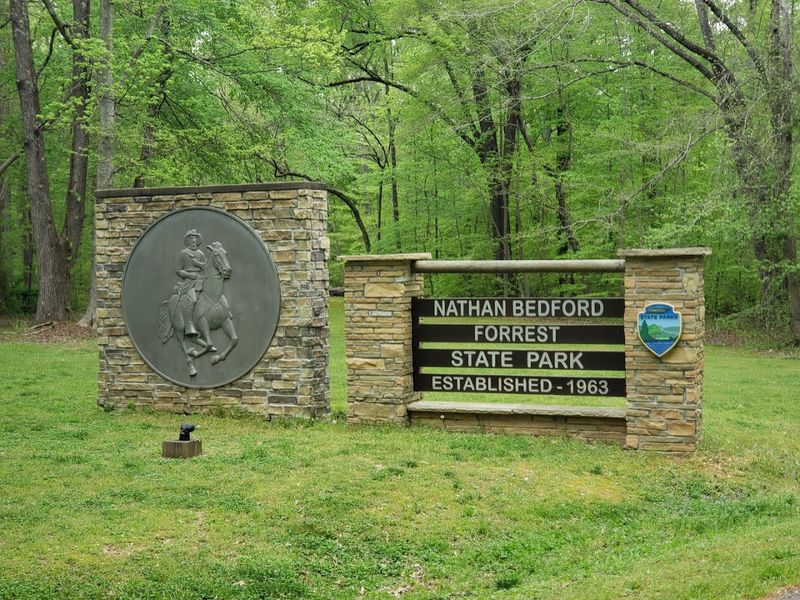
Perched on bluffs overlooking the Tennessee River, this park combines hardwood bottomlands with ridge-top views that stretch for miles. The name carries historical baggage, but the landscape itself is pure West Tennessee: river bottoms thick with oak and hickory, wetlands where herons stalk fish, and ridges where you can watch eagles soar at eye level.
Birding is the main draw here, with species lists that run into the hundreds. Waterfowl winter on the river in huge rafts, wading birds work the shallows year-round, and songbirds flood through during spring and fall migration. Bald eagles nest in the area, and it’s not uncommon to see multiple birds circling the river at once.
Gulls, terns, and cormorants add to the diversity, making this a surprisingly coastal-feeling spot despite being hundreds of miles from the ocean.
The trail system isn’t huge, but what exists is well-designed and offers variety. Some paths follow the bluff line with constant river views, while others drop into the bottomlands where the forest grows thick and the air stays cool even on hot days. The park museum provides context about the area’s history and natural features.
9. Natchez Trace State Park
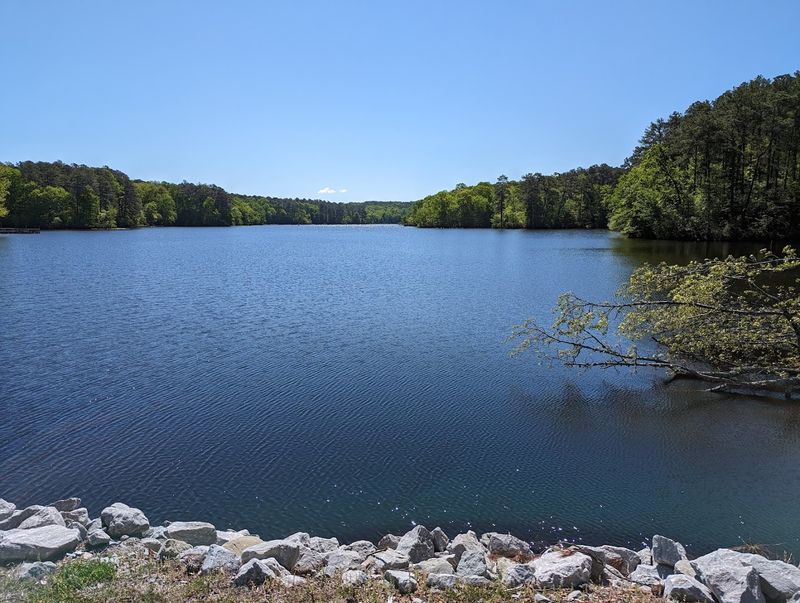
At 48,000 acres, the broader Natchez Trace recreation area gives you room to spread out like few other places in Tennessee. The state park section includes multiple lakes, extensive trail networks, and enough forest to swallow up whatever crowds do show up. It’s big enough that you can hike for hours without seeing the same scenery twice or running into other people.
The lakes attract waterfowl during migration and support healthy populations of bass, crappie, and catfish. The surrounding forest hosts deer, turkey, coyotes, and an impressive variety of woodland birds. During spring, the woods explode with wildflowers and birdsong.
In fall, the hardwood canopy turns brilliant shades of red, orange, and gold that rival anything you’ll see in the Smokies.
The trail system offers everything from easy lakeside strolls to challenging ridge hikes. Horseback riding is popular here, with dedicated equestrian trails that wind through some of the park’s most remote sections. The campground and cabins stay reasonably busy, but the sheer size of the place means you can always find solitude if you’re willing to walk a bit.
This is a great choice if you want options. You can fish, hike, paddle, ride horses, or just sit by the lake and watch herons hunt. The variety keeps things interesting even if you visit multiple times.
10. Seven Islands State Birding Park
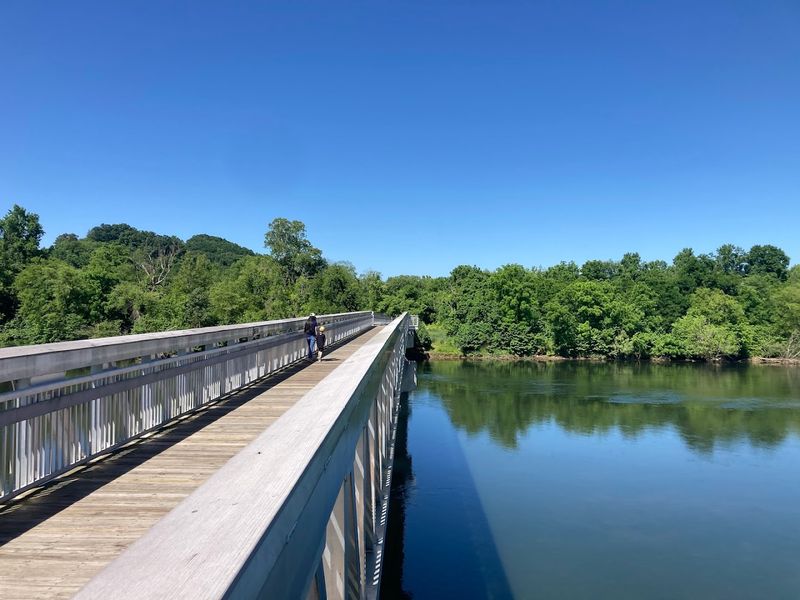
Seven Islands operates as a wildlife refuge first and a park second, which explains why the bird list tops 220 species. The French Broad River meanders through the property, creating wetlands, river islands, and riparian forest that attract an incredible variety of birds. It’s closer to Knoxville than some of the other parks on this list, but the refuge designation keeps development at bay and wildlife front and center.
The trail system covers more than nine miles, winding through different habitat types that support different bird communities. Wood ducks nest in the wetlands, warblers sing from the forest canopy, and raptors hunt the open fields. During migration, the place becomes a highway for species moving between breeding and wintering grounds.
Serious birders keep coming back because there’s always something new to see depending on the season.
Beyond birds, the park supports healthy populations of deer, beaver, muskrat, and other mammals that thrive in river habitat. Turtles sun on logs, frogs chorus from the wetlands, and fish jump in the river channels. The whole place feels alive in a way that’s rare so close to a city.
11. Meeman-Shelby Forest State Park
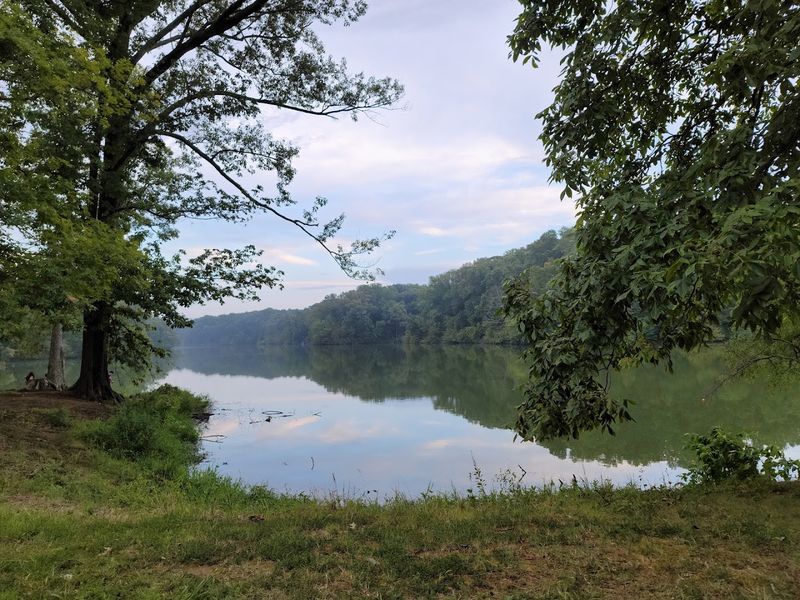
Just north of Memphis, Meeman-Shelby protects a chunk of bottomland hardwood forest that’s become increasingly rare across the Mississippi River valley. The mix of upland forest, cypress swamps, and open lakes creates habitat diversity that translates directly into wildlife diversity. More than 240 bird species have been recorded here, making it one of the best birding destinations in the state.
The forest feels primeval in places, with massive oaks and tupelos rising from swampy ground where the water pools after rain. Prothonotary warblers nest in the swamps, their golden plumage flashing against dark water. Woodpeckers hammer on dead trees, owls call from the canopy, and during migration, the forest canopy drips with warblers, vireos, and tanagers moving through on their way north or south.
The trail system includes everything from short nature walks to longer hikes that penetrate deep into the forest. Boardwalks cross the wettest sections, keeping your feet dry while giving you great views into a habitat that’s hard to access otherwise. The lakes support fishing and paddling, and the campground offers a base for multi-day visits.
Visit during spring migration for the best birding, or come in fall when waterfowl numbers peak on the lakes. Either way, you’ll leave wondering why more people don’t know about this place.