Texas stretches wide with adventure waiting around every corner, and you don’t need deep pockets to discover its best-kept secrets. From crystal-clear rivers to historic small towns and beaches that rival any coast, affordable escapes are scattered across the Lone Star State like wildflowers after a spring rain. Whether you crave mountain sunsets, small-town charm, or sandy shores where the Gulf waves roll in, these budget-friendly destinations prove that unforgettable memories don’t come with a hefty price tag.
1. Garner State Park
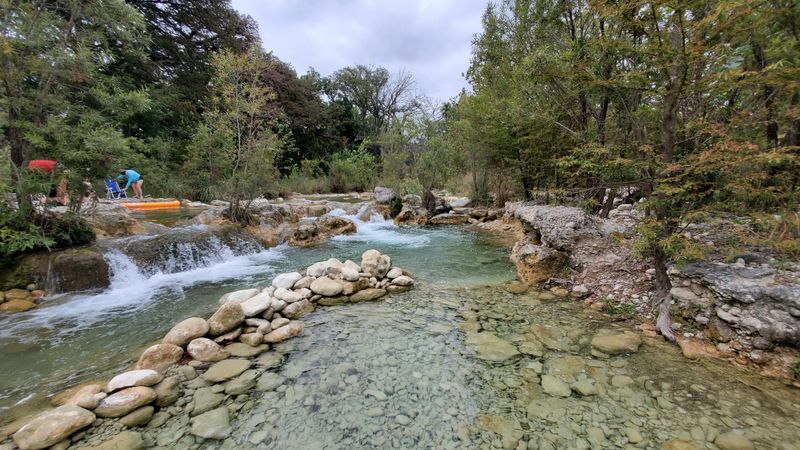
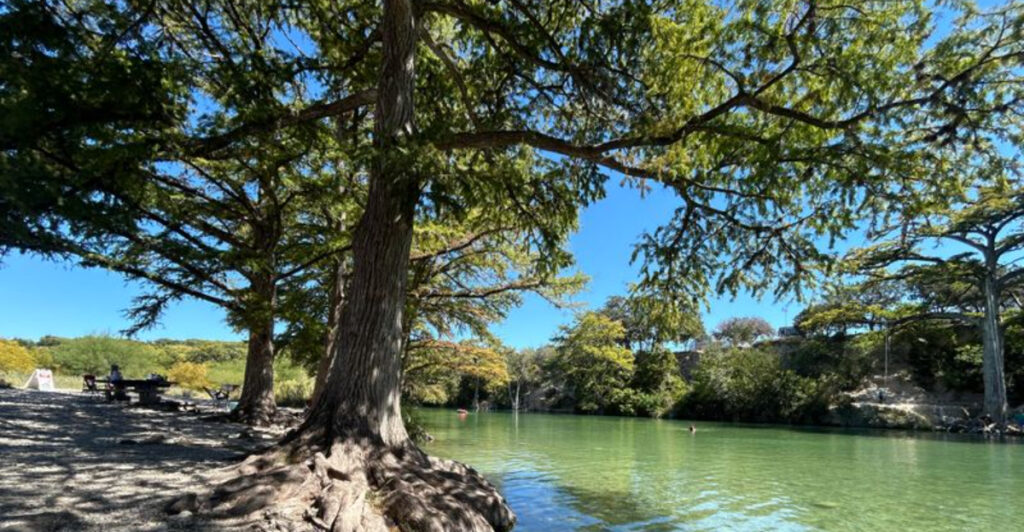
Nestled along the Frio River in the Texas Hill Country, Garner State Park ranks among the most beloved outdoor escapes in the entire state. Cool, spring-fed waters wind through towering limestone bluffs, creating natural swimming holes that stay refreshing even when summer heat bears down. Families pack inner tubes and float downstream for hours, letting the gentle current do all the work while cypress trees provide dappled shade along the banks.
Camping here costs a fraction of hotel stays, with sites ranging from primitive tent spots to screened shelters with electricity. Kids can spend entire days splashing in the river, climbing rocks, and chasing minnows in the shallows. Evening dances at the park pavilion have been a tradition since the 1940s, where jukebox tunes and concrete floors bring generations together under string lights.
Hiking trails snake up Old Baldy, a limestone peak offering panoramic views of the surrounding Hill Country. The climb takes about thirty minutes, and sunrise or sunset views make the effort worthwhile. Miniature golf and paddleboat rentals add extra entertainment without breaking the bank.
Peak summer weekends book months ahead, so planning early secures the best spots. Spring and fall bring milder crowds and equally beautiful weather, with wildflowers or autumn leaves adding seasonal color. Groceries from nearby Concan or Uvalde keep meal costs low, and most campsites include fire rings perfect for hot dogs and s’mores.
Water shoes protect feet from rocky river bottoms, and reusable containers help pack lunches for all-day adventures. The park store sells firewood, ice, and forgotten essentials, though prices run higher than town. Cell service fades in many areas, which becomes a blessing when disconnecting feels like the whole point of getting away.
2. Port Aransas
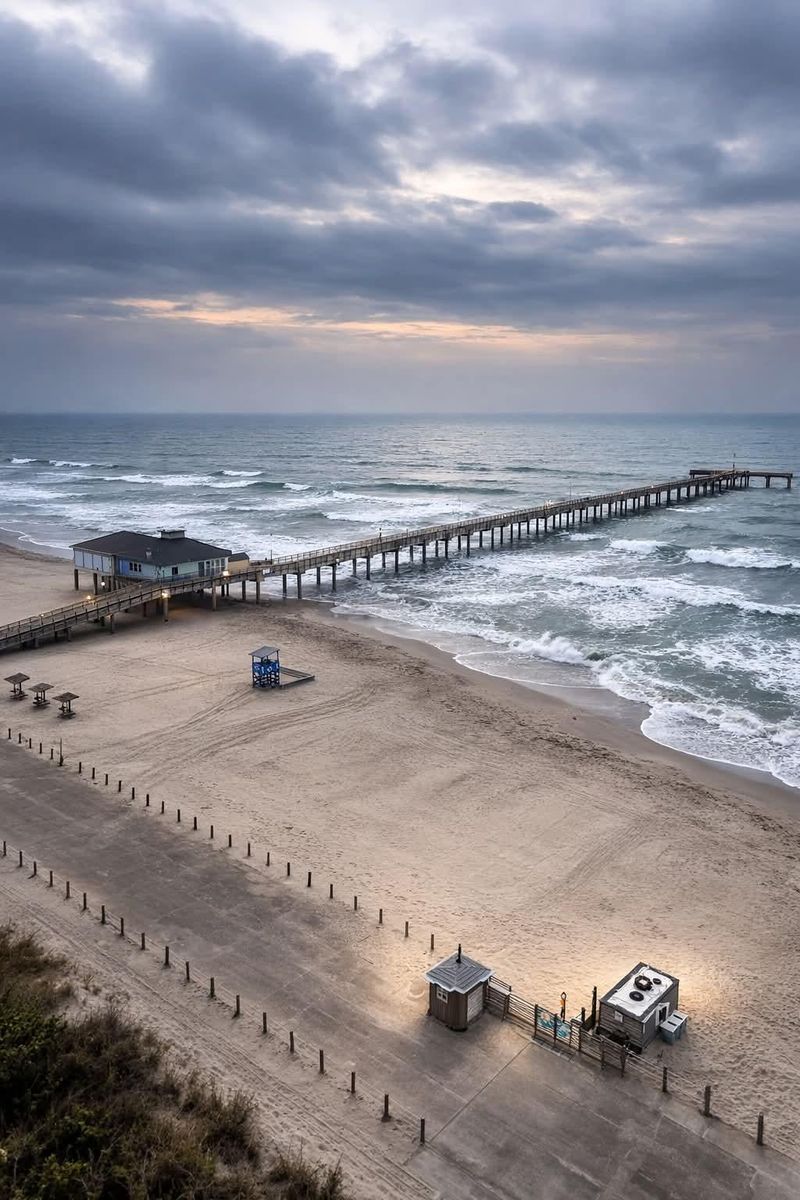
This laid-back beach town on Mustang Island delivers Gulf Coast vibes without the Galveston crowds or South Padre prices. Miles of sandy beaches stretch in both directions, free to access and perfect for building sandcastles, hunting shells, or watching dolphins cruise just beyond the breakers. Parking costs a few dollars at most beach access points, and many spots offer shaded pavilions where coolers and beach chairs make a full day possible.
Fishing from the jetties costs nothing but bait and patience, with redfish, flounder, and speckled trout biting year-round. The free ferry ride from Aransas Pass adds a mini-adventure, especially for kids who’ve never crossed water on a car ferry. Seagulls swoop overhead while pelicans dive-bomb the waves, creating natural entertainment better than any theme park.
Budget-friendly condos and beach houses sleep multiple families, splitting costs down to affordable levels. Kitchens allow home-cooked meals using fresh seafood from local markets, where shrimp boats unload their catch daily. Breakfast tacos from roadside stands cost pocket change and fuel morning beach walks before the sun climbs too high.
The Leonabelle Turnbull Birding Center offers free admission and boardwalks through coastal marshes where roseate spoonbills and herons pose like they know they’re stunning. Summer heat peaks hard, but ocean breezes and frequent dips in the Gulf keep everyone comfortable. Sunset watching becomes a nightly ritual, with the sky painting itself in oranges and pinks that rival any postcard.
Spring break and summer weekends draw the biggest crowds, but shoulder seasons in May or September offer warm water with fewer people. Bike rentals cost less than gas for exploring the island’s flat terrain. Golf cart culture dominates here, adding quirky charm to every trip to the grocery store or ice cream shop.
3. Wimberley
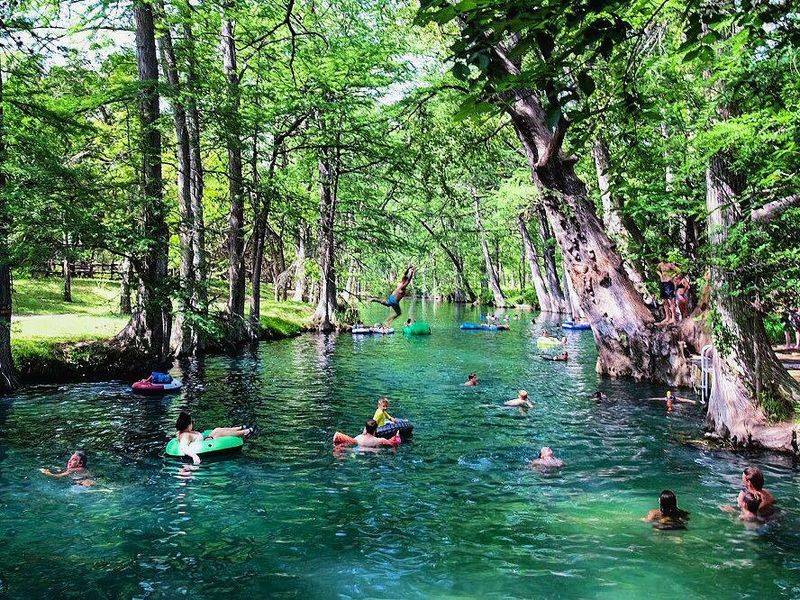
Tucked into the Hill Country between Austin and San Antonio, Wimberley wraps visitors in small-town charm without the tourist trap prices of nearby Fredericksburg. Blue Hole Regional Park centers the experience, where a natural swimming hole fed by Cypress Creek stays cool and clear year-round. Admission runs just a few dollars per person, and the rope swing dangling from a massive cypress tree provides endless entertainment for brave swimmers willing to launch themselves into the deep end.
Downtown Wimberley Square hosts local artisans and quirky shops without the pushy sales tactics or inflated prices found in bigger tourist towns. The first Saturday of each month brings Market Days, where hundreds of vendors sell everything from handmade jewelry to vintage finds and fresh produce. Browsing costs nothing, and the people-watching alone makes the trip worthwhile.
Jacob’s Well Natural Area offers another swimming spot where an artesian spring bubbles up from underground caves, creating water so clear you can see straight to the bottom. Reservations book quickly during summer, but the $9 entry fee remains one of the best deals in Texas. Hiking trails wind through the property, showcasing native plants and wildlife between swimming sessions.
Affordable cabin rentals and campgrounds dot the area, many situated along Cypress Creek where morning coffee on the porch comes with a soundtrack of flowing water and songbirds. Local BBQ joints and Mexican restaurants serve generous portions at prices that won’t make you wince when the check arrives. The Wimberley Pie Company bakes towering slices of homemade pie that could easily feed two people, though sharing feels nearly impossible once you taste them.
Weekdays see fewer crowds than weekends, especially at swimming holes where parking fills fast. Summer heat makes water activities essential, while spring wildflowers transform roadsides into colorful galleries. No chain stores or fast food clutter the landscape here, preserving the authentic small-town atmosphere that makes Wimberley feel like stepping back to simpler times.
4. Canyon
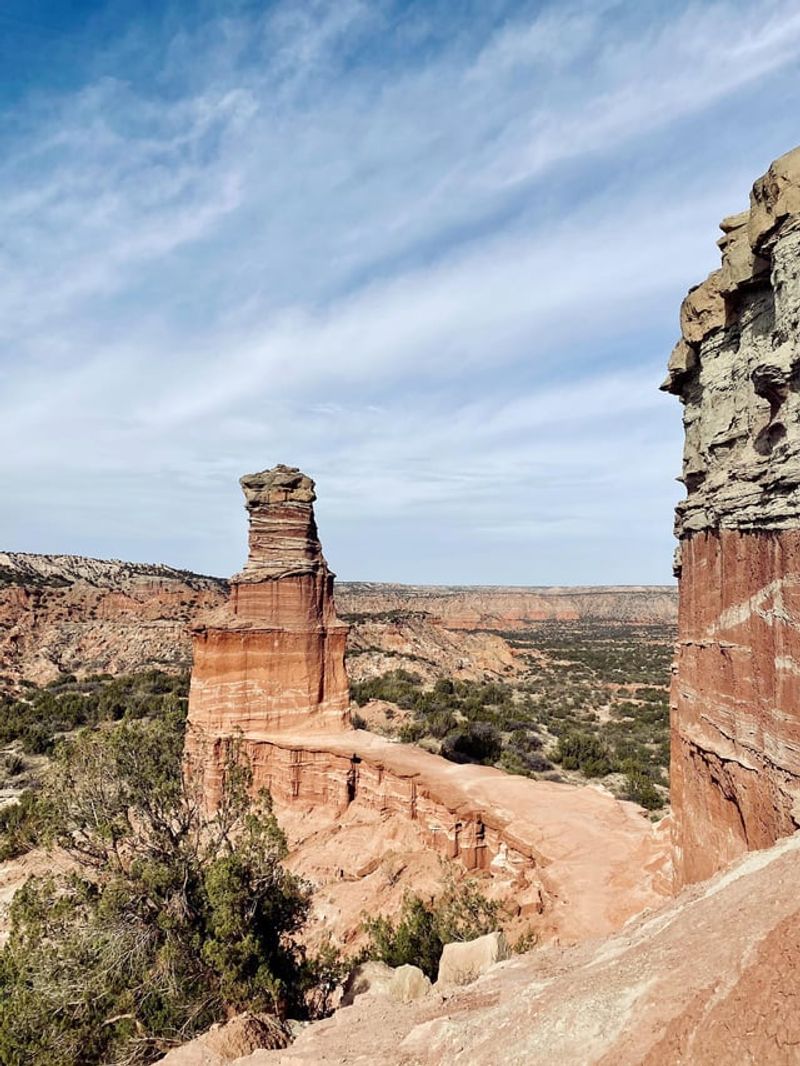
Most people speed past Amarillo without realizing that America’s second-largest canyon lies just twenty miles away. Palo Duro Canyon State Park drops 800 feet below the flat Panhandle plains, revealing millions of years of geological history painted in rust reds, burnt oranges, and sandy yellows. Entrance fees cost less than a movie ticket, and camping rates make extended stays ridiculously affordable compared to hotels in Amarillo.
The town of Canyon itself offers small-town hospitality with budget-friendly restaurants and the Panhandle-Plains Historical Museum, where admission runs under $15 for adults and kids get in even cheaper. Collections span everything from dinosaur fossils to pioneer artifacts, easily filling several hours of exploration. West Texas A&M University adds youthful energy to the town, along with affordable eateries where students and families mingle over chicken-fried steak and sweet tea.
Hiking trails inside the canyon range from easy walks to challenging climbs up to the rim, where views stretch for miles across the Caprock Escarpment. Lighthouse Trail, the most popular route, leads to a distinctive rock formation that glows golden during sunrise and sunset. Bring plenty of water because shade disappears fast once you descend into the canyon, and summer temperatures can climb past 100 degrees.
The outdoor musical drama “TEXAS” performs nightly in summer months inside the canyon, telling the story of Panhandle settlers through music, dancing, and pyrotechnics. Tickets cost less than comparable shows in bigger cities, and the natural amphitheater setting adds drama no indoor theater could match. Arrive early for the free pre-show barbecue dinner, where brisket and beans fuel you for the performance ahead.
Spring and fall deliver the most comfortable weather for hiking and camping, with wildflowers or autumn colors adding seasonal beauty. Mountain biking trails attract riders from across the region, and horseback riding concessions offer guided canyon tours. Stargazing after dark reveals constellations invisible in light-polluted cities, with the Milky Way stretching overhead like a cosmic river.
5. Fort Davis
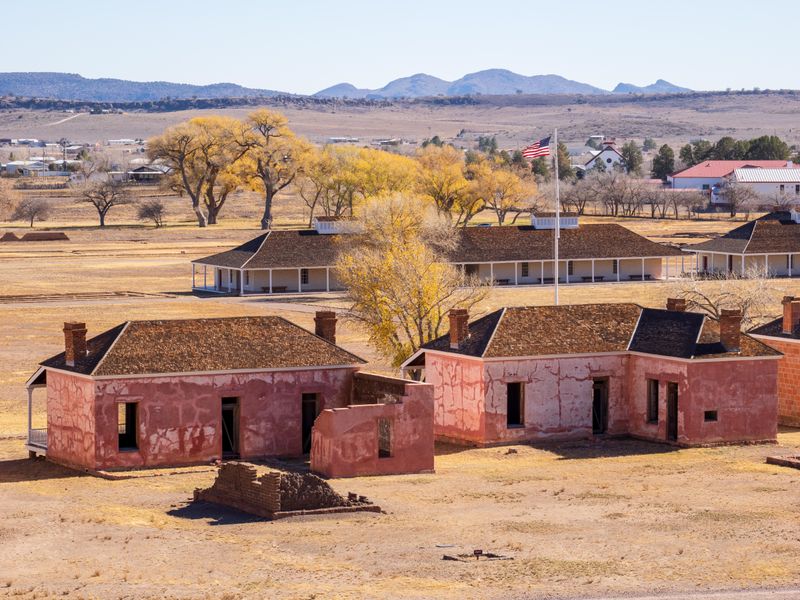
Perched at 5,000 feet in the Davis Mountains, Fort Davis offers cool mountain air and dark skies that astronomers dream about. The historic fort, once a frontier outpost protecting settlers and mail routes, now operates as a National Historic Site where admission costs pocket change and interpretive programs bring frontier history alive. Kids can explore barracks, officer’s quarters, and parade grounds while imagining life as a cavalry soldier in the 1800s.
McDonald Observatory sits atop Mount Locke, hosting star parties several nights weekly where powerful telescopes reveal planets, galaxies, and nebulae in stunning detail. Daytime solar viewing shows sunspots and solar flares, and the visitor center’s exhibits explain cosmic phenomena in ways that fascinate both kids and adults. Admission fees remain shockingly low considering you’re accessing some of the most advanced astronomical equipment in the world.
The town itself barely qualifies as a town, with a population under 1,200 and a main street you can walk in five minutes. That small scale keeps prices reasonable at local restaurants and the handful of mom-and-pop motels. Camping at Davis Mountains State Park costs even less, with sites nestled among juniper and oak trees where temperatures drop comfortably at night even when the rest of Texas swelters.
Scenic Loop Road winds through the mountains, passing overlooks where views stretch fifty miles on clear days. Hiking trails lead to peaks and valleys where wildlife sightings include mule deer, javelinas, and if you’re lucky, a black bear passing through. The Indian Lodge, built by the Civilian Conservation Corps in the 1930s, offers pueblo-style rooms at state park rates, making it one of the best accommodation values in West Texas.
Fall and spring bring perfect weather for hiking and stargazing, while summer monsoons create dramatic afternoon thunderstorms that cool things down. Winter occasionally dusts the mountains with snow, transforming the landscape into something almost un-Texan. Bring layers because mountain temperatures swing widely between day and night, and the high elevation sun burns faster than you’d expect.
6. Surfside Beach
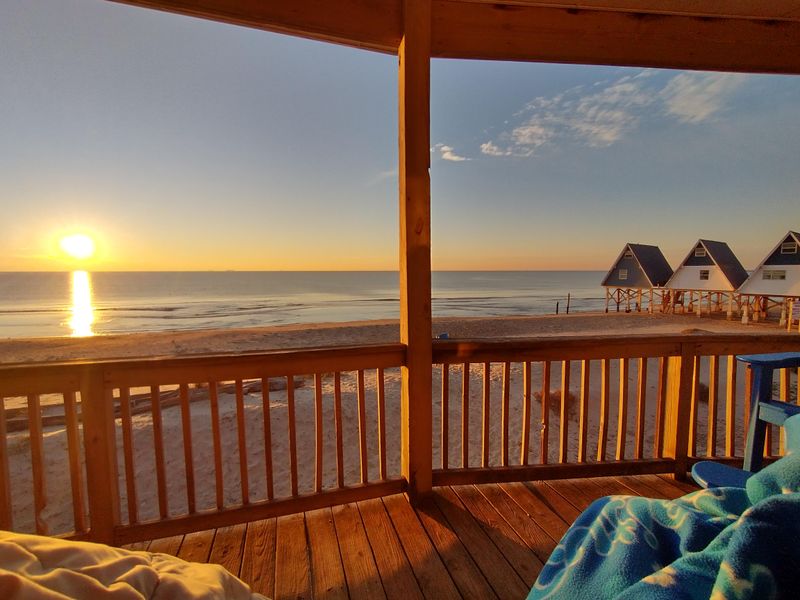
Just an hour south of Houston, Surfside Beach flies under the radar while nearby Galveston soaks up all the attention and higher prices. This quiet coastal community offers the same Gulf of Mexico waves and sandy shores without the tourist trap markups or overwhelming crowds. Free beach access points dot the coastline, and parking costs stay minimal even during peak season.
Beach houses rent for considerably less than comparable properties in Galveston, especially during weekdays or shoulder seasons. Many come equipped with full kitchens, multiple bedrooms, and decks where morning coffee tastes better with salt air and seagull symphonies. Grocery stores in nearby Lake Jackson or Freeport stock everything needed for DIY meals that save serious money compared to restaurant dining for every meal.
Fishing opportunities abound, from surf casting right off the beach to dropping lines from the jetties where granite rocks extend into the Gulf. No expensive charters necessary—just bait, tackle, and patience yield catches of redfish, drum, and flounder. The Brazos River mouth attracts species moving between fresh and saltwater, creating productive fishing spots that locals guard like secrets.
Jetty Park provides playground equipment, picnic tables, and restrooms right on the beach, making full-day outings easy with kids. The jetties themselves offer tide pool exploration at low tide, where crabs, small fish, and sea anemones fascinate young naturalists. Shelling proves productive after storms, when waves deposit treasures along the high tide line.
Summer weekends see the most visitors, but the beach never reaches Galveston-level chaos. Spring and fall deliver warmer water temperatures than you’d expect, with fewer people and better deals on accommodations. Hurricane season requires weather awareness, but the trade-off comes in rock-bottom rental prices and empty beaches when storms stay away.
Bike riding on packed sand near the waterline costs nothing but works leg muscles surprisingly hard. Sunrise walks reveal dolphins feeding close to shore, their dorsal fins slicing through morning calm. No boardwalks or amusement parks mean entertainment centers on simple beach pleasures—exactly what budget getaways should deliver.
7. New Braunfels
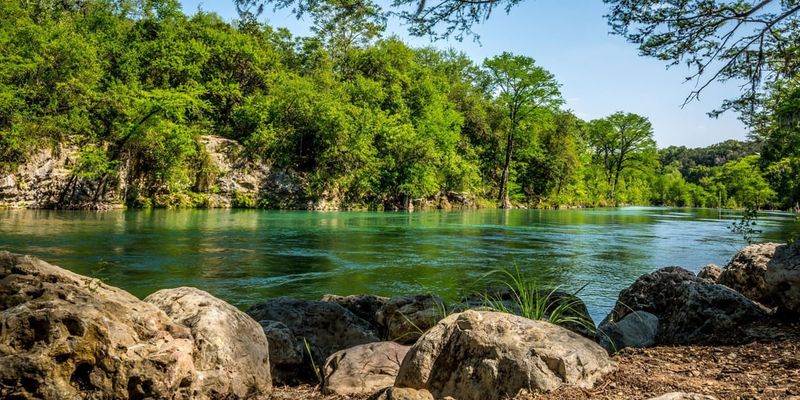
Where the Guadalupe and Comal Rivers meet, New Braunfels has perfected the art of affordable Hill Country fun. River tubing costs less than theme park tickets and delivers hours of lazy floating through crystal-clear spring-fed waters. Dozens of outfitters compete for business, keeping prices competitive and service quality high.
The Comal River, shortest in Texas at just 2.5 miles, offers gentle currents perfect for families with young kids or first-time tubers.
Landa Park sprawls across 51 acres in the heart of town, featuring a spring-fed pool, miniature train, paddleboats, and picnic areas with massive shade trees. Admission stays free for the park itself, with minimal charges for specific activities. The spring-fed pool maintains a constant 72-degree temperature year-round, though most visitors prefer summer heat to make that chilly water feel refreshing rather than shocking.
German heritage runs deep here, evident in bakeries selling authentic strudel and pretzels at prices that won’t break the bank. Wurstfest in November celebrates sausage, beer, and polka music with admission fees lower than most music festivals and food prices that remain surprisingly reasonable. Downtown shops mix touristy with authentic, and browsing the historic district costs nothing while providing plenty of Instagram-worthy architecture.
Schlitterbahn Waterpark gets all the attention, but budget travelers can skip the pricey admission by sticking to natural rivers that provide just as much fun. Gruene Historic District, technically part of New Braunfels, offers free wandering through old buildings now housing antique shops, restaurants, and the famous Gruene Hall dance hall. Live music most nights keeps cover charges low while cold beer and two-stepping create memories without requiring deep pockets.
Summer weekends pack the rivers with tubers, creating floating traffic jams in popular sections. Weekdays or early mornings dodge the crowds while still delivering perfect tubing conditions. Spring-fed rivers maintain comfortable temperatures even when air temps soar past 100, and the constant flow keeps water clean and clear.
Bring water shoes because rocky bottoms can bruise feet, and waterproof bags protect phones and keys from inevitable splashes.
8. Brownsville
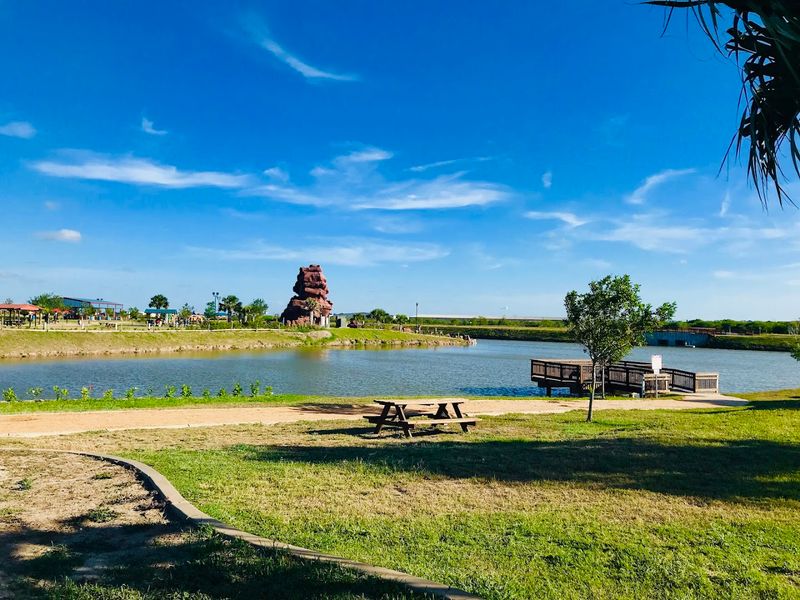
Down at the southern tip of Texas where the Rio Grande meets the Gulf, Brownsville offers a unique blend of border culture, tropical climate, and budget-friendly adventures. Winter Texans flock here when northern states freeze, but summer and fall bring bargain rates on hotels and vacation rentals that make extended stays surprisingly affordable. The subtropical weather means palm trees, bougainvillea, and year-round warmth that feels more Caribbean than Texan.
Gladys Porter Zoo ranks among the nation’s best mid-sized zoos, with admission prices that seem almost too good to be true. Lush tropical landscaping creates natural habitats for animals from around the world, and the layout allows close encounters that bigger zoos can’t match. Kids love the free-roaming peacocks and the nursery where baby animals often make appearances.
South Padre Island sits just thirty miles away, accessible via a causeway that spans the Laguna Madre. While the island itself leans touristy, Brownsville provides cheaper lodging and authentic Mexican food at a fraction of tourist-zone prices. Day trips to the beach become more affordable when you’re not paying island accommodation rates, and the drive offers views of coastal wetlands where roseate spoonbills and other exotic birds feed in shallow waters.
The Palo Alto Battlefield National Historical Park preserves the site of the first major battle in the Mexican-American War, with free admission and walking trails through restored prairie. History buffs appreciate the detailed interpretive center, while others simply enjoy the wide-open spaces and frequent bird sightings. Resacas—former river channels now forming lakes and wetlands—wind through the city, creating scenic spots for fishing, kayaking, or quiet contemplation.
Mexican border proximity means authentic tacos, tamales, and pan dulce at prices that make eating out affordable for every meal. Crossing into Matamoros adds international adventure for the cost of bridge toll, with markets, restaurants, and street life offering cultural experiences impossible to replicate elsewhere in Texas. Winter months bring the most comfortable weather and biggest crowds of snowbirds, while summer heat keeps tourists away and prices down.
9. Jefferson
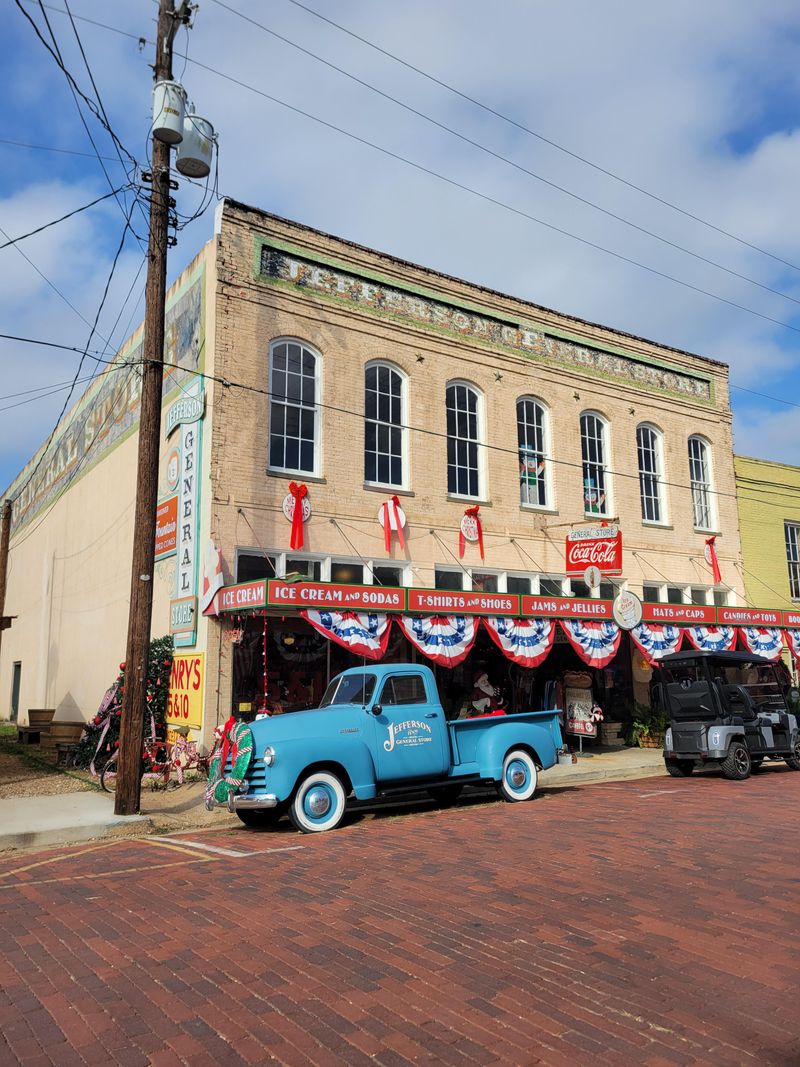
Steamboats once made this East Texas town the second-busiest port in the state, and walking through downtown today feels like stepping into a time machine set for the 1800s. Antebellum homes line brick streets under canopies of old-growth trees, and the whole place exudes Southern charm without the pretentious price tags found in more famous historic towns. Many grand old homes now operate as bed-and-breakfasts, offering surprisingly affordable rates that include full breakfasts and evening treats.
Ghost tours draw believers and skeptics alike, with multiple companies offering walking tours through supposedly haunted buildings at prices cheaper than movie tickets. Whether you encounter actual spirits or just enjoy spooky stories in atmospheric settings, the entertainment value delivers. The Jefferson Historical Museum charges minimal admission for exhibits covering everything from steamboat commerce to the town’s brush with becoming a major railroad hub—until residents rejected the railway, sending prosperity elsewhere.
Caddo Lake State Park sits just fifteen miles north, where Spanish moss drapes from cypress trees rising out of mysterious waters. Canoe and kayak rentals cost little, and paddling through the maze of channels feels like exploring a Louisiana bayou without leaving Texas. Fishing for bass and crappie stays productive year-round, and primitive camping costs even less than developed sites while offering more solitude.
Antique shopping reaches serious levels here, with dozens of shops offering everything from genuine treasures to interesting junk. Browsing costs nothing, and even if you’re not buying, the collections tell stories about previous generations’ tastes and lifestyles. Local restaurants serve Southern comfort food—chicken-fried steak, fried catfish, banana pudding—at prices that remind you how affordable dining out used to be everywhere.
Spring brings azaleas and dogwoods blooming throughout town, creating photo opportunities around every corner. The annual Pilgrimage in May opens private historic homes for tours, offering glimpses inside beautifully preserved interiors. Fall weather proves equally pleasant, with fewer tourists and comfortable temperatures for walking tours.
Summer heat and humidity can feel oppressive, but that’s when lodging prices drop lowest and the town belongs mostly to locals.
10. Lockhart
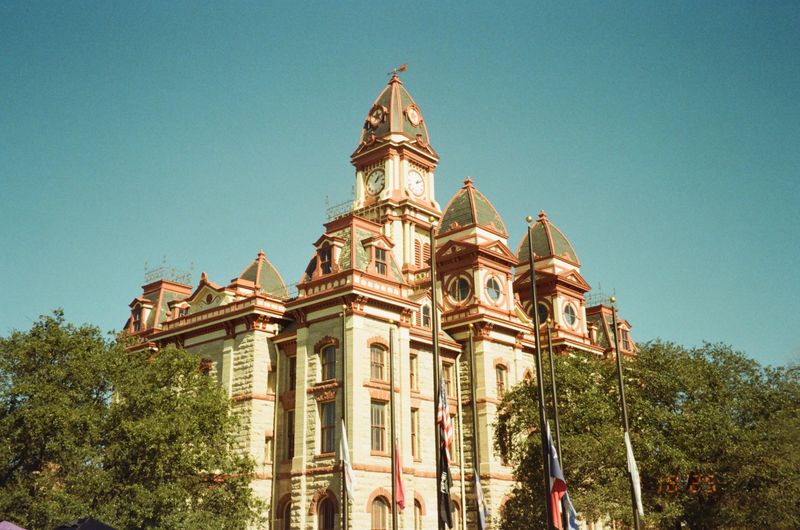
Proclaimed the Barbecue Capital of Texas by the state legislature, Lockhart takes smoked meat seriously while keeping prices refreshingly reasonable. Four legendary BBQ joints—Kreuz Market, Smitty’s Market, Black’s Barbecue, and Chisholm Trail—compete for your appetite and loyalty, each with devoted followers who’ll debate endlessly about whose brisket reigns supreme. Lines form early at all of them, but the wait moves quickly and builds anticipation for meat so tender it barely needs teeth.
The town square centers on a stunning Victorian courthouse that looks like it belongs on a movie set, and indeed, many films have shot scenes here. Free parking surrounds the square, where antique shops and local businesses maintain small-town character without tourist trap inflation. Browsing costs nothing, and the friendly locals often strike up conversations about town history or where to find the best pie.
Lockhart State Park offers camping, swimming, hiking, and a nine-hole golf course all at state park rates that make extended stays affordable. The spring-fed pool stays cool year-round, though summer crowds appreciate that chill more than winter visitors might. Picnic areas with grills let you attempt your own BBQ, though after tasting what the masters produce, home cooking feels inadequate.
Beyond barbecue, local Mexican restaurants serve authentic Tex-Mex at prices that seem frozen in time. Breakfast tacos, enchiladas, and fresh tortillas fuel mornings before the BBQ pilgrimage begins. The Gaslight-Baker Theatre hosts live performances and classic movies in a beautifully restored 1920s venue, with ticket prices lower than modern multiplexes charge.
Weekends bring the biggest BBQ crowds, with locals and Austin day-trippers converging on the famous joints. Weekdays offer shorter lines and the same great meat, making timing strategic for maximum efficiency. Come hungry because portions run large and sides—though often just afterthoughts to the main meat event—still satisfy.
Most places operate cash-only or cash-preferred, so hit the ATM before your stomach starts demanding brisket. The meat sells out when it’s gone, usually by mid-afternoon, so early arrival prevents disappointment and ensures the best selection of cuts.
11. Mineral Wells
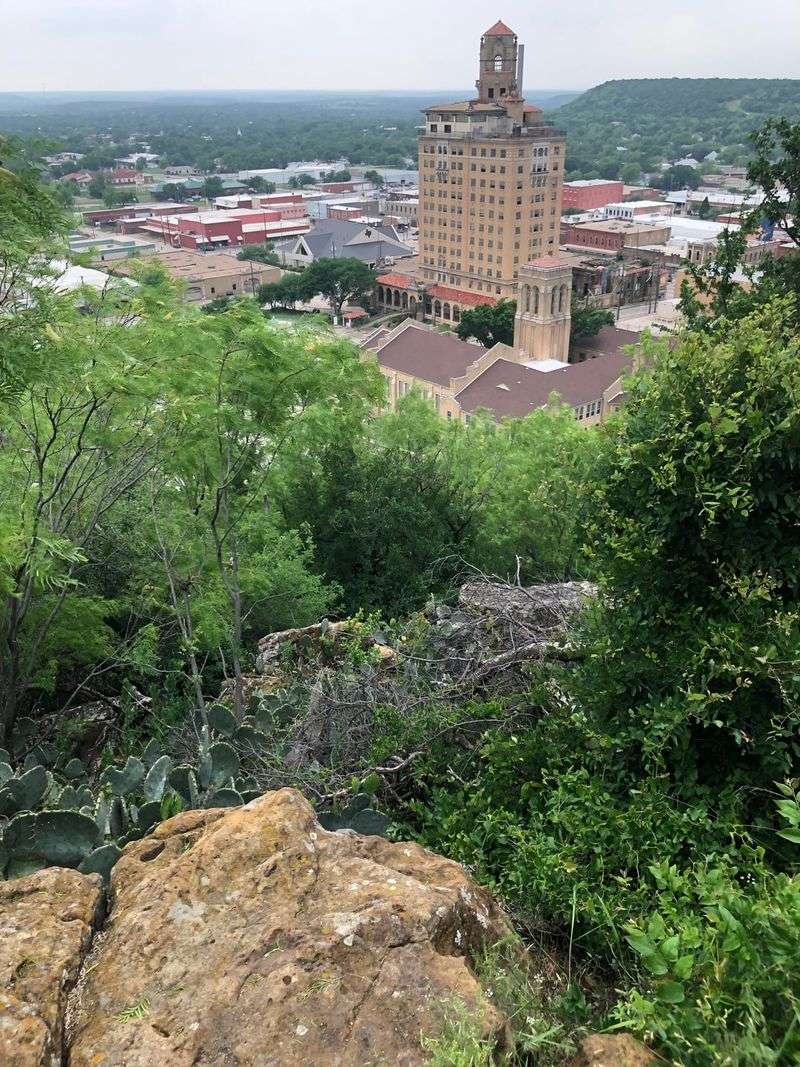
Once famous as a health resort where people came to drink mineral water believed to cure everything from arthritis to anxiety, Mineral Wells now offers budget-conscious travelers a quirky slice of Texas history. The massive Baker Hotel dominates downtown, a 14-story Art Deco masterpiece that’s undergone restoration after decades of abandonment. Tours of the building reveal glamorous ballrooms, the original mineral water well in the basement, and stories of celebrities who once visited this unlikely West Texas spa town.
Lake Mineral Wells State Park spreads across 3,000 acres just four miles from downtown, offering rock climbing, mountain biking, hiking, and equestrian trails. The trailway—a converted railroad bed—provides twenty miles of flat, easy walking or biking through scenic countryside. Camping costs remain incredibly affordable, and the park’s rugged terrain attracts outdoor enthusiasts from Dallas and Fort Worth who want adventure without driving hours.
Downtown shops and restaurants occupy buildings from the resort heyday, their architecture hinting at the town’s prosperous past. Local diners serve blue-plate specials at prices that remind older visitors of what meals used to cost everywhere. The Famous Mineral Water Company still bottles and sells the crazy water that made the town famous, though modern visitors drink it more for novelty than medicinal purposes.
Clark Gardens Botanical Park showcases 50 acres of themed gardens, from formal European layouts to Texas natives thriving in natural settings. Admission fees stay low, and the peaceful grounds provide hours of wandering through landscapes that change dramatically with seasons. Wedding venues and event spaces occupy historic structures throughout the property, but daily visitors enjoy the gardens without crowds or rush.
Possum Kingdom Lake lies thirty miles west, offering additional water recreation opportunities at one of Texas’s most scenic reservoirs. Hell’s Gate, a narrow canyon where sheer cliffs rise from deep water, creates dramatic scenery unusual for North Texas. Weekdays see fewer visitors than weekends, and off-season rates on nearby cabin rentals drop to bargain levels.
The combination of history, outdoor recreation, and small-town atmosphere makes Mineral Wells feel like a secret that hasn’t spread widely yet—which keeps prices reasonable and crowds manageable.
Share this story