Texas has more incredible places to eat than most people realize, and a lot of them aren’t the ones plastered all over tourist guides. From century-old joints serving the same recipes grandparents perfected to hole-in-the-wall spots that smoke meat so good it’ll ruin you for everywhere else, the Lone Star State is packed with dining experiences that’ll change how you think about food. If you’ve been sticking to the same chain restaurants or the obvious downtown spots, it’s time to branch out and discover what makes Texas cuisine truly legendary.
1. Mi Tierra Cafe y Panaderia (San Antonio)
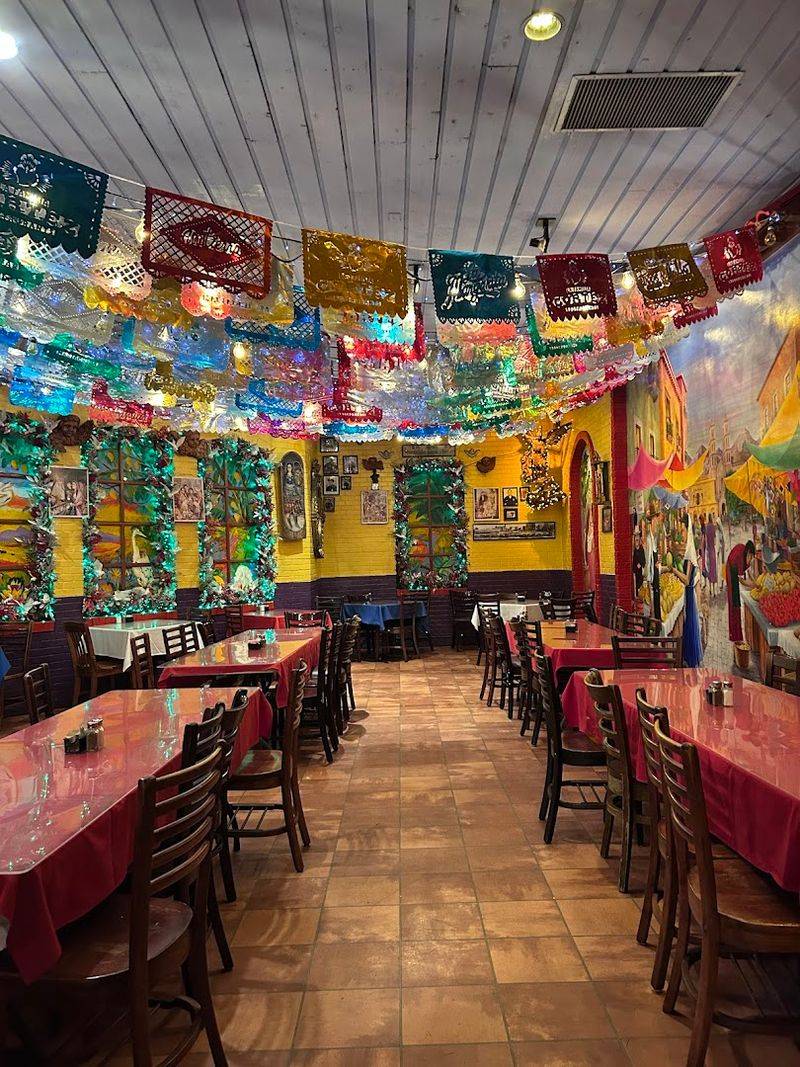
Walking into Mi Tierra feels like stepping into a perpetual fiesta that’s been going strong since 1941. This San Antonio institution never closes—not for holidays, not for storms, not ever—and that 24/7 commitment means you can satisfy your breakfast taco craving at three in the morning or grab fresh pan dulce after a late concert downtown. The building itself is a sensory explosion with thousands of twinkling lights, paper flowers cascading from the ceiling, and walls covered in hand-painted murals celebrating Mexican culture.
The bakery section alone could keep you occupied for an hour, with glass cases displaying conchas, empanadas, and cookies in every color imaginable. But don’t fill up before you sit down, because the kitchen cranks out plates piled high with enchiladas, gorditas, and carne guisada that taste like someone’s abuela has been stirring the pot since dawn. The portions are generous enough to share, though you might not want to once you taste the mole.
What makes Mi Tierra special isn’t just the food—it’s the atmosphere that makes every meal feel like a celebration. Mariachi bands stroll between tables, birthday songs echo across the dining room, and families gather in booths that have hosted generations of special occasions. The restaurant sits in the heart of Market Square, so you can wander through shops selling handmade crafts and folk art before or after your meal.
First-timers should arrive hungry and ready to make decisions, because the menu spans dozens of pages. The breakfast options alone could fill a book, with everything from chilaquiles to huevos rancheros competing for your attention. If you’re overwhelmed, the combination plates let you sample multiple dishes without committing to just one.
The salsa bar offers different heat levels, so you can customize your spice experience.
Mi Tierra isn’t trying to be trendy or modern—it’s unapologetically traditional, and that’s exactly why it works. This is where locals bring out-of-town visitors to show them what real Tex-Mex tastes like. After one meal here, your regular Mexican restaurant will feel like it’s missing something essential, and you’ll understand why San Antonians have been lining up at these doors for over eight decades.
2. Cattleack Barbecue (Farmers Branch)
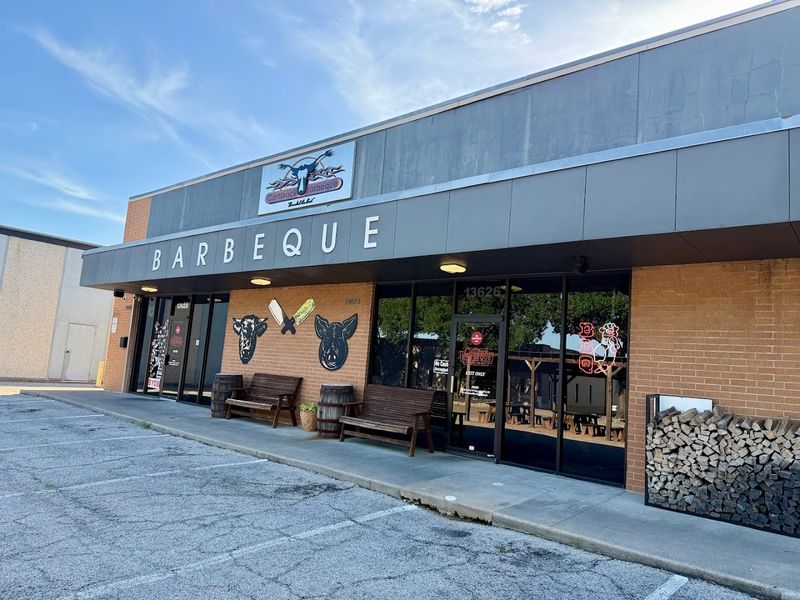
Forget everything you think you know about barbecue accessibility, because Cattleack only opens its doors Friday through Sunday, and when they sell out, they’re done for the day. This scarcity isn’t a marketing gimmick—it’s the natural result of a small operation that refuses to compromise quality for quantity. Located in an unassuming spot in Farmers Branch, this place looks more like someone’s backyard setup than a restaurant, which somehow makes the food taste even better.
The brisket here has achieved almost mythical status among Texas barbecue nerds, with a bark that crackles when you bite into it and meat so tender it barely needs chewing. They smoke everything over post oak, following the central Texas tradition, but the flavor profile has its own distinct character that keeps people driving from all over the metroplex. The pork ribs fall off the bone without being mushy, and the sausage has a snap that tells you it’s made in-house.
What really sets Cattleack apart is the sides, which get as much attention as the meat. The pinto beans taste like they’ve been simmering with brisket drippings all day, because they have. The potato salad has a tangy kick that cuts through the richness of the meat, and the jalapeño cheese grits are creamy enough to make you forget you’re supposed to be focused on barbecue.
Even the white bread tastes better here, somehow.
The ordering process is refreshingly simple: you point at what you want, they slice it in front of you, and you pay by the pound. There’s no fancy dining room or waitstaff—just picnic tables where strangers become friends over shared appreciation for perfectly smoked meat. The casual atmosphere means you can show up in whatever you’re wearing and nobody bats an eye.
Getting there early is crucial, especially on Saturdays when the line forms before they open. But the wait moves faster than you’d expect, and watching the pit masters work while you’re in line is part of the experience. Once you’ve tasted what Todd and Todd (yes, both owners share the name) are smoking, you’ll understand why people plan their weekends around this place and why your previous favorite barbecue joint suddenly feels like it’s been holding out on you.
3. Fonda San Miguel (Austin)
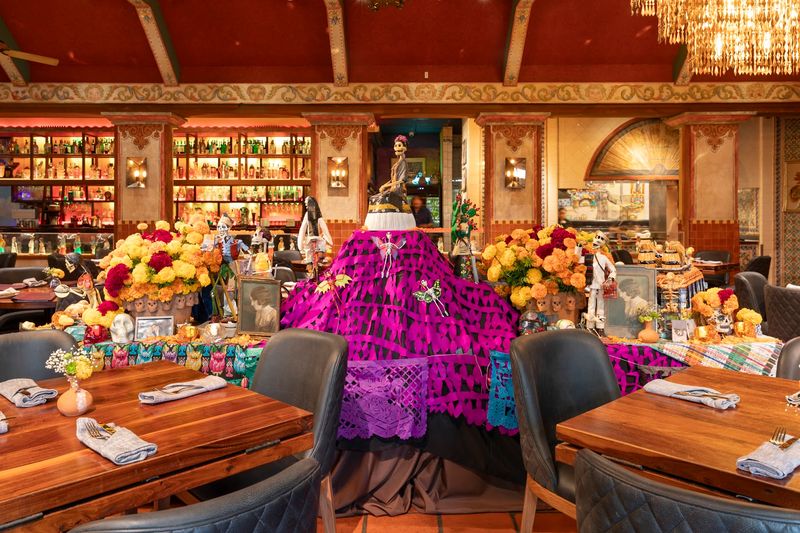
Most people think Mexican food means casual tacos and margaritas, but Fonda San Miguel operates on an entirely different level. Since 1975, this Austin landmark has been serving interior Mexican cuisine in a setting that feels more like an art gallery than a typical restaurant. The moment you walk through the doors, you’re surrounded by folk art, colonial paintings, and handcrafted furniture that transport you straight to Mexico City’s most sophisticated neighborhoods.
The Sunday brunch here is legendary enough that locals make reservations weeks in advance. It’s not a typical buffet—instead, you’ll find table after table loaded with dishes you won’t see anywhere else in Texas. Cochinita pibil, tamales wrapped in banana leaves, and freshly made sopes appear alongside carved tropical fruits and Mexican pastries.
The made-to-order egg dishes come with mole sauces that take days to prepare, layering dozens of ingredients into complex flavors that change with every bite.
Chef Miguel Ravago and the team don’t take shortcuts with anything. They import ingredients directly from Mexico when Texas suppliers can’t match the quality, and they’ve spent decades building relationships with artisans who make everything from pottery to textiles. This commitment to authenticity extends to the bar, where the margaritas use fresh-squeezed juice and premium tequilas you won’t find at chain restaurants.
Dinner service showcases regional specialties that most Americans have never encountered. The enchiladas here aren’t smothered in cheese—they’re delicate, with subtle sauces that enhance rather than overwhelm. The pescado Veracruzano brings Gulf Coast flavors to life with tomatoes, olives, and capers creating a bright, tangy sauce.
Even the rice and beans taste like they were prepared by someone who actually cares about side dishes.
What makes Fonda San Miguel remarkable is how it elevates Mexican cuisine without making it feel pretentious. Yes, the prices are higher than your neighborhood taqueria, but you’re paying for ingredients, technique, and atmosphere that simply don’t exist elsewhere. The staff knows the menu inside and out and can guide you toward dishes that match your preferences.
After eating here, you’ll realize that Mexican food has as much depth and sophistication as any European cuisine, and you’ll wonder why more restaurants don’t treat it with this level of respect.
4. Joe T. Garcia’s (Fort Worth)
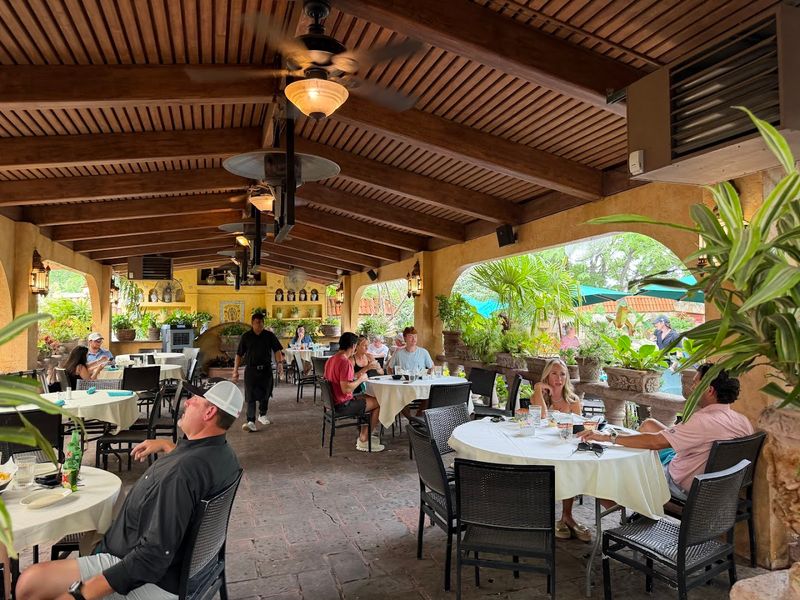
Some restaurants have patios; Joe T. Garcia’s has a sprawling garden complex that makes you forget you’re in the middle of Fort Worth. This family-owned institution has been serving the same simple menu since 1935, and they’ve never felt the need to expand beyond their core offerings.
You won’t find a written menu here during dinner service—instead, you choose between fajitas or enchiladas, and the kitchen handles the rest. This limited approach might sound restrictive, but it allows them to perfect two dishes rather than mediocre-ize twenty.
The outdoor seating area is where the magic happens, especially during spring and fall when the weather cooperates. Fountains bubble between tables, trees provide natural shade, and the whole space feels more like someone’s private estate than a commercial restaurant. During summer evenings, the place fills with families celebrating birthdays, couples on dates, and groups of friends who’ve been coming here for decades.
The margaritas flow freely, served in glasses big enough to require two hands.
The fajitas arrive on sizzling cast iron plates with all the fixings—flour tortillas, guacamole, pico de gallo, rice, and beans. Nothing about the presentation is fancy, but the beef is tender, the vegetables are charred just right, and the portions could easily feed two people. The enchiladas come with a rich, dark gravy that’s been made the same way for generations, and locals argue passionately about whether they’re better than the fajitas.
What Joe T’s understands is that people don’t come here for culinary innovation—they come for consistency, atmosphere, and the feeling of being part of Fort Worth history. The building itself is gorgeous, with stone archways and Spanish colonial details that have been maintained beautifully over the decades. Inside dining rooms offer air conditioning when the heat becomes unbearable, but you’re missing out if you don’t experience the patio at least once.
The cash-only policy and no-reservations approach might frustrate some visitors, but these quirks are part of the charm. You’ll wait for a table on busy nights, but the bar area makes the time pass quickly. After your meal here, every other Tex-Mex restaurant will feel like it’s trying too hard, and you’ll understand why Fort Worth residents consider Joe T’s a non-negotiable part of their city’s identity.
5. Vera’s Backyard Bar-B-Que (Brownsville)
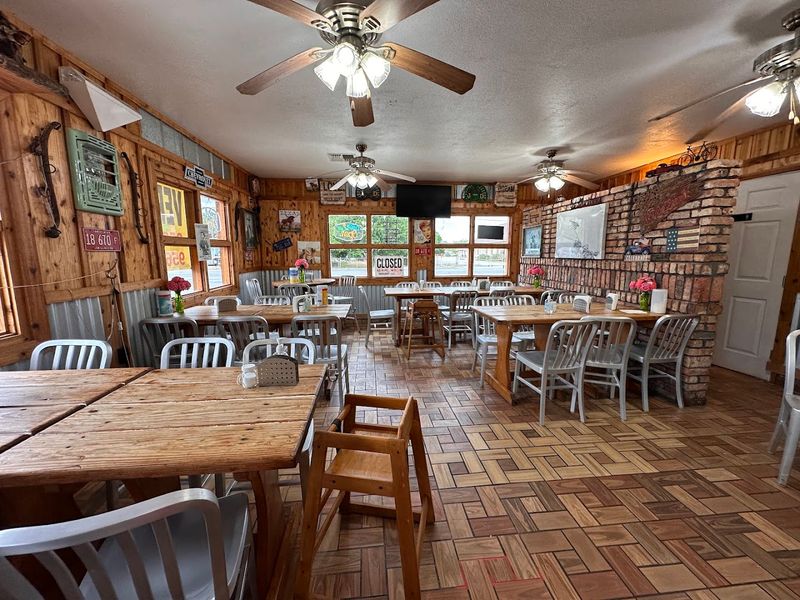
Down in the Rio Grande Valley, Vera’s has been smoking meat over mesquite wood since 1955, long before barbecue became trendy or tourists started hunting for the perfect brisket. This is border barbecue, which means it follows different rules than the central Texas style most people know. The mesquite gives everything a distinct, slightly sweet flavor that’s more intense than oak, and the proximity to Mexico influences everything from the sides to the sauces.
The menu here goes beyond standard barbecue offerings. Sure, you can get brisket and ribs, but you can also order barbacoa, fajitas, and chorizo that reflect the region’s Mexican heritage. The tripitas (crispy beef intestines) might sound intimidating to newcomers, but they’re a Valley specialty that’s worth trying if you’re adventurous.
Everything is served with homemade flour tortillas that are thick, chewy, and perfect for wrapping around whatever meat you’ve ordered.
Vera’s operates out of a simple building that prioritizes function over aesthetics. There’s no Instagram-worthy décor or carefully curated vintage signs—just picnic tables, a counter where you order, and the constant smell of wood smoke hanging in the air. The lack of pretension is refreshing in an era where every barbecue joint seems to be competing for coolest atmosphere.
Here, the food does all the talking.
The sides reflect the fusion of Texas and Mexican influences that defines Valley cuisine. The charro beans have a smokiness that complements the meat, and the potato salad includes jalapeños for a spicy kick. The salsa bar offers multiple options, from mild pico de gallo to fiery habanero sauce that’ll clear your sinuses.
Don’t skip the Big Red soda—it’s a South Texas tradition that pairs surprisingly well with barbecue.
What makes Vera’s special is its authenticity. This isn’t barbecue that’s been adapted for tourists or softened for sensitive palates—it’s the real deal, prepared the way Valley families have been doing it for generations. The staff treats regulars like family and newcomers like future regulars.
After eating here, you’ll realize that Texas barbecue has regional variations that are just as important as the famous central Texas style, and you’ll want to explore what other border towns are smoking. Vera’s proves that sometimes the best restaurants are the ones that stay true to their roots instead of chasing trends.
6. Louie Mueller Barbecue (Taylor)
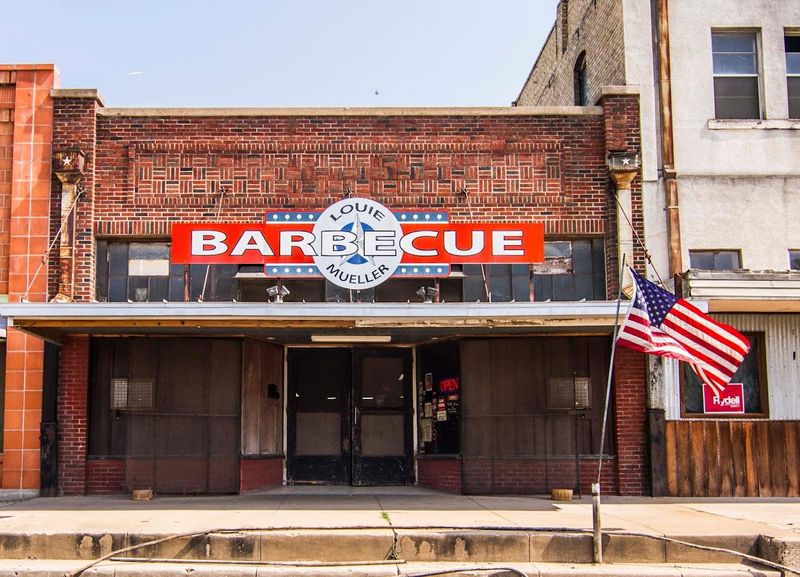
The building that houses Louie Mueller looks like it might collapse at any moment, with walls blackened by decades of smoke and floors that have absorbed so much grease they’re practically waterproof. But this deterioration is precisely what makes it beautiful—every stain and scorch mark tells a story of briskets smoked, customers fed, and traditions maintained. Since 1949, this Taylor institution has been turning out barbecue that makes purists weep with joy, and the third generation is now running the pits.
Walking up to the counter feels like stepping back in time. The meat cases display the day’s offerings, and pit masters slice brisket with knives that have been sharpened thousands of times. The brisket here achieves that perfect balance of crusty bark and tender interior, with fat that’s been rendered down to buttery perfection.
The beef ribs are massive, prehistoric-looking things that require both hands and zero shame. They don’t mess around with fancy rubs—just salt, pepper, and smoke doing what they do best.
The atmosphere is pure old-school Texas. There’s no air conditioning, just ceiling fans that push hot air around during summer. The tables are communal, and you’ll end up talking to strangers about where they’re from and what they ordered.
The walls are covered with awards, newspaper clippings, and photos documenting the restaurant’s history. Even the menu board looks like it hasn’t been updated since the 1970s, and that’s part of the charm.
What sets Mueller apart from newer barbecue joints is the complete lack of pretension. They’re not trying to reinvent anything or add modern twists—they’re just smoking meat the way Louie Mueller did seventy years ago. The sides are basic: beans, potato salad, coleslaw.
Nobody comes here for the sides anyway. The focus is entirely on the meat, and that singular focus has made them legendary.
Getting to Taylor requires a drive from Austin or other major cities, but barbecue pilgrims make the trip daily. The James Beard Award on the wall confirms what locals have known forever—this is Texas barbecue royalty. After eating here, every other barbecue joint will feel like it’s trying too hard or cutting corners.
You’ll understand why people are willing to wait in line and why food writers include Mueller on every best-of list. This is what barbecue is supposed to taste like, and once you know that, there’s no going back to mediocrity.
7. Hugo’s (Houston)
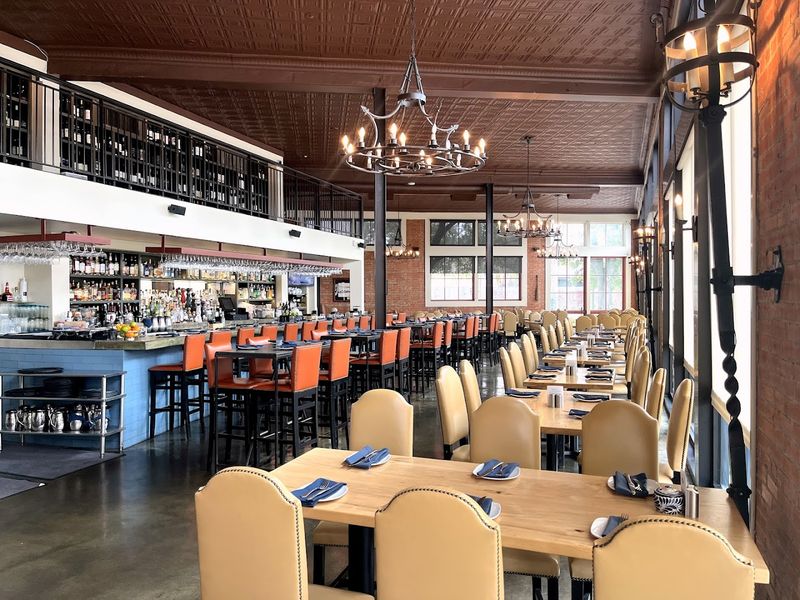
Chef Hugo Ortega has spent his career proving that Mexican cuisine deserves the same respect as French or Italian cooking, and his namesake restaurant showcases regional Mexican dishes that most Houstonians have never encountered. This isn’t the Tex-Mex you grew up with—it’s authentic interior Mexican food prepared with techniques that take years to master. The menu changes seasonally to highlight different states and regions, so you might find Oaxacan moles one month and Yucatecan seafood the next.
The cochinita pibil here is the real deal, with pork that’s been marinated in achiote and sour orange before being wrapped in banana leaves and slow-roasted until it falls apart. The mole negro takes three days to prepare, with over thirty ingredients creating layers of flavor that keep revealing themselves with each bite. Even something as simple as the guacamole gets special treatment, prepared tableside with perfectly ripe avocados and fresh lime juice.
Hugo’s doesn’t look like a typical Mexican restaurant. The dining room is modern and sophisticated, with an open kitchen that lets you watch the chefs work. The bar program is serious, featuring mezcals and tequilas you won’t find at corner liquor stores, along with cocktails that incorporate Mexican ingredients like tamarind and hibiscus.
The staff is knowledgeable without being snooty, happy to explain unfamiliar dishes or recommend pairings.
What makes this restaurant remarkable is how it educates diners while feeding them. Each menu includes descriptions that explain where dishes come from and why they’re significant. You’ll learn about pre-Hispanic cooking techniques, regional variations in chile usage, and the cultural importance of certain ingredients.
This educational approach never feels preachy—it just helps you appreciate what you’re eating on a deeper level.
The prices reflect the quality of ingredients and the skill required to prepare them properly. This isn’t a quick, cheap meal—it’s a dining experience that deserves your full attention and a few hours to savor. The restaurant has won James Beard Awards and consistently ranks among the best Mexican restaurants in the country.
After eating here, you’ll never again think of Mexican food as simple or unsophisticated. You’ll understand that it has as much complexity and regional diversity as any European cuisine, and you’ll be frustrated that more restaurants don’t treat it with this level of seriousness and respect. Hugo’s is changing minds one plate at a time.
8. Kreuz Market (Lockhart)
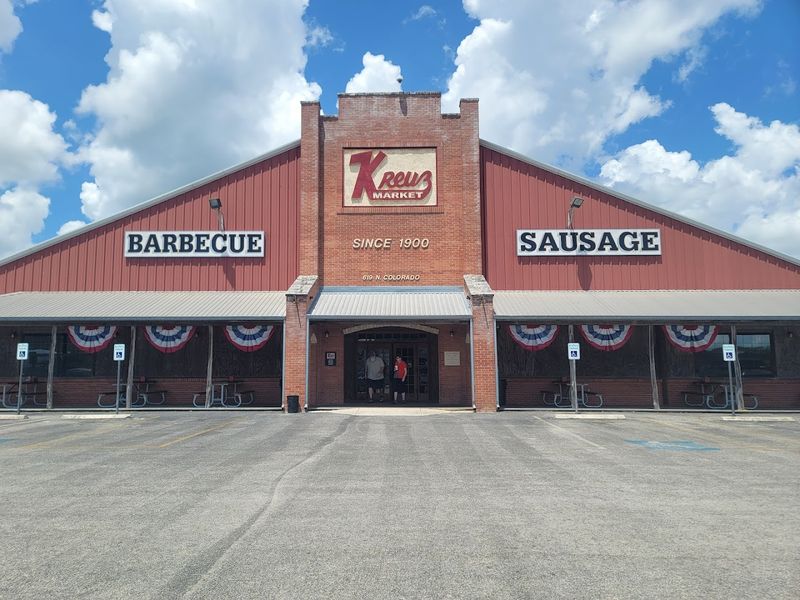
Kreuz Market doesn’t serve barbecue sauce, and they don’t apologize for it. Their philosophy is simple: if the meat is smoked correctly, it doesn’t need any help. This approach has worked since 1900, making Kreuz one of the oldest barbecue joints in Texas and a destination for people who take smoked meat seriously.
The current building, which they moved into in 1999, looks like a barbecue cathedral with high ceilings, brick pits, and a counter where meat is sold by the pound and sliced to order.
The ordering process is part of the experience. You walk up to the pit area, tell them what you want, and they cut it right in front of you. The brisket has a thick, peppery bark and a smoke ring that goes deep into the meat.
The pork chops are massive and juicy, with a slight sweetness from the post oak smoke. But the real star is the sausage, which has been made the same way for over a century using a recipe that’s never been written down.
No plates, no silverware—just butcher paper and your hands. This stripped-down approach might seem harsh, but it’s actually liberating. You’re not worried about table manners or using the right fork.
You’re just eating meat the way it was meant to be eaten, tearing into it with your fingers and washing it down with cold drinks from the cooler. The sides are minimal: cheese, crackers, pickles, onions. That’s it.
The focus is entirely on the meat.
Lockhart calls itself the Barbecue Capital of Texas, and Kreuz is a big reason why. The town has several legendary barbecue joints, and locals argue passionately about which is best. But Kreuz has a reputation for consistency and tradition that’s hard to beat.
The same family has been running it for four generations, and they’re not interested in changing anything.
The atmosphere is no-nonsense and efficient. During lunch rush, the line moves quickly despite the crowds. You’ll see everyone from construction workers grabbing a quick lunch to food tourists who’ve driven hours to eat here.
The walls are covered with awards and photos, but nobody’s resting on their laurels. After eating here, you’ll understand why people make pilgrimages to Lockhart and why Texans get so defensive about their barbecue. This is the standard by which all other barbecue should be judged, and most places fall short.
9. Joe’s Bakery & Coffee Shop (Austin)
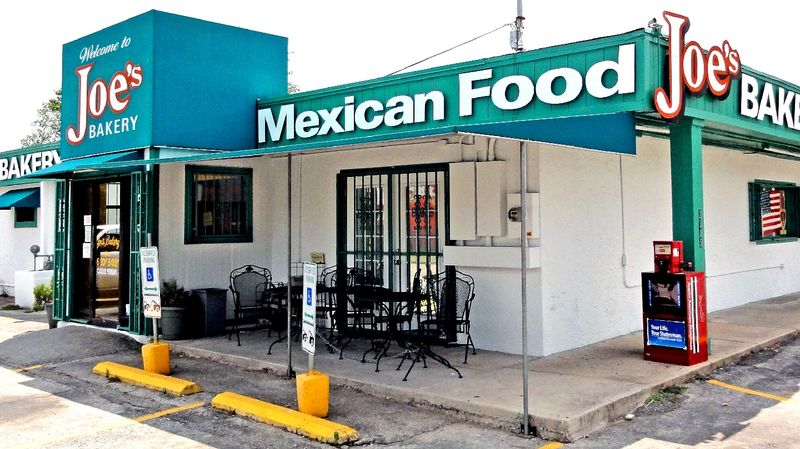
Every Austin neighborhood used to have a place like Joe’s—simple, family-owned, serving breakfast tacos that cost less than a fancy coffee. Most of them have disappeared as the city gentrified, but Joe’s has held on since 1962, still cranking out migas and chorizo con huevo to a loyal crowd that includes construction workers, politicians, and musicians recovering from late nights. The building is nothing fancy, just a small space with a counter, some tables, and a kitchen where you can watch your food being prepared.
The breakfast tacos here are perfect examples of why this simple food has become Austin’s signature dish. The flour tortillas are made fresh throughout the morning, still warm when they wrap around scrambled eggs mixed with tomatoes, onions, and jalapeños. The potato and egg is creamy and comforting, while the bacon and egg has crispy meat that doesn’t get soggy.
They don’t overthink it—just good ingredients, proper technique, and prices that haven’t completely lost touch with reality.
Beyond tacos, the full Mexican breakfast plates are massive and satisfying. The chilaquiles come with eggs cooked however you want them, and the tortilla chips maintain some crunch even under the salsa. The pancakes are fluffy and served with real butter, not those little plastic packets.
The coffee is strong and refills are frequent, which matters when you’re trying to wake up on a Monday morning.
What makes Joe’s special is its resistance to change. While the rest of Austin has transformed into a tech hub with rising costs and corporate developments, Joe’s remains stubbornly itself. The prices are still reasonable, the hours are still early morning through early afternoon, and the menu hasn’t expanded to include trendy items.
This consistency is increasingly rare and increasingly valuable.
The crowd is diverse in the most authentic way—not because of any marketing strategy, but because good, affordable food attracts everyone. You’ll sit next to city council members and day laborers, all united by their appreciation for a proper breakfast taco. The staff has been here forever and remembers regulars’ orders.
The walls are covered with photos and newspaper clippings documenting the restaurant’s history and its place in Austin’s cultural landscape. After eating here, your overpriced brunch spot with its Instagram-worthy décor will feel hollow and performative. You’ll realize that the best restaurants aren’t always the trendiest ones—sometimes they’re the ones that have been quietly serving their community for decades, never wavering, never selling out.
10. The Original Ninfa’s on Navigation (Houston)
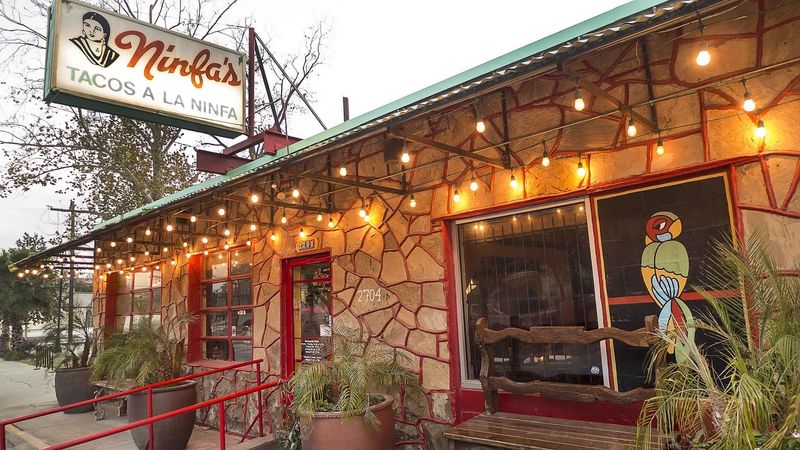
Before fajitas became a Tex-Mex standard available at every chain restaurant, they were invented right here by Mama Ninfa Laurenzo in the 1970s. She took skirt steak, a cheap cut that most restaurants ignored, marinated it, grilled it over mesquite, and served it on sizzling platters that created a spectacle every time they left the kitchen. The sound and smell of fajitas arriving at nearby tables is still enough to make you change your order, even if you came in planning to get something else.
The tacos al carbon here are legendary, with meat that’s been marinated in Mama Ninfa’s original recipe and grilled until the edges get slightly charred. They’re served with homemade flour tortillas that are thin, tender, and perfect for wrapping around the meat and toppings. The green sauce is addictive—bright, tangy, and spicy enough to wake up your taste buds without overwhelming them.
Bottles of it sit on every table, and regulars go through multiple servings.
What sets Ninfa’s apart from the many restaurants that have copied its formula is the attention to detail. The guacamole is made fresh throughout the day, not scooped from a container that’s been sitting in a cooler. The salsa has chunks of tomato and onion instead of being blended into anonymous mush.
Even the rice and beans, which many restaurants treat as afterthoughts, taste like someone actually cares about them.
The Navigation location is the original, and it maintains an atmosphere that newer locations can’t quite replicate. The building has history soaked into its walls—you can feel it the moment you walk in. Photos of Mama Ninfa and her family cover the walls, along with awards and newspaper articles documenting the restaurant’s impact on Houston’s food scene.
The staff treats the legacy seriously, maintaining standards that honor the founder’s vision.
During peak times, the place is packed with families celebrating special occasions, business people conducting meetings over lunch, and tourists who’ve done their research. The noise level is high, the energy is festive, and the margaritas are strong. This is Tex-Mex at its finest—not trying to be authentic Mexican food or modern fusion, but embracing its own identity as a distinct cuisine that Houston helped create.
After eating here, you’ll understand why fajitas became a phenomenon and why Mama Ninfa is considered one of the most influential figures in Texas food history. Every sizzling platter served across the state owes something to what started in this building.
11. Snow’s BBQ (Lexington)
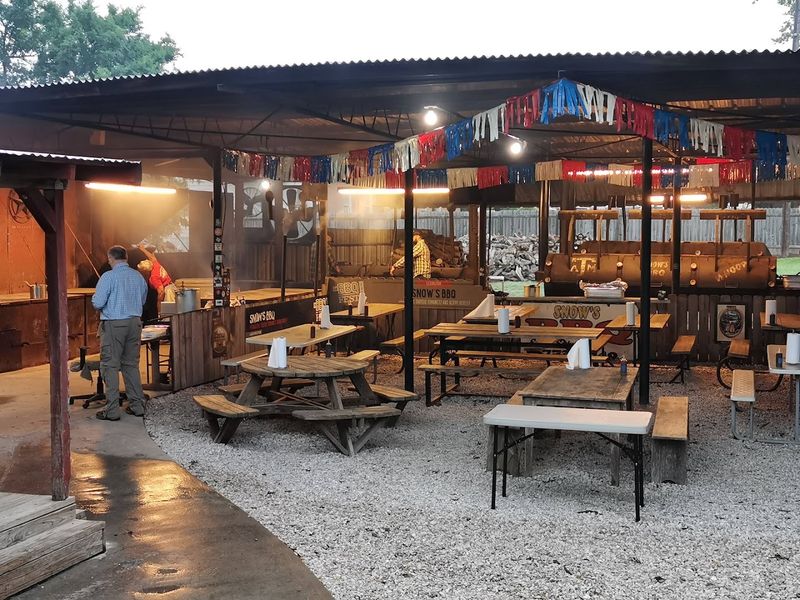
Most people have never heard of Lexington, a tiny town with a population under 1,200, but barbecue fanatics make pilgrimages there every Saturday morning to eat at Snow’s. This place only opens one day a week, and only for breakfast and early lunch, which means you need to plan your life around their schedule if you want to experience what Texas Monthly once called the best barbecue in Texas. Pitmaster Tootsie Tomanetz, who’s been smoking meat here since the 1960s and is now in her eighties, still shows up before dawn to tend the fires.
The brisket at Snow’s achieves a level of perfection that’s hard to describe without sounding like you’re exaggerating. The bark is dark and crusty, the smoke ring is pronounced, and the meat is so tender it barely holds together when sliced. The fat has been rendered to the point where it melts on your tongue, and the smoke flavor penetrates every fiber without being overpowering.
The pork ribs are equally impressive, with meat that pulls cleanly from the bone and a flavor that’s both sweet and savory.
The setting is as humble as they come—a small building with picnic tables outside and minimal seating inside. There’s no fancy signage or carefully designed branding. Just a sign that says Snow’s and a line of people that starts forming hours before they open.
The early arrival isn’t optional if you want to eat here—they sell out regularly, and once the meat is gone, they close for the week.
What makes Snow’s remarkable is the commitment to traditional methods. Tootsie uses post oak exclusively, maintaining the fires at precise temperatures throughout the night. She doesn’t use gas or electric assists, just wood and experience accumulated over decades.
This old-school approach takes more time and effort, but the results speak for themselves. The meat tastes different from barbecue cooked with modern shortcuts—richer, more complex, more connected to Texas tradition.
The sides are simple and well-executed: pinto beans, potato salad, coleslaw. The sausage is made locally and has a coarse grind with visible pepper. Everything is served on butcher paper with white bread and pickles.
After eating here, you’ll understand why people are willing to wake up early on Saturday mornings and drive to the middle of nowhere. You’ll also understand why Tootsie Tomanetz is considered a living legend and why Snow’s represents something important about Texas food culture—the idea that the best things come from people who’ve dedicated their lives to mastering a single craft.
Share this story