Tennessee is famous for Nashville’s music scene and the Great Smoky Mountains, but the state holds countless secrets that even lifelong residents haven’t discovered. From underground lakes to earthquake-formed wetlands, these hidden gems offer experiences you won’t find in typical guidebooks.
Whether you’re looking for spooky legends, historic villages frozen in time, or jaw-dropping natural wonders off the beaten path, Tennessee delivers surprises around every corner. Get ready to explore a side of the Volunteer State that will make you see your home in a completely new light.
1. Take a boat ride at The Lost Sea in Sweetwater
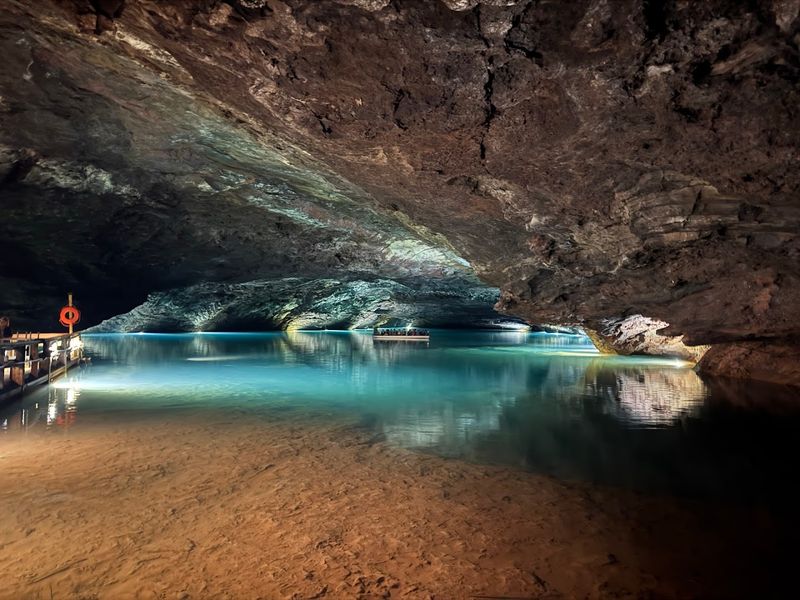
Most people have no idea that America’s largest underground lake sits quietly beneath the hills of East Tennessee. The Lost Sea Adventure takes you deep into Craighead Caverns, where you’ll board a glass-bottom boat and glide across water so clear it feels surreal. The cavern stays a constant 58 degrees year-round, so bring a light jacket even in summer.
Your guide will share wild stories about the cave’s history, including how moonshiners once used it as a hideout during Prohibition. Rainbow trout swim beneath your boat, completely blind after generations of living in total darkness. The rock formations surrounding the lake took millions of years to form, creating an otherworldly landscape that photographs can’t quite capture.
Before the boat ride, you’ll walk through sections of the cave decorated with ancient formations and fascinating geology. The entire tour lasts about an hour and fifteen minutes, making it perfect for families or anyone curious about what lies beneath Tennessee’s surface.
Located just off Interstate 75, the Lost Sea makes an easy stop if you’re traveling between Knoxville and Chattanooga. You can also pan for gemstones at their mining sluice after your tour. This isn’t your typical Tennessee attraction, and that’s exactly what makes it so memorable.
2. Visit Reelfoot Lake
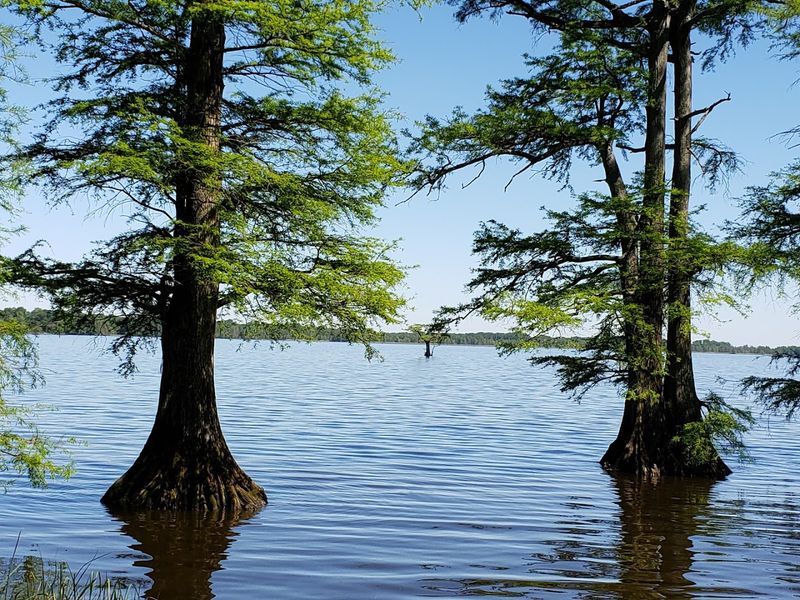
Earthquakes don’t usually create tourist destinations, but Reelfoot Lake is the stunning exception. Back in 1811 and 1812, massive tremors literally shook the Mississippi River backward and formed this shallow, 15,000-acre lake in Tennessee’s northwest corner. Today, it’s one of the most unusual natural areas in the entire state, with bald cypress trees rising straight out of the water like something from a fantasy movie.
The lake stays shallow—mostly between one and five feet deep—which creates perfect conditions for fish, birds, and other wildlife. Bald eagles winter here in impressive numbers, making it a top spot for bird watching between December and March. You might also see great blue herons, pelicans, and dozens of other species that treat the lake as a rest stop during migration.
Fishing enthusiasts come for the crappie, bass, and catfish that thrive in these waters. Several outfitters offer guided boat tours that wind through the cypress forest, giving you an up-close look at the trees and wildlife. The sunrises and sunsets here are absolutely spectacular, especially when mist hovers over the water.
The area feels completely different from the rest of Tennessee—more like Louisiana bayou country transplanted to the Volunteer State.
3. Tour Brushy Mountain State Penitentiary
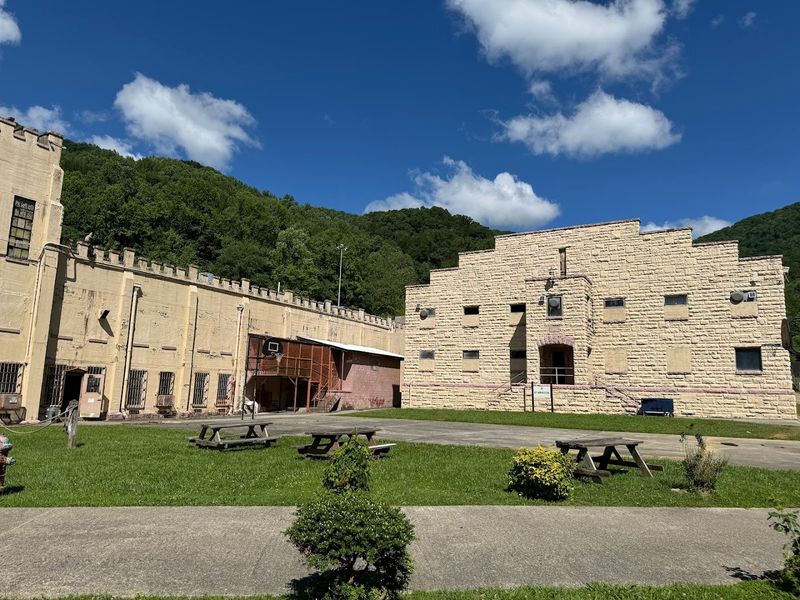
Walking through the cell blocks of a former maximum-security prison isn’t your typical afternoon activity, but Brushy Mountain delivers a history lesson you won’t forget. This fortress operated from 1896 until 2009, housing some of Tennessee’s most notorious criminals in conditions that would shock modern visitors.
The thick stone walls and guard towers still look intimidating even though the last inmate left over a decade ago.
James Earl Ray, who assassinated Dr. Martin Luther King Jr., escaped from here in 1977, sparking a massive manhunt that lasted three days. Your tour guide will show you exactly where he broke out and describe the chaos that followed. The isolation cells, where prisoners spent weeks in total darkness, feel genuinely unsettling even with the lights on.
Beyond the grim history, the prison sits in a beautiful mountain setting near Wartburg, creating an odd contrast between natural beauty and human suffering. The tours are self-guided or led by knowledgeable staff who share stories that never made it into history books. You’ll see the cafeteria, exercise yards, death row, and even the old electric chair.
The facility now includes a distillery and restaurant on the grounds, which might seem strange but somehow fits the site’s transformation from punishment to public education. Plan at least two hours for your visit. Brushy Mountain isn’t cheerful, but it’s absolutely fascinating and unlike anything else in Tennessee.
4. See Bell Witch Cave in Adams
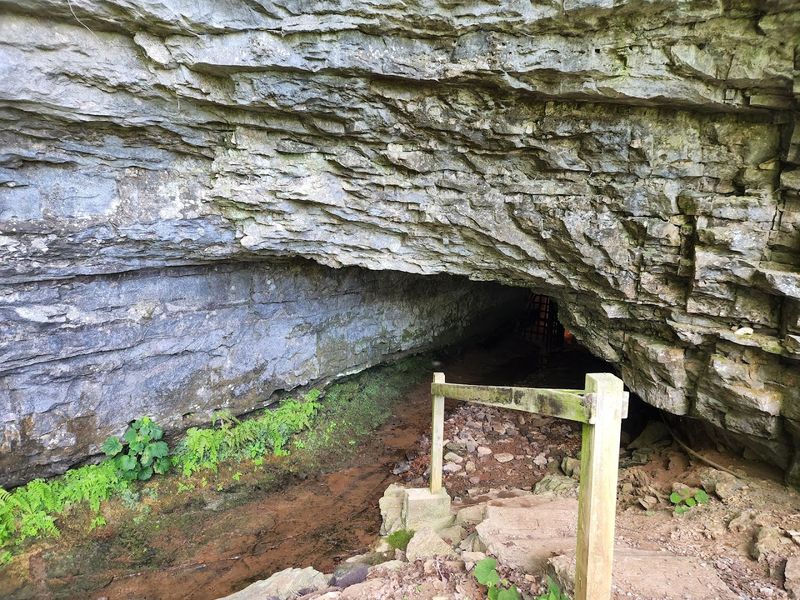
Tennessee’s most famous ghost story centers on a small cave in Adams, where the Bell Witch supposedly tormented a local family in the early 1800s. Whether you believe in spirits or not, visiting the actual location where these events allegedly occurred gives you chills.
The cave sits on property that once belonged to John Bell, whose family experienced years of unexplained phenomena that still puzzle historians and paranormal investigators.
According to legend, the entity called itself Kate Batts and made life miserable for the Bell family through physical attacks, strange noises, and terrifying voices. Some say it even contributed to John Bell’s death in 1820. The cave became associated with the witch when people reported seeing strange lights and hearing voices coming from inside.
Tours take you into the cave itself, which extends about 490 feet into the hillside. The temperature drops noticeably as you descend, and the narrow passages create an atmosphere that feels genuinely eerie. Your guide shares stories passed down through generations, pointing out spots where paranormal activity has been reported, even in recent years.
The property also includes a replica of the original Bell cabin and a small gift shop. October brings special nighttime tours that are especially popular with ghost hunters and thrill-seekers. Even skeptics admit the cave has an unusual energy that’s hard to explain.
Located about 40 minutes north of Nashville, it’s an easy day trip for anyone curious about Tennessee’s spookier side.
5. Spend an evening at T.B. Sutton General Store in Granville
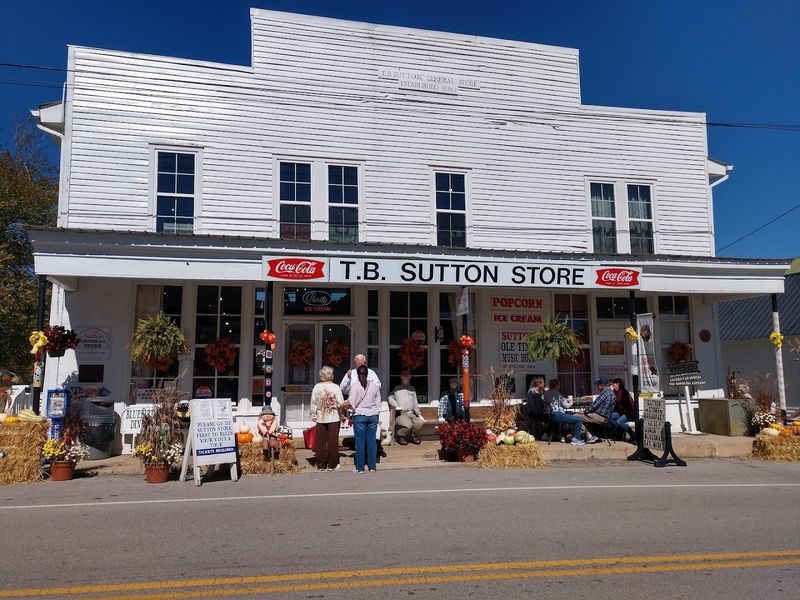
Friday and Saturday nights transform this unassuming country store into one of Tennessee’s best-kept musical secrets. T.B. Sutton General Store has been serving the tiny community of Granville since 1900, and for decades it’s hosted live bluegrass music that draws people from across the state.
The building itself looks like it stepped out of a time machine, with creaky wooden floors and shelves stocked with everything from work boots to locally made jams.
When the musicians start playing, locals and visitors pack onto benches and chairs, tapping their feet to traditional tunes played on banjos, fiddles, and guitars. There’s no cover charge—just friendly folks sharing music the way it’s been done for generations. The acoustics in the old store create a warm, intimate sound that fancy concert halls can’t replicate.
Between sets, you can browse the store’s collection of vintage goods and chat with regulars who’ve been coming here for years. The atmosphere feels genuinely authentic, not staged for tourists. Kids are welcome, and you’ll often see multiple generations enjoying the music together.
The store also serves as a community gathering spot during the day, selling everything from hardware to groceries. Experiencing live music here feels like discovering a tradition that modern life hasn’t touched.
6. Explore the Victorian village of Rugby
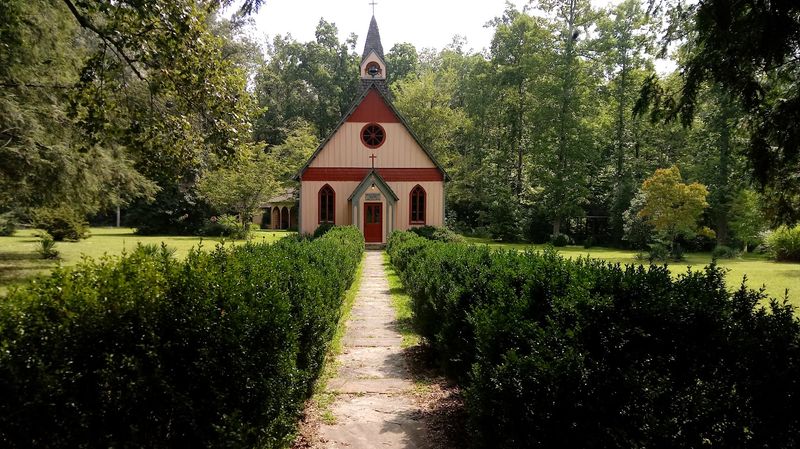
An English utopian experiment from the 1880s seems like the last thing you’d expect to find in rural Tennessee, but Rugby defies expectations. British author Thomas Hughes founded this community as a place where younger sons of the English gentry could build new lives without the rigid class system back home.
The village he created looks and feels completely different from anywhere else in the state, with Victorian cottages and public buildings that could have been transported from the English countryside.
Twenty original structures still stand, including the stunning Christ Church Episcopal, built with traditional board-and-batten siding and featuring an organ that crossed the Atlantic in 1849. The Hughes Public Library holds 7,000 volumes, many dating to the 1880s, making it one of the oldest public libraries still operating in Tennessee.
Walking through Rugby feels like stepping into a different era and a different country entirely.
The community never grew as large as Hughes hoped—it peaked at about 300 residents—but what remains is beautifully preserved. Guided tours take you through several historic buildings where you’ll learn about the fascinating characters who tried to make this experiment work. The surrounding Cumberland Plateau provides gorgeous scenery that attracted the original settlers.
Historic Rugby offers overnight stays in restored Victorian cottages if you want to fully immerse yourself in the experience. The village hosts special events throughout the year, including a popular Festival of British and Appalachian Culture each May.
Located near the Big South Fork area, Rugby makes a perfect stop for history buffs and anyone who appreciates truly unique places.
7. Visit Jonesborough
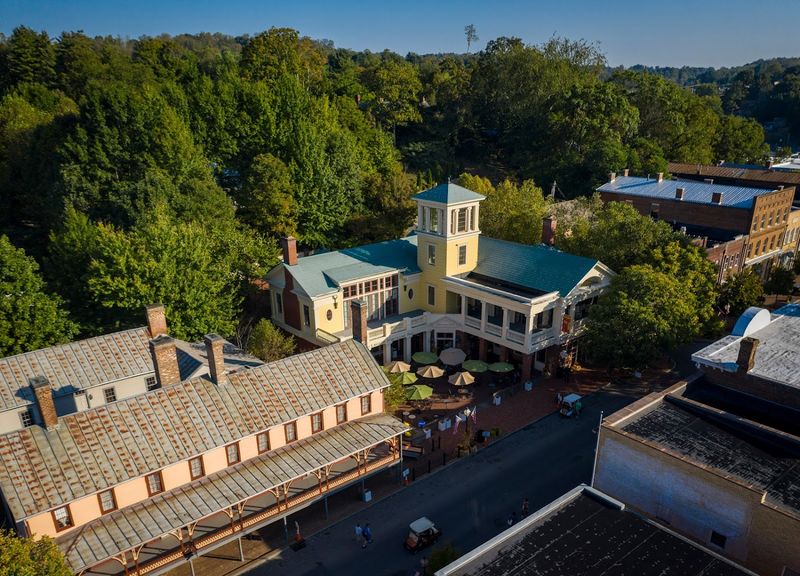
Founded in 1779, Jonesborough earned its place in history as Tennessee’s oldest town, but it’s the storytelling tradition that really sets it apart today. Every October, the National Storytelling Festival transforms this small Washington County town into the storytelling capital of America, drawing tens of thousands of visitors.
Even outside festival time, Jonesborough maintains a charming, walkable downtown that feels genuinely historic rather than manufactured for tourists.
The main street features beautifully preserved buildings from the 18th and 19th centuries, now housing antique shops, bookstores, restaurants, and galleries. The Chester Inn Museum tells the town’s history through exhibits about notable visitors, including three U.S. presidents who stayed there.
The International Storytelling Center operates year-round, offering performances and events that celebrate the ancient art of oral tradition. Even if you’re not a storytelling enthusiast, the center’s programs are surprisingly engaging and entertaining. The town also hosts several smaller festivals throughout the year, celebrating everything from bluegrass music to local crafts.
Jonesborough’s location in the mountains of East Tennessee provides beautiful scenery in every direction. Several good restaurants serve everything from traditional Southern food to more creative fare.
It’s about 90 minutes from Knoxville and makes an excellent base for exploring the surrounding area while offering its own distinct character.
8. Check out Discovery Park of America in Union City
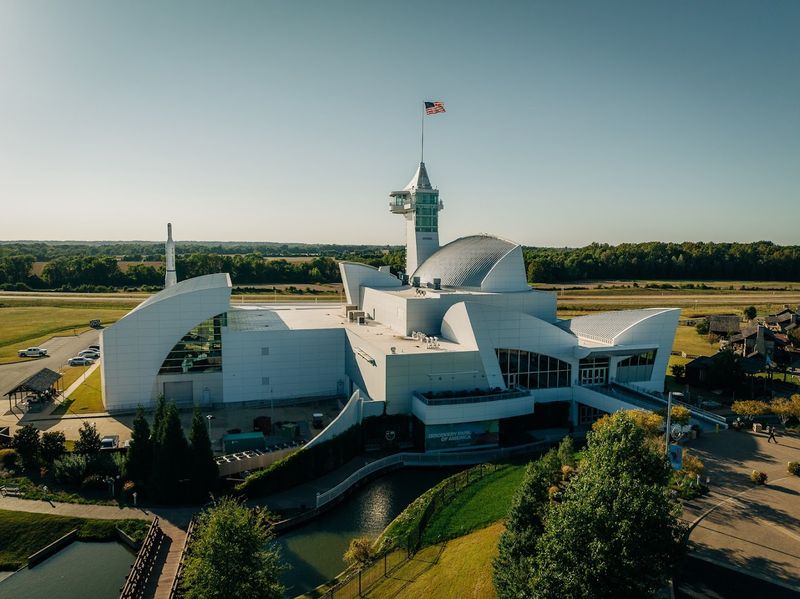
Northwest Tennessee doesn’t get much attention from tourists, which makes Discovery Park of America even more surprising when you finally visit. This massive museum and heritage park opened in 2013, bringing world-class exhibits to a region that many travelers overlook entirely.
The 50-acre complex includes a 200,000-square-foot museum building topped by an observation tower that offers views across three states on clear days.
Inside, you’ll find exhibits covering everything from natural history and science to regional heritage and military history. A full-scale replica of a World War II-era B-17 bomber hangs from the ceiling, while other galleries let you walk through an earthquake simulator or explore a replica pioneer village. The variety means different family members can pursue their own interests without anyone getting bored.
The outdoor heritage park features historic buildings relocated from across the region, including a one-room schoolhouse, a general store, and a working gristmill. Gardens and walking trails connect the various attractions, making the whole experience feel like an educational adventure rather than a typical museum visit.
Union City sits in Tennessee’s far northwest corner, about two hours from both Memphis and Nashville. The park’s founder, Robert Kirkland, wanted to create something special for his hometown region, and he succeeded beyond most expectations. Admission is reasonable, and you could easily spend an entire day exploring everything the park offers.
It’s the kind of hidden gem that makes you wonder why more people don’t know about it.
9. Hike to Cummins Falls
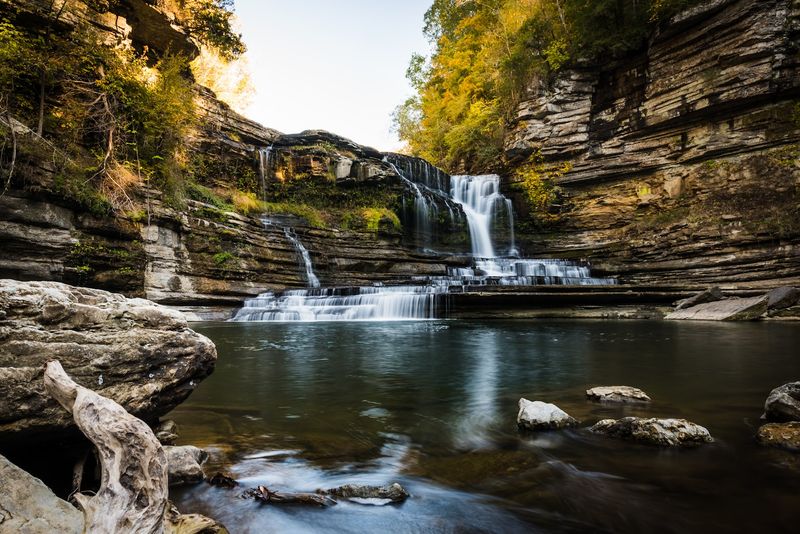
Cummins Falls drops 75 feet over layered rock formations, creating one of Tennessee’s most photogenic waterfalls and a swimming hole that locals have cherished for generations. The hike to reach it isn’t long—only about three-quarters of a mile—but it involves scrambling over rocks and crossing the river multiple times, making it more adventurous than your average nature walk.
The waterfall itself forms a natural amphitheater where the Blackburn Fork River plunges into a deep pool perfect for swimming during warmer months. On summer weekends, you’ll find families, college students, and outdoor enthusiasts all enjoying the cool water and spectacular scenery. The falls are impressive even in lower water conditions, but they’re absolutely thunderous after heavy rains.
Tennessee State Parks took over management of Cummins Falls in 2011 after years of private ownership, implementing a permit system to protect the area from overuse. You’ll need to reserve a parking permit online before visiting, especially during peak season. This requirement helps control crowds and preserves the natural environment for future visitors.
The park is located near Cookeville, about 80 miles east of Nashville. Arrive early on weekends because permits sell out quickly during the summer. The hike is rated moderate due to the river crossings and uneven terrain, so it’s not ideal for very young children or anyone with mobility issues.
10. Explore Rock Island State Park
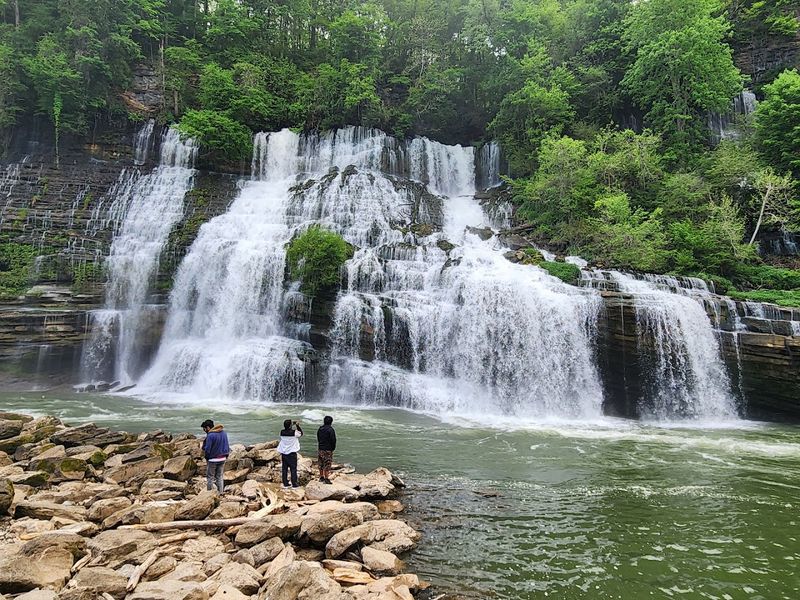
Rock Island State Park somehow stays under the radar despite having some of the most dramatic waterfalls and gorge views in Middle Tennessee. The park sits where the Caney Fork River, Collins River, and Rocky River all converge, creating a landscape of rushing water, steep bluffs, and layered rock formations.
The Great Falls of the Caney Fork is the main attraction—a powerful cascade that once provided hydroelectric power to the region.
Multiple overlooks give you different perspectives on the falls and the gorge below. The old powerhouse still stands as a reminder of the area’s industrial past, when this natural power source helped electrify nearby towns. Short trails connect the various viewpoints, making it easy to see multiple waterfalls in a single visit.
Twin Falls, another impressive cascade, sits just upstream from the main falls.
The park offers more than just waterfall viewing. Rocky swimming areas attract visitors during summer, though you need to be cautious because currents can be strong. Kayakers and paddlers enjoy the challenging rapids, while others prefer fishing in the calmer sections of the rivers.
The scenery changes dramatically with the seasons—spring brings wildflowers, fall delivers spectacular foliage, and winter occasionally creates frozen formations on the falls.
Located about an hour southeast of Nashville near McMinnville, Rock Island makes an easy day trip but feels worlds away from city life. The park has camping facilities if you want to stay longer and explore the surrounding area.
Despite its natural beauty and accessibility, Rock Island rarely gets crowded like more famous Tennessee parks, making it perfect for anyone seeking impressive scenery without massive crowds.
11. Go hiking in Big South Fork
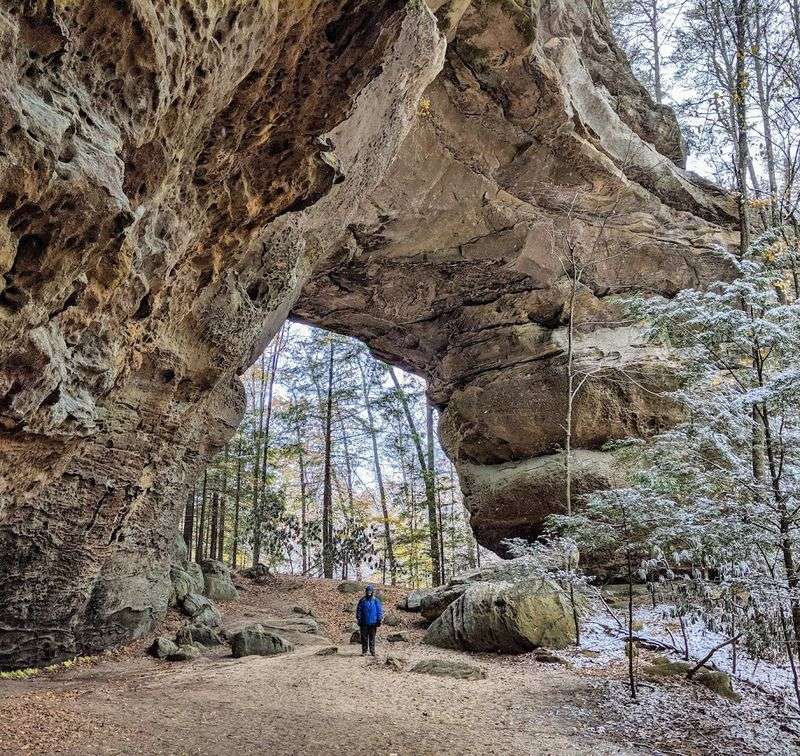
Big South Fork National River and Recreation Area protects 125,000 acres of rugged gorges, sandstone bluffs, and pristine wilderness straddling the Tennessee-Kentucky border. Despite its size and stunning scenery, it remains one of the most overlooked outdoor destinations in the Southeast.
The Big South Fork River cuts through ancient rock layers, creating a landscape of natural arches, towering cliffs, and hidden waterfalls that rival anything in more famous parks.
Over 150 miles of trails wind through the park, ranging from easy riverside walks to challenging backcountry routes. Twin Arches Trail leads to two of the largest natural sandstone arches in the eastern United States, their massive spans creating cathedral-like spaces beneath. Yahoo Falls, the tallest waterfall in Kentucky, sits just across the state line and makes a worthy side trip.
The variety of trails means you can find everything from quick nature walks to multi-day backpacking adventures.
Rock climbing, horseback riding, and whitewater paddling attract outdoor enthusiasts who appreciate having space to explore without bumping into crowds. The park’s remote location keeps visitor numbers lower than the Great Smoky Mountains or other regional destinations.
The main visitor center near Oneida, Tennessee, provides maps, trail information, and ranger programs. Spring and fall offer the best hiking conditions, though each season has its appeal. Camping options range from developed campgrounds to primitive backcountry sites.
Big South Fork deserves more recognition as one of Tennessee’s premier outdoor destinations, but its current under-the-radar status is part of what makes it so special.
Share this story