Tennessee’s night skies hold some of the most breathtaking celestial views in the Southeast, where mountains, lakes, and wide-open spaces create the perfect backdrop for watching stars come alive. Whether you’re a serious astronomer with a telescope or just someone who loves lying back and soaking in the Milky Way, the Volunteer State has dark-sky parks, mountaintop observatories, and quiet lakeshores that make every night feel magical.
From internationally recognized dark-sky preserves to hidden state park gems, these twelve spots offer front-row seats to the universe’s greatest show. Pack your blanket, grab a thermos of hot chocolate, and get ready to explore the best stargazing destinations Tennessee has to offer.
1. Obed Wild & Scenic River — Wartburg
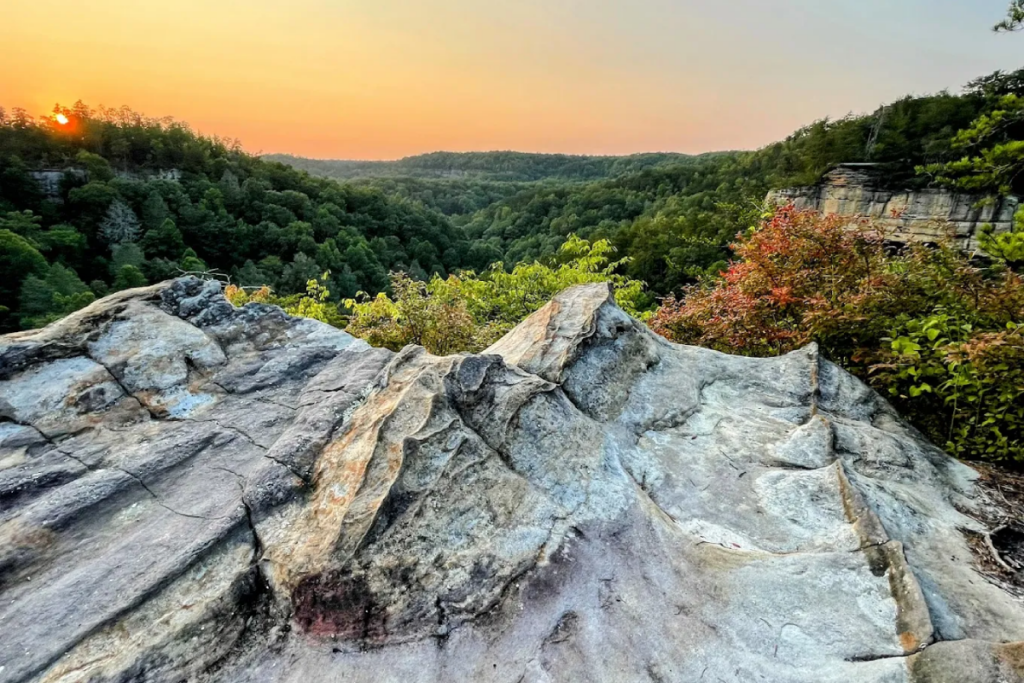
Earning the International Dark Sky Park designation isn’t easy, and Obed Wild & Scenic River wears that badge proudly. Tucked into the Cumberland Plateau near Wartburg, this protected area combines rugged canyon beauty with some of the clearest, darkest skies you’ll find anywhere in Tennessee. When the sun sets and the stars begin their nightly parade, you’ll understand why astronomers and casual sky-watchers alike make the trip here.
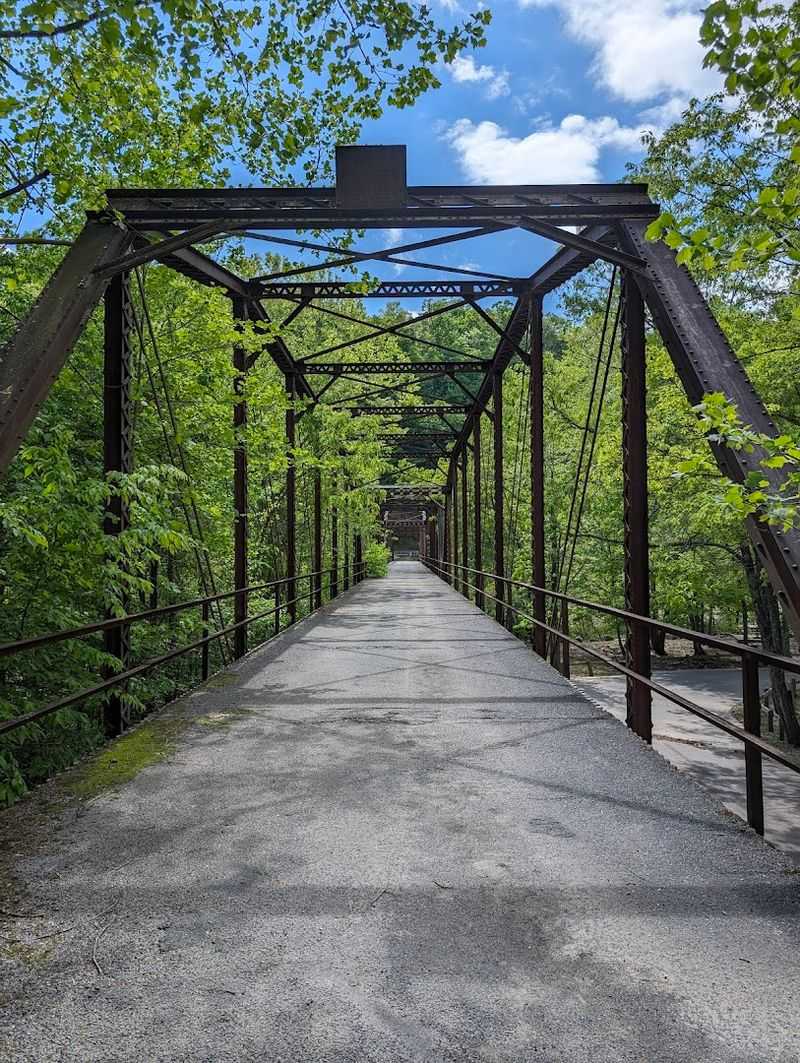
Lilly Bluff Overlook stands out as one of the premier viewing spots within the park. Perched high above the river gorge, this overlook gives you an unobstructed panorama of the heavens with minimal light interference from nearby towns. The Historic Nemo Bridge area also offers excellent sightlines, especially if you want a slightly different vantage point with the river canyon framing your view.
What makes Obed truly special is the combination of natural darkness and dramatic topography. You’re not just staring up at stars—you’re doing it from the edge of a wild, scenic river canyon that feels miles away from civilization. The lack of artificial light means constellations pop with clarity, and on moonless nights, the Milky Way stretches across the sky like a glowing river of its own.
Visiting during a meteor shower or a new moon phase amplifies the experience. Bring a red-light headlamp to preserve your night vision, pack layers because canyon breezes can get chilly after dark, and consider arriving before sunset to scout your spot safely. The trails and overlooks can be tricky to navigate in full darkness if you’re unfamiliar with the terrain.
Obed’s International Dark Sky Park status means the park actively works to protect its nighttime environment, so you’re experiencing skies the way they were meant to be seen—vast, wild, and utterly mesmerizing.
2. Pogue Creek Canyon — Jamestown
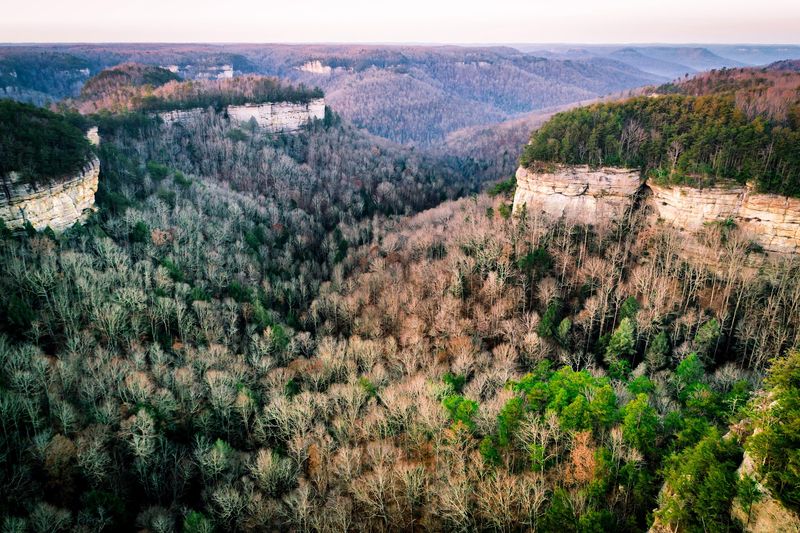
Pogue Creek Canyon doesn’t just talk about dark skies—it delivers them with a Silver-tier International Dark Sky Park designation that puts it among Tennessee’s elite stargazing destinations. Located near Jamestown in the northern part of the state, this spot is purpose-built for astronomy lovers who want serious sky access without the hassle of remote backcountry navigation.
The astronomy field here is open to the public year-round, making it one of the most accessible dark-sky experiences you’ll find.
What sets Pogue Creek Canyon apart is its intentional design for night-sky observation. The astronomy field provides a wide-open viewing area free from tree cover and light pollution, so you get a full hemisphere of stars overhead. Whether you’re setting up a telescope, spreading out a blanket, or just leaning back in a camp chair, the field gives you room to roam and explore the cosmos at your own pace.
The Silver-tier designation isn’t just a fancy title—it reflects measurable sky quality that rivals some of the best viewing locations in the country. On clear nights, you can see thousands of stars with the naked eye, and the Milky Way appears as a dense band of light stretching from horizon to horizon. Planets, star clusters, and even distant galaxies become visible with basic equipment.
Because the field is open year-round, you can visit during different seasons to catch varying celestial events. Winter skies tend to be clearest, though colder, while summer offers warmer nights and longer meteor shower windows. Spring and fall bring mild temperatures and excellent atmospheric stability for detailed observations.
Bring a star chart or download a stargazing app to help identify constellations and planets. Dress warmer than you think you’ll need, since standing still under the stars can get surprisingly chilly even in summer. Pogue Creek Canyon makes stargazing simple, accessible, and absolutely unforgettable.
3. Great Smoky Mountains National Park
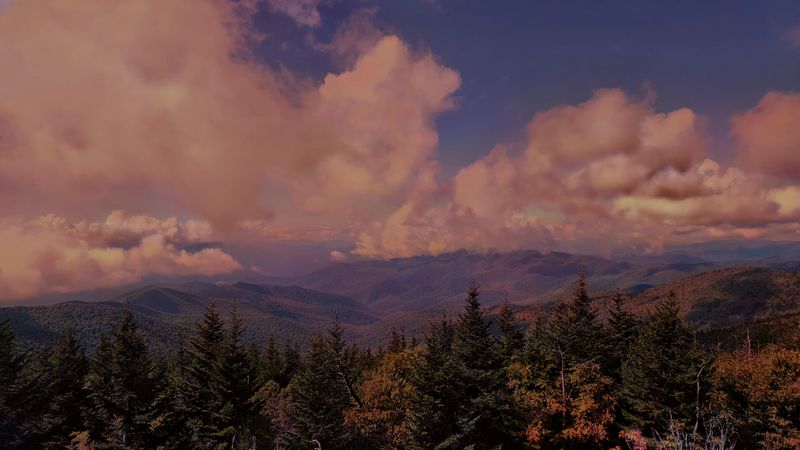
Standing at 6,643 feet, Kuwohi—formerly known as Clingmans Dome—claims the title of Tennessee’s highest point, and that elevation advantage translates directly into stunning stargazing opportunities. Great Smoky Mountains National Park offers multiple high-altitude viewing spots, with Newfound Gap and Kuwohi leading the pack.
Both locations sit well above the haze and humidity that often clouds lower elevations, giving you crisp, clear views of the night sky that feel almost close enough to touch.
Newfound Gap sits around 5,046 feet along the Tennessee-North Carolina border and provides a wide-open roadside overlook perfect for quick stargazing stops. You don’t need to hike far or set up complicated equipment—just park, step out, and look up. The gap’s position between peaks creates a natural bowl effect that frames the sky beautifully, and the reduced light pollution from nearby towns means stars shine with remarkable intensity.
Kuwohi takes things even higher. The observation tower at the summit offers 360-degree views, and while the tower itself closes at sunset, the surrounding areas remain accessible for night-sky viewing. The air is thinner up here, and on clear nights, you can see deep into space with incredible clarity.
The Milky Way becomes a dominant feature, and constellations appear sharper and more defined than they do at lower altitudes.
Both locations require some planning. Temperatures drop significantly at these elevations, even in summer, so bring extra layers and wind protection. The roads to both spots can be narrow and winding, so drive carefully, especially in darkness.
Great Smoky Mountains National Park combines natural beauty with altitude-driven sky clarity, making it a must-visit for anyone serious about seeing Tennessee’s stars at their absolute best.
4. Fall Creek Falls State Park — Spencer
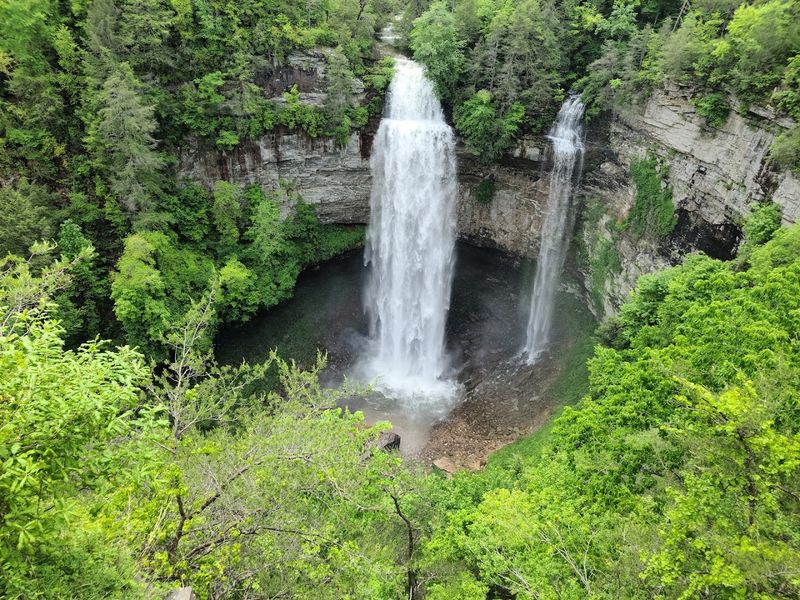
Fall Creek Falls State Park has built a reputation as one of Middle Tennessee’s strongest stargazing destinations, and it’s easy to see why once you spend a night under its skies. Low light pollution, high-quality overlooks, and a park infrastructure designed for overnight visitors make this spot ideal for both casual stargazers and dedicated astronomy enthusiasts.
The park even hosts special astronomy weekends throughout the year, bringing together sky-watchers and experts for guided observations and educational programs.
Fall Creek Falls Overlook and Millikan’s Overlook serve as the park’s premier viewing locations. Both offer wide-open vistas that extend far beyond the park boundaries, giving you unobstructed sightlines to the horizon in multiple directions. The overlooks sit high enough to clear most tree cover while remaining easily accessible by paved roads, so you don’t need to hike through the dark to reach them.
What makes Fall Creek Falls particularly appealing is the variety of accommodation options. Whether you prefer rustic camping under the stars or the comfort of a cabin with modern amenities, the park has you covered. Campers can set up right in the heart of the dark-sky zone, while cabin guests can enjoy a warm retreat between stargazing sessions.
Either way, you’re never far from excellent viewing conditions.
The park’s astronomy weekends bring an extra layer of excitement, with telescopes, expert guides, and fellow enthusiasts creating a community atmosphere around the night sky. Even if you visit outside these special events, the park’s natural darkness and thoughtful layout make solo stargazing just as rewarding.
Plan your visit around a new moon for the darkest skies, and check the park’s event calendar if you want to join an organized astronomy program. Bring a red flashlight to navigate safely without ruining your night vision, and consider packing snacks and drinks for extended viewing sessions. Fall Creek Falls turns a simple night outdoors into a full-fledged celestial adventure.
5. Edgar Evins State Park — Silver Point
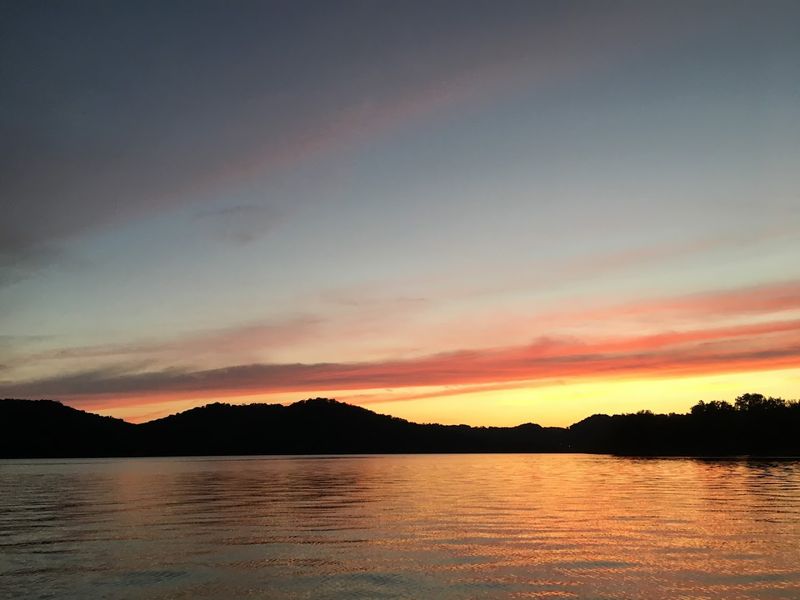
Few things beat watching stars reflect off calm lake water, and Edgar Evins State Park delivers that experience in spades. Situated along the shores of Center Hill Lake near Silver Point, this park combines water views with solid dark-sky conditions to create a stargazing setting that feels both peaceful and expansive. The observation tower near the visitor center and the lake shoreline itself provide two distinct but equally impressive vantage points for night-sky exploration.
The observation tower stands as the park’s signature viewing structure. Climbing to the top gives you an elevated perspective that clears the treeline and opens up the sky in every direction. On clear nights, you can watch stars emerge as twilight fades, and the higher vantage point helps you spot planets and constellations earlier in the evening.
The tower’s position also minimizes light interference from the park’s facilities below.
Down at the shoreline, the experience shifts to something more intimate and reflective—literally. Center Hill Lake’s broad surface acts like a natural mirror, doubling the visual impact of bright stars and planets. Watching the Milky Way stretch across both sky and water creates a surreal, almost dreamlike atmosphere that’s hard to replicate anywhere else.
The gentle sounds of lapping waves add a soothing soundtrack to your stargazing session.
Edgar Evins works particularly well for visitors who want a blend of outdoor recreation and astronomy. Spend the day boating, fishing, or hiking, then transition seamlessly into an evening of stargazing without changing locations. The park’s camping and cabin options make overnight stays convenient, and the lake setting keeps things cooler on warm summer nights.
6. Harrison Bay State Park — Harrison
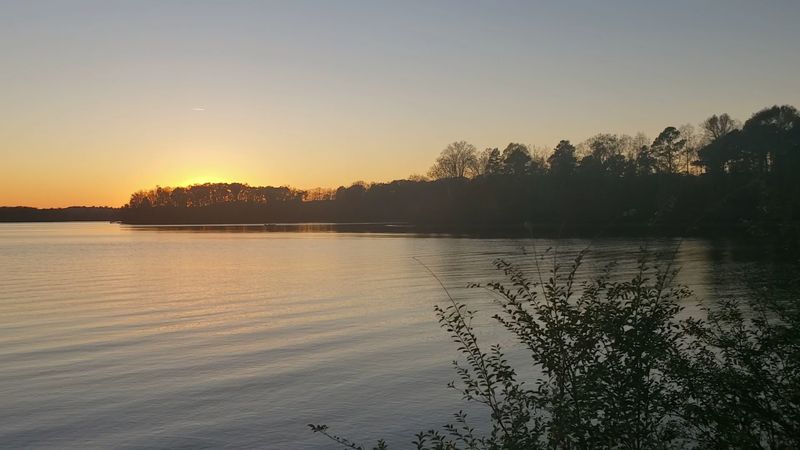
Harrison Bay State Park sits along Chickamauga Lake near Chattanooga, offering a convenient escape for city dwellers seeking darker skies without a long drive. The park’s location on the lake’s northern shore provides excellent sunset views that gradually transition into stargazing opportunities as night falls. Campgrounds, the marina area, and the fishing pier all serve as solid viewing spots, each offering a slightly different perspective on the night sky.
Sunsets here are worth arriving early for. As the sun dips below the lake’s western horizon, the sky ignites with color—oranges, pinks, and purples that fade slowly into deep blue and eventually black. This natural transition gives your eyes time to adjust to darkness gradually, which helps you see more stars as they begin to appear.
The lake’s open water keeps the horizon line clear, so you get a full view of the celestial show from ground level to zenith.
The campgrounds offer the advantage of proximity—set up your tent or RV, then simply step outside when the stars come out. The marina area provides more open space and less tree cover, making it ideal for wide-field viewing of constellations and the Milky Way. The fishing pier extends out over the water, giving you an unobstructed view in multiple directions and the added bonus of stars reflecting on the lake’s surface.
Harrison Bay’s accessibility makes it particularly appealing for spontaneous stargazing trips. You don’t need to plan weeks in advance or commit to remote backcountry camping. Just pack your gear, drive over, and enjoy the night sky without major logistical hurdles.
The park’s amenities—restrooms, parking, and designated viewing areas—add comfort without compromising the darkness you need for quality stargazing.
7. Bays Mountain Park — Kingsport
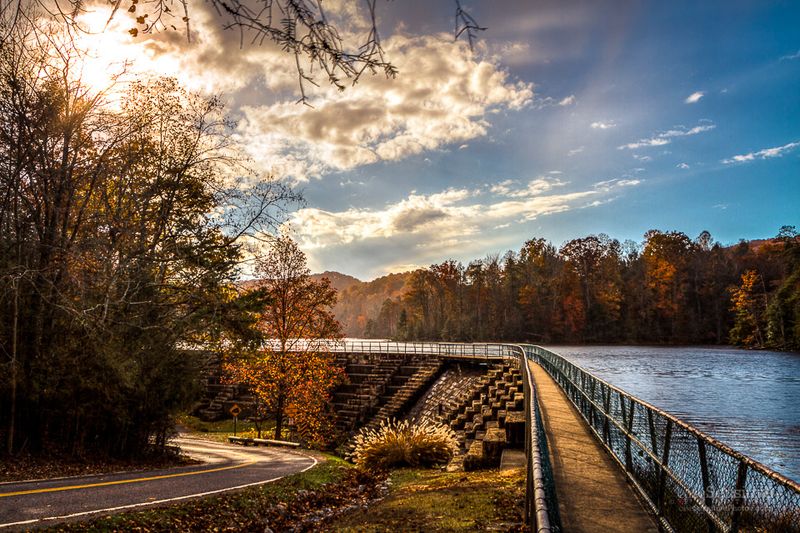
Bays Mountain Park brings a more structured, science-focused approach to stargazing, making it perfect for visitors who want to combine natural sky-viewing with expert guidance and high-quality equipment. Located in Kingsport, this expansive park features a planetarium, observatory structures, and public astronomy programming that turns a simple night under the stars into an educational adventure.
Whether you’re a first-time stargazer or a seasoned amateur astronomer, Bays Mountain offers resources and experiences that enhance your understanding of the night sky.
The planetarium provides indoor shows that help you learn constellations, planetary movements, and celestial mechanics before you head outside to see the real thing. These shows run year-round and cover topics ranging from basic sky orientation to advanced deep-space exploration. After the show, you can step outside to the observatory, where staff and astronomy club volunteers often have telescopes set up and aimed at planets, star clusters, nebulae, and other celestial targets.
The observatory structures house permanent telescopes that far exceed what most casual stargazers own, giving you access to views of Saturn’s rings, Jupiter’s moons, and distant galaxies that would otherwise require expensive personal equipment. Staff members and astronomy club enthusiasts are usually on hand during public events to answer questions, help you locate objects, and share their passion for the cosmos.
Bays Mountain’s programming includes regular stargazing nights, special events during meteor showers and eclipses, and seasonal astronomy workshops. The park’s location on a mountain provides natural elevation advantages, and the surrounding forest helps block light pollution from Kingsport’s urban areas. The combination of natural darkness and professional-grade equipment creates viewing opportunities that rival much larger observatories.
Check the park’s event calendar before visiting to catch scheduled astronomy programs, and consider arriving early to explore the park’s nature trails and wildlife exhibits before dark. Bays Mountain transforms stargazing from a passive activity into an interactive learning experience that stays with you long after the stars fade at dawn.
8. Vanderbilt Dyer Observatory — Brentwood
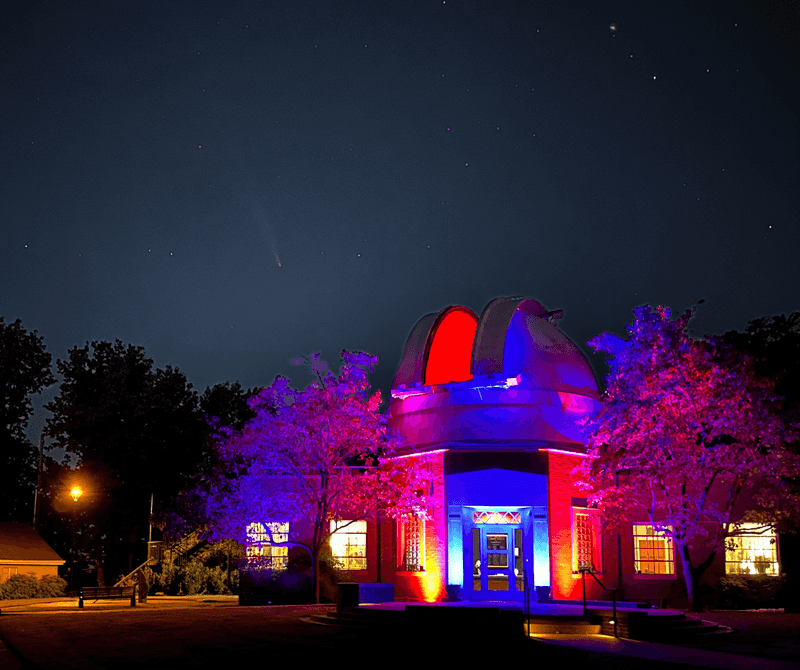
Perched atop one of the tallest peaks in the Nashville area, Vanderbilt Dyer Observatory delivers a mountaintop stargazing experience that feels both exclusive and accessible. This working research facility opens its doors to the public for telescope nights, tours, lectures, and special sky-viewing events throughout the year. The observatory’s elevation and professional-grade equipment combine to offer views of the universe that most people only see in textbooks and documentaries.
The observatory’s main telescope is a powerful research instrument capable of revealing details on planets, moons, star clusters, and distant galaxies with stunning clarity. During public viewing nights, trained staff members operate the telescope and guide visitors through a tour of the night sky, pointing out highlights and explaining what you’re seeing in real time.
Beyond the main telescope, the observatory grounds provide excellent naked-eye viewing opportunities. The mountaintop location puts you above much of Nashville’s light pollution, and the surrounding forest creates a natural buffer from stray lights. On clear nights, you can see the Milky Way, major constellations, and bright planets without any equipment at all.
Bring binoculars or a small telescope if you have them, and you’ll be able to explore even more celestial territory on your own.
The observatory’s educational programming includes lectures on astronomy topics, special events during eclipses and planetary alignments, and seasonal sky tours that highlight what’s visible at different times of year. These programs make Dyer Observatory a learning destination as much as a viewing location, deepening your appreciation for the science behind the stars.
Reservations are often required for public events, so check the observatory’s schedule and book your spot in advance. Dress warmly, even in summer, since mountaintop temperatures drop quickly after sunset.
9. Bledsoe Creek State Park — Gallatin
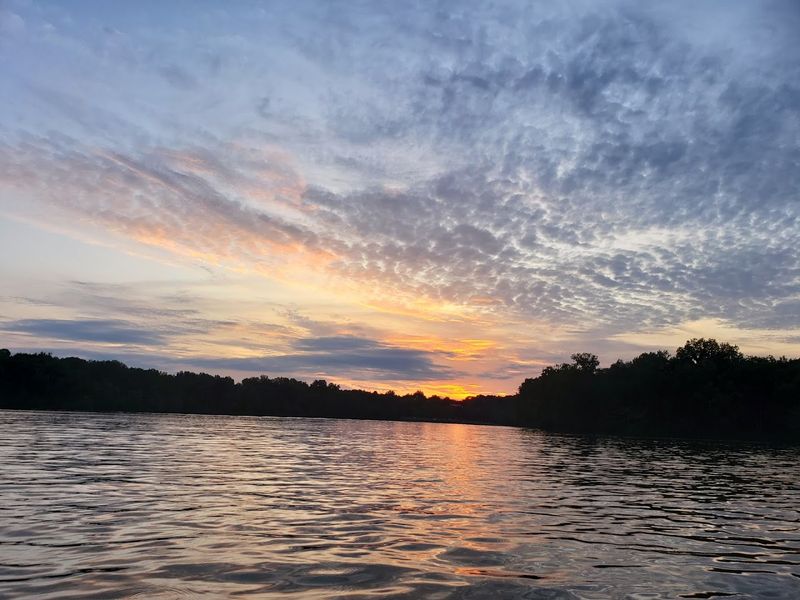
Just a short drive from Nashville, Bledsoe Creek State Park offers convenient dark-sky access for urban stargazers who don’t want to sacrifice a full weekend to chase the Milky Way. Located near Gallatin along Old Hickory Lake, this park combines easy accessibility with surprisingly low light pollution, making it a favorite among Nashville-area campers and amateur astronomers.
With more than sixty campsites and regular stargazing events, Bledsoe Creek has built a reputation as a reliable, hassle-free stargazing destination.
The park’s campgrounds provide the perfect setup for overnight stargazing trips. Pitch your tent, set up your camp chair, and simply wait for darkness to fall. You’re already in a position to enjoy the full night sky without needing to drive elsewhere or navigate unfamiliar terrain in the dark.
The campsites offer varying degrees of tree cover, so choose one with more open sky if stargazing is your primary goal.
Bledsoe Creek hosts organized stargazing events throughout the year, often in partnership with local astronomy clubs and educators. These events typically feature telescopes, expert guides, and group observations that make learning the night sky easier and more social. Even if you visit outside these scheduled events, the park’s natural darkness and lakeside location create excellent viewing conditions for solo exploration.
Water reflects light from bright stars and planets, creating a doubled effect that enhances the overall atmosphere. Shoreline areas offer unobstructed views to the horizon, perfect for catching meteors during annual showers or watching planets rise in the east.
Pack your camping gear, bring a star chart or astronomy app, and consider timing your visit to coincide with one of the park’s astronomy events for the full experience. Bledsoe Creek proves that you don’t need to travel to remote wilderness areas to find quality stargazing—sometimes the best skies are hiding just outside the city limits.
10. David Crockett State Park — Lawrenceburg
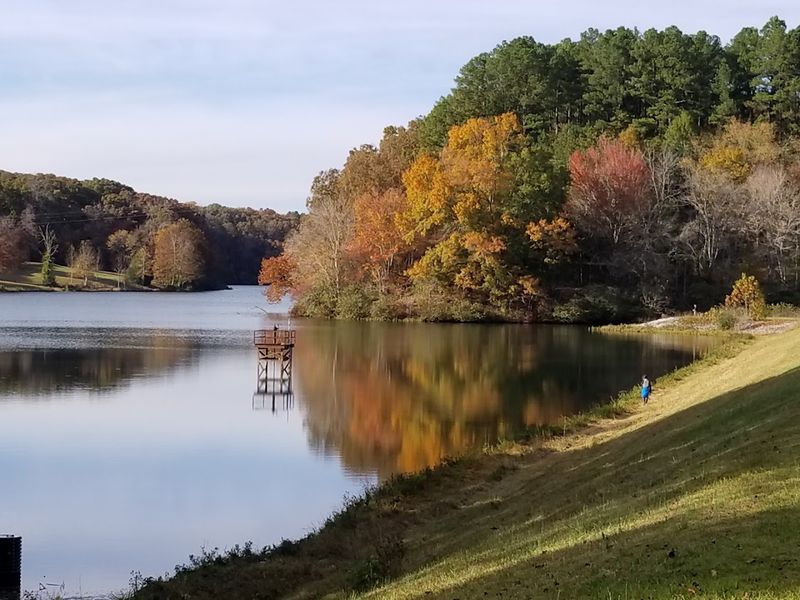
David Crockett State Park near Lawrenceburg offers a quieter, more laid-back stargazing experience compared to some of Tennessee’s busier dark-sky destinations. Named after the legendary frontiersman, this park embraces its outdoorsy heritage with open campground areas, peaceful trails, and the shoreline of Lake Lindsey—all of which double as excellent spots for relaxed skywatching.
If you prefer your stargazing without crowds or rigid schedules, David Crockett delivers exactly that.
The campground areas provide the most straightforward viewing setup. Find a site with minimal tree cover, set up your blanket or reclining chair, and let the stars come to you. The park’s relatively low light pollution allows for clear views of major constellations, the Milky Way during peak visibility months, and regular sightings of satellites and meteors.
The relaxed pace here means you can spend as much or as little time stargazing as you want, without feeling rushed or obligated to follow a program.
Lake Lindsey’s shoreline offers a different perspective. The water’s edge gives you an unobstructed view of the horizon, making it easier to spot planets as they rise and set. The lake also provides a natural sound buffer, with gentle water movement creating a peaceful backdrop that enhances the meditative quality of night-sky observation.
Bring a camp chair or hammock and settle in for a long evening of sky-watching and reflection.
The park’s trail system offers another option for adventurous stargazers. Short hikes to clearings or overlooks can provide fresh vantage points and a sense of exploration that adds to the overall experience. Just be sure to bring a reliable flashlight or headlamp and stick to familiar trails if you’re navigating after dark.
David Crockett State Park won’t overwhelm you with high-tech equipment or structured programming, and that’s precisely its appeal. Sometimes the best stargazing happens when you simply find a quiet spot, look up, and let the universe unfold at its own pace.
11. Big Hill Pond State Park — Pocahontas
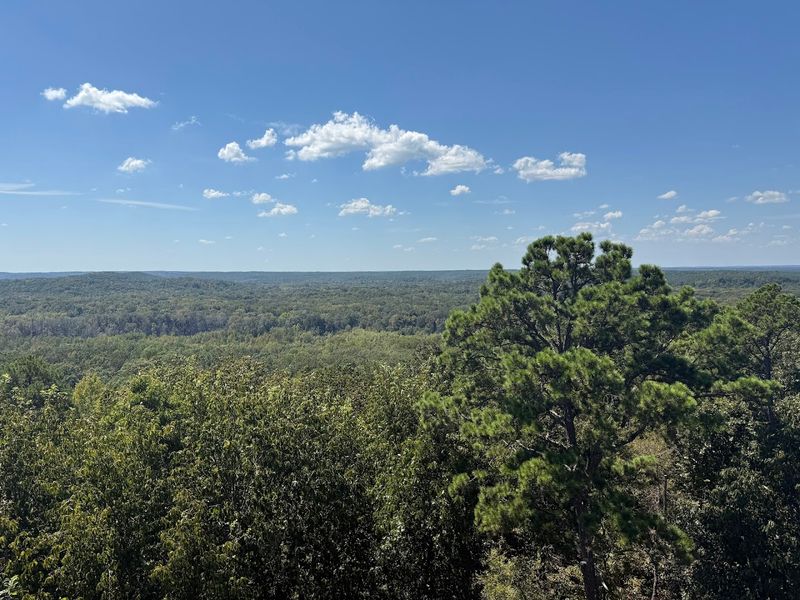
Big Hill Pond State Park brings West Tennessee into the stargazing conversation with campgrounds and overlooks that fit perfectly into the “night feels endless” theme. Located near Pocahontas in the state’s southwestern corner, this park offers a different landscape and atmosphere compared to Tennessee’s mountainous eastern regions.
Flat terrain and fewer nearby cities create wide-open skies that stretch from horizon to horizon, giving you a true sense of the universe’s scale.
The park’s campgrounds are designed for overnight stays, making them ideal for extended stargazing sessions. Set up your tent or RV during daylight, then settle in as darkness transforms the landscape. Without mountains or tall trees blocking your view, you get a full dome of stars overhead—perfect for spotting constellations in all directions and tracking celestial objects as they move across the sky throughout the night.
Several overlooks within the park provide elevated viewing positions that enhance your sightlines even further. These spots let you see over surrounding vegetation and water features, giving you clearer views of the horizon where planets and stars first appear after sunset. The overlooks also work well for watching meteor showers, since you can see more of the sky at once and catch meteors entering the atmosphere from different angles.
Big Hill Pond’s location in West Tennessee means it experiences different weather patterns and atmospheric conditions compared to the state’s eastern regions. Summer nights can be warm and humid, but they also tend to be stable, with fewer atmospheric disturbances that can blur starlight. Fall and spring offer cooler temperatures and excellent visibility, while winter brings crisp, clear skies that make stars appear especially bright.
Pack insect repellent for warm-weather visits, and bring extra layers for cooler months. The park’s remote location means you’ll have minimal light pollution to contend with, so even a basic pair of binoculars will reveal details in star clusters and nebulae that are invisible to the naked eye.
12. Meeman-Shelby Forest State Park — Millington
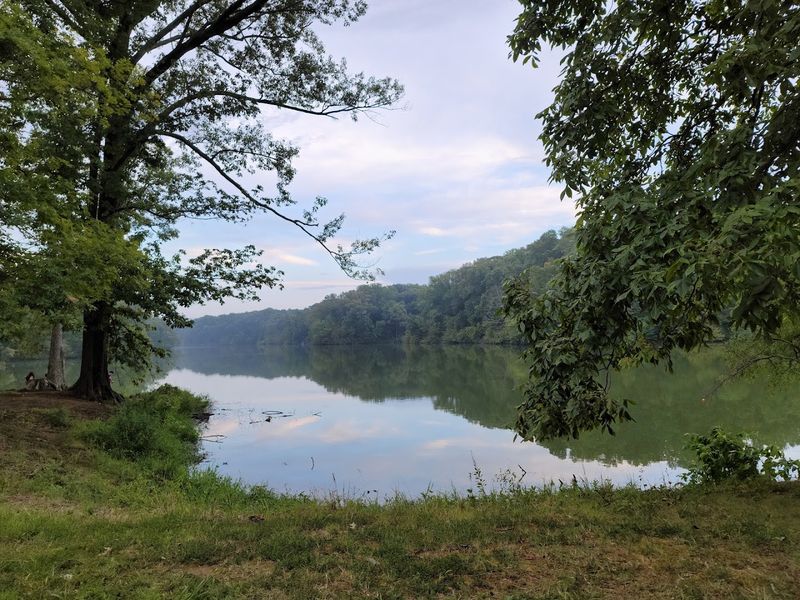
Only eighteen miles north of downtown Memphis, Meeman-Shelby Forest State Park proves that serious stargazing doesn’t require hours of driving into remote wilderness. This West Tennessee gem sits along the Mississippi River bluffs, surrounded by dark, wooded terrain that blocks urban light pollution surprisingly well.
The park’s proximity to Memphis makes it a convenient escape for city residents seeking genuine nighttime outdoor experiences without the commitment of distant travel.
The park’s wooded surroundings create natural darkness that enhances star visibility. Tall hardwood forests buffer the glow from Memphis and nearby communities, while clearings and overlooks provide open sky access for unobstructed viewing. The bluffs overlooking the Mississippi River offer particularly dramatic vantage points, where you can watch stars emerge over the water as twilight fades to night.
Camping at Meeman-Shelby puts you in the heart of the dark zone overnight. The park’s campground areas offer varying levels of tree cover, so you can choose sites that balance shelter with sky access based on your preferences. Setting up camp means you can step outside your tent or RV anytime during the night to check on celestial events, track planets as they move across the sky, or simply enjoy a few minutes of stargazing before bed.
The park’s trail system provides additional exploration opportunities for adventurous stargazers. Short hikes to overlooks or clearings can reveal new perspectives on the night sky, and the combination of forest sounds and star views creates an immersive outdoor experience that engages all your senses. Just remember to bring proper lighting and stick to familiar trails if you’re moving around after dark.
Meeman-Shelby’s location near the Mississippi River also means you might catch reflections of bright stars and planets on the water’s surface, adding visual interest to your viewing sessions. The park demonstrates that even in West Tennessee, close to a major city, you can still find skies that feel vast, wild, and genuinely endless.
Share this story