A misty bend in a trout stream, a reservoir so deep it feels a little mysterious, a saltwater inlet where the current does not care how expensive your gear is — New Jersey fishing has range, and it is not messing around.
This is the same state where you can spend the morning reading pocket water for trout, the afternoon chasing bass along a rocky shoreline, and the evening watching birds work bait over a back bay.
Serious fishermen know the Garden State is not just a place to “wet a line.” It is a compact little proving ground with cold streams, tidal rivers, giant reservoirs, pine-dark channels, and salty structure that rewards patience. Some spots are famous because they are productive.
Others earn their reputation because they make you work for every hit. Either way, these 12 New Jersey waterways belong on the list.
1. Musconetcong River
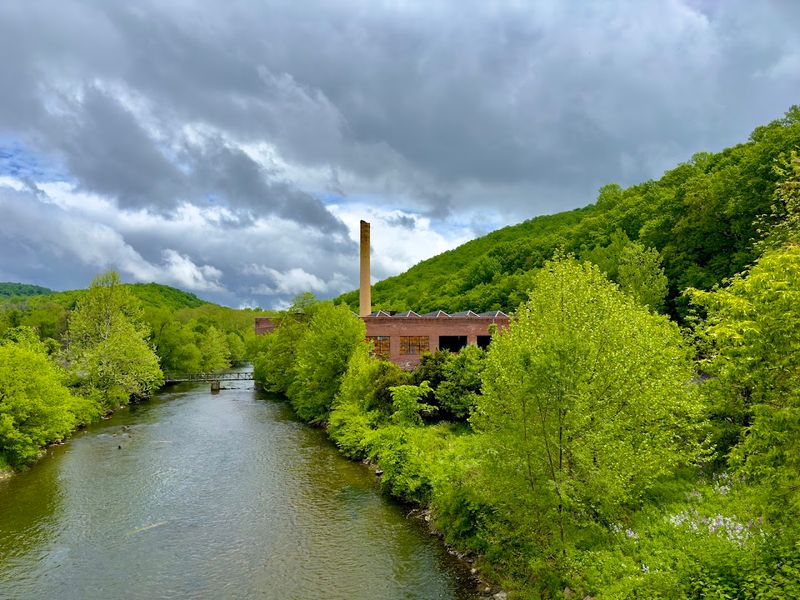
The first thing you notice along the Musconetcong is how quickly the noise drops away. One minute you are in regular North Jersey road-and-traffic mode, and the next you are standing beside moving water that seems to have its own schedule.
The “Musky,” as plenty of local anglers call it, is one of those rivers that makes trout fishing feel personal. It has runs, riffles, undercut banks, shaded pools, and enough character to keep a careful fisherman busy all day.
This is not a lazy cast-and-hope kind of place. It rewards the person who slows down, watches the current seams, and thinks about where fish can hold without burning energy.
Trout are the big draw, especially in the cooler months and spring stocking season, but the river also has a broader appeal because different stretches feel like different waters entirely. Some sections are open and easy to approach, while others ask you to step carefully, read the bank, and keep your cast tight.
Bring waders if you like to explore, but do not assume every stretch is built for marching straight in. The best plan is to pick a public access point, fish it thoroughly, then move.
The Musconetcong is bucket-list worthy because it feels classic without feeling tame.
2. South Branch Raritan River at Ken Lockwood Gorge
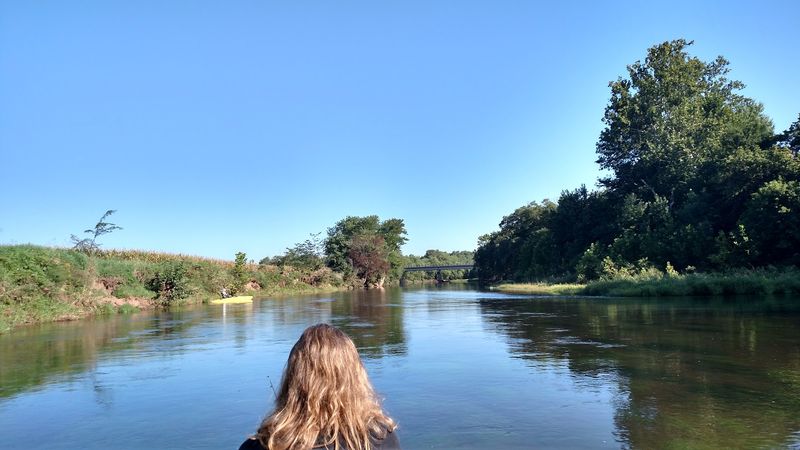
There is a reason fishermen talk about Ken Lockwood Gorge with a slightly protective tone, as if mentioning it too loudly might summon half the state.
The South Branch Raritan cuts through a rugged, wooded corridor here, with cold water sliding over stones, pocket pools forming behind boulders, and just enough trail access to make you feel like you have earned your spot.
This is one of New Jersey’s prettiest trout settings, but it is not merely scenic filler. The gorge has real fishing muscle.
Anglers come for trout, especially those who enjoy reading technical water, making clean presentations, and adjusting constantly to current, depth, and cover. Fly fishermen love it for obvious reasons, though spin anglers who know how to work small offerings through fast water can have a very good day here too.
The vibe is serious but not stiff. You may pass hikers, photographers, and other anglers, yet the water itself demands focus.
Parking can be limited during prime times, and the road through the gorge is narrow enough to remind you that this is not a casual pull-up-and-sprawl situation. Go early, step carefully, and leave the heavy-handed approach at home.
Ken Lockwood rewards quiet confidence.
3. Pequest River
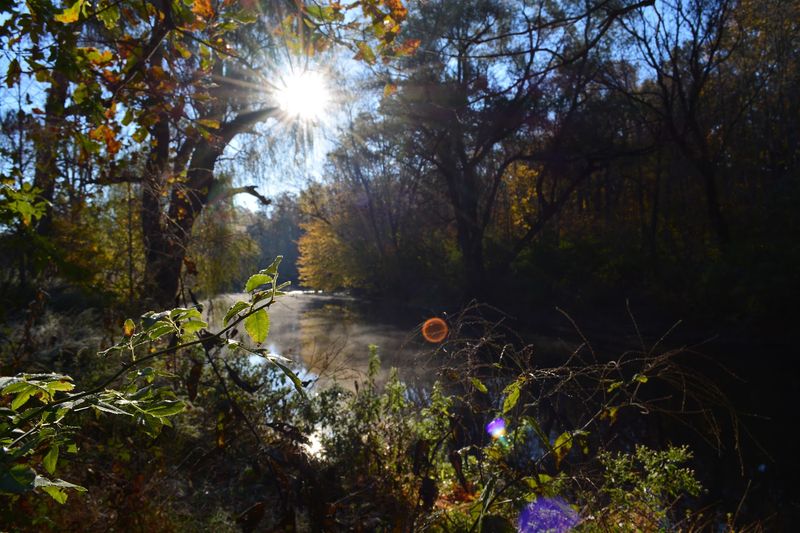
The Pequest has a practical kind of fame, the kind built on generations of anglers knowing exactly why they are showing up. This Warren County river is deeply tied to New Jersey trout culture, and you feel that heritage when you fish it.
It is approachable in places, technical in others, and productive enough to keep both newer trout anglers and seasoned regulars coming back. The water has that appealing mix of pools, glides, riffles, and bank cover that lets you change tactics without needing to change rivers.
On some days, you are drifting small baits or lures through obvious lanes. On others, you are working slowly and realizing the fish are tucked tighter to structure than you expected.
The Pequest is especially nice for fishermen who like a full-day plan rather than a quick stop. You can work different stretches, adjust to pressure, and make a morning feel like a small expedition.
It is also a good reminder that “famous” does not mean “easy.” The river gets attention, and pressured trout do not hand out favors. Light line, careful movement, and a willingness to cover water matter.
The Pequest earns its place because it feels like a New Jersey rite of passage, not just another blue line on the map.
4. Big Flat Brook
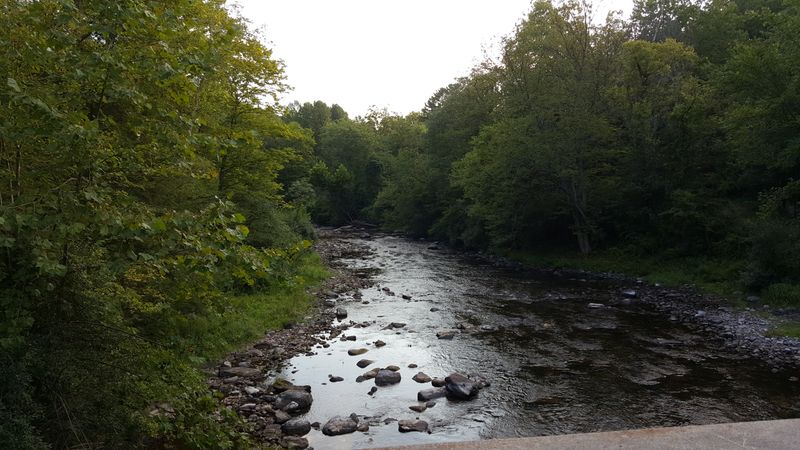
Cold water, big trees, and the feeling that your cast actually matters — Big Flat Brook has that old-school trout-stream magic. Up in Sussex County, it is one of those names that makes serious freshwater anglers nod before anyone finishes the sentence.
The stream is known for trout, but what makes it special is the way it blends access, beauty, and challenge. It can feel generous one day and humbling the next, which is exactly why fishermen keep returning.
The water has plenty of places that look fishy at first glance, but the better approach is to slow down and break it apart piece by piece. Look for current breaks, shaded edges, deeper slots, and subtle seams where trout can hold comfortably.
This is a place where stealth counts. Stomping along the bank or throwing sloppy casts into clear water is a fast way to turn a promising pool into a quiet one.
Big Flat Brook also has a slightly wild edge compared with many easier-access waters in the state. You are not far from roads and pull-offs, but the woods and water can still make the day feel nicely removed.
Pack light, bring patience, and do not rush through the good-looking stretches. This stream is worth fishing like you mean it.
5. Ramapo River at Ramapo Valley Reservation
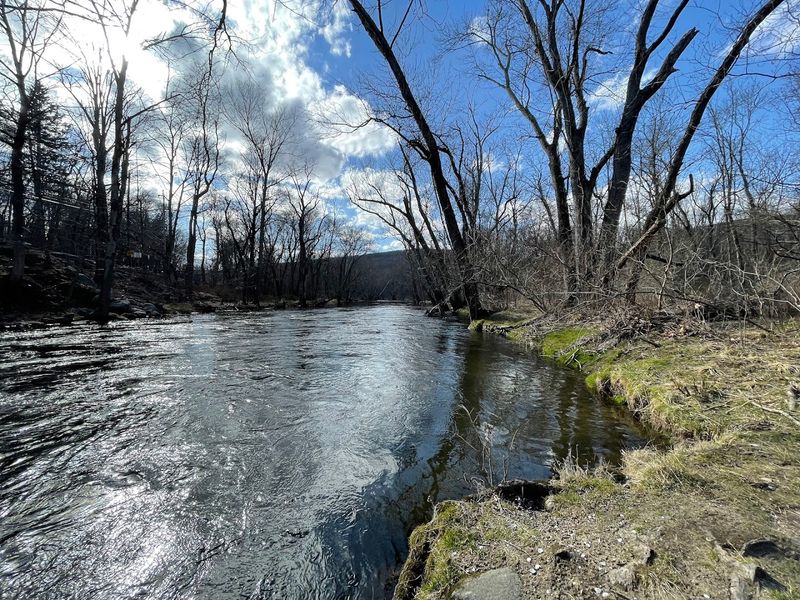
A trout rod in one hand and a trailhead nearby is a very North Jersey kind of combination, and the Ramapo River at Ramapo Valley Reservation pulls it off beautifully. This is not the most remote fishing experience in the state, and that is part of its charm.
You have wooded scenery, moving water, and real fishing opportunity within reach of towns, highways, and busy schedules. For anglers who want a serious morning without disappearing for an entire weekend, the Ramapo is a strong play.
The river here offers trout fishing, especially around stocked periods, along with the kind of mixed-water conditions that keep you paying attention. Some sections invite short, careful casts along current edges, while others are better suited for covering water until you find active fish.
Because the reservation is popular with hikers and families, timing matters. Early mornings are your friend, both for quieter banks and better fishing rhythm.
The setting also makes this a good spot for anglers who like to combine fishing with a walk rather than standing in one place all day. Expect company, respect the shared space, and keep your setup manageable.
The Ramapo earns its bucket-list status by proving that a serious fishing stop does not always have to be far-flung.
6. Round Valley Reservoir
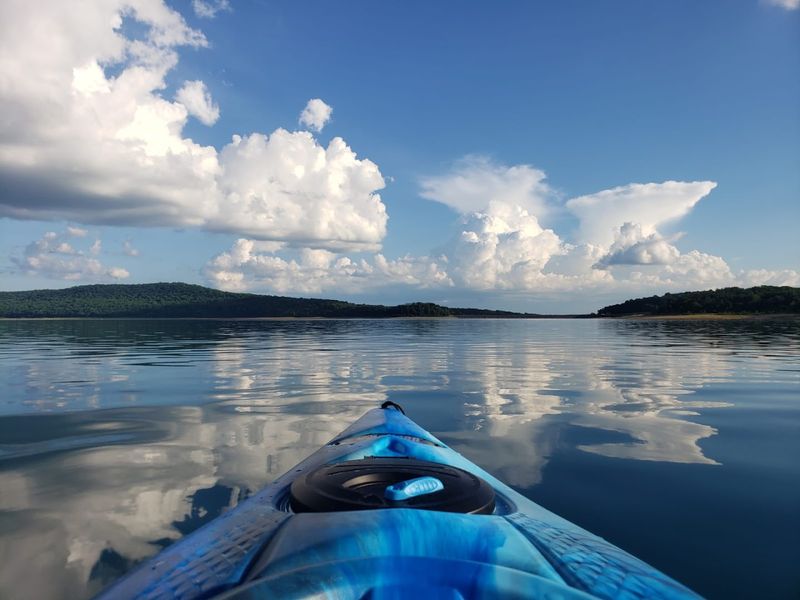
Round Valley does not look like a place you casually figure out in an hour. It is big, deep, clear, and just a little intimidating, which is exactly why serious fishermen love it.
This Hunterdon County reservoir has a reputation for trophy-minded freshwater fishing, especially for anglers willing to think beyond the shoreline basics. The depth is the story here.
Fish can relate to structure, temperature changes, and bait movement in ways that make Round Valley feel more like a puzzle than a pond. Shore anglers can still find opportunities, but boaters and kayak anglers who understand safety, wind, and depth contours often get a broader look at what makes the reservoir special.
Trout are a major draw, and bass anglers also pay attention to this water, but the real appeal is the sense that something substantial could happen on the next cast. This is a place to bring your better gear, your patience, and your respect for conditions.
Wind can make the open water feel bigger in a hurry, and clear water can make fish less forgiving. Plan around access rules, keep an eye on the weather, and do not treat it like a casual park lake.
Round Valley is for anglers who enjoy earning their confidence.
7. Merrill Creek Reservoir
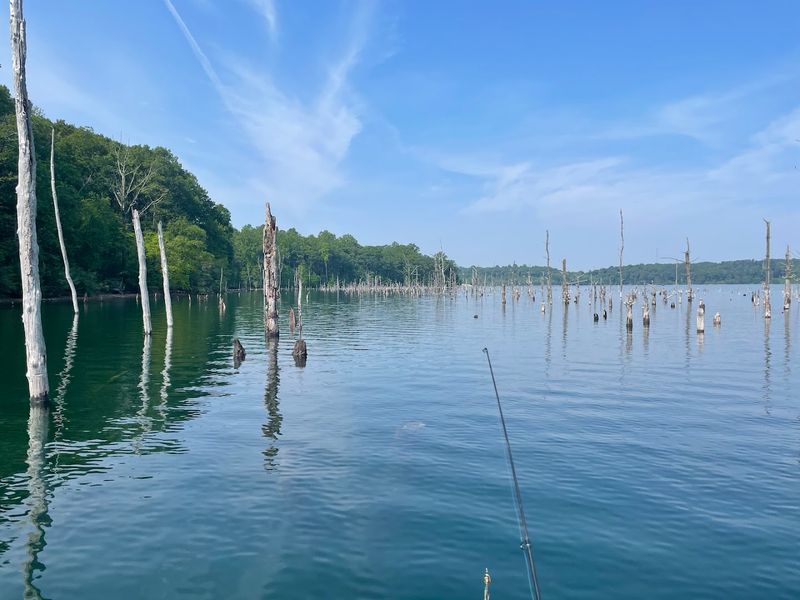
The shoreline at Merrill Creek has a quiet, deliberate feel, like the whole place is asking you to slow down and fish smarter. Set in Warren County, this reservoir is a favorite among anglers who like clean water, structure, and the possibility of quality fish without the circus atmosphere.
It is not a spot that screams for attention. Instead, it draws fishermen who appreciate details: a point that drops off just right, a windy bank pushing bait, a rocky edge that deserves five more casts before you move on.
Merrill Creek is known for a mix of freshwater targets, including trout and bass, and it can be especially rewarding for anglers who are comfortable adapting through the day. Shore access gives you options, but covering water thoughtfully is key.
This is not the place to park yourself at the first opening and hope the fish come to you. Walk, watch, and let conditions tell you where to spend time.
The reservoir setting is also part of the appeal. It feels orderly and preserved, with enough natural beauty to make a slow bite easier to tolerate.
Bring layers, because wind across the water can change the mood quickly. Merrill Creek belongs on the list because it rewards observant fishermen more than impatient ones.
8. Lake Hopatcong
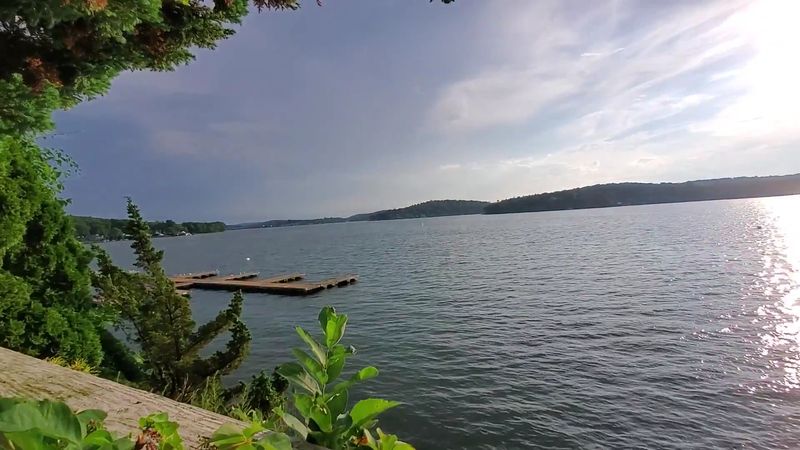
Some fishing spots whisper; Lake Hopatcong shows up with marinas, boat wakes, docks, coves, weed lines, and a whole lot going on. New Jersey’s largest lake is not a hidden secret, but serious anglers do not need every bucket-list spot to be quiet.
They need opportunity, and Hopatcong has plenty of it. This is a multi-species lake with bass, perch, pickerel, walleye, hybrid striped bass, and panfish all part of the conversation, depending on season, conditions, and how you like to fish.
Boat anglers get the most room to explore, but shoreline spots and public access areas can still produce for those willing to work around the lake’s busy personality. The trick here is to think structure and timing.
Early mornings are golden, especially before recreational boat traffic kicks up. Docks, points, weed edges, deeper transitions, and shaded pockets all deserve attention.
Hopatcong can feel like a social lake by midday, so the serious fisherman’s advantage is usually planning: launch early, know your target, and adjust before the crowds fully wake up. It is also a fun place to make a full day of it, with nearby food stops and classic lake-town energy.
Lake Hopatcong makes the cut because it is big, busy, and absolutely capable of delivering.
9. Mullica River and Great Bay
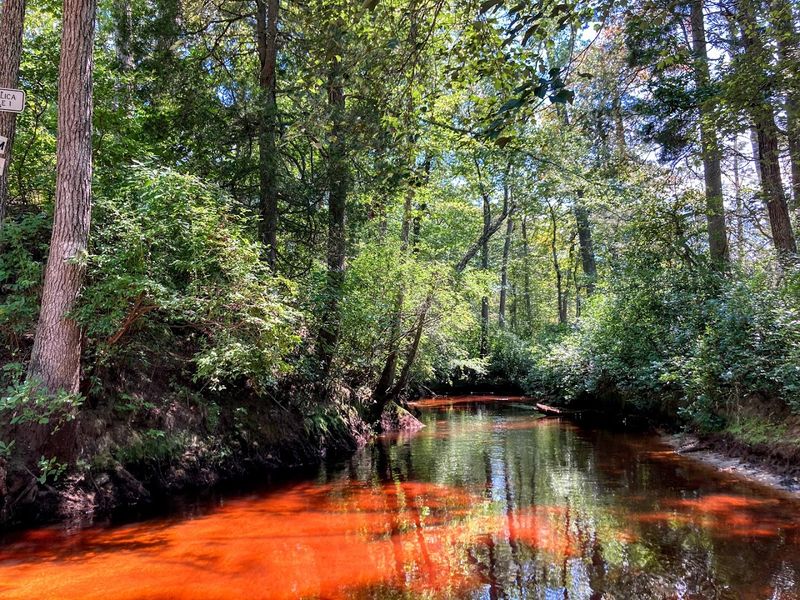
Dark Pine Barrens water sliding toward salt marsh is a very specific kind of New Jersey beauty, and the Mullica River into Great Bay has it in buckets. This is where freshwater, brackish water, tide, current, and coastal habitat start mixing into something that feels alive in every direction.
Serious fishermen like this area because it is not one-dimensional. Depending on where you are, when you go, and what the tide is doing, you may be thinking about striped bass, white perch, bluefish, weakfish, fluke, or other seasonal visitors.
The Mullica has that tea-colored Pine Barrens look upstream, while Great Bay opens the game into broader saltwater strategy. This is prime territory for anglers who enjoy reading tides as much as reading water.
Creek mouths, sod banks, channels, points, and current seams can all matter. A kayak or small boat can unlock a lot, but only if you respect the tide and wind.
Shore anglers can still find access points, though this is the kind of place where homework pays off. The vibe is quieter and more elemental than the busier Shore towns.
You hear birds, wind, and water moving through grass. The Mullica and Great Bay belong here because they feel like fishing with the whole landscape involved.
10. Maurice River
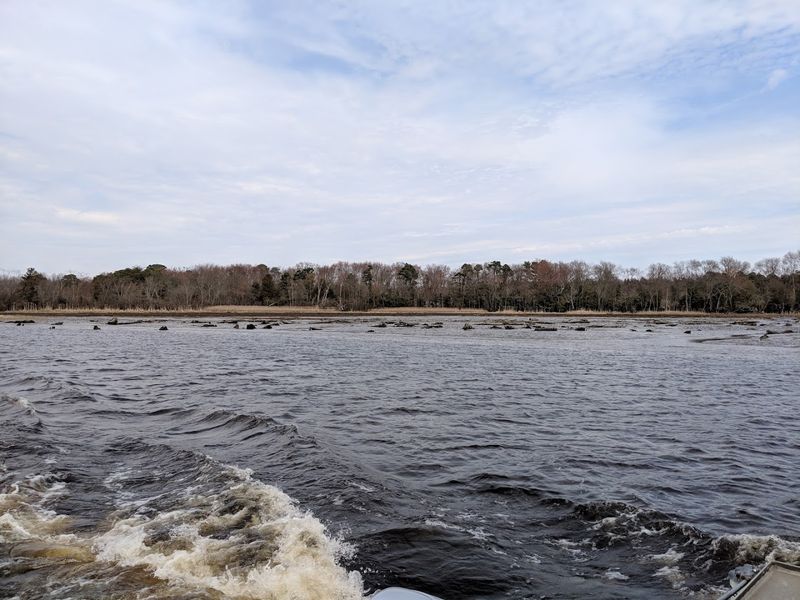
The Maurice River has a South Jersey soul: tidal, marshy, historic, and a little unpredictable in the best way. It is not the kind of waterway that gives itself away at first glance.
You need to pay attention to tide stages, bends, banks, feeder creeks, and the way the river changes as it moves toward Delaware Bay. That complexity is what makes it such a strong pick for serious fishermen.
In different stretches and seasons, anglers can find white perch, striped bass, catfish, and other brackish or tidal river targets. The Maurice is especially appealing if you like a quieter day with room to think.
It does not have the boardwalk buzz of some coastal fishing areas, and that slower pace lets the river’s details stand out. A small boat or kayak can be useful, but the tide deserves respect, especially around marsh edges and narrower channels.
Shore anglers should focus on accessible landings, bridges, and public areas where current creates natural feeding lanes. This is also a good waterway for fishermen who enjoy the hunt as much as the catch.
You may not always know exactly what will bite next, and that is part of the fun. The Maurice earns its spot by being moody, productive, and unmistakably South Jersey.
11. Barnegat Bay and Barnegat Inlet
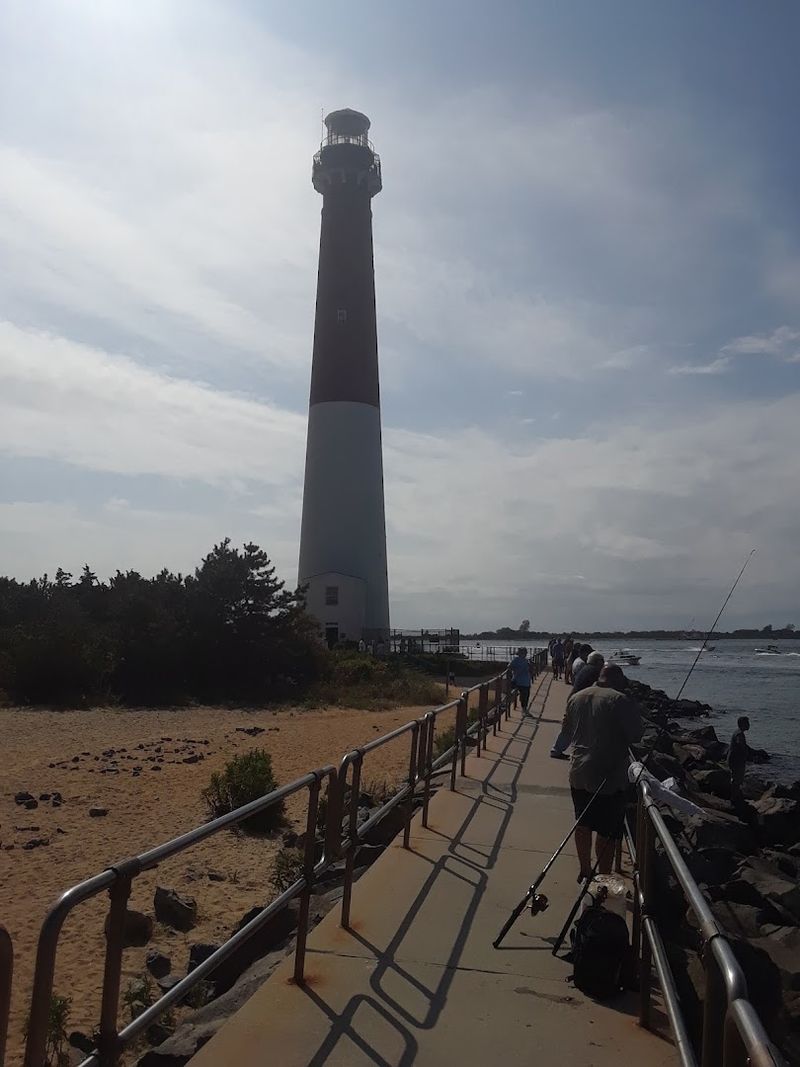
You can feel the seriousness at Barnegat Inlet before the first cast — the rocks, the current, the boats, the birds, the ocean pushing its way into the bay. This is not gentle water, and it does not reward daydreaming.
Paired with Barnegat Bay, the inlet creates one of New Jersey’s great saltwater fishing arenas, with structure, tide, bait movement, and seasonal fish all colliding in a way that keeps anglers sharp. Fluke, striped bass, bluefish, weakfish, and blackfish all enter the local conversation depending on timing and regulations.
The bay side gives fishermen channels, flats, docks, sedges, and calmer places to work, while the inlet adds heavier current and rock structure that can produce memorable action when conditions line up. This is a place where tide charts matter.
So does footwear, especially near rocks. Jetty fishing can be productive, but it demands caution and respect for waves, slippery surfaces, and boat traffic.
Kayak and boat anglers have even more options inside the bay, particularly around channel edges and moving water. The beauty of Barnegat is that it can be technical without feeling sterile.
It smells like salt, sounds like gulls and engines, and keeps you humble. That is exactly why fishermen keep coming back.
12. Delaware Bay at Cape May and Fortescue
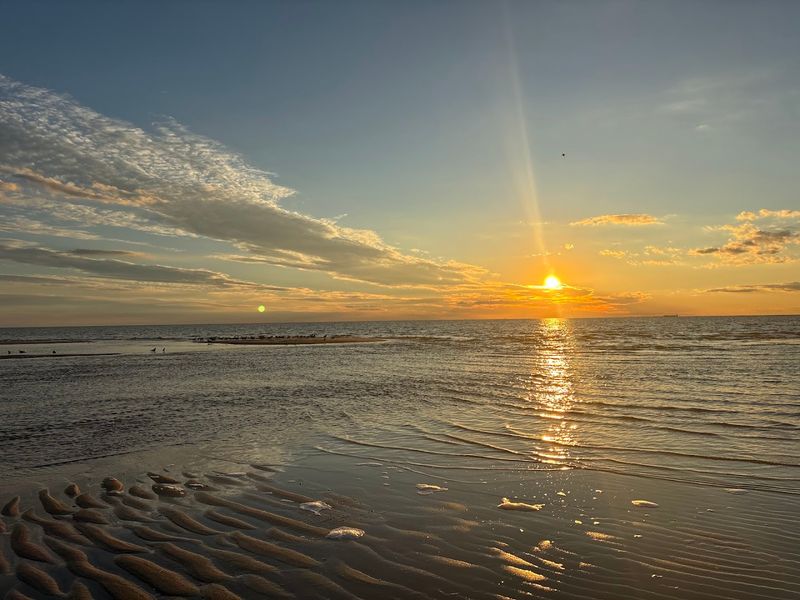
Delaware Bay fishing has a different rhythm from the oceanfront, broader and moodier, with big sky overhead and water that seems to change personality by the hour. Around Cape May and Fortescue, serious anglers get access to one of New Jersey’s most interesting saltwater systems.
This is classic territory for striped bass, weakfish, bluefish, drum, fluke, and other seasonal targets, with spring and fall often carrying the most anticipation. Fortescue has long been tied to fishing culture, especially for anglers who appreciate a quieter, old-school bayfront feel.
Cape May brings more infrastructure, more options, and easier ways to turn a fishing trip into a full coastal day. The bay itself asks for patience and planning.
Tides, wind direction, water clarity, and bait movement can all shape the bite. Surfcasters, boaters, and pier anglers each have their lanes, but no one gets to ignore conditions.
This is also a place where scale matters. The water can look open and simple until you start noticing subtle bars, channels, rips, and edges.
Pack for wind, check the rules before keeping anything, and give yourself time. Delaware Bay belongs on the bucket list because it feels like serious fishing with a little old New Jersey grit baked in.
Share this story