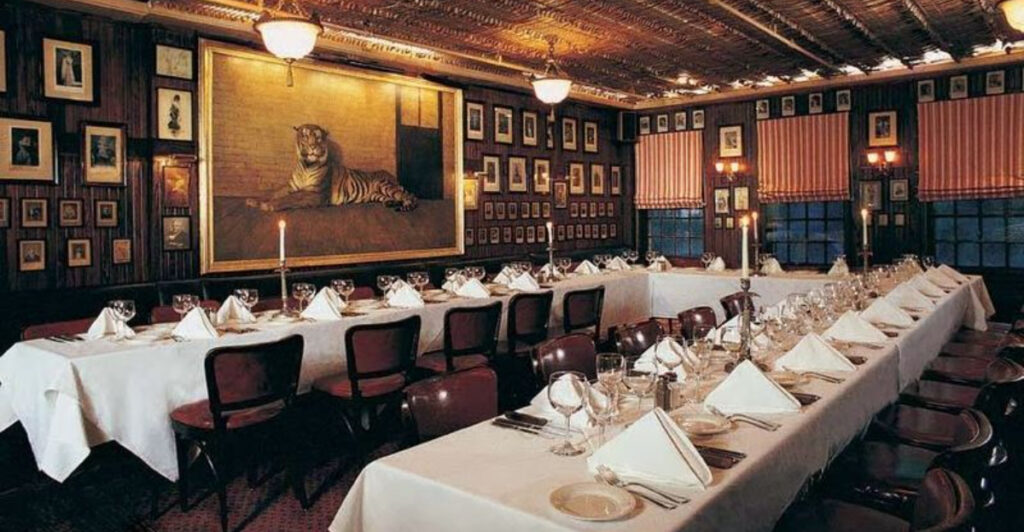
New York is famous for bright lights, tall buildings, busy sidewalks, and food that comes from every corner of the world, but some of its best meals are served in places that have been around for many decades. These old restaurants are more than places to eat because they hold stories of workers, artists, families, visitors, and famous guests who helped shape the city.
Walking into one can feel like stepping into a living museum, except the reward is a plate of steak, pizza, pasta, cheesecake, pastrami, or soul food. If you want to taste New York in a way that feels real, warm, and full of history, these classic spots are still worth adding to your list.
1. McSorley’s Old Ale House
A pair of small ale mugs lands on the table, and suddenly the busy East Village feels a little older, louder, and more colorful.
Few places in New York carry history as casually as McSorley’s Old Ale House, where the floors, walls, and bar seem to remember every laugh.
Opened in 1854, this landmark pub has welcomed writers, workers, politicians, soldiers, artists, and curious visitors.
The menu is simple, and the famous choice at the bar is even simpler: light ale or dark ale.
That no-fuss style is part of the charm.
You do not come here for a quiet fine dining meal with fancy plating.
You come for the feeling of being inside a piece of New York that has refused to get polished smooth.
Look around while you wait.
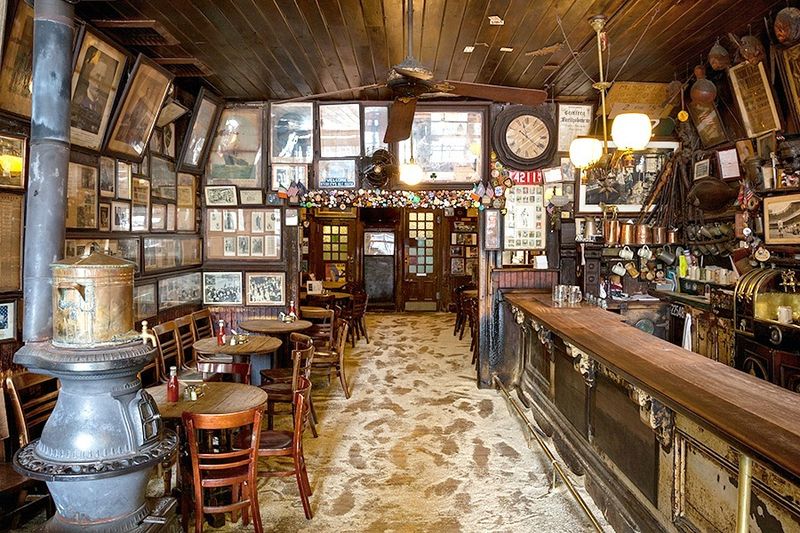
Old newspaper clippings, dusty keepsakes, portraits, and odd bits of local memory cover the walls.
Even the sawdust on the floor adds to the time-travel mood.
Food choices include hearty pub favorites like cheese plates, sandwiches, chili, and burgers.
The cheese plate, with sharp cheddar, raw onions, mustard, and crackers, is a classic order that matches the ale well.
It is simple, strong, and very New York.
Visitors should know that seating is often shared, so do not be surprised if strangers become tablemates.
That can be half the fun, especially if you enjoy people-watching or chatting with someone who knows the neighborhood.
Go earlier in the day if you want a calmer visit.
Evenings can get packed, noisy, and energetic, especially on weekends.
Bring cash or check current payment rules before going, since old-school places sometimes keep old-school habits.
McSorley’s is best for travelers who like stories with their snacks.
It may not be sleek, but it has soul, and that is why it remains a must-try stop in New York.
2. Fraunces Tavern
George Washington once said goodbye to his officers in this very setting, and that single fact gives Fraunces Tavern a kind of goosebump magic.
In Lower Manhattan, surrounded by office towers and narrow streets, it still feels tied to the birth of the country.
The building dates back to the 1700s, making it one of the most historic dining sites in New York.
Today, it works as both a restaurant and a museum, so a meal here can easily become a mini history lesson.
Inside, the mood is warm and old-fashioned without feeling stiff.
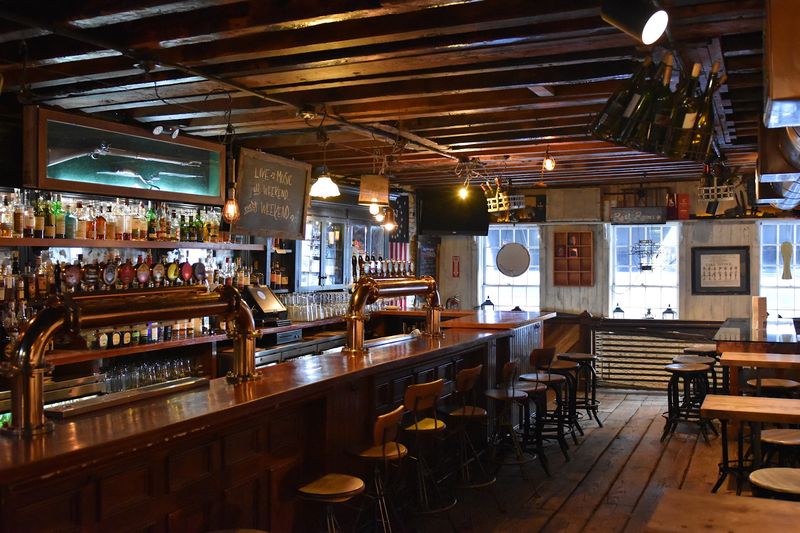
Dark wood, soft lighting, framed art, and colonial details help visitors imagine what the area looked like before skyscrapers filled the skyline.
It is especially fun after walking near Wall Street or the harbor.
The menu offers tavern-style dishes with modern comfort.
You might find oysters, pot pies, burgers, fish and chips, steak, soups, and rich desserts.
The food is familiar enough for most eaters but still feels special because of the setting.
One smart plan is to visit the museum before or after lunch.
The exhibits explain the tavern’s role in early American history, including its connection to the Revolutionary War.
Even younger visitors can enjoy the idea that dinner is happening where history once stood.
Reservations are helpful because the tavern draws both tourists and locals.
It is also a good pick for a rainy day, since you can eat, learn, and stay indoors in one memorable place.
For the best experience, slow down and notice the neighborhood.
Stone Street is nearby, and the Financial District has some of the city’s oldest street patterns.
You can pair your visit with Battery Park, the Charging Bull, or the Staten Island Ferry.
Fraunces Tavern earns its place because it serves more than a plate of food.
It serves a direct link to old New York, with enough comfort and character to keep people coming back.
3. Old Homestead Steakhouse
Before the Meatpacking District became known for stylish shops and late-night crowds, the scent of beef and brick streets gave the area its name.
Old Homestead Steakhouse has watched that change happen from a front-row seat.
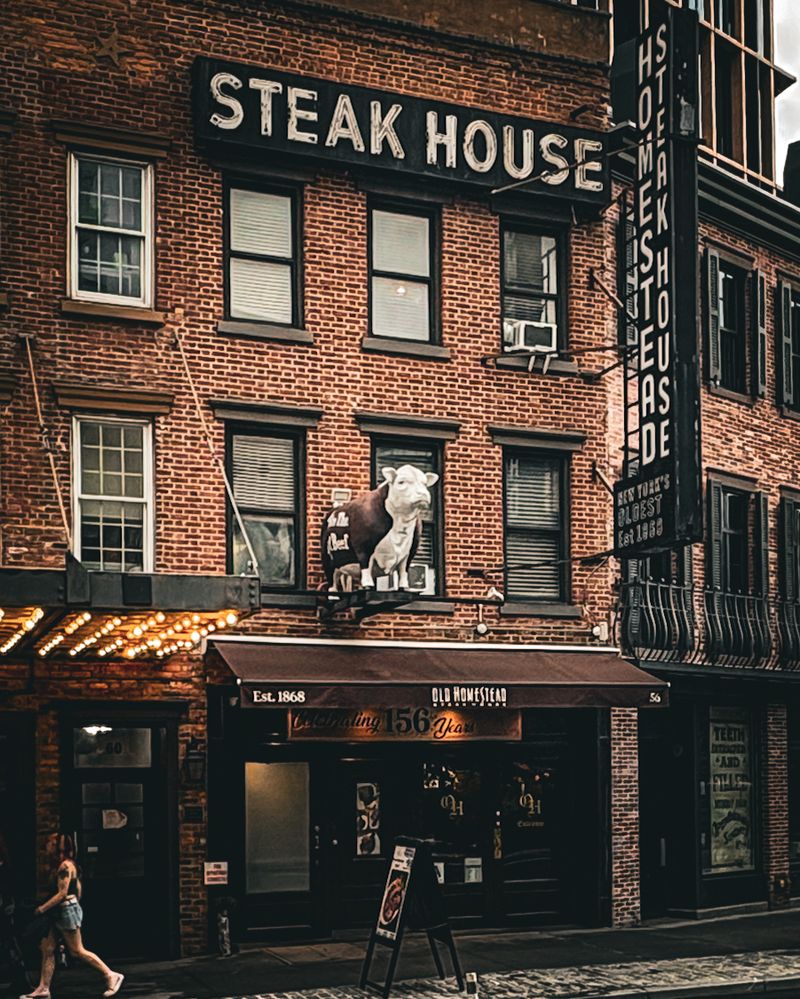
Founded in 1868, it is one of the oldest steakhouses in New York.
Its long life makes sense when you understand the simple promise: big cuts of meat, classic service, and a dining room that respects tradition.
The restaurant is known for steaks that arrive with serious presence.
Porterhouse, filet mignon, sirloin, and other rich cuts are the stars, often served with sides like creamed spinach, mashed potatoes, onion rings, or mushrooms.
Come hungry, because portions are not shy.
A meal here can feel like a celebration, even if there is no birthday or anniversary on the calendar.
The room has a polished but comfortable mood, making it useful for date nights, family meals, business dinners, or anyone wanting the old New York steakhouse experience.
Prices are higher than a casual dinner, so it helps to plan ahead.
If you want the experience without overordering, share sides and ask your server about portion sizes.
Steakhouse meals are often more fun when the table passes dishes around.
The location also adds to the visit.
After eating, you can walk the High Line, explore Chelsea Market, or wander through nearby cobblestone blocks.
The modern neighborhood outside makes the restaurant’s age feel even more impressive.
Travelers should consider booking a table in advance, especially for dinner.
Lunch can be a calmer choice if you want the same history with a little less bustle.
Old Homestead Steakhouse remains a must-try because it connects New York’s working past with its modern dining scene.
The city around it has changed again and again, but the pleasure of a well-cooked steak has stayed strong.
4. Pete’s Tavern
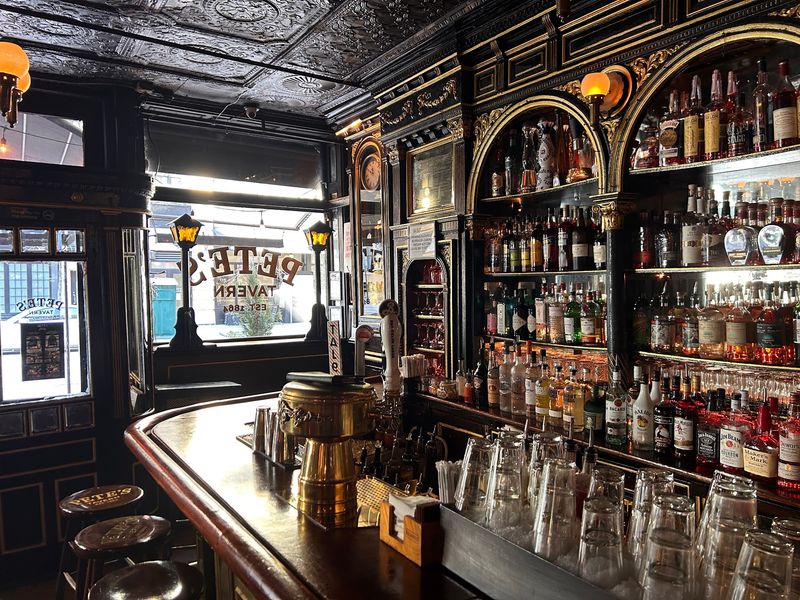
Some restaurants feel like they are waiting for a novelist to walk in, order a drink, and start writing in the corner.
Pete’s Tavern has exactly that kind of mood, helped by its link to the writer O.
Henry and its long Gramercy history.
The tavern opened in 1864 and is often listed among the oldest continuously operating bars and restaurants in New York.
Its dark wood, glowing lights, old mirrors, and neighborhood feel make it easy to settle in.
People come for the atmosphere as much as the food.
The menu leans into Italian American comfort, with pasta, chicken dishes, burgers, seafood, salads, and hearty starters.
It is the kind of place where many different eaters can find something familiar.
One favorite detail is the sense that regulars still matter here.
Even with visitors stopping by for history, Pete’s has the rhythm of a neighborhood spot.
That balance makes it less like a museum and more like a living room with a bar.
If you enjoy literary stories, ask about O.
Henry, who is said to have written nearby and spent time in the tavern.
Whether you are a serious reader or just like fun facts, it gives the meal a little extra sparkle.
The holiday season is a famous time to visit because the decorations are cheerful and full of charm.
Still, that also means crowds, so patience helps.
For a quieter meal, try lunch or an early dinner during the week.
Gramercy is a pleasant area for walking, with pretty blocks, historic buildings, and easy access to Union Square.
Pairing a meal at Pete’s with a relaxed stroll makes the visit feel complete.
Pete’s Tavern belongs on this list because it shows how old New York can still be friendly and useful today.
It has stories, comfort food, and a warm seat waiting after the sidewalk rush.
5. Keens Steakhouse
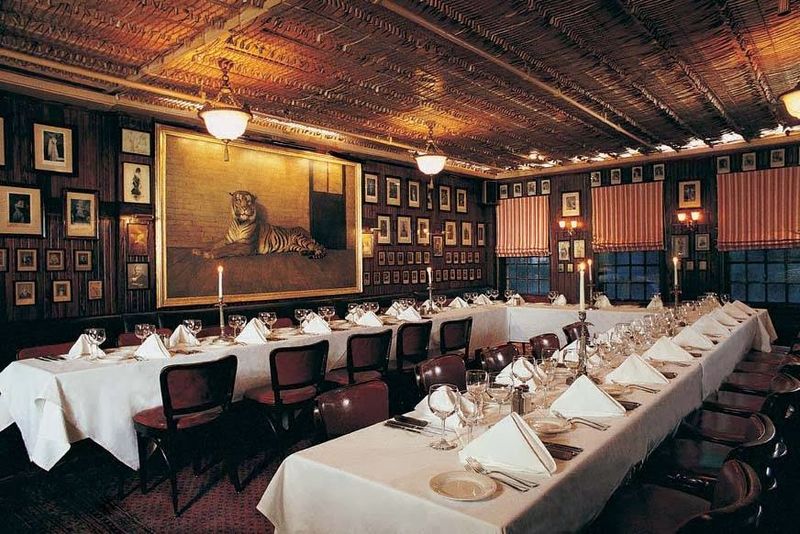
Look up before you look at the menu, because the ceiling at Keens Steakhouse is part of the show.
Thousands of old clay pipes hang above the dining rooms, giving this Midtown classic one of the most unusual looks in New York.
Keens opened in 1885, when the nearby theater district was growing and gentlemen’s clubs shaped much of social life.
Over time, it became a favorite for actors, writers, business leaders, and travelers who wanted a serious meal in a memorable room.
The most famous order is the mutton chop, a giant, juicy cut that looks like it belongs in a food legend.
Steaks are also excellent, with porterhouse, prime rib, filet, and other classic choices.
Sides like hash browns, creamed spinach, and carrots keep the old steakhouse style alive.
The pipe collection has a strange and fun backstory.
Long ago, regular guests could store their personal smoking pipes at clubs and restaurants.
Keens kept that tradition visually, and now the pipes are more like historical decorations than dining tools.
Dress does not have to be overly formal, but many guests choose smart casual clothing because the room feels special.
Reservations are a good idea, especially before or after Broadway shows, since Midtown gets busy fast.
Service is usually polished, and servers can help first-time guests choose the right cut or shareable side.
If the mutton chop sounds too large, consider splitting it or ordering a smaller steak.
This is a place where asking questions is useful.
Its location near Penn Station, Bryant Park, and the Theater District makes Keens easy to fit into many New York plans.
You can turn dinner into the main event or make it part of a larger night out.
Keens Steakhouse stands the test of time because it is both grand and oddly personal.
Between the pipes, the chop, and the deep Midtown history, it feels like nowhere else.
6. Katz’s Delicatessen
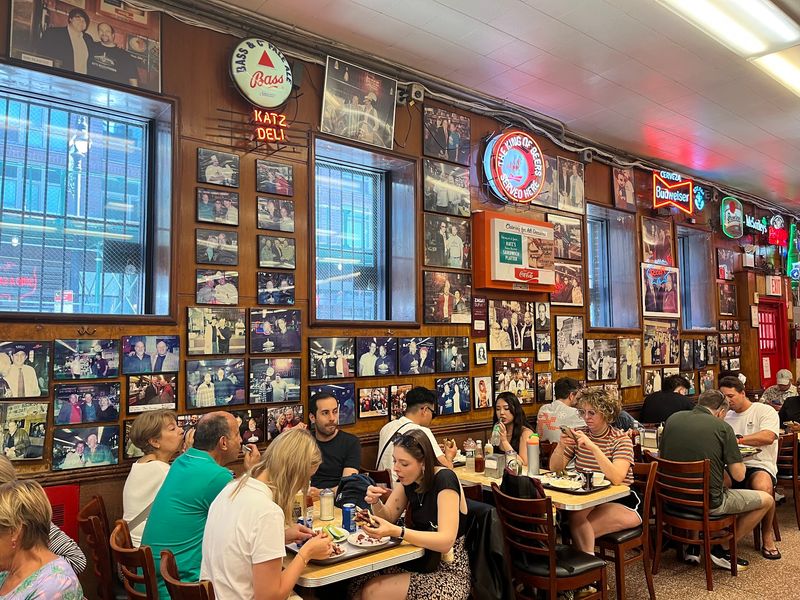
A pastrami sandwich at Katz’s can look almost too tall to handle, but that is part of the fun.
The Lower East Side landmark has been feeding New Yorkers and visitors since 1888, and its energy hits you the moment you step inside.
The ordering system may feel a little confusing at first.
You receive a ticket when you enter, then visit the counters to order.
Hold onto that ticket carefully, because it is used when you pay before leaving.
Pastrami on rye is the superstar, usually sliced by hand and piled high.
Corned beef, brisket, matzo ball soup, hot dogs, knishes, and pickles are also popular.
The food is rich, salty, filling, and deeply tied to Jewish deli tradition in New York.
One practical tip: if you are not extremely hungry, share a sandwich.
Katz’s portions are large, and sharing leaves room to try soup or sides.
Add mustard if you want the classic bite, and do not skip the pickles.
The room is loud, bright, and busy, with photos of famous guests covering the walls.
It is not a quiet little cafe, and that is the point.
Katz’s feels like a food hall, a deli, and a city performance all at once.
Movie fans may recognize it from a famous scene in When Harry Met Sally.
Even if you have never seen the film, you will notice people taking pictures and pointing out the well-known table marker.
Lines can be long, especially at peak lunch hours and on weekends.
Going earlier or later can make the visit easier.
If the crowd feels intense, take a breath, follow the counter flow, and enjoy the organized chaos.
Katz’s Delicatessen remains essential because it serves a sandwich that tastes like New York history.
It is messy, generous, loud, and unforgettable in the best possible way.
7. Veniero’s Pasticceria & Caffe
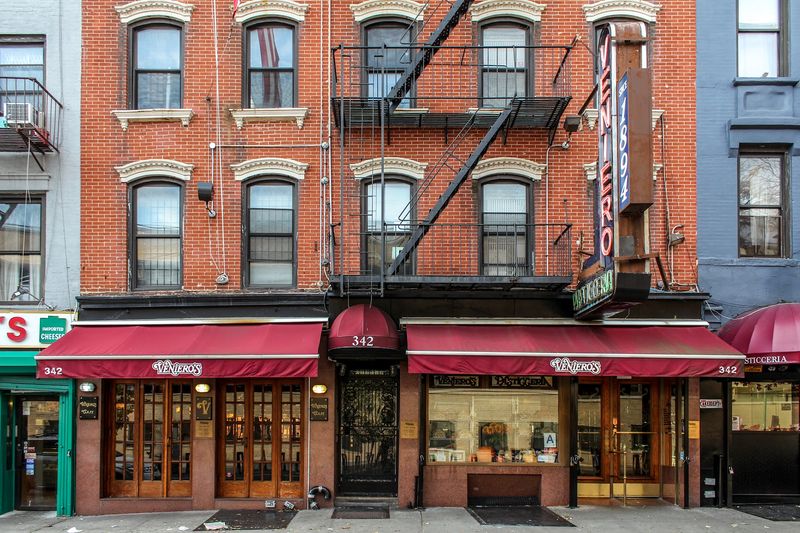
Sweet smells spill from the pastry cases at Veniero’s, and choosing just one dessert can feel like a small test of character.
Since 1894, this East Village bakery and cafe has been making New Yorkers pause for cannoli, cheesecake, cookies, and coffee.
The shop was started by Antonio Veniero, an Italian immigrant, and it still carries the spirit of an old neighborhood pasticceria.
That word means pastry shop, but here it also means a place where people gather, talk, and treat themselves.
Glass cases are filled with colorful choices.
Cannoli, sfogliatelle, tiramisu, rainbow cookies, biscotti, fruit tarts, and Italian cheesecake all compete for attention.
If you are visiting with friends, order several items and share so everyone gets a taste.
The seating area has an old-world feel, with tile, mirrors, and details that make the cafe feel different from newer dessert shops.
It is a good stop after dinner, during an afternoon walk, or whenever you need a break from downtown exploring.
Coffee matters here too.
An espresso or cappuccino balances the sweetness of the pastries, and it makes the visit feel more like a true Italian cafe moment.
Hot chocolate can be a cozy choice in colder months.
Expect a crowd at popular times, especially after dinner and on weekends.
The line moves, but patience helps.
If you are short on time, consider ordering desserts to go and enjoying them later in a park or hotel room.
Veniero’s is also a useful spot for gifts.
A box of cookies or pastries can make a thoughtful treat for hosts, coworkers, or family.
Just ask staff which items travel best if you have a long walk ahead.
Veniero’s Pasticceria & Caffe remains loved because it makes dessert feel personal and celebratory.
In a fast-moving city, it gives people a reason to sit down, smile, and enjoy something handmade.
8. Ferrara Bakery & Cafe
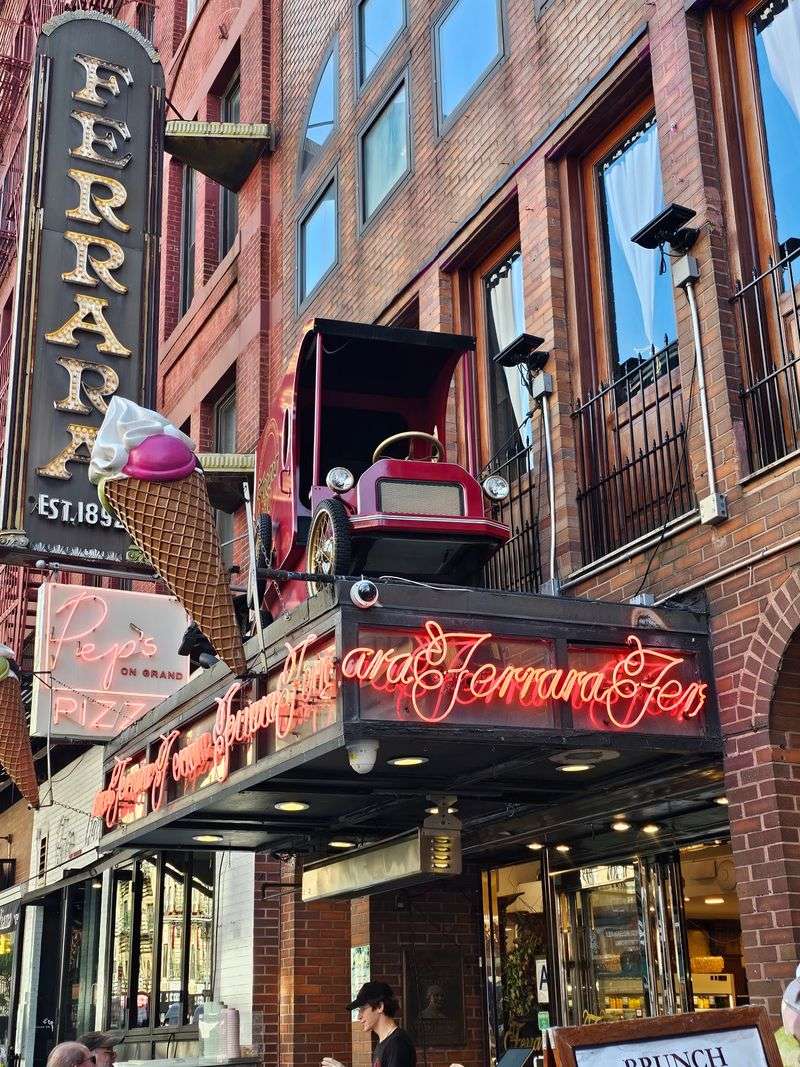
Mulberry Street has changed a lot over the years, but Ferrara Bakery & Cafe still knows how to stop people in their tracks.
A bright pastry case, a tray of cannoli, and the smell of espresso can be very persuasive.
Founded in 1892, Ferrara is one of Little Italy’s best-known old businesses.
It began as a gathering place for Italian immigrants and grew into a famous stop for desserts, coffee, and classic cafe treats.
The menu is a dream for anyone with a sweet tooth.
Cannoli, lobster tails, eclairs, gelato, torrone, cakes, cookies, and tiramisu fill the counters.
If you have trouble deciding, ask what is freshest or choose a sampler-style mix.
The lobster tail pastry is a fun pick because of its crisp, shell-like layers and creamy filling.
Cannoli are another must, especially if you want the classic Little Italy experience.
Pair either one with espresso for a simple but satisfying order.
Ferrara can feel touristy, but that does not erase its history.
Little Italy itself has become smaller over time, yet places like this help keep memories of the old Italian neighborhood alive.
The cafe is part dessert stop, part cultural landmark.
Timing matters if you dislike crowds.
Weekends, festivals, and warm evenings can bring heavy foot traffic to Mulberry Street.
A weekday afternoon often feels easier, giving you more time to look at the cases without feeling rushed.
After your visit, walk nearby streets and notice how Chinatown and Little Italy meet and overlap.
That mix is one of the most interesting parts of lower Manhattan.
Food, signs, languages, and traditions shift within just a few blocks.
Ferrara Bakery & Cafe belongs on any old New York restaurant list because it turns a dessert break into a taste of immigrant history.
It is cheerful, sweet, busy, and deeply tied to the city’s food story.
9. John’s of 12th Street
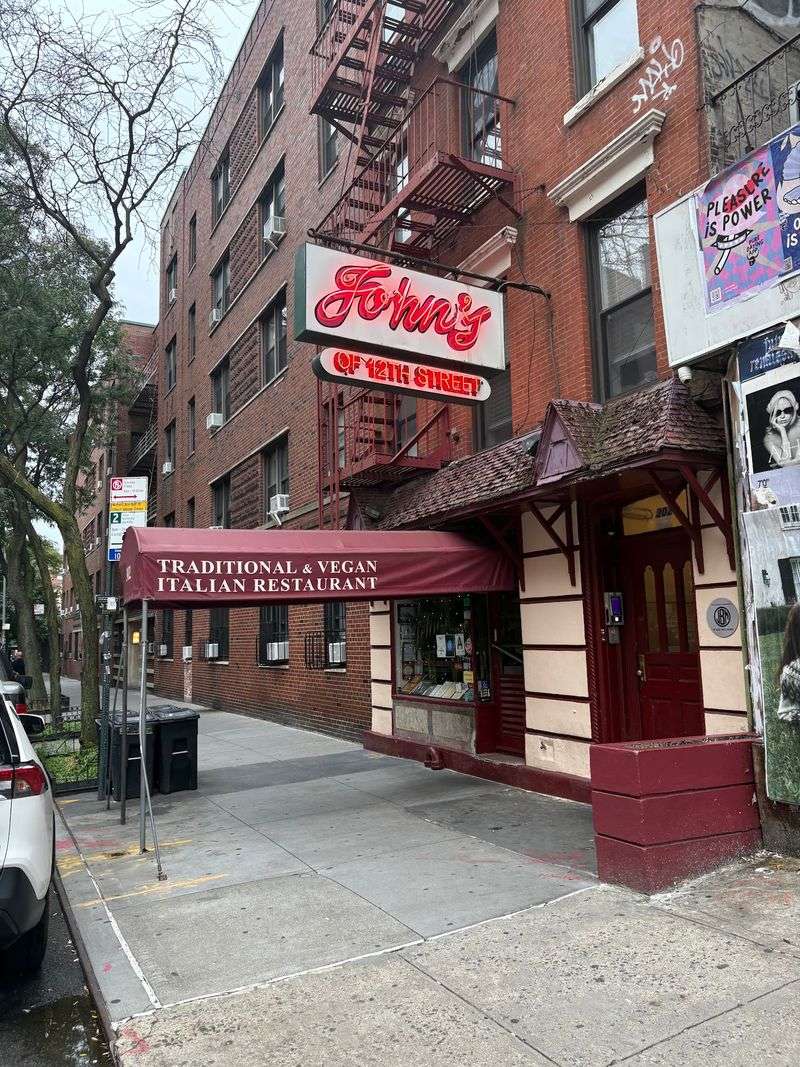
Red sauce, candlelight, and old tile can make a dining room feel like a memory, even if it is your first visit.
John’s of 12th Street has been serving that kind of comfort in the East Village since 1908.
The restaurant is known for classic Italian American cooking, the kind many people connect with family dinners and Sunday meals.
Pasta, meatballs, chicken parmigiana, eggplant dishes, seafood, and hearty sauces all fit the mood.
One reason regulars love it is the balance between history and ease.
It feels special, but not cold or fancy.
You can come with friends, parents, a date, or out-of-town guests and still feel relaxed at the table.
The interior adds a lot to the experience.
Vintage details, warm lighting, and old New York character make the meal feel rooted in the neighborhood.
It is not trying to look new, which is exactly why people trust it.
A fun modern twist is that John’s has offered vegan versions of Italian American favorites along with traditional dishes.
That makes it easier for mixed groups to eat together.
Someone can enjoy a classic meat dish while another person orders plant-based pasta or seitan parm.
If you are planning dinner, reservations are smart because the place is not huge.
Ask about daily specials, and consider sharing appetizers so the table can try more than one dish.
Garlic bread, pasta, and a simple salad can make a very satisfying meal.
The East Village location is great for a full evening.
Before or after eating, you can explore small shops, music venues, bars, and quiet side streets.
The neighborhood has layers of immigrant history, art history, and student life.
John’s of 12th Street remains a must-try because it serves comfort without pretending.
It reminds visitors that New York food history is not only grand steakhouses and famous delis, but also neighborhood rooms where sauce, stories, and loyalty matter.
10. Lombardi’s
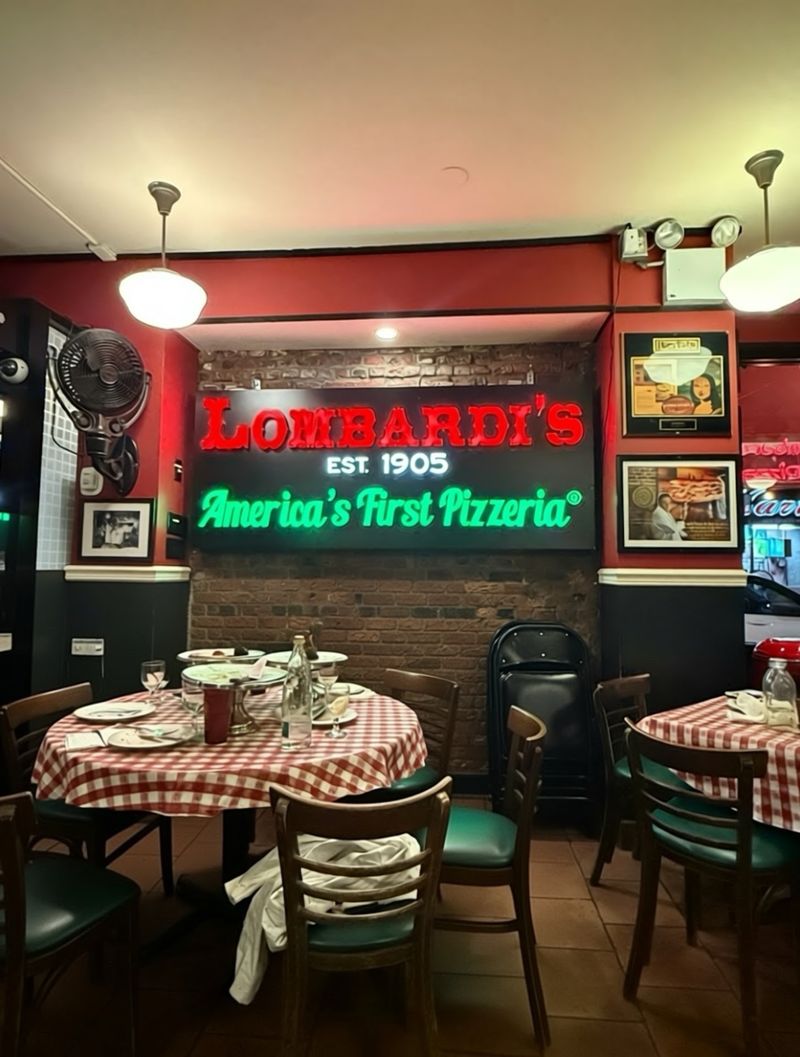
A coal-fired pizza comes to the table with a blistered crust, melted mozzarella, and that smoky smell people chase across the city.
Lombardi’s is famous because it helped start New York’s pizza story in a big way.
Opened in 1905, it is often called the first licensed pizzeria in the United States.
Located in Nolita, near the edge of Little Italy, it connects the city’s immigrant past with one of its most beloved foods.
The pizza style is simple and classic.
Thin crust, tomato sauce, fresh mozzarella, basil, and toppings like pepperoni, sausage, mushrooms, or peppers are the main attraction.
The coal oven gives the crust crisp spots and a light char that many pizza fans love.
One helpful thing to know is that Lombardi’s serves whole pies rather than quick dollar slices.
Bring a friend or group if you want to try more toppings.
A plain margherita-style pie is a smart first order because it lets the crust and sauce stand out.
The restaurant can get busy, especially with visitors who want to taste pizza history.
Going at off-peak times can make the meal smoother.
If there is a wait, the surrounding streets offer plenty to see.
Nolita is great for walking, with small boutiques, cafes, old buildings, and easy access to SoHo, Chinatown, and Little Italy.
That makes Lombardi’s a useful lunch stop during a downtown day.
Pizza lovers may enjoy comparing Lombardi’s with other famous New York pizzerias, but do not treat the meal like a test.
Enjoy it for what it is: a historic coal-oven pie served in the city where pizza became everyday magic.
Lombardi’s stays relevant because it helped turn a simple dish into a New York icon.
The recipe is not complicated, but the history, oven, and neighborhood give each slice extra meaning.
11. Sylvia’s Restaurant
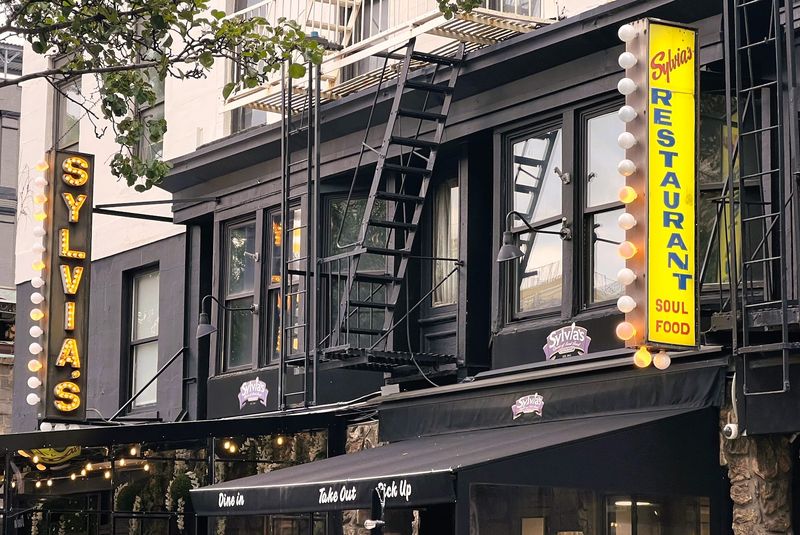
Harlem has a rhythm all its own, and Sylvia’s Restaurant has been part of that rhythm for generations.
Since 1962, it has welcomed guests with soul food that tastes warm, rich, and deeply connected to community.
Sylvia Woods, often called the Queen of Soul Food, built the restaurant into a Harlem landmark.
What began as a local gathering place became a destination for families, church groups, celebrities, politicians, and travelers from around the world.
The menu is full of Southern-inspired comfort.
Fried chicken, barbecue ribs, catfish, collard greens, macaroni and cheese, candied yams, black-eyed peas, cornbread, and peach cobbler are the kinds of dishes people remember long after the meal.
If it is your first visit, fried chicken with classic sides is a strong choice.
The portions are filling, so come ready to eat.
Sharing side dishes is a great way to taste more flavors without overdoing it.
Sylvia’s is not only about food.
It is also about Harlem history, Black entrepreneurship, and the power of a restaurant to become a community symbol.
Eating here gives visitors a chance to respect and enjoy a major part of New York culture.
Sunday is especially popular because many people connect soul food with church, family, and slower meals.
That also means it can be crowded.
Reservations or careful timing can help, especially if you are visiting with a group.
Before or after your meal, explore nearby Harlem landmarks.
The Apollo Theater, beautiful brownstone blocks, and local shops are all part of the wider experience.
Give yourself time, because Harlem rewards curious walkers.
Sylvia’s Restaurant remains a must-try because it offers more than comfort food.
It serves pride, memory, and hospitality on every plate, making it one of New York’s most meaningful dining stops.
12. Gallagher’s Steakhouse
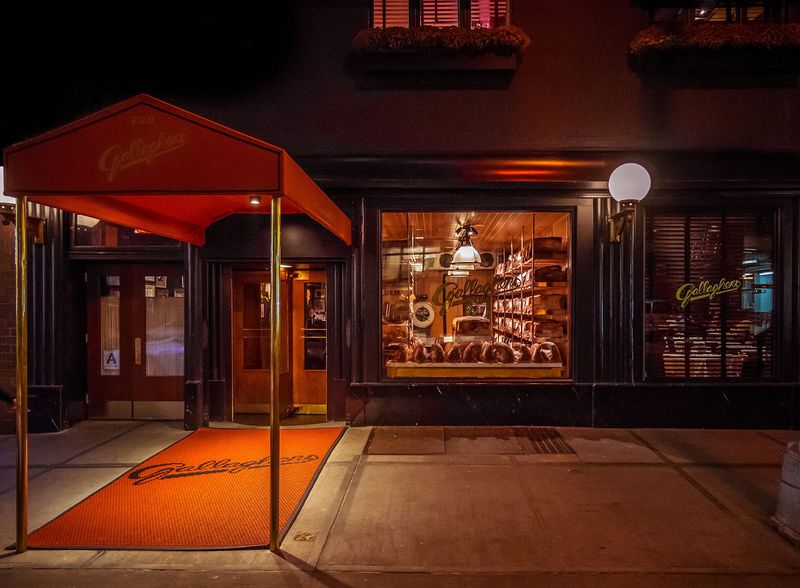
A window full of dry-aging beef is not something you forget quickly.
Gallagher’s Steakhouse puts its craft on display before you even sit down, which tells you this Midtown classic takes steak seriously.
Opened in 1927, Gallagher’s became known during the lively days of Broadway, sports crowds, and old New York nightlife.
Its location near the Theater District makes it a natural stop before or after a show.
The restaurant is famous for dry-aged steaks cooked over hickory coals.
That method gives the meat a deep flavor and a slightly smoky edge.
Popular orders include New York strip, rib steak, filet mignon, prime rib, and porterhouse for sharing.
Classic sides round out the meal.
Think creamed spinach, baked potatoes, onion rings, mushrooms, wedge salad, and seafood starters.
The menu feels traditional, but that is exactly what many guests want from a historic steakhouse.
The dining room has the confident feel of old Midtown.
White tablecloths, dark wood, attentive service, and the hum of conversation create a polished but lively setting.
It is formal enough for a special night, yet still comfortable for hungry travelers.
Because of its Theater District location, timing is important.
If you have show tickets, book early and tell your server about your curtain time.
Staff at places near Broadway are used to helping diners stay on schedule, but it is still wise to allow extra time.
Lunch can be a smart way to enjoy the Gallagher’s experience at a calmer pace.
Some diners also prefer sitting at the bar for a more casual visit.
Either way, the famous aging room is worth a look.
Gallagher’s Steakhouse has lasted because it knows its identity.
In a city where restaurants often chase trends, Gallagher’s keeps the flame focused on beef, service, and the lasting pleasure of a classic New York steak dinner.
Share this story