The next great slice might be waiting in a town you’ve never thought to visit. Across small-town Illinois, local pizzerias are serving everything from crispy tavern-style favorites to hearty deep-dish creations, earning devoted followings without the crowds or big-city spotlight.
These longtime neighborhood staples combine fresh ingredients, family recipes, and welcoming atmospheres that keep both locals and road-trippers coming back. Whether you’re planning a weekend drive or simply searching for an unforgettable pizza, these 12 small-town Illinois restaurants prove that some of the state’s best pies are found far from the biggest cities.
1. Saporito’s Pizzeria (Lena)
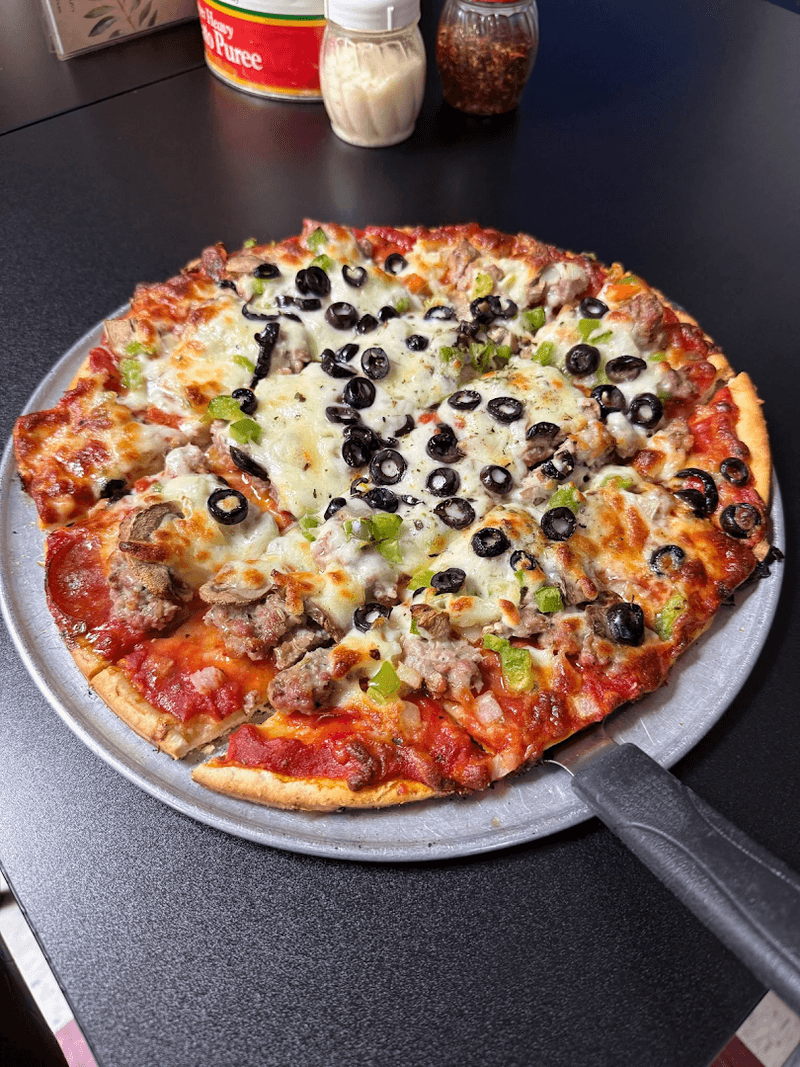
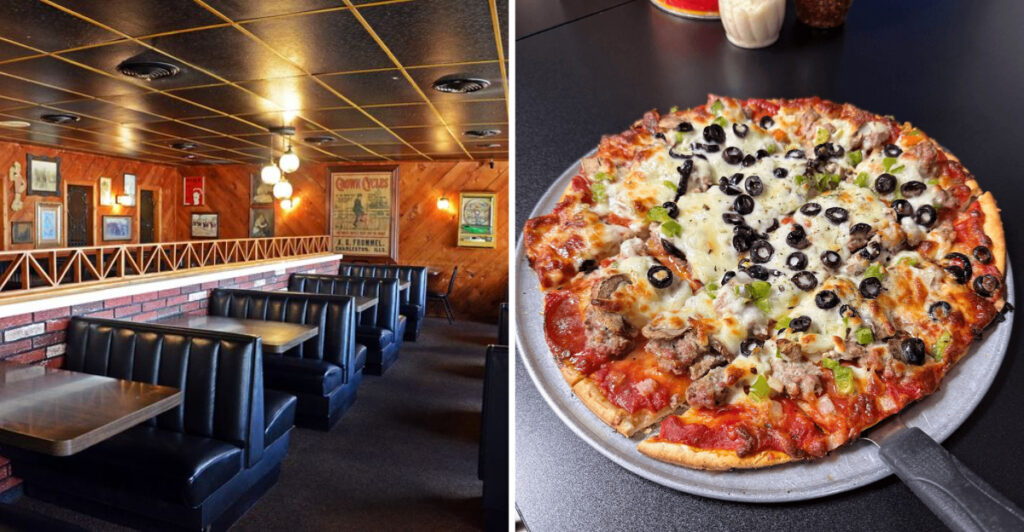
Road trips through northwestern Illinois get better when pizza is part of the plan, and Lena has a stop that earns real attention. Saporito’s Pizzeria has the kind of local reputation built on steady cooking, friendly faces, and pies that land right in the sweet spot between comforting and craveable.
The crust is one of the big reasons people remember the place. It gives enough structure to hold a full layer of toppings, yet still stays pleasant to bite, with a texture that does not fight the sauce or bury the cheese.
That sauce matters here. A rich homemade taste brings depth without turning every slice into a heavy tomato blast, so the balance stays in check and the toppings get room to shine instead of competing for the whole conversation.
Generous toppings can sound like a throwaway promise, but diners know there is a difference between piled-on and well-matched. A smart order here is to choose a couple favorites and let the pie show how each layer works together, because too many add-ons can hide the careful balance that regulars appreciate.
Service also plays a big part in why this stop stands out on a pizza-focused drive. Travelers exploring the area often want a place that feels easy, dependable, and relaxed, and that is exactly the role Saporito’s seems built to fill.
Anyone passing through Lena should come in hungry and keep expectations simple. Order a classic combination first, notice how the crust, sauce, cheese, and toppings line up, then decide whether to branch out on the next visit, because this is the kind of neighborhood pizzeria that earns repeat stops without needing a flashy gimmick.
2. Alfano’s Pizzeria & Italian Restaurant (Oregon)
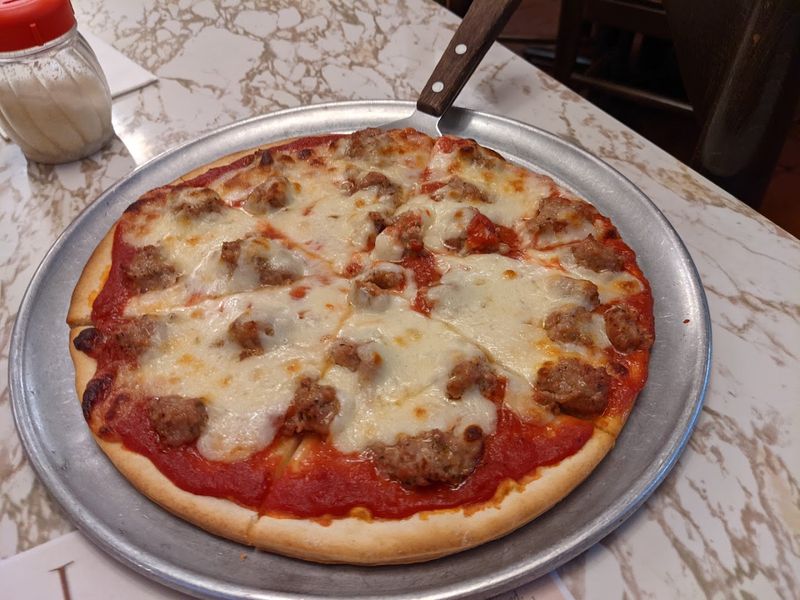
Good pizza and a scenic river town already sound like a solid pairing, and Oregon delivers both. Alfano’s Pizzeria & Italian Restaurant has the easy confidence of a longtime family favorite, serving hearty Italian comfort food alongside pizzas that bring a little sweetness, plenty of flavor, and a dependable sense of care.
The tomato sauce is often the first detail people notice. A slightly sweet edge softens the acidity and gives the whole pie a rounder taste, which works especially well with classic toppings that need a little lift instead of an overly sharp base.
Quality toppings help keep that sweetness from drifting too far. Cheese, meats, and vegetables have a more purposeful role when the sauce is already doing something distinct, and that makes simple combinations a smart move for first-time visitors who want to understand the house style.
Location adds another reason to make room for a stop here. Oregon’s Rock River setting gives the outing a little extra character, so lunch or dinner can turn into an easy small-town break rather than a rushed meal between two highway exits.
The dining room leans welcoming instead of showy, which suits the food. Family restaurants work best when people of different ages can settle in without fuss, share a pizza, maybe add an Italian dish to the table, and leave full without feeling pushed along.
A practical move is to visit with a small group and order both pizza and one non-pizza dish so the menu gets a fair test. That approach fits Alfano’s especially well, because the place is tied to more than one comfort-food lane, and the mix of hearty plates, familiar service, and river-town setting gives Oregon a pizza stop that punches above its size.
3. Maria’s Pizza In Amboy (Amboy)
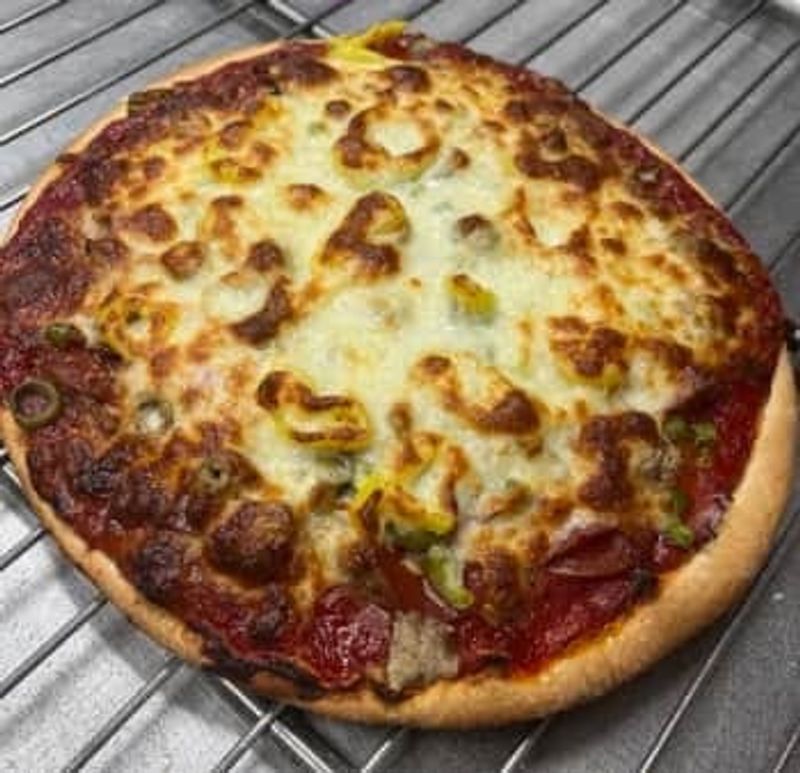
Some pizza places win people over with flashy combinations, while others stick to the basics and do them well enough to build a loyal crowd. Maria’s Pizza In Amboy fits the second group, leaning into traditional recipes, golden-baked crusts, and the kind of simple flavor that can be harder to pull off than it looks.
Golden crust is the first visual clue that the kitchen understands restraint. A pie does not need dramatic char or oversized bubbles to be memorable, and Maria’s style sounds built around even baking, reliable texture, and a finish that supports generous cheese without turning limp.
Cheese matters more in a straightforward pizza than people sometimes admit. When a place is known for abundance in that department, balance becomes the challenge, and that is where a classic approach helps because the other parts of the pie stay familiar and steady.
Traditional recipes also create comfort for first-time visitors. Instead of trying to decode a menu full of novelty toppings, diners can order the combinations they already know, pay attention to the crust and sauce, and enjoy a meal that aims for satisfaction over surprise.
Amboy is exactly the kind of small town where a reliable pizzeria can become part of local routine. Regulars and newcomers both want a place where ordering feels easy, the room stays welcoming, and the pizza arrives looking like the version pictured in your head on the drive over.
One smart way to experience Maria’s is to start with a standard sausage or pepperoni pie before experimenting with extras. That first order gives the clearest read on the crust, cheese, and old-school flavor profile, and it helps explain why a classic small-town pizzeria with no need for tricks can still become the stop people recommend when someone asks where to eat around Amboy.
4. Vitale’s Pizza Cellar (Princeton)
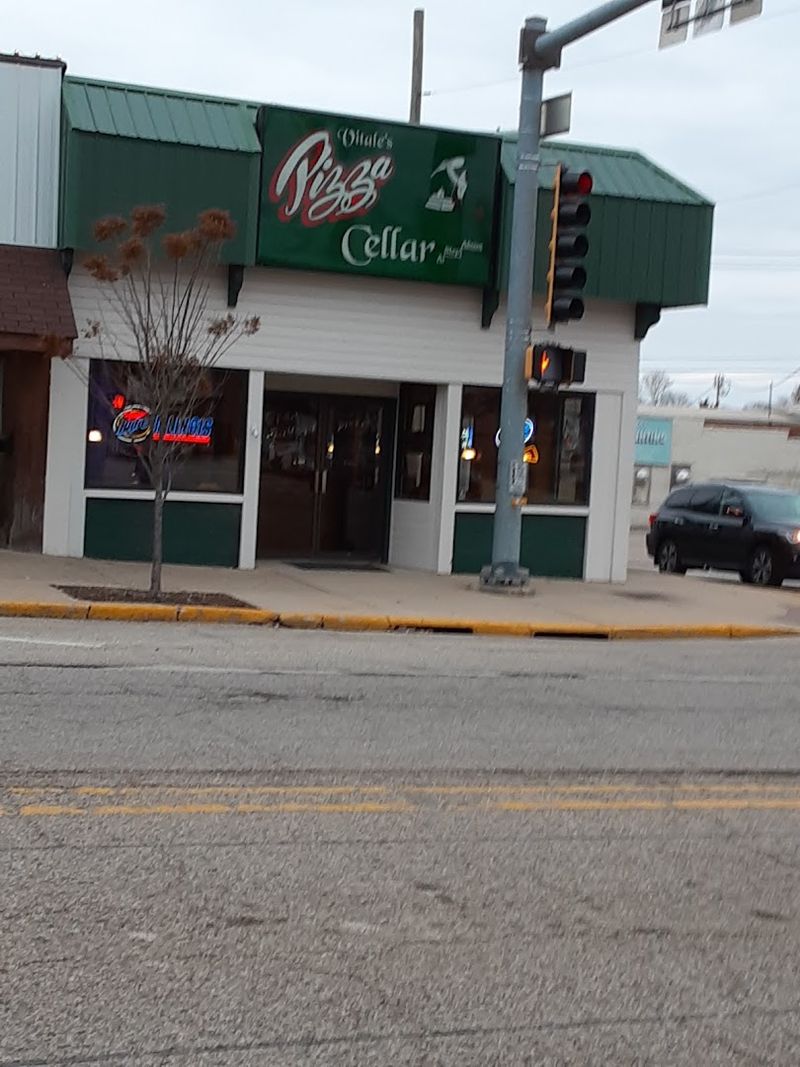
Not every memorable pizza stop relies on bright signs and big roadside energy. In Princeton, Vitale’s Pizza Cellar stands out partly because the setting adds a little character to the meal, giving diners a cellar-style backdrop that pairs nicely with pizza built on fresh ingredients and steady execution.
A room with a different look can sharpen the whole experience when the food holds up, and that seems to be the point here. The pizza has a reputation for balance, which is often the clearest sign that a kitchen knows how to let crust, sauce, cheese, and toppings share the spotlight.
Fresh ingredients matter most when they are not hidden under excess. Vegetables should still taste like themselves, meats should add punch without taking over, and cheese should connect the layers instead of acting like a heavy blanket that flattens the pie.
Dependable quality is another reason a place earns a strong local following. People can forgive a plain room or a short menu, but they rarely return for pizza that changes too much from one visit to the next, and consistency is where neighborhood favorites usually prove their value.
Princeton has enough charm on its own to make a stop appealing, yet the restaurant gives the visit an extra hook. A cellar-style setting can make a meal more memorable without needing gimmicks, especially when the pie arrives looking carefully made rather than rushed out for speed.
Visitors who want the best read on Vitale’s should avoid overloading the first order. Choosing a classic mix lets the freshness and balance come through, and it also makes it easier to notice how the place combines atmosphere, ingredient quality, and reliable cooking into a restaurant that many locals clearly treat as one of Princeton’s dependable go-to spots for pizza night.
5. Bobaluk’s Beef & Pizza (Marseilles)
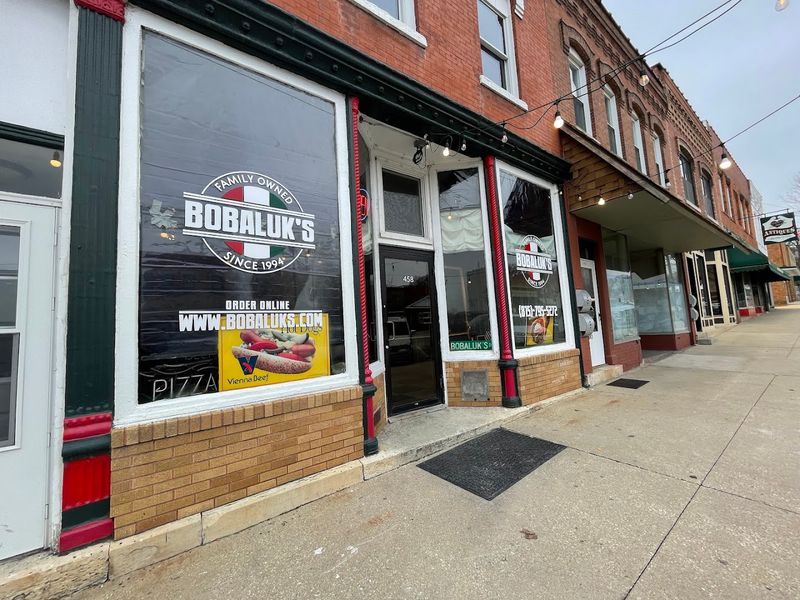
There is a special kind of confidence in a restaurant willing to put beef and pizza side by side on the sign. Bobaluk’s Beef & Pizza in Marseilles has built its local standing on hearty portions, a relaxed hometown setting, and the simple idea that comfort food should arrive full of flavor and ready to satisfy.
The pizza side of the menu earns attention with sauce that brings real character. A flavorful base can carry a pie a long way, especially when the portion size is generous enough to make the whole meal feel substantial instead of snack-like.
Hearty portions are not only about size. The best version of that promise means each slice has enough cheese, enough topping, and enough structure to make the pizza feel complete, rather than overloaded in one area and thin in another.
Then there is the beef, which gives the restaurant a broader identity than a standard pizza stop. For travelers, that can be useful because mixed groups do not always want the same thing, and a place with two strong comfort-food lanes solves the dinner debate fast.
Marseilles sits in a part of Illinois where hometown restaurants still matter to local routine. A relaxed room, fair serving sizes, and food that leans savory instead of fussy make a practical combination, especially after a day on the road when nobody wants a lecture from the menu.
A smart order here is to split attention between the specialties rather than choosing only one. A pizza for the table and a beef on the side turn the meal into a fuller picture of what Bobaluk’s does best, and that broad appeal helps explain why a longtime Illinois Valley favorite can stay relevant without chasing trends or rewriting the comfort-food playbook every few years.
6. Pizza Man of Pana (Pana)
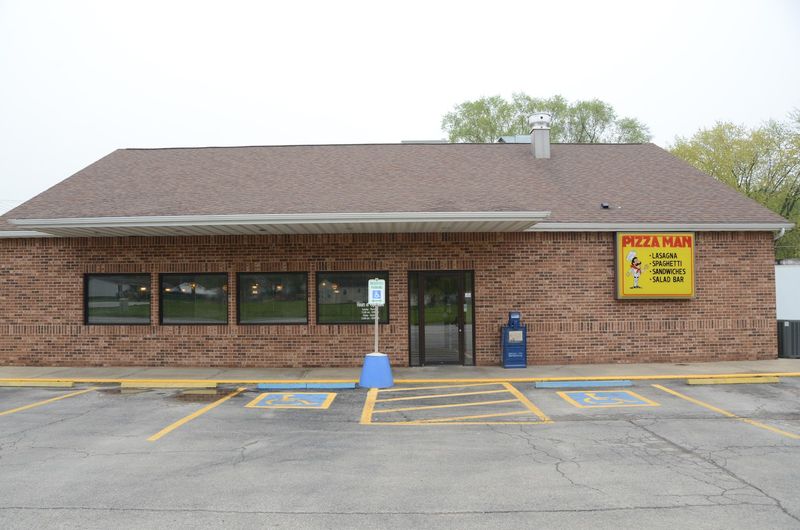
Central Illinois has its share of long-running local institutions, and Pizza Man of Pana fits that label with ease. A place does not hold onto loyal customers for decades by accident, and the formula here sounds clear: sturdy crusts, flavorful sauce, generous toppings, fair prices, and service that keeps the whole thing approachable.
Sturdy crust is an underrated pizza quality. It gives each slice backbone, which matters when toppings are plentiful, and it also changes the rhythm of the meal because diners can pick up a piece confidently instead of folding it into a rescue operation.
Flavorful sauce gives the pizza its personality without forcing every bite in the same direction. When paired with a dependable crust, that sauce can carry classics like sausage, pepperoni, or vegetable combinations in a way that feels familiar but still distinct to the house.
Fair prices deserve attention too, especially in a small-town favorite. People are more likely to build regular habits around a restaurant that serves satisfying food without turning pizza night into a budget problem, and that practical value is often part of a local institution’s staying power.
Friendly service rounds out the picture. A restaurant can have solid food, but warmth at the counter or table makes a bigger difference than many menus admit, particularly for families, road-trippers, and anyone passing through town for the first time.
Visitors to Pana should treat Pizza Man like a classic hometown stop and order accordingly. Start with a straightforward pie to understand the crust and sauce, add a topping combination that fits the group’s mood, and pay attention to how reliability can become a restaurant’s strongest feature when it is delivered year after year with no need for flashy reinvention.
7. Joe’s Pizza (Paris)
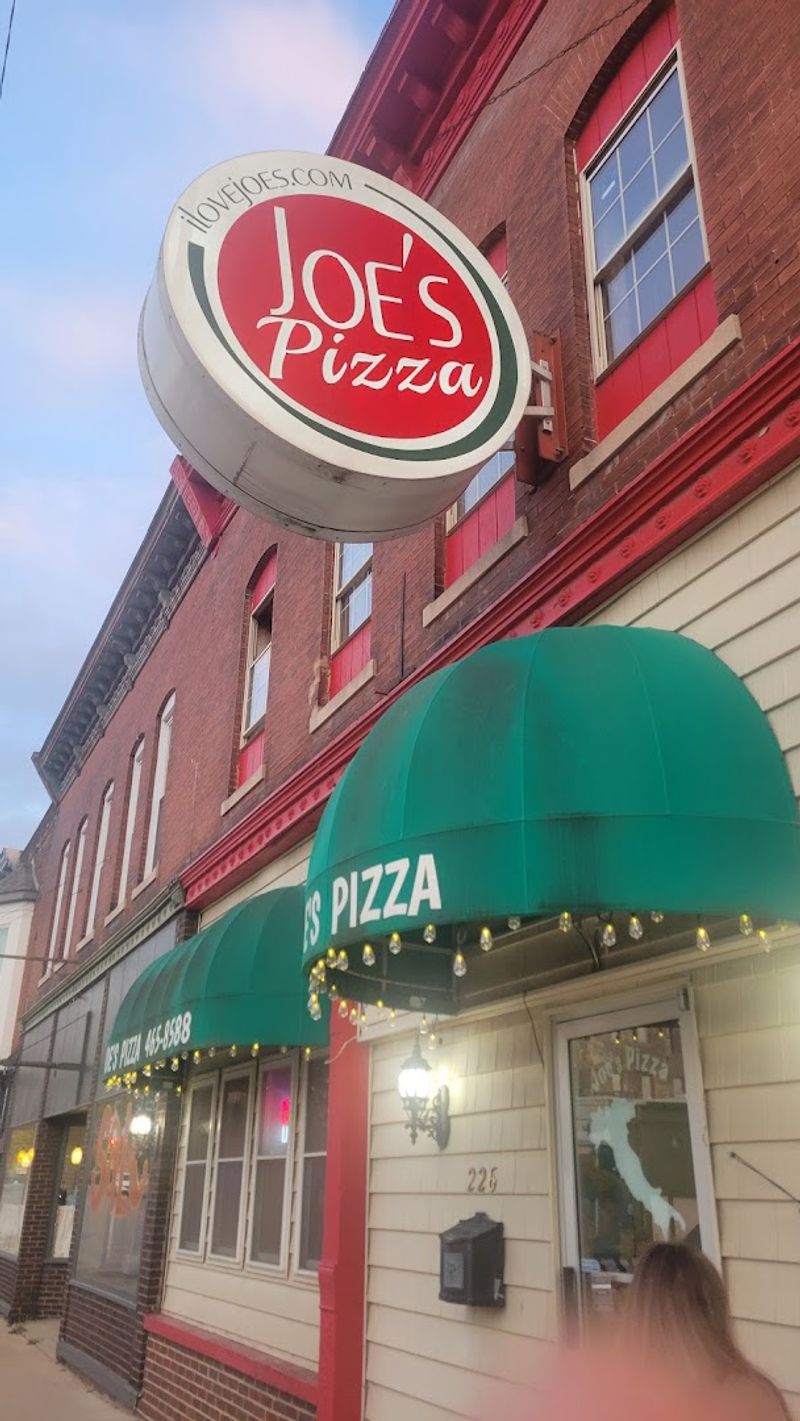
Eastern Illinois knows the value of a dependable pizza place, and Paris has one that locals treat like part of the weekly routine. Joe’s Pizza keeps the focus where it belongs, on chewy crust, well-balanced sauce, and enough cheese to make every slice satisfying without turning the pie into a heavy block.
Chewy crust gives a pizza personality right away. It creates a bit of pull in each bite, which can make a classic pie more memorable than a brittle crust ever could, and it works especially well when the sauce is measured instead of overwhelming.
Balance is the key word for the sauce here. A good pizza sauce should support the crust and cheese rather than shouting over them, and that kind of restraint often separates a community staple from places that rely on novelty to grab attention.
Plenty of cheese sounds obvious, but quantity alone never seals the deal. The better goal is coverage that turns each slice rich and complete while still letting the crust edge and sauce character stay visible, and that balance helps explain why classic pizza styles can stay popular for years.
The room is described as relaxed, which matters more than it may seem. Families, students, workers, and travelers all want a restaurant where the meal can unfold at an easy pace, especially when pizza is meant to be shared and not rushed through like a quick pit stop.
Anyone heading to Paris for a pizza detour should keep the first order simple and trust the basics. Joe’s appears to shine in that lane, and a standard pie is the best way to notice how crust texture, cheese level, and steady sauce work together to make a hometown restaurant stand out without needing wild toppings, giant claims, or a trendy story pasted on top.
8. Joe’s Pizza & Pasta (Olney)
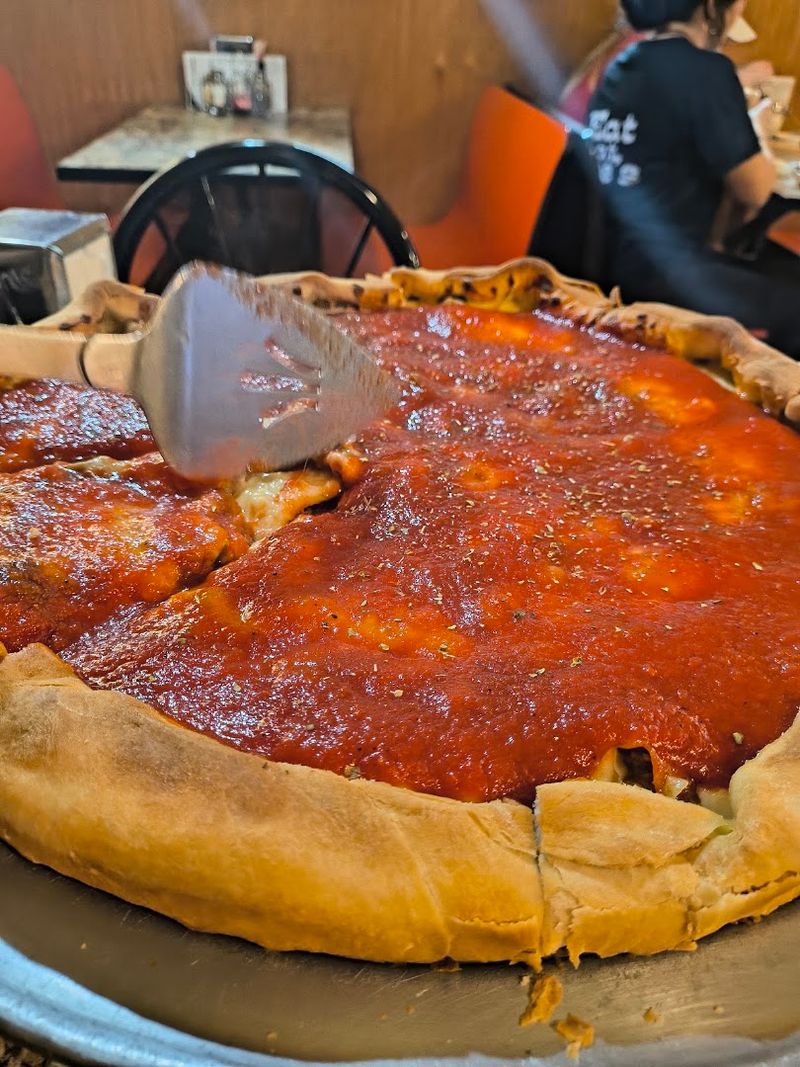
Sometimes the best small-town restaurant move is refusing to choose between two comfort-food lanes. Joe’s Pizza & Pasta in Olney leans into both, offering hearty pasta dishes and flavorful pizzas in a warm, family-friendly setting where bold sauce, satisfying crust, and generous portions set the tone.
Bold sauce can shape the whole meal, especially when a restaurant also serves pasta. That crossover often means the kitchen treats tomato flavor as a real signature, and on pizza it can bring an extra layer of punch that stands up well to cheese and classic toppings.
The crust has to do its part when sauce carries that much presence. A satisfying crust should provide chew and support without becoming too dense, giving each slice enough structure to feel substantial while still keeping the pizza easy to share around the table.
Generous portions are part of the appeal in a family-oriented place. Bigger servings suit groups, leftovers, and travelers who want a reliable meal after a long drive, and they also fit the broad comfort-food identity that makes pizza and pasta work well together.
Olney diners likely know the value of a restaurant where everyone can find a familiar favorite. One person can go for a pasta plate, another can focus on pizza, and the table still lands on a meal that feels connected instead of scattered across unrelated menu ideas.
A useful strategy here is to order across categories instead of staying in one lane. Split a pizza, add a pasta dish, and let the table compare how the sauce performs in both forms, because Joe’s Pizza & Pasta seems built for that kind of shared meal, where big portions, strong flavor, and an easygoing dining room turn a simple stop into a fuller small-town dinner experience.
9. Webb’s Pizza (Sesser)
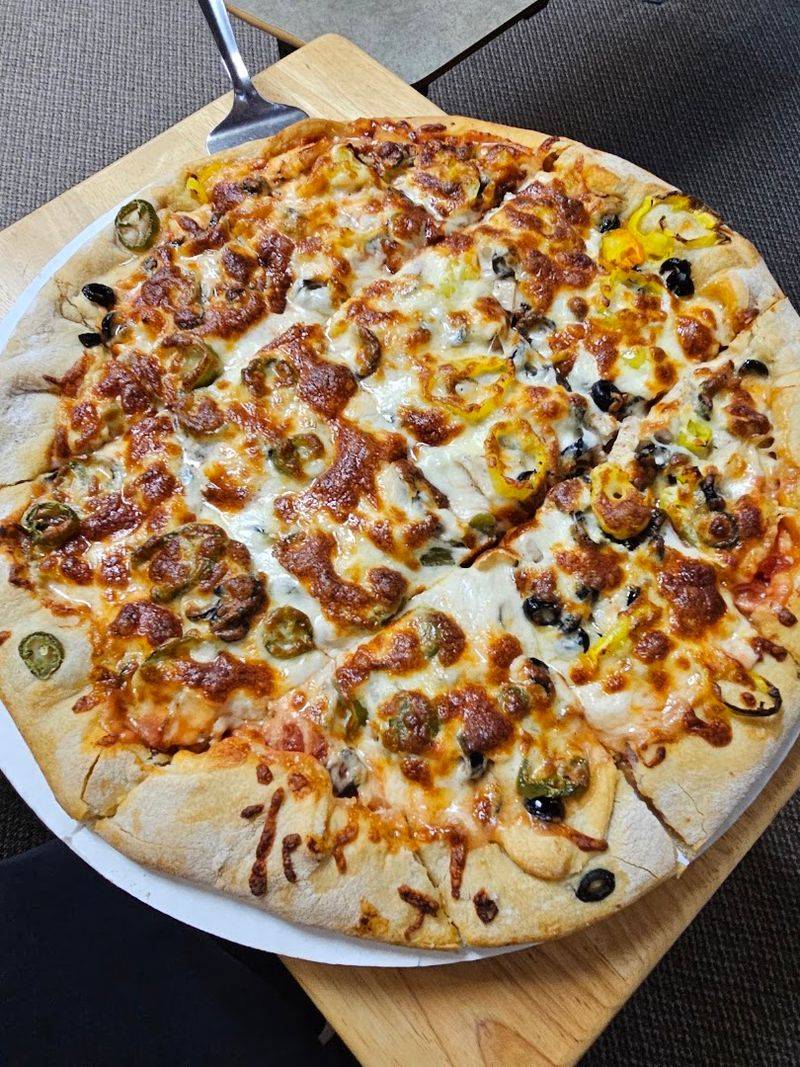
Leaving the main highway can lead to better meals, and Sesser offers a strong example. Webb’s Pizza is the kind of unpretentious local stop that earns notice through crispy-yet-chewy crust, fresh toppings, and homemade flavor rather than polished branding or oversized promises.
That crust texture deserves a closer look because it balances two traits that do not always meet in the same slice. Crispness gives the edge and bottom a little snap, while chew keeps the middle from turning dry, and together they create a pie with more character than a one-note crust.
Fresh toppings matter even more on a pizza with that kind of base. Vegetables stay brighter, meats stand out more clearly, and the pie can taste lively without becoming complicated, which suits a restaurant built around straightforward execution rather than trend chasing.
Homemade flavor is another useful clue, though it can mean different things in different towns. Here, it suggests food that aims for familiarity and care, the sort of pizza people order when they want dinner to be solid, filling, and free from unnecessary fuss.
Sesser is not where many travelers expect to find a memorable pizza stop, and that works in the restaurant’s favor. Places tucked away from the busiest routes often rely on repeat local business, so consistency becomes less of a marketing angle and more of a daily requirement.
Visitors should approach Webb’s with a simple plan and a healthy appetite. Order a pie that lets the crust and topping freshness show, skip the urge to over-customize, and enjoy the reward that sometimes comes from driving a little farther than usual, because small-town pizza often makes its best case in quiet dining rooms where the food does not need much introduction.
10. Pagliai’s Pizza (Charleston)
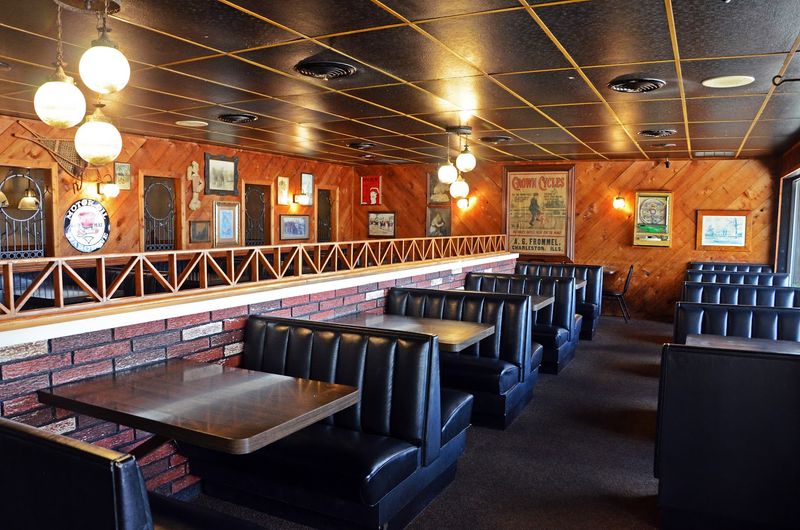
College towns often have one pizza place that becomes part of local language, and Charleston has that in Pagliai’s Pizza. Known for serving generations of Eastern Illinois University students and local families, the restaurant stands on family recipes, generous toppings, and a track record of pizza that has lasted through changing tastes.
A family recipe can mean more than nostalgia when it survives for years. In pizza terms, it usually points to a crust, sauce, or seasoning profile strong enough to stay recognizable, which helps a place build continuity even as one wave of students leaves and another arrives.
Generous toppings are part of the draw, but history gives the restaurant extra weight. Students want a reliable gathering spot, families want a dinner option that still delivers, and a pizzeria that can serve both groups well tends to become woven into the town’s routine.
Charleston benefits from that mix of audiences. College energy can keep a room lively, while local families add steadiness, and the overlap creates a broader kind of pizza culture than a restaurant aimed at only one crowd usually gets.
Consistency matters even more in that environment because many guests return after months or years away. A former student visiting town wants the pizza to taste close to the version stored in memory, and longtime residents expect the same dependable standard that made the place a regular option in the first place.
The best move for first-time visitors is to order a classic house-style pie and pay attention to how tradition shows up in the details. Pagliai’s seems to work because it connects recipe history, topping generosity, and everyday usefulness in one place, making Charleston not only a college stop but also a serious destination for anyone mapping out a strong small-town Illinois pizza route.
11. Larry A’s Pizza (Macomb)
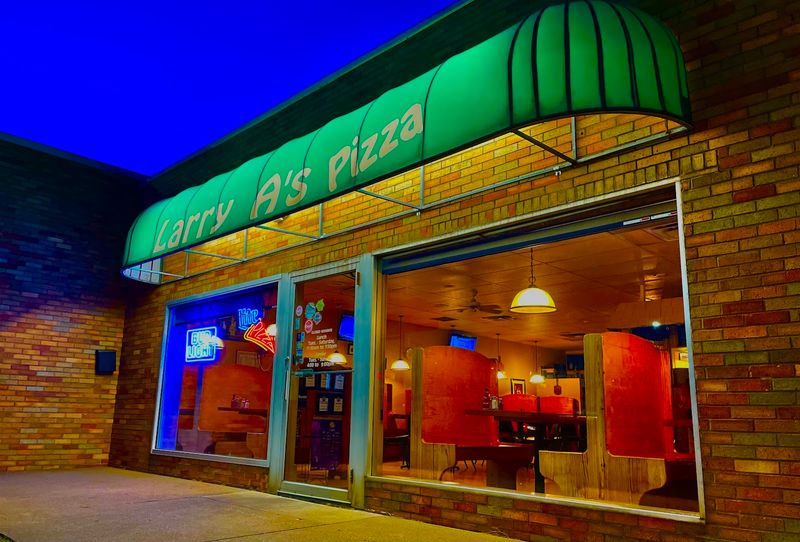
Square-cut tavern-style pizza has a loyal following in Illinois for good reason, and Macomb has a standout in Larry A’s Pizza. Built around a family recipe, the place is known for thin, flavorful crusts, bold toppings, and the kind of long-term consistency that turns a restaurant into a true town fixture.
Thin crust changes the whole pizza experience. Each bite moves quickly, the topping ratios become more noticeable, and a well-made crust can deliver plenty of flavor without relying on thickness to make itself known, which is exactly why tavern-style fans defend the format so strongly.
Bold toppings fit that style especially well. Since the crust is thinner, the ingredients have to bring clear taste without drowning the pie, and when the balance works, each square delivers a neat punch of sauce, cheese, and topping in a smaller, snackable piece.
Macomb has the kind of local dining culture where family-recipe places still matter. Residents want restaurants they can count on after games, workdays, and campus events, and visitors want one stop that quickly tells them what a town likes to eat when nobody is trying to impress outsiders.
Consistency over decades is hard to fake. It usually means the kitchen understands its identity, protects the recipe, and resists the urge to chase every new food trend, which can be one of the smartest decisions a classic pizza place makes.
Anyone heading to Larry A’s should order with the style in mind. Choose toppings with strong contrast, expect a thinner crust cut for sharing, and notice how tavern-style pizza can carry plenty of personality in a compact slice, because this Macomb favorite appears to prove that familiar format, when handled well, still has plenty to say on an Illinois pizza road map.
12. Italian Village (Monmouth)
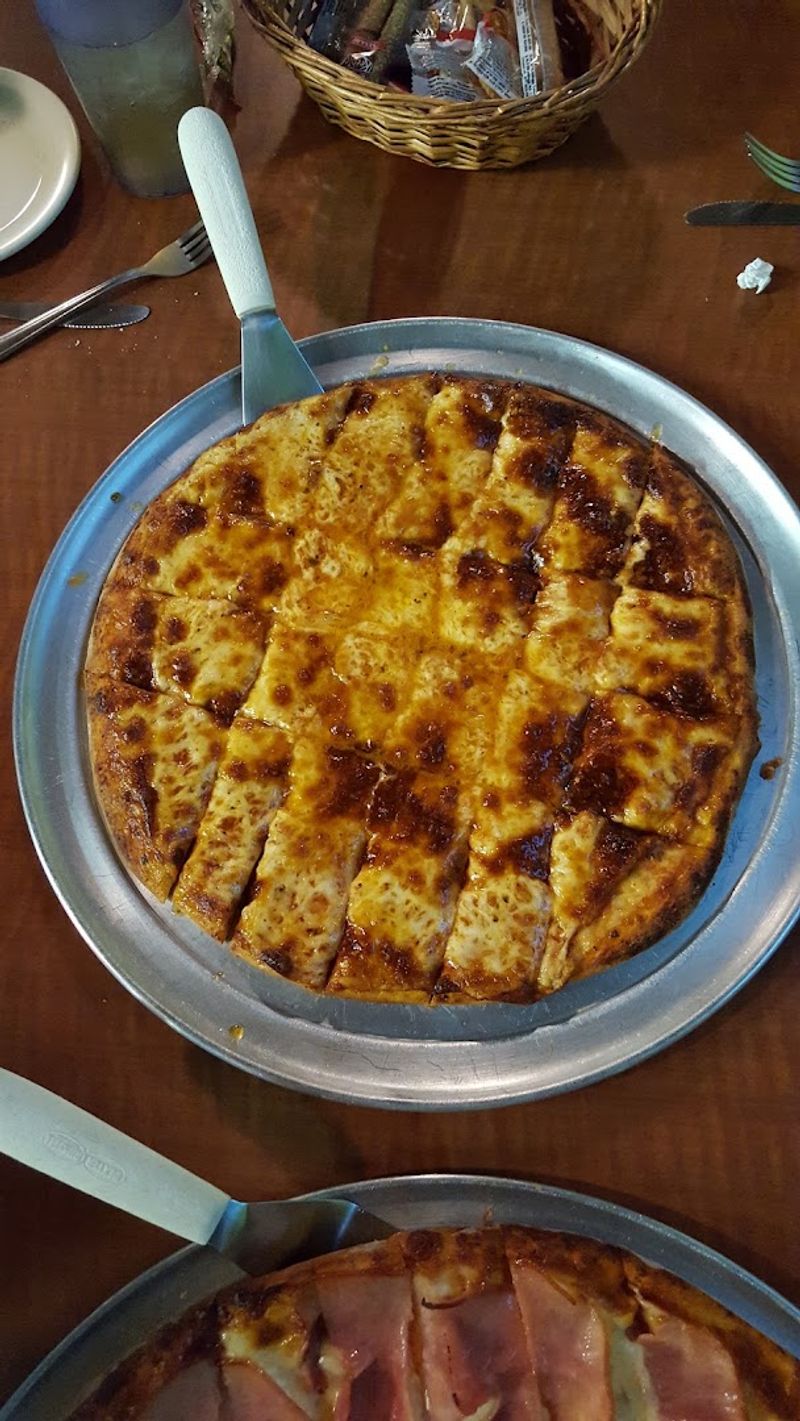
Monmouth has a pizza tradition that does not need much noise to make its case. Italian Village has remained a longtime local favorite by serving classic tavern-style pizzas, homemade Italian dishes, and a signature house-made sausage that gives the menu a sharper identity than a generic neighborhood red-sauce spot.
House-made sausage is the detail that grabs attention first. On pizza, it can change the entire flavor profile, bringing seasoning, texture, and a more personal touch that instantly separates a restaurant from places relying on the same standard ingredients everyone else can buy.
Tavern-style crust gives that sausage a smart platform. Thin crust lets the topping stay prominent, keeps each square-cut piece easy to eat, and supports the practical, shareable style that works well for family dinners, casual meetups, and small-town weeknight meals.
The menu also reaches beyond pizza, which adds range without losing focus. Homemade Italian favorites can strengthen a restaurant’s identity when they match the same comfort-food spirit as the pies, creating a broader reason for groups to choose the place even when not everyone wants the exact same order.
Monmouth diners likely value dependable quality as much as any signature ingredient. Local traditions last because they fit real life, and a welcoming room paired with reliable food can carry a restaurant much farther than trend-driven menus that look exciting for one season and dated the next.
First-time visitors should lean into the house strengths instead of overthinking the order. A tavern-style pizza featuring that sausage is the clearest introduction, and adding one homemade Italian dish on the side can round out the experience, showing why Italian Village still stands as one of western Illinois’ strongest quiet arguments for taking the scenic route when pizza is the goal.
Share this story