Texas has no shortage of tourist hotspots, from Austin’s live music scene to San Antonio’s River Walk. But scattered across the Lone Star State are cities that rarely make anyone’s travel bucket list, and honestly, there are some pretty good reasons why. Whether it’s a lack of major attractions, rough economic times, or simply being too far off the beaten path, these twelve Texas towns just don’t pull in the crowds like their more famous neighbors do.
1. Raymondville
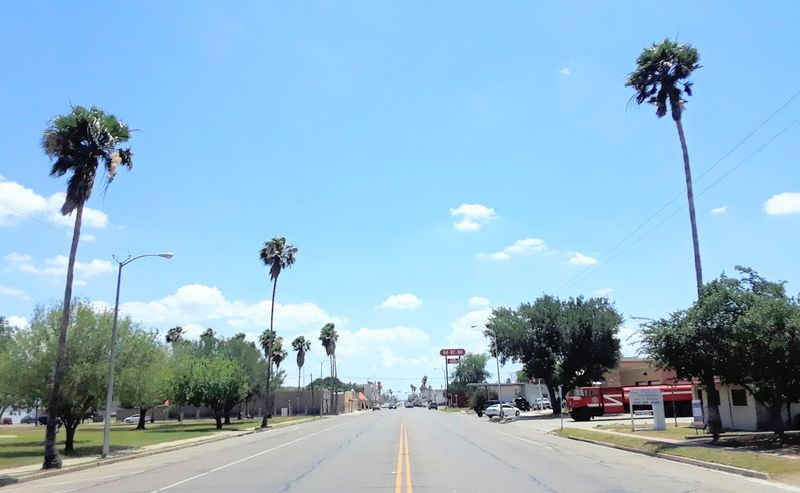
About an hour north of the Mexican border sits Raymondville, a small agricultural town that most drivers blow past on their way to South Padre Island. The city’s economy revolves around farming and ranching, which means there isn’t much to draw tourists looking for entertainment or cultural experiences. With a population hovering around 11,000, this Willacy County seat feels more like a place people live and work rather than visit.
The downtown area shows its age with several empty storefronts and buildings that have seen better days. While some Texas small towns have successfully reinvented themselves as charming getaway destinations, Raymondville hasn’t quite figured out that formula yet. There’s a historical museum and a few local eateries, but nothing that would convince someone to make a special trip.
Economic challenges have hit this region hard over the years. The town struggles with higher-than-average poverty rates, which affects everything from infrastructure maintenance to business development. When travelers do pass through, they’re usually just grabbing gas or a quick bite before continuing their journey south.
The surrounding landscape is flat farmland stretching in every direction, which some might find peaceful but others would call monotonous. Unless you have family in the area or business to conduct, there’s simply not much pulling visitors to stop and explore. The lack of hotels and tourist amenities makes it clear that Raymondville hasn’t positioned itself as a destination.
For birdwatchers heading to the nearby wildlife refuges, Raymondville serves as a convenient stopping point. But even those nature enthusiasts typically don’t linger long. The town’s isolation from major highways and distance from popular Texas destinations keeps it firmly off most travel radars, and the limited attractions make it hard to argue travelers are missing out on much.
2. Mineral Wells
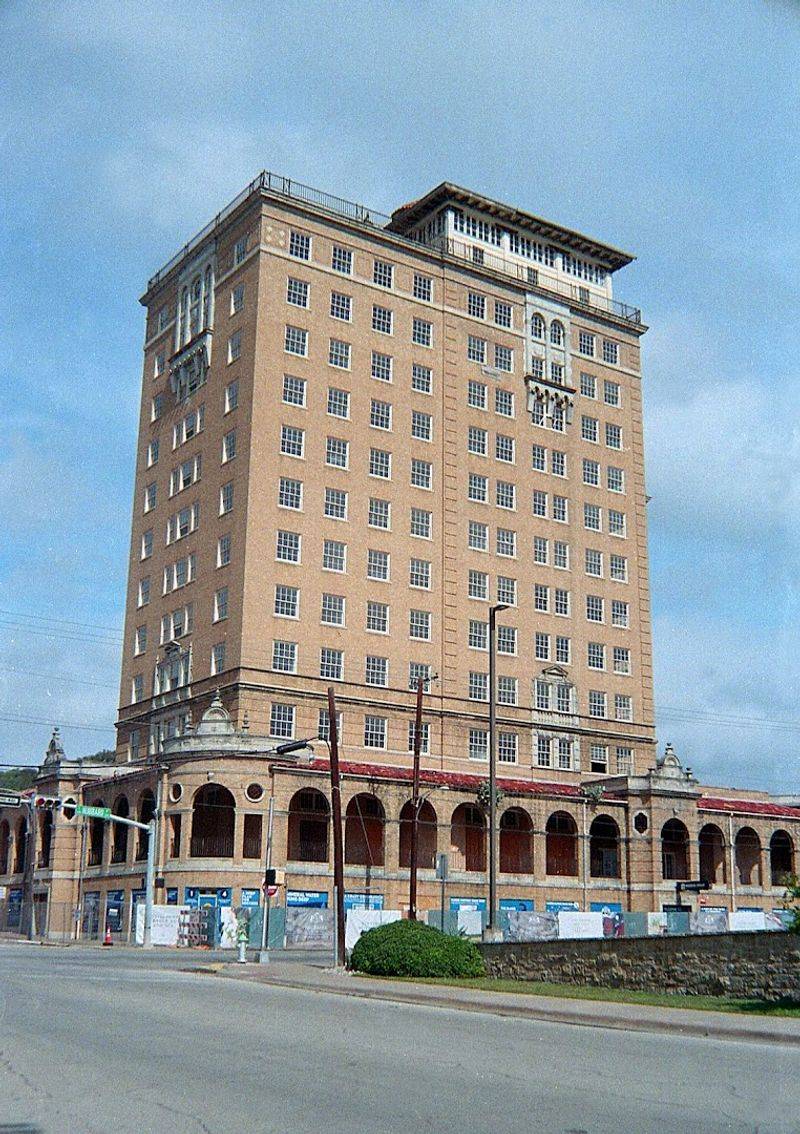
Back in the early 1900s, Mineral Wells was the place to be. People flocked here believing the mineral-rich waters could cure everything from rheumatism to insomnia, and grand hotels sprouted up to accommodate health-seekers from across the country. The famous Crazy Water Hotel became a destination for the wealthy and ailing alike, and for a while, this Palo Pinto County town was genuinely thriving.
Fast forward to today, and those glory days feel like ancient history. The mineral water craze faded, the grand hotels closed or fell into disrepair, and the tourists stopped coming. What remains is a town struggling to find its identity beyond faded postcards and nostalgic stories from elderly residents who remember when things were different.
The massive Baker Hotel, once the crown jewel of the city, sat abandoned and crumbling for decades. Though restoration efforts have been underway, the building stood as a haunting symbol of Mineral Wells’ decline for years. Walking through downtown, you’ll see a mix of antique shops and vacant buildings, the kind of scene that makes you wonder if revitalization will ever truly take hold.
Sure, there’s Fort Wolters and some military history to explore, plus Lake Mineral Wells State Park offers decent outdoor recreation. But these attractions alone don’t create the kind of buzz that fills hotel rooms and restaurant tables. The town feels caught between honoring its past and building a viable future, and that awkward in-between stage isn’t particularly appealing to travelers.
Located about an hour west of Fort Worth, Mineral Wells is close enough to bigger cities that people don’t need to stop here for much. The lack of compelling dining options, entertainment venues, or unique experiences means most folks just keep driving. Without that special something to set it apart, this former resort town remains largely forgotten by modern travelers.
3. Borger
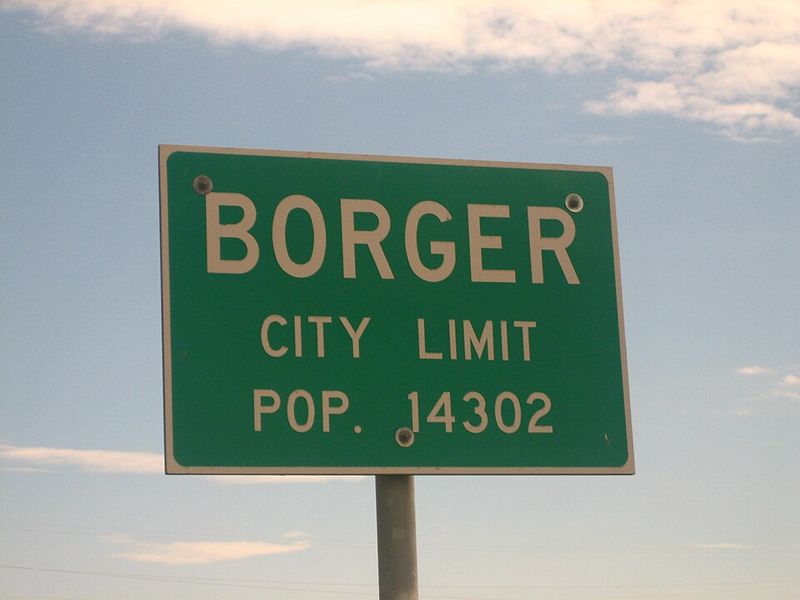
Up in the Texas Panhandle sits Borger, an oil and gas town that’s about as industrial as they come. The skyline is dominated by refinery towers and storage tanks rather than charming church steeples or historic landmarks. This city of roughly 13,000 people exists primarily to support the petroleum industry, and everything about it reflects that singular focus.
The town sprang up during the oil boom of the 1920s, growing so fast that it earned a reputation for lawlessness and rough living. While things have certainly calmed down since those Wild West days, Borger never really developed the kind of attractions or amenities that draw tourists. There’s a petroleum museum if you’re really into that sort of thing, but it’s not exactly competing with the Alamo for visitor numbers.
Driving through town, you’ll notice the landscape is relentlessly flat and the architecture is purely functional. This isn’t a place designed for aesthetics or leisure; it’s built for work. The smell from the refineries can be noticeable depending on wind direction, which doesn’t exactly scream “vacation destination.”
Economic ups and downs in the oil industry have left their mark on Borger. When oil prices drop, the whole town feels it, and that instability doesn’t create the kind of thriving local culture that attracts visitors. There are a few local restaurants serving hearty meals for workers, but you won’t find trendy cafes or farm-to-table dining experiences here.
The isolation doesn’t help either. Borger sits about 50 miles north of Amarillo, far enough that you really need a reason to make the drive. Lake Meredith nearby offers some outdoor recreation, but most people access it from other directions.
For travelers crossing the Panhandle, Borger is easy to bypass entirely, and honestly, they’re not missing much beyond a glimpse of Texas’s industrial side.
4. Cleburne
Situated about 30 miles south of Fort Worth, Cleburne occupies that awkward space of being too close to bigger cities to develop its own strong identity but too far to be considered a convenient suburb. With around 30,000 residents, it’s not tiny, but it hasn’t figured out how to leverage its proximity to the Dallas-Fort Worth metroplex into tourist appeal.
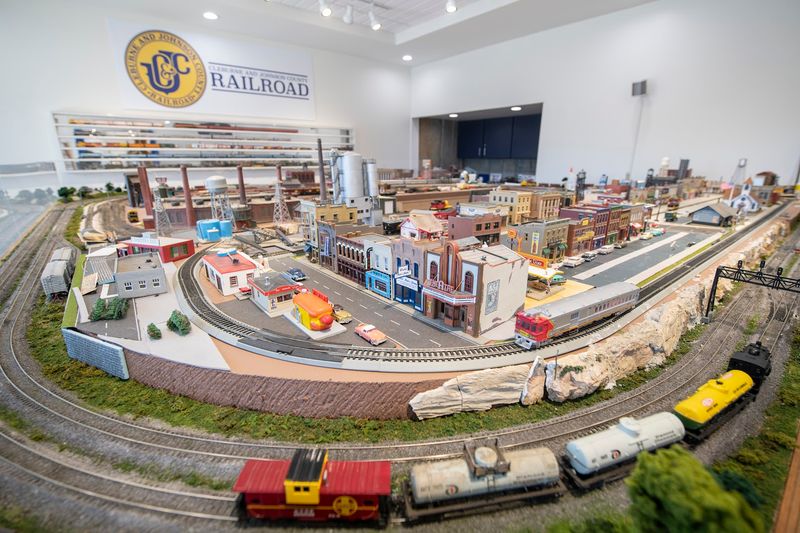
The town’s railroad heritage shows up in a few museums and historical markers, but that’s a tough sell when you’re competing with Fort Worth’s Stockyards and world-class museums just up the highway. Cleburne State Park offers camping and fishing, which is nice for locals but doesn’t give travelers a compelling reason to choose this destination over countless other Texas state parks.
Downtown Cleburne has made some efforts at revitalization, with a few antique shops and local restaurants trying to create charm. The problem is that it still feels like a work in progress, the kind of place where potential hasn’t quite translated into reality. There are some cute buildings, but also plenty of empty storefronts that break the spell.
The city’s main claim to fame might be its railroad museum and the occasional train enthusiast who makes a pilgrimage. For everyone else, Cleburne is just another town you pass through on Highway 67. There’s a decent barbecue joint or two, and the locals seem friendly enough, but these things alone don’t create destination appeal.
Cleburne also suffers from being overshadowed by nearby Granbury, which has done a much better job marketing itself as a charming getaway with its historic square and lakeside location. When travelers in this region want a small-town Texas experience, they typically head to Granbury instead. Cleburne gets the spillover traffic at best, which means hotel and restaurant options remain limited, creating a cycle that keeps it off most travel itineraries.
5. Sweetwater
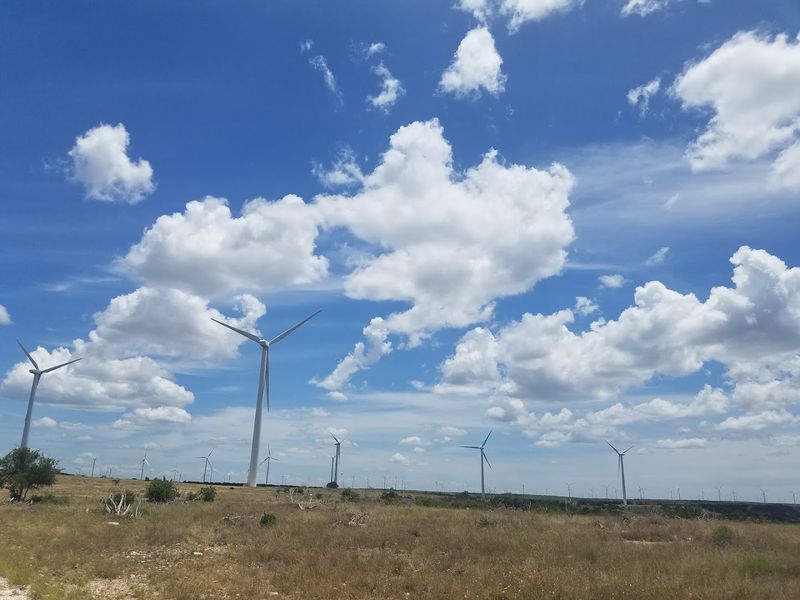
Once a year, Sweetwater becomes famous for something most people find either fascinating or horrifying: the World’s Largest Rattlesnake Roundup. Thousands of people descend on this Nolan County town for the March event, which features snake handling, cookoffs, and all manner of reptile-related activities. Then everyone leaves, and Sweetwater goes back to being a quiet West Texas town that most travelers have zero reason to visit.
The rest of the year, there’s simply not much happening here. With a population around 11,000, Sweetwater serves as a regional hub for the surrounding ranch country and wind energy industry. Those massive wind turbines spinning on the horizon are probably the most visually interesting thing about the area, and you can see those from the highway without stopping.
Downtown shows the wear and tear common to many small West Texas communities. Some businesses hang on, serving the local population, but there’s no real tourist infrastructure or attractions to speak of. A few chain restaurants cluster near Interstate 20, making it easy for travelers to grab food and keep moving without ever seeing the actual town.
The landscape around Sweetwater is classic West Texas: flat, dry, and sparse. It’s beautiful in its own stark way if you appreciate wide-open spaces, but it’s definitely an acquired taste. For most travelers accustomed to greener, more varied scenery, this part of Texas can feel like driving through nothingness for hours.
Sweetwater also struggles with the same economic challenges facing many rural Texas towns. Young people leave for opportunities in bigger cities, businesses close, and the tax base shrinks. This creates a visible decline that doesn’t exactly inspire tourists to stop and explore.
Unless you’re really into rattlesnakes or wind energy, or you need to break up a long drive across West Texas, Sweetwater offers little reason to exit the interstate.
6. Mount Pleasant
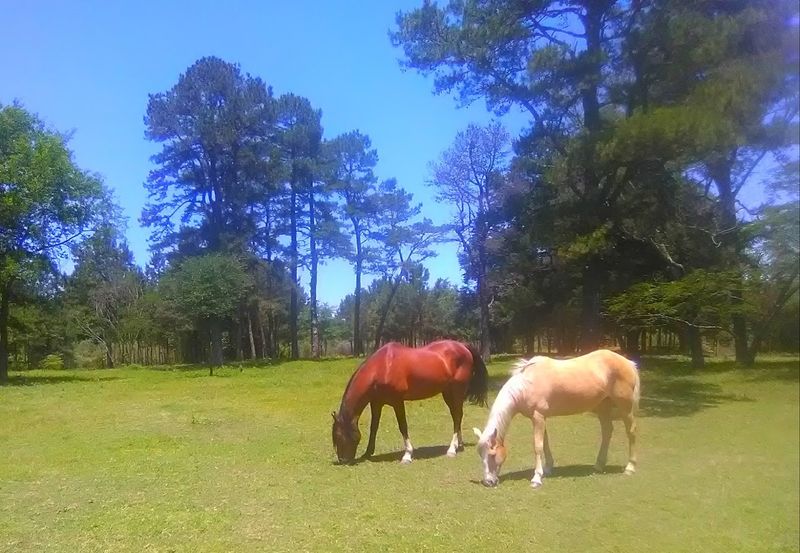
Don’t let the cheerful name fool you. Mount Pleasant is a Northeast Texas town of about 16,000 people that sits along Interstate 30 between Dallas and Texarkana, and most drivers see it only as a place to stop for gas. The name might promise something delightful, but what you’ll find is a fairly typical small Texas town without much to distinguish it from dozens of others.
The downtown area has a traditional courthouse square layout, which is charming in theory. In practice, though, many of the surrounding buildings are vacant or underutilized, giving the whole scene a somewhat melancholy feel. There are efforts to preserve and restore some historic structures, but progress is slow, and the overall impression is of a town that peaked decades ago.
Mount Pleasant’s economy relies heavily on agriculture and some manufacturing, neither of which creates tourist appeal. There’s no significant cultural scene, no famous attractions, and no compelling natural features that would draw visitors. Lake Bob Sandlin is nearby and offers decent fishing, but it’s not well-known outside the region and doesn’t have the resort development that makes some Texas lakes into destinations.
The town does host a few annual events, including rodeos and festivals, but these are mainly for locals and people from surrounding communities. They don’t have the scale or uniqueness to attract travelers from farther away. Mount Pleasant remains firmly in the category of places you might visit if you have family there, but never as a destination in itself.
Being located on I-30 is both a blessing and a curse. It provides easy access and brings some traffic through town, but it also makes Mount Pleasant forgettable. Travelers zoom past at 75 mph, maybe stopping at a fast-food restaurant or truck stop, then continuing their journey without experiencing anything memorable.
The lack of distinctive character or must-see attractions means there’s simply no reason for most people to linger.
7. Pecos
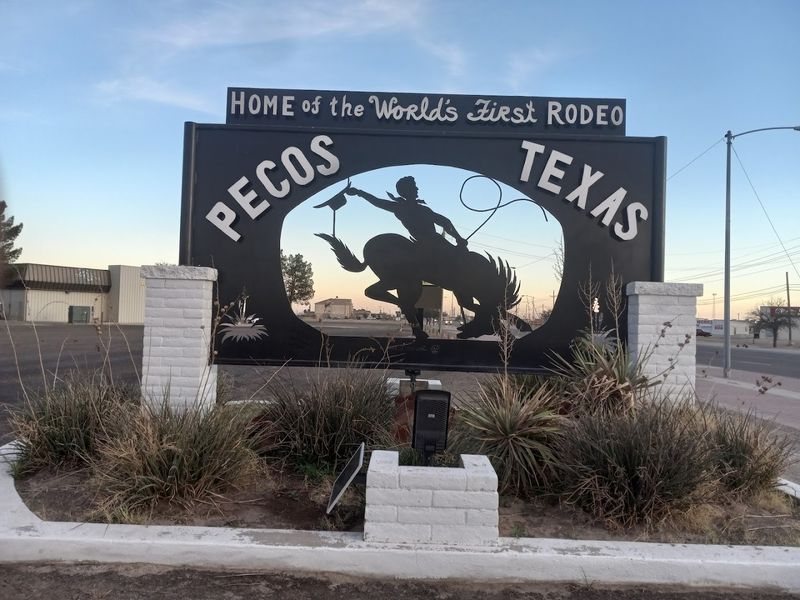
Way out in West Texas, where the landscape turns into genuine desert and the nearest city feels a million miles away, you’ll find Pecos. This Reeves County town claims to be the birthplace of the rodeo, hosting its first event back in 1883, which is genuinely cool history. Unfortunately, that historical footnote isn’t enough to overcome the town’s extreme isolation and lack of modern attractions.
Pecos sits about 70 miles from the nearest town of any size, surrounded by harsh, beautiful desert that most people find intimidating rather than inviting. The summer heat is brutal, regularly pushing past 100 degrees, and there’s precious little shade to be found. Water is scarce, which has always limited growth and development in this region.
The town itself has seen better days. The population has been declining for decades, dropping from over 12,000 in the 1980s to around 9,000 today. That population loss shows in the empty buildings and struggling businesses downtown.
There’s a West of the Pecos Museum that preserves some local history, but it’s a small operation that attracts mostly history buffs and curious road-trippers.
Oil and gas activity provides most of the employment, giving Pecos a transient feel as workers come and go with industry cycles. This doesn’t create the kind of stable community culture that makes a town interesting to visit. The restaurants are basic, the hotels are functional at best, and entertainment options are essentially nonexistent.
The famous Pecos River runs through the area, but it’s often reduced to a trickle and doesn’t offer much recreational opportunity. The surrounding landscape is striking if you appreciate desert scenery, but it’s definitely not for everyone. Most travelers passing through on Highway 285 or Interstate 20 view Pecos as simply a place to refuel before continuing their journey, and the town hasn’t given them much reason to think otherwise.
8. Hondo
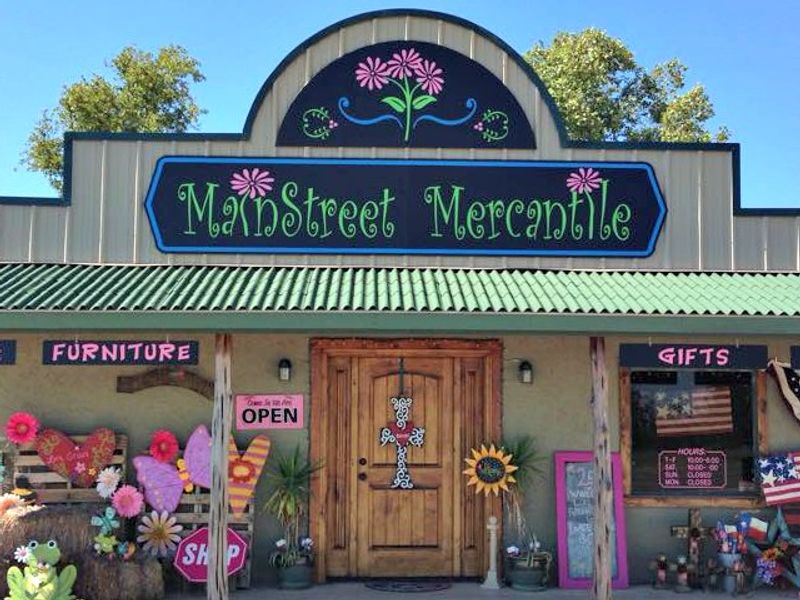
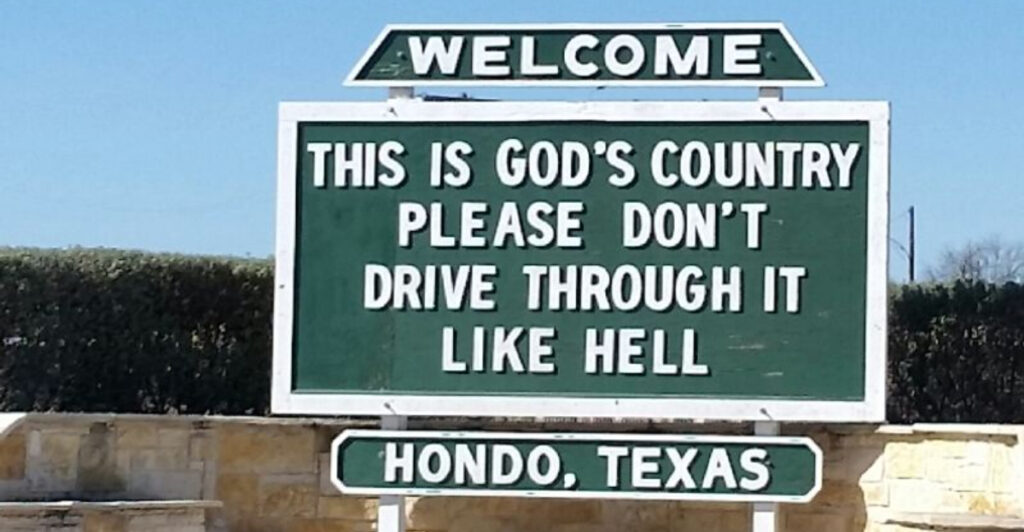
Hondo positions itself as the gateway to South Texas, sitting about 40 miles west of San Antonio on Highway 90. The problem with being a gateway is that people tend to pass right through on their way to somewhere else, and that’s exactly what happens here. With a population around 9,000, Hondo is small enough that there’s not much to see but big enough that it’s not quaint.
The town’s economy centers on agriculture, particularly onions and other vegetables grown in the surrounding farmland. There’s also a strong military presence thanks to nearby Hondo Municipal Airport, which serves as a training facility. These economic drivers don’t translate into tourist attractions, leaving Hondo without much to offer visitors beyond basic services.
Downtown Hondo has the bones of a classic Texas small town, with older buildings lining the main street. But many of those buildings are vacant or in disrepair, and the overall feeling is one of decline rather than charm. A few local businesses soldier on, serving the community faithfully, but there’s no thriving restaurant scene or shopping district that would appeal to travelers.
The landscape around Hondo marks the transition from Hill Country to South Texas brush country, which means it’s neither here nor there scenically. You’ve left the pretty hills behind but haven’t yet reached the more dramatic desert landscapes farther west. It’s just sort of flat and scrubby, which doesn’t inspire anyone to pull over and take photos.
Hondo does host an annual onion festival, celebrating the local agricultural product, which is exactly as exciting as it sounds. Unless you have a particular passion for alliums, this isn’t going to be a calendar-marking event. The town’s proximity to San Antonio means anyone looking for entertainment, dining, or attractions will simply drive the extra 40 minutes to the big city, leaving Hondo to serve mainly as a convenient fuel stop.
9. Plainview
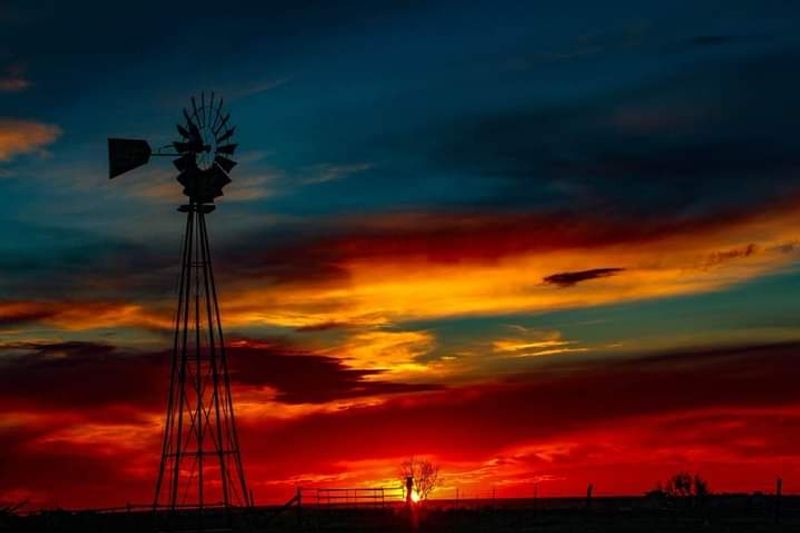
Sitting smack in the middle of the Texas Panhandle’s agricultural heartland, Plainview is aptly named. The land around here is relentlessly flat, stretching to the horizon in every direction with barely a tree to break the monotony. This Hale County seat of about 20,000 people exists primarily to serve the farming and ranching operations that dominate the regional economy.
Cotton, corn, and cattle define this area, and while that agricultural productivity is impressive, it doesn’t create much tourist appeal. The grain elevators and feed lots that dot the landscape are interesting from an industrial perspective but not exactly Instagram-worthy. Plainview feels like a working town where people are too busy making a living to worry about attracting visitors.
Downtown Plainview shows its age, with a mix of functioning businesses and empty storefronts typical of small Texas cities that have seen younger generations move away. Wayland Baptist University provides some cultural and economic stability, but college towns need more than just a university to become destinations. There’s no charming historic district or vibrant arts scene to draw people in.
The isolation is real out here. Plainview sits about 45 miles north of Lubbock, and that’s the nearest city of any size. In every other direction, you’ll drive for an hour or more before hitting another substantial town.
This remoteness means travelers rarely end up in Plainview unless they specifically have business here or family to visit.
The weather doesn’t help either. Winters can be harsh with bitter winds sweeping across the plains, while summers bring intense heat and occasional severe thunderstorms. Spring means dust storms and tornado warnings.
There’s no season when Plainview’s climate particularly invites tourism. Combined with the lack of attractions, accommodations, and dining options beyond basic chain restaurants, Plainview remains firmly off the tourist map, serving its agricultural community well but offering little to draw outsiders.
10. Brownwood
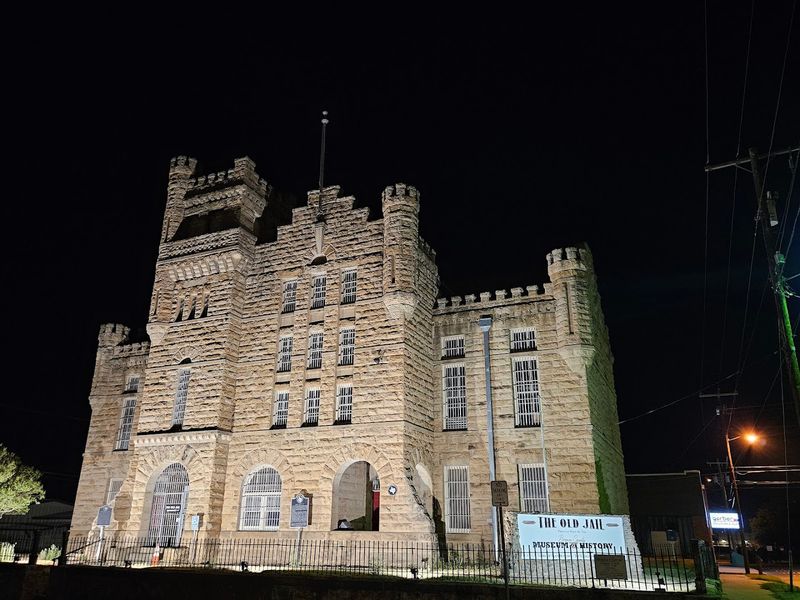
Located in Central Texas about two hours southwest of Fort Worth, Brownwood is a town of around 20,000 that seems stuck in neutral. It’s not growing much, not shrinking dramatically, just sort of existing without a clear sense of direction or identity. The downtown area has some nice historic buildings, but the overall vibe is sleepy rather than charming.
Brownwood markets itself as the “Heart of Texas,” which is geographically debatable and doesn’t really mean anything to potential visitors anyway. The town has Howard Payne University, which brings some students and cultural programming, but it hasn’t created the kind of college-town energy you find in places like San Marcos or Nacogdoches. Things feel quiet even when school is in session.
Lake Brownwood nearby offers fishing, boating, and camping, which is nice for locals and regional visitors but doesn’t distinguish this area from hundreds of other Texas lakes. The state park is pleasant enough but not spectacular, lacking the dramatic scenery or unique features that would make it a destination. People from the surrounding counties might come for a weekend, but travelers from farther away have better options.
The local economy relies on education, healthcare, and some manufacturing, none of which creates tourism infrastructure. The restaurant scene is limited to chain establishments and a few local diners serving basic American food. There’s no thriving arts community, no famous attractions, and no compelling reason for travelers to choose Brownwood over other Texas destinations.
Brownwood also suffers from being far enough from major highways that you won’t stumble upon it accidentally. It’s not on the way to anywhere most people want to go, which means visitors need a specific reason to make the trip. The town’s attempts at tourism development haven’t gained much traction, partly because it’s hard to compete when you’re surrounded by more interesting destinations in every direction.
11. Levelland
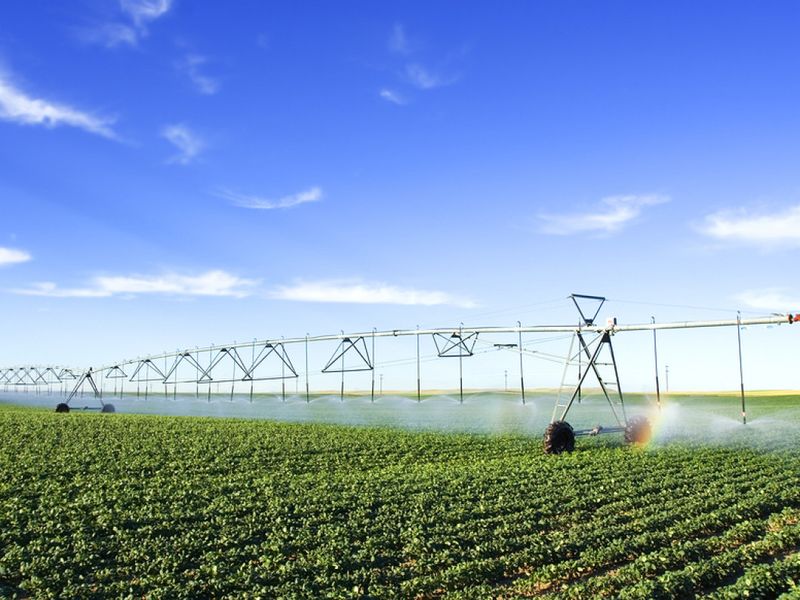
Out on the South Plains of West Texas, Levelland lives up to its name with terrain so flat you can watch your dog run away for three days. This Hockley County seat of about 13,000 people serves as a hub for the surrounding cotton farms and oil operations, but that’s about all it serves. The town’s claim to fame is a 1957 UFO incident that conspiracy theorists still discuss, which tells you something about how little else is happening here.
The landscape is monotonous even by West Texas standards, with cotton fields stretching endlessly in every direction. During harvest season, the cotton gins run constantly, filling the air with a distinctive smell and white fluff. It’s interesting for about five minutes if you’ve never seen cotton processing before, then it’s just another industrial operation in a town built around agriculture.
Downtown Levelland is small and struggling, with more closed businesses than open ones. The few restaurants are mostly fast-food chains clustered near the highway, making it easy for travelers to grab a meal without actually experiencing the town. There’s no historic district worth exploring, no cultural attractions, and no recreational opportunities that would appeal to visitors.
South Plains College provides some economic stability and brings students to town, but it’s a community college that doesn’t create much vibrancy or nightlife. The town feels quiet bordering on deserted, especially in the evenings when students have gone home and workers have finished their shifts. There’s simply nothing to do here unless you’re really into high school football.
Levelland sits about 30 miles west of Lubbock, close enough that anyone wanting amenities, entertainment, or dining options will just drive to the bigger city. This proximity means Levelland can’t develop its own strong identity or attract businesses that might make it more interesting. The combination of isolation, limited attractions, harsh climate, and economic challenges keeps Levelland firmly in the category of places you pass through rather than visit.
12. Big Spring
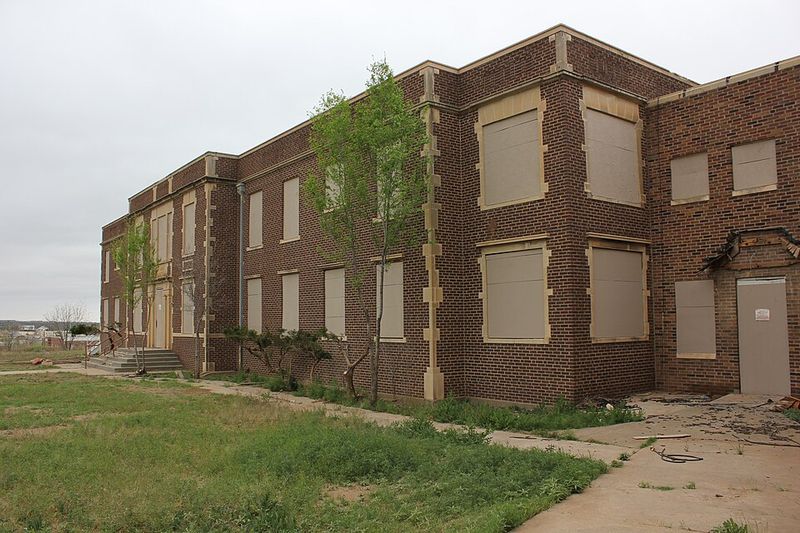
Big Spring takes its name from a natural spring that once provided water in this arid region, though the spring itself dried up decades ago. That’s kind of a metaphor for the whole town, which feels like it’s running on fumes from better days. Located in Howard County with a population around 28,000, Big Spring is the largest city on this list, but size doesn’t equal appeal.
The economy here revolves around oil and gas, state and federal prisons, and a Veterans Affairs Medical Center. None of these create the kind of atmosphere that attracts tourists. The prison presence is particularly noticeable, with several facilities in and around town employing a significant portion of the workforce.
It’s not exactly the vibe most people seek when planning a getaway.
Downtown Big Spring has some interesting Art Deco and historic buildings that hint at more prosperous times, but many are empty or underutilized. There’s been talk of revitalization for years, but progress is slow and uneven. The overall impression is of a town that’s seen better days and isn’t quite sure how to move forward.
Big Spring State Park sits on a mesa overlooking the town, offering hiking trails and decent views of the surrounding landscape. It’s a nice local amenity but not distinctive enough to draw visitors from far away. The park is pretty small, and you can see everything it offers in an hour or two.
The town’s location on Interstate 20 brings some traffic through, but most travelers are just passing between Midland-Odessa and Abilene. Big Spring serves as a convenient stop for fuel and food, with the usual chain restaurants and hotels clustered near the highway exits. But there’s no compelling reason to actually explore the town or spend more time than necessary.
The combination of limited attractions, prison-town atmosphere, and harsh West Texas climate keeps Big Spring off most travel itineraries.
Share this story