Texas has a reputation for big cities and sprawling ranches, but some of its most memorable experiences happen in small towns where time seems to slow down. These places offer the authentic Texan charm that visitors dream about—from historic main streets to friendly locals who wave as you pass by. Whether you’re looking for live music under the stars, antique shopping in century-old buildings, or just a peaceful escape from the everyday hustle, these twelve towns deliver the real Texas experience that keeps people coming back year after year.
1. Bandera
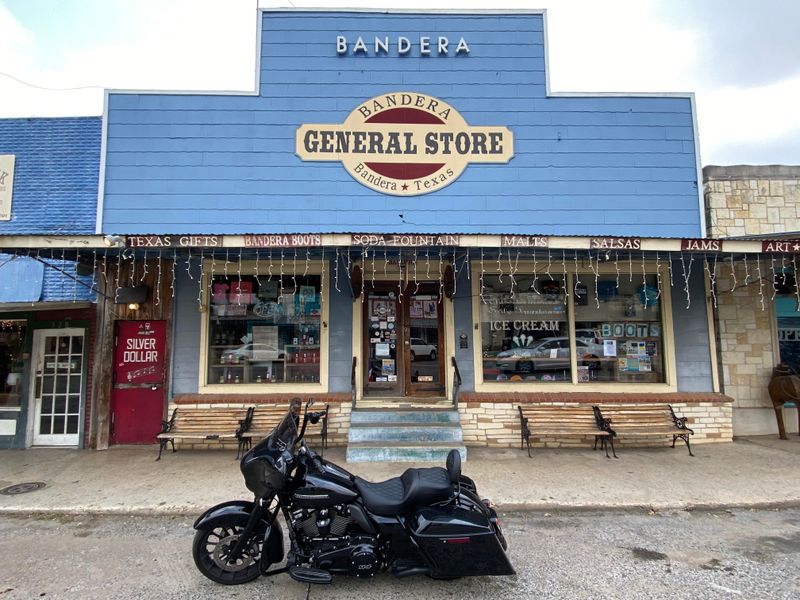
Bandera earned its nickname as the Cowboy Capital of the World, and one visit makes it clear why. The town sits in the Texas Hill Country where working dude ranches still operate just like they did generations ago. You can saddle up for trail rides, watch real rodeos, and fall asleep to the sound of nothing but crickets and distant cattle.
Main Street looks like it jumped straight out of an old Western movie. Wooden storefronts house leather shops, honky-tonks, and cafes serving chicken-fried steak that’ll make you forget every diet you ever started. The Frontier Times Museum showcases relics from the Old West, including everything from antique firearms to vintage photographs of actual cowboys who once roamed these parts.
The Medina River runs right through town, offering a cool respite during hot summer months. Locals and visitors alike grab inner tubes and float downstream, stopping at riverside camps for barbecue and cold drinks. It’s the kind of lazy afternoon that reminds you why Texas summers aren’t so bad after all.
What sets Bandera apart is its authenticity. This isn’t a theme park version of cowboy culture—it’s the real deal. Ranches here have been family-owned for over a century, and the folks working them know their way around a horse better than most people know their own neighborhood.
You’ll meet fourth-generation ranchers who can rope a calf faster than you can say howdy.
Thursday nights bring live music to the local dance halls, where two-stepping isn’t just entertainment—it’s a way of life. Don’t worry if you’ve never danced before; someone will teach you. That’s just how things work in Bandera, where strangers become friends before the first song ends and everyone leaves with stories worth retelling.
2. Luckenbach
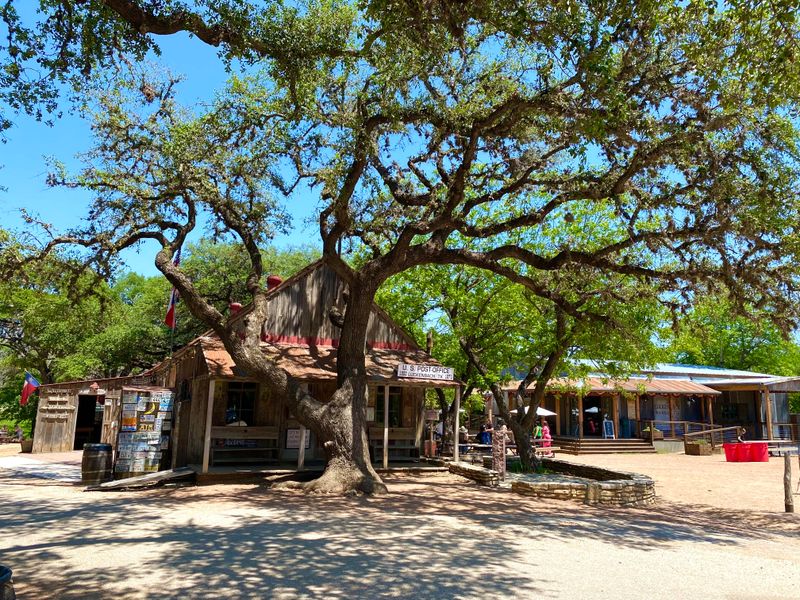
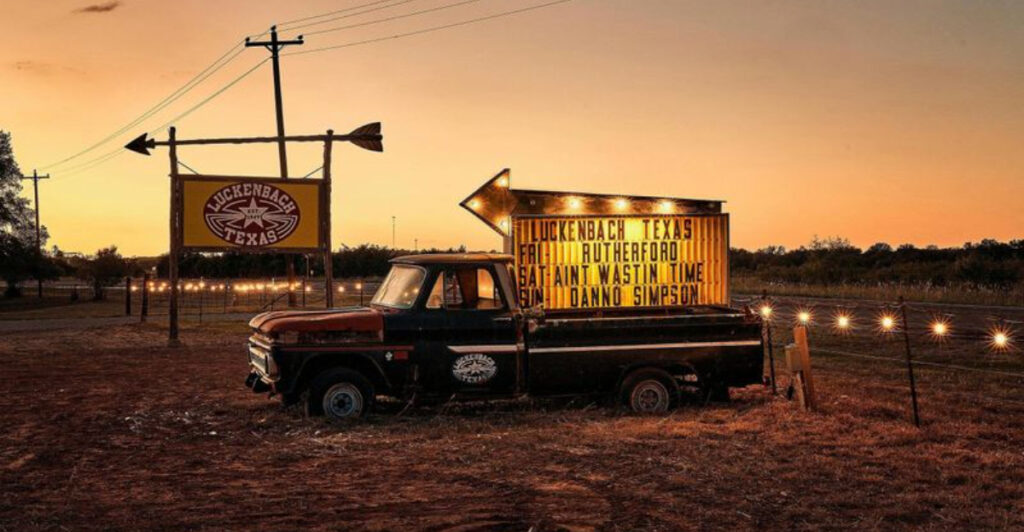
Population: 3. That’s not a typo. Luckenbach barely qualifies as a town by most standards, but what it lacks in size, it makes up for in spirit.
Willie Nelson and Waylon Jennings made this tiny spot famous with their song, and music lovers have been making pilgrimages here ever since. The general store doubles as a bar, post office, and community gathering spot all rolled into one weathered wooden building.
Most days, you’ll find musicians jamming under the sprawling oak trees out back. Nobody’s trying to make it big or impress anyone—they’re just playing for the love of it. Visitors grab a cold beer from inside, pull up a chair, and join the impromptu concert.
By the second song, you’ll be singing along even if you don’t know the words.
The whole place runs on a philosophy of simplicity. There’s no pretense here, no fancy amenities, and definitely no rush. Time moves differently in Luckenbach, measured in guitar chords and shared stories rather than minutes and hours.
People come here to unplug, unwind, and remember what matters most.
Weekends bring scheduled concerts to the dance hall, where Texas music legends and up-and-coming artists share the same stage. The wooden floor bears the scuff marks of thousands of boots that have shuffled across it over the decades. Couples who met here fifty years ago still come back to dance in the same spot where they first held each other close.
Don’t expect much in terms of infrastructure. There’s one bathroom, limited parking, and the nearest hotel is miles away. But that’s exactly the point.
Luckenbach strips away everything unnecessary and leaves you with just the essentials: good music, cold drinks, friendly faces, and the kind of peace you can’t find in bigger places. It’s Texas at its most genuine and unfiltered.
3. Gruene
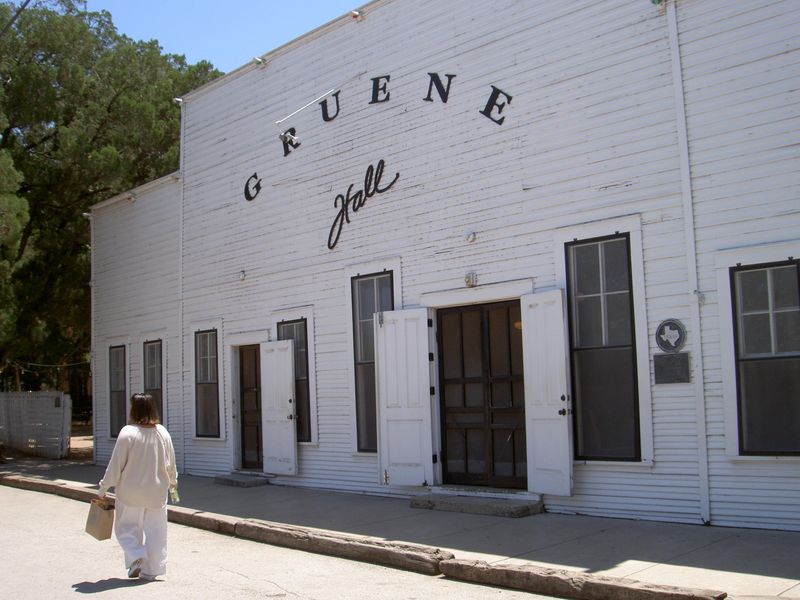
Gruene started as a farming community in the 1870s and somehow managed to preserve that original character while becoming one of Texas’s favorite weekend destinations. The entire downtown area is a National Historic District, meaning the buildings you’re admiring aren’t replicas—they’re the genuine articles. Gruene Hall, built in 1878, holds the title of Texas’s oldest continually operating dance hall, and stepping inside feels like traveling back in time.
The dance hall has hosted everyone from local two-steppers to major recording artists. George Strait, Willie Nelson, and Lyle Lovett have all played this intimate venue where the ceiling fans still creak and the wooden floor still bounces under dancing feet. Even if there’s no show scheduled, the hall opens daily for visitors to peek inside and imagine the countless Saturday nights that have echoed through these walls.
The Guadalupe River flows right alongside town, and Gruene’s location makes it perfect for river tubing, kayaking, or just wading in the cool water. Outfitters rent tubes and provide shuttle service, so you can float for hours without worrying about how to get back to your car. The river stays busy during summer but never feels overcrowded thanks to its length and multiple access points.
Shopping in Gruene means browsing through antique stores, art galleries, and specialty shops housed in restored historic buildings. You’ll find everything from handmade jewelry to vintage Texas memorabilia. The Gristmill Restaurant, built into the ruins of a 100-year-old cotton gin, serves up burgers and barbecue with a view of the river below.
What makes Gruene special is how it balances preservation with vibrancy. This isn’t a museum town where everything’s roped off—it’s a living, breathing community that honors its past while creating new memories. Couples get married under the oak trees, families celebrate reunions at riverside picnic spots, and visitors leave planning their return trip before they’ve even made it home.
4. Fredericksburg
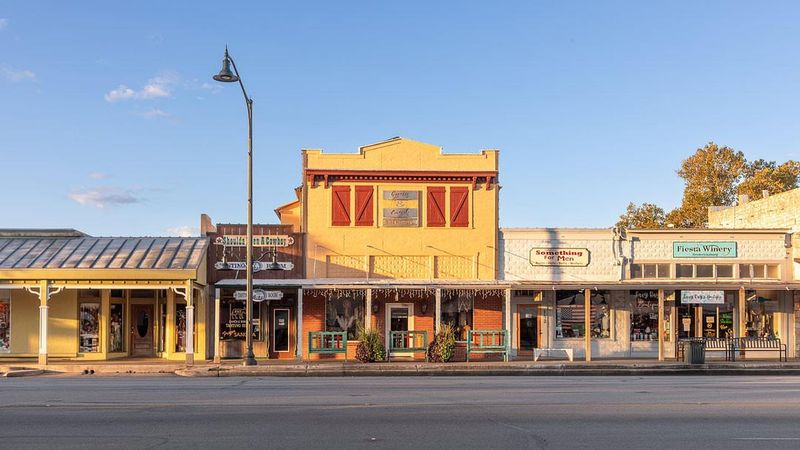
German immigrants founded Fredericksburg in 1846, and their influence still shapes everything from the architecture to the local cuisine. Main Street stretches for blocks, lined with buildings that wouldn’t look out of place in Bavaria. But this isn’t just a pretty town—it’s also the gateway to Texas Hill Country wine country, with over fifty wineries within a short drive.
Wine tasting has become a major draw, with tasting rooms scattered throughout downtown and vineyards dotting the surrounding countryside. Texas wines have improved dramatically over the past two decades, and Fredericksburg vineyards are leading that charge. You can easily spend a full day hopping from one tasting room to another, sampling everything from bold reds to crisp whites while chatting with the winemakers themselves.
The town takes its German heritage seriously, celebrating Oktoberfest with authentic food, music, and beer. But you don’t have to wait for October to enjoy schnitzel and strudel—German bakeries and restaurants operate year-round, serving recipes passed down through generations. The smells of fresh-baked bread and roasting meats waft through the streets, making it nearly impossible to walk past without stopping in.
History buffs appreciate Fredericksburg’s connection to World War II through the National Museum of the Pacific War. Admiral Chester Nimitz, who commanded Allied forces in the Pacific, grew up here, and the museum complex spans multiple buildings with extensive exhibits. It’s one of the most comprehensive Pacific War museums in the country, drawing visitors from around the world.
Bed and breakfasts outnumber chain hotels, giving the town a more intimate feel. Many occupy restored historic homes with modern amenities hidden behind vintage facades. Spring brings wildflowers that carpet the surrounding hills in blues, reds, and yellows, creating photo opportunities at every turn.
Shopping ranges from high-end art galleries to quirky antique malls where you might find anything from vintage cowboy boots to mid-century furniture. Fredericksburg manages to feel both sophisticated and down-home at the same time.
5. Llano
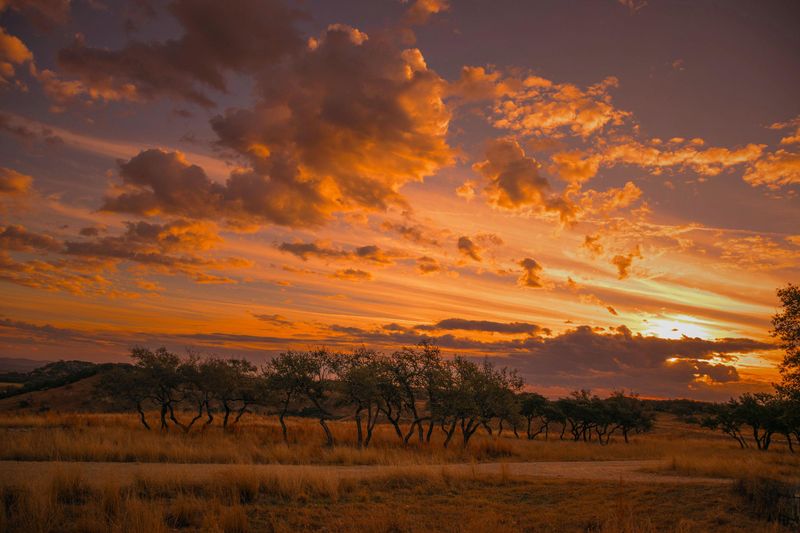
With more white-tailed deer roaming the area than people, this Hill Country town has more than earned its title as the Deer Capital of Texas. But hunting season isn’t the only reason to visit this Hill Country town that sits at the junction of the Llano and Colorado Rivers. The rivers provide year-round recreation, from fishing to swimming, and the downtown square maintains that timeless Texas feel where locals still gather to catch up on the week’s news.
Cooper’s Old Time Pit Bar-B-Que draws people from across the state. The setup is simple: pick your meat straight from the pit, pay by the pound, and grab a seat at one of the long communal tables. There’s no fancy sauce trying to cover up subpar cooking—the meat speaks for itself.
Brisket, ribs, sausage, and pork chops all get smoked over mesquite wood until they reach that perfect combination of tender and flavorful.
The Llano River offers some of the clearest water in Central Texas. Locals know all the best swimming holes, where granite boulders create natural pools perfect for cooling off during summer heat. Kayakers and canoers enjoy gentle floats through scenic Hill Country landscape, often spotting wildlife along the banks.
Fishing for bass and catfish keeps anglers busy, especially in early morning hours when the water’s still and the fish are biting.
Downtown Llano hasn’t changed much over the decades. The historic courthouse anchors the town square, surrounded by locally-owned shops and cafes. You won’t find big box stores or chain restaurants here—just honest businesses run by people who remember your name after one visit.
Antique stores offer treasures ranging from vintage ranch equipment to Depression-era glassware.
Llano’s real charm lies in its unpretentiousness. Nobody’s trying to be trendy or attract influencers. The town simply exists as it always has, welcoming visitors who appreciate authentic small-town Texas life.
Fall brings cooler temperatures perfect for exploring the surrounding ranch land, while spring showcases wildflowers that transform the landscape into a natural garden. It’s the kind of place where you can actually relax without feeling like you’re missing out on something.
6. Fort Davis
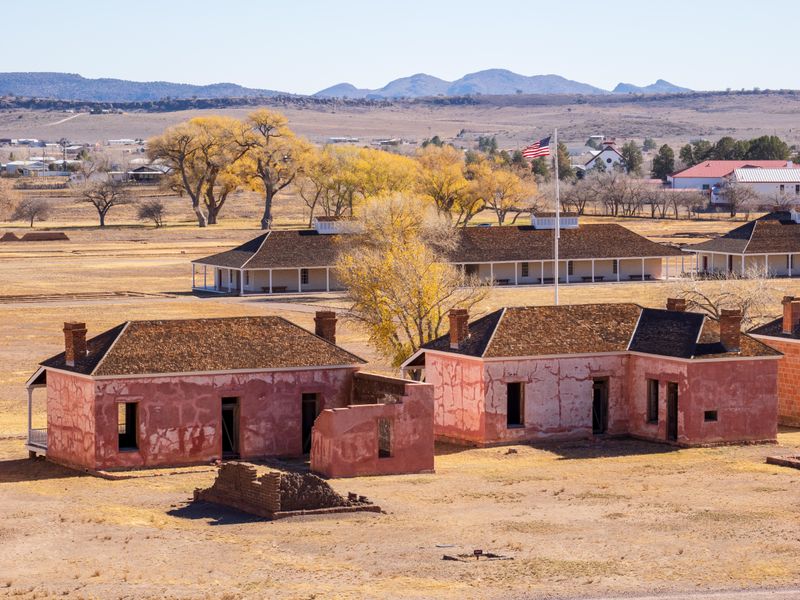
Sitting at 5,050 feet elevation in the Davis Mountains, Fort Davis offers something most Texas towns can’t: genuine mountain scenery and cool summer temperatures. The town grew around a frontier military post established in 1854, and the fort remains remarkably well-preserved. Walking through the old barracks and officers’ quarters, you can almost hear the cavalry drills and bugle calls that once echoed across the parade ground.
The McDonald Observatory, perched atop Mount Locke just outside town, attracts astronomers and stargazers from around the world. West Texas skies are among the darkest in the continental United States, making this one of the premier locations for both professional research and public viewing. Star parties held several times weekly let visitors peek through powerful telescopes at planets, galaxies, and nebulae invisible to the naked eye.
Downtown Fort Davis maintains its frontier character with stone buildings that have weathered over a century of mountain storms. Local shops sell everything from handmade pottery to books about West Texas history. The Hotel Limpia, built in 1912, still welcomes guests in rooms that blend historic charm with modern comfort.
Sitting on the hotel’s front porch with a cup of coffee, watching the town wake up, feels like stepping into a simpler era.
Hiking trails wind through the surrounding mountains, offering everything from easy nature walks to challenging climbs. The cooler temperatures make Fort Davis a summer refuge for Texans escaping the heat of lower elevations. Ponderosa pines and junipers dot the landscape, creating scenery more reminiscent of New Mexico than typical Texas terrain.
Davis Mountains State Park provides camping, more hiking, and the Indian Lodge—a pueblo-style hotel built by the Civilian Conservation Corps in the 1930s. The park’s Skyline Drive offers panoramic views that stretch for miles across mountain peaks and valleys. Wildlife including mule deer, javelinas, and numerous bird species make their home in these mountains.
Fort Davis proves that Texas contains far more geographic diversity than most people realize, and this mountain town showcases some of the state’s most surprising and beautiful landscapes.
7. Terlingua
Terlingua might be the most unusual entry on this list. Once a thriving quicksilver mining town, it became a near-ghost town when the mines closed in the 1940s. Today, it exists in a strange space between abandoned ruin and quirky artistic community.
Crumbling adobe buildings stand alongside occupied homes and businesses, creating an atmosphere unlike anywhere else in Texas.
The town sits just outside Big Bend National Park, making it a base camp for park visitors who want more character than a standard hotel. Accommodations range from simple camping to unique lodgings in restored historic buildings. The Starlight Theatre, housed in an old movie theater, serves up good food and live music in a setting that celebrates Terlingua’s eccentric spirit.
Every November, Terlingua hosts the Original Terlingua International Championship Chili Cook-off, drawing thousands of chili enthusiasts to this remote desert outpost. What started as a publicity stunt in 1967 has become a legendary event where serious competitors and party-seekers converge for a weekend of cooking, tasting, and celebrating all things chili. The event split into two competing cook-offs years ago, adding another layer to Terlingua’s quirky story.
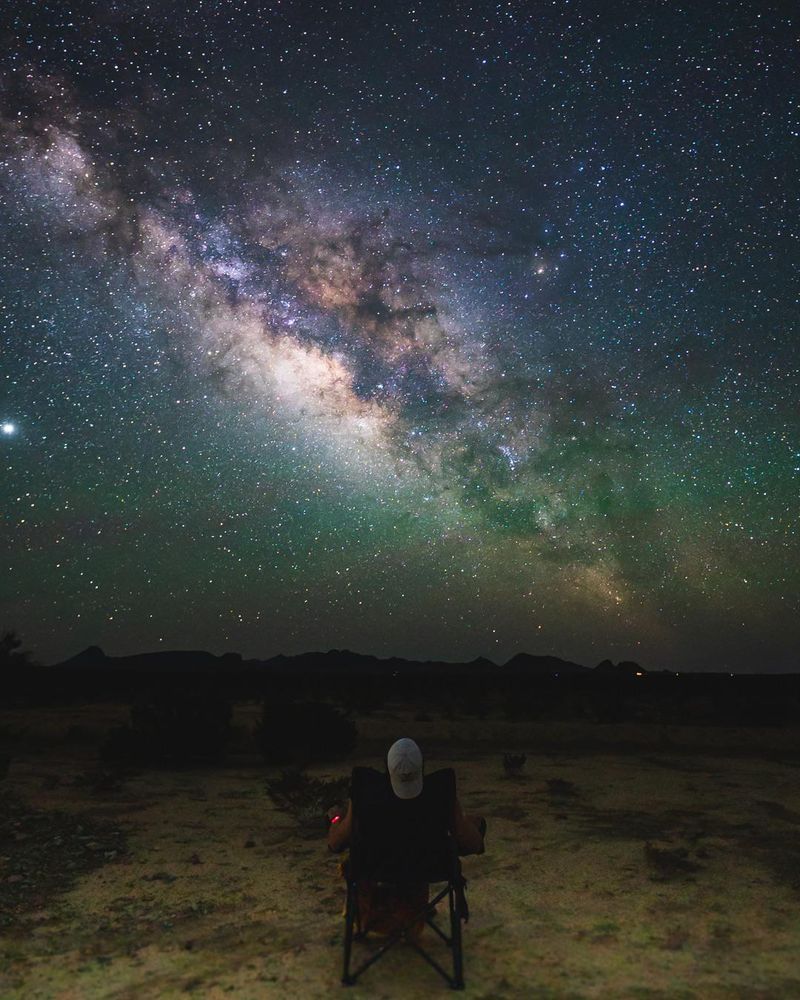
Desert landscape surrounds the town, with the Chisos Mountains rising dramatically to the south. Sunsets paint the sky in colors so vivid they almost seem unreal. At night, stars blanket the sky in numbers that remind you just how far you are from city lights.
The silence out here is profound—no traffic noise, no sirens, just wind and the occasional coyote call.
Terlingua attracts artists, writers, and people seeking escape from conventional life. The permanent population remains small, but it’s a passionate group dedicated to preserving the town’s unique character. Trading posts sell supplies alongside local art and crafts.
River outfitters offer guided trips down the Rio Grande through spectacular canyons. You’ll either love Terlingua’s raw, unpolished authenticity or find it too remote and rustic. There’s no middle ground with this place, and that’s exactly how the locals prefer it.
This is Texas at its most wild and untamed.
8. Jefferson
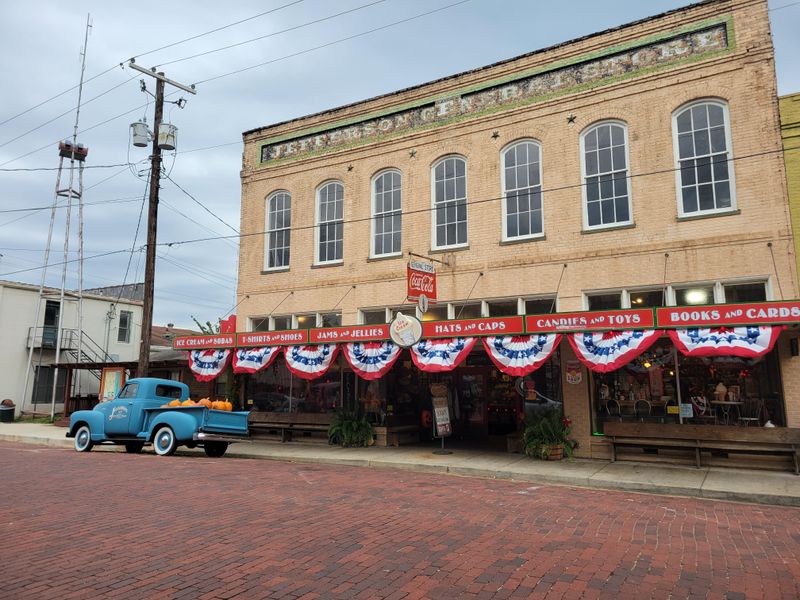
With its antebellum architecture and riverport history, Jefferson feels more like a Deep South storybook town than a typical Texas stop. Spanish moss drapes from ancient cypress trees, Victorian mansions line brick streets, and the whole town feels like a place where history never quite let go. During the 1870s, Jefferson thrived as a major riverport, second only to Galveston in Texas commerce.
When the Red River log jam was cleared and shipping routes changed, the boom ended and Jefferson essentially froze in time.
That economic decline became the town’s preservation. Without money for new development, the historic buildings remained largely unchanged. Today, Jefferson boasts one of the largest concentrations of historic structures in Texas.
Walking tours take you past homes and commercial buildings that date back to the town’s heyday, many now operating as bed and breakfasts, museums, or antique shops.
Ghost stories permeate Jefferson’s identity. The town embraces its reputation as one of Texas’s most haunted places, with numerous buildings claiming resident spirits. The Jefferson Hotel, the Grove, and the Excelsior House all have well-documented paranormal tales.
Whether you believe in ghosts or not, the historic atmosphere certainly creates an eerie ambiance, especially during evening carriage rides through gaslit streets.
Caddo Lake, just outside town, offers a completely different experience. This mysterious wetland, draped in Spanish moss and filled with bald cypress trees, looks more like Louisiana bayou than Texas landscape. Boat tours wind through narrow channels where alligators sun themselves and herons fish in shallow water.
The lake’s maze of waterways has confused many first-time visitors—hiring a guide is highly recommended.
Antique shopping in Jefferson is serious business. Dozens of shops fill historic buildings with everything from fine furniture to vintage jewelry. You could spend days browsing without seeing everything.
The town also hosts numerous festivals throughout the year, including the popular Christmas season when homes are decorated and open for candlelight tours. Jefferson proves that Texas history extends beyond cowboys and cattle drives, encompassing a rich commercial and cultural heritage that many visitors never expect to find in the Lone Star State.
9. Brenham
Mention Brenham to any Texan and they’ll immediately think of Blue Bell Ice Cream. The creamery has called this town home since 1907, and factory tours remain one of Brenham’s biggest attractions. Watching ice cream production and sampling fresh flavors straight from the source makes for a sweet afternoon.
The visitor center showcases the company’s history and, most importantly, offers free samples of current flavors.
But Brenham offers much more than ice cream. The town square exemplifies classic Texas courthouse architecture, with the Washington County Courthouse anchoring a downtown filled with shops, restaurants, and galleries. Local businesses far outnumber chains, giving the area an authentic small-town character that’s increasingly rare.
Antique stores occupy several historic buildings, offering everything from rustic farmhouse decor to fine furniture.
Spring transforms the countryside around Brenham into a bluebonnet paradise. Texas’s state flower carpets fields and roadways in brilliant blue, creating photo opportunities that draw visitors from across the state. Local farms open for bluebonnet picking and photography, with some offering additional activities like hayrides and petting zoos.
The timing varies slightly each year depending on weather, but late March through early April typically offers peak blooms.
Wineries have discovered that Washington County’s soil and climate produce excellent grapes. Several vineyards and tasting rooms operate in the area, offering tours and tastings in beautiful rural settings. Pleasant Hill Winery, Windy Winery, and Saddlehorn Winery all welcome visitors for relaxed afternoons of wine sampling and countryside views.
The town’s historic homes showcase various architectural styles from different eras of prosperity. Many operate as bed and breakfasts, offering guests the chance to sleep in beautifully restored Victorian or Greek Revival homes. The Ant Street Inn, composed of several historic buildings, provides comfortable accommodations within walking distance of downtown.
Brenham strikes a perfect balance between tourist-friendly amenities and authentic small-town living. You’ll find enough to keep you entertained for a weekend without feeling overwhelmed by crowds or commercialization. It’s Texas hospitality at its finest, served with a scoop of ice cream on the side.
10. Alpine
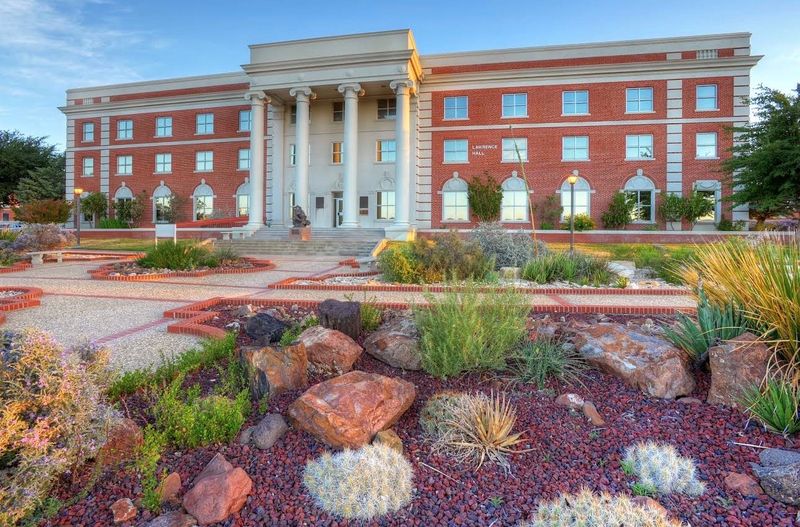
Alpine serves as the cultural and commercial hub of the Big Bend region, which isn’t saying much given how remote this part of Texas is. But that remoteness is precisely the point. With a population around 6,000, Alpine feels substantial compared to surrounding ranch country where neighbors might live twenty miles apart.
Sul Ross State University gives the town a youthful energy and cultural offerings you wouldn’t expect in such an isolated location.
The university’s Museum of the Big Bend houses extensive collections covering regional history, geology, and Native American culture. Exhibits range from prehistoric artifacts to pioneer-era ranching equipment, telling the story of how humans have adapted to this harsh but beautiful landscape. The museum admission is free, making it an easy stop for anyone passing through town.
Downtown Alpine maintains its historic character with well-preserved buildings housing galleries, shops, and restaurants. The art scene here is surprisingly robust, with several galleries showcasing work by local and regional artists inspired by West Texas landscapes. The annual Artwalk brings even more artists and craftspeople to town, transforming downtown into an open-air market and gallery.
Railroad history runs deep in Alpine. The town grew up around the Southern Pacific Railroad, and trains still rumble through several times daily. The old depot has been restored and now serves as a chamber of commerce and museum.
Standing on the platform as a freight train passes, you can imagine the days when this was the only connection between isolated West Texas communities and the rest of the world.
Alpine makes an excellent base for exploring the surrounding region. Marathon, Marfa, and Terlingua all lie within an hour’s drive, as does Big Bend National Park. The town offers more lodging and dining options than its smaller neighbors, plus essential services like grocery stores and gas stations.
Summer temperatures soar, but the elevation of 4,500 feet keeps things slightly cooler than lower desert areas. Winter can actually get cold, with occasional snow transforming the landscape into something completely unexpected. Alpine embodies the independent spirit of West Texas—tough, resourceful, and proud of its remote location that keeps the crowds away.
11. Johnson City
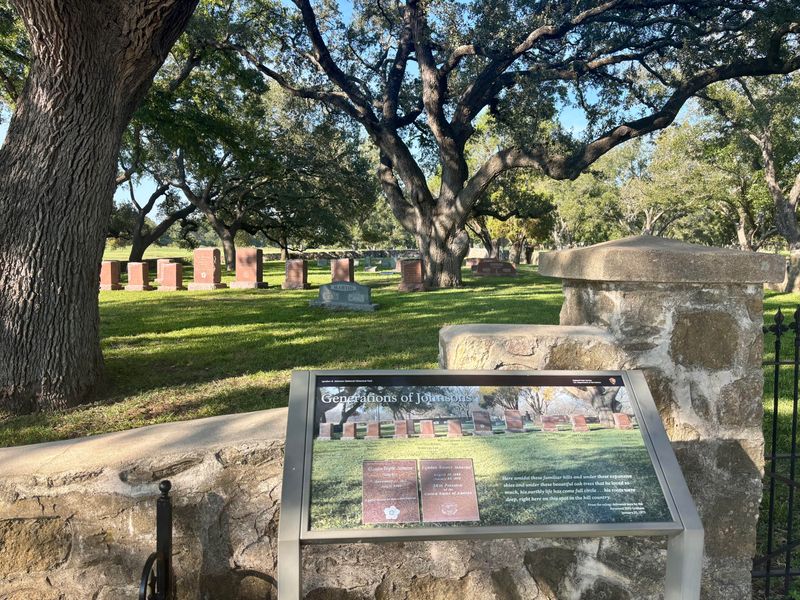
Everywhere you turn in Johnson City, the legacy of its most famous resident still feels close. Lyndon B. Johnson grew up here, and the town serves as gateway to the LBJ Ranch and the Lyndon B. Johnson State Park and Historic Site.
Whether you’re interested in presidential history or not, the ranch offers fascinating insight into Hill Country life and the man who rose from these modest beginnings to the White House.
The LBJ Ranch, also known as the Texas White House, remains much as it was when Johnson used it as his presidential retreat. Tours take you through the house where LBJ conducted business and entertained world leaders in a decidedly casual Texas setting. The reconstructed birthplace, one-room schoolhouse, and family cemetery complete the historical picture.
Rangers share stories about Johnson’s complicated personality and his deep connection to this land.
Downtown Johnson City centers around the Blanco County Courthouse, a beautiful limestone structure that anchors a square lined with local businesses. The town hasn’t been overtaken by tourism despite its presidential connection, maintaining its character as a working Hill Country community. You’ll find genuine local cafes serving breakfast tacos and chicken-fried steak rather than tourist traps capitalizing on the Johnson name.
Pedernales Falls State Park lies just a few miles outside town. The Pedernales River cascades over limestone ledges, creating scenic falls and swimming holes. Hiking trails wind through Hill Country landscape dotted with juniper and oak trees.
Spring wildflowers transform the park into a natural garden, while fall brings cooler temperatures perfect for camping and exploring.
Peach orchards surround Johnson City, and during summer months, roadside stands sell fresh peaches, peach ice cream, and peach preserves. The fruit grown here benefits from Hill Country’s unique combination of soil and climate, producing peaches that are genuinely worth seeking out. Several orchards allow you-pick operations where you can harvest your own fruit straight from the tree.
Johnson City might be small, but it offers a genuine slice of Texas Hill Country life where history, agriculture, and natural beauty intersect. The town doesn’t put on airs or try to be something it’s not—it simply exists as an authentic Texas community that happens to have produced a president.
12. Canyon
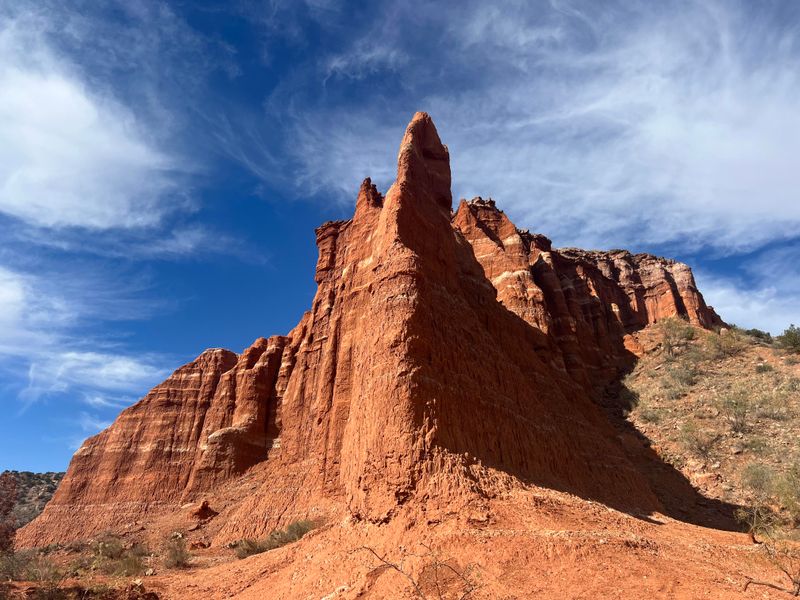
Canyon sits at the doorstep of Palo Duro Canyon, the second-largest canyon system in the United States. While the canyon itself isn’t technically in town, it’s the primary reason most visitors come to this Panhandle community. The canyon stretches 120 miles long and reaches depths of 800 feet, with colorful layers of rock telling millions of years of geological history.
Driving down into the canyon on the winding access road, you transition from flat plains to dramatic landscapes that seem impossible for flat Texas.
Palo Duro Canyon State Park offers hiking, mountain biking, and horseback riding through terrain that ranges from easy riverside trails to challenging rim hikes. The Lighthouse Trail, leading to a distinctive rock formation, ranks as the park’s most popular hike. Summer temperatures can be brutal, but early morning and evening hours provide perfect conditions for exploring.
Camping in the canyon puts you right in the heart of the landscape, where you’ll fall asleep under star-filled skies and wake to sunrise painting the canyon walls in shades of red and orange.
The outdoor musical drama TEXAS Outdoor Musical adds another reason to stay after dark. Performed seasonally in the canyon’s amphitheater, the show uses music, dancing, horses, fireworks, and the canyon walls themselves as part of the backdrop. It feels big, bold, and perfectly matched to the landscape around it.
Back in town, Canyon keeps things easy and welcoming. The Panhandle-Plains Historical Museum gives visitors a deeper look at the region’s ranching, oil, Native American, and frontier history, making it a smart stop before or after exploring the park. The downtown square has a relaxed pace, with local shops, casual restaurants, and enough small-town charm to make the trip feel grounded instead of rushed.
Canyon works because it delivers the Texas many travelers imagine: wide-open skies, dramatic scenery, western history, and a community that still feels connected to the land around it. It may be smaller and quieter than nearby Amarillo, but that is part of the appeal. Visitors come for Palo Duro Canyon, then realize the town itself makes the whole experience easier, warmer, and more memorable.
Share this story