Texas might be famous for wide-open plains and desert landscapes, but hidden throughout the state are some seriously stunning waterfall trails that feel like secret getaways. From the rugged canyons of Big Bend to the lush Hill Country preserves, these paths lead you to cascading water, shaded swimming holes, and breezes that make you forget the summer heat. Whether you’re looking for an easy stroll or a challenging hike, these trails offer the perfect mix of adventure and natural beauty that’ll have you planning your next trip before you even finish the first one.
1. Gorman Falls Trail (Colorado Bend State Park)
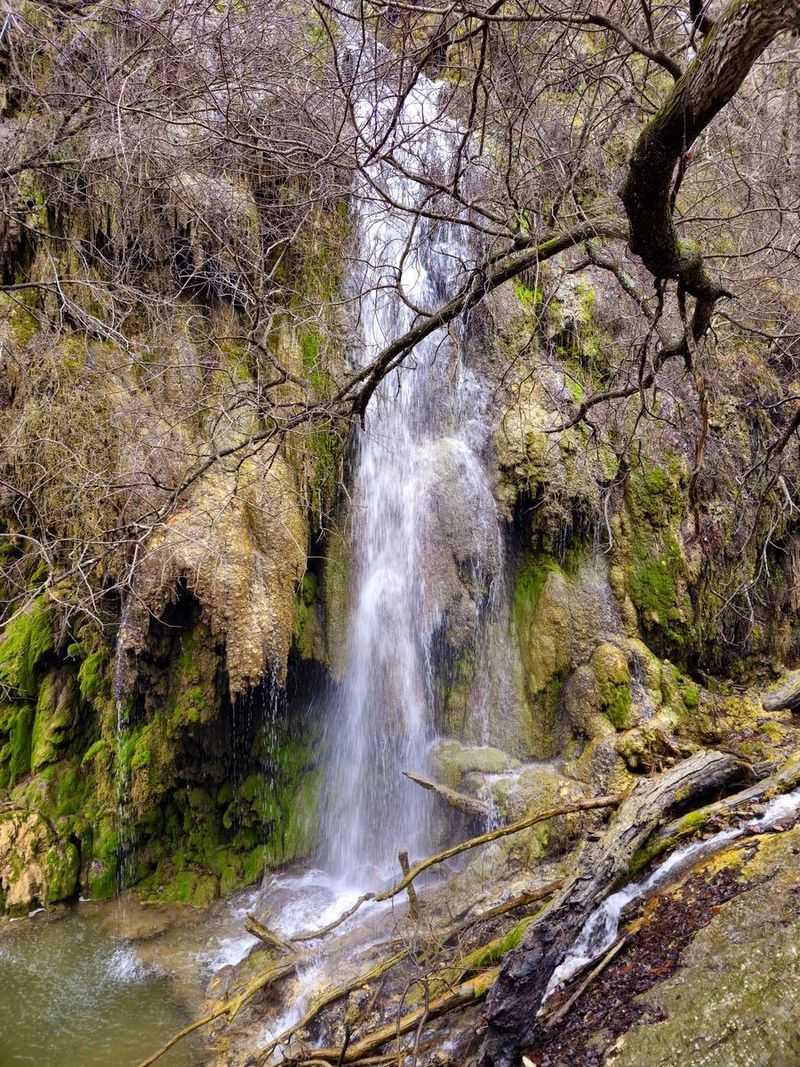
Tucked away in Colorado Bend State Park, Gorman Falls rewards hikers with one of the most photogenic waterfall scenes in all of Texas. The 70-foot cascade spills over a moss-covered limestone cliff, creating a curtain of greenery that looks almost tropical. Getting there requires a moderately challenging 3-mile round-trip hike that winds through rocky terrain and creek crossings, so wear sturdy shoes and bring plenty of water.
The trail itself follows the Colorado River for a stretch before veering off toward the falls. Along the way, you’ll spot interesting rock formations and maybe even some wildlife like deer or armadillos. The path can get slippery near the falls, especially after rain, so watch your footing on those limestone ledges.
What makes Gorman Falls special is the travertine formations that give it that signature emerald glow. Mineral-rich water flows over the rocks, creating layers of moss and ferns that thrive in the constant mist. It’s like stumbling onto a hidden oasis in the middle of Texas Hill Country.
Swimming isn’t allowed directly at the falls to protect the delicate ecosystem, but there are plenty of spots along the river where you can cool off. The park also offers primitive camping if you want to make a weekend of it. Just remember to reserve your spot ahead of time since this place fills up fast during spring and fall.
Visiting during weekdays gives you a better chance of having the falls mostly to yourself. Early morning light creates amazing photo opportunities when the sun filters through the trees and hits the water just right. The hike back feels easier knowing you’ve just witnessed one of Texas’s best-kept natural secrets.
Pack out everything you bring in, and stay on marked trails to help preserve this beautiful spot. The park rangers are serious about conservation here, and for good reason. Gorman Falls is proof that Texas has way more natural diversity than most people realize, and it deserves all the protection it can get.
2. McKinney Falls Trail (McKinney Falls State Park)
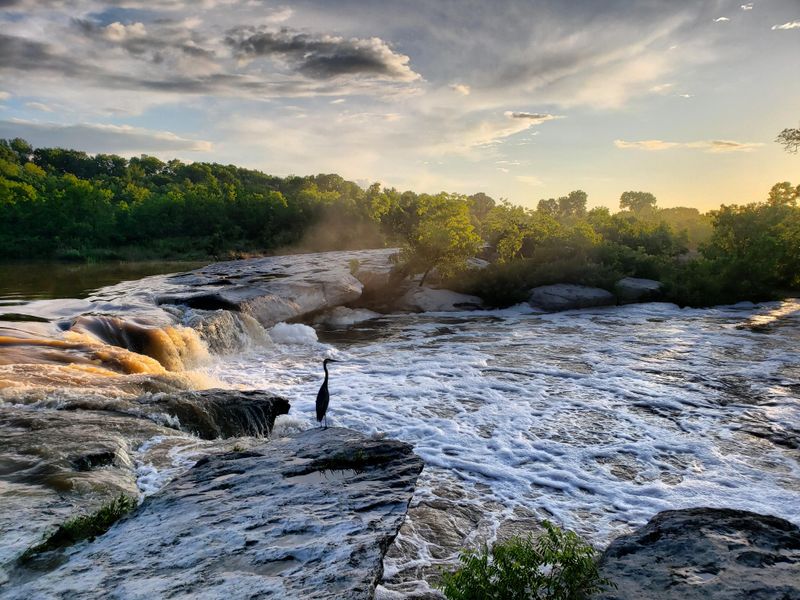
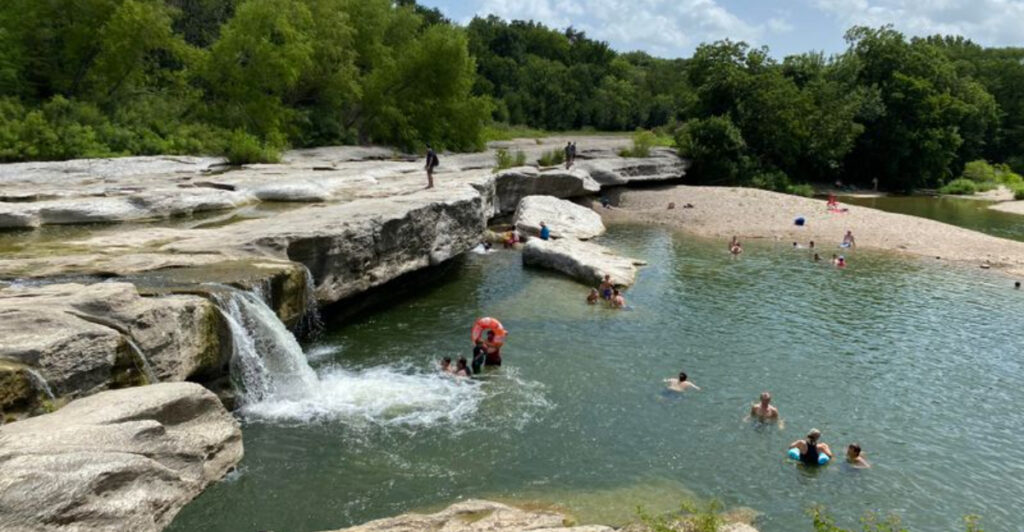
Just minutes from downtown Austin, McKinney Falls State Park feels like a world away from city traffic and honking horns. The park features two main waterfalls—Upper Falls and Lower Falls—both accessible via easy trails that even younger kids can handle. Lower Falls is the showstopper, with water cascading over layered limestone into a popular swimming hole that locals have been visiting for generations.
The trail system here is well-maintained and clearly marked, making it perfect for families or anyone new to hiking. A 3-mile loop connects both falls and follows Onion Creek through shaded groves of oak and juniper trees. During spring, wildflowers add pops of color along the path, and the creek usually runs strong from winter rains.
Upper Falls sits closer to the parking area and offers a gentler cascade that’s still worth the short walk. The surrounding rock formations create natural seating areas where you can rest and listen to the water. It’s a great spot for a picnic if you want to take your time and soak in the scenery.
Lower Falls draws bigger crowds, especially on hot summer weekends when everyone’s looking to beat the heat. The swimming area gets deep enough for adults to fully submerge, and the current stays mild enough for safe wading. Just be aware that water levels drop significantly during drought periods, sometimes reducing the falls to a trickle.
The park also has bike trails and campsites if you want to extend your visit beyond a day trip. Mountain bikers love the rugged terrain, while hikers appreciate the variety of ecosystems packed into this relatively small park. Bird watchers should bring binoculars since the area attracts tons of species year-round.
Entrance fees are reasonable, and the park offers good facilities including restrooms and picnic tables. Get there early on weekends to snag parking and claim your spot at the falls before the lunch rush. McKinney Falls proves you don’t have to drive hours from Austin to find natural beauty and refreshing water.
3. Pedernales Falls Trail (Pedernales Falls State Park)
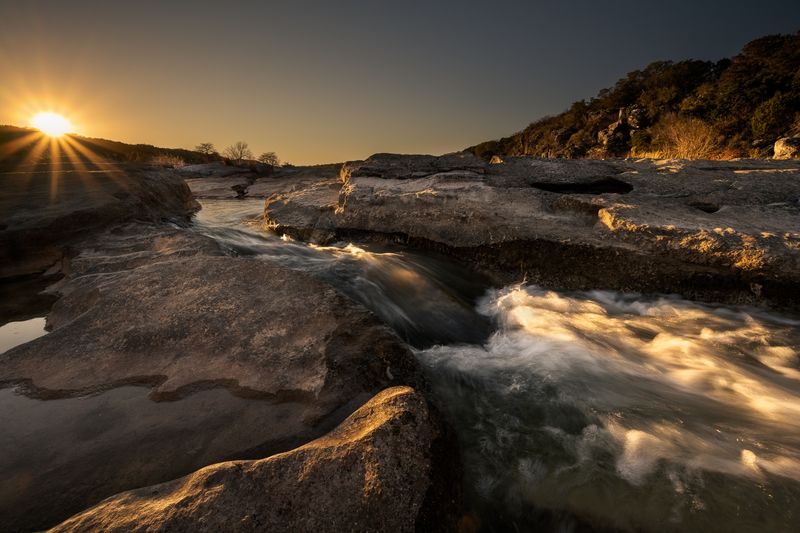
Pedernales Falls isn’t your typical vertical waterfall—instead, picture a wide river tumbling over stepped limestone shelves, creating a series of rapids and pools that stretch across the landscape. Located about an hour west of Austin, this state park showcases the raw power of water shaping rock over thousands of years. The main viewing area sits right off the parking lot, but hiking the trails gives you way better perspectives and fewer crowds.
The 7.5-mile Wolf Mountain Trail offers the most comprehensive tour of the park, looping past the falls and through Hill Country terrain dotted with prickly pear and cedar. For a shorter option, the 2-mile Pedernales Falls Trail hugs the river and provides multiple viewpoints where you can watch the water rush through narrow channels. Wear shoes with good grip since the limestone can be treacherous when wet.
After heavy rains, the falls transform into a thundering spectacle that draws photographers from across the state. The water turns chocolate brown with sediment, and the roar can be heard from the parking area. During dry spells, the flow slows to a gentle trickle, exposing more of the intricate rock formations and creating calm pools perfect for wading.
Swimming is only allowed in designated areas away from the main falls because dangerous currents and undertows have caused accidents in the past. Park rangers strictly enforce these rules, so respect the posted signs. There are safer swimming spots downstream where families can splash around without worry.
The park’s camping facilities are top-notch, with both RV sites and primitive camping options available. Stargazing here rivals anywhere in Texas since light pollution stays minimal. Spring and fall bring the best weather, though summer mornings can be pleasant before the heat sets in.
Wildlife sightings are common along the trails—keep your eyes peeled for white-tailed deer, roadrunners, and various lizard species. The park also serves as an important habitat for golden-cheeked warblers during breeding season. Bring binoculars and a field guide if you’re into nature identification.
4. Hamilton Pool Preserve Trail (Dripping Springs)
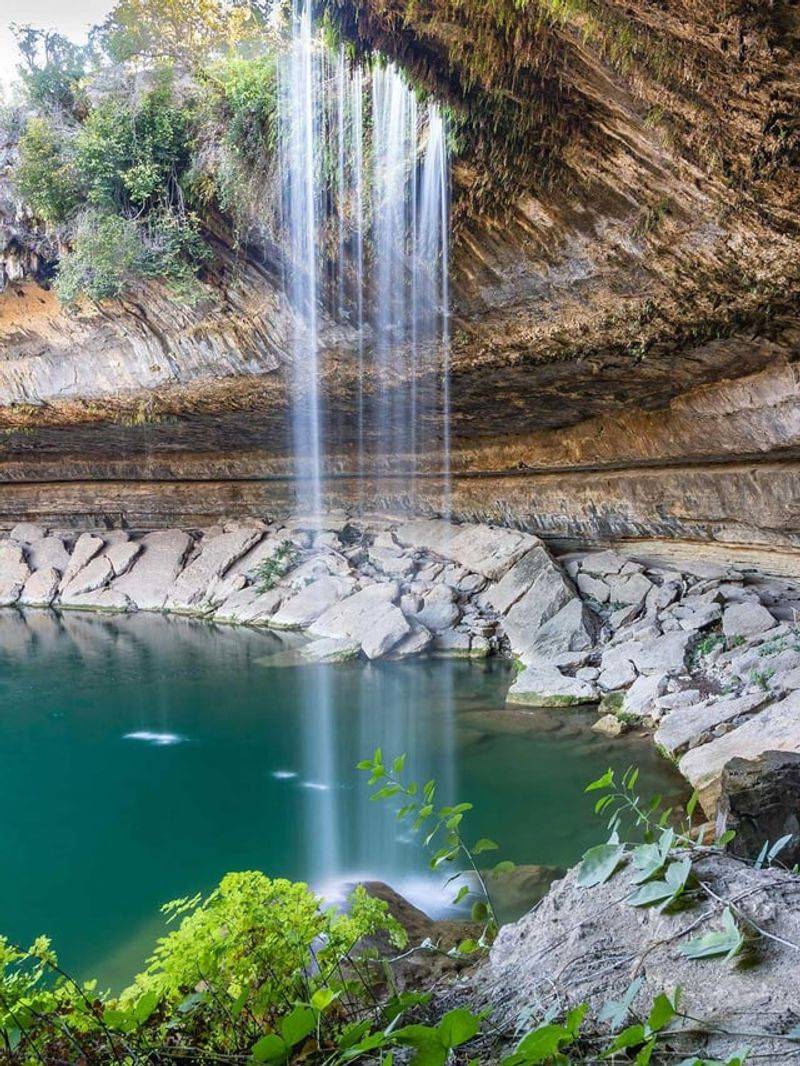
This natural grotto formed thousands of years ago when the dome of an underground river collapsed, creating one of the most photographed natural features in all of Texas. Getting in requires reservations since the preserve limits daily visitors to protect the fragile ecosystem.
The quarter-mile trail down to the pool is steep and rocky, with stairs and railings to help you navigate the descent. It’s not technically difficult, but the uneven footing and elevation change can challenge anyone with mobility issues. Once you reach the bottom, though, the view makes every careful step worthwhile.
The pool itself stays cool year-round, fed by underground springs that maintain a constant temperature. Swimming is allowed when bacteria levels are safe, but the preserve posts updates on their website since conditions change based on rainfall and other factors. Even when swimming is closed, the scenery alone justifies the visit.
Massive stalactites hang from the grotto ceiling, dripping with moisture and creating an otherworldly atmosphere. Ferns and moss cling to the rock walls wherever water seeps through, adding layers of green to the rust-colored limestone. The waterfall’s intensity varies dramatically depending on recent rainfall, from a powerful cascade to a gentle shower.
Reservations book up weeks in advance during peak season, so plan ahead if you want to visit between March and October. The preserve opens at 9 AM, and morning visits offer the best light for photography plus smaller crowds. Parking is limited, and they won’t let you in without a confirmed reservation, so don’t just show up hoping for the best.
The preserve also features an upstream trail that follows the creek through a cypress-lined canyon. This path sees fewer visitors and offers a quieter nature experience with chances to spot birds and butterflies. Pack a lunch and make a full morning of exploring this Hill Country gem before heading back to civilization.
5. Krause Springs Trail (Spicewood)
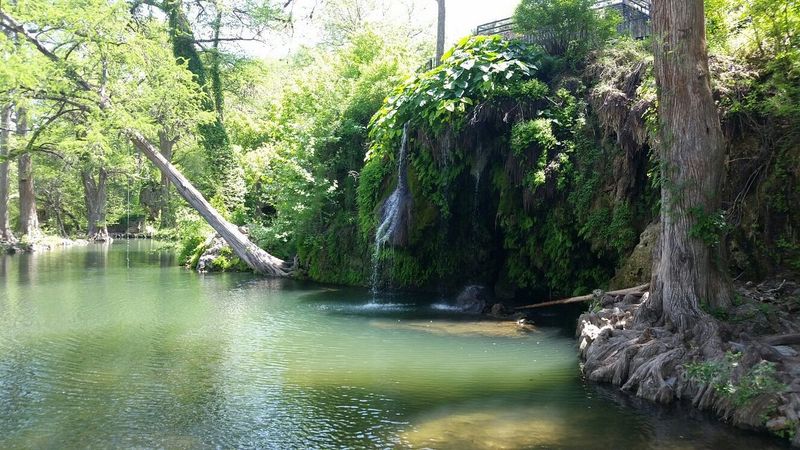
Krause Springs operates as a privately-owned oasis where natural springs feed multiple pools and small waterfalls scattered across a beautifully maintained property. Unlike state parks, this spot has a more relaxed, family-reunion vibe with rope swings, camping areas, and gardens that add pops of color throughout the grounds. The small admission fee supports the family that’s been caring for this land for generations.
The main spring creates a series of cascading pools that flow downhill toward the larger swimming areas. These aren’t dramatic waterfalls, but the constant flow of crystal-clear water creates a peaceful soundtrack and keeps the pools refreshingly cool even during brutal Texas summers. Cypress trees provide plenty of shade, making it comfortable to hang out all day.
A short trail leads from the upper pools down to the lower swimming area, where a larger waterfall spills into a deeper pool popular with teenagers and young adults. The rope swing here gets heavy use, with kids lining up to test their courage. Families with smaller children tend to stick to the shallower upper pools where the water stays calmer.
The property also features butterfly gardens, peacocks wandering freely, and well-maintained camping sites if you want to stay overnight. It’s not wilderness camping—you’ll have neighbors and hear music from other campers—but the convenience of having the springs to yourself after day visitors leave makes it worthwhile. Tent sites and RV spots both fill up on summer weekends, so reserve early.
What sets Krause Springs apart from other swimming holes is the genuine care the owners put into maintaining the property. Bathrooms are clean, trash gets picked up regularly, and they’ve managed to balance public access with environmental protection. It feels less like a commercial attraction and more like visiting a friend’s really awesome backyard.
The springs stay open year-round, and visiting during off-season weekdays can feel like having a private resort. Winter swimming might sound crazy, but the spring-fed water maintains a constant temperature that actually feels warmer than the air during cold months. Just watching the waterfalls and soaking in the peaceful atmosphere makes this a worthwhile escape from city life.
6. Westcave Preserve Trail (Round Mountain)
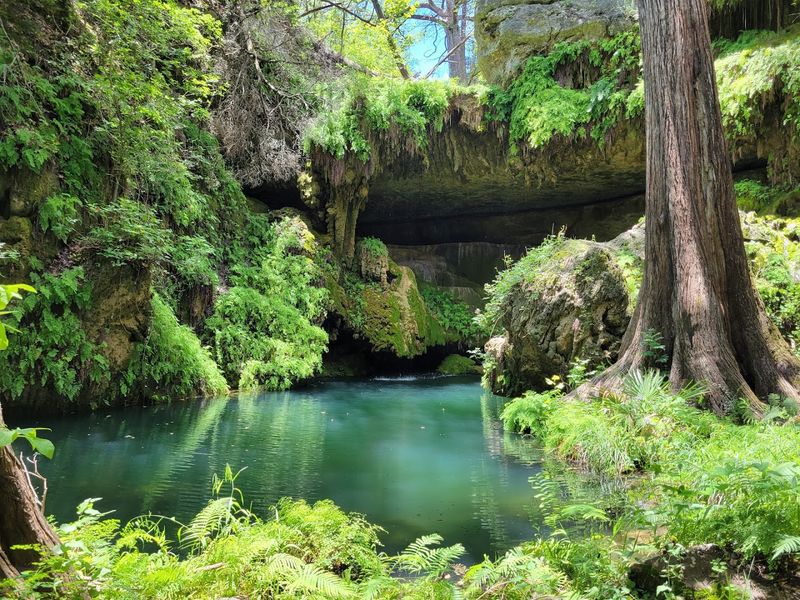
Westcave Preserve protects one of the most ecologically unique spots in the Hill Country, where a 40-foot waterfall pours into a collapsed grotto filled with rare ferns and plants you won’t find anywhere else in Texas. The preserve operates as an outdoor classroom, and visiting requires joining a guided tour that runs on weekends and some weekdays. This might sound restrictive, but the guides share fascinating information about the geology and ecology that you’d miss exploring on your own.
Tours start at the visitor center and follow a three-quarter-mile trail that descends into the canyon. The first half crosses typical Hill Country terrain with juniper and oak trees, offering nice views but nothing too dramatic. Then you round a corner and suddenly you’re standing at the rim of the grotto, looking down at a completely different ecosystem thriving in the constant shade and moisture.
The canyon walls create a natural amphitheater that traps cool air and humidity, allowing species like maidenhair fern and columbine to flourish despite the surrounding semi-arid climate. It’s a living lesson in microclimates and how small environmental differences can create entirely different habitats just yards apart. The waterfall feeds this oasis, though it slows to a trickle during extended dry periods.
Stairs and platforms let you descend into the grotto for a closer look without damaging the fragile plants. The temperature drops noticeably as you go down, and the sound of dripping water echoes off the limestone walls. It’s one of those places that feels almost sacred, like you should whisper out of respect for the ancient processes that created it.
Tours last about 90 minutes and limit group sizes to protect the preserve. Reservations are strongly recommended, especially during wildflower season when demand peaks. The guides are usually volunteers who genuinely love sharing their knowledge, so don’t hesitate to ask questions about anything you see along the trail.
The preserve also maintains an upland trail system for self-guided hiking outside tour times. These paths showcase more typical Hill Country scenery but still offer peaceful walks through cedar breaks and along the canyon rim. It’s a great option if you can’t make a tour time but still want to experience part of the preserve.
7. Cattail Falls Trail (Big Bend National Park)
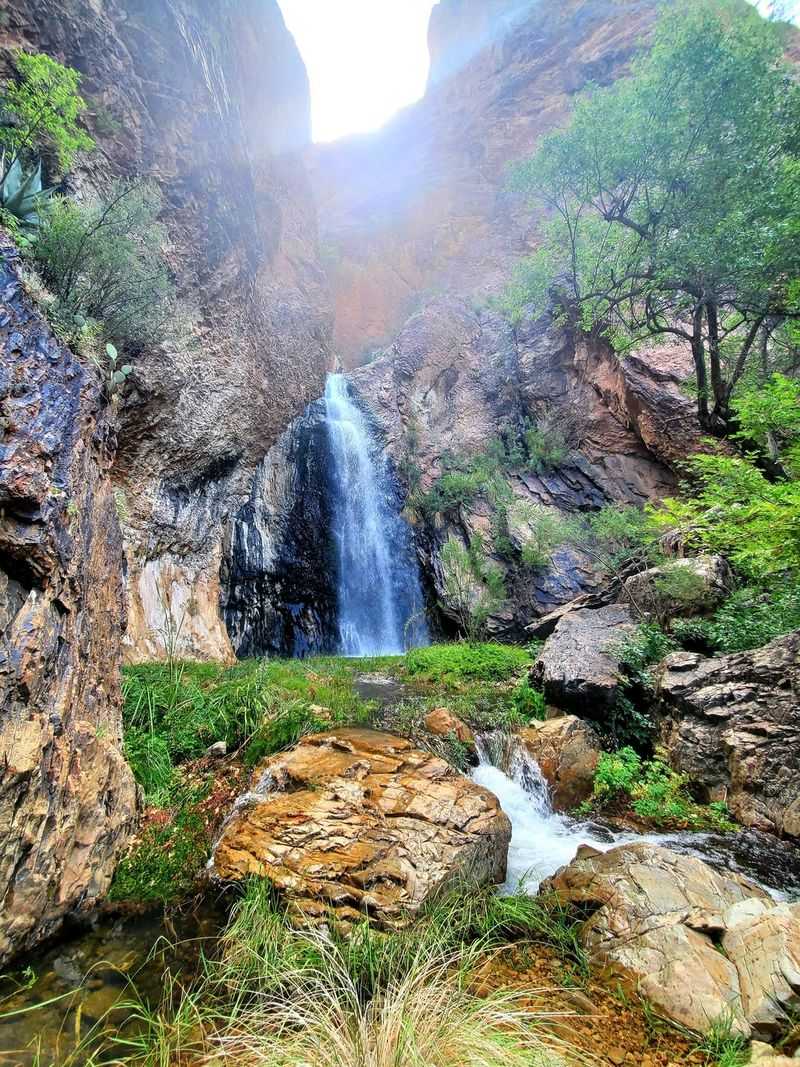
Finding a waterfall in the Chihuahuan Desert sounds impossible, but Cattail Falls proves that Big Bend National Park is full of surprises. This seasonal waterfall appears after significant rainfall, sending water cascading down a rocky canyon surrounded by desert plants and towering cliff walls. The 3-mile round-trip hike starts from the Old Maverick Road and requires some route-finding skills since the trail isn’t always clearly marked.
The path follows a dry wash for most of the journey, winding between boulders and creosote bushes. Navigation gets tricky where the wash splits, so downloading offline maps or bringing a GPS device is smart. The terrain stays relatively flat until the final approach, where you’ll need to do some light scrambling over rocks to reach the falls.
When the falls are flowing, they create a magical oasis in the middle of the desert. Water pools at the base, attracting birds, insects, and occasionally larger animals coming for a drink. The contrast between the lush, wet microenvironment around the falls and the dry desert just yards away is striking.
It’s like nature decided to show off by putting two completely different worlds side by side.
The falls don’t run year-round, so check with park rangers about current conditions before making the hike. After dry spells, you might arrive to find only damp rocks and disappointed hopes. But when they’re flowing, especially in the days following a good rain, the sight of water in the desert feels almost miraculous.
Big Bend’s remoteness means you need to be completely self-sufficient. Bring more water than you think you’ll need, wear sun protection, and tell someone your hiking plans. Cell service is nonexistent in most of the park, so don’t count on calling for help if something goes wrong.
The desert is beautiful but unforgiving to unprepared visitors.
Wildlife encounters are possible on this trail, including javelinas, roadrunners, and various lizard species. Mountain lions live in the area too, though sightings are rare. Making noise while hiking and staying alert helps prevent surprising any animals.
The solitude and raw beauty of this hike make it a favorite among visitors who want to experience Big Bend beyond the main tourist areas.
8. Wichita Falls Trail (Lucy Park)
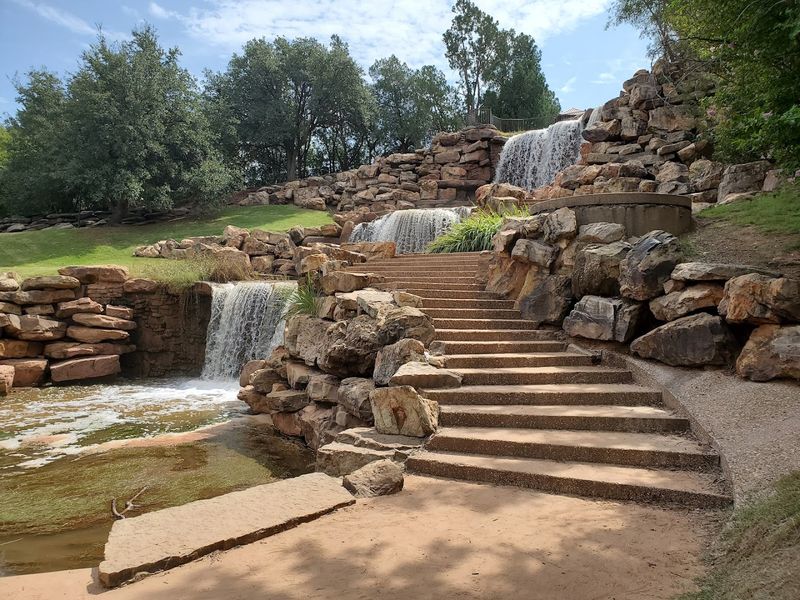
Wichita Falls, the city’s namesake feature, might not be a natural wilderness waterfall, but it offers an interesting piece of Texas history wrapped in a pleasant urban park experience. The original falls washed away in a 1886 flood, and what you see today is a man-made recreation built in the 1980s to restore this landmark. Located in Lucy Park along the Wichita River, the 54-foot-tall falls provide a scenic backdrop for walking, jogging, and family outings.
The park’s trail system includes paved paths perfect for strollers and wheelchairs, plus more rugged routes for mountain bikers and runners looking for a workout. The main trail circles the falls and follows the river through areas shaded by pecan and cottonwood trees. It’s not a challenging hike by any stretch, but it offers a nice escape from city streets without requiring a drive into the countryside.
The falls themselves operate seasonally, usually running from spring through fall when tourism peaks. Water pumps from the river create the cascade, which flows over a terraced concrete structure designed to mimic natural rock formations. It’s definitely more park feature than wilderness experience, but the sound of falling water and the mist on a hot day still provide that refreshing atmosphere people seek.
Lucy Park offers much more than just the falls, with playgrounds, picnic areas, and disc golf courses spread across the grounds. Families often make a full day of it, combining a walk to see the falls with lunch at the pavilions and playtime for kids. The park hosts community events throughout the year, from concerts to charity runs.
For serious hikers and nature purists, this might not scratch the wilderness itch. But for locals and travelers passing through Wichita Falls, it’s a pleasant stop that combines a bit of history with outdoor recreation. The park stays well-maintained and safe, making it ideal for evening walks or morning jogs when you just need some fresh air and movement.
The best time to visit is during spring when the surrounding vegetation greens up and wildflowers bloom along the trails. Early morning offers the most peaceful experience before the park fills with joggers and families. It’s a reminder that not every waterfall experience needs to involve backcountry hiking—sometimes a beautiful urban park hits the spot just right.
9. Spicewood Springs Trail (Colorado Bend State Park)
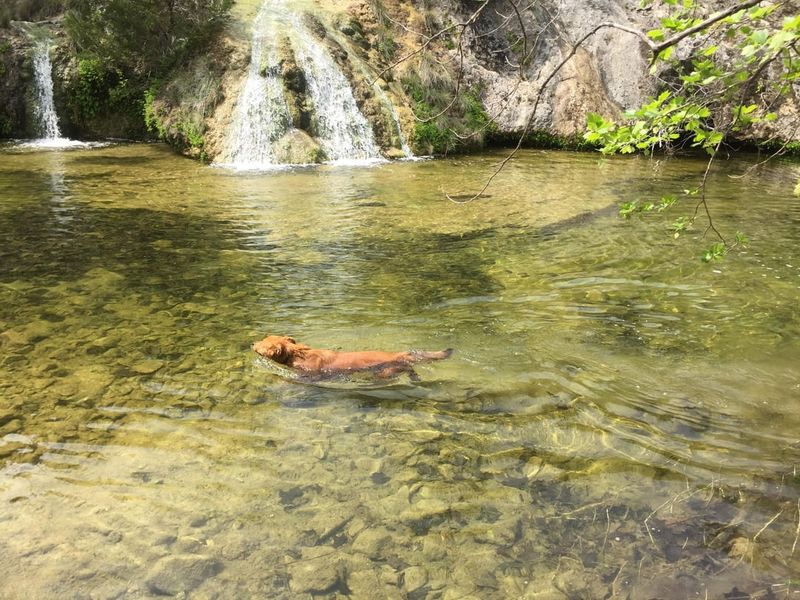
Colorado Bend State Park offers more than just Gorman Falls, and Spicewood Springs Trail proves it with a completely different hiking experience. This 5-mile loop takes you through rugged Hill Country terrain to a series of smaller springs and cascades that create their own little paradise away from the main attractions. The trail sees fewer hikers than the Gorman Falls route, offering more solitude for those willing to put in the extra miles.
The path starts near the park’s primitive camping area and immediately climbs through rocky terrain covered in juniper and oak. Views open up occasionally, showing the Colorado River valley below and the surrounding hills. The elevation changes are noticeable but manageable for anyone with moderate fitness levels.
Spicewood Springs itself consists of multiple seeps and small waterfalls that feed a clear creek. The water stays cold year-round, flowing from underground sources that maintain constant temperatures regardless of surface conditions. During summer, these springs create cool pockets of air that feel amazing after hiking through the heat.
The area around the springs supports lush vegetation that contrasts sharply with the drier hillsides. Ferns, moss, and wildflowers cluster wherever water seeps from the rocks, creating miniature gardens that attract butterflies and birds. It’s less dramatic than Gorman Falls but equally beautiful in its own subtle way.
This trail requires more navigation skills than some of the park’s other routes since markers can be sparse in places. Bringing a map or GPS device helps, especially where the trail crosses rocky areas where the path isn’t obvious. The park’s website offers downloadable trail maps that work offline, which is smart since cell coverage is spotty at best.
Wildlife sightings are common on this less-traveled trail. White-tailed deer browse in the early morning and evening, while various bird species flit through the trees throughout the day. Armadillos root around in the leaf litter, seemingly oblivious to hikers passing by.
The quiet makes it easier to observe animals going about their business.
Pack plenty of water and snacks since this hike takes several hours at a comfortable pace. The springs offer a perfect rest stop roughly halfway through the loop. Taking time to sit and listen to the water while cooling your feet in the creek makes the whole experience more memorable than just rushing through to check it off a list.
10. Blanco Falls Trail (Blanco State Park area)
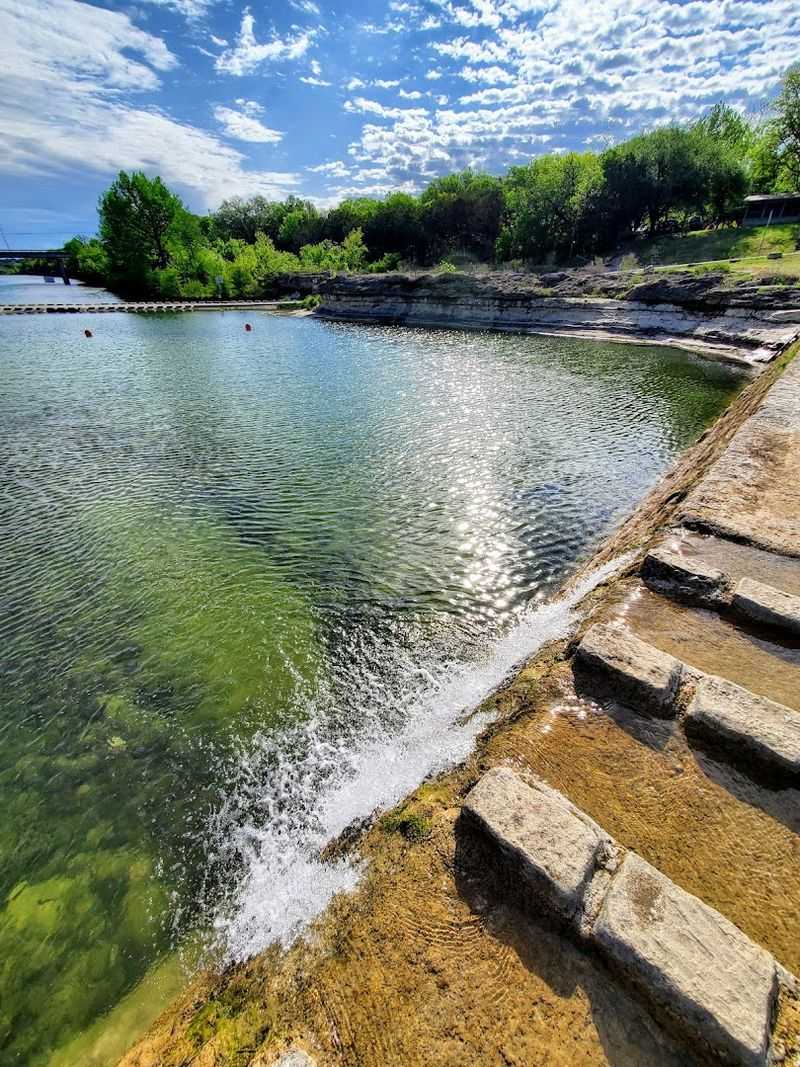
The Blanco River creates a series of small waterfalls and rapids as it flows through the town of Blanco, offering an easily accessible natural feature right in the middle of a charming Hill Country community. While not technically within Blanco State Park itself, the falls sit on public land with trail access from several points. The limestone shelves create stepped cascades that look particularly impressive after spring rains when the river runs high and fast.
A short trail from downtown Blanco leads to viewing areas overlooking the falls. The path is more of a casual walk than a serious hike, making it perfect for families with young children or anyone looking for a quick nature break while exploring the town. During summer, locals treat the calmer pools as swimming holes, though you’ll want to be cautious about water levels and currents.
The falls themselves aren’t massive—we’re talking about drops of a few feet rather than dramatic plunges—but the way water carves through the white limestone creates beautiful patterns and peaceful sounds. Cypress trees line the banks, their roots gripping the rocks and providing shade over the water. It’s a classic Texas Hill Country scene that feels timeless.
Blanco State Park, located nearby, offers more extensive trails and camping facilities if you want to extend your visit. The park’s trails follow the river both upstream and downstream from the main recreation area, passing through cypress groves and open meadows. Combining a visit to the falls with some time in the park makes for a nice half-day adventure.
The town of Blanco itself is worth exploring, with antique shops, local restaurants, and a historic courthouse square. It’s one of those small Texas towns that hasn’t been completely overrun by tourists yet, maintaining an authentic feel. Grabbing lunch at a local spot and then walking to the falls beats eating chain food at a highway exit any day.
Water conditions vary dramatically throughout the year. Spring typically brings the highest flows and most impressive displays, while late summer can reduce the falls to a trickle during drought conditions. The Blanco River is known for flash flooding during heavy rains, so always check weather conditions and never enter the water if storms are forecast.
Safety matters more than getting that perfect photo.
11. Window Trail (Big Bend National Park)
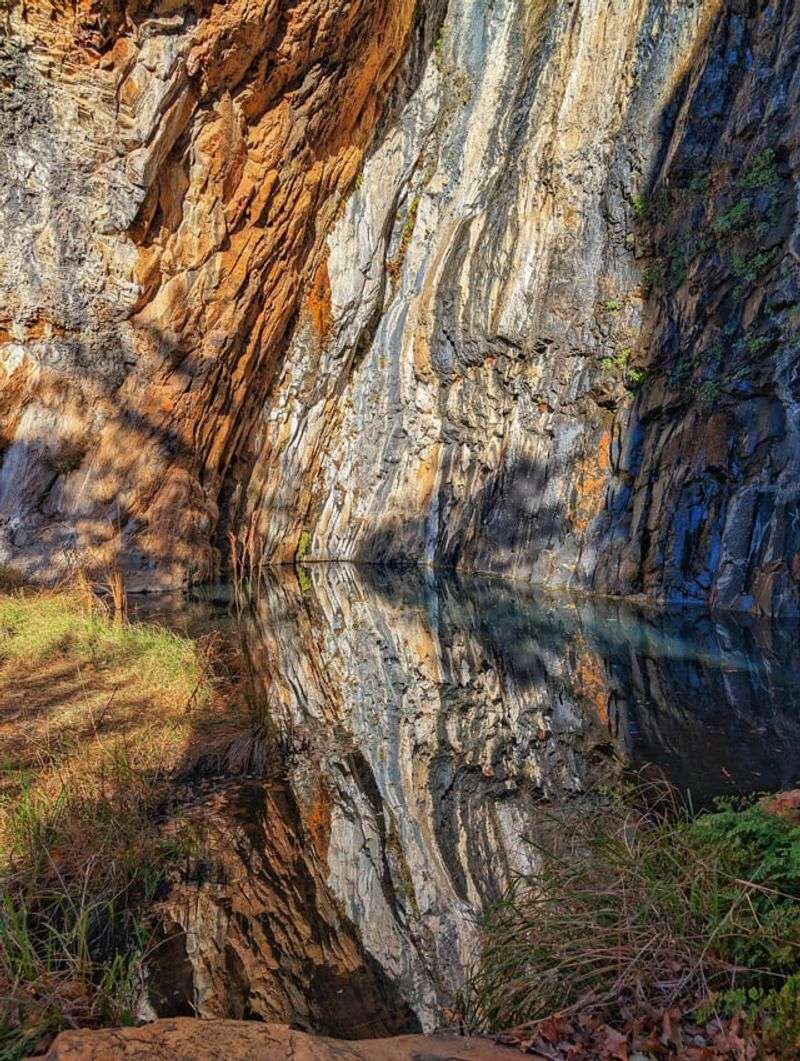
The Window Trail in Big Bend’s Chisos Basin delivers one of the park’s most iconic views, where a seasonal waterfall pours through a V-shaped notch in the mountains during wet periods. This 5.6-mile round-trip hike descends nearly 1,000 feet from the trailhead to the Window, a natural opening that frames views of the desert below. The trail is well-maintained and heavily trafficked by Big Bend standards, but the scenery keeps it interesting despite the crowds.
Starting from the Chisos Basin, the trail follows Oak Creek through a mountain canyon lined with oak, juniper, and pine trees. The shade is welcome, especially during summer months when temperatures elsewhere in the park become dangerous. The downhill journey feels easy at first, though your knees might remind you about all that descent on the way back up.
The Window itself is a narrow pour-off where water drains from the entire basin during rainy periods. When flowing, the waterfall drops about 200 feet down the cliff face below the window opening. Even without water, the view through the Window toward the desert plains is spectacular, especially during sunset when golden light illuminates the landscape.
After significant rainfall, the waterfall transforms this spot into something magical. Water rushes through the narrow gap with impressive force, creating mist and rainbows when the light hits just right. The sound echoes off the canyon walls, and the whole basin comes alive with flowing water.
These moments are relatively rare, making them extra special when you’re lucky enough to witness them.
The hike back up to the trailhead is no joke, especially in warm weather. That 1,000-foot elevation gain feels much longer than the distance suggests, and the high altitude can leave flatlanders gasping. Taking your time and carrying plenty of water is essential.
Starting early in the morning gives you the best chance of avoiding midday heat.
Wildlife is abundant along this trail, with rock squirrels begging for food near the trailhead and more timid creatures like Carmen white-tailed deer appearing in quieter sections. Black bears occasionally visit the basin, so making noise while hiking and storing food properly at campsites is important. The biodiversity here is remarkable for a desert environment.
Sunset hikes to the Window are popular and require good planning. You’ll need a headlamp for the return trip since darkness falls quickly in the canyon. The reward is watching the sun sink below the horizon while framed by the Window opening, painting the sky in brilliant colors.
Just remember that uphill climb in the dark and budget enough time to get back safely.
12. Boykin Springs Trail (Angelina National Forest)
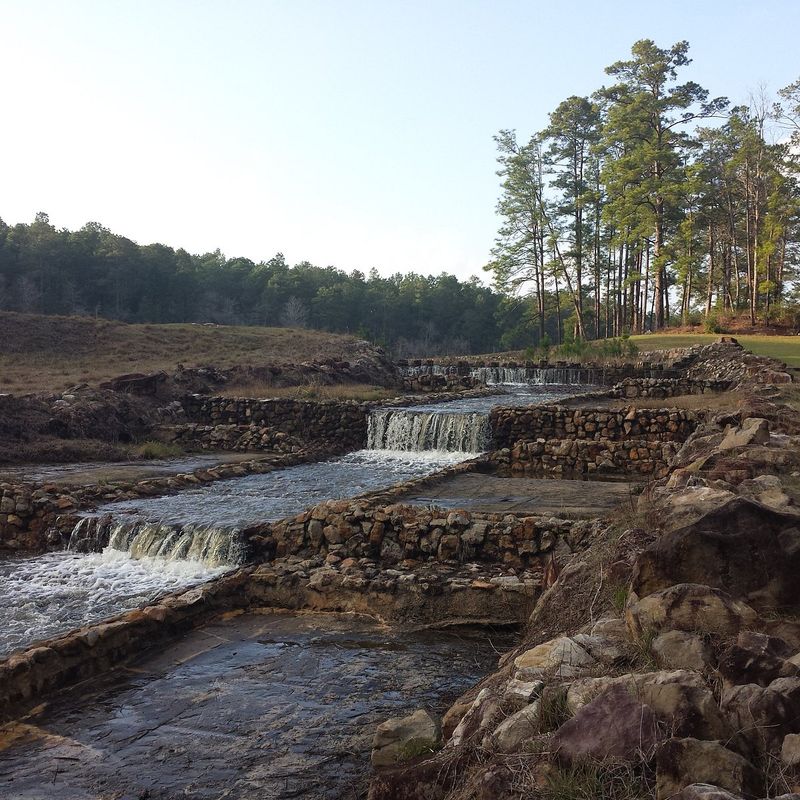
In East Texas, the trail feels worlds away from the Hill Country, with tall pines, thick undergrowth, and a humidity level that makes it feel almost like Louisiana. The trail system here includes a 5.5-mile loop that passes by Boykin Creek, where small cascades form over natural rock formations during periods of good flow. It’s not dramatic waterfall scenery, but the East Texas forest environment is a refreshing change from desert and Hill Country landscapes.
The main trail circles Boykin Lake before heading into the forest toward the creek. Towering loblolly pines create a canopy that keeps the trail relatively cool even during summer, though the humidity can still be oppressive. The forest floor is carpeted with pine needles and fallen leaves, and the air smells like earth and vegetation.
Boykin Creek features several spots where water tumbles over small ledges and exposed roots, creating miniature waterfalls and pools. These aren’t destinations you’d drive hours to see on their own, but they add pleasant variety to the hike. The sound of running water attracts birds and other wildlife, making these areas good spots to pause and observe nature.
The recreation area includes a developed campground with sites scattered among the pines. It’s popular with families and RVers looking for a forested camping experience without traveling to far-flung destinations. The facilities are well-maintained, and the lake offers swimming and fishing opportunities.
Combining camping with hiking lets you experience the forest during different times of day when wildlife is most active.
Spring brings wildflowers to the understory, including wild azaleas that add splashes of pink and white to the green forest. Fall colors are subtle compared to northern forests, but the changing light and cooler temperatures make it a pleasant time to visit. Summer means bugs—lots of them—so bring insect repellent and be prepared to share the trail with mosquitoes and horseflies.
This area sees fewer visitors than Texas’s more famous natural attractions, which means more solitude on the trails. You might encounter other hikers near the recreation area, but once you get deeper into the forest, you’ll often have the place to yourself. The quiet, broken only by bird calls and rustling leaves, is one of the best parts of hiking in East Texas.
Share this story