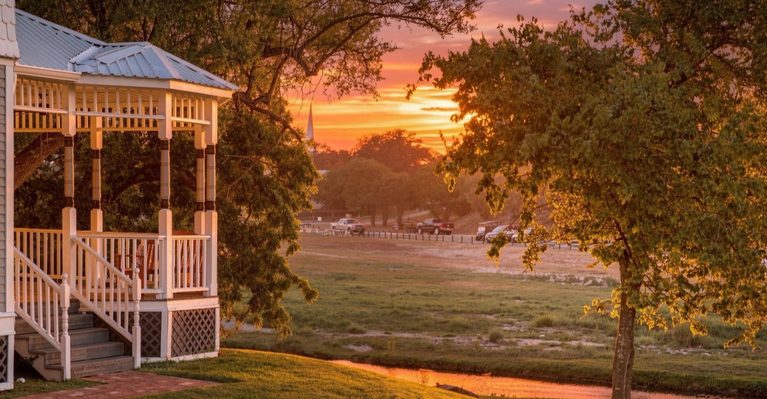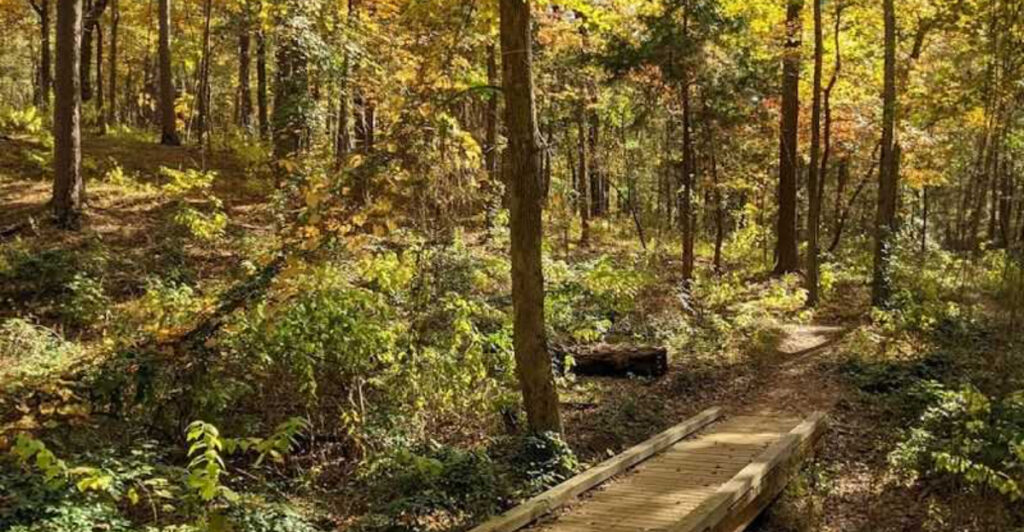
Texas might be famous for wide-open spaces and sprawling deserts, but tucked away across the state are trails that feel like portals to entirely different worlds. Towering canopies of trees create natural tunnels, filtering sunlight into golden beams while offering shade and mystery around every turn. Whether you’re craving a quiet walk under ancient cypresses or an adventure through dense forest, these tree-lined paths prove that Texas has secrets worth discovering on foot.
1. Lost Maples East Trail (Lost Maples State Natural Area)
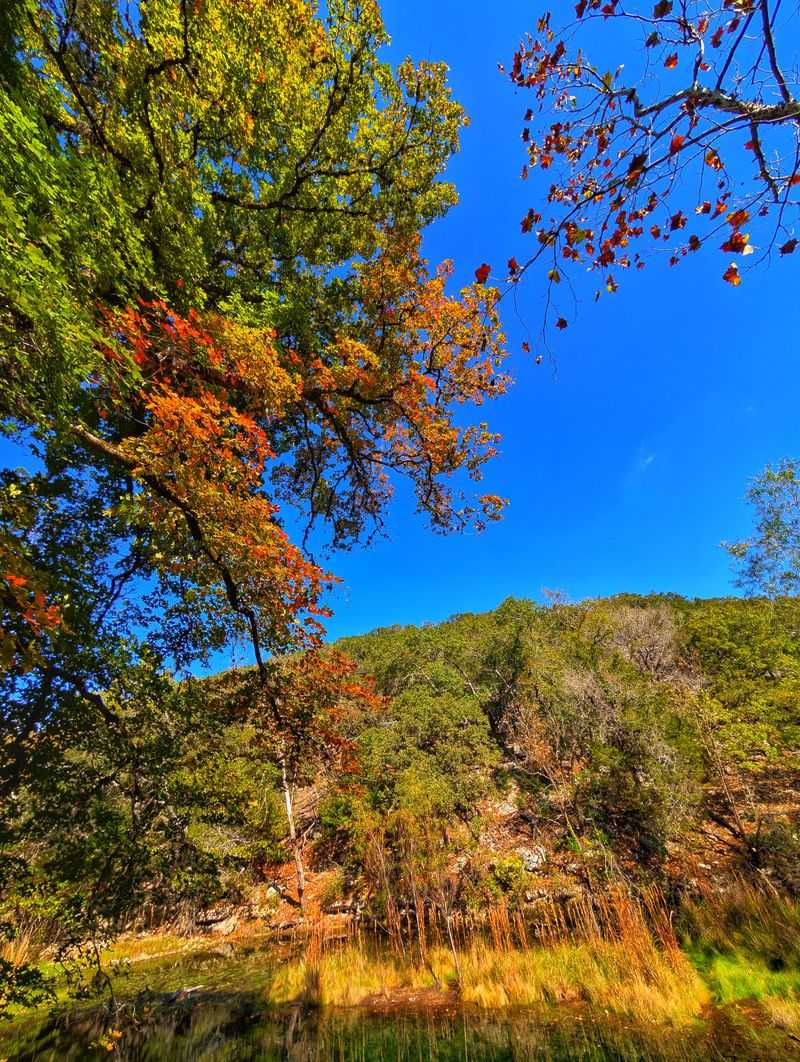
When autumn arrives in the Hill Country, this trail transforms into something straight out of a fairy tale. Maples blaze in shades of crimson and gold, creating a canopy so vivid it almost doesn’t seem real. The East Trail winds through rugged limestone cliffs and follows seasonal creeks, offering hikers a front-row seat to one of Texas’s most spectacular natural shows.
What makes this path special isn’t just the foliage—it’s the sense of discovery around every bend. You’ll cross rocky stream beds where water trickles over smooth stones, pass through shaded groves that stay cool even on warm days, and climb to viewpoints that reveal layers of colorful treetops stretching toward distant hills. The terrain challenges your legs without overwhelming beginners, making it accessible for families willing to take their time.
Timing matters here more than almost anywhere else in Texas. Peak color usually hits late October through early November, but Mother Nature doesn’t follow a strict calendar. Arrive too early and the leaves stay green; come too late and they’ve already carpeted the ground.
Local rangers post updates during fall, so checking ahead saves disappointment.
The trail stretches roughly 4.4 miles round-trip with moderate elevation changes that reward effort with sweeping views. Pack plenty of water since shade doesn’t equal coolness when you’re climbing. Early morning visits offer softer light for photos and fewer crowds competing for prime spots along the route.
Even outside peak season, this trail delivers quiet beauty. Spring wildflowers dot the hillsides, summer brings lush greenery, and winter reveals the skeletal architecture of the maples themselves. No matter when you visit, the East Trail reminds you that Texas holds surprises for those willing to wander off the beaten path and into the trees.
2. Bald Cypress Trail (Caddo Lake State Park)
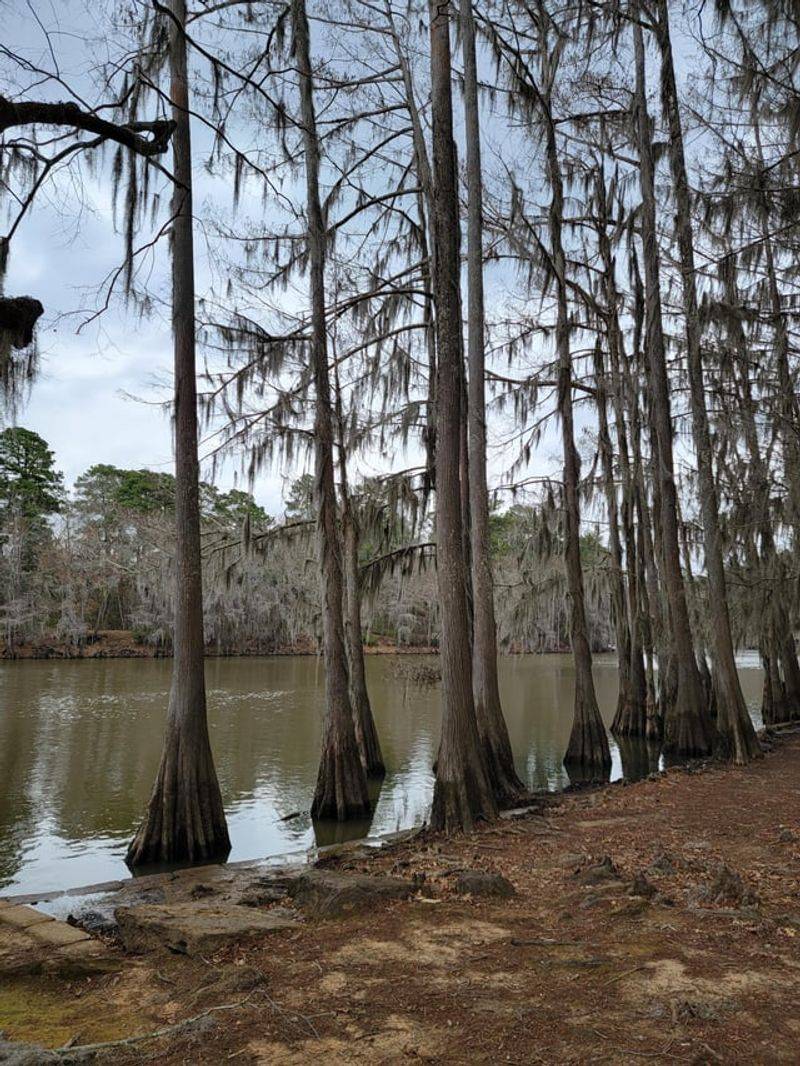
Caddo Lake feels like Louisiana crashed into East Texas and decided to stay. This trail guides you through a landscape so atmospheric it could be the backdrop for a Southern gothic novel. Ancient bald cypress trees rise from murky water, their knobby knees poking up like natural sculptures while Spanish moss drapes from branches overhead.
The air hangs thick and humid, filled with the sounds of frogs, birds, and the occasional splash of something unseen.
The boardwalk-style path keeps your feet dry while bringing you eye-level with this unique ecosystem. You’ll weave between massive tree trunks, some hundreds of years old, their bases flared wide to anchor them in the soft, waterlogged soil. Sunlight filters through the canopy in shafts that illuminate the still water below, creating reflections so perfect they play tricks on your eyes.
Wildlife thrives here in ways you don’t see in drier parts of Texas. Alligators sun themselves on logs (keep a respectful distance), herons stalk the shallows with prehistoric patience, and turtles stack themselves on every available surface. The biodiversity makes every visit different—you never know what you’ll encounter around the next bend in the boardwalk.
The trail itself runs about 1.5 miles, manageable for most fitness levels since it’s flat and well-maintained. Bring bug spray—mosquitoes consider this paradise too. Early morning or late afternoon visits offer the best light for photography and slightly cooler temperatures during summer months.
This isn’t your typical Texas trail experience. There are no sweeping vistas or mountain views, just an intimate journey through a wetland ecosystem that feels both ancient and alive. The cypress trees create a cathedral-like atmosphere that quiets conversation and invites contemplation, making this path perfect for those seeking solitude wrapped in natural mystery.
3. Kirby Nature Trail (Big Thicket National Preserve)
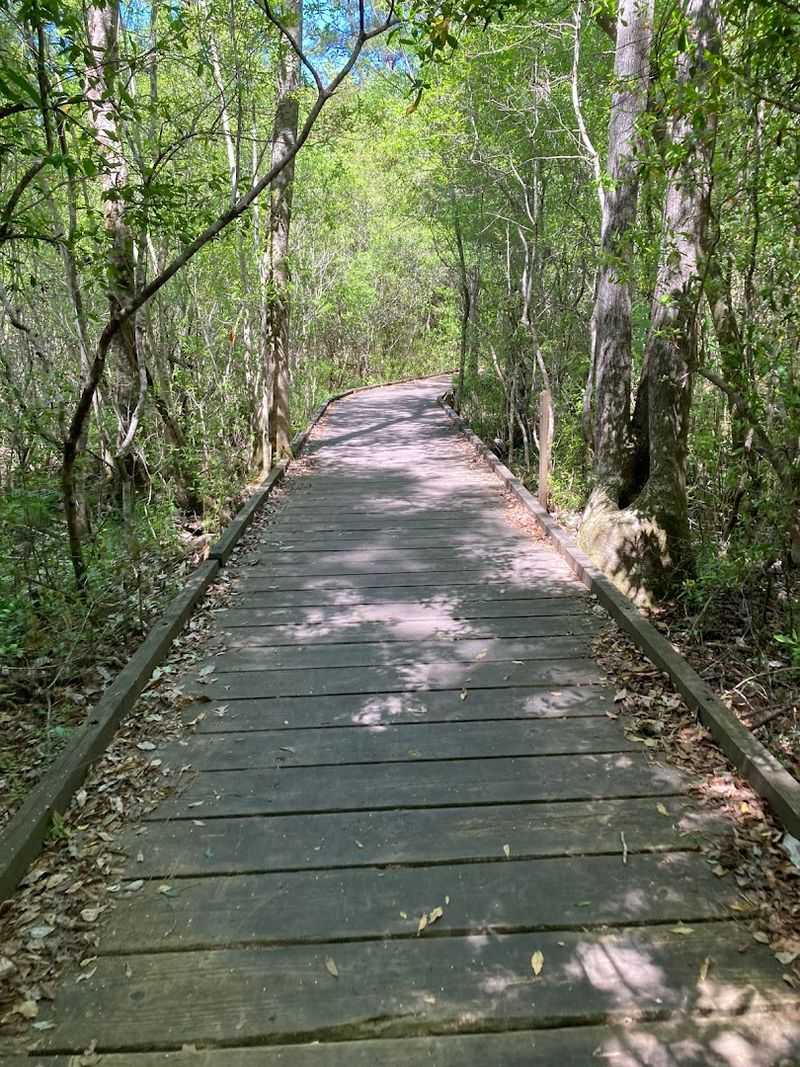
Big Thicket earned its name honestly—this is Texas at its most tangled and wild. The Kirby Nature Trail plunges you into a forest so dense it feels like stepping into another climate zone entirely. Towering loblolly pines reach skyward while a thick understory of palmettos, ferns, and hardwoods creates layers of green that block out much of the outside world.
It’s humid, shaded, and refreshingly different from the Texas most people imagine.
Biodiversity reaches crazy levels here because Big Thicket sits at the intersection of several ecosystems. Plants from eastern forests mingle with species from the coastal plains and even some that wandered over from Appalachian regions. Botanists get genuinely excited about this place, and once you start noticing the variety of trees, vines, and flowers, you understand why.
Four different insect-eating plant species grow wild here, including pitcher plants that trap prey in fluid-filled leaves.
The loop trail covers 2.4 miles of relatively flat terrain, but don’t let that fool you into thinking it’s a quick stroll. The environment demands attention—exposed roots cross the path, boardwalk sections navigate wetland areas, and the sheer amount of life competing for space means there’s always something worth pausing to examine. Benches along the route invite you to sit and simply absorb the forest sounds.
Summer brings intense heat and humidity, so spring and fall visits feel more comfortable for extended hiking. Wear closed-toe shoes with good traction since the trail can get muddy after rain. Bug spray isn’t optional—bring the good stuff and reapply as needed.
What strikes most visitors is how different this feels from stereotypical Texas landscapes. No wide skies or endless horizons here, just an immersive forest experience that proves the state’s ecological diversity runs deeper than most people realize. The Kirby Trail offers a genuine escape into wilderness that feels borrowed from somewhere much farther east.
4. Gorman Falls Trail (Colorado Bend State Park)
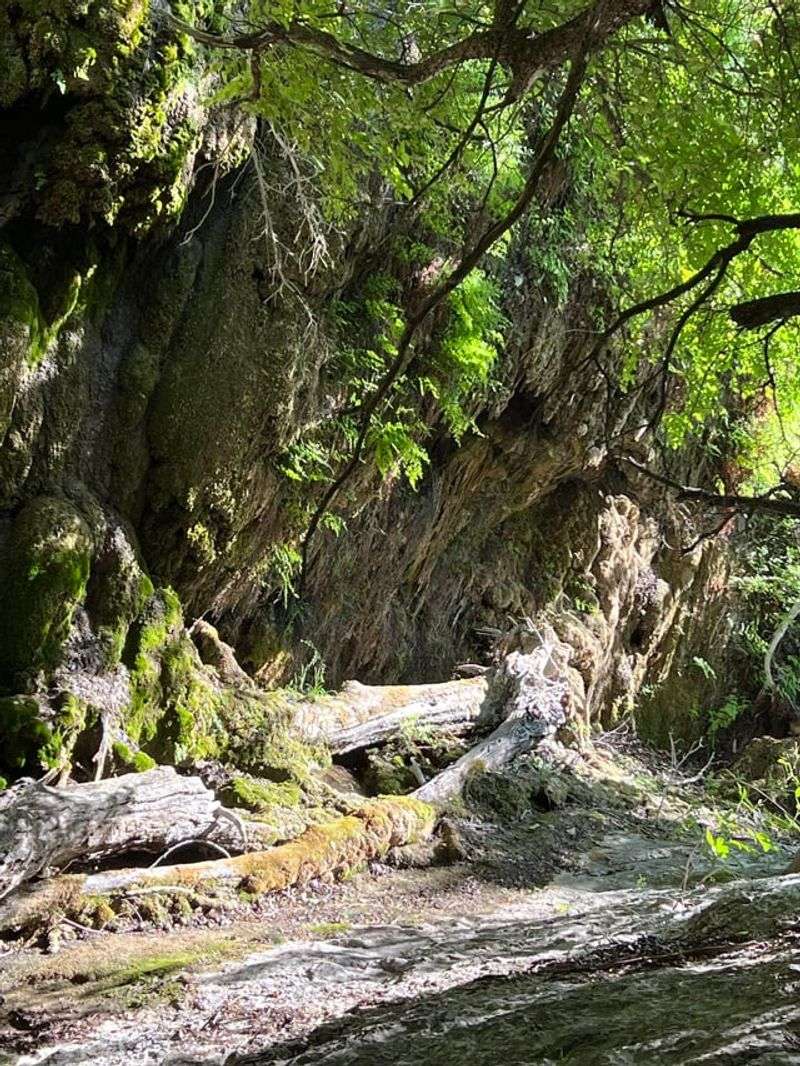
Few Texas trails deliver a payoff quite like this one. The hike to Gorman Falls takes you through typical Hill Country terrain—rocky, scrubby, hot—then suddenly drops you into a hidden grotto where a 60-foot waterfall spills over a cliff covered in emerald moss and ferns. The contrast feels almost surreal, like discovering a secret garden behind a plain door.
Water tumbles down travertine formations, creating pools and streams that support vegetation you’d never expect to find in Central Texas.
Getting there requires commitment. The trail covers roughly 3 miles round-trip with steep sections that challenge your knees and test your footing. Loose rocks and uneven terrain mean watching where you step rather than gazing at scenery.
But that moment when you round the final bend and see the falls? Worth every drop of sweat.
The microclimate around the waterfall supports plant life that seems transported from somewhere much wetter. Maidenhair ferns drape the cliff face, moss grows thick and vibrant, and the air feels noticeably cooler thanks to the constant mist. Photographers love this spot for its dramatic composition and unique lighting conditions created by the surrounding canopy.
Water flow varies by season—spring runoff creates the most impressive displays while late summer can reduce the falls to a trickle. Check recent visitor reports before making the drive since a dry waterfall disappoints after that hike. The park requires reservations for day use, so plan ahead rather than showing up spontaneously.
Bring more water than you think you’ll need and wear sturdy hiking boots with ankle support. The trail isn’t suitable for young children or anyone with mobility limitations due to the steep, rocky descent to the falls. Allow at least two hours for the round trip, plus time to rest and enjoy the destination.
This trail rewards adventurous spirits willing to work for their views. It’s not a casual stroll but rather a proper hike that earns you access to one of Texas’s most photogenic and unexpected natural features.
5. Lakeshore Trail (Tyler State Park)
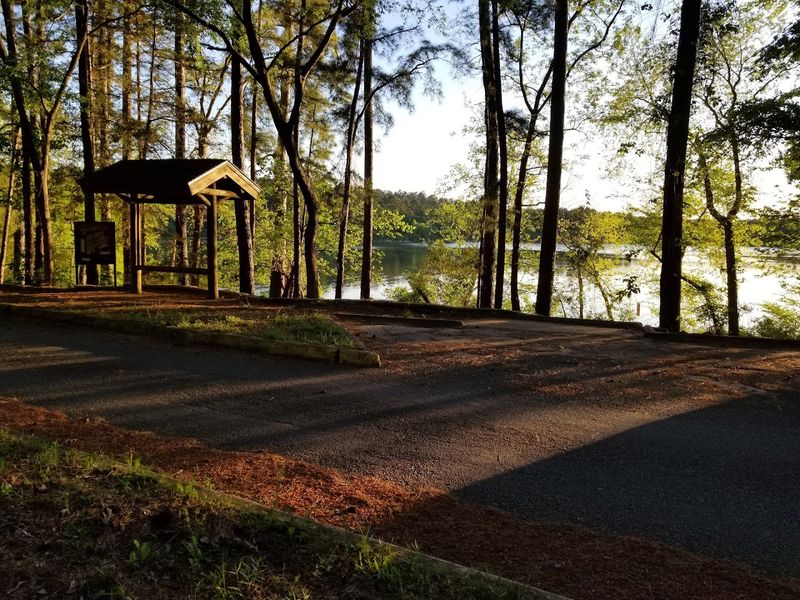
East Texas knows how to do forests right, and this trail proves it. The Lakeshore Trail hugs the edge of a 64-acre lake, weaving through stands of towering pines that cast dappled shadows across the path. It’s the kind of walk that feels effortless—flat enough for easy conversation, shaded enough to stay comfortable, scenic enough to hold your attention from start to finish.
The combination of water views and forest atmosphere creates a peaceful rhythm that makes miles pass quickly.
The full loop covers about 2 miles, though you can extend your adventure by connecting to other park trails if you’re feeling ambitious. Benches positioned at scenic overlooks invite you to pause and watch sunlight dance across the water or spot turtles basking on logs near the shore. The trail surface stays well-maintained, making it accessible for families with strollers or anyone preferring a smoother walking experience.
Wildlife sightings happen regularly along this route. Deer browse near the trail in early morning hours, woodpeckers hammer at pine trunks echoing through the forest, and various waterfowl paddle along the lake’s edge. Bring binoculars if you’re into bird watching—the diversity of species using this habitat throughout the year keeps things interesting.
Spring brings wildflowers blooming beneath the pines, summer offers maximum shade when you need it most, fall delivers cooler temperatures perfect for longer walks, and winter reveals the forest’s bare-bones structure while keeping the pines green. Each season changes the experience slightly while maintaining the trail’s fundamental appeal.
Tyler State Park gets busy on weekends, especially during peak seasons, so early arrivals claim the best parking spots and enjoy quieter trails. The park charges a modest entrance fee, but if you visit Texas state parks regularly, an annual pass pays for itself quickly. Facilities including restrooms and picnic areas make this an easy destination for half-day outings.
This trail doesn’t demand anything from you—no steep climbs, no technical sections, no endurance tests. It simply offers a lovely walk through classic East Texas scenery where pines meet water and stress melts away with each step.
6. River Place Nature Trail (Austin)
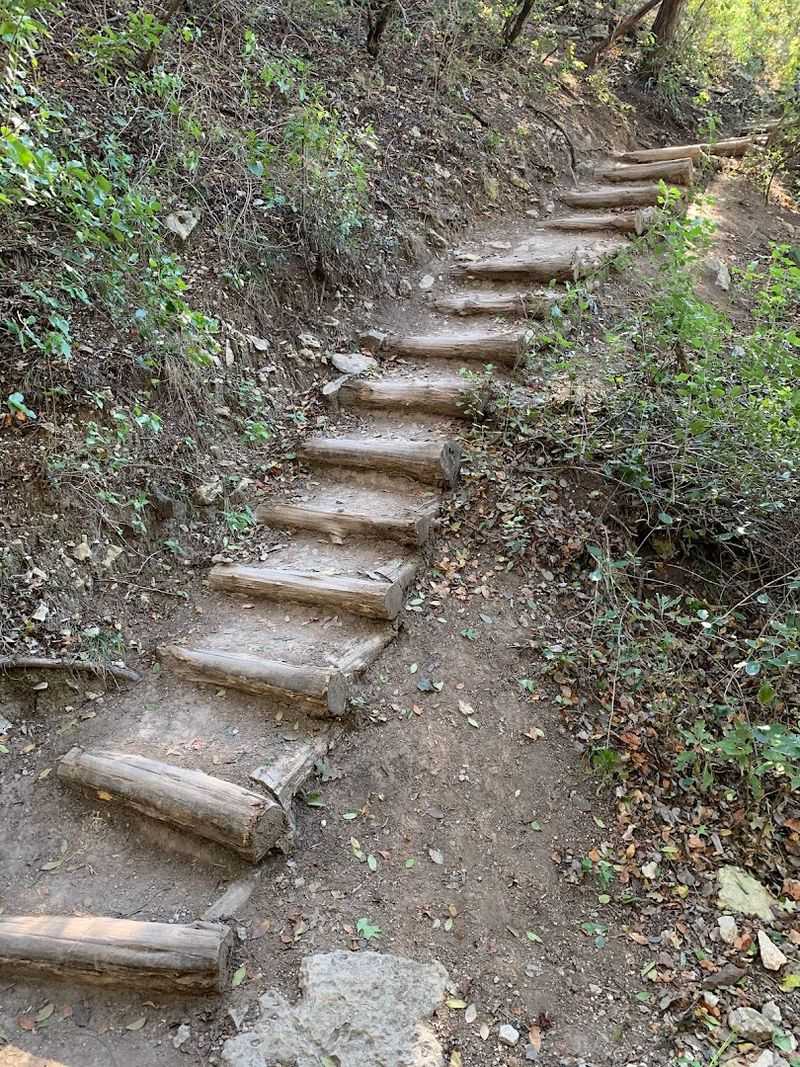
Hidden in a northwest Austin neighborhood, this trail feels like a secret locals guard jealously. River Place Nature Trail drops into a limestone canyon where Bull Creek flows (when it flows—this is Texas, after all), creating a shaded corridor that stays surprisingly cool even during brutal summer months. Live oaks arch overhead, limestone walls rise on both sides, and the urban world disappears despite being just minutes from major roads.
The trail network offers several route options ranging from easy half-mile strolls to more challenging 3-mile loops with rock scrambling and creek crossings. Families with young kids stick to the lower sections where the path stays wide and gentle. More adventurous hikers tackle the limestone ledges and steeper climbs that reveal elevated views of the canyon and surrounding hills.
What makes this spot special is its accessibility combined with genuine natural beauty. No long drives to remote locations, no entrance fees, no reservations required—just park in the neighborhood and start walking. Yet the scenery rivals trails much farther from civilization.
The limestone formations create interesting geology to examine, the mature trees provide ample shade, and the creek (when running) adds the soothing sound of flowing water.
Dog owners love this trail since leashed pets are welcome and the varied terrain keeps pups engaged. Just watch for loose rocks and steep drop-offs, especially if your dog tends to wander. The trail can get crowded on pleasant weekend mornings when half of Austin seems to have the same idea about getting outdoors.
Summer heat demands early morning or evening visits unless you enjoy sweating profusely. Spring and fall offer ideal conditions with comfortable temperatures and the chance to see wildflowers or fall colors depending on timing. Even winter stays pleasant since Austin’s mild climate rarely produces truly cold days.
Parking can be tricky since this is a residential area without a formal trailhead lot. Be respectful of neighborhood streets, don’t block driveways, and keep noise levels reasonable. The locals tolerate trail users because most visitors behave responsibly—don’t be the person who ruins it for everyone else.
7. Sculpture Falls Trail (Barton Creek Greenbelt)
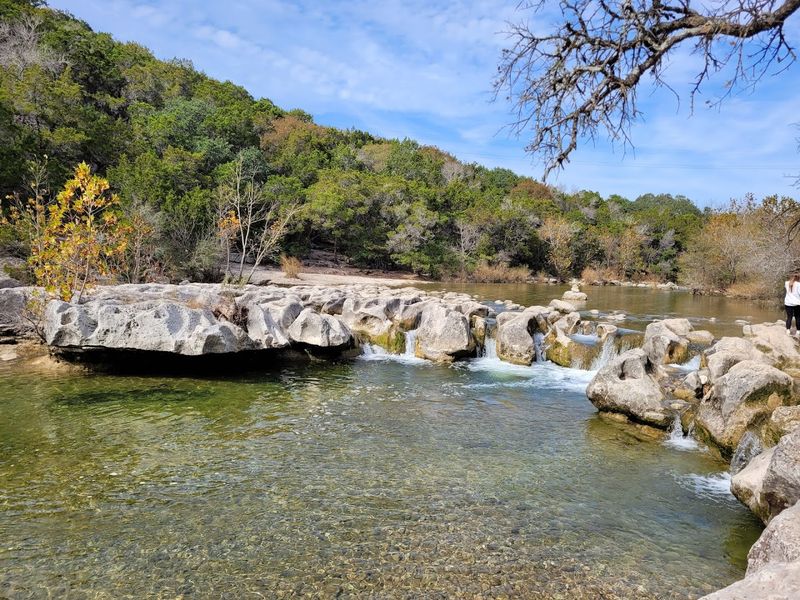
Barton Creek Greenbelt threads through the heart of Austin, offering an escape from city life without actually leaving city limits. The hike to Sculpture Falls takes you along a creek bed where water flows over smooth limestone, through groves of cypress and oak trees, and eventually to a small waterfall that locals treat like a summer destination spot. When water levels cooperate, the falls create perfect swimming holes where you can cool off after the hike in.
The trail covers roughly 3 miles round-trip from the Loop 360 trailhead, though distance varies depending on which access point you choose. The path stays relatively flat but requires navigating rocks, roots, and occasional creek crossings. During dry periods, you might walk on exposed creek bed; after rains, expect to get your feet wet.
Wear shoes you don’t mind soaking—water-friendly hiking sandals work great here.
Austin’s outdoor enthusiasts flock to this trail year-round, creating a social atmosphere that some people love and others find overwhelming. Weekends during summer turn the falls area into a party scene with swimmers, sunbathers, and dogs everywhere. If crowds aren’t your thing, visit on weekday mornings or during cooler months when only dedicated hikers venture out.
The surrounding trees create a canopy that provides welcome shade along much of the route. Massive bald cypresses grow right from the creek bed, their roots gripping limestone and creating natural sculptures that rival anything in a gallery. The interplay of water, rock, and trees gives this trail a distinctive character that feels quintessentially Austin—natural, accessible, and slightly quirky.
Water levels determine the experience significantly. Spring rains create rushing water and dramatic falls; summer heat can reduce flow to a trickle or eliminate it entirely. Check recent trip reports online before heading out to avoid disappointment.
Flash flooding poses real danger during storms, so never hike here when rain threatens or when the creek runs high and swift.
Bring water, sunscreen, and snacks since there are no facilities once you leave the parking area. The Greenbelt has become so popular that parking fills up quickly on nice days, so arrive early or be prepared to search for street parking in nearby neighborhoods.
8. Boy Scout Woods Trail (Sam Houston National Forest)
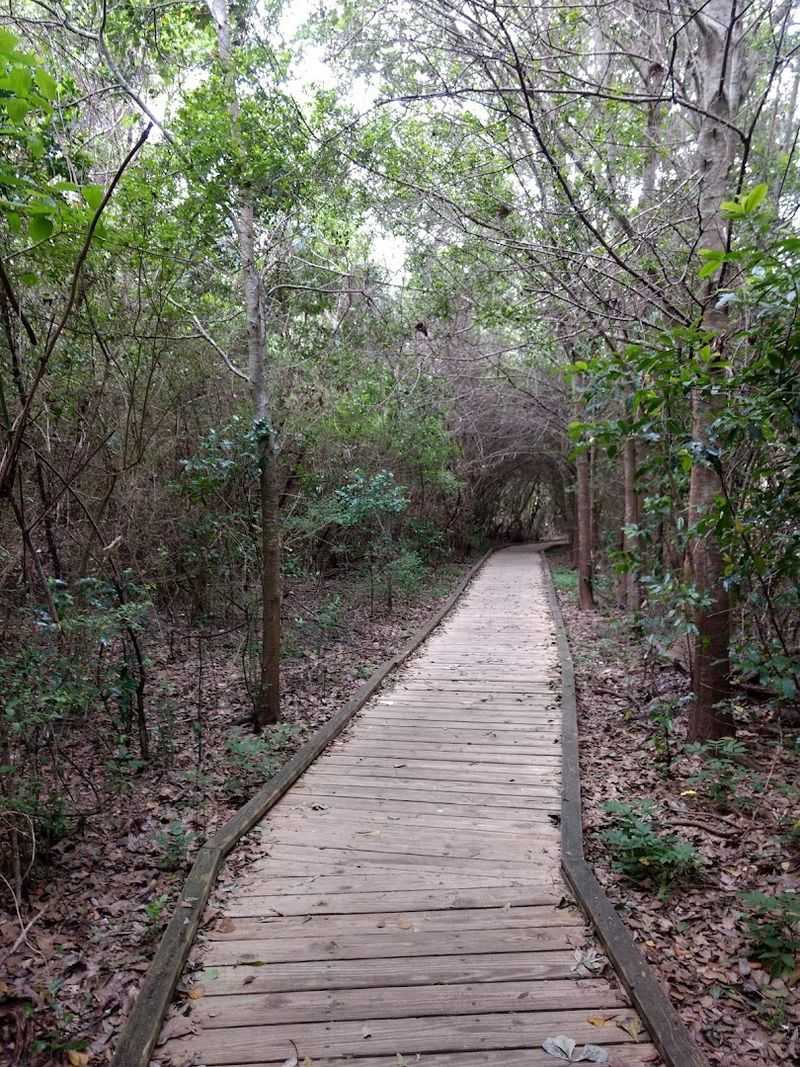
Sam Houston National Forest protects some of the last significant old-growth forest in East Texas, and this trail takes you right into its heart. Boy Scout Woods Trail immerses you in a cathedral of hardwoods where beech, magnolia, and oak trees tower overhead, their massive trunks testament to decades of undisturbed growth. The understory grows thick with ferns, palmettos, and various shrubs, creating a layered forest that feels primeval and untouched.
The trail forms a loop of about 5.5 miles, though you can shorten the hike by using connector trails if you’re not up for the full distance. Terrain stays mostly flat since you’re wandering through bottomland forest, but exposed roots and occasional muddy sections require attention. Boardwalk segments cross the wettest areas, keeping your boots dry while providing elevated views into the forest structure.
What sets this trail apart is the sense of age and continuity. These aren’t young trees regrowing after logging—many of the giants here were saplings when Texas gained statehood. Their size and presence create an atmosphere of quiet majesty that commands respect.
You can practically feel the history soaking into the ground beneath your feet.
Birders appreciate the diversity of species attracted to this mature forest habitat. Woodpeckers, warblers, and various songbirds fill the canopy with calls and movement. Patient observers might spot deer, armadillos, or even wild hogs (give those guys plenty of space).
The forest teems with life in ways that younger, more disturbed habitats simply can’t match.
Mosquitoes and humidity reach legendary levels during summer, making spring and fall the preferred seasons for comfortable hiking. Bring bug spray with high DEET content and apply liberally—the insects here don’t mess around. Long sleeves and pants help despite the heat, especially if you’re sensitive to bites.
The trailhead includes basic facilities but nothing fancy. This is national forest land, meaning fewer amenities than state parks but also fewer crowds and more solitude. Pack out everything you pack in, stay on marked trails to protect the fragile ecosystem, and leave no trace of your visit so others can enjoy this ancient forest for years to come.
9. Guadalupe River Trails (Guadalupe River State Park)
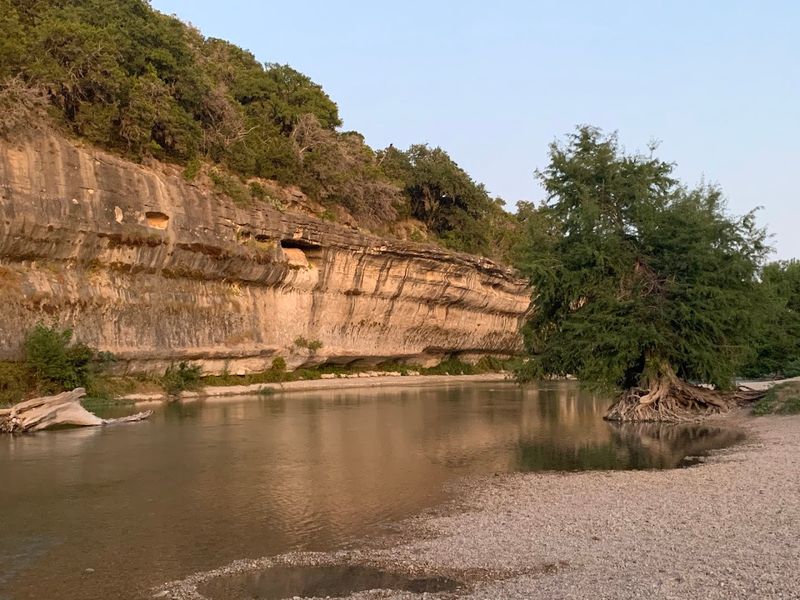
The Guadalupe River cuts through limestone hills, creating a riparian corridor where bald cypress trees grow right from the water’s edge and create a shaded paradise for hikers. Multiple trails crisscross this state park, but the paths hugging the river deliver the most rewarding experiences. Clear water flows over limestone bedrock, creating rapids, pools, and riffles that provide constant visual and auditory interest.
The combination of Hill Country terrain and river ecosystem creates habitat diversity that keeps every section of trail feeling fresh.
Trail options range from easy riverside strolls to more challenging loops that climb away from the water for hilltop views before descending back to the river. The 2-mile River Trail follows the Guadalupe closely, offering frequent access points where you can scramble down to the water’s edge. During summer, these spots become impromptu swimming areas where hikers cool off before continuing their journey.
Spring brings the most dramatic water flow as winter rains and Hill Country runoff swell the river to impressive levels. The increased volume creates more dramatic rapids and fills side channels that sit dry during other seasons. Wildflowers bloom across the hillsides, adding splashes of color to the already scenic landscape.
Fall offers cooler temperatures and beautiful light, though water levels drop significantly by late autumn.
Bald cypresses dominate the riverbanks, their distinctive knees poking up from shallow water and their feathery foliage turning russet before dropping in winter. These trees create natural tunnels in places where their branches arch over the trail, filtering sunlight and providing welcome shade. The contrast between the dark green river, pale limestone rocks, and bright foliage creates stunning photographic opportunities.
The park gets extremely busy during summer weekends when tubers and swimmers pack the river. If you’re seeking solitude, visit on weekday mornings or during cooler months when the crowds thin out. The entrance fee is reasonable, and facilities including restrooms, picnic areas, and even campsites make this a destination where you could easily spend a full day.
Wear water shoes or sandals with good traction since you’ll likely want to wade at some point. Bring plenty of water despite hiking near a river—that water isn’t safe to drink without treatment. Sunscreen matters too since not all trail sections stay shaded.
10. The Window Trail (Big Bend National Park)
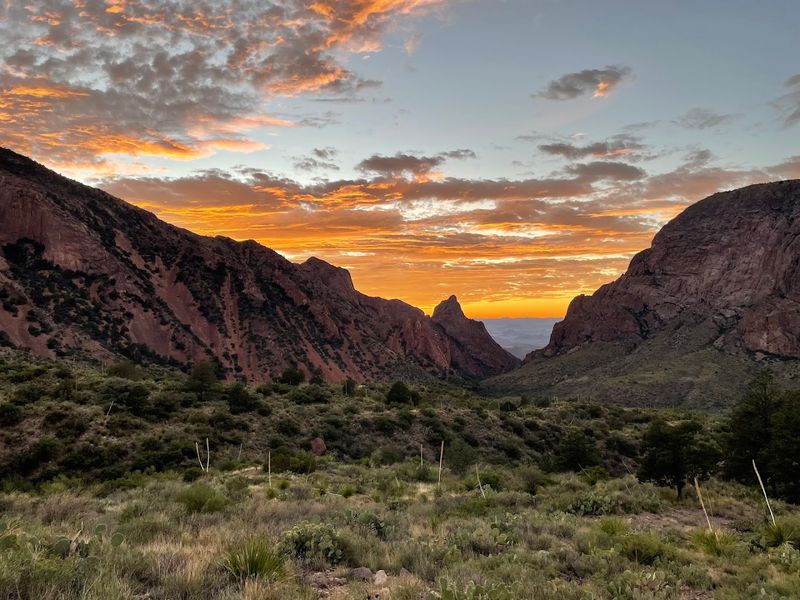
Big Bend might be famous for desert landscapes, but the Chisos Basin sits high enough to support a surprising amount of tree cover. The Window Trail descends through this mountain forest, following Oak Creek through groves of Arizona cypress, oak, and juniper trees before arriving at a dramatic V-shaped notch in the mountains where the creek pours through a natural window. The destination view ranks among the most photographed scenes in Texas, especially at sunset when golden light illuminates the desert far below.
The trail covers 5.6 miles round-trip with significant elevation change—what goes down must come back up, and that return climb tests tired legs after a few hours of hiking. The descent feels gentle and pleasant as gravity helps you along, but don’t underestimate the workout you’ll get coming back. Pace yourself, take breaks, and save energy for the return journey.
Trees provide intermittent shade along the route, a welcome relief in a park where exposed desert trails can feel brutal. The microclimate created by the basin’s elevation and the creek’s presence allows vegetation that seems out of place in Big Bend’s harsh environment. Oaks grow large and gnarled, cypresses tower overhead, and the understory stays relatively lush compared to the surrounding desert.
Wildlife sightings happen regularly—deer browse near the trail, javelinas root around in the underbrush, and if you’re exceptionally lucky, you might glimpse a black bear. The Chisos Basin supports one of the few remaining black bear populations in Texas, though they’re shy and rarely seen. More commonly, you’ll spot various birds including acorn woodpeckers and Mexican jays that thrive in this mountain habitat.
The Window itself creates a natural frame for views stretching miles across the desert below. Water from Oak Creek plunges through the opening, creating a small seasonal waterfall that adds drama to the scene. Photographers camp out here before sunset, jockeying for prime positions to capture the legendary light show.
Even if you’re not into photography, the view justifies the effort required to reach it.
Start early to avoid afternoon heat and give yourself plenty of time for the return climb. Bring more water than seems necessary—dehydration happens quickly at elevation in the desert. The trail stays popular year-round, so expect company, especially during spring and fall when temperatures moderate.
11. Pineywoods Nature Trail (Davy Crockett National Forest)
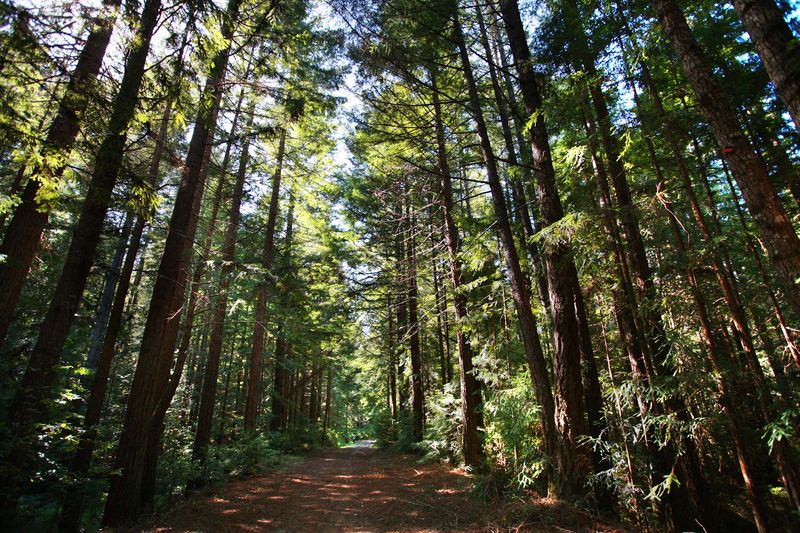
East Texas pine forests feel different from any other landscape in the state—softer somehow, with filtered light and a carpet of fallen needles that muffles footsteps. The Pineywoods Nature Trail loops through classic Piney Woods habitat where loblolly pines tower overhead, hardwoods fill in the middle layers, and ferns create a green understory that stays lush even during dry spells. It’s peaceful in a way that makes you forget you’re still in Texas.
The trail covers about 1.5 miles of gentle terrain, making it accessible for most fitness levels and perfect for families with younger children. Interpretive signs along the route explain the ecology of pine forests, pointing out interesting features and helping visitors understand the complex relationships between plants, animals, and the environment. Even if you skip reading every sign, the information adds context that enriches the experience.
Located near Ratcliff Lake Recreation Area, this trail offers an easy addition to a day spent swimming, fishing, or picnicking. The proximity to facilities means you’re never far from restrooms, water, or picnic tables—convenient for families or anyone preferring shorter adventures close to amenities. Yet once you’re on the trail, the forest wraps around you and the developed areas disappear from view.
Pine forests create their own microclimate with cooler temperatures beneath the canopy and higher humidity from all that vegetation transpiring moisture into the air. It feels almost tropical compared to drier parts of Texas, especially after rain when fog drifts between the tree trunks and everything drips with moisture. The sensory experience differs completely from Hill Country or desert hiking.
Birdwatching stays productive here year-round as the forest provides habitat for resident species and migratory birds passing through. Woodpeckers work the pine trunks, warblers flit through the understory, and hawks patrol overhead looking for meals. Bring binoculars if you’re into birds—the diversity might surprise you.
Spring and fall offer the most comfortable hiking conditions, though the forest’s shade makes summer visits bearable if you start early. Winter stays mild in East Texas, and the pines keep the forest green when deciduous trees elsewhere stand bare. Bug spray helps during warmer months since mosquitoes appreciate the humidity as much as the plants do.
This isn’t a trail that demands anything from you—no challenging climbs, no epic views, no bragging rights. It simply offers a quiet walk through beautiful pine forest where you can relax, breathe deep, and remember what peaceful feels like.
12. Dogwood Canyon Trail (Lake Bob Sandlin State Park)
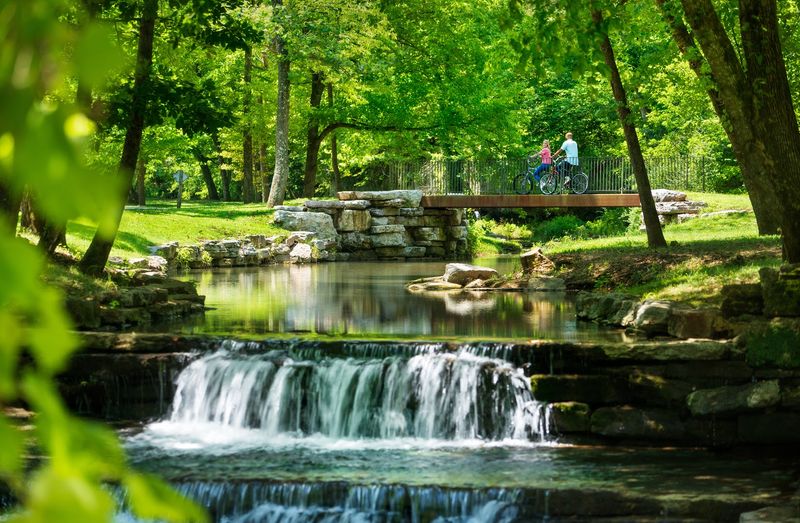
Northeast Texas doesn’t get enough credit for its natural beauty, but trails like this one prove the region deserves more attention. Dogwood Canyon Trail winds through mixed hardwood forest where dogwood trees put on a spectacular show each spring, their white blooms creating clouds of flowers against the green backdrop of oaks and pines. The trail follows the topography of the land, dipping into small ravines and climbing gentle ridges while staying shaded beneath a dense canopy.
The loop covers roughly 1.5 miles through terrain that feels more Ozark than Texas. Small streams trickle through the canyon during wet seasons, creating miniature waterfalls and pools that attract wildlife and add auditory interest to the hike. The understory grows thick with ferns, wildflowers, and various shrubs that provide habitat for birds and small mammals.
Spring bloom time transforms this trail into something magical. Dogwoods explode with white flowers that seem to glow in the filtered forest light, creating a scene that draws photographers and nature lovers from across the region. Timing the bloom requires some luck since weather determines when flowers appear, but typically late March through early April offers the best chances.
Even outside bloom season, the trail delivers a pleasant forest walk with enough variety to hold interest.
Lake Bob Sandlin sits nearby, and the park offers water-based recreation in addition to hiking. You could easily combine a morning hike with an afternoon of fishing, swimming, or paddling. The proximity to water influences the forest ecosystem, creating habitat that stays lusher than you’d find farther from the lake’s moderating influence.
The trail surface stays well-maintained with clear markings that prevent getting lost. Families appreciate the moderate length and manageable terrain that allows kids to complete the loop without excessive complaining. Benches positioned at scenic spots invite rest breaks where you can simply sit and absorb the forest atmosphere.
Northeast Texas gets fewer visitors than more famous destinations, meaning you’ll likely share the trail with only a handful of other hikers even on nice weekends. That solitude feels increasingly rare as Texas grows more crowded, making places like Dogwood Canyon valuable for anyone seeking genuine peace in nature. Pack a lunch and make a day of it—this corner of Texas rewards those who take time to explore beyond the obvious attractions.
Share this story