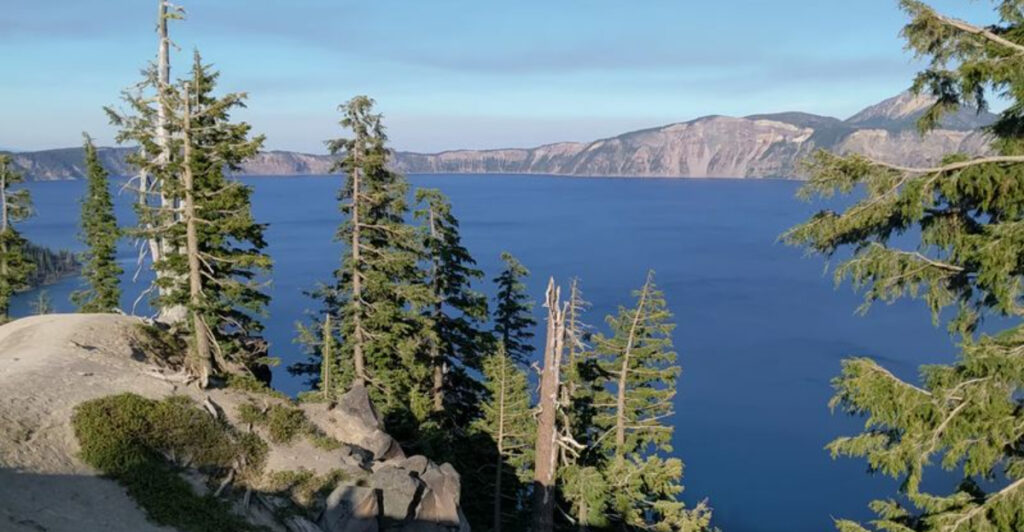
There is a spot in New Jersey where reaching the water requires hiking up the Kittatinny Ridge, another where you can paddle past the ghostly tops of submerged trees, and one where a 110-foot-deep lake sits beside a tiny airport. None of that sounds much like the Jersey most people picture.
That is exactly the point. Get away from the Shore and the Turnpike, and the state starts revealing lakes tucked between mountain ridges, hidden inside the Pine Barrens, and surrounded by forests that can feel surprisingly remote.
Some are made for swimming and lazy picnics. Others reward a kayak, fishing rod, or sturdy pair of hiking shoes.
A few are already well known to locals but still escape the wider attention they deserve. These 13 lakes show just how varied New Jersey gets once you follow the roads that disappear into the woods—and why now is a good time to go.
1. Lake Hopatcong
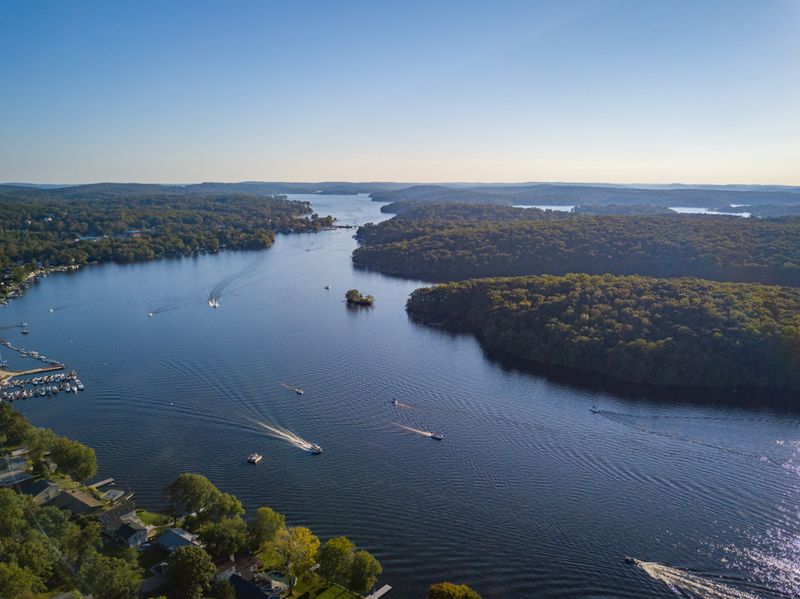
On a July morning, Lake Hopatcong can look like New Jersey decided it wanted its own little slice of the Adirondacks—until a speedboat comes around the bend and reminds you this is very much a working, playing, thoroughly Jersey lake.
At roughly 2,500 acres, it is the largest lake in the state, and that scale gives you more options than the typical quiet pond-and-picnic setup.
Hopatcong State Park, at the southwestern end, is the easiest public introduction, with swimming, fishing, picnic areas, playgrounds, sports courts, and a boat launch. What makes the lake more interesting than its recreational résumé, though, is its history.
The water level was expanded to help feed the Morris Canal, the 19th-century transportation route once used to move coal, iron, and other freight across northern New Jersey. Today, the best way to appreciate Hopatcong is to treat it as more than a beach stop.
Bring a kayak or get onto the water from one of the area’s marinas, explore the coves, then settle in somewhere with a shoreline view. Summer weekends can be busy, so an early arrival buys you calmer water and an easier parking situation.
This is not the lake for total isolation. It is the lake for seeing how much fun New Jersey can squeeze around one very big body of water.
2. Round Valley Reservoir
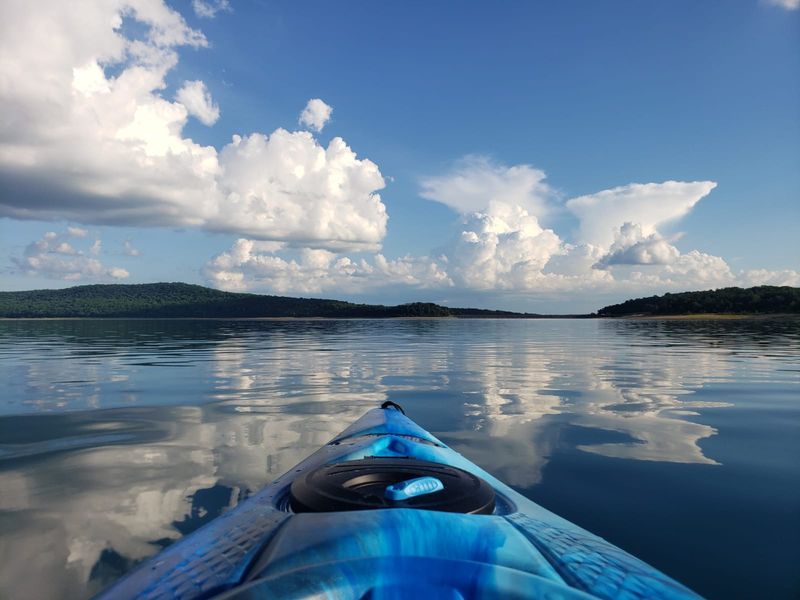
The color catches you first. On the right day, Round Valley Reservoir has the kind of deep blue water you expect to see much farther from New Jersey, framed by the wooded slopes of the Cushetunk Mountains.
That visual alone earns it a spot here, but Round Valley gets better once you realize how much wilderness sits beyond the popular day-use area.
The reservoir is a major destination for fishing, boating, hiking, picnicking, scuba diving, and seasonal lifeguarded swimming, although swimmers must stay in the designated beach area rather than entering the main reservoir.
Hikers can trade the beach for trails that climb into the surrounding hills, including routes with broad views over the water. The real bragging-rights option is camping: Round Valley is the only New Jersey state park with wilderness campsites reached by a rugged hike or by boat.
That makes an overnight here feel dramatically different from pulling into a standard campground and unloading beside your tent pad. Anglers also take the reservoir seriously; Round Valley has produced multiple New Jersey freshwater records and remains one of the state’s trophy trout waters.
Come early if you are visiting on a hot weekend, especially if the swimming beach is your target. If you would rather avoid peak-season energy, spring and fall are arguably better, when the hills steal some of the attention from the water and the trails become the main event.
3. Sunfish Pond
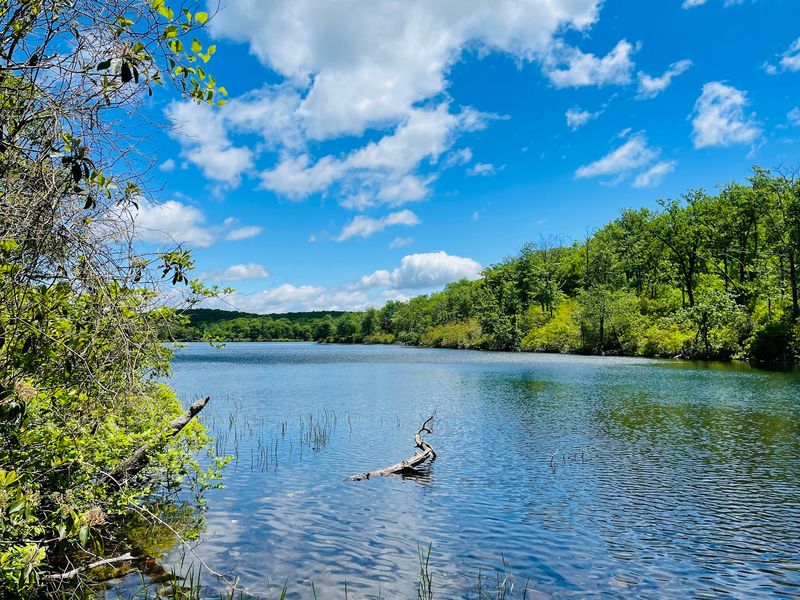
You cannot simply pull into a parking lot, unfold a lawn chair, and claim a spot beside Sunfish Pond. You have to earn this one.
The 41-acre glacial lake sits high on the Kittatinny Ridge within Worthington State Forest, and reaching it means hiking through some of northwestern New Jersey’s most satisfying terrain. That little barrier to entry is exactly why the pond feels different from nearly everything else on this list.
Millions of years of geological work created the rock-basin lake, which sits along the Appalachian Trail and was named one of New Jersey’s Seven Natural Wonders in 1978. A roughly 1.5-mile trail circles the pond once you arrive.
The payoff is less about activities and more about the place itself: bouldery shoreline, mountain forest, still water, and that particularly good feeling of seeing your destination appear after a climb. Do not arrive expecting a swimming beach, rentals, snack stand, or classic family lake setup.
Sunfish Pond belongs to hikers, and treating it that way makes the visit much better. Bring enough water, decent footwear, and snacks you will actually be happy to see halfway through the return trip.
The surrounding trail network can turn the outing into a longer adventure if your legs are willing. Visit on a weekday or start early on a weekend; this is one “hidden” New Jersey spot that Appalachian Trail hikers have known about for a very long time.
4. Lake Aeroflex
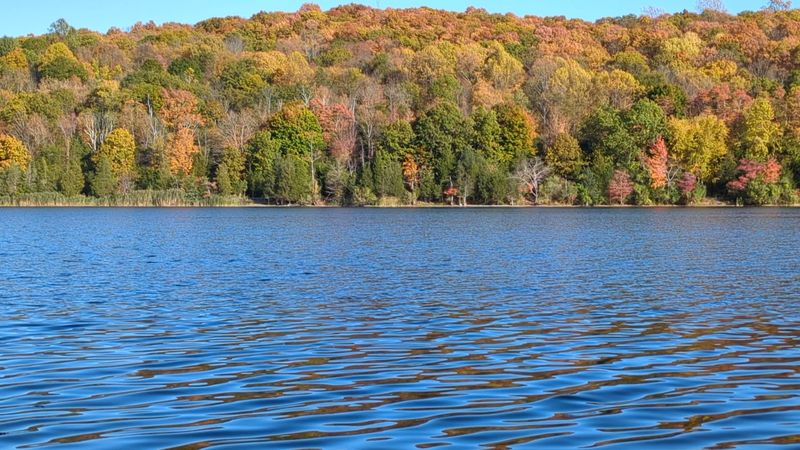
A tiny airport runway beside New Jersey’s deepest natural lake sounds like a geography glitch, but that is part of Lake Aeroflex’s charm. Sitting inside Kittatinny Valley State Park near Andover, the lake drops to about 110 feet, giving it a completely different character from the broad, shallow swimming lakes found elsewhere in the state.
This is a place to bring a fishing rod or a paddle rather than a beach towel. Swimming is not permitted, while boating is allowed with electric motors only, which helps keep the water pleasantly free of roaring powerboats.
Canoes, kayaks, and paddleboards are particularly well suited to the setting. Hug the wooded shoreline, look back toward the open sky around Aeroflex-Andover Airport, and you get one of the stranger—and prettier—juxtapositions in the New Jersey park system.
Fishing is another major draw, with trout among the species that have made Aeroflex a favorite with serious freshwater anglers. If you need more movement after getting off the water, Kittatinny Valley State Park has an extensive network of wooded trails and links to several long rail-trails used by hikers and cyclists.
The lake does not come with the amenities or summer commotion of a major beach park, which is precisely the appeal. Pack what you need before arriving, give yourself enough time for both paddling and a walk, and enjoy a corner of Sussex County that still feels refreshingly low-key.
5. Atsion Lake
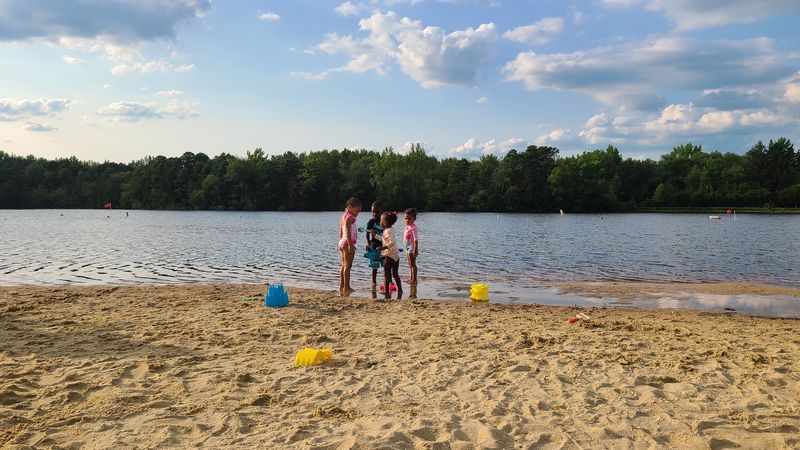
That dark, coppery water is not dirty. It is part of the experience.
Atsion Lake sits in Wharton State Forest, where tannin-rich Pine Barrens waterways take on their distinctive tea-colored appearance beneath cedar, pine, and open sky. The result is one of the most unmistakably South Jersey lake settings you can find.
Wharton itself covers more than 124,000 acres, so even though Atsion Recreation Area is easy to reach from Route 206, the forest behind it seems to keep going forever. In summer, Atsion has a designated swimming area that operates when lifeguards are on duty, plus picnic space and access for canoeing and kayaking.
The park can reach capacity on busy warm-weather days, making an early start more than just a nice idea. If you can stay longer, the lake has another trick: historic cabins along the water, complete with screened porches that look tailor-made for evenings when the Pine Barrens finally cool down.
The wider forest opens up miles of hiking and paddling opportunities, so it would be a mistake to spend the whole day planted on the beach. Pair your swim with a walk, visit nearby historic Atsion Mansion when access allows, or use the lake as the starting point for a deeper Pine Barrens weekend.
Come for blue water elsewhere on this list. Come here for water the color of strong iced tea and a landscape that could not belong anywhere but South Jersey.
6. Wawayanda Lake
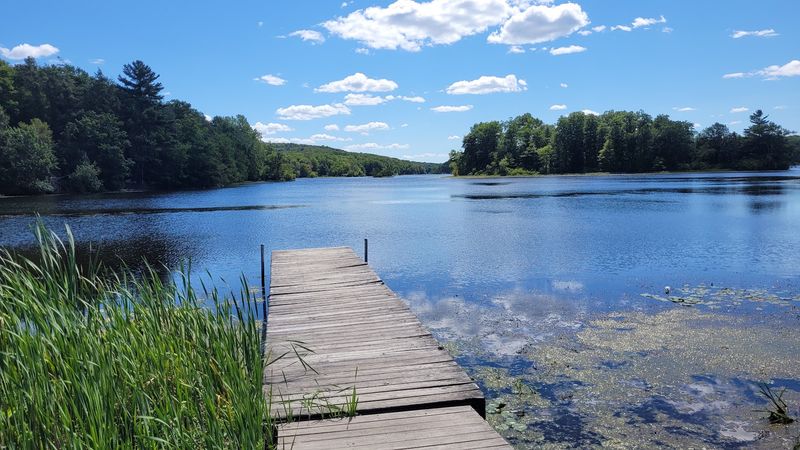
Some lake days require a decision before you even leave the parking lot: hiking boots, swimsuit, fishing rod, or kayak? Wawayanda makes a convincing case for bringing all four.
The lake anchors Wawayanda State Park near the New York border, surrounded by hardwood forest and a trail system extensive enough to turn a simple day by the water into a full weekend outdoors. The park contains more than 60 miles of marked trails, plus a 19.6-mile section of the Appalachian Trail.
Yet you do not need to be chasing trail mileage to enjoy the place. The recreation area offers seasonal swimming when lifeguards are on duty, while a launch and seasonal boat-rental operation make it easy to trade shore for water.
Anglers come for bass, pickerel, perch, trout, and other freshwater species. What gives Wawayanda its edge is how quickly the day can shift gears.
You can paddle across relatively calm water in the morning, disappear onto a forest trail after lunch, and finish back at the shoreline without spending half the afternoon moving your car between attractions.
Autumn may be the lake’s best season, when the surrounding slopes turn into a wall of color and cooler temperatures make the longer trails much more inviting.
Summer, however, is when you get the classic swim-and-paddle version. Either way, do not rush this one. Wawayanda is much more rewarding when you leave enough room in the schedule to change your plans halfway through.
7. Swartswood Lake
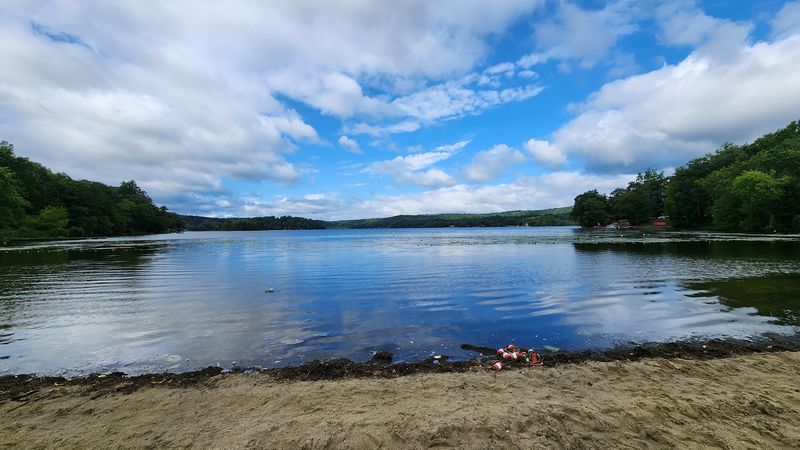
New Jersey’s first state park could easily behave like a museum piece. Instead, Swartswood still feels built for actually using.
The state acquired land here in the early 20th century, and the 519-acre natural glacial lake remains the centerpiece of a rural Sussex County park deliberately removed from major highways and suburban bustle. The smartest rule at Swartswood may also be the simplest: gas-powered motors are not allowed on the lake.
Electric motors are permitted, but much of the traffic comes from kayaks, canoes, sailboats, and anglers, so the water rarely develops the same soundtrack as New Jersey’s bigger powerboating lakes.
Seasonal swimming adds an easy family-day option, while the surrounding park has camping, picnic space, and nine official trails exploring the glaciated landscape around Swartswood Lake, Duck Pond, Spring Lake, and neighboring areas.
You do not need an ambitious itinerary here. In fact, trying to cram too much into the visit misses what Swartswood does best.
Paddle along the shoreline, swim if the beach is open, take one of the shorter trails, then claim a picnic table and stay put for a while. The drive itself helps set the mood as bigger roads give way to quieter Sussex County scenery.
This is a particularly good pick for anyone who wants a real lake day without needing a speedboat, a complicated plan, or a crowd to make it feel like something is happening.
8. Merrill Creek Reservoir
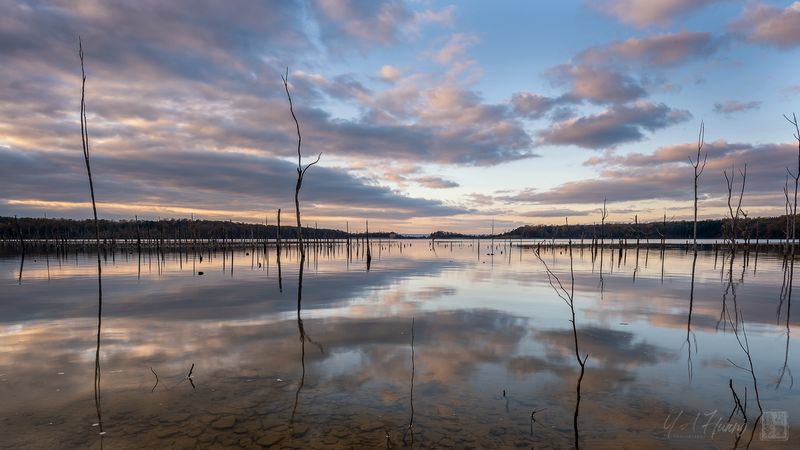
Merrill Creek plays by different rules, and that may be its greatest advantage. This 650-acre reservoir near Washington is privately owned rather than operated as a public state park, with public access allowed for limited, low-impact recreation.
Around the water sit a 290-acre environmental preserve and roughly 2,000 additional acres of woods and fields. Translation: you come here to hike, watch wildlife, fish, paddle, and generally behave like someone who enjoys quiet enough to want to keep it that way.
There is no beach-day circus or food concession waiting around the corner. Commercial activities are restricted, and designated parking and gate hours are taken seriously.
In summer 2026, for example, gates open at 7 a.m. and the seasonal closing time is 8 p.m., with watercraft required off the reservoir an hour before closing; visitors should check current hours before making the drive because those times change seasonally.
The reservoir is especially respected by anglers and is one of New Jersey’s trophy trout waters.
For everyone else, the trail system and wildlife viewing are enough reason to come. Start around the visitor center, where exhibits add context to the surrounding environment, then get outside and let the reservoir do the talking.
Merrill Creek is not trying to entertain you every five minutes. That restraint is exactly why it belongs on a list of places worth seeing before quiet becomes harder to find.
9. Shepherd Lake
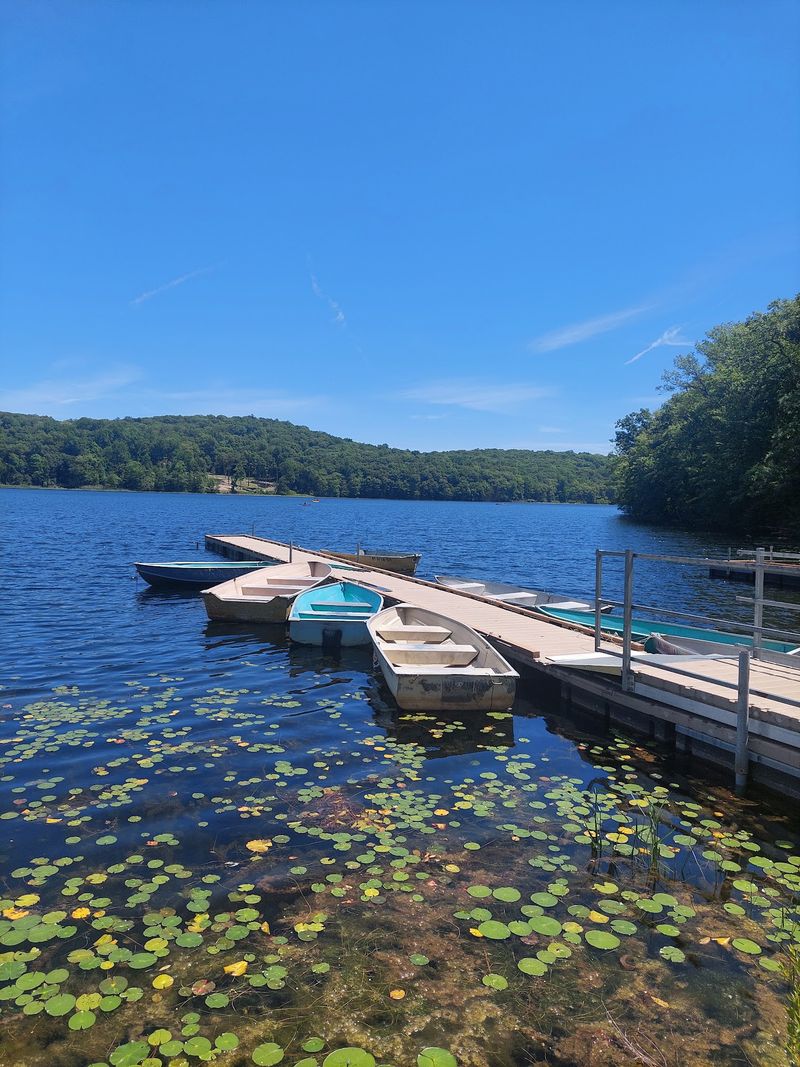
Bring lunch, a paddle, and shoes you do not mind getting dusty. That is about as complicated as a day at Shepherd Lake needs to be.
The spring-fed lake sits inside Ringwood State Park, framed by the Ramapo Mountains and close enough to the park’s larger network of trails that you can split your visit neatly between water and woods.
The Shepherd Lake section has picnic tables and grills available on a first-come, first-served basis, plus a launch for visitors bringing their own boats, canoes, kayaks, or stand-up paddleboards.
At around 74 acres, the lake feels manageable rather than sprawling; you can actually get a sense of the whole place instead of spending the day staring across an enormous reservoir.
Mountain bikers also use Shepherd Lake as a convenient jumping-off point into Ringwood’s trail network, which ranges from gravel carriage roads to rougher forest routes.
The bonus is what sits nearby. Ringwood State Park also contains the New Jersey Botanical Garden at Skylands and historic Ringwood Manor, so a lake outing can easily stretch into a much fuller day without another long drive.
If your priority is the water, arrive early enough to grab a good picnic setup and spend a few hours paddling before wandering farther into the park. Shepherd Lake works because it does not demand that you make it the only attraction.
It is the kind of place that quietly turns a half-day plan into an entire afternoon.
10. Lake Absegami
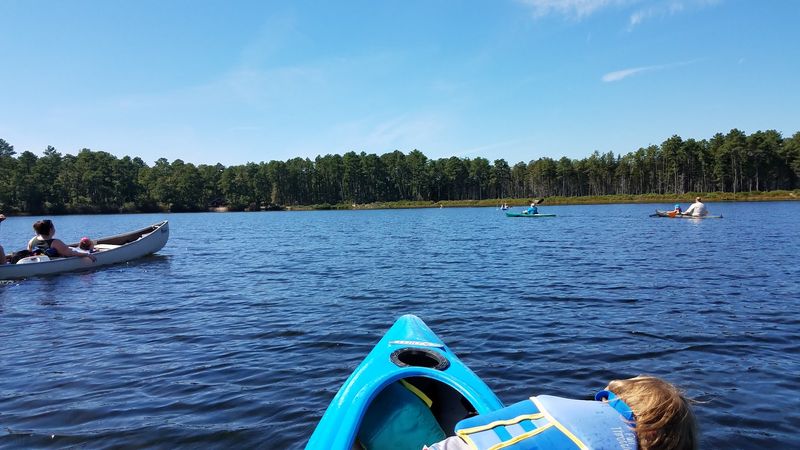
Southern New Jersey has a particular way of making a lake disappear into the woods. Lake Absegami does exactly that inside Bass River State Forest, where pine and oak surround a 67-acre body of water created in the 1930s by damming two streams.
The scale is intimate, the terrain is forgiving, and the whole setup makes a strong argument for skipping the beach traffic occasionally and heading inland. When the designated swimming area is operating, the lake becomes an easy warm-weather stop, while boating and canoeing offer a quieter way to explore the shoreline.
But the smartest move is to save time for the forest itself. Bass River has more than 20 miles of official marked trails, including the short Absegami Trail through the Lake Absegami Natural Area, where pine-oak woods transition into Atlantic white cedar habitat.
History is woven into the landscape too. Bass River was New Jersey’s first state forest, established in 1905, and Civilian Conservation Corps crews later shaped much of the recreational infrastructure visitors still encounter today.
Families can make an easy day of swimming, walking, and picnicking, while campers can use the lake as the center of a slower overnight escape. Do not expect dramatic mountain panoramas here.
Absegami’s scenery works closer to eye level: cedar swamp, sandy trail, reflections through the trees, and water that feels thoroughly at home in the Pine Barrens.
11. Ramapo Lake
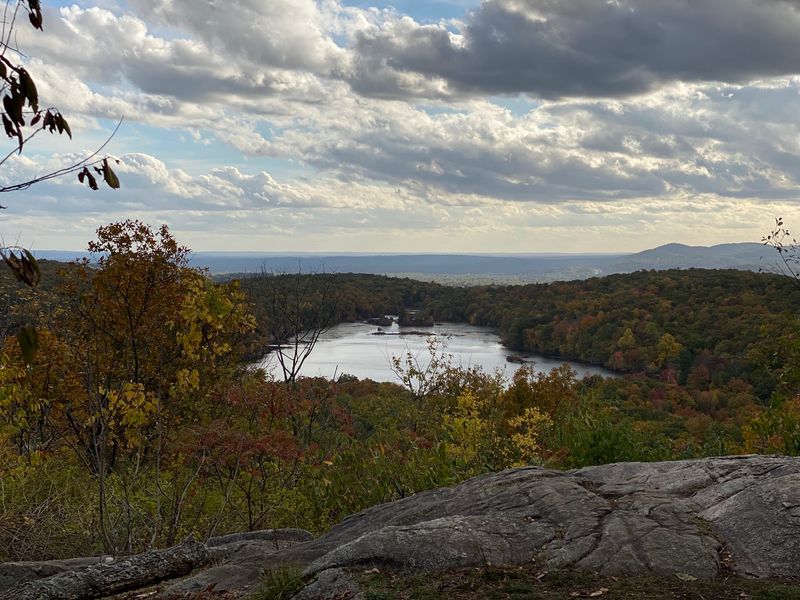
Here, the best view of the lake may come from well above the shoreline. Ramapo Lake sits inside Ramapo Mountain State Forest, where rocky ledges rise over a 120-acre clear-water lake and trails twist through some surprisingly rugged terrain for a place so close to densely populated North Jersey.
That geography makes Ramapo a hiking destination first and a lake destination second—and it is better because of it. There is no swimming, so leave the beach gear at home.
Instead, come prepared to climb, follow old roads and rocky trails, and stop at the overlooks whenever the trees open enough to reveal the water below. Fishing and birdwatching are permitted around the lake, while the broader forest is popular with both hikers and mountain bikers.
The terrain ranges from relatively relaxed woods roads to rockier, more demanding stretches, so checking a trail map before setting out is worth the thirty seconds it takes. Ramapo Mountain State Forest is open daily from sunrise to sunset and does not charge an entrance fee.
Weekend parking can disappear faster than expected, particularly when the weather is cool and clear, so an early start is your friend. Ramapo is the pick for anyone who thinks sitting beside a lake gets boring after twenty minutes.
Here, the water becomes the centerpiece of a hike rather than the whole itinerary, and every new elevation seems to change the view.
12. Monksville Reservoir
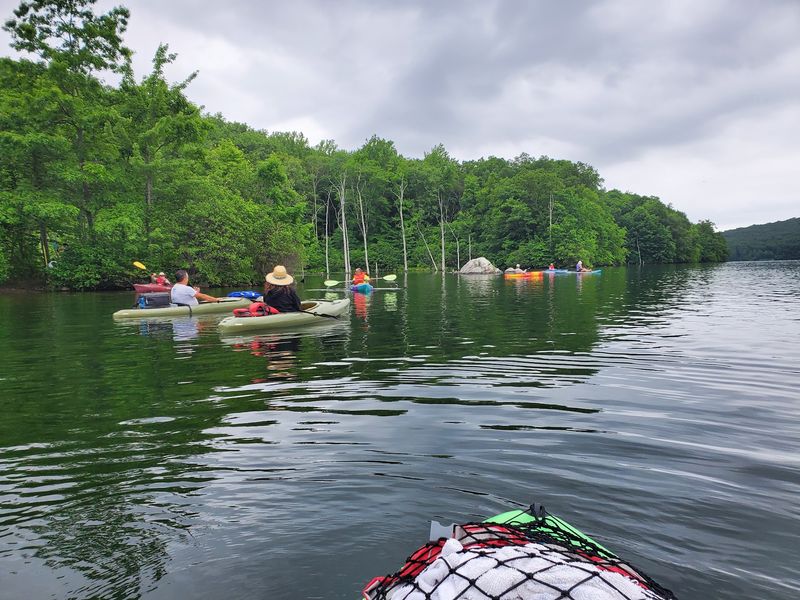
Paddle north of the Route 511 bridge and Monksville Reservoir starts showing off its stranger side: narrower water, wooded edges, and partially submerged trees that make some corners feel much more remote than the road map suggests.
The 505-acre reservoir stretches through the Highlands landscape around Long Pond Ironworks State Park and has become one of North Jersey’s strongest paddling options.
Unlike some reservoirs where access feels like an afterthought, Monksville gives boaters multiple ways onto the water. The North and South launches accommodate boats, and motors up to 10 horsepower are permitted.
Kayaks and paddleboards are arguably the better tools for exploring, especially if you want to poke into quieter shoreline sections rather than simply cross open water. Fishing has its own loyal following here, with the reservoir supporting a range of game fish and producing a New Jersey record hybrid striped bass in 2023.
Landlubbers are not stuck watching from the parking lot, either. Long Pond Ironworks has trails around the reservoir and access to a historic district filled with remnants of the area’s ironworking past.
That combination makes Monksville easy to turn into a full-day trip: paddle in the morning while the water is calmer, eat lunch back on shore, then trade the life jacket for trail shoes. Fall is particularly hard to beat, when every wooded indentation around the reservoir seems to pick up a different shade of red or gold.
13. Parvin Lake
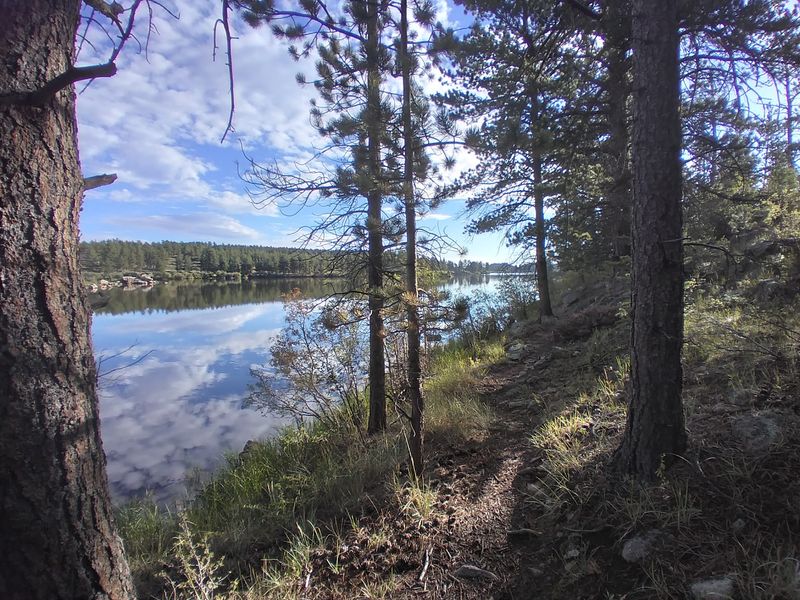
Parvin Lake has the pleasant feeling of being somewhere people forgot to make complicated.
Less than five miles from Vineland, it sits inside Parvin State Park among hardwood forest, wetlands, trails, cabins, and campgrounds, giving South Jersey a lake escape that rarely receives the attention lavished on destinations farther north.
The park took shape in the 1930s with major help from the Civilian Conservation Corps, whose crews cleared trails and built recreational facilities that helped define the place. Today, Parvin Lake remains the park’s natural center.
There is a developed swimming beach intended for lifeguarded use when open, although seasonal availability can change, so check the current park status before arriving with a car full of swimmers.
Canoeing and kayaking offer another way onto the lake, while the roughly three-mile Parvin Lake Trail makes an easy choice for anyone who would rather circle the water than sit beside it.
The park has enough additional trails to keep walkers and cyclists occupied well beyond that loop, and cabins and campsites make an overnight stay possible without turning the trip into a major expedition. Parvin is especially good in the shoulder seasons.
Spring brings fresh green into the woods, while fall gives the lake a rim of color without North Jersey’s heavier leaf-peeping traffic. It is quiet, approachable, and just developed enough to be easy—exactly the sort of New Jersey lake people tend to discover once, then wonder why they had not heard much about it sooner.