Texas doesn’t ask you to empty your wallet to feel like a VIP. Across the state, you’ll find world-class museums, stunning natural landscapes, and historic landmarks that rival any expensive destination—without charging a dime for admission. Whether you’re exploring cutting-edge art galleries in Houston, wandering through centuries-old missions in San Antonio, or hiking through pristine wilderness, these attractions prove that the best things in the Lone Star State really are free.
1. The Menil Collection (Houston)
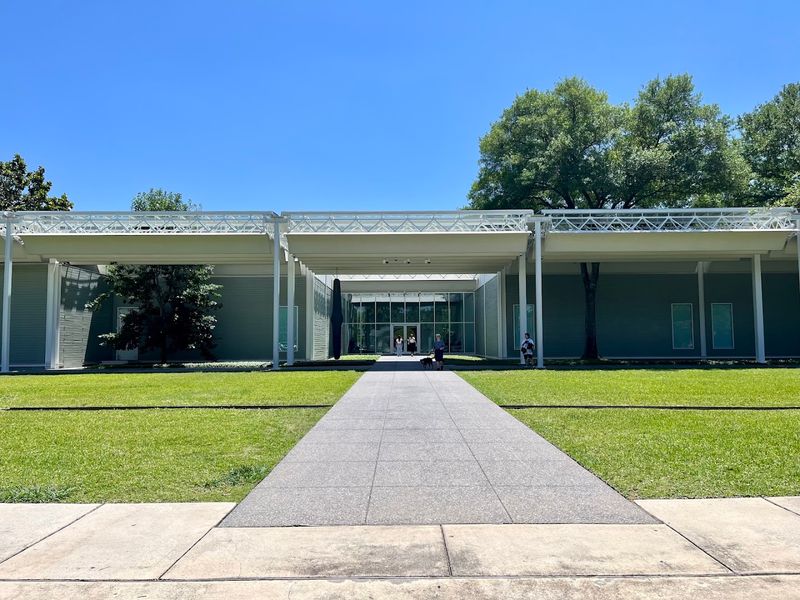
Walking into The Menil Collection feels like stepping into a private billionaire’s personal art vault—except everyone’s invited and nobody pays. This Houston gem houses over 17,000 works spanning from ancient artifacts to contemporary masterpieces, all displayed in a serene, light-filled building designed by Renzo Piano. The best part?
Admission has been free since it opened in 1987, honoring the vision of founders John and Dominique de Menil.
The collection itself reads like a greatest-hits list of art history. You’ll find surrealist works by Magritte and Max Ernst, African tribal sculptures, Byzantine icons, and pieces by modern giants like Warhol and Rothko. The museum doesn’t overwhelm you with crowds or stuffy atmosphere—instead, it encourages quiet contemplation in thoughtfully curated galleries that feel more like elegant living rooms than institutional spaces.
Outside, the surrounding neighborhood adds to the experience. Tree-lined streets and bungalow-style buildings create a village-like campus that includes the Rothko Chapel and the Byzantine Fresco Chapel, both also free. The grassy lawns invite picnicking, and the whole area maintains a peaceful, almost sacred quality that’s rare in major cities.
Unlike many free museums that feel underfunded or sparse, The Menil radiates quality in every detail. The natural lighting, the spacious galleries, the caliber of the art—everything suggests premium pricing. Yet the founders believed art should be accessible to all, not gatekept by admission fees.
Plan to spend at least two hours here, though serious art lovers could easily fill a whole afternoon. The museum is closed Mondays and Tuesdays, so time your visit accordingly. Parking is free in designated lots, and the Montrose neighborhood offers plenty of cafes and restaurants for before or after your visit.
Photography is welcome in most galleries, making it easy to remember your favorite pieces without rushing through.
2. Big Thicket National Preserve (Kountze)
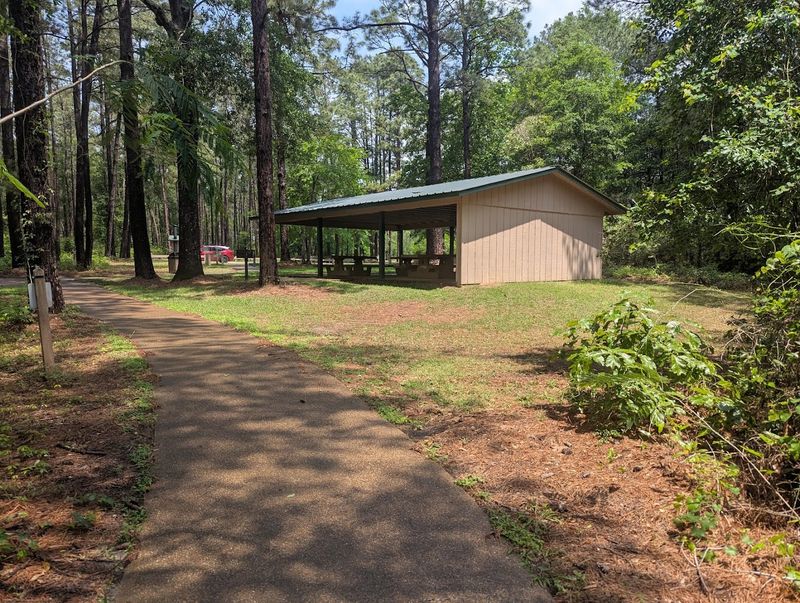
Imagine ten different ecosystems crammed into one sprawling wilderness, and you’ve got Big Thicket National Preserve. This isn’t your typical Texas landscape of dusty plains and cacti—it’s a biological crossroads where desert plants grow alongside swamp cypresses, creating what scientists call “the biological crossroads of North America.” Admission? Completely free, as with all National Park Service sites that don’t charge entrance fees.
The preserve protects over 100,000 acres of forests, wetlands, and waterways in Southeast Texas. You can hike through pine forests one moment and find yourself in palmetto thickets the next. Eight different trail systems offer everything from easy boardwalk strolls to challenging backcountry treks, each showcasing different slices of this ecological puzzle.
Wildlife watching here rivals any paid nature experience in the country. Alligators sunbathe along waterways, rare orchids bloom in hidden spots, and over 300 bird species pass through during migration seasons. The preserve is home to four of the five North American carnivorous plant species, making it a hotspot for botany enthusiasts who’d normally pay park fees elsewhere.
Paddling the Neches River or Village Creek offers a completely different perspective on the preserve. These blackwater streams wind through towering cypress trees draped in Spanish moss, creating scenes that look transported from Louisiana bayou country. Canoe rentals are available from local outfitters, though bringing your own is perfectly fine and keeps costs at zero.
Visitor centers provide free maps, trail guides, and ranger advice on current conditions. Spring and fall offer the most comfortable temperatures, though each season brings unique wildlife activity. Bug spray is non-negotiable during warmer months—the mosquitoes here don’t discriminate between paying customers and free visitors.
Bring plenty of water, wear sturdy shoes, and download trail maps beforehand since cell service gets spotty deep in the thicket.
3. San Antonio River Walk (San Antonio)
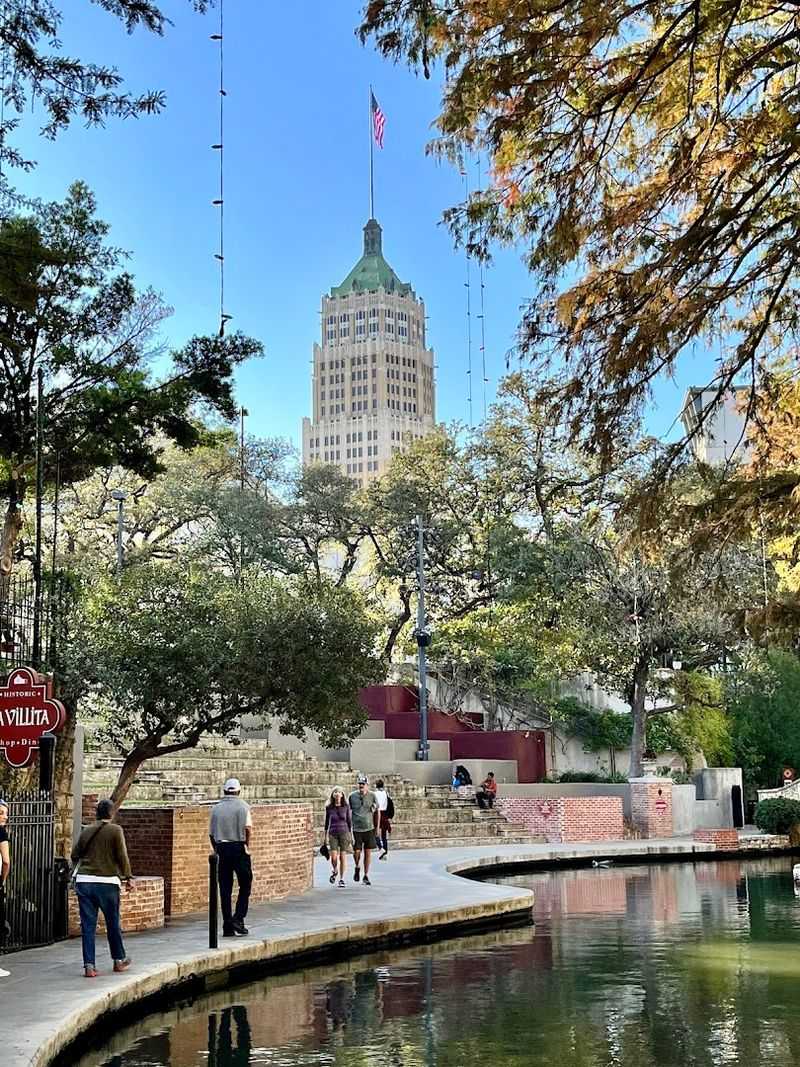
Strolling along the San Antonio River Walk feels like wandering through a European canal city—minus the transatlantic airfare and entrance fees. This network of stone pathways winds along the San Antonio River, sitting one story below street level and creating a completely different world from the city above. Cypress trees shade the walkways, bridges arch overhead, and the gentle sound of flowing water replaces traffic noise.
The River Walk stretches for miles, connecting major attractions like the Alamo, the Pearl Brewery complex, and the Mission Reach. You don’t need to spend money at the restaurants and shops lining the paths to enjoy the experience—simply walking the entire route costs nothing and offers constantly changing scenery. Street performers, public art installations, and historic markers provide free entertainment and education along the way.
Different sections offer distinct personalities. The Museum Reach features contemporary art and connects cultural institutions, while the Mission Reach follows a more natural, park-like setting perfect for bird watching and peaceful walks. The downtown section pulses with energy, especially during festivals and events that frequently take over the waterway with free performances and activities.
Architecture buffs appreciate the mix of Spanish Colonial Revival buildings, modern hotels, and preserved historic structures visible from the river level. The unique perspective—looking up at the city rather than down—creates photo opportunities you won’t find anywhere else. Early morning walks offer the most serene experience, before crowds and heat arrive.
Boat tours do charge fees, but honestly, walking gives you more control over your pace and lets you explore hidden staircases and side channels the boats skip. The entire River Walk is wheelchair accessible, with ramps and elevators connecting to street level at regular intervals. Free parking is tough downtown, but the VIA streetcar stops near several River Walk access points and costs just pennies per ride.
Visit during the holiday season when millions of lights transform the River Walk into a glowing wonderland—still completely free to experience.
4. Kimbell Art Museum (Fort Worth)
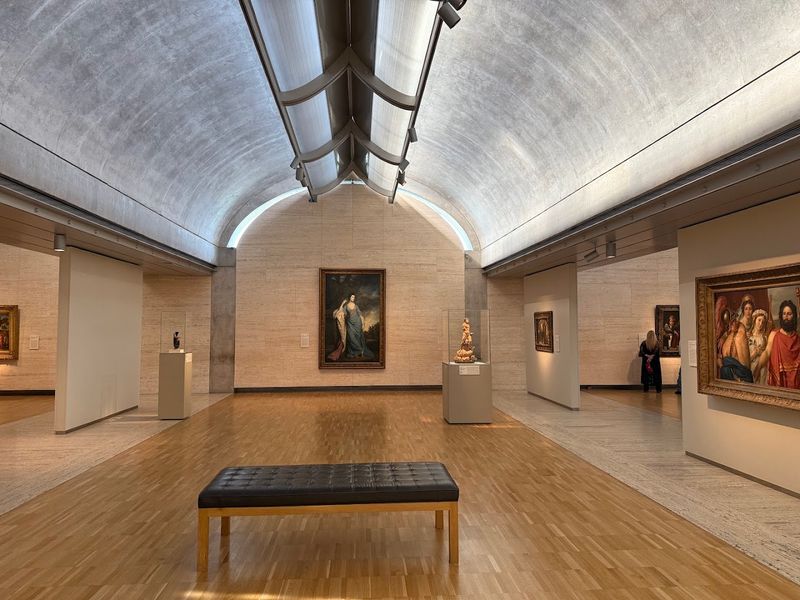
Louis Kahn’s architectural masterpiece houses one of the finest small art collections in America, and walking through its vaulted galleries costs absolutely nothing. The Kimbell Art Museum proves that world-class doesn’t require world-class admission prices—permanent collection access has been free since the museum opened in 1972. The building itself is worth the visit, with its signature curved concrete ceilings that filter natural light perfectly across the artworks below.
Don’t let the word “small” fool you. The collection punches way above its weight, featuring works by Caravaggio, Rembrandt, Monet, Picasso, and other heavy hitters you’d expect to find only in major metropolitan museums. Asian art, ancient artifacts, and European masterworks share space in galleries that never feel crowded or overwhelming.
Quality over quantity is clearly the philosophy here.
The museum added a Renzo Piano-designed pavilion in 2013, doubling the exhibition space while maintaining the intimate feel of the original building. The new wing hosts special exhibitions that sometimes charge admission, but the permanent collection remains free regardless. Even on busy weekends, the galleries maintain a contemplative atmosphere that encourages slow viewing rather than rushed selfie-taking.
Fort Worth’s Cultural District clusters several museums within walking distance, but the Kimbell stands out for combining architectural significance with artistic excellence. The reflecting pools outside create mirror images of the building, while the surrounding lawn invites picnicking before or after your visit. Inside, comfortable seating in each gallery encourages you to sit with individual works as long as you’d like.
The museum bookstore sells exhibition catalogs and art books, but browsing costs nothing and the selection rivals any specialty bookshop. Free docent-led tours run regularly and provide context you’d miss exploring solo. The museum closes Mondays, and mornings tend to be quieter than afternoons.
Parking is free in the museum lot, a rarity for institutions of this caliber. Photography is allowed without flash, so you can capture your favorite pieces or architectural details to remember later.
5. Pioneer Plaza Cattle Drive Sculptures (Dallas)
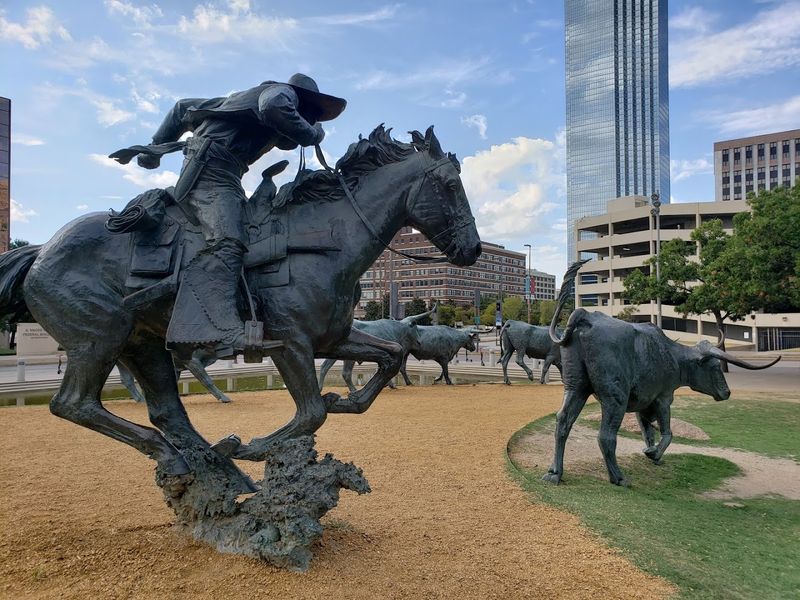
Forty life-size bronze longhorns stampede through downtown Dallas, frozen mid-charge by sculptor Robert Summers in what might be the largest bronze monument of its kind anywhere. Pioneer Plaza captures a moment from Texas history when cattle drives defined the state’s economy and identity. The sculptures are so realistic that first-time visitors sometimes do a double-take, half-expecting the longhorns to move.
Three trail riders on horseback guide the herd down a limestone cliff, through a stream, and across the plaza in a scene that contrasts dramatically with the modern skyscrapers surrounding it. The attention to anatomical detail is stunning—every muscle, horn curve, and hoof position looks exactly right. Kids love climbing on the smaller calves (though technically discouraged), while photographers circle endlessly trying to capture the perfect angle.
The plaza sits below street level in a landscaped park that includes native Texas plants, a waterfall, and shaded seating areas. It’s become a popular lunch spot for downtown workers and a must-see for tourists exploring the city. The juxtaposition of Old West imagery against glass-and-steel towers perfectly symbolizes Dallas itself—a city that honors its cowboy roots while racing toward the future.
Visiting at different times of day changes the experience completely. Morning light casts long shadows that emphasize the sculptural details, while evening lighting creates dramatic silhouettes. The plaza occasionally hosts events and performances, but it’s always open and always free.
Unlike museum pieces behind glass, you can walk among these sculptures, touch them, and experience their impressive scale up close.
Pioneer Plaza is easy to reach via the DART light rail system, with the Convention Center station just steps away. Street parking downtown costs money, but the public transit option keeps the entire experience free. The plaza connects to the Dallas Convention Center and sits near the Kay Bailey Hutchison Convention Center, making it a convenient stop when exploring downtown.
Plan about thirty minutes to really appreciate the sculptures and read the historical markers explaining the cattle drive era. It’s an outdoor attraction, so summer visits can be brutal—early morning or late afternoon timing makes more sense during Texas heat.
6. Texas State Capitol (Austin)
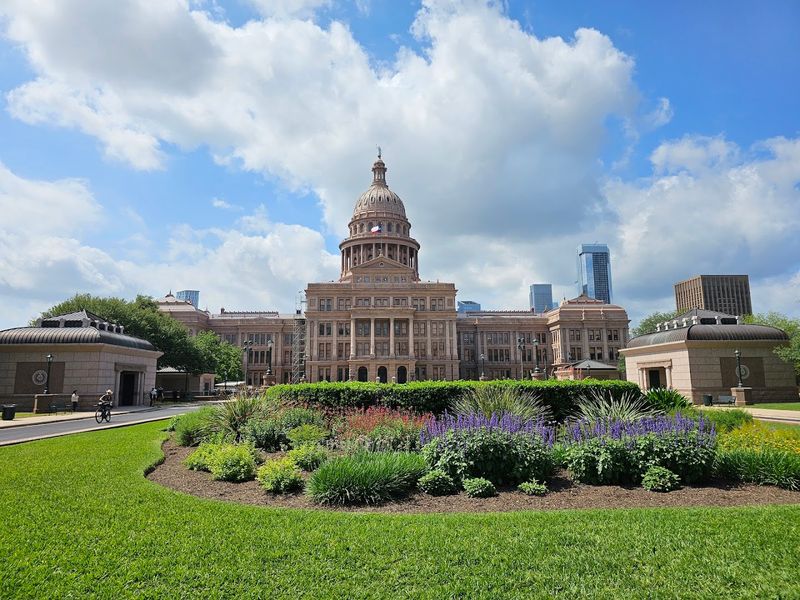
Taller than the U.S. Capitol in Washington D.C., the Texas State Capitol dominates Austin’s skyline with its distinctive pink granite dome and unapologetic grandeur. Free guided tours run throughout the day, taking visitors through ornate chambers, rotunda spaces, and legislative halls that showcase Texas-sized ambition in architecture.
The building itself is a National Historic Landmark, completed in 1888 and still functioning as the working seat of state government.
The interior is where things get really impressive. The rotunda soars 218 feet to a star-emblazoned ceiling, while portraits of every Texas governor line the walls in chronological order. Terrazzo floors, hand-carved wooden doors, and countless historical artifacts fill every corner.
The House and Senate chambers feature original furnishings and can be observed from public galleries when the legislature is in session.
Underground, the Capitol Extension added in 1993 more than doubles the building’s size without disrupting the historic exterior. These modern spaces include a visitors center with interactive exhibits explaining Texas government and history. Touch-screen displays, historical documents, and rotating exhibits provide context that makes the tour more meaningful than just gawking at pretty architecture.
The capitol grounds span 22 acres and contain 17 monuments commemorating everything from Confederate soldiers to Texas Rangers to notable political figures. Walking the grounds becomes a history lesson in itself, though some monuments spark ongoing controversy about what Texas chooses to memorialize. Massive oak trees provide shade, and the landscaping includes plants native to different regions of Texas.
Tours are completely free but can fill up during peak tourist seasons and school field trip months. Arriving early or booking online in advance guarantees your spot. Self-guided tours are always an option if you prefer exploring at your own pace—free brochures map out highlights and explain what you’re seeing.
Security screening is required to enter, similar to airports but usually faster.
The capitol sits at the north end of Congress Avenue, making it easy to combine with exploring Austin’s downtown on foot. Parking is limited around the capitol itself, but the CapMetro bus system stops nearby and costs just over a dollar. Visit on weekdays to see government in action, or come on weekends for a quieter experience with shorter tour wait times.
7. Balcones Canyonlands National Wildlife Refuge (Marble Falls)
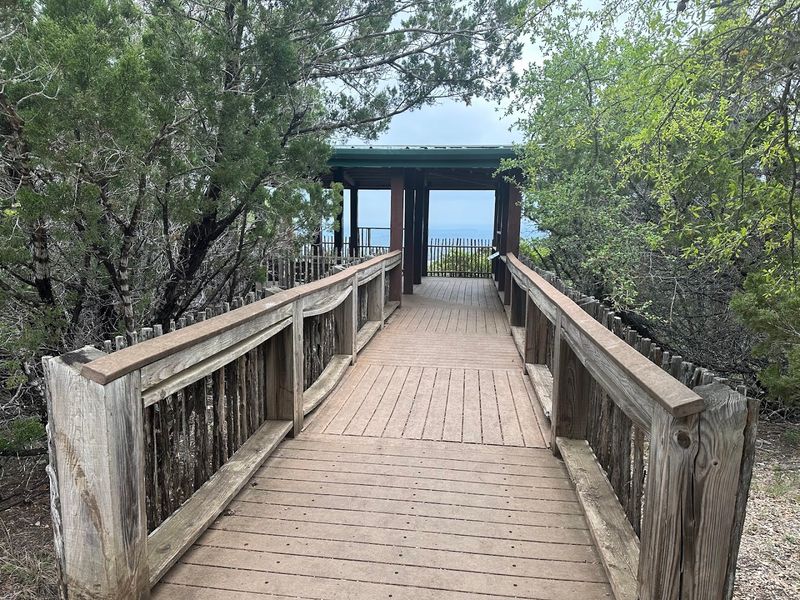
Protecting the endangered golden-cheeked warbler’s habitat turned into a 27,000-acre playground for hikers, bird watchers, and anyone craving rugged Hill Country beauty without paying park fees. Balcones Canyonlands National Wildlife Refuge sprawls across steep canyons, limestone cliffs, and juniper-oak woodlands northwest of Austin. The terrain is challenging enough to feel adventurous but accessible enough for moderately fit visitors to explore safely.
Two main tracts—Doeskin Ranch and Warbler Vista—offer different experiences. Doeskin Ranch provides easier trails with excellent bird watching opportunities, while Warbler Vista delivers more strenuous hiking through dramatic canyon landscapes. Both sections showcase the unique ecology where the Edwards Plateau meets the Cross Timbers region, creating habitat diversity that supports over 240 bird species throughout the year.
Spring migration brings serious birders from across the country hoping to spot the golden-cheeked warbler, which nests exclusively in Central Texas juniper-oak woodlands. But you don’t need to be a bird expert to appreciate the refuge. Wildflowers carpet the hillsides from March through May, white-tailed deer browse constantly, and the views from canyon rims stretch for miles across undeveloped Hill Country.
The refuge doesn’t offer the developed amenities of state or national parks—no visitor centers, restrooms, or water fountains exist on most tracts. This keeps crowds minimal and the experience feeling wild and unmanicured. Trails are marked but not paved, and you’ll likely have entire canyons to yourself on weekday visits.
It’s the kind of place where you can hike for hours without seeing another human.
Access is free but restricted to certain days and times to minimize disturbance to wildlife, especially during nesting season. The refuge website lists current schedules and any temporary closures. Bring all the water you’ll need, wear sturdy hiking boots with good ankle support, and don’t underestimate the Texas sun—shade is limited on many trails.
Cell service is unreliable, so download maps beforehand and let someone know your plans. The nearest town, Marble Falls, sits about 20 minutes away and offers restaurants and supplies for before or after your visit. Canyon hiking here rivals anything you’d find in paid parks out west, just with more humidity and friendlier wildlife.
8. Dallas Museum of Art (Dallas)
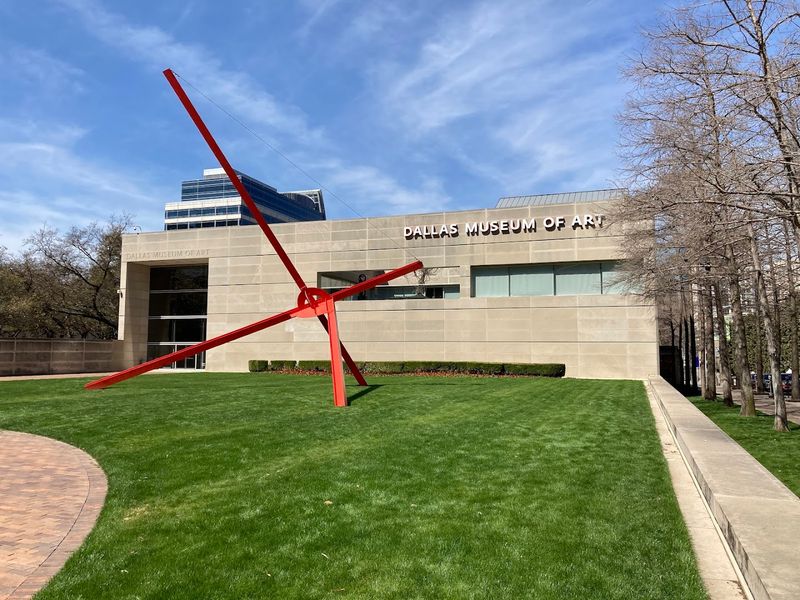
Free admission to a museum holding over 24,000 artworks spanning 5,000 years of creativity seems too good to be true, but the Dallas Museum of Art has maintained this policy since 2013. The decision to eliminate general admission fees transformed the museum from a special-occasion destination into a community living room where locals drop in regularly and tourists can explore without budget guilt.
The collection ranges from ancient Mediterranean artifacts to cutting-edge contemporary installations. European painting galleries feature works by Monet, Cézanne, and Mondrian, while the Arts of the Americas wing showcases everything from pre-Columbian gold to American modernism. The African art collection ranks among the finest in the country, and the contemporary galleries rotate frequently enough that repeat visits always offer something new.
Architecture and design get serious attention here too. The Wendy and Emery Reves Collection recreates rooms from the couple’s French villa, displaying Impressionist paintings in the domestic setting they were meant for rather than sterile gallery walls. Walking through these period rooms feels like stepping into a wealthy collector’s private home—except you’re welcome to linger as long as you want.
Special exhibitions sometimes charge admission, but the permanent collection alone could occupy an entire day. Free docent tours provide expert insights on specific collections or time periods. The museum also hosts lectures, films, and performances throughout the year, many of them free with museum admission (which is already free, so you’re really winning).
The Arts District location puts you within walking distance of other cultural venues, restaurants, and the Klyde Warren Park built over a freeway. The museum restaurant charges for food but welcomes visitors to sit in its dining room or outdoor terrace without purchasing anything—a policy that makes it a popular meeting spot.
Parking in the museum garage costs money, but street parking and public transit options exist nearby. The museum is closed Mondays, and weekend afternoons can get crowded with families. Weekday mornings offer the most peaceful viewing experience.
Photography is allowed in most galleries without flash, though some special exhibitions restrict cameras. The bookstore sells exhibition catalogs and art books, but browsing is free and the selection is genuinely impressive. Plan at least two hours for a meaningful visit, though art lovers could easily spend a full day here without seeing everything.
9. The Alamo (San Antonio)
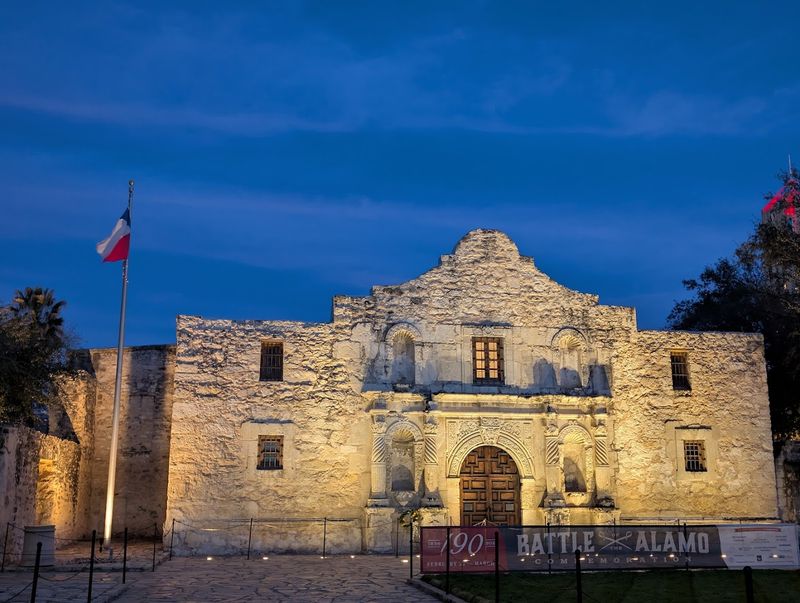
Remember the Alamo? You can do exactly that without spending a cent at Texas’s most iconic historic site. The former Spanish mission turned fortress sits in the heart of downtown San Antonio, drawing millions of visitors annually to the site where 189 defenders died during the 1836 battle for Texas independence.
Admission to the church and grounds is free, though a new museum charges for entry (the historic buildings remain free regardless).
The limestone chapel is smaller than most people expect—Hollywood and legend have inflated its scale in the popular imagination. But walking through the same doorways where Davy Crockett and Jim Bowie made their last stand creates a connection to history that’s genuinely moving. The thick walls, simple architecture, and solemn atmosphere encourage quiet reflection rather than tourist bustle.
The surrounding grounds include the Long Barrack Museum, which houses artifacts from the battle and the mission period. Displays explain the complex history honestly, acknowledging both the heroism of the defenders and the broader context of Texas’s fight for independence from Mexico. Recent efforts have focused on archaeological research and historical accuracy, moving beyond simplified mythology to tell a more complete story.
Crowds can be intense, especially during spring break and summer vacation months. The Alamo restricts photography inside the church itself out of respect for its role as a shrine to the fallen defenders. Outside, the gardens and historical markers provide context about the mission’s 300-year history, which extends far beyond the famous 13-day siege.
The Daughters of the Republic of Texas managed the Alamo for over a century, but the state of Texas took over operations in 2015. Ongoing preservation and interpretation efforts aim to expand the site and better explain its significance. Free guided tours run throughout the day and add depth you’d miss exploring solo—the guides are knowledgeable and handle the inevitable comparisons to the John Wayne movie with good humor.
Located right on Alamo Plaza, the site is easy to reach on foot from hotels, the River Walk, and other downtown attractions. Plan about an hour for a thorough visit, though you could breeze through in 30 minutes if you’re rushed. The Alamo is open daily except for specific holidays, and arriving early helps avoid the worst crowds.
It’s an outdoor site in Texas, so summer visits can be brutal—bring water and plan accordingly.
10. Buffalo Bayou Park (Houston)
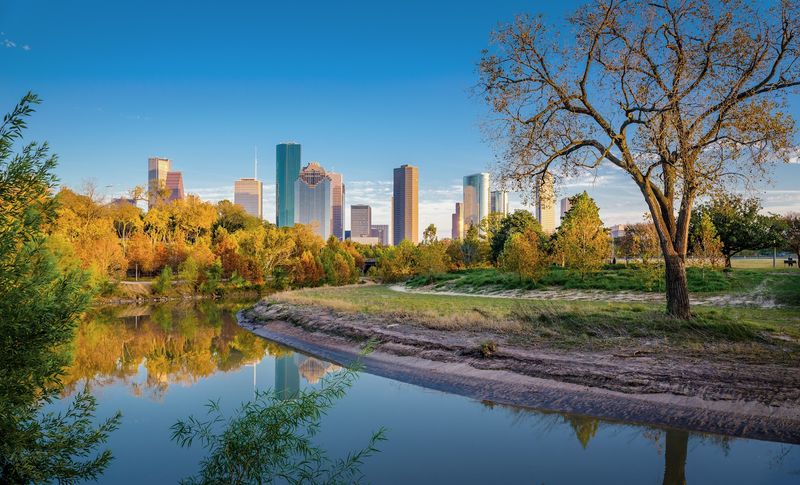
Houston’s most impressive public park transformation turned a neglected waterway into 160 acres of trails, public art, and green space that rivals any paid attraction in the city. Buffalo Bayou Park stretches from Shepherd Drive to Sabine Street, offering a completely different perspective on Houston than the usual freeway-and-skyscraper view. Towering oaks shade the paths, while the downtown skyline provides a dramatic backdrop that changes as you move through the park.
The trail system accommodates hikers, runners, and cyclists on separate paths that wind along both sides of the bayou. Bridges cross at regular intervals, allowing you to create loops of varying lengths. Public art installations pop up throughout the park—some permanent, some temporary—adding visual interest beyond the natural scenery.
The Johnny Steele Dog Park gives four-legged visitors their own space to romp.
Kayak and paddleboard rentals are available from a concessionaire, but you can also bring your own watercraft and launch for free. Paddling the bayou offers unique views of the city and wildlife that thrive along the water despite the urban setting. Herons, egrets, and turtles are common sights, and the bayou’s ecosystem has improved dramatically thanks to restoration efforts.
The park includes several distinct areas worth exploring. Eleanor Tinsley Park on the western end hosts free concerts and festivals throughout the year. The Water Works building, a 1920s-era former water treatment facility, now houses a restaurant and event space.
The Lost Lake area features a naturalistic pond surrounded by native plantings that attract butterflies and birds.
Parking is available at several locations throughout the park, all free. The park connects to Houston’s broader trail network, making it possible to bike from here to other parts of the city without ever touching a street. Restrooms and water fountains are spaced along the trail system.
Early morning visits offer cooler temperatures and better wildlife viewing, while evenings provide beautiful sunset views with the skyline silhouetted against colorful skies. The park is open from dawn to dusk daily, and it’s become a beloved gathering place for Houstonians from all neighborhoods. Special events like the Freedom Over Texas Fourth of July celebration draw huge crowds, but most days you can find quiet stretches of trail even in this city of millions.
It’s proof that world-class public spaces don’t require admission fees to deliver premium experiences.
11. Fort Worth Botanic Garden (Fort Worth)
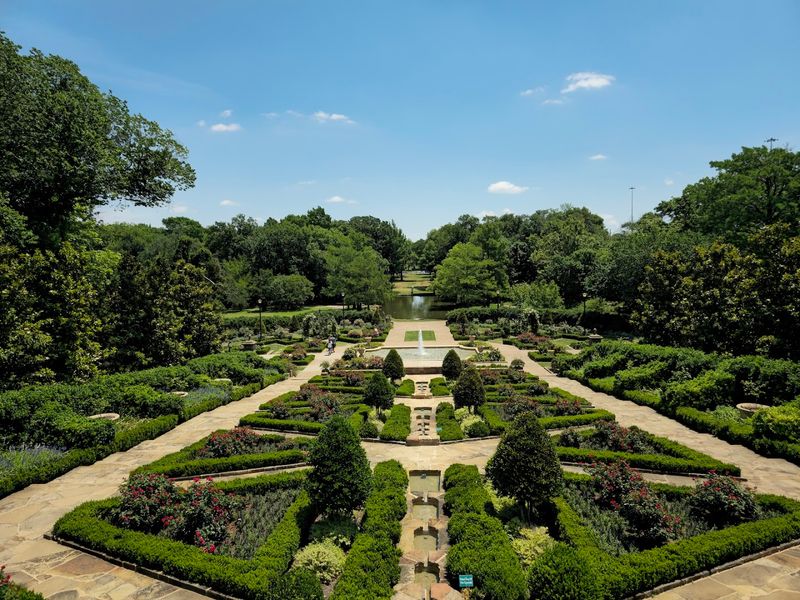
The oldest botanic garden in Texas offers 110 acres of themed gardens, native plant collections, and peaceful walking paths—and the only part that charges admission is the Japanese Garden (which is worth the small fee, but that’s another story). The rest of the Fort Worth Botanic Garden is completely free and rivals any premium botanical attraction in the country for plant diversity and landscape design.
Over 2,500 species of native and exotic plants fill themed areas that include a rose garden, fragrance garden, native Texas boardwalk, and trial gardens showcasing new plant varieties. The Fuller Garden features perennials and ornamental grasses arranged in flowing beds that look designed by a painter. Each season brings different blooms and foliage colors, making repeat visits worthwhile throughout the year.
The native Texas section deserves special attention. A boardwalk winds through a naturalistic landscape showcasing plants adapted to Texas conditions—live oaks, native grasses, wildflowers, and shrubs that thrive without excessive water or maintenance. Educational signage explains each plant’s role in the ecosystem and its value to wildlife.
It’s a masterclass in sustainable landscaping that homeowners can learn from and apply to their own yards.
Paths meander through the entire garden, creating loops of varying lengths suitable for leisurely strolls or more purposeful exercise walks. Benches are scattered throughout, inviting you to sit and observe butterflies, birds, and the changing light on the plantings. The garden attracts serious photographers, casual nature lovers, and families looking for a peaceful outdoor experience equally.
Special events and plant sales happen throughout the year, with some free and others charging fees. The garden’s Conservatory houses tropical plants and hosts rotating displays, though it sometimes closes for private events. Check the calendar before visiting if seeing specific areas is important to your trip.
Free parking is available in lots near the main entrance. The garden is open daily except for major holidays, with hours varying by season. Spring and fall offer the most comfortable temperatures for extended visits, though each season has its champions among regular visitors.
Summer mornings are gorgeous before the heat becomes oppressive.
The Fort Worth Botanic Garden sits in the Cultural District near the Kimbell Art Museum and other attractions, making it easy to combine multiple free experiences in one trip. Plan at least an hour to explore the main gardens, though plant enthusiasts could easily spend half a day here. It’s the kind of place that slows you down in the best way, encouraging observation and appreciation rather than hurried checkbox tourism.
12. San Antonio Missions National Historical Park (San Antonio)
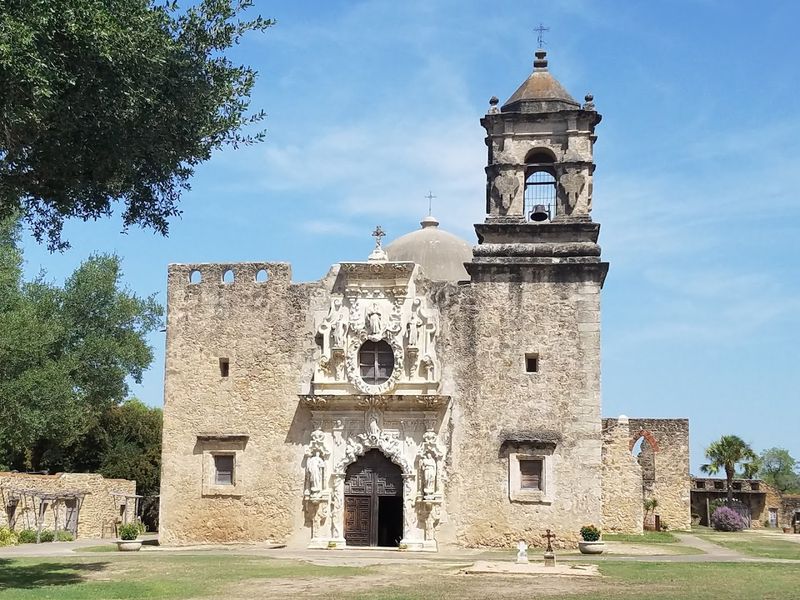
Four Spanish colonial missions spread along the San Antonio River form the only UNESCO World Heritage Site in Texas, and experiencing all of them costs exactly nothing. San Antonio Missions National Historical Park preserves Mission Concepción, Mission San José, Mission San Juan, and Mission Espada—each representing different aspects of Spain’s effort to colonize Texas through religion, agriculture, and cultural transformation during the 18th century.
Mission San José is the largest and most completely restored, earning the nickname “Queen of the Missions.” Its ornate Rose Window is considered one of the finest examples of Spanish colonial architecture in North America. The thick limestone walls, defensive bastions, and living quarters give you a real sense of how these communities functioned as self-sufficient settlements, not just churches.
Each mission has its own personality and state of preservation. Mission Concepción retains original frescoes on interior walls—the oldest unrestored church in America. Mission San Juan features a simple, austere beauty that contrasts with San José’s grandeur.
Mission Espada includes a functioning acequia (irrigation ditch) that still waters fields using 18th-century engineering.
The Mission Reach of the San Antonio River Walk connects all four missions via a hike-and-bike trail, though it’s about eight miles between the furthest points. Cycling the route makes a fantastic day trip, or you can drive between missions and explore each on foot. Free ranger programs run at various missions throughout the week, offering historical context and answering questions about mission life, architecture, and the complex relationship between Spanish colonizers and indigenous peoples.
These are active Catholic parishes, so Mass is still celebrated regularly at each mission. Visitors are welcome but should be respectful of religious services and those attending them. The missions are open daily with visitor centers providing free maps, exhibits, and historical information.
Photography is allowed throughout the grounds and inside the churches when services aren’t in progress.
Unlike the Alamo, which sits in downtown’s tourist corridor, the missions retain a quieter, more contemplative atmosphere. You’ll encounter school groups and tourists, but also locals who treat these as neighborhood parks and spiritual centers. The surrounding areas show how urban development has encroached on what were once rural outposts, but the missions themselves have been carefully preserved.
Plan about 45 minutes per mission if you want to explore thoroughly and read all the interpretive signs. The full mission trail experience could fill a whole day. Parking is free at each mission, and restrooms are available at the visitor centers.
Summer heat can be brutal since much of the walking is in full sun—bring water and plan accordingly.
13. Houston Arboretum & Nature Center (Houston)
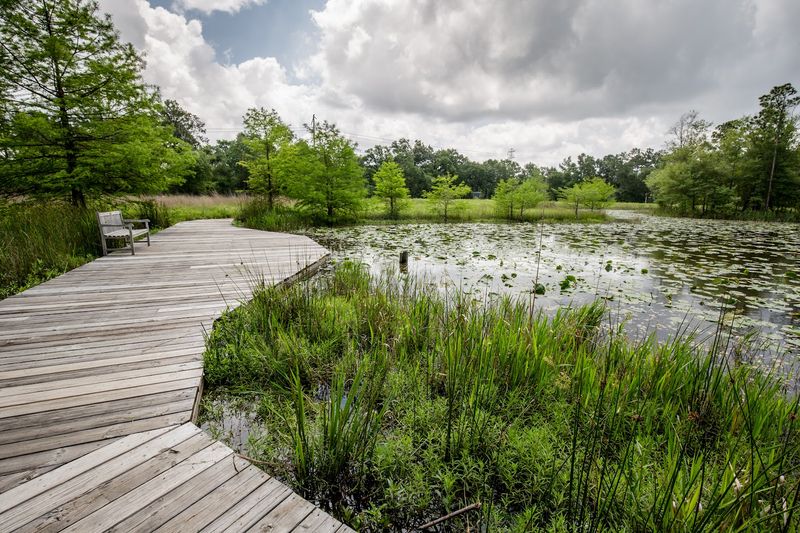
A 155-acre nature sanctuary sitting on the western edge of Memorial Park creates a forest refuge that feels miles from Houston’s urban sprawl—despite being completely surrounded by it. The Houston Arboretum & Nature Center offers five miles of trails winding through native ecosystems that showcase what Southeast Texas looked like before concrete and development took over. Admission is free, parking is free, and the experience rivals any nature center that charges hefty fees elsewhere.
The trail system loops through different habitats including pine forest, wetlands, and meadows. Boardwalks cross swampy areas where you might spot turtles sunbathing or herons hunting. Interpretive signs explain the ecology, plant species, and wildlife throughout, turning a simple walk into an educational experience.
The trails are well-maintained but natural—don’t expect paved paths or manicured landscaping.
The nature center building houses exhibits on local ecology, conservation, and the critters that call the arboretum home. Live animal displays feature native snakes, turtles, and other wildlife that kids (and adults) love getting close to safely. Naturalists staff the center during operating hours and eagerly answer questions about what you might see on the trails or in your own backyard.
Bird watching here is exceptional for an urban location. Over 300 species have been recorded at the arboretum, with spring and fall migration bringing the most variety. The Houston Audubon Society frequently leads walks here, and even casual observers will spot plenty of activity in the trees and underbrush.
Bring binoculars if you have them, though naked-eye viewing works fine too.
Educational programs run throughout the year, many of them free or low-cost. Nature classes for kids, guided walks, and special events fill the calendar. The arboretum also serves as an outdoor classroom for school groups, but trails remain open to the public even when programs are running.
The arboretum is open daily during daylight hours, with the nature center building keeping more limited hours. Early morning visits offer the best wildlife activity and cooler temperatures. The trails are mostly shaded, making this a decent summer destination compared to more exposed Houston parks.
Restrooms are available in the nature center building.
Parking is free in the small lot off Woodway Drive. The arboretum connects to Memorial Park’s larger trail network, so you can extend your walk significantly if you’re feeling ambitious. It’s become a popular spot for trail running, nature photography, and simply escaping city noise for an hour or two.
The fact that this quality of nature preserve exists free of charge in the middle of a major city is something Houston residents often take for granted—but visitors recognize it as special immediately.
Share this story