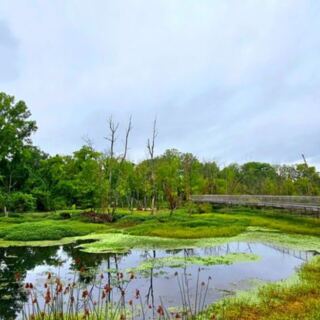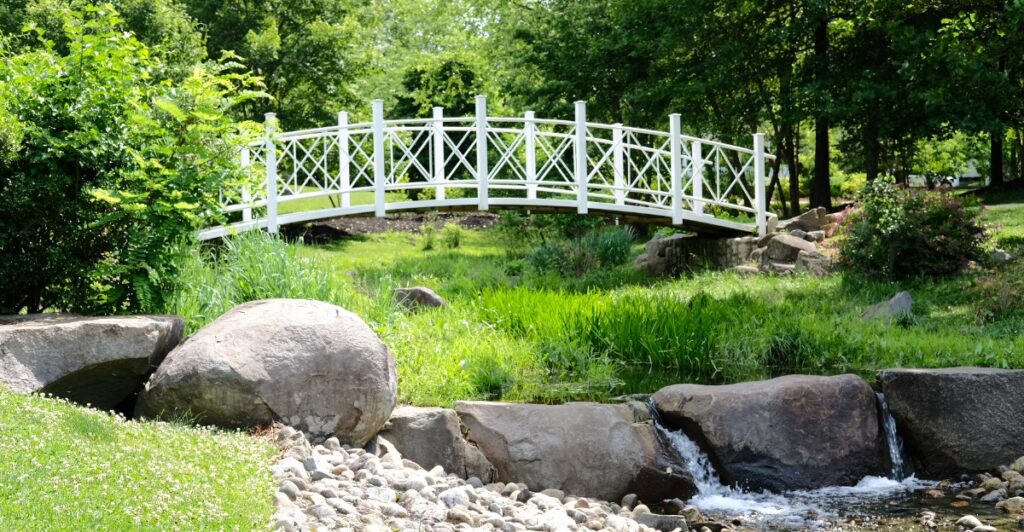
The road ends near an old estate, but the best part is outside the house: a garden shaped by decades of careful planting, with a stone water tower rising beyond the trees. That is the trick with New Jersey’s favorite little escapes.
They can sit behind a familiar turnoff, beside a busy neighborhood, or at the end of a trail you have passed a hundred times. Some reward a slow walk with flowers and fountains.
Others lead to cranberry bogs, Revolutionary War ground, or the remains of a mansion high above a lake. None requires a packed itinerary to make the trip worthwhile.
Pick one that suits your mood, leave yourself time to wander, and resist the urge to rush straight to the most photographed feature. The pleasure is often in finding out what else is there.
Just be prepared to tell a friend where you went.
1. Cross Estate Gardens – Bernardsville
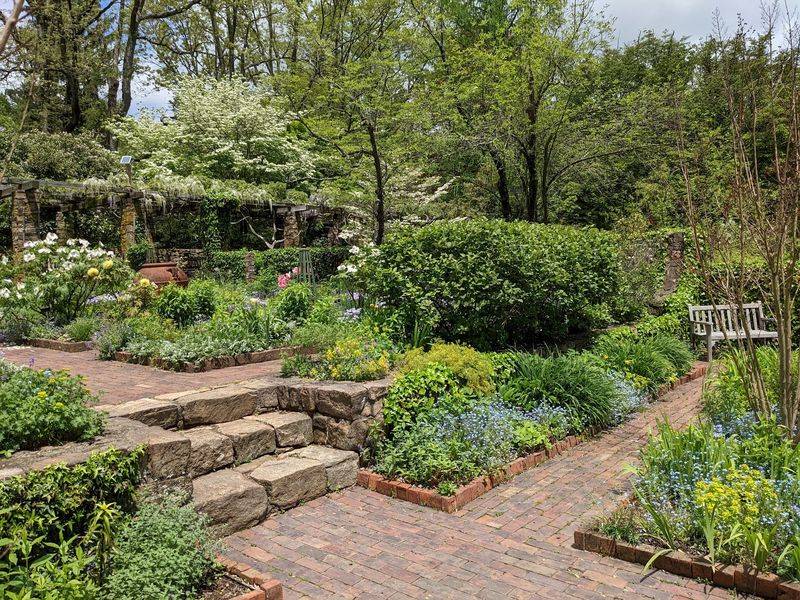
A five-story stone water tower is an unusual thing to find on a garden walk. At the Cross Estate in Bernardsville, it is one of the clues that these grounds once belonged to a country home.
John and Ella Bensel built the house in 1905; the Cross family later made its mark on the landscape, working with garden designer Clarence Fowler. Volunteers have cared for the garden since the 1970s, so it feels like a place people still tend for the pleasure of seeing it grow.
Start among the plantings, then let yourself drift toward the older trees and the tower. The house is not open to visitors, but there is enough outside to reward a slow circuit.
There is another layer of history nearby. A trail from the Cross Estate parking area leads to the New Jersey Brigade encampment site, where soldiers spent part of the winter of 1779–80 before moving into huts at Jockey Hollow.
That gives you a choice: come for an easy garden visit or add a walk with a Revolutionary War connection. This is a lovely pick for someone who wants history without giving up a peaceful afternoon outdoors.
Check the grounds’ seasonal hours before setting out, and give the garden more than a quick lap. Its smaller details are easy to miss when you are hurrying toward the next stop.
2. Deep Cut Gardens – Middletown
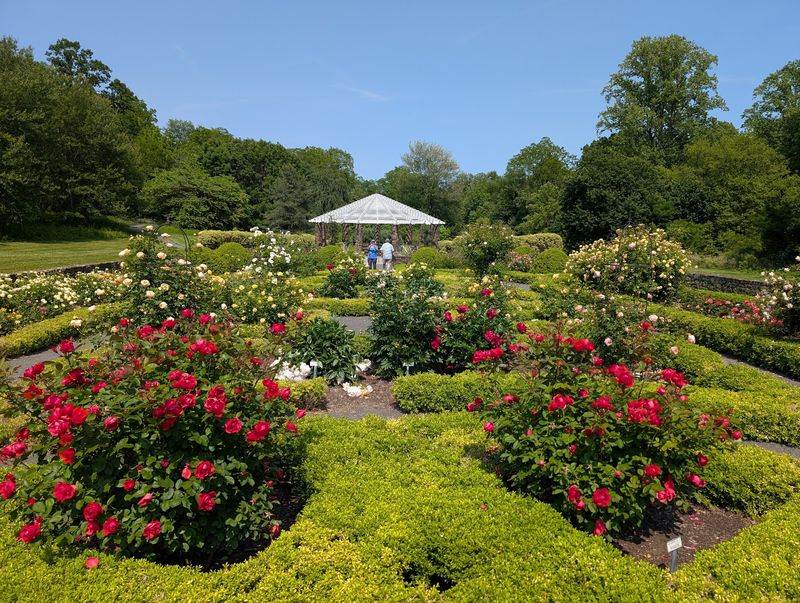
If you have ever admired a plant and immediately wondered whether it would survive in your own yard, Deep Cut Gardens is your kind of place. This 54-acre Middletown park was designed with home gardeners in mind, filling its grounds with cultivated and native plants you can observe through the seasons.
It is perfectly enjoyable without knowing a rose from a rhododendron, though you may leave with a few new ambitions for your flower beds. The rose parterre alone holds more than 180 bushes representing 52 varieties.
Give it a good look, then head for the koi pond and greenhouse to see how much the setting changes within a short walk. The horticultural center makes Deep Cut more useful than the usual pretty garden.
Staff can answer gardening questions, and there is a reference library for anyone ready to investigate why a plant thrives here and sulks at home. You can make a casual visit of it or come with a question and treat the grounds as a living notebook.
Either approach works. In spring, watch for fresh growth; later in the year, the rose beds draw attention.
The park opens at 8 a.m. and closes at dusk year-round. Leave the dog at home, since pets are not permitted.
Bring a camera if you like, but a little curiosity will do just as well.
3. The Deserted Village of Feltville – Berkeley Heights
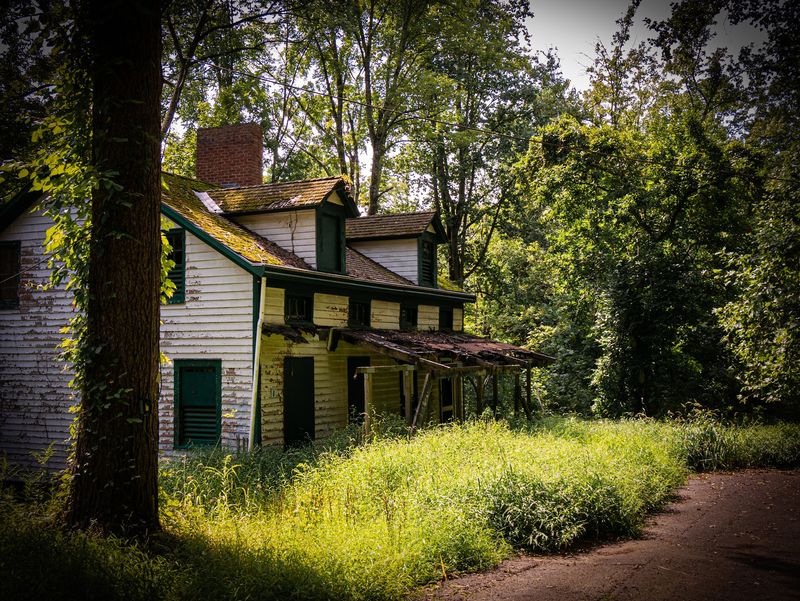
“Deserted Village” sounds like a dare from a friend who knows you love an odd afternoon out.
What you find in Berkeley Heights is more interesting than a spooky nickname: a former mill community tucked inside the Watchung Reservation, with buildings and signs that help piece together the lives once centered here.
David Felt bought the land in 1845, built a printing factory along Blue Brook, and developed housing for his workers. By 1850, about 175 people lived in Feltville.
After the factory era ended, the property even had another life as a summer resort called Glenside Park. Take the roughly one-mile self-guided walk from the parking area off Glenside Avenue.
It gives the place a shape beyond a handful of old buildings, connecting the former homes, church and store to the story of the mill and the surrounding woods. The signs are worth reading: without them, you would miss just how often this quiet patch of land changed purpose.
Part of Feltville’s appeal is that it still belongs to the larger reservation, so you can extend your visit onto wooded trails if you have the time and shoes for it. The village grounds are open daily from dawn to dusk.
Respect the old houses as you explore; some have weak porches, and some are inhabited. The history is right there to discover from the paths.
4. Greenwood Gardens – Short Hills
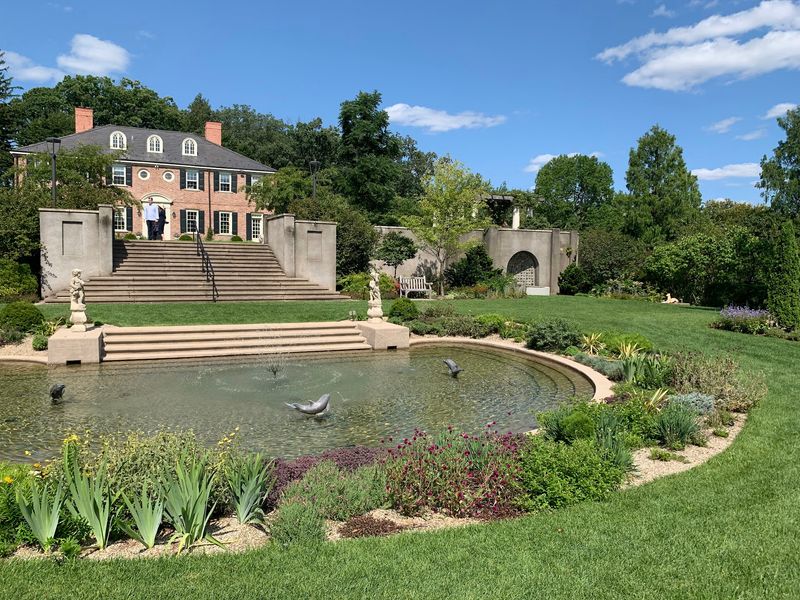
A fountain, a grotto, a set of terraces: Greenwood Gardens reveals its surprises in stages. The historic estate garden in Short Hills has the sort of layout that makes you turn back for one more look before moving on.
Formal spaces give way to winding paths and woodland, while architectural details keep drawing your eye away from the flowers. You may also encounter the resident turkeys and geese.
They are a cheerful reminder that, however carefully designed the grounds may be, nature has its own ideas about who gets to occupy them. Come here when you want to wander with no particular destination, then linger wherever the view catches you.
The terraces show off the garden’s structure; the quieter corners invite a closer look at how stone, water and planting work together. It is easy to spend longer than expected doing very little, which is a fine use of an afternoon.
Greenwood operates on a seasonal schedule, so check its current visiting days before making the trip. Advance tickets are the safest way to secure entry.
Also bear in mind that the historic landscape includes stairs and uneven terrain, though the restored main terrace is accessible. This is a spot for a deliberate visit, with time to take the paths at your own pace.
5. Garret Mountain Reservation – Woodland Park

Bring a picnic, a pair of binoculars, or a friend who insists a walk should have a destination. Garret Mountain Reservation can accommodate all three.
Rising above Paterson and Woodland Park, the Passaic County park pairs wooded paths with overlooks that make the surrounding cities look surprisingly distant. Birdwatchers know it well, especially when migration brings extra movement to the trees.
If you would rather keep walking, there is a 5K loop and a network of trails; if you would rather settle in, picnic areas make that easy too. The reservation’s mix of uses is part of its charm.
One group may be making a proper morning of the trails while another heads straight for the view, and both have come to the right place. Barbour’s Pond, open fields and the park’s historic structures add reasons to change course as you explore.
Start at an overlook, then decide how energetic you feel once you have taken in the scene. On a clear day, you may find it hard to leave that first stop.
Garret Mountain is also a handy choice when an entire hiking expedition sounds like too much planning. The county lists parking, restrooms and walking paths among its amenities, and the parks are open from sunrise to sunset.
Give yourself daylight to wander and let the view set the pace.
6. Whitesbog Historic Village – Browns Mills
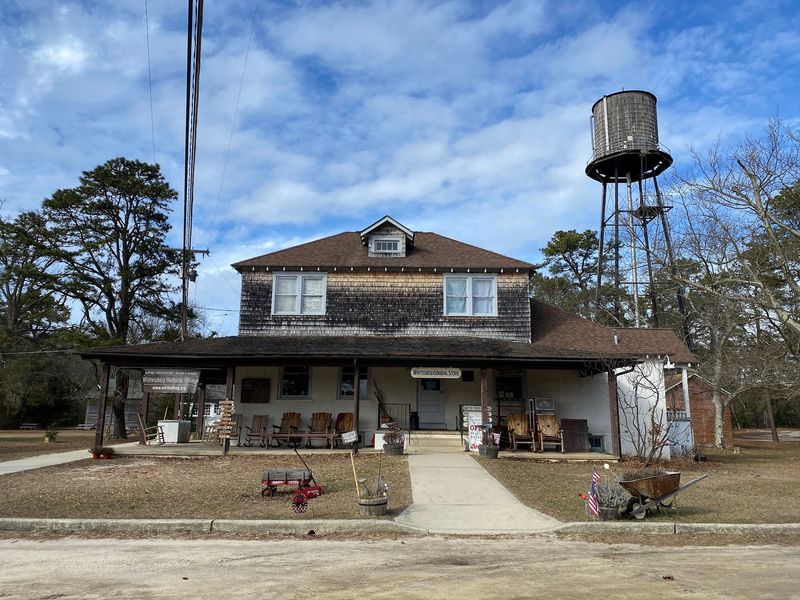
Blueberries have a remarkable New Jersey backstory, and Whitesbog is where you can walk through it. This former farming village near Browns Mills is closely tied to Elizabeth White, whose work helped develop the cultivated blueberry industry.
The old buildings and surrounding bogs make that history feel grounded: you can see the landscape that made a fruit we now take for granted into a major crop. Whitesbog was also a cranberry-farming community, so a visit takes you well beyond the blueberry patch and into a broader Pine Barrens story.
Start around the village, then make time for the trails. The old farm buildings, sandy paths and views over the bogs are best enjoyed at an unhurried pace.
If you want more than a self-guided wander, look for scheduled walks and tours, including programs focused on the gardens, cranberries and Elizabeth White’s home, Suningive. Those offerings can give names and purpose to features you might otherwise pass by.
Whitesbog sits within Brendan T. Byrne State Forest and is open daily for hiking, though special tours and events have their own schedules.
Wear shoes that can handle uneven ground and bring water. A brief stop will show you an old village; a longer one will help you understand why this particular stretch of the Pines matters so much to New Jersey’s food history.
7. Double Trouble Village – Berkeley Township
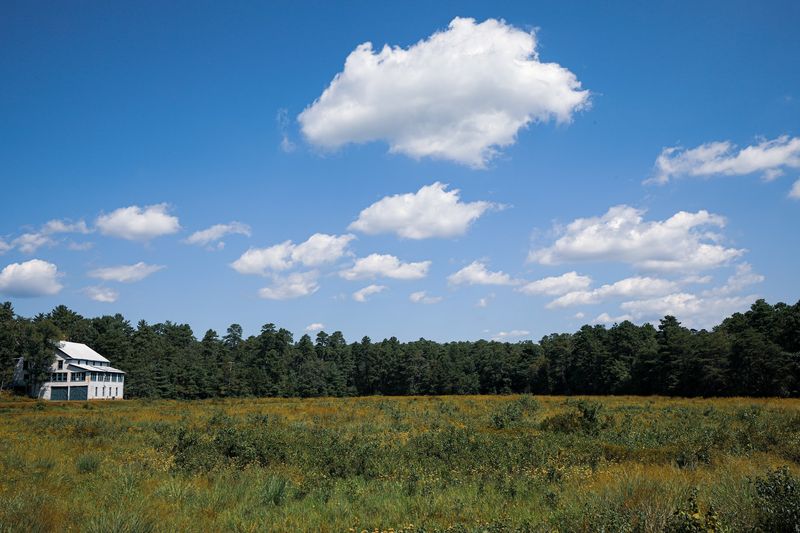
The name gets your attention. The setting keeps it.
Double Trouble Village sits among pine woods and cedar-colored water in Berkeley Township, preserving a piece of the region’s cranberry and timber history.
Instead of a busy attraction built around a single exhibit, you get an old village landscape that invites you to walk between buildings, look at the surrounding water and imagine what it took to work here.
The packing house and sawmill are reminders that the Pine Barrens supported industries as well as wildlife. Make the village the starting point, then follow a marked path into Double Trouble State Park.
That is where the visit begins to feel like a small escape: sandy ground underfoot, pines overhead, and dark water running through the scene. The landscape explains the village as effectively as the buildings do.
You can keep this an easy stroll or spend more time exploring the park’s trails, depending on the weather and your appetite for walking. Take water and wear comfortable shoes; the paths feel different from a paved garden route.
If you hope to see a building interior or join an interpretive program, check the current schedule first. The village is satisfying to explore from outside, but learning how the old operations worked adds a welcome extra dimension.
8. Red Bank Battlefield Park – National Park
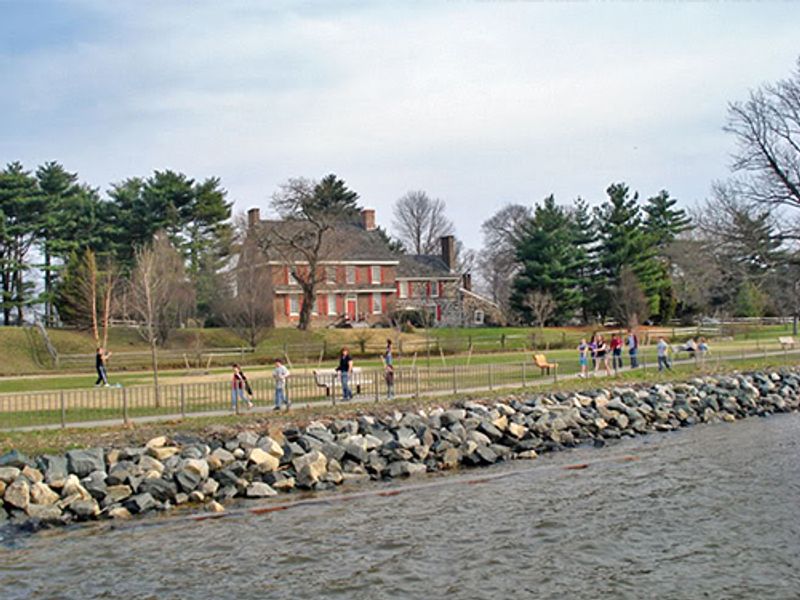
Stand beside the Delaware River at Red Bank Battlefield Park and the geography of 1777 begins to make sense. This waterfront ground in the borough of National Park was the site of an attack on Fort Mercer during the Revolutionary War.
Hessian forces assaulted the fort on October 22 of that year, and the defenders held it. Today, the setting offers two reasons to linger: the river views are lovely, and the history is close enough to follow as you move through the park.
The James and Ann Whitall House, built in 1748, gives that larger story a domestic scale. Tours and programs bring visitors inside during the tour season, while the historic gardens outside show plants used for food, medicine, dye and cut flowers in the eighteenth century.
It is a smart place to begin if dates and troop movements alone rarely hold your attention. You can picture a working household, then look back toward the river and the fort’s former position.
The grounds also work well for a simple walk or picnic, so there is no need to arrange a full history outing to enjoy them. Whitall House tours are generally offered from April through October on scheduled days; check before visiting if going inside is a priority.
Even on a quieter day, the combination of open space and an unusually tangible past makes this a strong detour.
9. Sayen House & Gardens – Hamilton Square
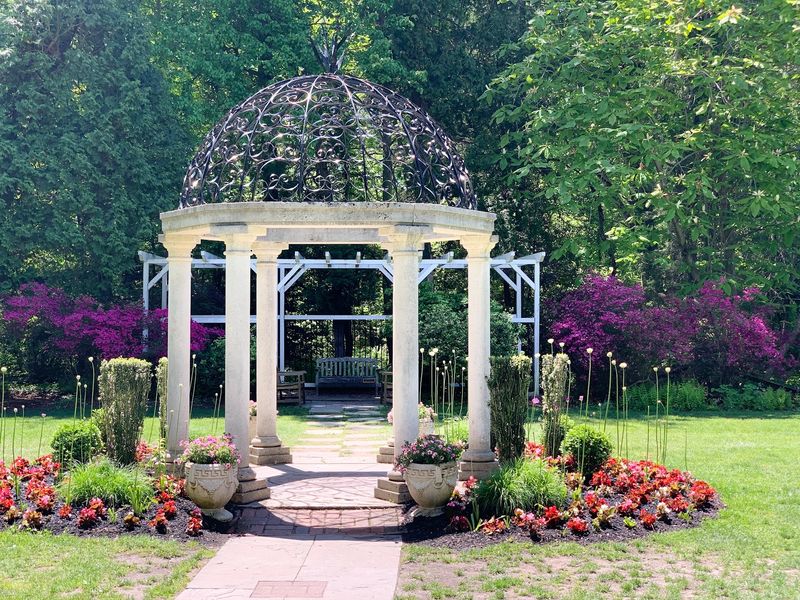
Frederick Sayen apparently had no interest in returning from a trip empty-handed. After buying land in Hamilton Square in 1912, the avid gardener filled it with plants gathered from places including China, Japan and England.
That personal collecting habit grew into today’s Sayen House & Gardens, where paths pass fish ponds, gazebos, trees and changing displays of flowers. In spring, azaleas and rhododendrons make a particularly convincing argument for clearing an afternoon.
The annual Azalea Festival around Mother’s Day draws attention, but the grounds remain worth exploring when that burst of bloom has passed. A good visit needs very little structure.
Follow whichever path appeals, pause at a pond, then see where the next turn takes you. The garden is large enough to give you room to roam without asking for a full day.
Because the plantings change through the year, a second visit can look quite different from the first. Sayen is also an easy place to suggest when friends cannot agree on a plan: flower lovers can inspect the beds, walkers can take the trails, and everyone can find a pleasant place to sit.
Admission is free, and the grounds are open daily from dawn to dusk. Leashed dogs are permitted in the park, so your usual walking companion can come along.
For the biggest spring display, keep an eye on the season rather than assuming one particular weekend will catch every flower at its best.
10. Cattus Island County Park – Toms River
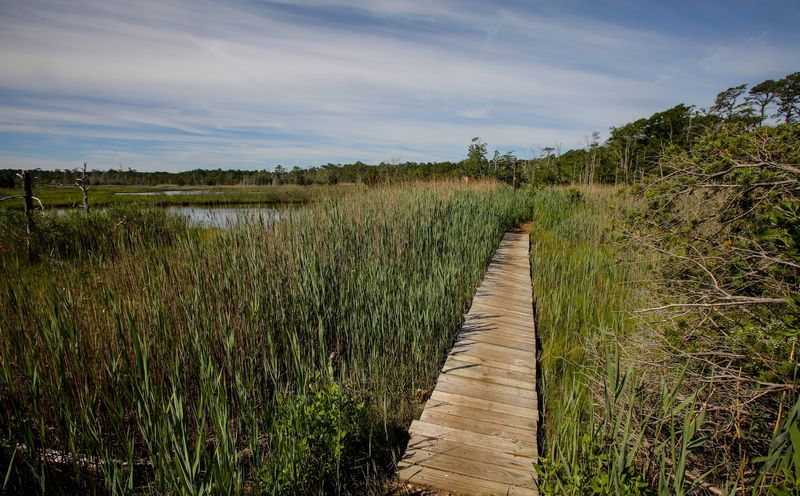
There is a moment on the boardwalk at Cattus Island when the marsh opens up and Toms River feels a long way behind you. The park reaches toward Barnegat Bay, with trails that cross several different habitats and give walkers plenty of chances to stop and watch the water.
Bring binoculars if you have them; birds can turn a short outing into a much slower one. You do not need to be an expert to appreciate the view, though.
Pick a trail, listen for movement in the grasses, and see what you notice once you stop talking. Cattus Island is a good match for mixed company.
The accessible boardwalk offers an easier route into the landscape, while the wider trail network gives keen walkers more ground to cover.
The Cooper Environmental Center adds indoor exhibits, including displays about the park’s wildlife and Barnegat Bay, and the butterfly garden brings your attention down from the horizon to the plants close by.
It is worth checking the center’s hours if you want to include it in your visit; the park and building operate on different schedules. On a clear day, allow enough time to reach one of the bay views without racing back.
This is a place that rewards the small pauses: a bird landing, a shift in the tide, or the sudden realization that you have been happily watching a patch of marsh for ten minutes.
11. Palmyra Cove Nature Park – Palmyra
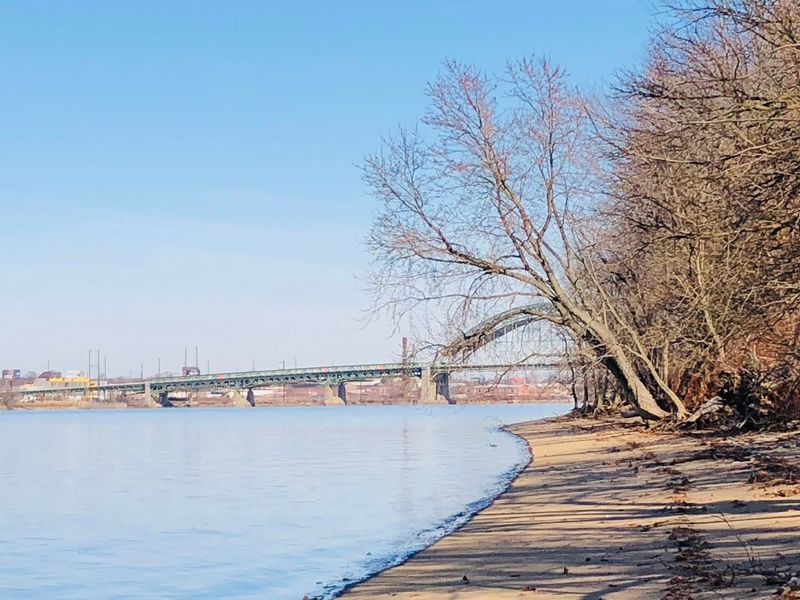
The Delaware River does not disappear when you enter Palmyra Cove Nature Park. It becomes the backdrop to a quieter walk.
Near the Tacony–Palmyra Bridge, this pocket of protected land puts woodland, shoreline and bird habitat close to neighborhoods and passing traffic. That contrast is half the pleasure.
You can arrive expecting a quick stretch of the legs and find yourself slowing down to scan the trees or watch the river instead. Choose a route with the park’s trail map before you head out, then give yourself permission to change plans if something catches your attention.
Birdwatching is an obvious draw, particularly for anyone who enjoys seeing how much wildlife uses the Delaware corridor. A camera or binoculars earns its place in your bag, but a walk with no equipment works too.
The setting makes Palmyra Cove especially appealing for residents of the Philadelphia side of South Jersey: it offers a nature outing without requiring a long drive into the countryside. Trail conditions can change with weather, so sensible walking shoes are a better choice than anything you would hate to get muddy.
Go for the river views, then spend a little time looking away from the water as well. The smaller corners of the park are where you begin to appreciate how much life fits beside a busy bridge.
12. Great Swamp National Wildlife Refuge – Morris County
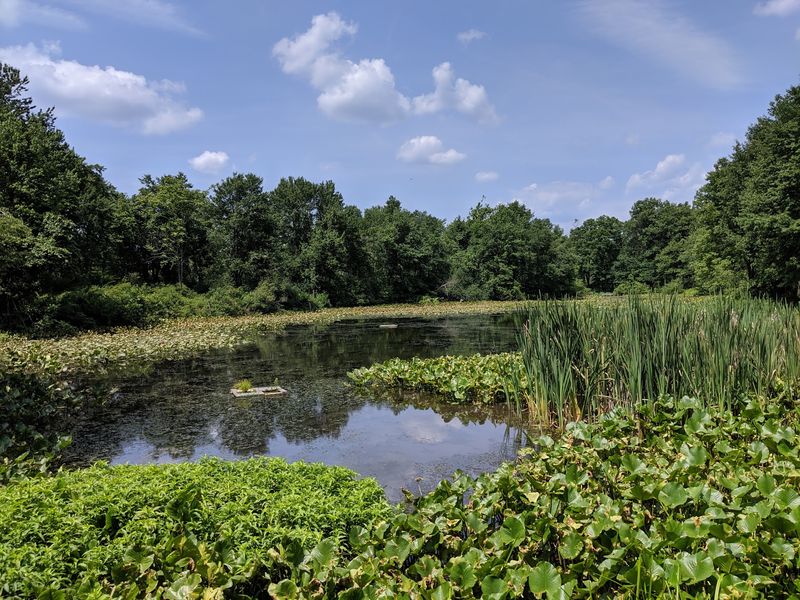
The best plan at Great Swamp is to make less noise and fewer plans. Pick a boardwalk at the Wildlife Observation Center, step into one of the viewing blinds, and wait to see what appears.
A bird may settle among the reeds. A turtle may be easier to spot once your eyes adjust to the water.
You could also spend several minutes watching an apparently empty patch of wetland before realizing how much has been moving all along. In a refuge, patience is part of the activity.
There is plenty of room to explore beyond the observation center. The refuge has miles of foot trails, and Pleasant Plains Road offers a way to look for wildlife from your vehicle.
Early morning and late afternoon are particularly good times to watch, so a visit need not take over your whole day. Choose the boardwalks if you want an approachable introduction to the swamp’s reptiles, amphibians and birds; take a longer trail when you feel like covering ground.
Bring binoculars if you own a pair, and check current conditions before setting out, since management work can occasionally affect access. Pets are not allowed on the boardwalks or hiking trails.
The reason to come is wonderfully simple: for a while, your attention belongs to whatever moves in the water, crosses the path or calls from the trees.
13. Van Slyke Castle Ruins – Oakland
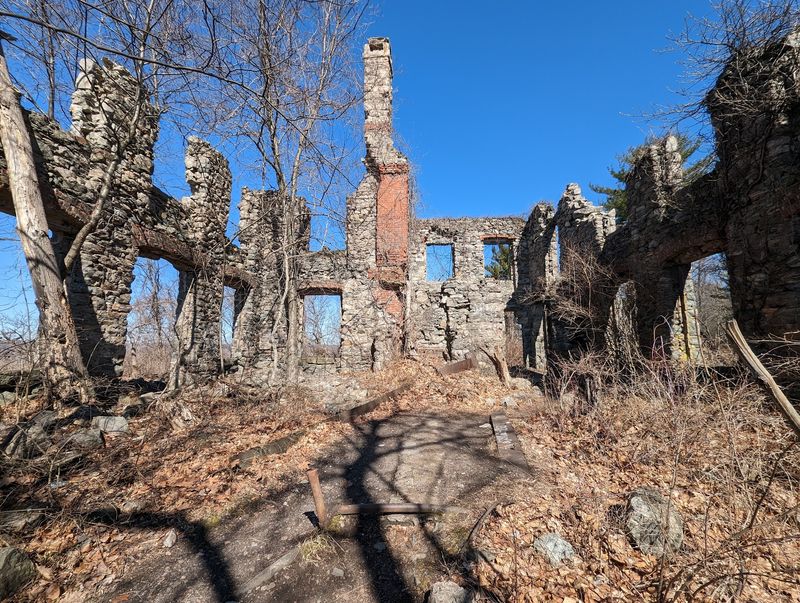
First comes the climb. Then, high above Ramapo Lake, stone walls emerge from the woods where a mansion once stood.
Van Slyke Castle Ruins are the payoff for a proper hike in Ramapo Mountain State Forest, and they make the route memorable even before you reach the viewpoints.
The former estate was originally called Foxcroft; today its remaining walls, tower and other structures leave just enough behind to make you wonder how the place looked when it was occupied.
This outing asks more of you than a garden stroll. The Castle Loop from the Skyline Drive upper parking area is about three miles round trip, with rocky sections and a steep ascent toward the ruins.
Wear shoes with good grip, carry water and allow time to follow the marked route carefully. Ramapo Lake provides a scenic stretch along the way, while overlooks near the old estate reward the uphill effort.
Once you arrive, take in the stonework from safe footing rather than scrambling over fragile remains. The water tower is another striking feature to look for as you continue the loop.
Come for the unusual destination, but give the hike itself its due. By the time you return to the trailhead, you will have had a lake walk, a climb, several views and a glimpse of a vanished estate—all in one afternoon.
Share this story