Ohio has a way of turning a simple day trip into a walk through living history, where blacksmith sparks, log homes, canal paths, and museum streets make the past feel close enough to touch. If you are craving places that go beyond glass cases and labels, these heritage villages across the state invite you to hear old stories in the creak of floorboards, the rhythm of workshops, and the voices of interpreters who make another century feel surprisingly present.
From rebuilt Native communities and frontier settlements to carefully preserved canal towns and reformist villages, each stop reveals a different piece of Ohio’s identity and shows how innovation, faith, farming, craftsmanship, and everyday family life shaped the state. In 2026, these thirteen destinations are the kind of places where you do not just learn Ohio history – you step right into it, and every path, porch, and doorway gives you another reason to keep exploring.
1. Sauder Village, Archbold
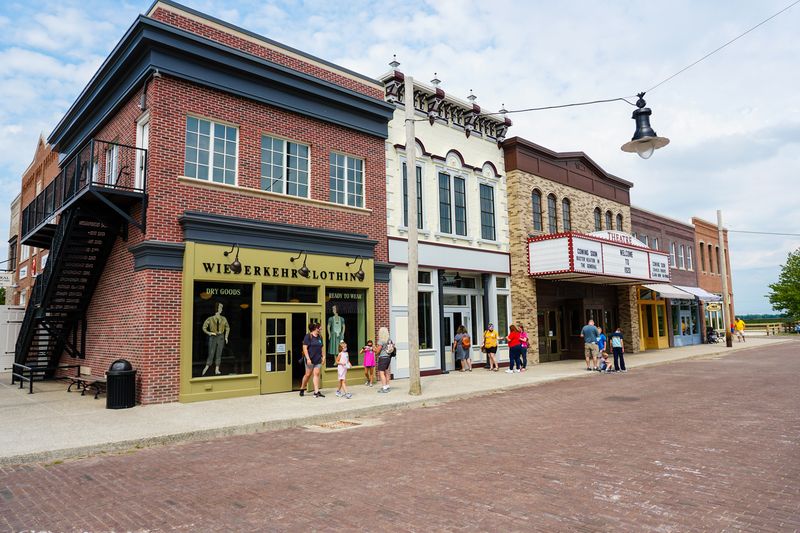
If you want an Ohio history experience that feels active instead of static, this is the kind of place that immediately pulls you in. The streets, buildings, and working trades create a setting where daily life from earlier centuries seems close enough to join.
Rather than rushing you past exhibits, the village invites you to slow down and notice how people cooked, built, farmed, and gathered in northwest Ohio.
As you move through Sauder Village in Archbold, you can watch demonstrations that make craftsmanship feel personal, from blacksmithing and woodworking to baking and domestic routines. I think what makes it memorable is the way the interpreters connect practical tasks to the bigger story of Ohio settlement and community growth.
You are not just seeing old tools on display, you are understanding how skill, labor, and neighborly exchange shaped life across the state.
The setting also balances education with simple enjoyment, which makes it easy for families, couples, and solo travelers to stay engaged. Historic homes, gardens, shops, and public buildings help you picture the rhythm of a village where everyone depended on one another.
That sense of connection gives the site a warmth that many museums never fully achieve.
What stands out most is how naturally the past comes alive here without feeling staged or distant. In 2026, it remains one of Ohio’s strongest heritage destinations because it offers both atmosphere and substance in equal measure.
If you are building a history themed road trip through Ohio, this stop deserves a place near the top because every corner gives you another clear, vivid look at how people once lived and worked.
2. Hale Farm & Village, Bath
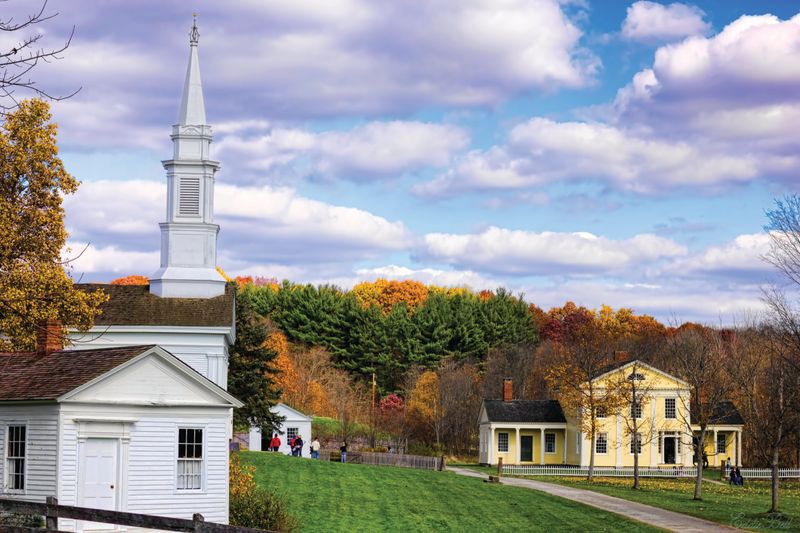
Some Ohio historic sites impress you with grandeur, but this one wins you over through texture, rhythm, and the feeling of daily life unfolding around you. Farm buildings, village structures, and open landscapes work together to create a place where the nineteenth century feels grounded and real.
You can almost sense the steady routines that once shaped households, fields, and workshops throughout the Western Reserve.
At Hale Farm & Village in Bath, the connection between agriculture and community is especially clear. Skilled interpreters demonstrate trades and household tasks in ways that help you understand how self reliance, barter, and craftsmanship supported Ohio families long before modern convenience arrived.
Instead of treating history like a distant subject, the site lets you see it as a series of choices, chores, and relationships that built local life.
The village is also visually rewarding, with historic homes, fences, barns, and pathways framed by a landscape that changes beautifully with the seasons. I like how the rural setting adds emotional depth, because the land itself explains why communities grew here and how people depended on it.
When you walk from one building to another, the transitions feel natural, almost like you are visiting neighbors across an earlier century.
By 2026, it still stands as one of Ohio’s most immersive places for understanding how village and farm life connected. There is enough authenticity here to satisfy serious history lovers, yet it remains accessible for visitors who simply want a meaningful day outdoors.
If you want to experience Ohio history through sights, sounds, skills, and scenery rather than timelines alone, this village offers exactly that kind of memorable step back in time.
3. Historic Zoar Village, Zoar
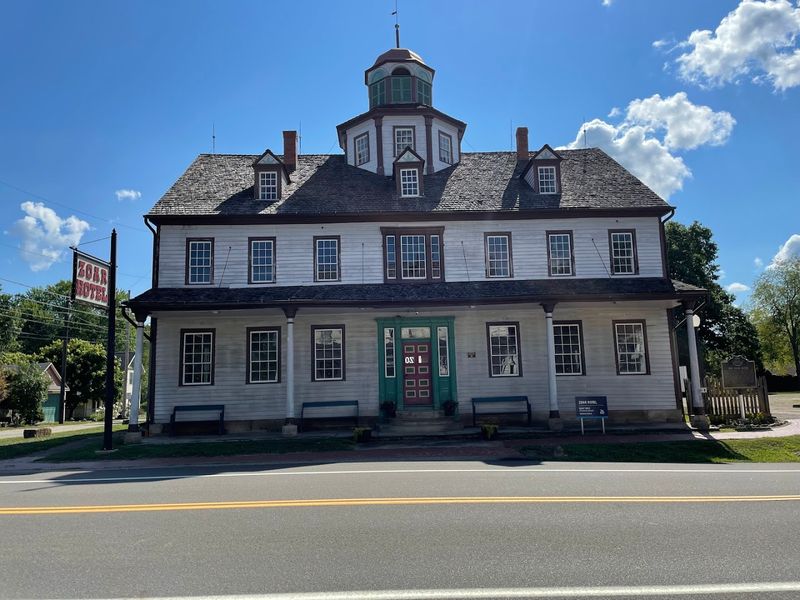
You can feel something distinctive here almost as soon as you arrive, because this village tells a story unlike many others in Ohio. Its roots in a German religious communal society give the streets and buildings a strong sense of purpose, order, and shared identity.
That deeper cultural framework makes the experience richer than a simple walk past preserved architecture.
Historic Zoar Village in Zoar helps you understand how belief, cooperation, and practicality shaped a whole community. The homes, workspaces, and public buildings reveal what it meant for residents to organize life around common values while adapting to the opportunities and pressures of nineteenth century Ohio.
I find that blend of idealism and realism especially compelling, because it shows how communities tried to build something stable in a rapidly changing state.
As you explore, you begin to notice how design, craftsmanship, and daily routines reflected collective life rather than pure individual ambition. That creates a different atmosphere from many frontier or canal era destinations, and it gives the village its own quiet personality.
You are not just learning local history here, you are seeing how one social experiment became part of Ohio’s broader story.
In 2026, this remains one of the state’s most rewarding places for visitors who enjoy history with strong cultural character. The preserved setting encourages you to move slowly, ask questions, and imagine how meals, worship, labor, and governance all connected within the same small world.
If you want an Ohio heritage stop that combines architecture, community ideals, and human complexity in a memorable way, this village offers a thoughtful and deeply atmospheric experience.
4. Historic Roscoe Village, Coshocton
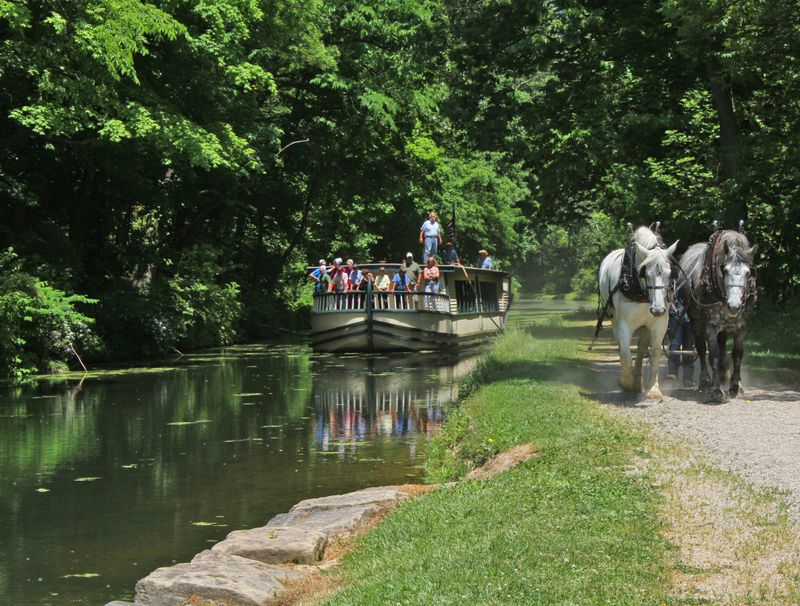
If canal era Ohio fascinates you, this village gives that chapter of state history a vivid and approachable setting. Restored streets and period buildings help you picture the years when waterways transformed trade, travel, and local ambition.
There is an energy to the place that comes from imagining goods, workers, and visitors moving through a town built around opportunity.
Historic Roscoe Village in Coshocton does an excellent job showing how the Ohio and Erie Canal influenced commerce and everyday life. Shops, homes, and interpretive spaces reveal how transportation shaped community identity and opened the door to growth that would have seemed impossible in an earlier frontier landscape.
You quickly understand that canals were not just engineering projects, they were social and economic lifelines.
What I appreciate most is the balance between charm and historical meaning. The village is easy to enjoy on the surface because it is walkable, attractive, and full of period character, but the deeper story rewards a slower visit.
As you look around, it becomes clear how business, craftsmanship, and family life all relied on the movement of people and products through this part of Ohio.
By 2026, it continues to stand out as one of the state’s most inviting heritage districts for travelers who want history without losing atmosphere. The canal narrative gives the site a strong sense of momentum, while the preserved buildings provide the intimacy that lets you imagine real lives unfolding behind each doorway.
If you want to see how transportation once helped shape Ohio’s fortunes, this village makes that story easy to grasp and hard to forget.
5. Heritage Village Museum, Sharonville
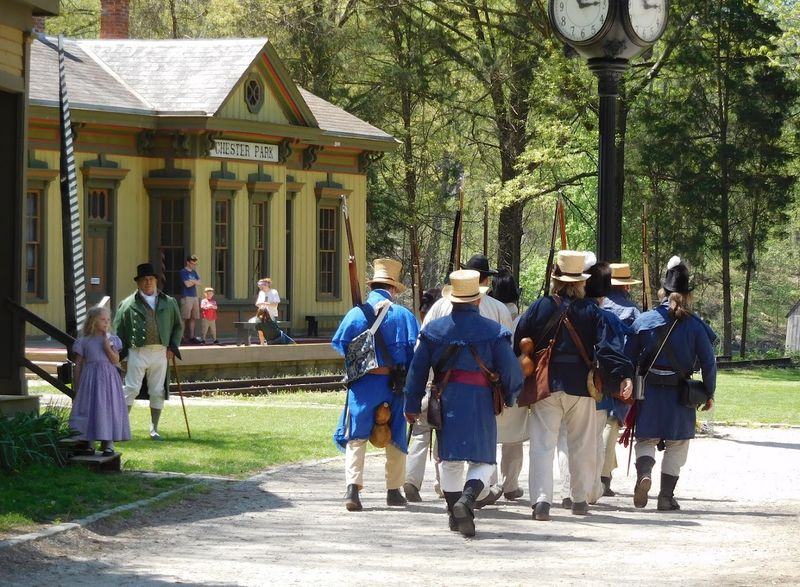
This is the kind of Ohio history stop that feels intimate, thoughtful, and surprisingly varied once you begin walking through it. Instead of presenting one single storyline, the village gathers multiple historic structures to show different aspects of nineteenth century life.
That variety helps you compare how families learned, worshiped, worked, and built community across changing times.
At Heritage Village Museum in Sharonville, the preserved buildings create a compact but meaningful journey through regional history. Cabins, homes, a church, and other structures give you a practical sense of how architecture reflected need, resources, and local tradition.
I like that the experience feels personal, because each building hints at specific lives rather than abstract dates and events.
The wooded setting adds another layer to the atmosphere, making the village feel slightly tucked away from modern noise. That separation helps you focus on details such as handmade construction, modest room layouts, and the ways public and private spaces once functioned.
You are reminded that ordinary places often carry the strongest lessons about how communities actually operated.
In 2026, it remains a rewarding destination for anyone interested in Ohio’s everyday past rather than only its biggest milestones. The scale makes it manageable, but the stories embedded in the site give it more depth than many visitors expect.
If you enjoy heritage travel that invites observation and reflection, this village offers a calm, engaging experience where the state’s history is told through homes, shared spaces, and the practical realities of life in earlier generations.
6. Schoenbrunn Village, New Philadelphia
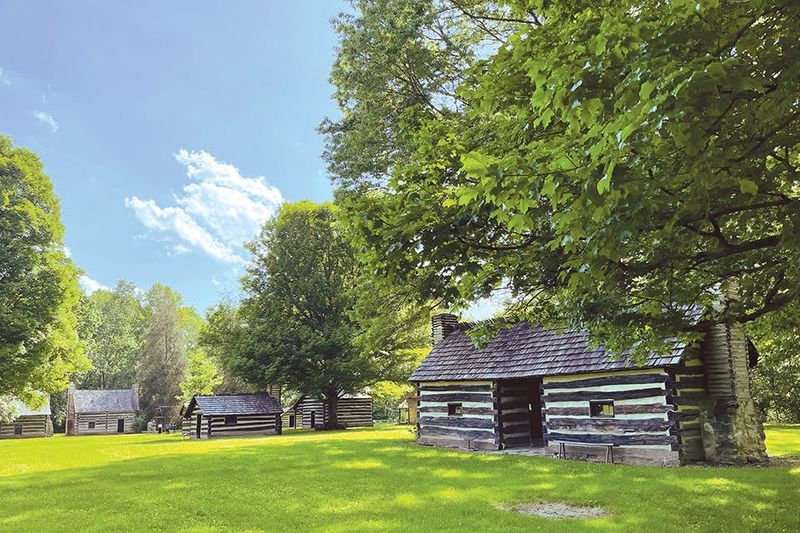
Few places in Ohio invite you to think as deeply about the earliest layers of settlement, faith, and cross cultural contact as this one does. The reconstructed village is quiet in mood, but the history it represents carries lasting significance.
That contrast gives your visit a reflective quality that stays with you long after you leave.
At Schoenbrunn Village in New Philadelphia, you are stepping into the story of an eighteenth century Moravian mission and one of Ohio’s earliest organized settlements. The simple log structures and open layout help you imagine a community shaped by religion, education, agriculture, and complex relationships with Native peoples on the frontier.
I find the restraint of the site powerful, because it allows the history to speak through space, purpose, and setting instead of spectacle.
Walking here feels different from visiting later Victorian or canal communities, since the village reflects a more fragile and uncertain stage of Ohio’s past. Every cabin and pathway suggests adaptation, hope, and the challenge of building order in a landscape where many futures were still possible.
You begin to see how belief and survival were closely linked in the earliest chapters of the state’s development.
In 2026, this remains one of Ohio’s most important heritage sites for visitors who want to understand beginnings rather than simply admire preservation. The experience is quiet, but it rewards thoughtful attention with a clearer sense of how religion, education, and settlement patterns intersected in the region.
If you want a place where history feels foundational and human at the same time, this village offers one of the state’s most distinctive and meaningful walks into the past.
7. Century Village Museum, Burton
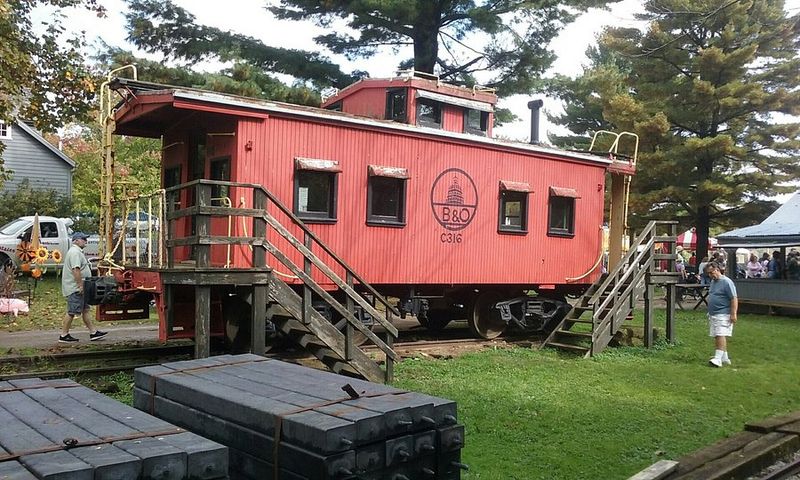
If you enjoy local history that feels rooted in community memory, this village has a welcoming and grounded appeal. The collection of historic buildings creates a clear picture of how rural Ohio life developed through work, education, worship, and home life.
Nothing feels oversized or theatrical, which is part of what makes the experience so engaging.
Century Village Museum in Burton captures the texture of nineteenth century life in northeast Ohio through structures that reflect practical needs and regional identity. As you move among cabins, homes, and community buildings, you can trace how ordinary people built stability from available materials, learned useful skills, and formed networks that supported everyday survival.
I think that modest scale is its strength, because it keeps your attention on people rather than spectacle.
The village also works well as a reminder that Ohio history was shaped not only by famous cities and industrial growth but by smaller agricultural communities. Details like room size, building methods, and public spaces help you see what mattered most in village life.
You are left with a stronger sense of how discipline, cooperation, and adaptation helped families make a place for themselves.
By 2026, it still deserves attention from travelers seeking a quieter but meaningful heritage stop. The site offers enough authenticity to reward serious interest while remaining easy to appreciate if you simply want a pleasant and educational outing.
If your idea of history includes the habits, values, and material culture of everyday Ohioans, this village gives you a direct and memorable way to experience those stories where they actually unfolded.
8. Historic Lyme Village, Bellevue
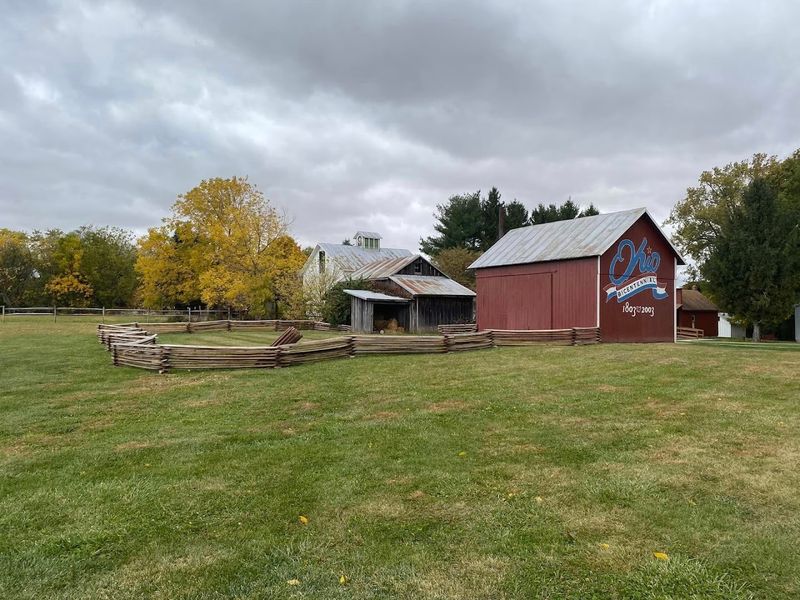
There is a calm, almost neighborly quality to this heritage site that makes Ohio history feel accessible right away. The preserved buildings are not just attractive remnants, they create a believable framework for understanding how a small community functioned.
As you walk the grounds, it becomes easy to picture school days, Sunday gatherings, household chores, and seasonal routines unfolding around you.
Historic Lyme Village in Bellevue presents a range of structures that help tell the story of nineteenth century village life. Homes, public buildings, and community spaces reveal how residents balanced private responsibilities with shared needs in a developing Ohio settlement.
I appreciate how the site turns broad history into something tangible, because each doorway and room suggests the practical realities behind local growth.
The village also benefits from a layout that encourages you to compare spaces and imagine the relationships among them. You can sense how education, worship, domestic work, and trade each played a role in holding the community together.
That interconnectedness is one of the strongest lessons the site offers, and it gives the visit more emotional resonance than a single building museum might provide.
In 2026, it remains a worthwhile stop for travelers who want a less crowded but thoughtfully preserved window into Ohio’s past. The experience is not about overwhelming you with one dramatic event, but about showing how ordinary institutions helped shape the state over time.
If you enjoy heritage places that reward careful observation and help you imagine real people living their daily lives, this village offers a gentle, informative, and satisfying step back into Ohio history.
9. Caesar’s Creek Pioneer Village, Waynesville
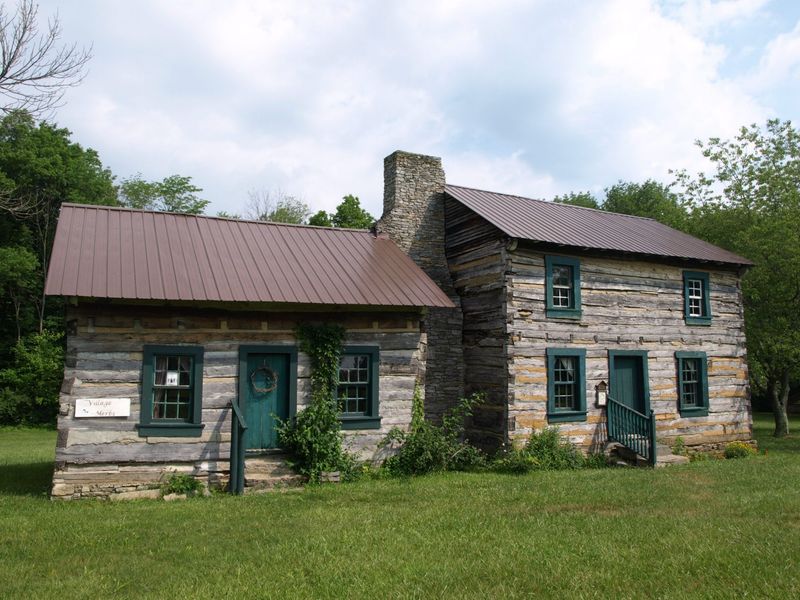
This village has the rugged, practical feel that many people hope for when they imagine Ohio’s frontier past. Rustic buildings and a natural setting work together to create a sense of early settlement shaped by necessity, effort, and resourcefulness.
You do not need much imagination to picture how demanding everyday life must have been for the families who built communities here.
At Caesar’s Creek Pioneer Village in Waynesville, the preserved structures help translate pioneer history into something visual and immediate. Cabins and supporting buildings reveal how settlers organized domestic life, protected themselves from hardship, and relied on handmade solutions for nearly every task.
I like that the site keeps the focus on human endurance, because it reminds you that Ohio’s growth began with countless small acts of labor and adaptation.
The atmosphere also encourages a broader appreciation for landscape, since the surroundings explain why settlement required both courage and planning. Walking among the buildings, you start to notice how limited space, available timber, and community cooperation shaped architectural choices and daily routines.
Those details make the frontier story feel less romanticized and more honest.
By 2026, this remains a valuable stop for visitors who want to understand the earliest practical realities of life in Ohio. It may not have the polished feel of larger heritage complexes, but that simplicity can make the experience more direct and memorable.
If you are drawn to places where history is told through rough-hewn materials, small dwellings, and the visible evidence of hard work, this pioneer village offers a compelling look at the foundations of settlement in the state.
10. SunWatch Indian Village, Dayton
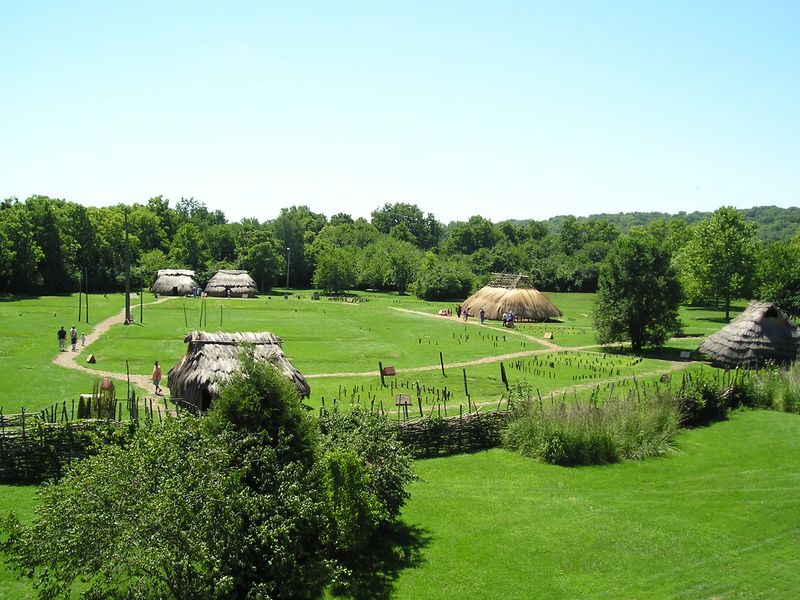
Some of the most important Ohio history experiences are the ones that push you to look far beyond the nineteenth century, and this site does exactly that. Here, the focus shifts to the Indigenous past of the region and to the sophistication of a community that flourished long before modern state lines existed.
That perspective makes the visit essential if you want a fuller understanding of Ohio.
SunWatch Indian Village in Dayton is based on archaeology, which gives the reconstructed settlement unusual depth and credibility. The layout, structures, and interpretive approach help you explore the lives of the Fort Ancient people through evidence tied directly to the site itself.
I find that especially powerful, because you are not dealing with vague generalizations, but with a place grounded in research and the realities of a specific community.
As you move through the village, you start to appreciate patterns of agriculture, trade, social organization, and spiritual life that shaped the settlement. The setting helps you imagine how residents observed the land, managed resources, and built meaning into daily activity.
You come away with a stronger sense that Ohio’s story began long before European settlement and cannot be understood without Native history at its center.
In 2026, this remains one of the state’s most important heritage destinations for thoughtful travelers and families alike. It is educational in the best way, offering insight without losing the human dimension that makes the past memorable.
If you want a site that broadens your idea of what an Ohio heritage village can be, this one delivers a meaningful, respectful, and deeply informative experience that stays with you long after the visit ends.
11. Historic Kirtland Visitors’ Center, Kirtland
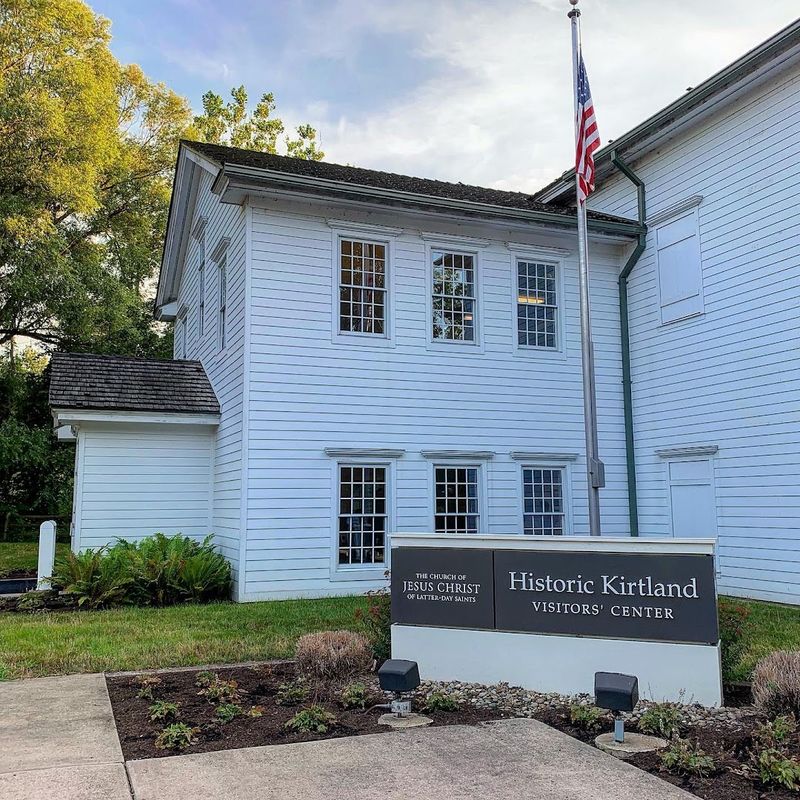
This Ohio heritage stop offers a different kind of immersion, one centered on faith, migration, and the making of community in a formative period. The experience is less about a broad open air village atmosphere and more about understanding how belief shaped place.
That focus gives the visit a clear identity and a sense of historical purpose.
At the Historic Kirtland Visitors’ Center in Kirtland, you are introduced to one of the most significant religious landscapes in the state. The surrounding historic sites connected to early Latter-day Saint history reveal how spiritual conviction influenced architecture, gathering spaces, and social organization during the 1830s.
I think the strongest part of the visit is how it connects personal devotion to broader questions about movement, identity, and settlement in Ohio.
The setting encourages you to think about Kirtland not only as a location, but as a turning point within a larger historical journey. Buildings and interpretation help explain why the area became important, how communities formed around shared belief, and what challenges accompanied that growth.
You do not need prior knowledge to appreciate the significance, because the human stories provide a natural entry point.
In 2026, it remains a meaningful destination for travelers interested in the many strands that make up Ohio’s heritage. Its historical value lies in showing that the state was shaped not just by industry and agriculture, but also by religious movements and communities seeking purpose.
If you want a heritage visit that adds spiritual and cultural depth to your Ohio itinerary, this site offers a thoughtful, distinctive, and memorable perspective on the past.
12. The Milan Museum, Milan
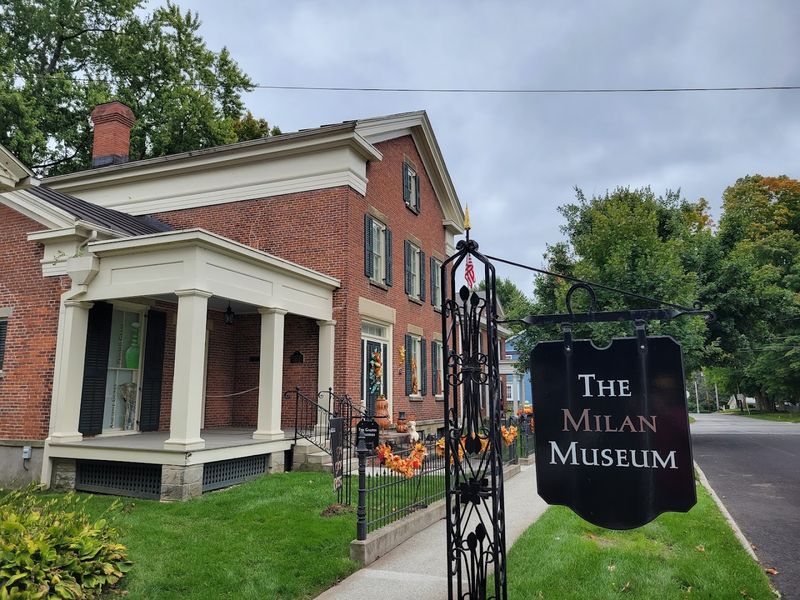
This stop blends village character with a story of invention, curiosity, and small town Ohio roots in a way that feels especially engaging. The setting reminds you that big ideas often begin in quiet places, shaped by family, education, and the texture of local life.
That combination gives the visit both historical charm and broader cultural relevance.
The Milan Museum in Milan is closely tied to the town’s connection with Thomas Edison, but the experience also opens a window onto the community that helped shape him. As you explore, you can better understand how nineteenth century Ohio towns fostered learning, trade, and ambition through everyday institutions and routines.
I like that the museum encourages you to think about environment as influence, showing how a place can nurture creativity long before genius becomes famous.
The surrounding historic atmosphere strengthens that idea, because Milan itself reflects the built world of an earlier era. Streets, architecture, and local context help explain what childhood, schooling, and social life may have looked like in a community linked to commerce and change.
You are not simply absorbing a biography, you are seeing how one Ohio town participated in larger currents of innovation and opportunity.
By 2026, this remains a rewarding destination for travelers who enjoy history connected to notable people without losing sight of place. The museum works best when you let it frame Milan as more than a backdrop and instead as part of the story.
If you want an Ohio heritage stop that joins local identity, national significance, and the appeal of a preserved town environment, this one offers a smart and memorable experience.
13. Pioneer Village at Governor Bebb MetroPark, Okeana
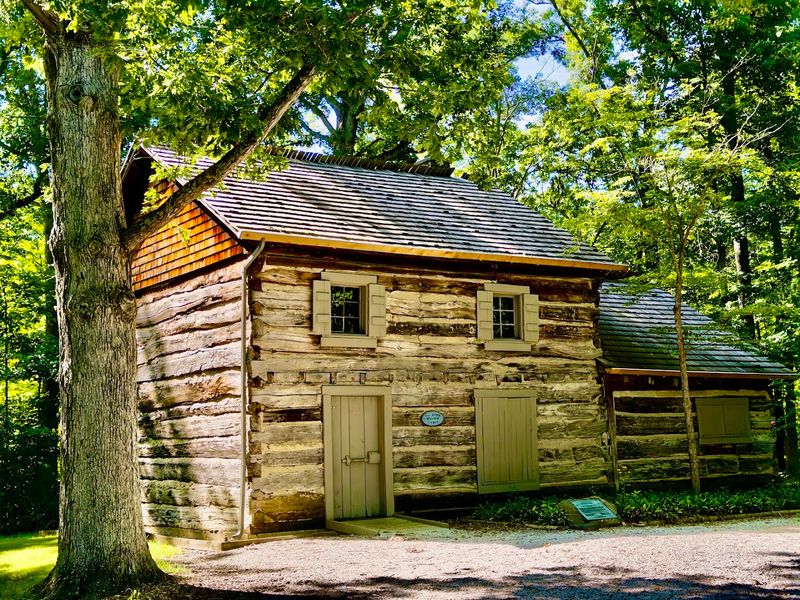
When a heritage site sits within a natural park setting, the connection between landscape and survival becomes easier to understand, and that is exactly the appeal here. The village offers a practical look at early Ohio life while reminding you that settlers depended on the land around them for nearly everything.
That blend of history and environment creates a visit that feels grounded rather than abstract.
At the Pioneer Village at Governor Bebb MetroPark in Okeana, rustic buildings help tell the story of frontier households, local craftsmanship, and community development. Cabins and associated structures reveal how early residents organized shelter, work, and daily routines in a world where convenience was limited and effort was constant.
I think the park context makes the experience stronger, because you can better imagine the isolation, resources, and seasonal challenges that shaped these lives.
The site may feel modest compared with some of Ohio’s larger heritage destinations, but that simplicity can be a real advantage. Without too many distractions, you notice construction details, spatial limits, and the ingenuity behind basic household arrangements.
You begin to appreciate how much determination was required just to create a stable home and functioning settlement.
In 2026, this village remains a valuable addition to an Ohio history itinerary, especially if you enjoy seeing how pioneer life connected to the natural world. It offers a clear reminder that the state’s development began with small communities carving out daily existence through skill and persistence.
If you want a stop that feels authentic, quiet, and closely tied to the realities of frontier living, this pioneer village delivers a satisfying and memorable encounter with Ohio’s earliest built environment.
Share this story