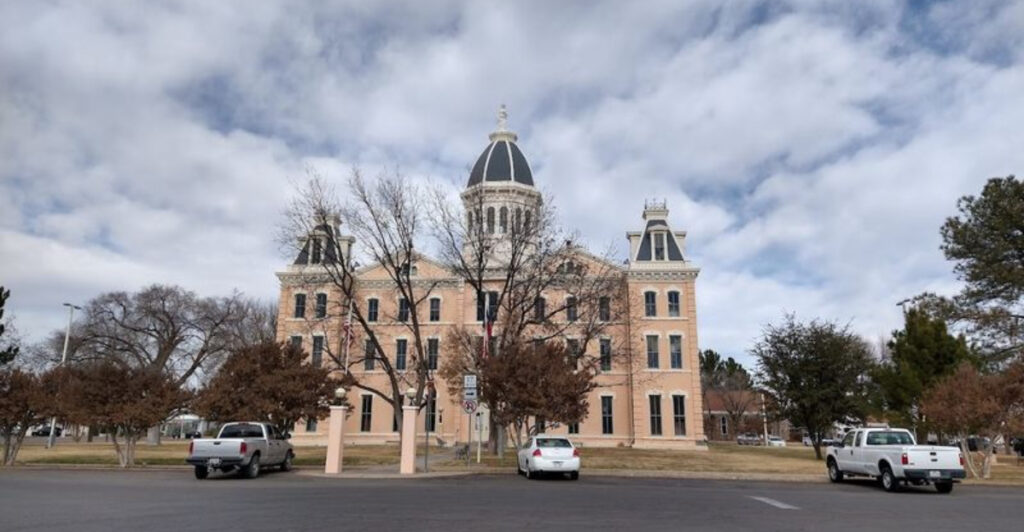
Marfa sits in the high desert of far West Texas, a speck of a town that punches way above its weight in culture, mystery, and artistic swagger. What started as a railroad water stop has transformed into an unlikely mecca for artists, stargazers, and travelers seeking something genuinely different from the usual tourist trail. With a population barely cracking 1,700, this remote outpost manages to blend cutting-edge contemporary art, Old West history, unexplained light phenomena, and some of the darkest skies in North America into one unforgettable experience.
1. The Sentinel Marfa
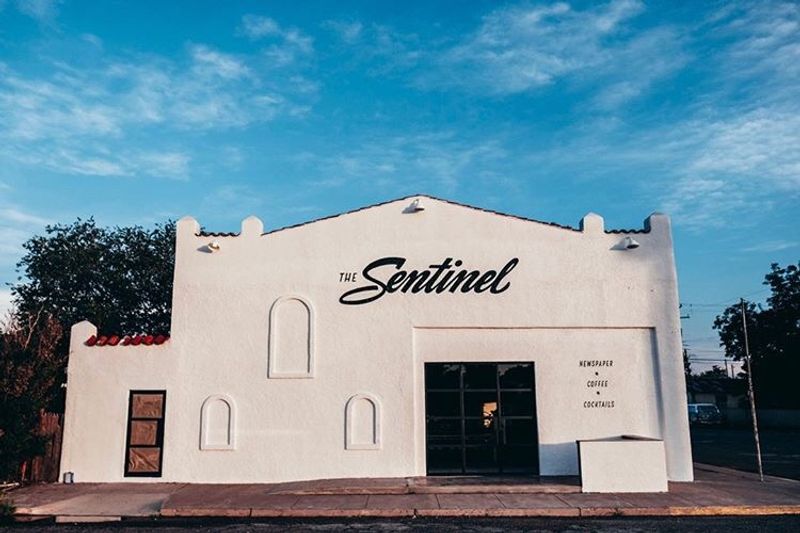
Walking up to The Sentinel feels like stumbling onto a secret art world that somehow landed in the middle of nowhere. This contemporary art space occupies a former ice factory, and the conversion respects both the industrial bones of the building and the forward-thinking vision that defines modern Marfa. Inside, rotating exhibitions showcase work from emerging and established artists who push boundaries in ways that feel perfectly at home in this desert setting.
The gallery doesn’t follow typical museum rules. You won’t find velvet ropes or stuffy docents hovering over your shoulder. Instead, the space invites you to wander freely through installations that range from photography and sculpture to video art and mixed media pieces that defy easy categorization.
What makes The Sentinel special is how it balances accessibility with serious artistic credibility. Even if you’ve never set foot in a contemporary art gallery before, the welcoming atmosphere makes it easy to engage with challenging work. The staff genuinely wants to talk about the art without making you feel like you need a degree to appreciate it.
The building itself tells a story about Marfa’s evolution. Those thick walls that once kept ice from melting in the desert heat now provide the perfect climate-controlled environment for delicate artworks. High ceilings and industrial windows flood the space with natural light that changes throughout the day, creating different viewing experiences depending on when you visit.
Plan to spend at least an hour here, maybe more if a particular exhibition grabs you. The Sentinel often hosts artist talks and special events that give deeper insight into the creative process behind the work on display. Check their schedule before you arrive because these intimate gatherings fill up quickly in a town this small.
2. Prada Marfa
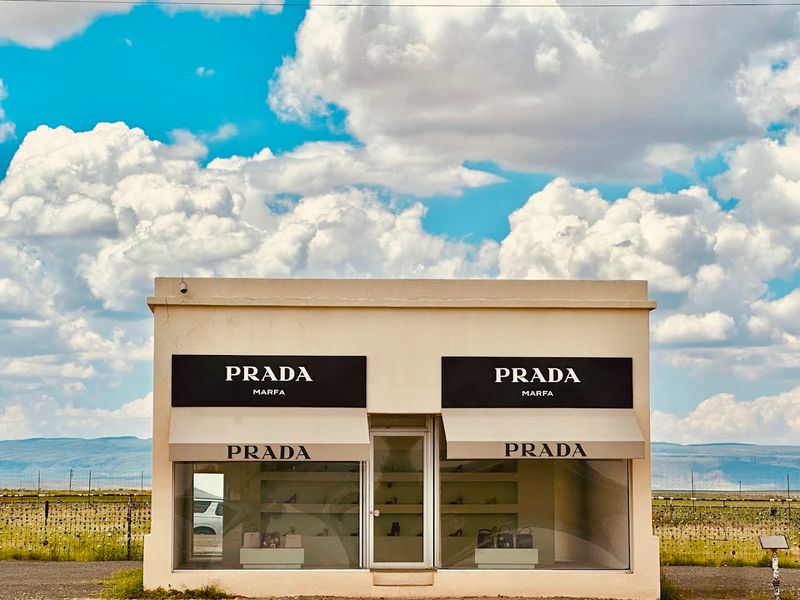
Twenty-six miles northwest of town, a luxury boutique rises from the scrubland like a mirage that refuses to disappear. Prada Marfa isn’t actually a store, despite the gleaming handbags and designer shoes displayed in its windows. Created by artists Elmgreen and Dragset in 2005, this permanent sculpture comments on consumerism, isolation, and the absurdity of luxury goods existing in one of America’s most remote locations.
The installation was meant to slowly deteriorate, never to be maintained or restocked. That plan lasted about three days before vandals broke in and stole the merchandise, forcing the artists to reinstall everything behind bulletproof glass. Now it stands as both the original artwork and an unintended commentary on how people interact with public art.
Getting there requires a short drive on Highway 90, and you’ll know you’re close when you spot cars pulled over on the shoulder. Everyone stops for photos, creating an impromptu roadside gathering of art lovers, confused tourists, and Instagram seekers. The best light for photography happens during golden hour, when the low sun illuminates the storefront and casts long shadows across the desert floor.
Bring water and watch for traffic when you park. This stretch of highway sees steady use, and drivers sometimes speed past without expecting pedestrians. The sculpture sits on private land but viewing from the road is encouraged and expected.
Some people dismiss Prada Marfa as a gimmick, but that misses the point entirely. The piece works precisely because it’s simultaneously ridiculous and profound, raising questions about authenticity, value, and what we consider worth preserving. Whether you see it as brilliant social commentary or just a weird roadside attraction, you won’t forget it.
3. Marfa Lights Viewing Area
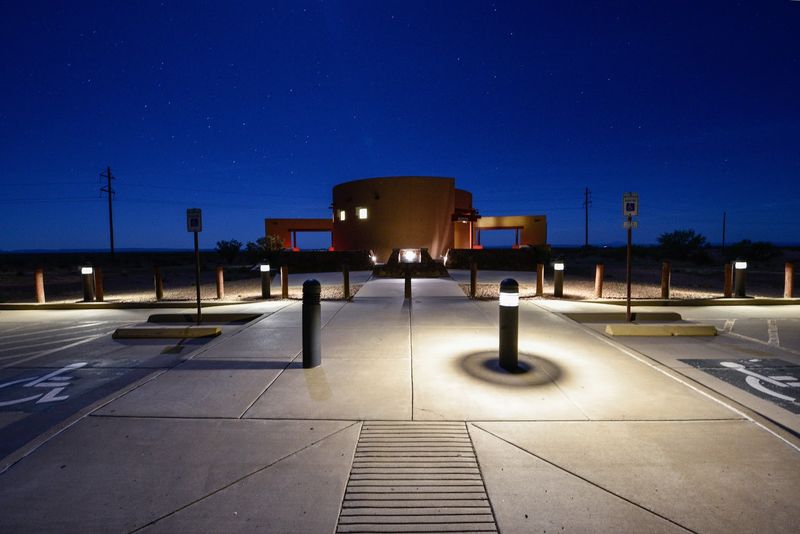
Nine miles east of town, a dedicated viewing platform looks out over the Mitchell Flat, where unexplained lights have danced across the horizon for well over a century. Nobody knows exactly what causes the Marfa Lights, though theories range from atmospheric reflections and vehicle headlights to seismic activity and something more mysterious. What matters is that people keep seeing them, and the phenomenon remains genuinely unexplained despite numerous scientific investigations.
The viewing area itself is simple but well-designed, with covered seating, informational plaques, and restrooms. Arrive before sunset to claim a good spot, especially on weekends when the platform can get crowded with fellow light-seekers. Bring layers because desert temperatures drop fast after dark, and a folding chair makes the wait more comfortable.
Patience is essential here. The lights don’t perform on command, and some nights produce better displays than others. When they do appear, you’ll see glowing orbs that split, merge, disappear, and reappear in ways that don’t match any simple explanation.
They’ve been documented since at least 1883, long before car headlights or modern technology could account for them.
Skip the binoculars and fancy camera equipment on your first visit. Your eyes adjust better to the darkness without them, and the lights are distinctive enough to spot with naked-eye viewing. If you get serious about light-hunting, return trips can involve more elaborate setups.
The viewing area is free and open 24 hours, making it one of the best bargains in West Texas. Whether you witness a spectacular light show or see nothing at all, the experience of sitting under enormous desert skies waiting for the unexplained creates memories that stick. Just don’t expect easy answers about what you might see out there in the darkness.
4. Chinati Foundation
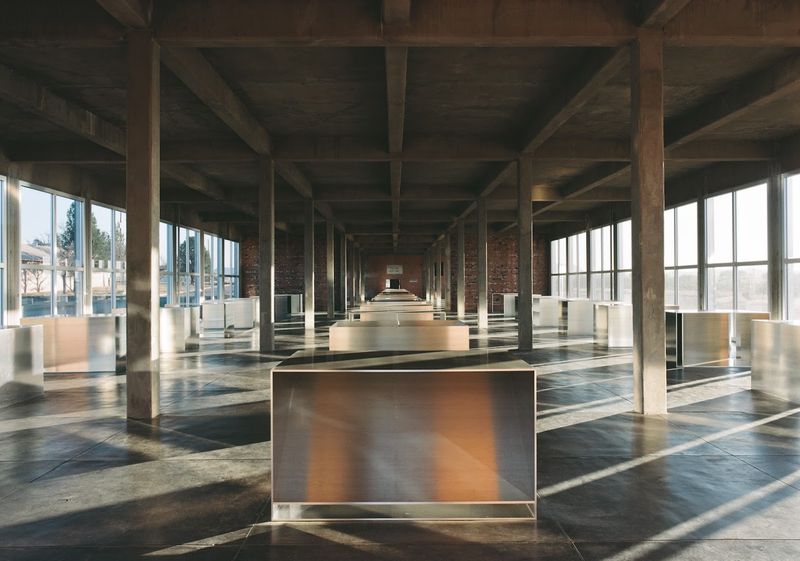
Artist Donald Judd didn’t just move to Marfa in the 1970s, he transformed it into one of the world’s most significant destinations for contemporary art. The Chinati Foundation occupies a former military base that Judd converted into permanent installations for his own work and that of select artists he admired. The result is something you won’t find anywhere else: large-scale art displayed exactly as the artists intended, in spaces specifically designed for long-term viewing.
Judd’s 100 aluminum boxes occupy two former artillery sheds, creating an experience that shifts dramatically as you move through the space and natural light changes throughout the day. Dan Flavin’s fluorescent light installations transform abandoned military structures into glowing environments that blur the line between architecture and art. John Chamberlain’s crushed car sculptures sprawl across another building, their twisted metal forms creating unexpected beauty from automotive wreckage.
Visiting requires planning because you can only see the collection on guided tours that last several hours. Tours run Wednesday through Sunday and must be booked in advance, especially during peak season from October through April. Wear comfortable walking shoes because you’ll cover significant ground moving between the various buildings spread across the 340-acre property.
The foundation doesn’t apologize for being challenging or demanding. This isn’t a quick museum visit where you dash past artworks snapping photos. The tour moves deliberately, giving you time to sit with individual pieces and experience how they interact with light, space, and the surrounding landscape.
Some people find it revelatory while others get restless, but nobody leaves without a stronger opinion about minimalist art.
Admission costs more than typical museum entry, but the fee supports ongoing conservation and programming at this unique institution. Consider it an investment in experiencing art the way Judd believed it should be seen: permanently installed, thoughtfully presented, and given room to breathe.
5. Hotel Paisano
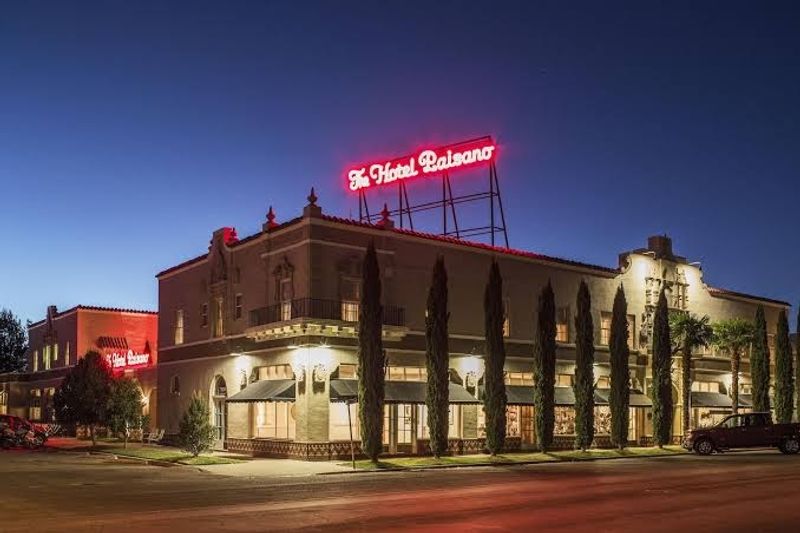
Giant star James Dean slept here during the 1955 filming of the movie that would be his last. Hotel Paisano served as headquarters for the cast and crew of “Giant,” and the hotel has never quite let anyone forget it. Black-and-white photos line the walls, the lobby displays memorabilia from the production, and the whole place trades heavily on that golden age of Hollywood glamour.
Beyond the Dean connection, the hotel itself deserves attention as a fine example of Spanish Colonial Revival architecture. Built in 1930, the building features thick adobe walls, a central courtyard, and period details that transport you back to an era when this was the fanciest accommodation for hundreds of miles. Recent renovations have modernized the rooms while preserving historical character, adding comfortable beds and updated bathrooms without sacrificing vintage charm.
The courtyard restaurant serves solid food in an atmospheric setting, perfect for lingering over breakfast before heading out to explore. The bar attracts a mix of hotel guests and locals, creating a convivial scene most evenings. Service can be hit-or-miss depending on how busy things get, but the staff generally maintains the friendly professionalism you’d hope for.
Room rates reflect the hotel’s status as Marfa’s most famous lodging option, priced higher than budget motels but reasonable for what you get. The central location means you can walk to restaurants, galleries, and shops without moving your car. Light sleepers should request rooms away from the street, as occasional traffic noise filters through the historic windows.
Every October, the hotel hosts a Giant reunion celebration that brings together fans of the film, complete with screenings, tours of filming locations, and special events. Even if you visit during the rest of the year, the hotel offers a tangible connection to Marfa’s unexpected brush with Hollywood history that adds extra layers to your stay in this unlikely cultural outpost.
6. Desert Stargazing and Dark Skies
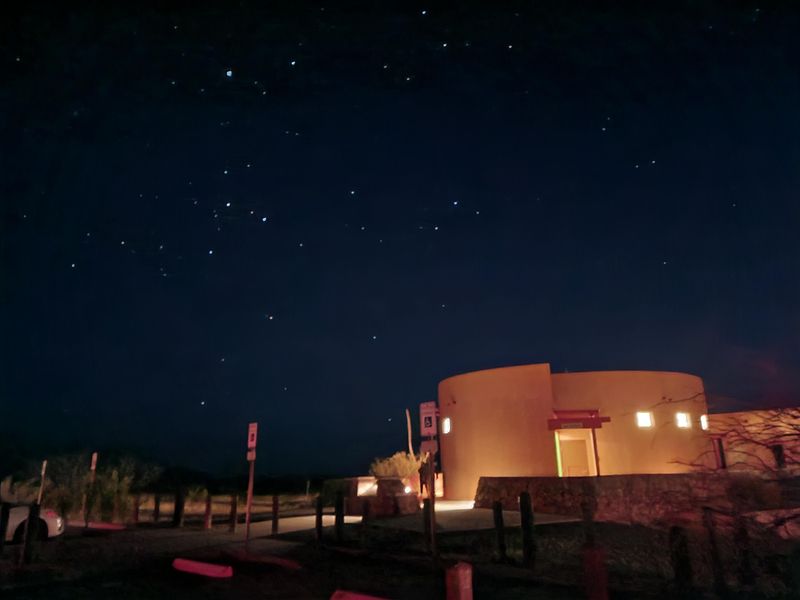
Light pollution has robbed most Americans of the night sky their grandparents knew. Not here. Marfa sits far enough from major cities and maintains strict enough lighting ordinances that the Milky Way stretches overhead in all its cloudy glory on clear nights.
The darkness is so complete that your eyes need twenty minutes to fully adjust, revealing layers of stars that seem impossible until you experience them yourself.
You don’t need special equipment or a guided tour to appreciate these skies. Drive a few miles outside town, pull over somewhere safe, kill your lights, and look up. The experience is free, profound, and available every clear night.
New moon phases offer the darkest skies, though even nights with moonlight reveal more stars than most people see in a lifetime of city living.
Serious stargazers bring telescopes, star charts, and astronomy apps that help identify what you’re seeing. The McDonald Observatory in Fort Davis, about two hours north, offers public programs if you want expert guidance. But honestly, the casual approach works beautifully in Marfa.
Just lying on a blanket watching satellites cross the sky and spotting the occasional shooting star creates memories without requiring any expertise.
Dress warmer than you think necessary because desert nights get cold, even in summer. Bring a red flashlight if you need light, as red wavelengths preserve your night vision better than white light. A thermos of hot coffee or tea makes the experience more comfortable during longer viewing sessions.
The stars have drawn astronomers, photographers, and dreamers to West Texas for generations. In an age where true darkness becomes increasingly rare, Marfa’s night skies represent a precious resource worth traveling for. After a few nights under these stars, city lights will seem like a sad compromise rather than a sign of civilization.
7. Ballroom Marfa
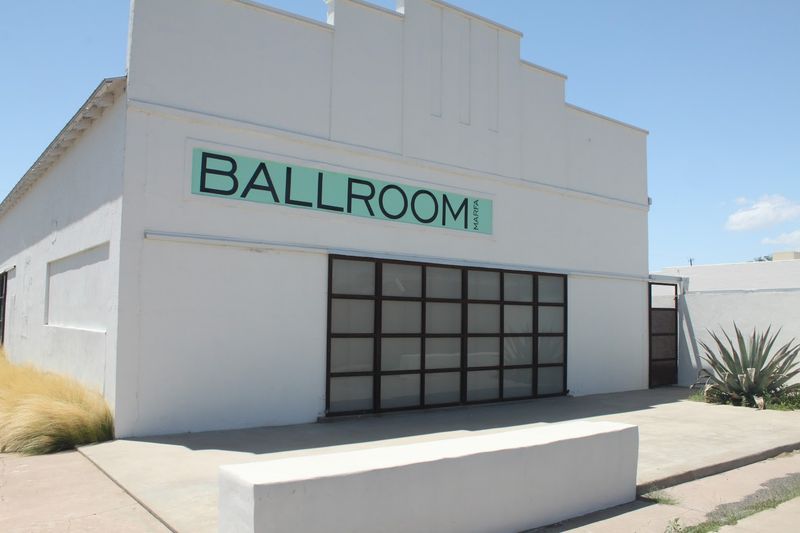
Despite its name, Ballroom Marfa never functioned as a dance hall. This nonprofit contemporary art space occupies a former ballroom building but has been reimagined as a cutting-edge venue for exhibitions, performances, screenings, and projects that push cultural boundaries. The programming here rivals what you’d find in major cities, except it happens in a town of fewer than 2,000 people.
Ballroom Marfa gained international attention with projects like the Prada Marfa installation and continues to commission ambitious works that engage with the landscape, history, and culture of West Texas. Exhibitions rotate regularly, showcasing emerging and established artists working in diverse media. You might encounter video installations, sound art, sculpture, or performances that defy easy categorization.
The organization also presents film screenings, concerts, and talks that bring surprising cultural offerings to this remote location. Past events have included everything from experimental music performances to documentary screenings to artist conversations that draw audiences from across the region. Check their calendar before you visit because catching one of these special programs adds another dimension to your Marfa experience.
The building itself is relatively modest, letting the art take center stage rather than competing with showy architecture. Gallery hours can be limited, so verify before making a special trip. Admission is typically free, though donations support their ambitious programming and help keep contemporary art accessible in rural West Texas.
What makes Ballroom Marfa special isn’t just the quality of work they present but their commitment to supporting artists in meaningful ways. They provide residencies, commission new projects, and create opportunities for experimentation that might not find support elsewhere. For a small organization in a tiny town, their impact on contemporary art and culture extends far beyond West Texas, proving that geographic isolation doesn’t have to mean cultural isolation.
8. Day Trips to Big Bend Junctions
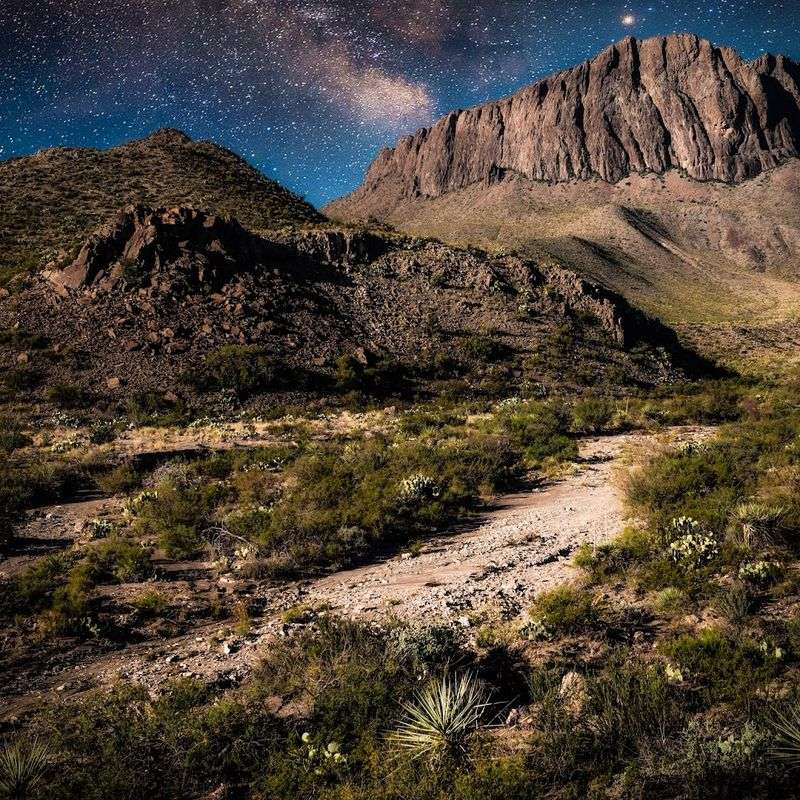
Marfa’s location makes it an excellent base for exploring the wider Big Bend region, where some of Texas’s most spectacular landscapes wait within a few hours’ drive. Big Bend National Park lies about two hours southeast, offering hiking trails, river access, and mountain scenery that ranks among the Southwest’s finest. The park is massive, covering more than 800,000 acres, so day trips barely scratch the surface, but even a taste of Big Bend leaves a lasting impression.
Closer to Marfa, the Davis Mountains provide a completely different landscape experience. Fort Davis National Historic Site preserves one of the best surviving examples of a frontier military post, with restored buildings and interpretive programs that bring 19th-century military life into focus. The McDonald Observatory sits atop Mount Locke, offering daytime solar viewing and nighttime star parties that take advantage of some of the darkest skies in North America.
Balmorhea State Park, about an hour north, features a spring-fed swimming pool so large and deep it feels more like a natural lake. The crystal-clear water maintains a constant temperature year-round, and the pool attracts swimmers, snorkelers, and scuba divers who come to explore the underwater springs and observe native fish species.
Highway 67 between Marfa and Presidio follows the Rio Grande through increasingly dramatic scenery, eventually reaching the border town where Texas, Mexico, and the Chihuahuan Desert converge. The drive alone justifies the trip, with sweeping vistas and the sense that civilization has been left far behind.
Pack water, snacks, and a full tank of gas before setting out on any of these excursions. Distances are deceptive in this part of Texas, and services remain sparse once you leave town. Cell phone coverage disappears quickly, so download maps and information before you go.
These day trips reward adventurous travelers willing to embrace remote landscapes and long drives between destinations.
9. Marfa Courthouse Square
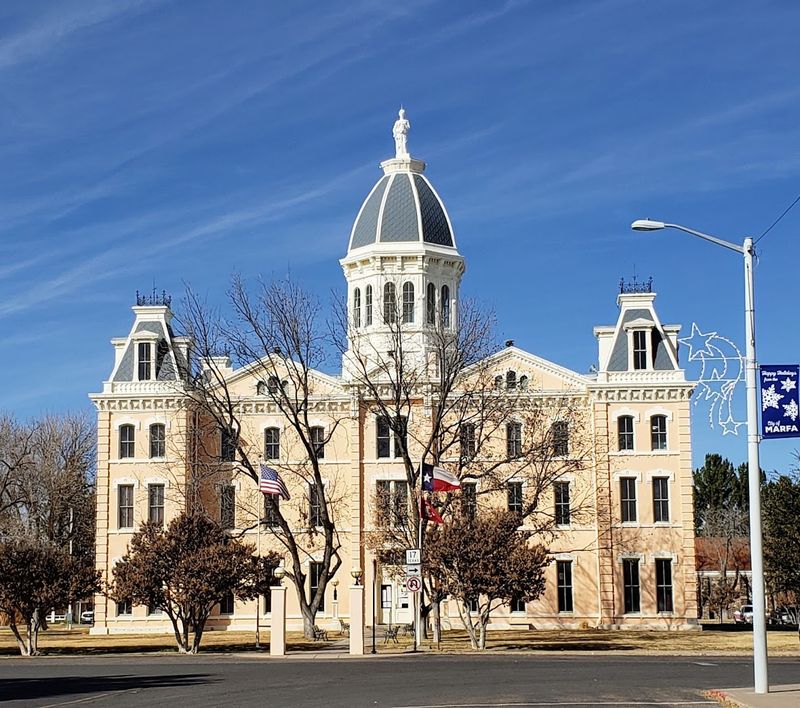
The 1886 Presidio County Courthouse anchors downtown Marfa, a handsome Second Empire-style building that has witnessed every chapter of the town’s unlikely evolution. The courthouse square follows the traditional Texas pattern, with the imposing building centered in a block surrounded by streets lined with commercial buildings. It’s the physical and symbolic heart of town, where Old West history, ranching culture, and contemporary art scene all converge.
Walking around the square gives you a compressed version of Marfa’s story. Historic buildings house art galleries alongside working businesses that serve the ranching community that still defines much of Presidio County. You’ll see pickup trucks parked next to rental cars with out-of-state plates, cowboys in working clothes passing hipsters in designer sunglasses, all sharing the same sidewalks without apparent conflict.
The courthouse itself remains an active government building, with county offices and courtrooms still in use. The architecture deserves close attention, with its mansard roof, decorative trim, and proportions that speak to 19th-century civic pride. It’s one of the few Second Empire courthouses left in Texas, making it architecturally significant beyond its role in local government.
Benches around the square provide pleasant spots for people-watching and soaking up the atmosphere. The surrounding blocks contain most of Marfa’s restaurants, galleries, and shops, making the courthouse square the natural starting point for exploring downtown. Everything is within easy walking distance, and the compact layout means you can cover the whole area in an afternoon.
Special events often center on the courthouse square, from farmers markets to art openings to community celebrations. These gatherings reveal layers of Marfa life that tourists might otherwise miss, showing how the town functions as a real community rather than just an art destination. The square represents the intersection where different versions of Marfa meet, creating the unique character that makes this town more than the sum of its parts.
10. Food Scene
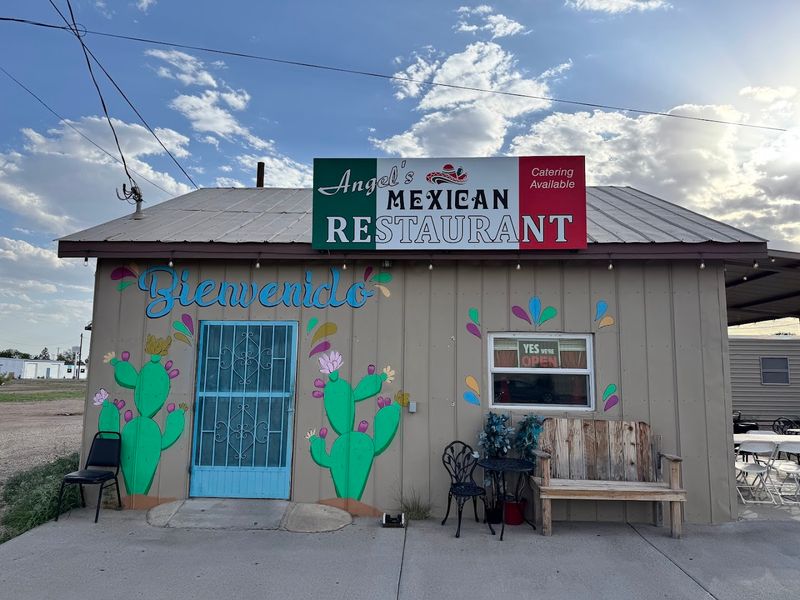
Marfa’s food scene punches above its weight, offering surprising variety and quality for such a small town. You won’t find chain restaurants here, just locally owned spots that range from food trucks to white-tablecloth dining, each bringing its own personality to the table. The overall vibe leans toward fresh ingredients, creative preparations, and menus that blend West Texas traditions with contemporary influences.
Food Shark started as a Mediterranean-inspired food truck and became a Marfa institution, serving consistently excellent sandwiches, salads, and specials that draw lines of loyal customers. The outdoor seating area creates a casual gathering spot where you’re likely to strike up conversations with fellow diners. Cash only, so hit the ATM before you go.
Convenience West bills itself as a “take-out restaurant and adult beverage store,” delivering on both counts with prepared foods, groceries, wine, and beer in a space that feels equal parts deli and bottle shop. It’s perfect for assembling picnic supplies or grabbing dinner when you don’t feel like sitting down for a full restaurant meal.
For sit-down dining, Cochineal offers upscale New American cuisine in an intimate setting, with a menu that changes based on seasonal availability. Reservations are essential, especially on weekends. The Restaurant at Hotel Paisano provides reliable meals in atmospheric surroundings, particularly appealing for breakfast before you start your day of exploring.
Marfa Burrito delivers exactly what the name promises, with generous portions and satisfying flavors that hit the spot after a long day of gallery-hopping. Planet Marfa combines pizza, salads, and a laid-back vibe that welcomes families and solo diners equally. Late-night options are limited, so plan dinner before everything closes by nine or ten o’clock.
The small number of restaurants means popular spots fill up quickly, especially Thursday through Sunday. Make reservations where possible and have backup plans for when your first choice is booked. The food scene reflects Marfa’s broader character: independent, creative, and committed to quality over quantity.
11. Marfa Public Radio (KRTS)
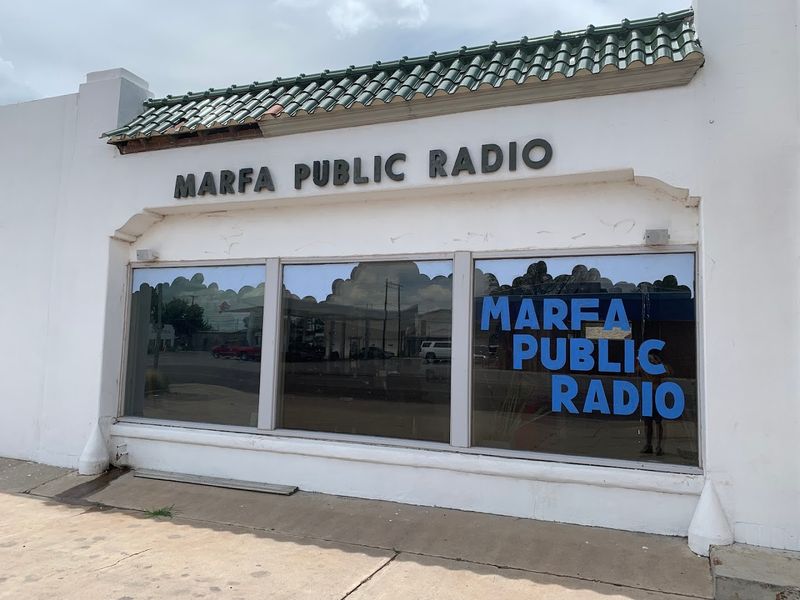
A tiny radio station broadcasting from the middle of nowhere might not sound like a tourist attraction, but Marfa Public Radio represents something special in American media. KRTS serves a listening area larger than several Eastern states, bringing NPR programming, local news, and eclectic music to one of the most sparsely populated regions in the country. The station punches far above its weight, winning national awards and building a loyal following that extends well beyond its broadcast range through online streaming.
The station occupies a modest building downtown, and while you can’t exactly tour a working radio studio, stopping by connects you to an important part of what makes Marfa function as a community. KRTS provides the informational glue that holds together far-flung ranches, tiny towns, and isolated homesteads across the Big Bend region. In an area where neighbors might live twenty miles apart, the radio creates a sense of shared experience and connection.
Programming reflects the region’s character, mixing national shows with local content that addresses issues specific to the borderlands. You’ll hear ranch reports alongside art reviews, immigration stories next to weather forecasts, and music programming that ranges from classical to country to experimental sounds you won’t hear anywhere else. The station takes its role seriously while maintaining a personality that feels distinctly West Texas.
You can support KRTS by becoming a member, buying station merchandise, or simply tuning in during your visit. The station’s website streams live, and they maintain an archive of local programs worth exploring. Listening while you drive through the region adds context and local perspective that enhances your understanding of the landscape and communities you’re passing through.
In an era of corporate media consolidation, KRTS stands as a reminder of what community radio can be at its best: local, independent, and genuinely connected to the place it serves.
12. Highland Avenue Galleries
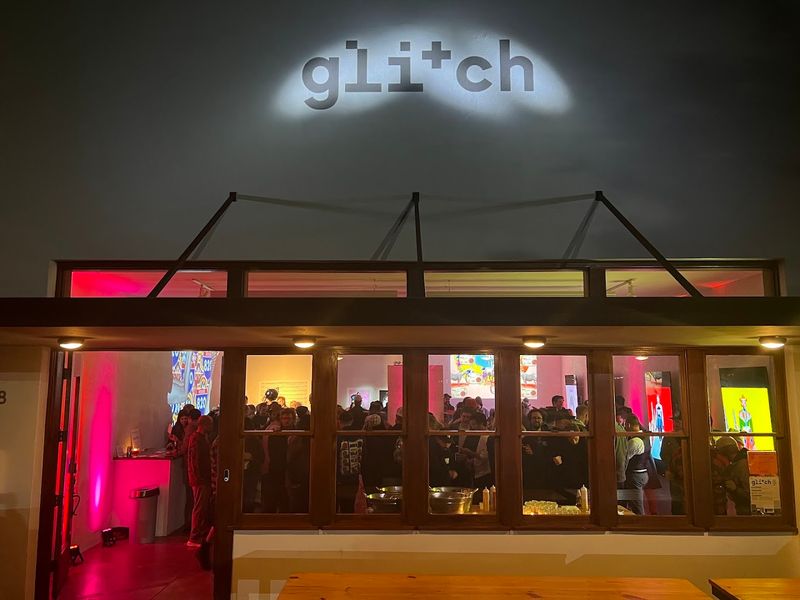
Highland Avenue functions as Marfa’s main gallery row, where a concentration of art spaces makes it easy to spend an afternoon moving from one exhibition to the next. The street captures the town’s artistic evolution, with galleries occupying buildings that once served purely commercial purposes, now transformed into spaces for showing contemporary art. Each gallery brings its own curatorial vision, creating variety in what you’ll encounter as you work your way down the block.
Ayn Foundation focuses on artists connected to Marfa and the surrounding region, giving exposure to local and regional talent alongside more established names. The space itself is welcoming and unpretentious, making it a good starting point if contemporary art intimidates you. Gallery hours can be irregular, so check before making a special trip.
Other galleries along Highland present rotating exhibitions that range from painting and sculpture to photography and installation work. The quality varies, but the overall level remains surprisingly high for such a small market. Gallery owners and staff are generally happy to discuss the work on display, offering insights that deepen your appreciation even if you’re not in buying mode.
Walking Highland Avenue also gives you a sense of how Marfa balances its different identities. Art galleries share the street with working businesses that serve the ranching community, creating juxtapositions that might seem odd elsewhere but feel perfectly natural here. The mix reminds you that Marfa isn’t just an art colony but a real town with multiple constituencies coexisting on the same streets.
Most galleries keep limited hours, typically opening Thursday through Sunday or by appointment. Plan your gallery visits accordingly, and don’t be surprised if you find a “back soon” sign on a door. This is still a small town operating on a relaxed schedule, where rigid business hours sometimes give way to more fluid arrangements.
The casual approach extends to the gallery scene, where the emphasis falls on experiencing art rather than conducting transactions.
13. Marfa Contemporary History Walk
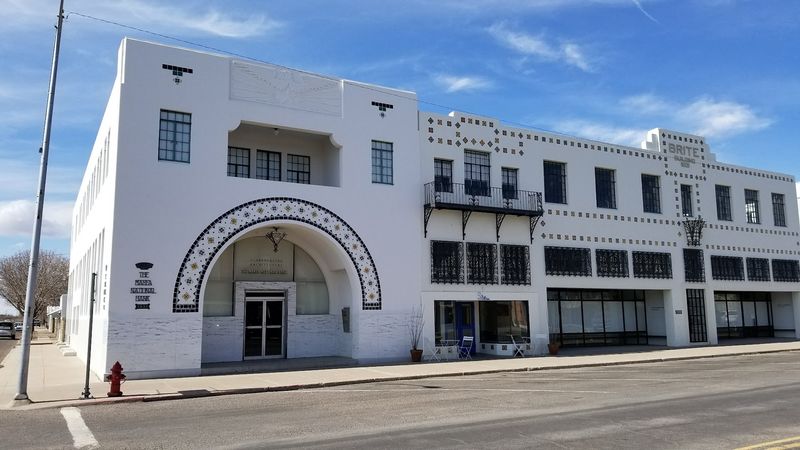
Understanding Marfa requires looking beyond the art galleries to see the layers of history that created conditions for the town’s unlikely transformation. A walking tour through downtown reveals these layers, from the railroad origins that sparked the town’s founding to the military presence during World War II to the arrival of Donald Judd and the artists who followed. The physical landscape preserves evidence of all these eras, visible if you know where to look.
Start at the courthouse square and work outward, noting how building styles reflect different periods of prosperity and purpose. The substantial 19th-century commercial buildings speak to a time when Marfa served as a regional hub for ranching and trade. Later additions show Art Deco influences and mid-century modernism.
Recent renovations by artists and cultural organizations demonstrate how historic structures can be adapted for contemporary uses without losing their character.
Former military buildings from Camp Marfa and the Marfa Army Airfield still dot the landscape, some now repurposed for art spaces like the Chinati Foundation. These conversions represent more than practical reuse of existing structures; they symbolize Marfa’s transformation from military outpost to cultural destination. The juxtaposition of minimalist art installations in buildings designed for artillery sheds creates powerful contrasts that enhance both the art and the architecture.
Look for historical markers and interpretive signs that provide context for what you’re seeing. The Marfa and Presidio County Museum offers deeper background on local history, with exhibits covering everything from ranching and railroads to the German prisoners of war held here during World War II. These historical threads help explain how a remote desert town became an unlikely art mecca.
The walking tour costs nothing but attention and willingness to look closely at your surroundings. Comfortable shoes are essential because the tour can easily stretch to several miles if you explore thoroughly. Early morning or late afternoon provide the best light for photography and more comfortable temperatures for extended walking.
Share this story