Tennessee’s trails offer some of the most spectacular waterfall scenery in the Southeast, from the misty plunges of the Smokies to the rugged gorges of the Cumberland Plateau. Whether you’re chasing the thunder of a 256-foot cascade or seeking a quiet forest stream tumbling over mossy rocks, the Volunteer State delivers natural beauty that refreshes both body and spirit.
These thirteen trails showcase Tennessee’s diverse landscape, each one promising fresh mountain air, the soothing sound of rushing water, and memories worth the hike.
1. Fall Creek Falls Trail — Fall Creek Falls State Park
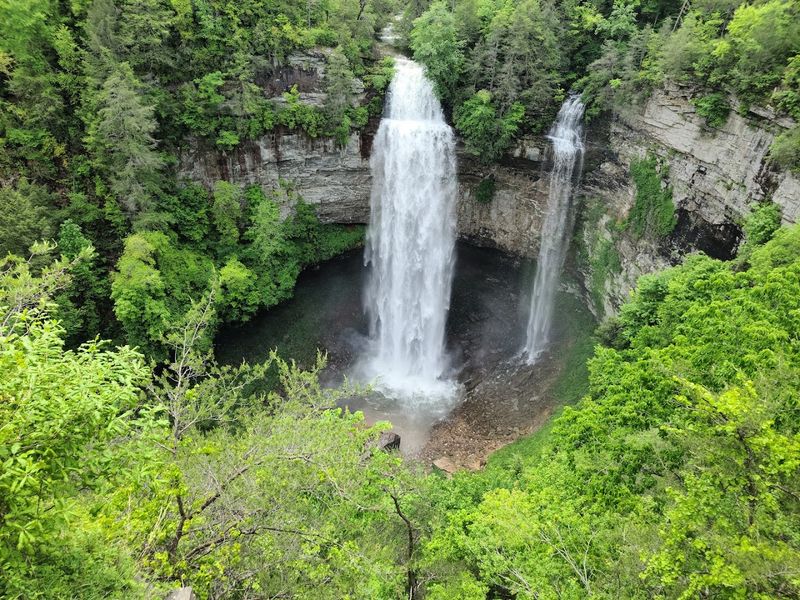
Standing before Tennessee’s tallest waterfall feels like witnessing nature’s grand finale. Fall Creek Falls drops an impressive 256 feet into a misty gorge, and the trail system here lets you experience it from multiple vantage points. The main overlook sits just a short walk from the parking area, making this waterfall accessible for nearly everyone.
Beyond the star attraction, the park sprawls across more than 26,000 acres of plateau forest and gorge country. You’ll find several other waterfalls within hiking distance, including Cane Creek Falls and Piney Falls, each with its own character. The gorge rim trails offer sweeping views where you can watch hawks circle below you.
Trail conditions vary depending on which route you choose. The paved path to the main overlook works well for families with strollers or anyone seeking an easy waterfall experience. More adventurous types can descend the steep staircase trail to the base, where you’ll stand in the spray zone and truly feel the power of all that falling water.
Spring brings the highest water volume and wildflowers blanketing the forest floor. Summer means lush greenery and occasional afternoon thunderstorms that make the falls roar even louder. Fall transforms the gorge into a patchwork of gold and crimson, while winter sometimes decorates the cliffs with dramatic ice formations.
The park offers camping, cabins, and a swimming pool if you want to extend your visit beyond a day hike. Pack a lunch for the picnic areas near the nature center, where interpretive displays explain the geology that created these stunning waterfalls.
2. Burgess Falls Trail — Burgess Falls State Park
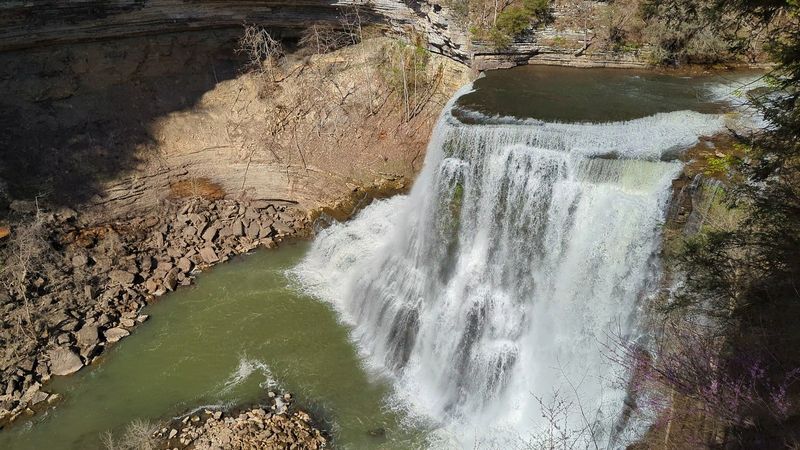
Water doesn’t just fall here—it performs. Burgess Falls State Park showcases a river gorge where the Falling Water River drops through four distinct waterfalls before reaching the stunning 136-foot finale. The trail follows the river downstream, building anticipation with each cascade until you round the final bend and face the main event.
The 1.5-mile round-trip hike rates as moderately easy, though the final descent to the main falls viewpoint involves stairs and can get your heart pumping on the return climb. Along the way, you’ll pass three smaller falls, each worth a pause. The sound of rushing water accompanies your entire walk, drowning out any lingering stress from the outside world.
What makes Burgess Falls special is the gorge setting itself. Limestone bluffs tower above the river, creating a natural amphitheater for the waterfall’s performance. During high water, the main falls become a thundering curtain of whitewater that sends spray halfway up the gorge walls.
In drier seasons, you can see the individual streams of water separating as they tumble over the ledge.
The park gets busy on weekends during peak season, so arrive early or visit on weekdays for a more peaceful experience. The trail surface stays well-maintained, and benches along the route provide rest spots with gorge views. This concentrated dose of waterfall beauty delivers maximum reward for minimal effort, making it a favorite among locals who return season after season.
3. Cummins Falls Gorge Trail — Cummins Falls State Park
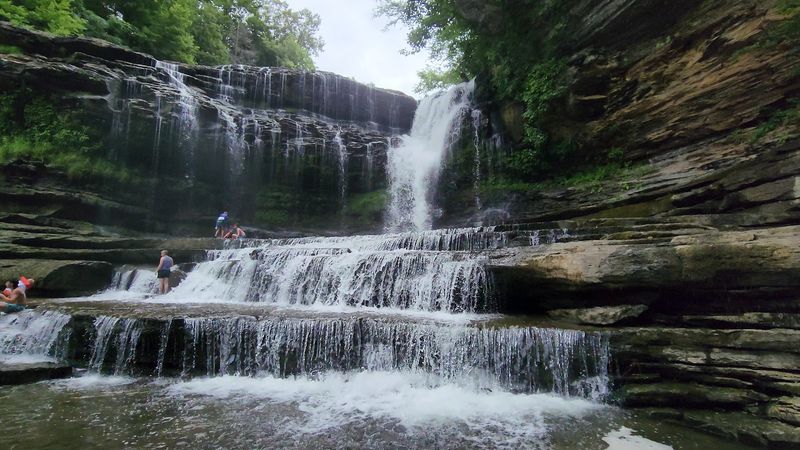
Adventure seekers, this one’s for you. Cummins Falls requires more than just walking—you’ll scramble over boulders, wade through water, and possibly question your life choices before reaching the payoff. But that 75-foot waterfall tumbling into a swimming hole makes every wet sock worthwhile.
The park implemented a permit system after the trail became dangerously overcrowded, and that change has improved the experience dramatically. Now you can actually enjoy the gorge without feeling like you’re in a conga line. Book your permit online before you go, especially during summer when swimming in the emerald pool below the falls becomes irresistible.
The approach involves hiking down into the gorge, then following the river upstream. You’ll cross the water multiple times, hopping from rock to rock when water levels allow. During spring runoff or after heavy rain, the river can become too dangerous for safe passage, so check conditions before making the trip.
The park doesn’t mess around with its warnings about flash flooding.
Once you reach the falls, you’ll understand why people keep coming back. The natural swimming hole offers cool relief after the sweaty scramble, and the waterfall provides a stunning backdrop for photos. Cliff jumping happens here, though the park officially discourages it due to changing water depths and submerged rocks.
Wear shoes with good grip that you don’t mind getting soaked. Water shoes work better than hiking boots for this trail. Bring a dry bag for your phone and snacks, and maybe pack an extra shirt for the hike out.
The climb back up to the parking area feels longer than the descent, especially with tired legs and wet feet, but the memory of that waterfall swim makes it all fade away.
4. Twin Falls and Downstream Trail — Rock Island State Park
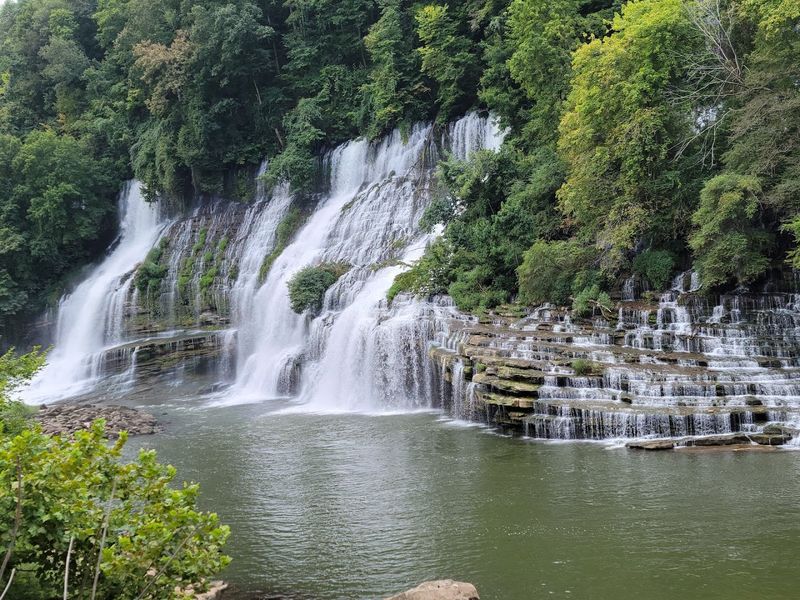
Rock Island State Park packs more waterfall drama per acre than almost anywhere else in Middle Tennessee. The Caney Fork River tears through here with impressive force, creating Twin Falls, Great Falls, and numerous cascades that have carved spectacular gorge scenery. This park feels wild despite being easily accessible from Interstate 40.
Twin Falls splits into two separate channels that plunge side by side into the river, creating a unique double feature. The viewing area sits close enough to feel the spray and hear the roar. During high water, these falls become absolutely ferocious, sending up clouds of mist that catch afternoon light in magical ways.
The downstream trail follows the river gorge past rocky bluffs and smaller cascades. You’ll walk through tunnels of rhododendron and mountain laurel that bloom spectacularly in late spring. The trail surface varies from easy gravel paths to rockier sections that require watching your footing, but nothing too technical for average hikers.
Great Falls, located upstream from Twin Falls, offers another impressive waterfall view accessible by a different trail. The park essentially gives you a waterfall buffet where you can choose your own adventure based on time and energy levels. Some visitors spend entire afternoons moving from one viewpoint to another, never running out of new perspectives.
Call ahead or check the park’s information if you want to see the falls at their most dramatic. The park also offers camping, kayaking access, and picnic areas, making it easy to turn a waterfall hike into a full day outdoors.
Just remember that these falls command respect—stay behind barriers and keep kids close on the viewing platforms.
5. Foster Falls Trail — Fiery Gizzard State Park
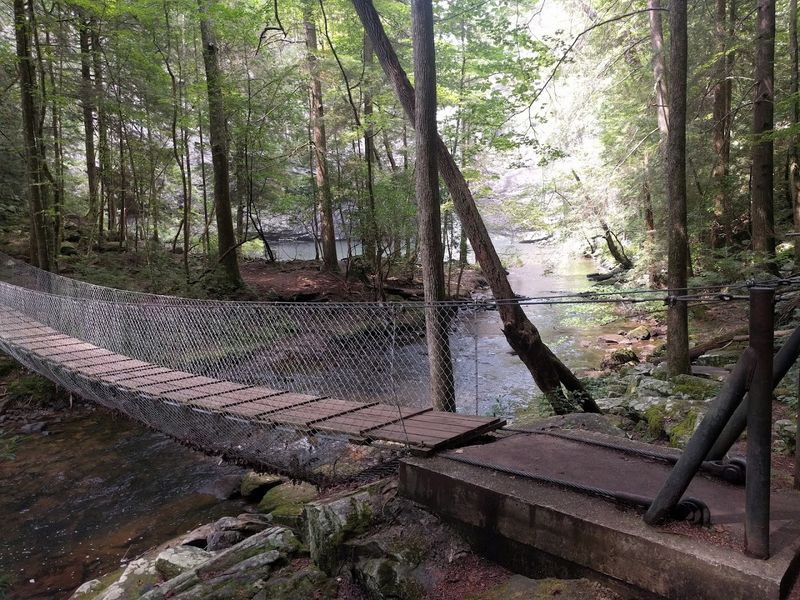
Foster Falls drops 60 feet over a sandstone ledge into a pool so clear you can see every rock on the bottom. The falls sit in a natural amphitheater of cliffs that glow golden in afternoon light, creating one of Tennessee’s most photogenic waterfall settings. Best of all, the hike to reach it barely qualifies as a hike—more like a pleasant stroll.
The trail descends from the parking area through mixed hardwood forest, taking maybe fifteen minutes for most people. Wooden steps and a well-maintained path make the approach easy, though you’ll feel it in your thighs on the climb back up. Once you reach the viewing area, you’re standing at the base looking up at the falls, which gives a completely different perspective than most waterfall overlooks.
During summer, the pool below the falls becomes a popular swimming spot. The water stays cool even in July heat, fed by the creek that flows year-round.
You can wade in the shallows without any drama, letting the mist from the falls cool you down.
The surrounding cliffs rise dramatically on three sides, creating a sense of enclosure that makes this spot feel secret and special. Rock climbers use these sandstone walls for routes ranging from beginner to expert. Watching climbers scale the golden cliffs adds another layer of entertainment while you’re picnicking by the falls.
Foster Falls serves as the gateway to the longer Fiery Gizzard Trail, one of Tennessee’s most challenging and rewarding backpacking routes. But you don’t need to commit to that adventure to enjoy this waterfall. The short trail makes Foster Falls accessible for families, older hikers, or anyone wanting maximum beauty for minimum effort.
Visit in spring for the highest water flow, or come in fall when the amphitheater fills with autumn color.
6. Abrams Falls Trail — Great Smoky Mountains National Park
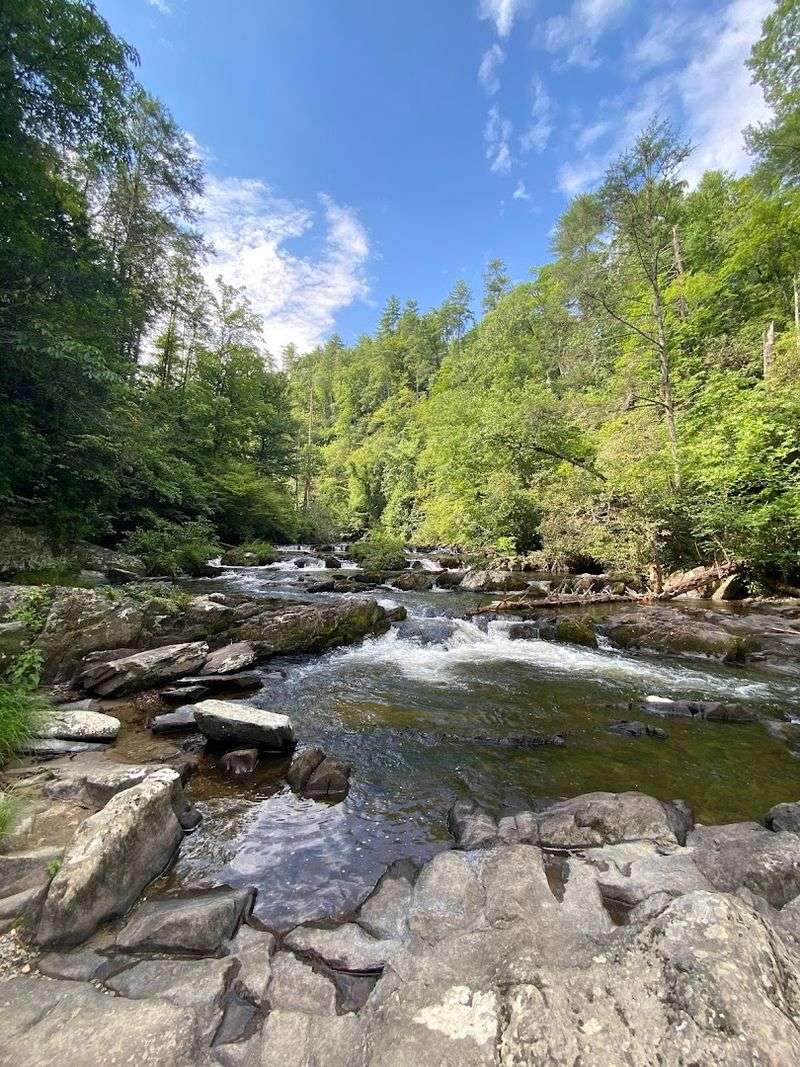
Don’t judge Abrams Falls by its height—this 20-foot cascade moves more water than almost any other waterfall in the Smokies. The sheer volume creates a thundering curtain of whitewater that’s mesmerizing to watch. Located in the Cades Cove area, this trail attracts crowds, but the waterfall’s power makes it worth sharing.
The 5-mile round-trip hike follows Abrams Creek through beautiful Smoky Mountains forest. You’ll cross footbridges, walk alongside the rushing creek, and pass through tunnels of rhododendron that bloom white in early summer. The trail rates as moderate, with some rocky sections and a few small elevation changes, but nothing too strenuous for reasonably fit hikers.
Abrams Creek has a reputation for being one of the most productive trout streams in the park, and you’ll see why as you hike. The water runs clear and cold, tumbling over rocks in endless mini-cascades before gathering its energy for the main falls. Anglers love this creek, though fishing near the falls themselves is prohibited to protect the experience for all visitors.
When you finally reach the falls, you’ll find a large pool that looks inviting but hides serious danger. The National Park Service strongly warns against swimming here—strong currents and underwater obstacles have caused multiple drownings over the years. People ignore the warnings and pay the price, so please resist the temptation no matter how hot the day gets.
The viewing area offers several rock outcrops where you can sit and watch the falls while eating lunch. Afternoon light creates rainbows in the mist when conditions align perfectly. Spring brings the highest water volume and wildflowers along the trail, while fall offers stunning foliage reflected in the creek’s calmer sections.
7. Grotto Falls Trail — Great Smoky Mountains National Park
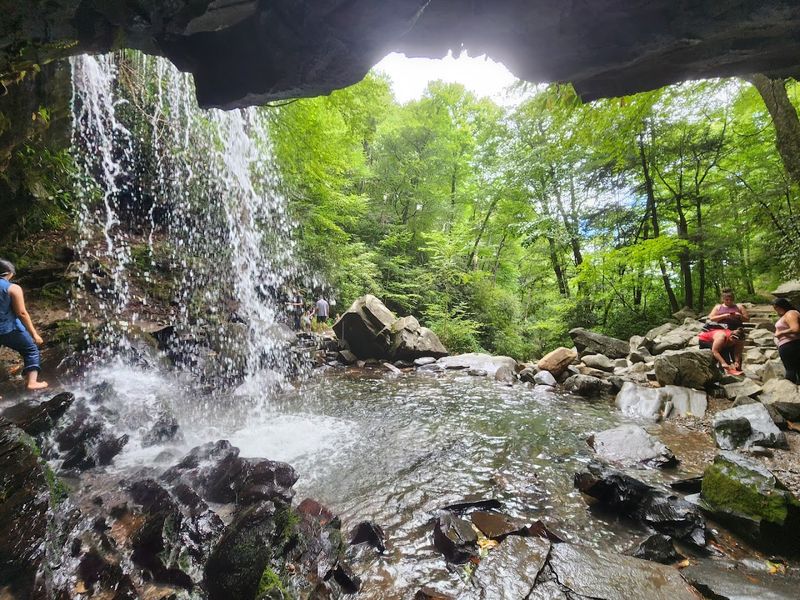
Walking behind a waterfall ranks among hiking’s coolest experiences, and Grotto Falls delivers exactly that. This 25-foot cascade tumbles over a rock overhang, creating a natural walkway where you can stand behind the falling water and look out through the curtain. Kids especially love this trail because it feels like discovering a secret hideout.
The 2.6-mile round-trip hike climbs gradually through classic Smoky Mountains forest. You’ll gain about 500 feet in elevation, which sounds worse than it feels thanks to the well-graded trail and numerous distractions along the way. Old-growth hemlock trees tower overhead, and in spring, wildflowers carpet the forest floor in waves of color.
Grotto Falls marks the only waterfall in the Smokies where the trail actually goes behind the falls. The rock ledge creates a natural alcove, and the overhang stays dry enough that you can walk through without getting soaked—though you’ll definitely feel some spray. The space behind the falls feels cool and cave-like even on hot summer days.
This trail also serves as part of the route to Brushy Mountain, so you’ll share the path with llama trains bringing supplies to LeConte Lodge. Yes, actual llamas. Watching these sure-footed pack animals navigate the trail adds unexpected entertainment to your waterfall quest.
They’re accustomed to hikers and generally unfazed by attention, though the Park Service asks you to step aside and let them pass.
The falls flow year-round, though water volume varies with rainfall. Winter sometimes creates dramatic ice formations around the edges while water continues falling in the center. The trail can get crowded during peak season, so arrive early or visit on weekdays for a more peaceful experience.
8. Rainbow Falls Trail — Great Smoky Mountains National Park
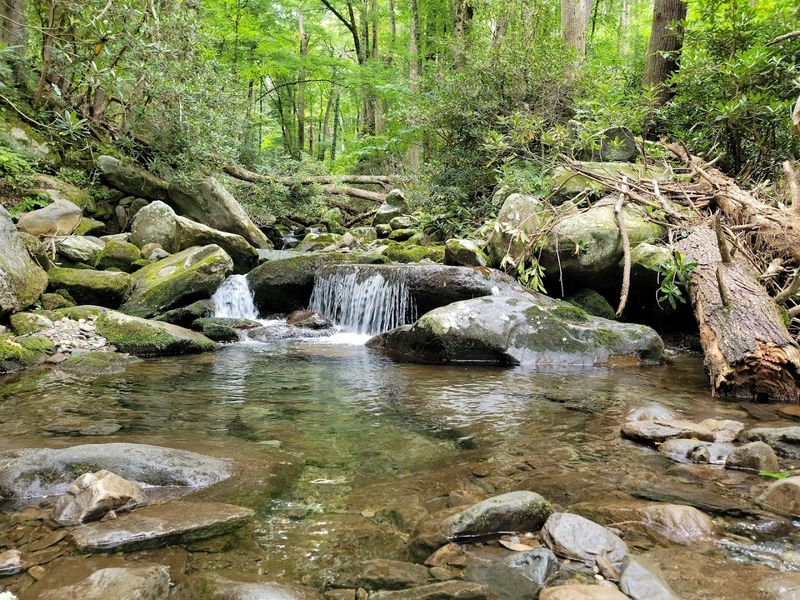
Earning your waterfall makes the destination sweeter, and Rainbow Falls definitely makes you work for it. This 5.4-mile round-trip hike climbs about 1,500 feet, which translates to steady uphill effort that’ll have your legs complaining. But when you reach the 80-foot cascade tumbling down a rocky face, you’ll forget every switchback that got you there.
The trail follows LeConte Creek upward through beautiful forest that changes character as you gain elevation. Lower sections feature hardwoods and rhododendron, while higher up you’ll find Fraser fir and spruce. The creek stays within sight or earshot for most of the hike, providing both scenery and a soundtrack that makes the climbing more bearable.
Rainbow Falls earned its name honestly—when conditions align with sun angle and mist, the spray creates brilliant rainbows that seem to materialize from nowhere. Late morning through early afternoon offers the best chance for rainbow sightings during summer. The falls themselves drop in a fairly straight plunge that spreads into a fan shape as water hits rocks below.
The viewing area sits fairly close to the falls, close enough that mist keeps everything damp during high water. Large boulders provide seating where you can rest your tired legs and enjoy lunch with a view. The sound of falling water echoes off the surrounding rocks, creating an immersive natural experience that feels far removed from civilization despite the trail’s popularity.
Winter transforms Rainbow Falls into something completely different. The entire cascade can freeze into a massive ice sculpture, creating one of the Smokies’ most dramatic winter scenes. Ice climbers sometimes tackle the frozen falls, though this requires technical gear and experience.
This hike demands respect regardless of season, but rewards your effort with one of the park’s most impressive waterfall destinations.
9. Laurel Falls Trail — Great Smoky Mountains National Park
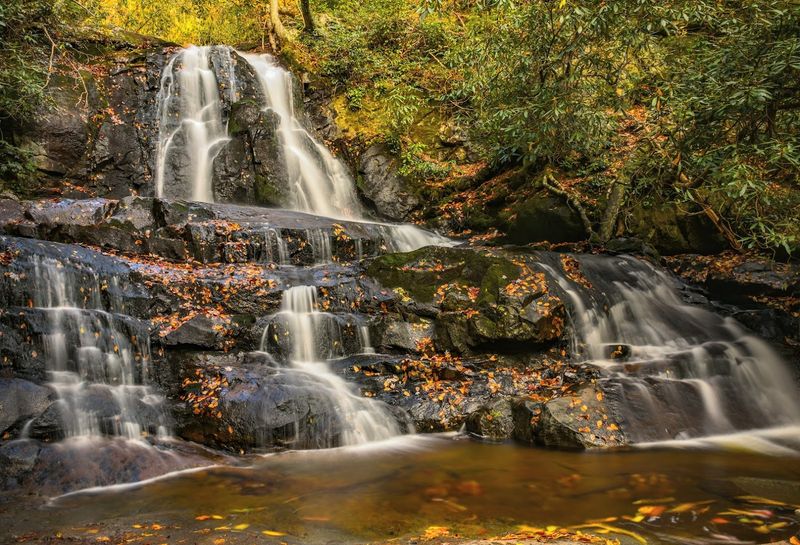
Here’s the situation with Laurel Falls: it’s gorgeous, it’s famous, and you can’t visit it right now. The National Park Service closed Laurel Falls Trail for major rehabilitation work that won’t finish until summer 2026. This closure affects one of the Smokies’ most popular waterfall hikes, disappointing countless visitors who had this trail on their bucket list.
Before closure, Laurel Falls attracted huge crowds thanks to its paved trail and relatively easy 2.6-mile round-trip distance. Families loved this trail because the paved surface made it accessible for small children and less experienced hikers.
The rehabilitation project addresses serious trail deterioration and safety concerns. Years of heavy use combined with weather damage left sections of the trail in rough shape, with crumbling pavement and erosion issues. The Park Service decided that temporary closure made more sense than trying to patch problems while keeping the trail open to its typical 500,000 annual visitors.
While you wait for reopening, the Smokies offer plenty of alternative waterfall hikes. Grotto Falls, Rainbow Falls, and Abrams Falls all provide spectacular destinations without the crowds that Laurel Falls typically draws. Some visitors might actually discover that they prefer these less-famous waterfalls, finding the extra effort worthwhile for more peaceful surroundings.
When Laurel Falls Trail eventually reopens, expect improvements that make the hike safer and more sustainable. The new trail design should handle heavy visitation better while protecting the surrounding environment. Check the National Park Service website for updates on the project timeline and reopening date.
10. Machine Falls Loop — Short Springs Natural Area
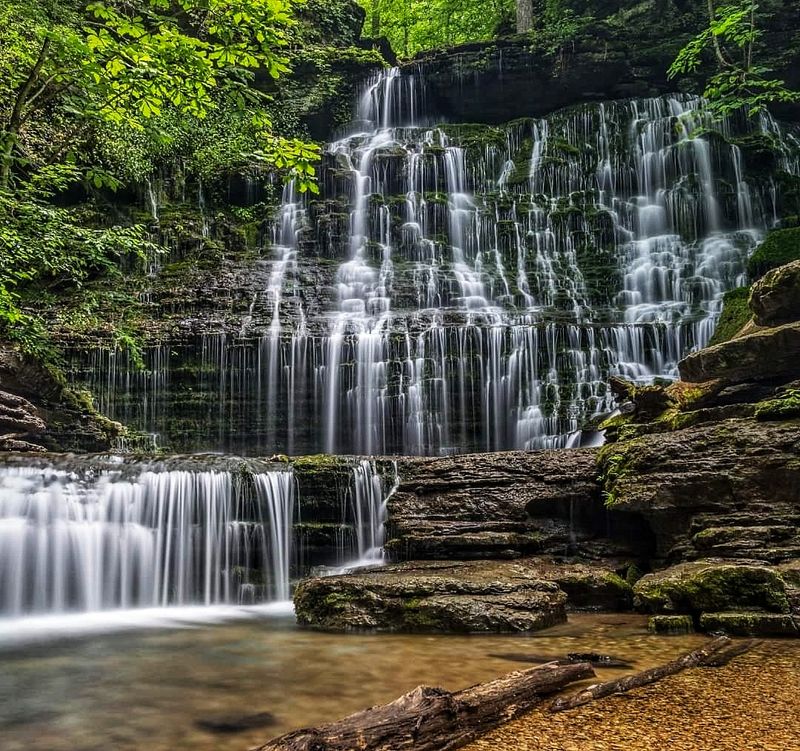
Middle Tennessee doesn’t get enough credit for its waterfall game, but Machine Falls proves the region has serious natural beauty hiding in plain sight. Located in Short Springs Natural Area near Tullahoma, this 2-mile loop trail packs multiple waterfalls, a natural spring, and lush forest scenery into a relatively short hike that feels much more remote than it actually is.
The trail descends into a creek gorge where limestone bluffs and water-carved features create a wonderland of textures and shapes. Machine Falls itself drops about 60 feet over a rock face into a pool surrounded by moss-covered boulders. The falls run year-round thanks to the reliable spring flow, though water volume obviously increases after rain.
What makes this trail special is the variety packed into such a short distance. Beyond Machine Falls, you’ll encounter several smaller cascades, rock shelters formed by overhanging bluffs, and the spring that gives the area its name.
The loop trail means you don’t have to retrace your steps, always a bonus for hikers who prefer continuous forward progress. The path includes some rocky sections and short climbs, but nothing too technical for average fitness levels. Tree roots cross the trail in places, so watch your footing, especially when rocks are wet.
Short Springs Natural Area attracts far fewer visitors than Tennessee’s more famous waterfall destinations, which means you might have the falls to yourself on weekdays. The forest here features mature hardwoods that create a shady canopy in summer and spectacular color in autumn. Spring brings wildflowers and the highest water flow, while winter offers solitude and interesting ice formations.
11. Virgin Falls Trail — Virgin Falls State Natural Area
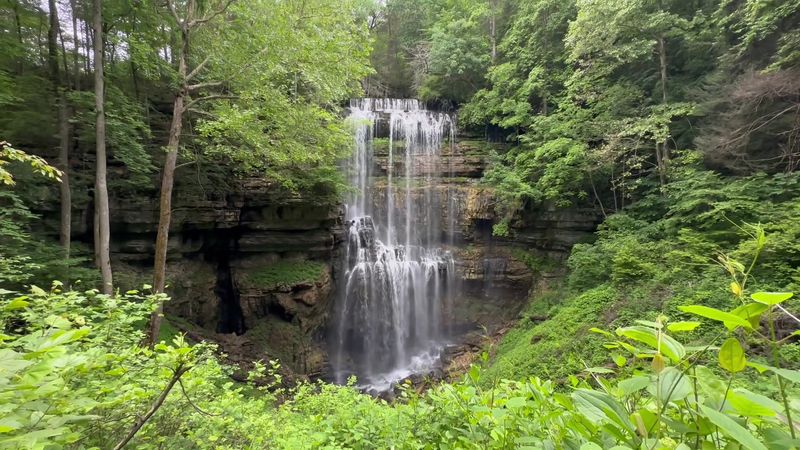
Virgin Falls might be Tennessee’s weirdest waterfall, and that’s a compliment. Water emerges from a cave opening, drops 110 feet into a sinkhole, and disappears underground again—all in the span of a single cascade. This geological oddity sits at the heart of an 8.6-mile round-trip hike that ranks among the state’s most rewarding waterfall adventures.
The trail crosses the Cumberland Plateau through diverse terrain that includes hardwood forest, rock formations, and multiple creek crossings. You’ll encounter several other waterfalls along the way, including Big Laurel Falls, Big Branch Falls, and Sheep Cave Falls. Each one deserves attention, making this hike feel like a waterfall tour rather than a single-destination trek.
Virgin Falls itself fascinates geologists and regular hikers alike. The water flows through underground passages before emerging from the cave high on the cliff face. After its dramatic plunge, the water vanishes into the sinkhole below, continuing its subterranean journey.
During dry periods, the falls can reduce to a trickle, so timing matters if you want to see it at full power.
This trail demands respect and preparation. The distance and terrain require decent fitness and proper planning. Bring plenty of water, snacks, and maybe lunch since you’ll spend several hours on the trail.
The path includes some steep sections and rocky areas where twisted ankles happen to careless hikers. Wear sturdy boots with good ankle support and tread for scrambling over rocks.
Primitive camping is allowed in designated areas if you want to turn this into an overnight adventure. Backpacking to Virgin Falls lets you experience the falls in early morning light and explore the area without rushing. The natural area remains relatively undeveloped, which means no facilities beyond the parking area—pack out everything you bring in.
12. Northrup Falls Trail — Colditz Cove State Natural Area
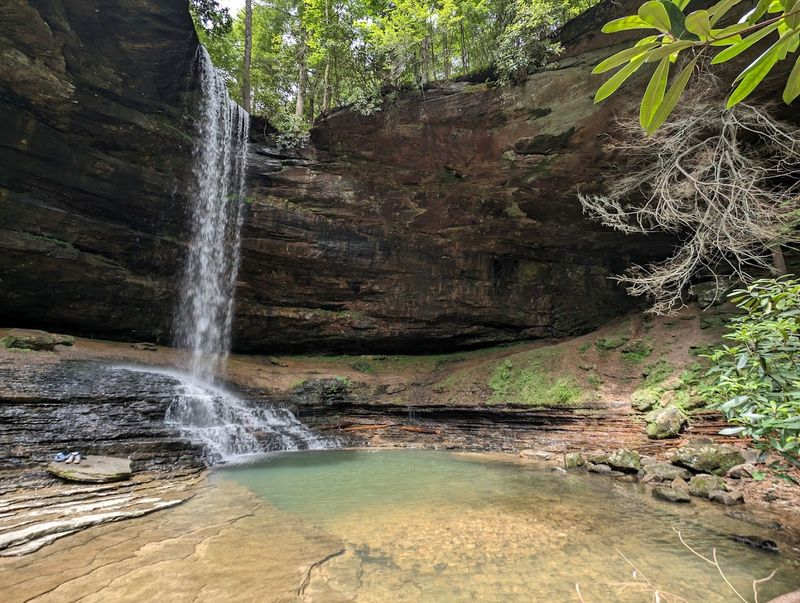
Sometimes the best waterfalls are the ones nobody talks about. Northrup Falls near Jamestown flies under the radar compared to Tennessee’s celebrity cascades, which means you can actually enjoy it without fighting crowds. This peaceful waterfall hike through Colditz Cove State Natural Area offers a quiet forest experience with a scenic payoff at the end.
The trail winds through hardwood forest typical of the Cumberland Plateau, with towering oaks and hickories providing shade. You’ll follow a small creek downstream toward the falls, passing through terrain that feels genuinely wild. The understory includes mountain laurel and rhododendron that bloom in late spring, adding bursts of white and pink to the green forest.
Northrup Falls drops about 40 feet over layered rock formations, creating a delicate cascade rather than a thundering plunge. The falls spread across the rock face in multiple streams during high water, then consolidate into a single flow during drier periods. Either way, the setting feels intimate and secluded, like stumbling upon a hidden gem.
The viewing area sits close to the falls with several spots where you can settle in for a snack or lunch. Large rocks near the base provide natural seating, and the sound of falling water creates a soothing atmosphere that makes you want to linger. This waterfall won’t blow your mind with size or power, but it offers something increasingly rare—tranquility.
Colditz Cove State Natural Area receives far less visitation than Tennessee’s famous waterfall destinations, so you can actually hear the falls instead of other people’s conversations. For hikers seeking solitude with their scenery, Northrup Falls delivers exactly that combination.
13. Greeter Falls Loop — Savage Gulf State Park
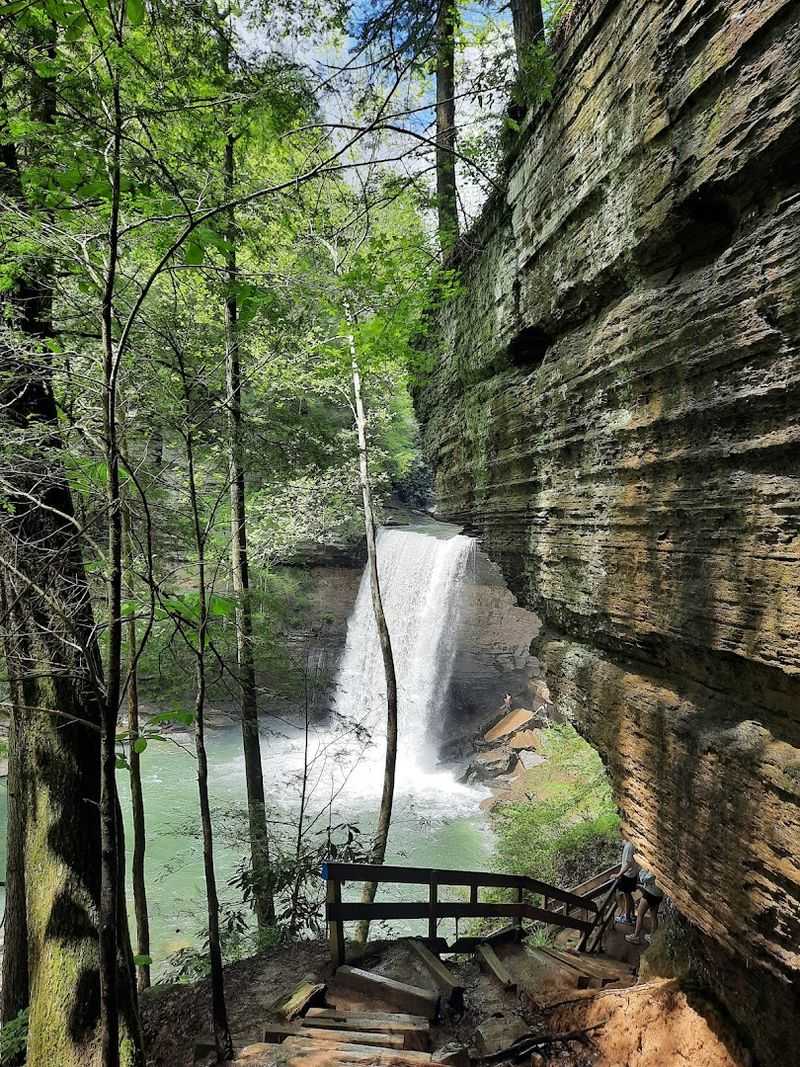
Savage Gulf State Park lives up to its name with rugged gorge country that rivals anything in Tennessee. Greeter Falls serves as the gateway to this wild landscape, offering a relatively accessible waterfall hike with options to extend the adventure into serious backcountry territory. The falls themselves come in two stages—upper and lower—each with distinct character.
The upper falls drop about 50 feet in a graceful cascade over layered rock, visible from an overlook reached by a short trail. Most visitors stop here, snap photos, and call it good. But continuing down to the lower falls reveals the real prize: a taller, more powerful waterfall that plunges into a large pool surrounded by rock walls.
The descent to lower Greeter Falls involves steep stairs and rocky terrain that definitely qualifies as moderate to strenuous. Your knees will remember this climb on the way back up. But standing at the base of the lower falls, watching water thunder into the emerald pool, makes every step worthwhile.
During summer, the pool attracts swimmers and cliff jumpers, though the park officially discourages jumping due to changing water depths.
The loop trail option takes you past both falls and through beautiful gorge scenery, covering about 3 miles total. You’ll hike along the rim with views into the gulf, descend into the gorge, and climb back out through forest that feels untouched. The trail passes through rock formations, crosses small streams, and offers glimpses of the wilderness that extends for miles beyond Greeter Falls.
Savage Gulf’s trail network extends far beyond the Greeter Falls loop, offering multi-day backpacking opportunities for adventurous hikers. But you don’t need to commit to an expedition to enjoy this waterfall. The loop makes a perfect day hike that showcases the dramatic landscape without requiring overnight gear.
Visit in spring for peak water flow and wildflowers, or come in fall when the gorge glows with autumn color. Just remember to save energy for the climb out—those stairs feel twice as long on tired legs.
Share this story