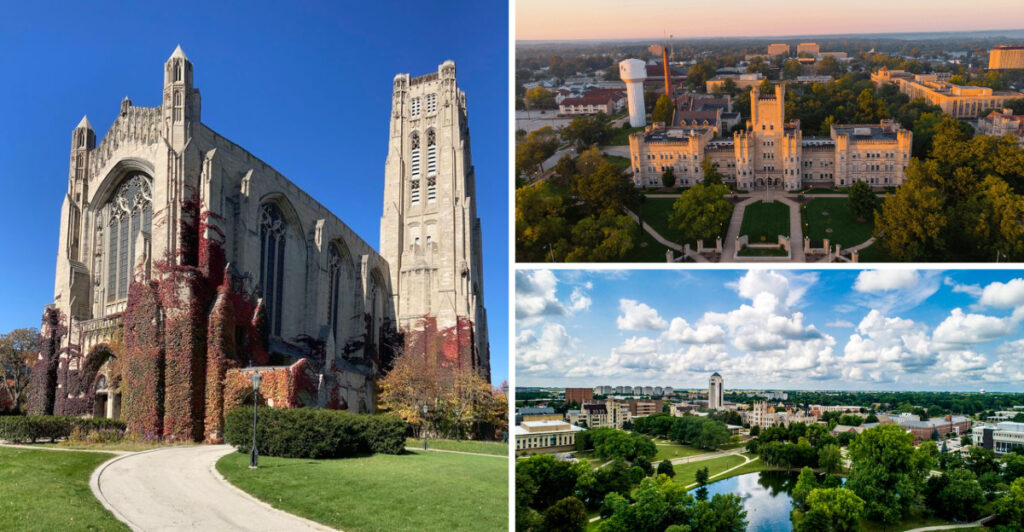
Some of Illinois’ most beautiful walking paths aren’t found in parks—they’re woven throughout its college campuses. Across the state, universities and colleges offer picturesque settings filled with historic architecture, peaceful lakes, towering trees, botanical gardens, and beautifully landscaped green spaces that invite visitors to slow down and explore.
Whether you’re looking for a quiet afternoon stroll, a place to admire impressive buildings, or simply a scenic destination with plenty of fresh air, these campuses offer far more than classrooms. These 14 beautiful Illinois college campuses are well worth visiting for a relaxing walk.
1. University of Illinois Urbana-Champaign
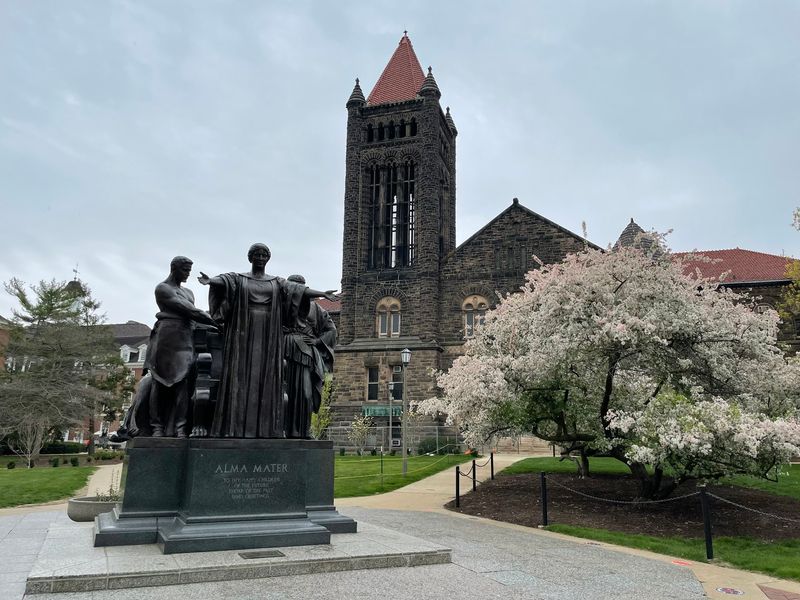
Few Illinois campuses deliver the classic college walk quite like the University of Illinois Urbana-Champaign. The Main Quad sets the tone right away with long green lawns, sturdy brick buildings, and sidewalks that invite a slow loop instead of a rushed pass through.
Even on a busy day, the space usually feels roomy. That matters when the goal is a relaxing stroll, because there is enough openness to notice details like old trees, changing light on the grass, and the way the buildings frame the paths.
A good route starts at the Quad and then drifts toward the Alma Mater statue, one of the campus landmarks people love to photograph. From there, heading toward the Illini Union keeps the walk lively, with extra foot traffic, benches, and spots where campus life is easy to watch without standing in anyone’s way.
For a quieter stretch, Boneyard Creek changes the pace. The waterway adds movement and a different texture to the landscape, especially when the trees nearby are full or the weather is cool enough for an unhurried lap.
Japan House and its gardens offer another mood entirely. After broad lawns and bigger academic buildings, the garden area feels more tucked away, making it a smart choice for anyone who wants a softer finish to the walk.
Comfort matters here, so simple shoes work fine for most routes because paths are generally easy to handle. Early morning brings calmer surroundings, while late afternoon often gives the Quad its prettiest glow.
If time is short, stick to the Main Quad and one nearby landmark. If an hour opens up, combining the Quad, Alma Mater, Boneyard Creek, and Japan House creates a walk with variety, strong visuals, and plenty of reasons to slow down.
2. Northwestern University

Lake Michigan does a lot of the heavy lifting at Northwestern, and that is very good news for walkers. In Evanston, the campus opens up to water in a way that instantly changes the mood from standard college stroll to lakeside outing.
The Lakefill is the main draw. It gives you big sky, broad views, grassy space to pause, and paths where the lake stays in sight for long stretches instead of appearing in quick little flashes between buildings.
Sunset is the showstopper here, especially when the light softens and the water starts picking up color. A simple walk along the waterfront can turn into a photo stop every few minutes, so anyone trying to move quickly may want to save this campus for another day.
Northwestern also works well because the scenery changes without asking much effort from visitors. One moment the walk leans into open shoreline views, and the next it slides back toward academic buildings, trees, and quieter corners that keep the route from feeling repetitive.
Wind is part of the experience, so a light jacket is smart even when the rest of the area seems warm. Comfortable shoes help too, since the temptation to keep going along the lake is strong once the path opens up.
Access can occasionally shift during major events or construction, which is worth checking before a long visit. Even so, there is usually enough shoreline character nearby to make the trip rewarding.
For the best pacing, start inland and save the water for the middle or end of the walk. That approach lets the views build gradually, and it gives the campus a sense of rhythm instead of feeling like one long scenic reveal all at once.
3. University of Chicago
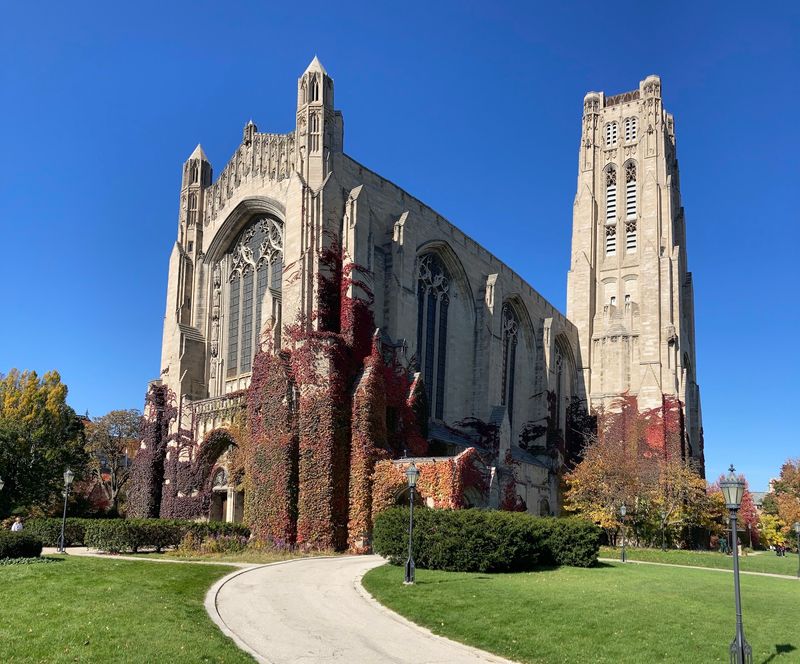
Walking through the University of Chicago can feel a bit like stepping into a storybook written in stone. Gothic buildings, carved details, archways, and ivy give the campus a look that stands apart from almost every other college setting in Illinois.
The historic Main Quadrangles are the best place to begin. Courtyards and connected paths create a route that is easy to wander without needing a strict plan, which makes the campus especially fun for people who like to notice small details as they go.
Instead of huge open lawns doing all the work, the beauty here comes from texture and shape. Stone walls, shaded passageways, and tucked-away corners keep the walk visually busy in a good way, so even a short route feels full.
Hyde Park adds to the appeal. Once the campus walk is underway, continuing toward the Midway Plaisance gives the outing more breathing room with a longer green stretch that contrasts nicely with the tighter, older parts of the university.
Jackson Park nearby can extend the trip even further if there is time and energy left. That pairing makes this campus a strong choice for anyone who likes starting with architecture and ending with broader landscape views.
Because the buildings are such a major part of the experience, looking up matters here. Towers, windows, and entryways often become the memorable pieces, not just the path underfoot.
Cloudy weather can actually help the campus look even more dramatic, while spring and early fall soften the stone with leaves and color. A camera or phone with plenty of storage is useful, since the place has a way of turning casual walkers into accidental photographers.
Even a simple loop around the quadrangles leaves a strong impression.
4. Southern Illinois University Carbondale
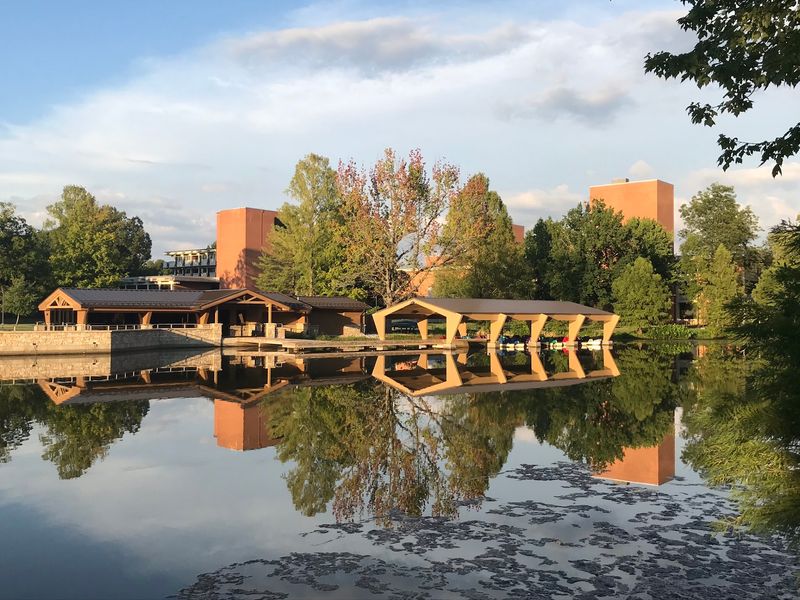
Not every scenic campus walk needs dramatic buildings or formal gardens. At Southern Illinois University Carbondale, the star is the two-mile paved Campus Lake Trail, a route that brings water, woods, and open space together in a way that feels calm without being dull.
The path is easy to understand, which is part of its charm. Walkers can settle into a steady pace and enjoy the shoreline, tree cover, and changing views without constantly checking where to turn next.
Campus Lake gives the whole route a natural center. Some stretches are lined with wooded edges, while others open up enough to show lawn, sky, and the water all at once, creating a nice back-and-forth rhythm over the course of the walk.
There are also practical touches that make the trail friendly for more than one kind of visitor. Exercise areas break up the route, and a nature boardwalk adds a different feel underfoot, giving the walk a small shift in texture and perspective.
Because the trail is open to the public from dawn to dusk, it works for both early risers and late-day walkers who prefer softer light. Morning tends to be quieter, while evening can bring a more settled mood around the lake.
Simple planning goes a long way here. Bring water in warmer months, expect a little sun on the more open parts, and take your time on the boardwalk if you want to notice birds, reflections, or small changes along the shoreline.
This is a strong pick for anyone who wants campus scenery without a heavily urban setting. Rather than asking visitors to leave university grounds to find a peaceful nature walk, SIU Carbondale keeps that experience close at hand, making it easy to enjoy Southern Illinois scenery in a straightforward, low-stress way.
5. Loyola University Chicago

City campus, lakefront calm, and a memorable chapel all in one walk. Loyola University Chicago pulls off that mix especially well on its Lake Shore Campus, where tree-lined grounds meet wide views across Lake Michigan.
The campus has enough greenery to soften the city setting right away. That balance is part of the appeal, since the walk can feel both active and peaceful depending on which path you choose and how close you stay to the water.
One of the standout spots is the waterfront near Madonna della Strada Chapel. The Art Deco building gives the lake edge a strong visual anchor, and the open water behind it turns even a quick stop into one of the more striking scenes on any Chicago campus.
Walkers do not need a complicated plan here. A relaxed route can connect leafy academic areas with shoreline views, giving the outing variety without requiring much distance or navigation.
Because the campus sits within the city, it is easy to pair the walk with nearby food or transit instead of treating it like an all-day trip. That convenience makes Loyola a practical choice for visitors who want scenery but do not want a big travel production around it.
Wind off the lake can shift the feel of the visit fast, so an extra layer is smart even on mild days. On brighter afternoons, sunglasses help too, since the water can reflect a lot of light.
For the best experience, leave room to pause instead of powering through. The chapel, shoreline, and open views deserve a slower pace, especially when the lake is calm or the sky is changing color.
Loyola offers one of those rare urban walks where architecture, trees, and water all share the stage without any one piece overpowering the others.
6. Illinois State University
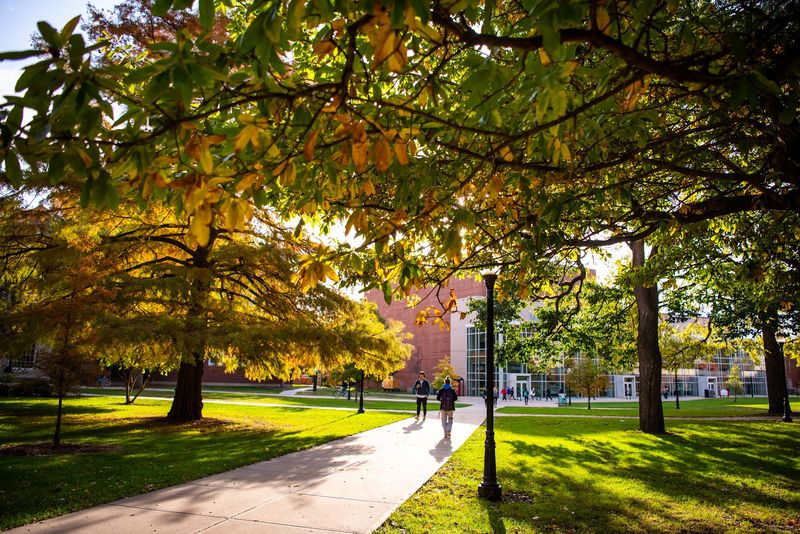
Tree lovers have a clear favorite in central Illinois, and Illinois State University makes a strong case for it. The Fell Arboretum turns the campus into a huge living collection, so a simple walk can double as a close-up look at impressive variety in leaves, shapes, and color.
Thousands of trees and more than 225 species give the grounds a layered, changing look through the year. That means the campus rewards repeat visits, since spring buds, summer shade, and fall color all create noticeably different experiences.
Wide paths make the setting easy to enjoy at a relaxed pace. There is room to stroll without feeling crowded, and the historic red-brick buildings add structure and warmth between greener sections of the route.
Autumn is the obvious highlight. When the canopy turns, the mix of color over walkways and around buildings makes even familiar corners stand out, and the whole campus gets a richer, more textured look.
Still, this is not a one-season place. In warmer months, the shade from mature trees can make a midday walk much more comfortable than expected, especially for visitors who usually avoid open campuses on sunny days.
One smart way to enjoy Illinois State is to slow down and notice the plant variety instead of only using the paths as a route from point to point. Looking at bark, branching patterns, or contrasting leaf shapes adds an extra layer to the walk without needing expert knowledge.
Comfortable shoes are enough for most visitors, and a phone camera helps during peak color seasons. For anyone who wants a campus that combines classic collegiate buildings with a strong sense of landscape design, Illinois State offers a walk that is easy, attractive, and especially rewarding when the trees take over the show.
7. Northern Illinois University

Some campuses impress by keeping things easy, and Northern Illinois University does that well. In DeKalb, broad walkways and generous green spaces make the grounds approachable right away, so visitors can settle into a relaxed walk without much planning.
The campus layout helps a lot. Paths are straightforward, sight lines are open, and there is enough room between key spots to create a pleasant stroll without turning the outing into a trek.
Landmarks like Neptune Hall and the Holmes Student Center give the walk a sense of direction. They break up the route naturally, offering recognizable points to head toward while still leaving space to wander a bit between them.
NIU is also a good match for visitors who like exploring at their own speed. A self-guided tour can provide structure, but the campus does not demand strict order, which is useful for anyone who prefers a loose route and the freedom to pause where the setting looks best.
Green spaces do much of the visual work here. Instead of relying on one dramatic scene, the campus builds its appeal through openness, comfortable walking areas, and a steady rhythm of buildings, lawns, and connecting paths.
That makes NIU especially friendly for casual outings. A quick loop can still feel complete, while a longer walk allows time to notice outdoor corners that might be skipped on a faster visit.
Mid-morning and late afternoon tend to be especially pleasant, when the light softens and the walkways look less stark than they can at midday. Since the campus is easy to navigate, it works well for first-time visitors who want a low-pressure stroll with clear landmarks.
Northern Illinois University may not need flashy tricks to stand out. Its strength is simple, comfortable walkability paired with enough campus character to keep the experience pleasant from start to finish.
8. Elmhurst University

Elmhurst University proves that a smaller campus can still deliver a walk packed with color and texture. Its entire 48-acre campus functions as an arboretum, which means the landscaping is not a side note. It is one of the main reasons to visit.
Because the grounds are compact, walkers can enjoy a satisfying loop without setting aside half a day. That smaller scale works in the campus’s favor, especially for visitors who want pretty scenery without a long route or complicated map.
Tree variety keeps the experience lively. Magnolias, redbuds, and maples each bring a different look depending on the season, while flowering shrubs and perennial plantings fill in the gaps with extra color and shape.
Brick pathways tie the landscape together nicely. They help the campus look polished without feeling stiff, and they make short transitions between buildings and garden-like areas more pleasant than plain concrete would.
Spring is a strong time to go, when blossoms add brightness and the whole campus seems to wake up at once. Fall has a different kind of payoff, with warmer tones that make the brick and mature trees look especially rich.
Elmhurst’s size also makes it easy to notice details. Instead of rushing toward a major landmark, visitors can pay attention to canopy shifts, planting beds, or how the buildings sit among the trees.
This is a smart pick for an easy outing close to Chicago’s western suburbs. Comfortable shoes are usually enough, and even a short visit can feel complete because the best parts are close together.
For walkers who appreciate curated grounds, seasonal beauty, and a route that stays inviting from start to finish, Elmhurst University offers a tidy, well-planted campus with plenty to enjoy in every direction.
9. Augustana College

Flat ground takes a back seat at Augustana College, and that change gives the campus much of its character. In Rock Island, rolling terrain, mature trees, and limestone architecture combine for a walk that has more shape and movement than many Illinois campuses.
Old Main is the visual anchor. Its dome stands out quickly, and the surrounding hillside paths create different angles on the building as you move, which keeps the walk engaging instead of presenting everything in one glance.
The topography matters here. Small rises and dips add variety underfoot, and they also create better sight lines across lawns and building fronts than a perfectly level campus might offer.
Wooded corners bring extra contrast. After passing more open areas and strong stone facades, those shaded spots make the route feel layered and a little less formal, which is a nice balance for walkers who enjoy both architecture and nature.
Autumn is when Augustana often looks its best. Leaves on hillsides and around paths intensify the scene, and the campus gains a richer palette that works especially well with the limestone and older buildings.
Still, there is appeal beyond the fall season. Even on quieter days, the terrain itself keeps the walk from feeling ordinary, and the mature canopy gives many sections a settled, established look.
Visitors may want shoes with decent support because the slopes, while manageable, ask a bit more than a perfectly flat route. Taking the walk slowly helps too, since some of the nicest views come from turning around halfway up a rise or pausing near tree-lined edges.
Augustana is a strong choice for anyone who wants an Illinois campus walk with contour, older architecture, and a little more visual drama than usual.
10. North Central College
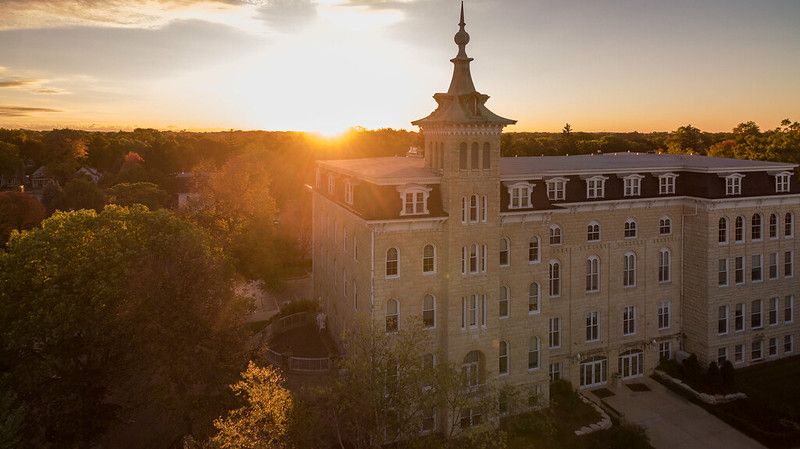
North Central College succeeds by pairing a compact campus with one of the best walking extras in the state. On its own, the college offers attractive brick buildings and an easy route through campus. Add the nearby Naperville Riverwalk, and the outing becomes much more varied.
The campus itself is manageable and pleasant. That makes it especially good for visitors who do not want to spend time figuring out logistics or covering long distances just to see the nicest parts.
Brick architecture gives the college a traditional look, while its location near downtown Naperville keeps the walk connected to the wider community. There is a lived-in feel to the area that makes the outing more interesting than a completely isolated campus loop.
The biggest advantage, though, is how naturally the Riverwalk extends the visit. Gardens, bridges, fountains, and views of the DuPage River add landscape variety that many campuses simply cannot match on their own.
That combination lets walkers shape the day based on mood. A shorter trip can focus on the campus core, while a longer one can slide into the Riverwalk for extra scenery and a different pace.
Because the route can include both collegiate and civic spaces, it works well for mixed groups where some people enjoy architecture and others care more about water views and landscaped paths. There is enough variety to keep everyone interested.
Weekday visits may feel calmer on campus, while weekends can make the surrounding Naperville area more lively. Either way, the setting remains easy to enjoy.
North Central is a great example of a smaller campus getting a major boost from its location, offering walkers a chance to combine classic college visuals with one of the most pleasant public strolling routes in Illinois.
11. Eastern Illinois University

Eastern Illinois University has the kind of campus that makes an unhurried walk easy to picture. Spacious lawns, mature shade trees, and stately Old Main give Charleston a traditional Midwestern college look that works well for visitors who prefer calm, readable grounds.
One of the biggest strengths here is the mostly level layout. That keeps the experience comfortable and accessible for a wide range of walkers, and it makes casual exploring simpler than on campuses with more confusing turns or steeper changes in elevation.
Old Main acts as a natural focal point. Historic buildings often help a campus feel anchored, and here it gives the walk a strong center without overwhelming the rest of the grounds.
Large trees do a lot for the route too. They add welcome shade in warmer months and help the open lawns look less plain by breaking up the space with texture, height, and changing seasonal color.
When formal tours are unavailable, a self-guided route still works nicely. That flexibility is useful for visitors passing through town or anyone who wants to explore without worrying about schedules, start times, or group pacing.
EIU is not trying to wow people with a giant waterfront or a maze of dramatic stone courtyards. Its appeal is steadier than that.
The campus feels comfortable to move through, which often matters more on a scenic walk than a single attention-grabbing landmark.
Early fall and late spring are especially pleasant, but even an ordinary afternoon can be rewarding if the goal is a simple stroll among established trees and classic buildings.
Eastern Illinois University offers a grounded, easygoing walking experience that suits visitors looking for familiar collegiate charm and a route that stays relaxed from beginning to end.
12. Knox College

History gives Knox College an edge that many scenic campuses cannot claim. A walk here combines leafy grounds and older architecture with a direct link to the 1858 Lincoln-Douglas debates, and that added context makes even a compact route feel more substantial.
Old Main is the centerpiece, and for good reason. As the only surviving building associated with those famous debates, it brings real historical weight to the campus without turning the visit into a formal museum experience.
The college is easy to explore on foot, which suits visitors who like shorter, more focused walks. Because the grounds are compact, there is less pressure to choose between landmarks, and more freedom to wander slowly and take in the setting.
Leafy spaces soften the older architecture nicely. That balance keeps the campus from feeling overly solemn, even with such an important historical anchor at its center.
Knox works especially well for people who enjoy learning while they walk. There is a satisfying sense that the scenery is doing two jobs at once, offering visual appeal and quietly reminding visitors that major public moments once happened here.
The smaller scale also makes details easier to notice. Building lines, lawn edges, and the relationship between historic structures and open space all stand out more clearly when the campus is not sprawling in every direction.
Bring a little curiosity along with comfortable shoes. Reading up on Old Main before arriving can add depth, but it is not required to enjoy the walk.
Knox College offers a route that is straightforward, thoughtful, and visually pleasant, making it a strong option for anyone who wants an Illinois campus outing with both greenery and a meaningful story built right into the landscape.
13. Monmouth College
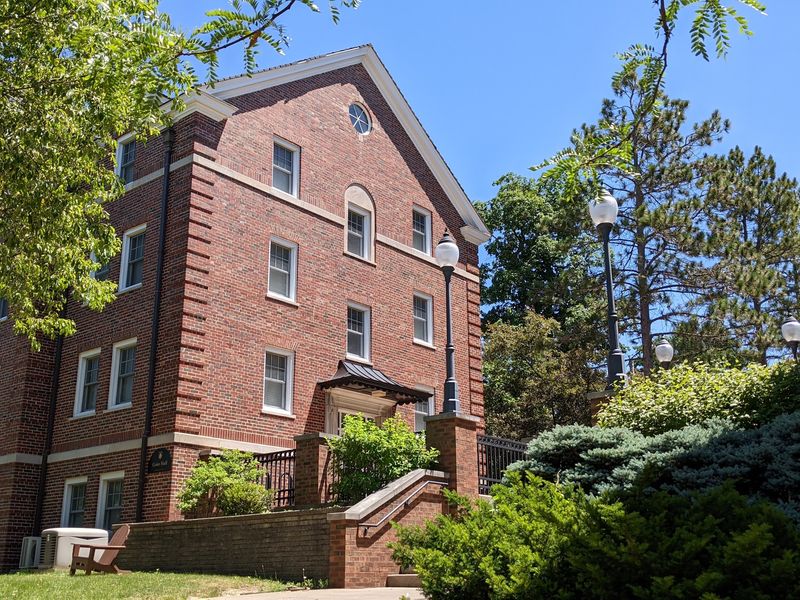
Monmouth College keeps things simple in the best way. Red-brick buildings, open lawns, mature trees, and a small-town setting come together for a walk that is easy to enjoy without needing standout gimmicks or oversized landmarks.
The scale is a big advantage. Visitors can see much of the campus in one outing, which makes Monmouth a comfortable choice for anyone who prefers a clear, manageable route over a long list of must-see stops spread far apart.
The red brick gives the campus a warm visual base. Pair that with a solid tree canopy, and the grounds gain enough contrast to feel inviting in both bright sun and softer, cloudier light.
Open lawns keep views uncluttered. That allows the buildings and trees to do their work without too much visual noise, creating a campus that reads clearly as you move through it.
Early fall is especially rewarding here. Changing leaves bring extra depth to the color palette, and the mix of brick, green space, and seasonal tones gives the whole campus a fuller look.
Monmouth also benefits from its surroundings. The small-town context adds a sense of calm that larger urban campuses often cannot provide, making the walk feel less hurried even when other people are around.
This is a good spot for visitors who want a traditional college setting that does not require a major time commitment. A short stroll can cover plenty, while a slower lap leaves room to notice how the trees frame the buildings and how the open spaces shape the route.
Monmouth College may be modest in size, but it offers a steady, appealing walk built on classic campus ingredients that still hold up beautifully.
14. Lake Forest College
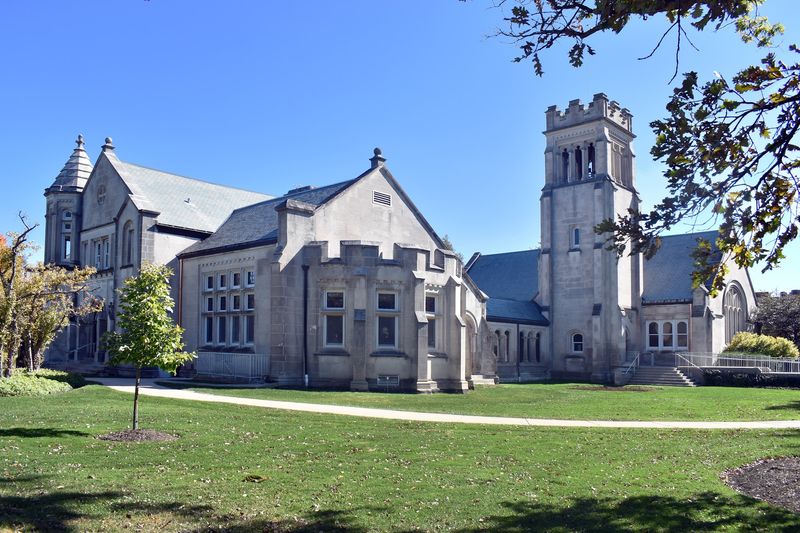
Lake Forest College has a layout that makes a walk feel a little more exploratory. Spread across three attractive sections on the North Shore, the campus blends wooded areas, historic architecture, and quiet lawns into a route with more variety than its size might suggest.
Middle Campus and North Campus are especially pleasant to wander. Moving between them lets visitors see how the college shifts from more structured building clusters to shadier paths and calmer green spaces.
The wooded setting does a lot to shape the experience. Trees frame many of the views, soften the built environment, and create a sense of shelter that stands out from more open campuses farther inland.
Historic architecture adds elegance without making the grounds feel overly formal. Landmarks such as the Lily Reid Holt Memorial Chapel give the walk recognizable focal points and help anchor the route as visitors move between different sections.
Another appealing part of Lake Forest College is its connection to the surrounding community. The campus does not feel sealed off, which makes the walk more interesting and a bit more textured than a completely self-contained college loop.
Because there are multiple sections, a little loose planning helps. Visitors can choose a shorter walk centered on one area or connect parts of the campus for a longer outing with changing scenery along the way.
Shaded paths make warmer days more comfortable, and the North Shore setting gives the grounds a polished, established look. Lake Forest College works well for walkers who enjoy campuses with strong trees, older buildings, and a route that unfolds in stages rather than revealing everything at once.
It is a campus where quiet lawns and architectural landmarks share attention evenly, creating a stroll that stays pleasant from one section to the next.
Share this story